

A Hidden Japanese Paradise
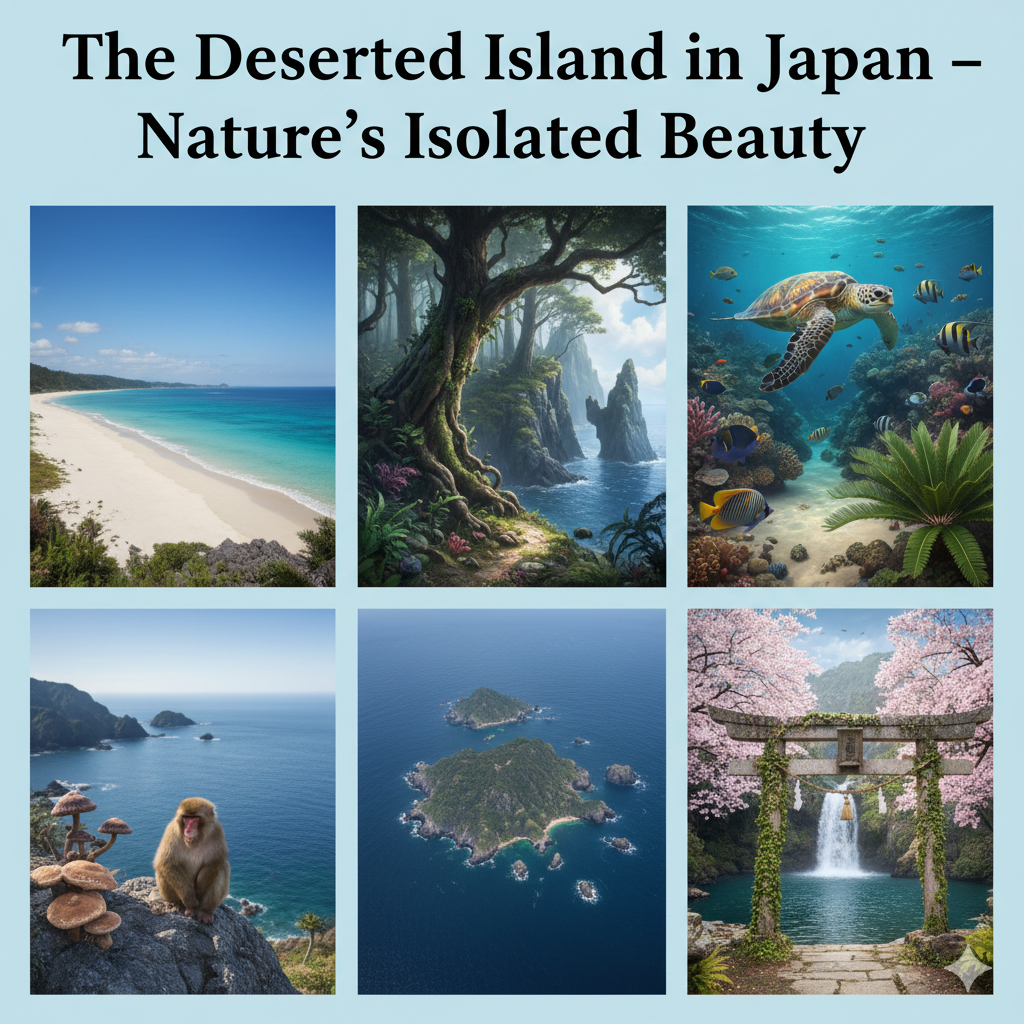
Japan is renowned for its bustling cities, historic temples, and cultural landmarks. Yet, beyond the urban sprawl lies a world of hidden natural beauty — Deserted Island in Japan that offer complete isolation and serenity.
These islands are untouched by mass tourism, allowing visitors to experience nature in its purest form. Crystal-clear waters, pristine beaches, dense forests, and thriving wildlife create an environment that feels both magical and timeless.
Location & Access: Reaching Deserted Island in Japan
- Key Islands: Examples include Okinoerabu, Aogashima, and Gunkanjima (Battleship Island, partially deserted)
- Transportation: Small ferries, charter boats, or guided eco-tours provide access
- Tips: Some islands require permission or guides due to conservation efforts
- Best Approach: Multi-day itineraries allow exploration of beaches, forests, and cliffs without rushing
Pro Tip: Check local travel advisories and seasonal accessibility before visiting.
Island Features & Landscape
Deserted islands in Japan offer a range of stunning natural landscapes:
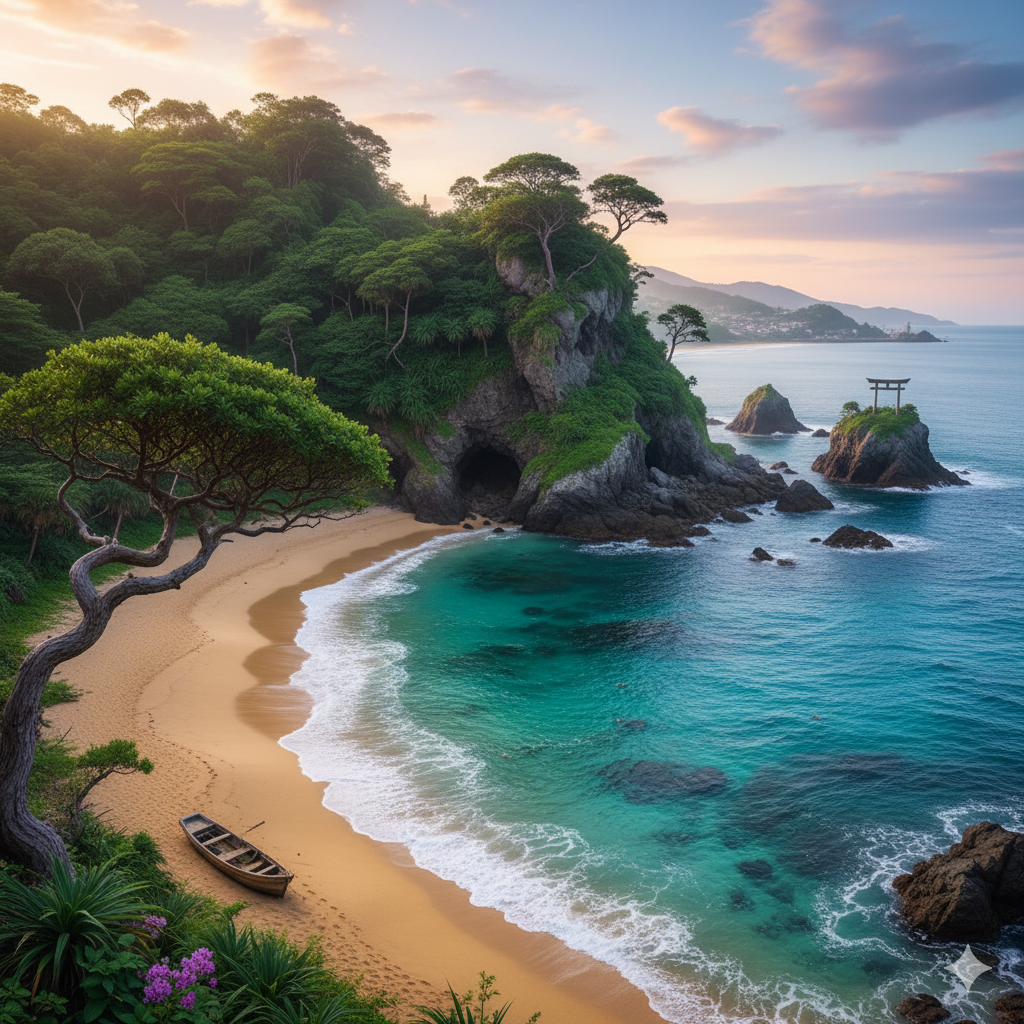
- Beaches: White sands, hidden coves, and turquoise waters perfect for photography and relaxation
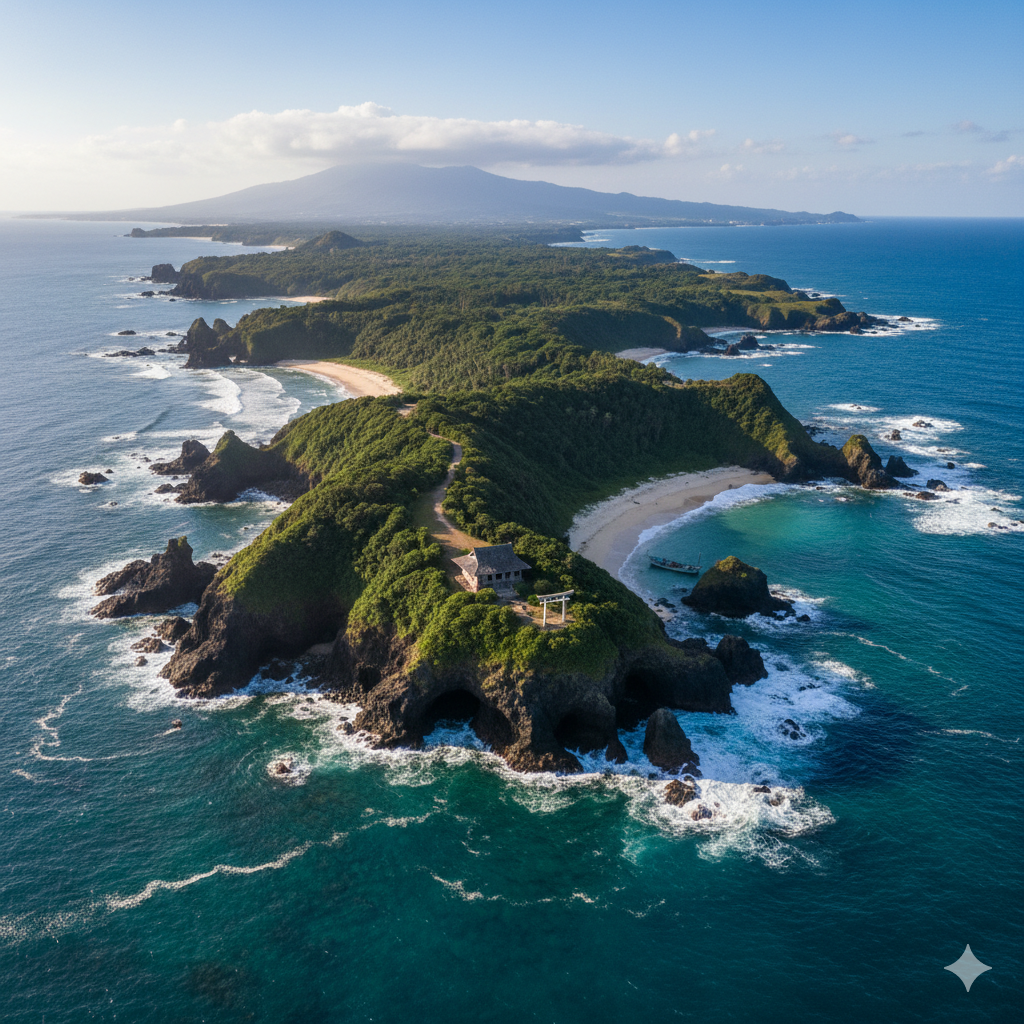
- Cliffs & Rock Formations: Dramatic volcanic cliffs, natural arches, and erosion-sculpted rocks
- Forests & Trails: Dense woodlands filled with native plants and shade trails
- Volcanic Features: Some islands, like Aogashima, have active volcanic calderas visible from safe viewpoints
These islands combine geological wonder with scenic tranquility, providing endless exploration opportunities.
Unique Flora & Fauna
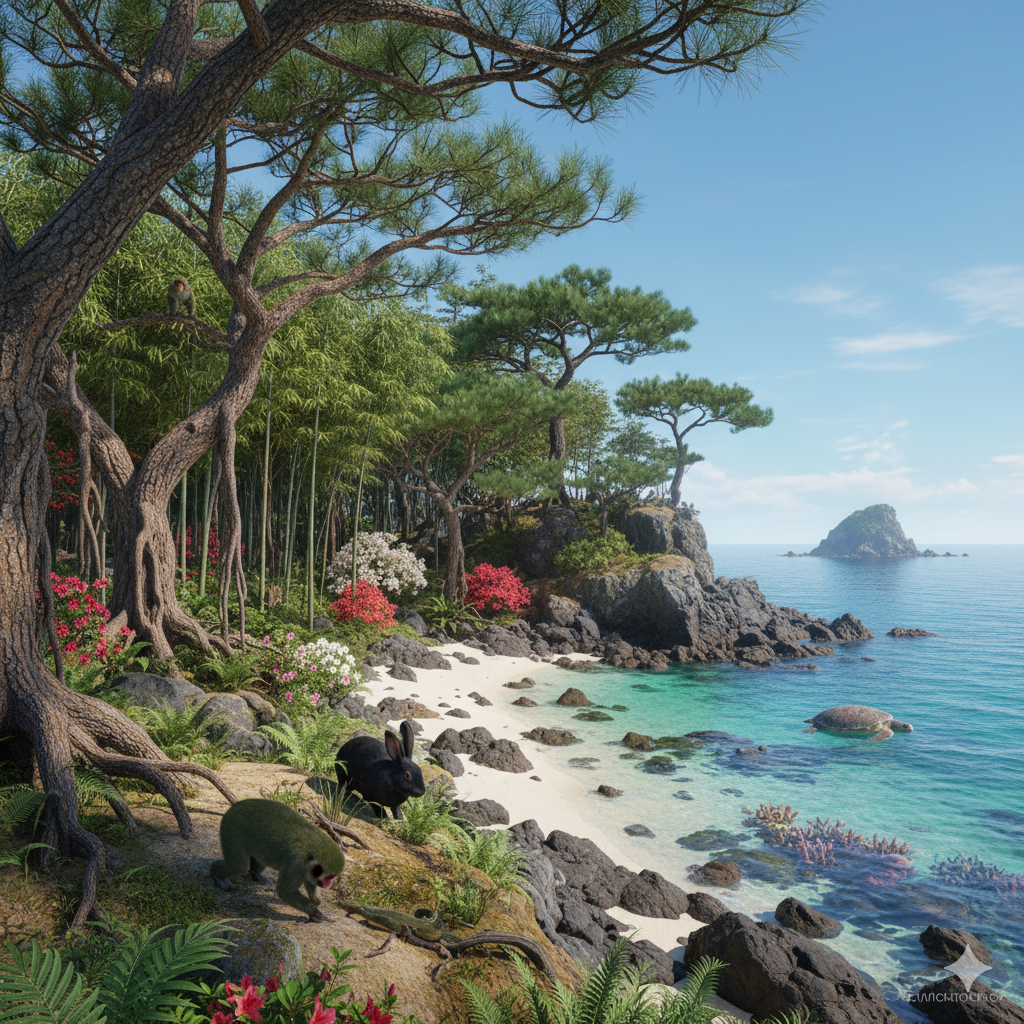
- Flora: Native species thrive undisturbed — from subtropical palms to rare wildflowers
- Fauna: Migratory birds, small mammals, and endemic insects inhabit the isolated ecosystems
- Marine Life: Coral reefs, fish, and crustaceans flourish along the shores, perfect for snorkeling and underwater photography
Protecting these islands ensures that the ecosystem remains pristine for future generations of visitors.
Activities & Exploration
Visitors can enjoy a variety of activities:
- Hiking & Trails: Discover hidden cliffs, forests, and panoramic viewpoints
- Beach Exploration: Sunbathing, tide pooling, and discovering secret coves
- Photography Tours: Capture untouched landscapes, wildlife, and volcanic formations
- Kayaking & Snorkeling: Explore the surrounding waters and marine biodiversity
- Guided Eco-Tours: Learn about island ecology, conservation, and cultural history
Tip: Bring essential supplies as most deserted islands have limited facilities.
Cultural & Historical Significance
- Some islands hold ancient ruins or sacred sites, providing glimpses of Japan’s history
- Local Legends: Folklore often tells stories of isolation, spirits, and historical events
- Islands like Gunkanjima showcase industrial history fused with abandonment, creating a haunting yet fascinating landscape
Check Also: World’s Tallest Waterfall: 7 Breathtaking Facts About Yosemite’s Towering Giant
Best Time to Visit: Seasons & Conditions
- Spring (March–May): Mild weather, blooming flora, and fewer tourists
- Summer (June–August): Warm water, ideal for snorkeling and hiking, but watch for typhoon season
- Autumn (September–November): Stunning foliage, cooler temperatures, and low crowds
- Winter (December–February): Crisp air and serene isolation, best for photography of rugged coastlines
Tip: Early mornings often provide calmest waters and soft natural light for breathtaking photos.
Conservation & Responsible Tourism
- Follow all local guidelines and restricted zones
- Avoid disturbing wildlife and native plants
- Carry out all trash and minimize human impact
- Use certified guides to ensure safety and environmental protection
Responsible travel keeps these islands untouched and magical for generations to come.
Source:
FAQs – Exploring Deserted Japanese Islands
Q1: Are Japan’s deserted islands accessible to tourists?
A1: Yes, many are accessible via ferry or guided tours, though some require permits.
Q2: What activities can visitors do?
A2: Hiking, photography, snorkeling, kayaking, and wildlife observation.
Q3: Are there accommodations on deserted islands?
A3: Most islands have limited or no facilities; multi-day trips may require camping or day visits.
Q4: When is the best time to visit?
A4: Spring and autumn provide the best combination of weather, scenery, and lower crowds.
Q5: How can tourists help protect these islands?
A5: Follow eco-tourism rules, respect wildlife, avoid littering, and use certified guides.
Traveler: Discovering Japan’s Hidden Natural Beauty
Japan’s deserted islands are more than remote landmasses — they are untouched paradises showcasing serene beaches, dramatic cliffs, lush forests, and thriving wildlife.
Visiting these islands offers a unique escape from modern life, allowing travelers to reconnect with nature and experience a truly isolated beauty.
For explorers, photographers, and eco-tourists, these islands are a once-in-a-lifetime adventure, a hidden gem in Japan’s diverse landscape.