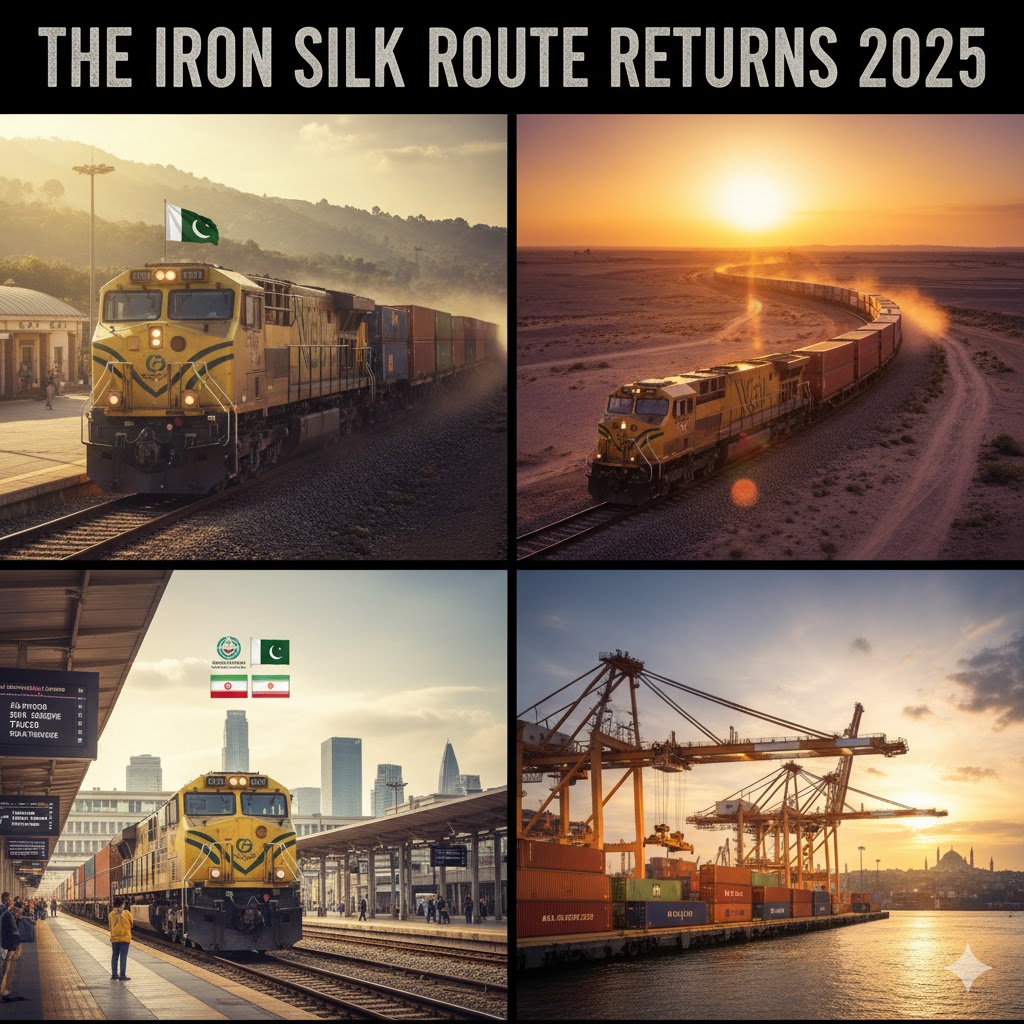
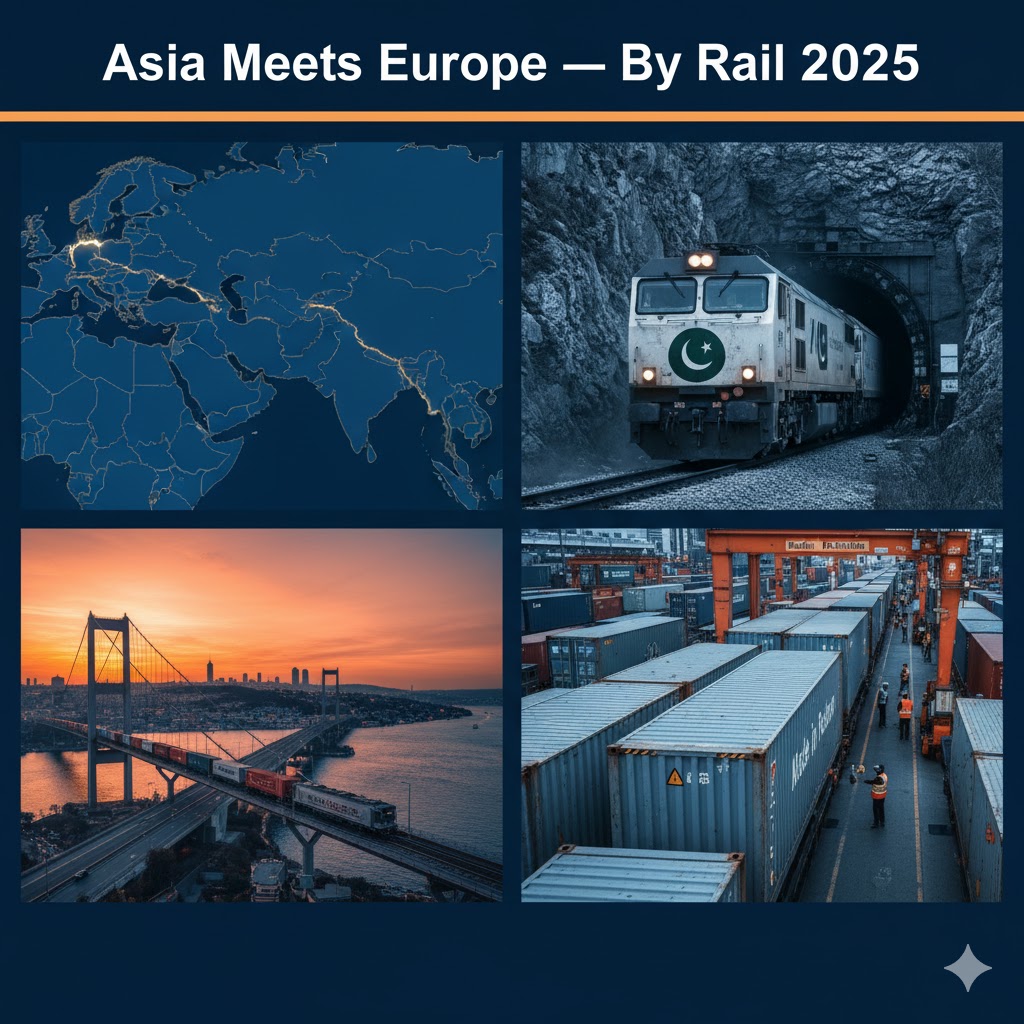

Introduction — The Rebirth of a Continental Connection
Islamabad Istanbul freight train revival marks a defining moment for regional connectivity in 2025. Stretching across three nations — Pakistan, Iran, and Turkey — this corridor forms the backbone of the Economic Cooperation Organization (ECO) railway network, often dubbed the Iron Silk Route.
After years of suspension, this strategic route will once again link South Asia with Europe, drastically reducing cargo time and cost.
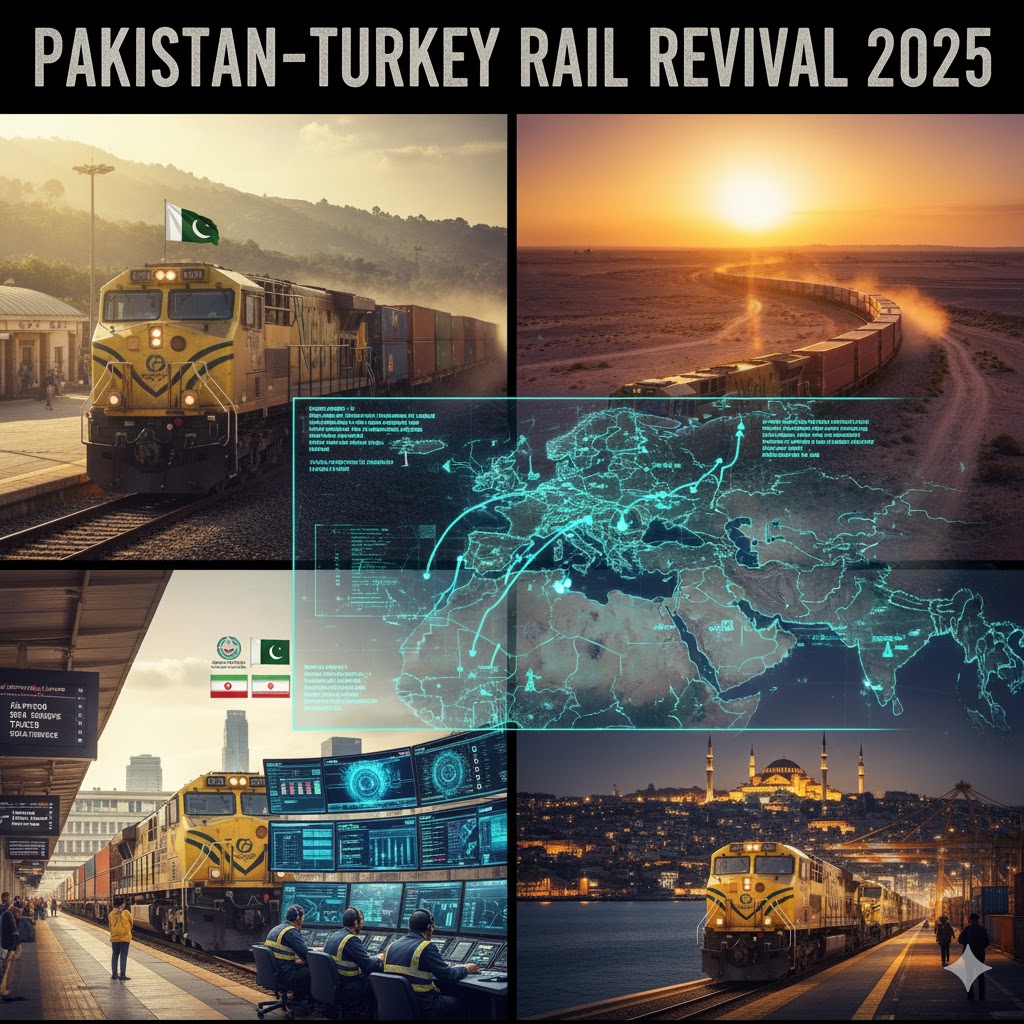
🌍 Background — From Vision to Reality
Initially launched in 2009, the Islamabad–Tehran–Istanbul (ITI) freight train symbolized Pakistan’s ambition to bridge East and West through land logistics. However, operational and technical bottlenecks in Iran halted consistent service.
Now, under ECO’s 2025 revival plan, member states have pledged to upgrade tracks, stations, and customs systems. The train will resume regular operations by year-end 2025, offering a faster alternative to sea freight.

🚂 Route Details — A Journey Through 6,500 Kilometers of Trade
The revived freight train will cover approximately 6,540 km, connecting:
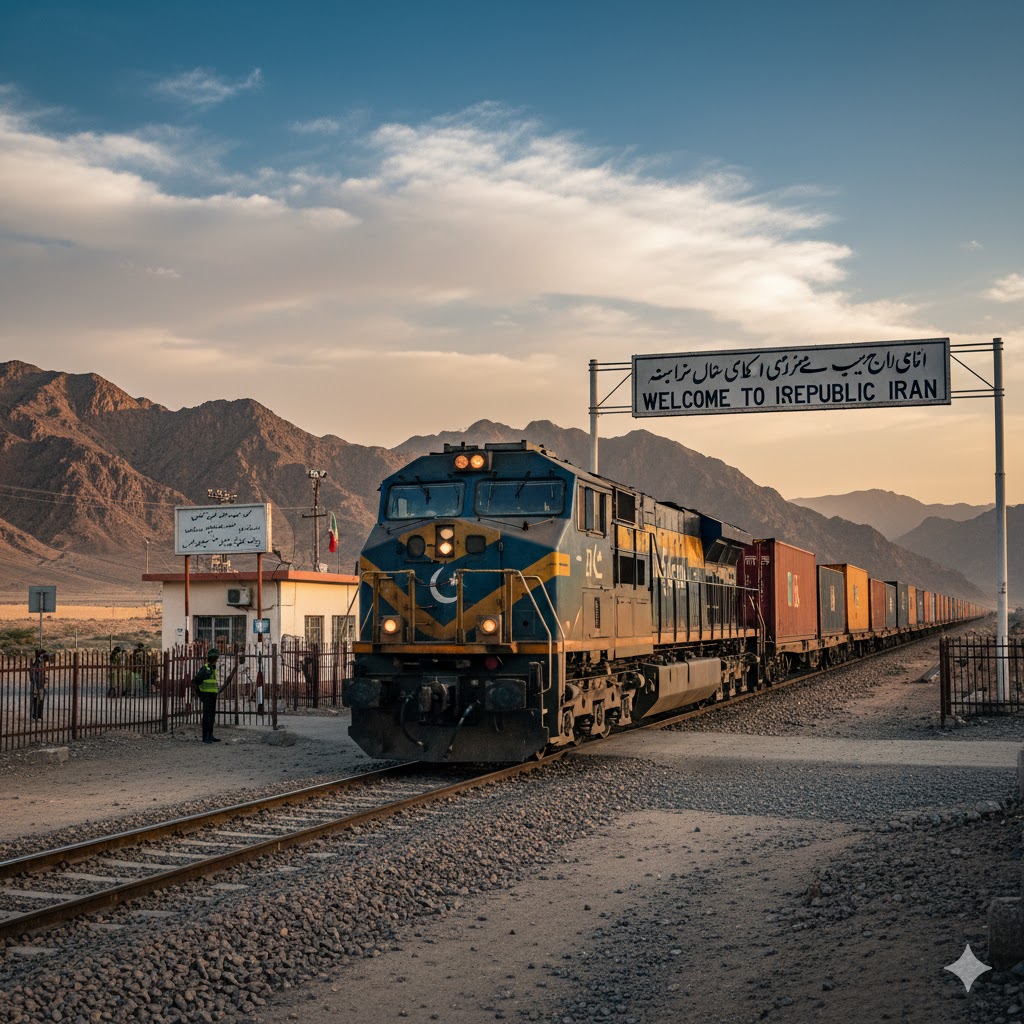
- Islamabad (Pakistan) → Quetta → Taftan Border
- Zahedan (Iran) → Tehran → Tabriz
- Ankara (Turkey) → Istanbul
Estimated transit time: 12–14 days, compared to 45 days by sea.
Cargo from China and Central Asia will also connect via Pakistan Railways and CPEC road-rail networks, integrating seamlessly with the Baku–Tbilisi–Kars and European railway systems.
💼 Economic Significance — Boosting Regional Trade and Logistics
This initiative is a game-changer for trade between Pakistan, Iran, and Turkey, expected to move goods worth billions of dollars annually.
Key benefits include:
- 70% reduction in freight transit time
- 40% lower transportation costs
- Enhanced access to European and Middle Eastern markets
- Opening new industrial and export opportunities for Pakistani manufacturers
Glamp Pakistan’s logistics wing, along with Pakistan Railways Freight Services, has already shown interest in utilizing the corridor for containerized and perishables transport.
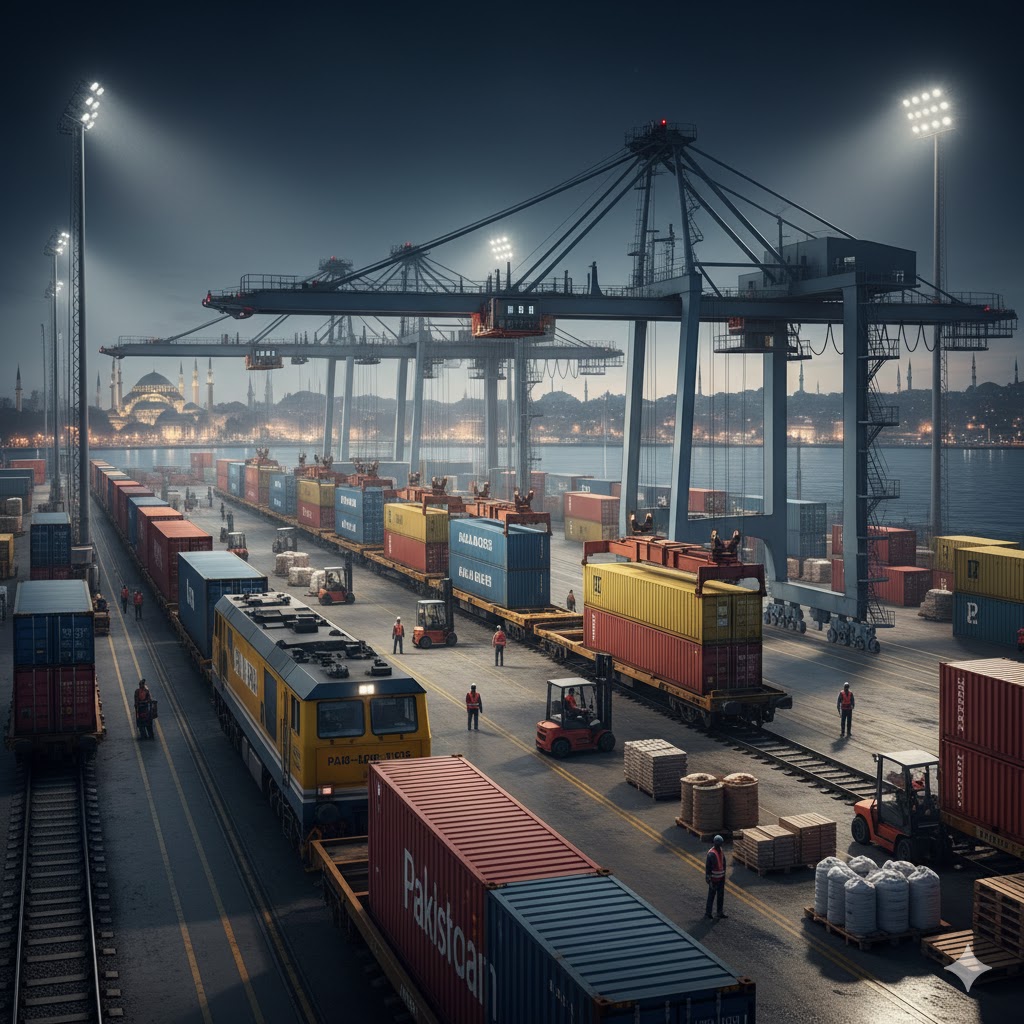
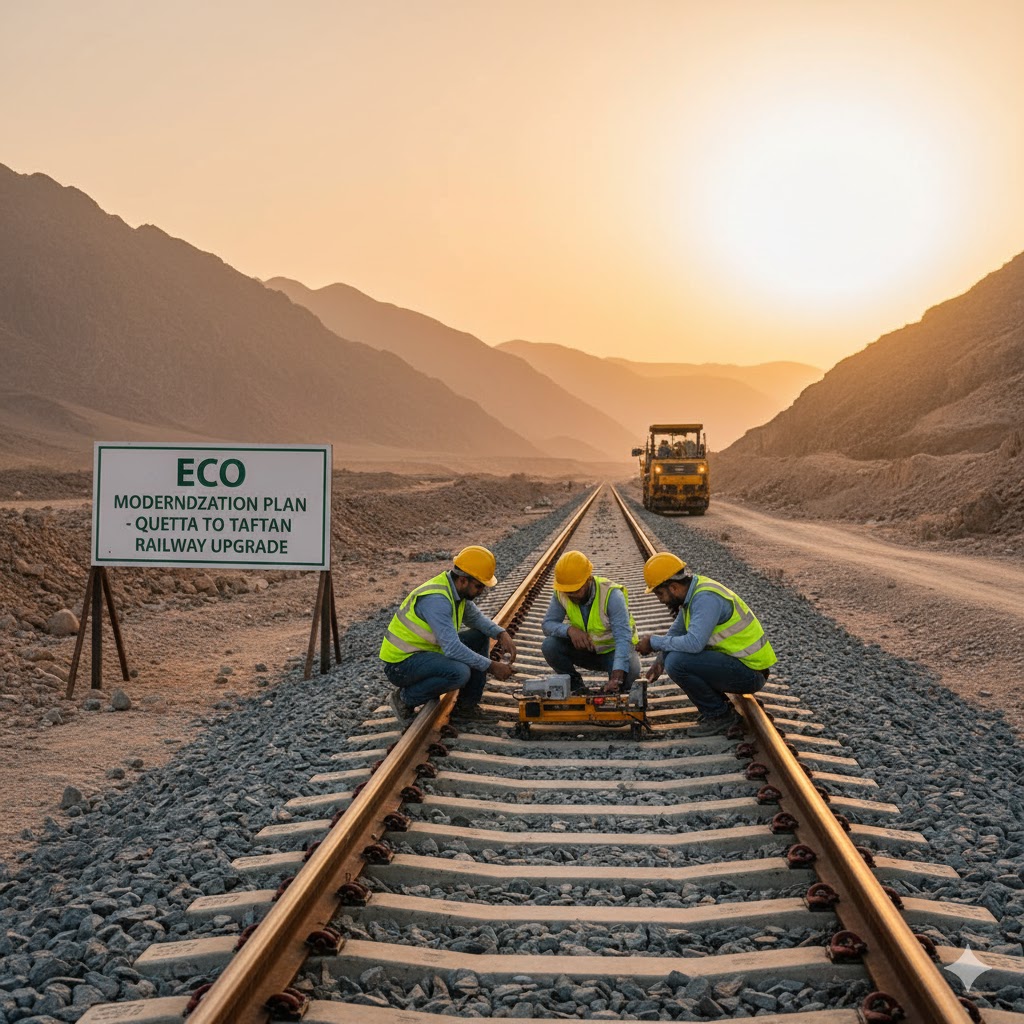
🏗️ Infrastructure & Modernization Plans
To ensure seamless connectivity, the Pakistan Railways, Iran Railways, and Turkish State Railways are:
- Upgrading the Quetta–Taftan dual track
- Modernizing Zahedan–Tehran–Tabriz signals
- Installing electronic freight tracking and digital customs systems
By 2026, freight digitization will allow real-time tracking, route optimization, and secure data sharing among all three nations.
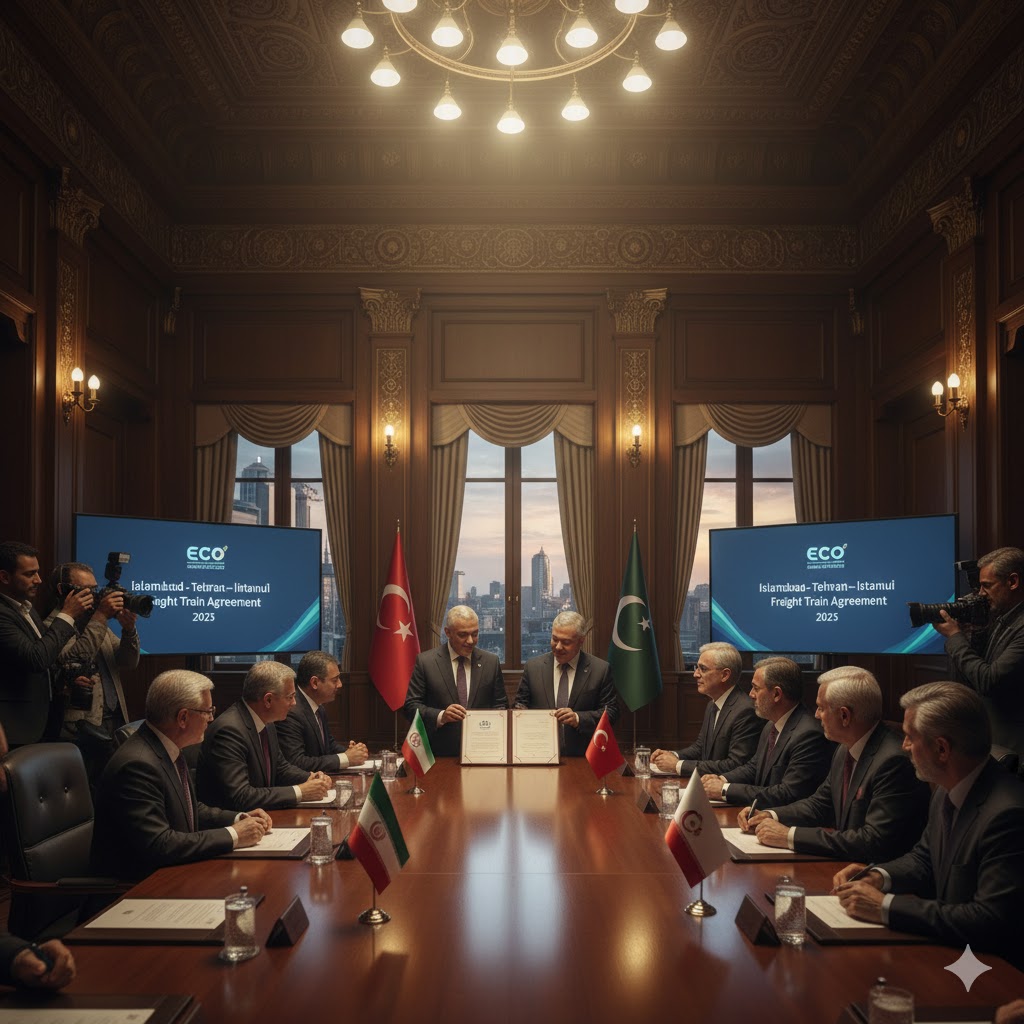
🤝 Diplomatic and ECO Support
This project is backed by the Economic Cooperation Organization (ECO) and supported by UNESCAP under the Trans-Asian Railway Agreement (TAR).
ECO Secretary General Khosrow Nazeri emphasized that the ITI freight train will “reshape trade dynamics from South to West Asia and into Europe.”
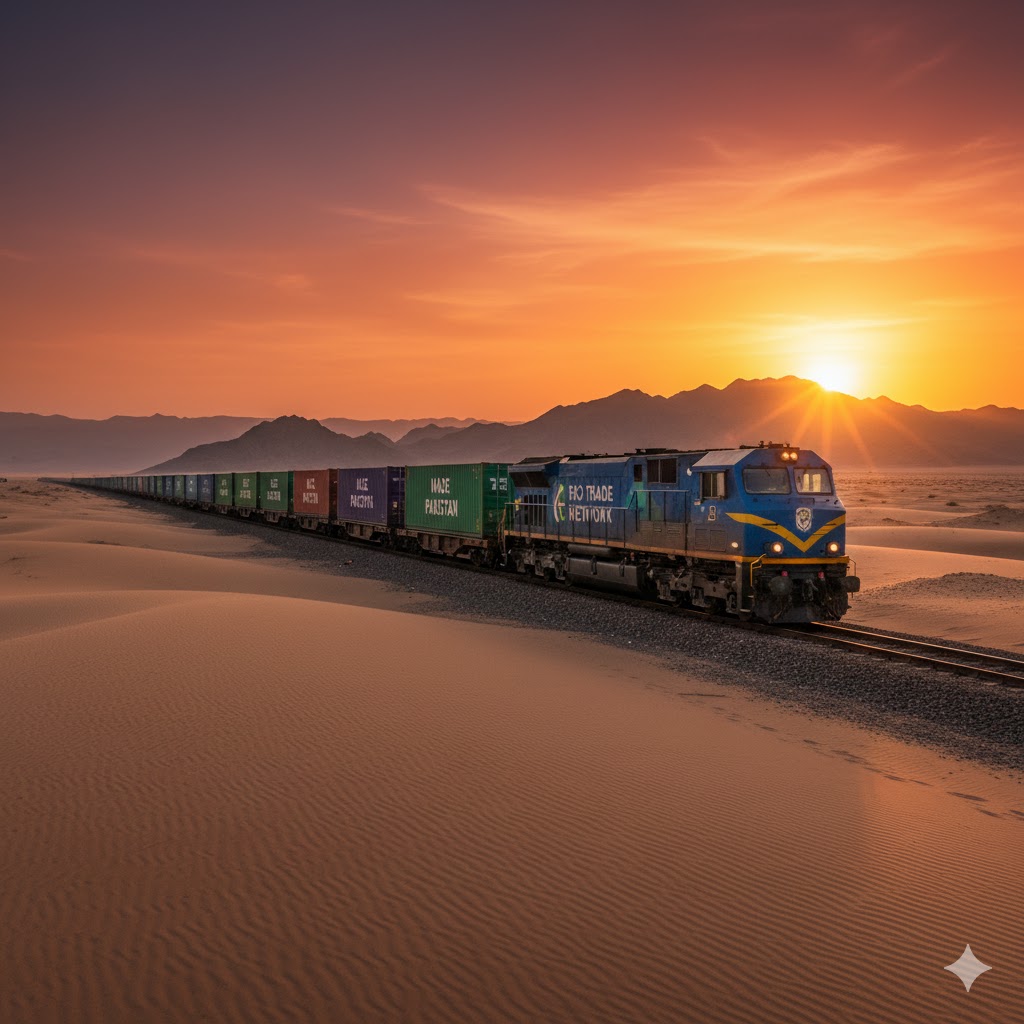
🏞️ Environmental Impact — Green Transport for a New Era
Freight by train produces 75% fewer emissions compared to trucks or air cargo.
Pakistan’s Ministry of Railways confirmed that the route will utilize low-emission locomotives, contributing to Pakistan’s Climate Action Goals 2030.
🕒 Timeline — Revival by End of 2025
- Q1 2025: Completion of Quetta–Taftan upgrades
- Q2 2025: Track testing in Iran and Turkey
- Q3 2025: Joint inspection by ECO technical teams
- Q4 2025: Official inauguration and full freight service resumption
A passenger service is also under study for 2026–27, aiming to offer travelers a scenic transcontinental route from Islamabad to Istanbul via Tehran.
References:
- Fascinating Secrets & Reasons Why Iriomote Island, Japan Is Next Big Eco-Tourism Paradise 2026
- Breathtaking Reasons to Visit Chitral Gol National Park, Pakistan in 2026
Sources:
- Economic Cooperation Organization Official Portal
- Pakistan Railways Official Website
📊 Quick Facts – Islamabad Istanbul Freight Train
| Feature | Details |
|---|---|
| Total Distance | 6,540 km |
| Duration | 12–14 days |
| Countries Covered | Pakistan, Iran, Turkey |
| Cargo Type | Industrial, agricultural, textile, consumer goods |
| Launch Date | Q4 2025 |
| Key Authority | ECO Secretariat, Tehran |
🧭 Expert Insight – Islamabad Istanbul Freight Train
“This project will redefine how Pakistan engages with Europe — faster, cleaner, and more profitable,” says Dr. Saad Qureshi, a logistics economist at NDU Islamabad.
“The revival of the Islamabad–Istanbul train brings new hope for exporters, especially textile and manufacturing sectors.”
Traveler Guide: Islamabad Istanbul Freight Train
The Islamabad–Istanbul freight train 2025 is not just a revival — it’s a resurrection of continental trade spirit. It revives an age-old Silk Route, creating a sustainable logistics artery across Asia, the Middle East, and Europe.
This rail link embodies Pakistan’s strategic future — connecting its geography to prosperity.