


Journey to Earth’s Mysterious Depths
Imagine a place so deep and remote that sunlight has never touched its walls. A place where explorers descend into an alien world beneath our feet — an abyss filled with narrow passages, underground waterfalls, and endless silence.
That place exists — the world deepest cave, known as Veryovkina Cave, hidden in the Arabika Massif of the Western Caucasus Mountains in Georgia. Stretching over 2,212 meters (7,257 feet) below the surface, this cave system is not just a geological wonder but a testament to human courage, curiosity, and the raw power of nature.
In this article, we’ll dive deep (literally and figuratively) into the science, history, and mystery of the deepest cave on Earth, uncovering what lies beneath — from rare life forms to deadly hazards and groundbreaking exploration milestones.
The Discovery of the Deepest Cave
The story begins in the Arabika Massif, part of the Gagra mountain range near the Black Sea. This region, rich in limestone, is riddled with caves formed over millions of years by water dissolving rock — a process known as karstification.
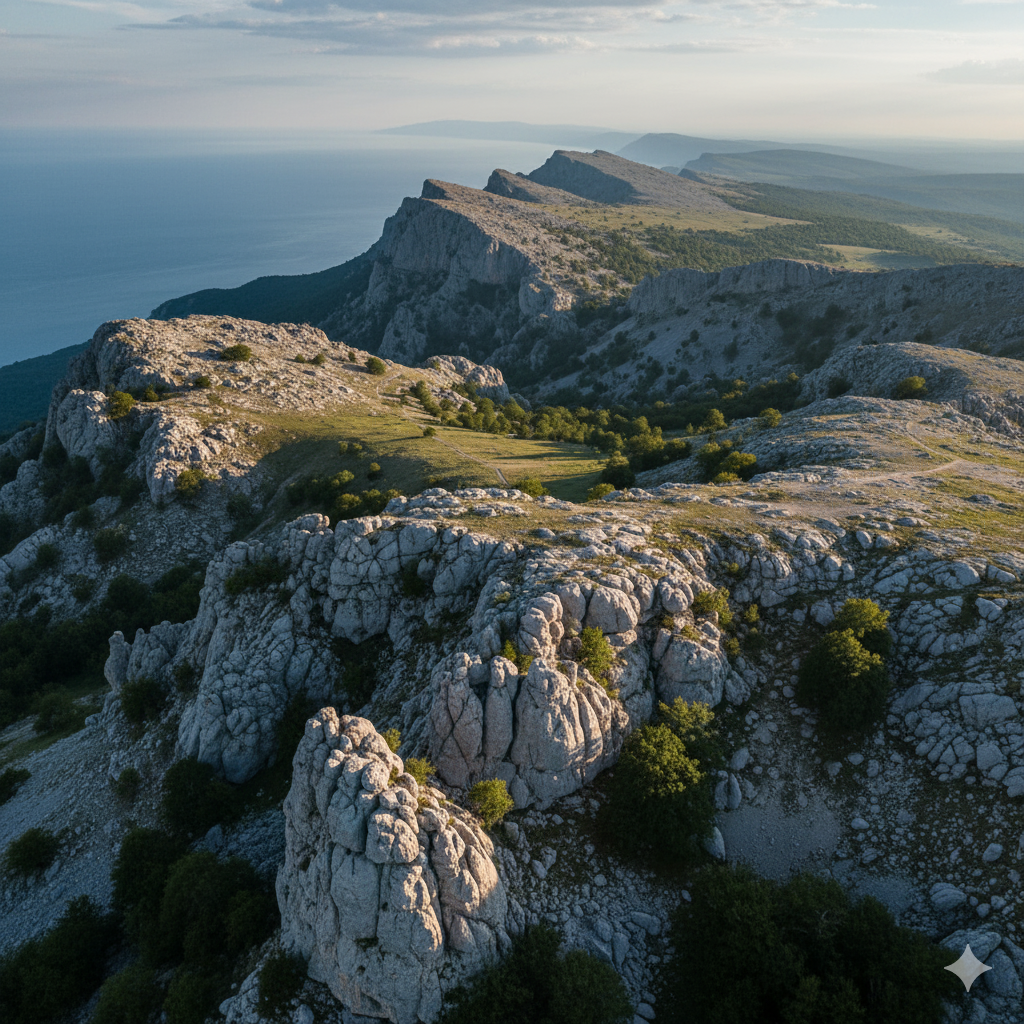
The Veryovkina Cave was first identified in the 1960s by Soviet speleologists, but it wasn’t until 2001–2017 that explorers began pushing its limits. Russian cave explorers from the Perovo Speleological Club of Moscow made the first recorded descent, gradually extending known depths year after year.
By 2018, explorers finally reached a depth of 2,212 meters, making Veryovkina officially the deepest known cave on Earth — surpassing Krubera Cave, which previously held the record.
How Deep is “Deep”? Comparing the World’s Deepest Caves
When we talk about “deepest caves,” we mean vertical depth — the distance between the highest entrance and the lowest reachable point.
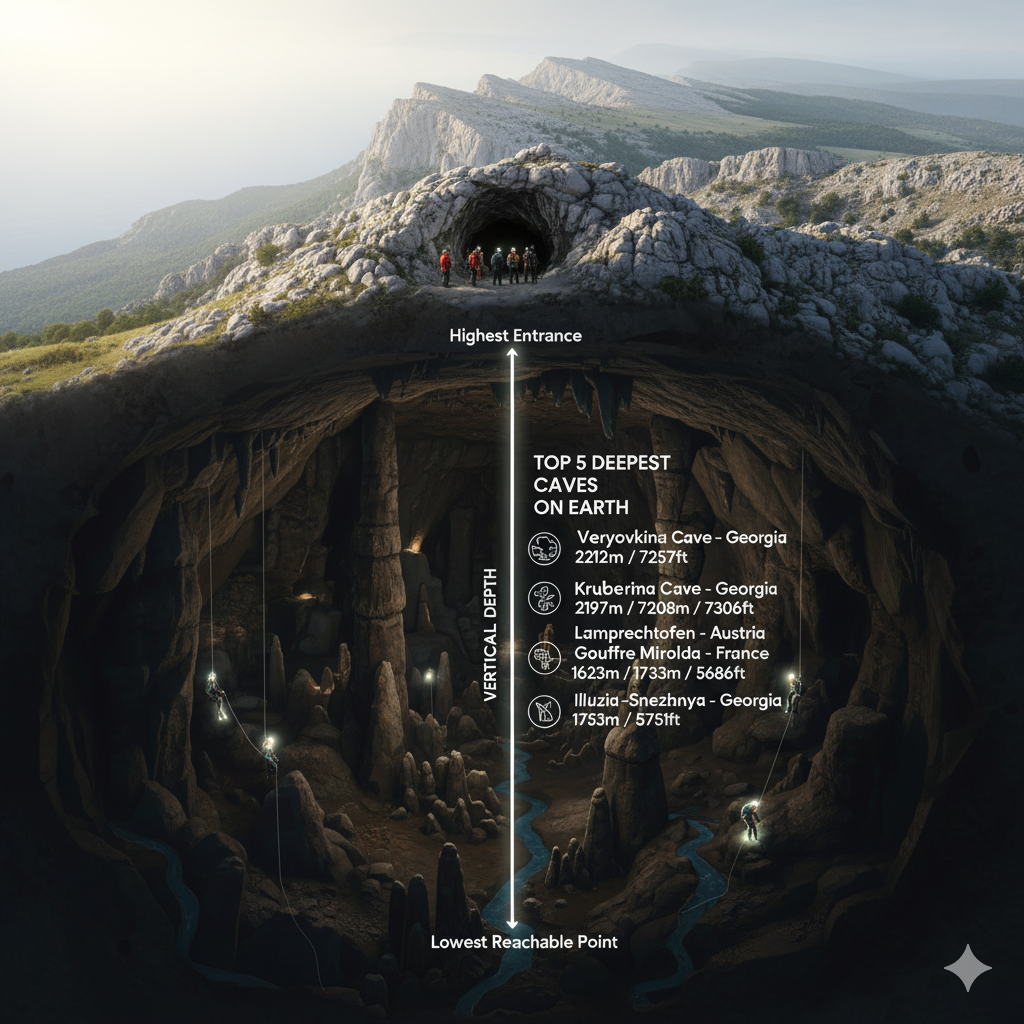
Here’s a look at the Top 5 Deepest Caves on Earth:
| Rank | Cave Name | Location | Depth (m) | Depth (ft) |
|---|---|---|---|---|
| 1 | Veryovkina Cave | Georgia | 2,212 m | 7,257 ft |
| 2 | Krubera Cave | Georgia | 2,197 m | 7,208 ft |
| 3 | Lamprechtsofen-Vogelschacht System | Austria | 1,623 m | 5,326 ft |
| 4 | Gouffre Mirolda | France | 1,733 m | 5,686 ft |
| 5 | Illuzia–Snezhnaya–Mezhonnogo System | Georgia | 1,753 m | 5,751 ft |
Fun Fact: Georgia’s Arabika Massif region alone contains four of the top five deepest caves in the world — a true paradise for speleologists.
The Journey Down: Inside the Abyss
Descending into Veryovkina Cave is not a casual adventure — it’s an extreme expedition. Explorers spend days or even weeks underground, navigating vertical shafts, narrow tunnels, and freezing subterranean rivers.
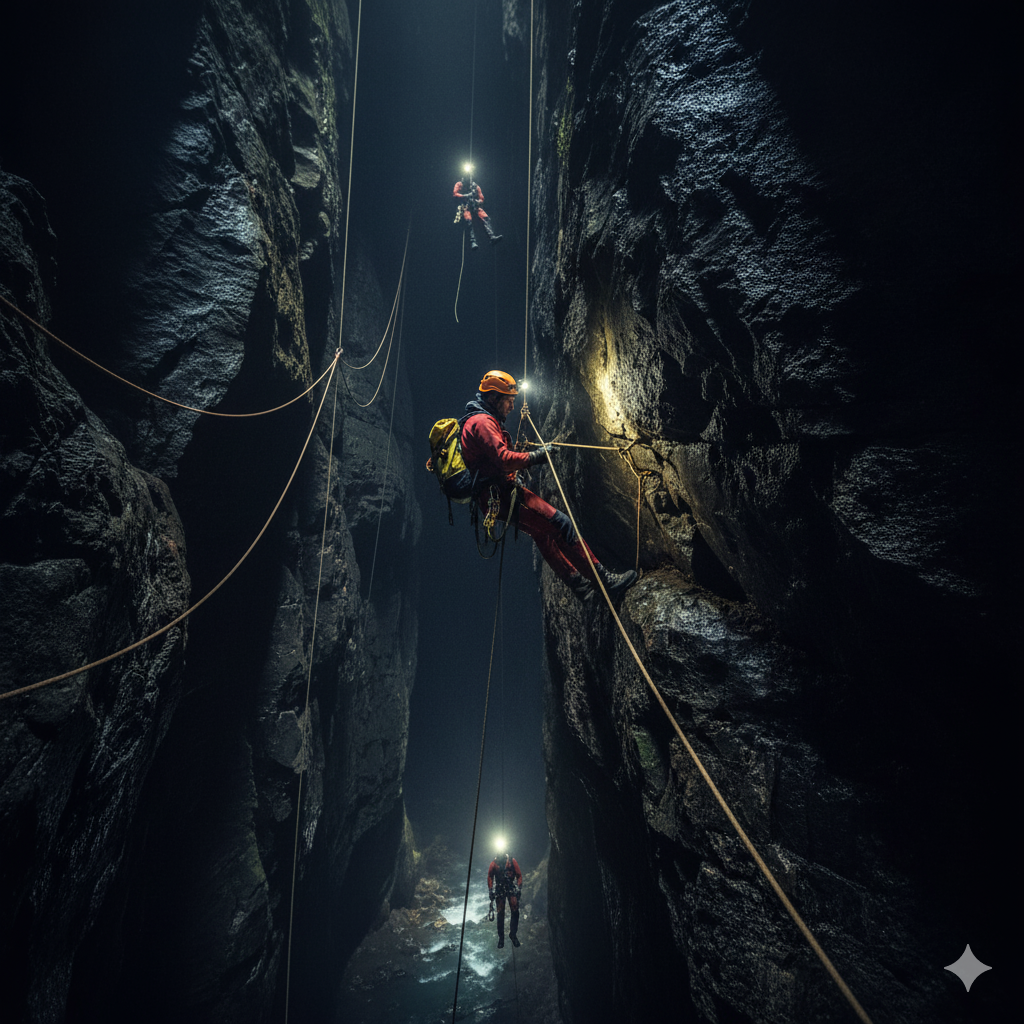
The cave system features:
- Multiple vertical drops of 100–150 meters each
- Massive chambers known as “caverns” where explorers can camp
- Subterranean waterfalls and streams
- Temperatures around 2–7°C (35–45°F)
- Total exploration time: often 7–10 days round trip
At the cave’s deepest known point, explorers discovered an underground lake — eerily calm, surrounded by complete darkness, where sound barely travels.
This extreme environment is both beautiful and terrifying — a true “hidden abyss.”
How Scientists Study Deep Caves
Exploring caves this deep is not just a thrill-seeking endeavor; it’s a scientific mission. Every expedition reveals valuable insights into:
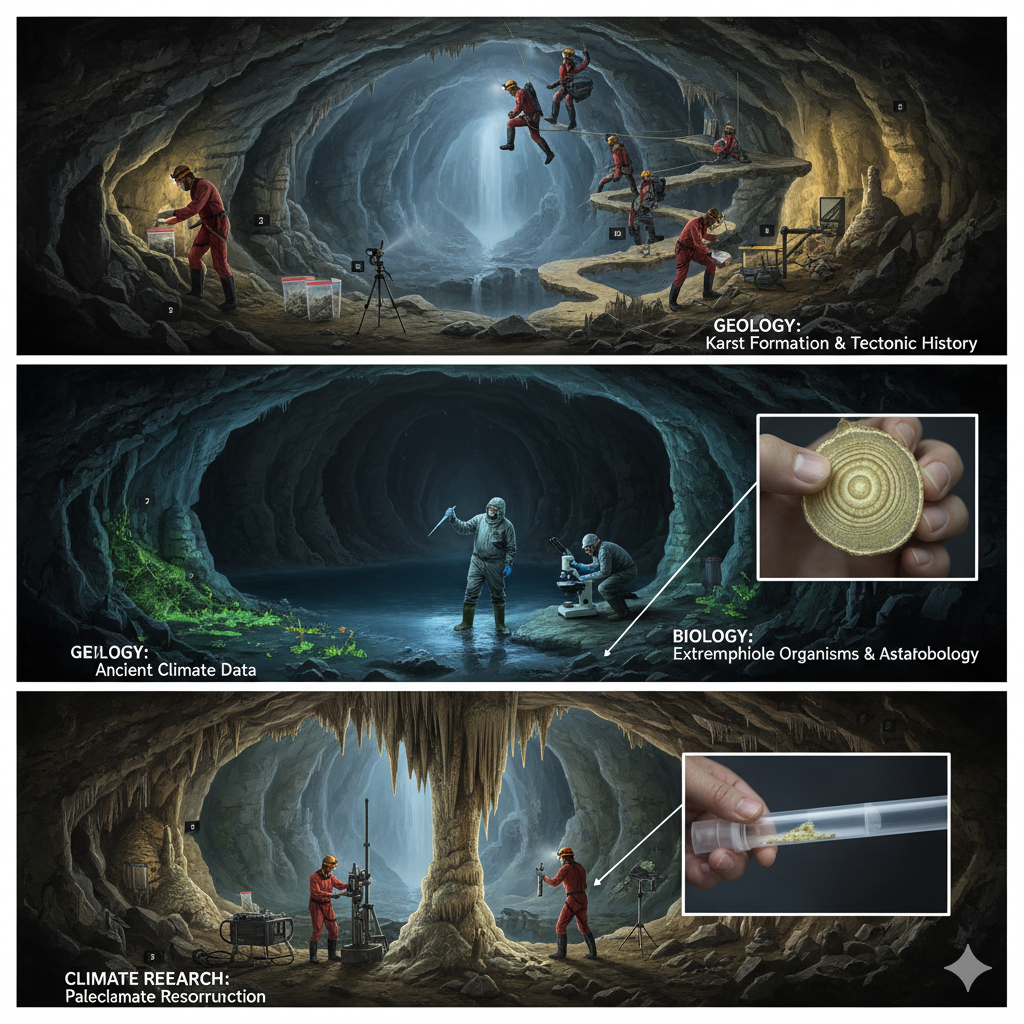
Geology
Caves like Veryovkina help geologists understand karst formation, tectonic history, and the movement of groundwater. These caves are time capsules — preserving millions of years of Earth’s evolution.
Biology
Even in total darkness, life finds a way. Scientists have discovered extremophile organisms — microscopic bacteria and fungi that survive without sunlight, feeding on minerals or chemical energy. Studying these life forms helps biologists understand how life might exist on other planets.
Climate Research
Stalactites and stalagmites record ancient climate data through mineral layers. By analyzing these formations, researchers can reconstruct historical climate patterns spanning thousands of years.
The Human Element: Courage in the Depths
Descending into the world’s deepest cave is not for the faint-hearted. Explorers face:
- Claustrophobic tunnels barely wider than a body
- Cold, damp air and near-total darkness
- Risk of flooding from underground rivers
- Limited communication with the surface
- Physical exhaustion and mental stress
Yet, each new descent is fueled by passion — the drive to explore the unknown.
Many of the world’s best speleologists compare cave exploration to space travel:
“It’s like exploring another planet — except it’s right here beneath us.”
Dangers of Deep Cave Exploration
Caving at these depths is among the world’s most dangerous activities. The perils include:
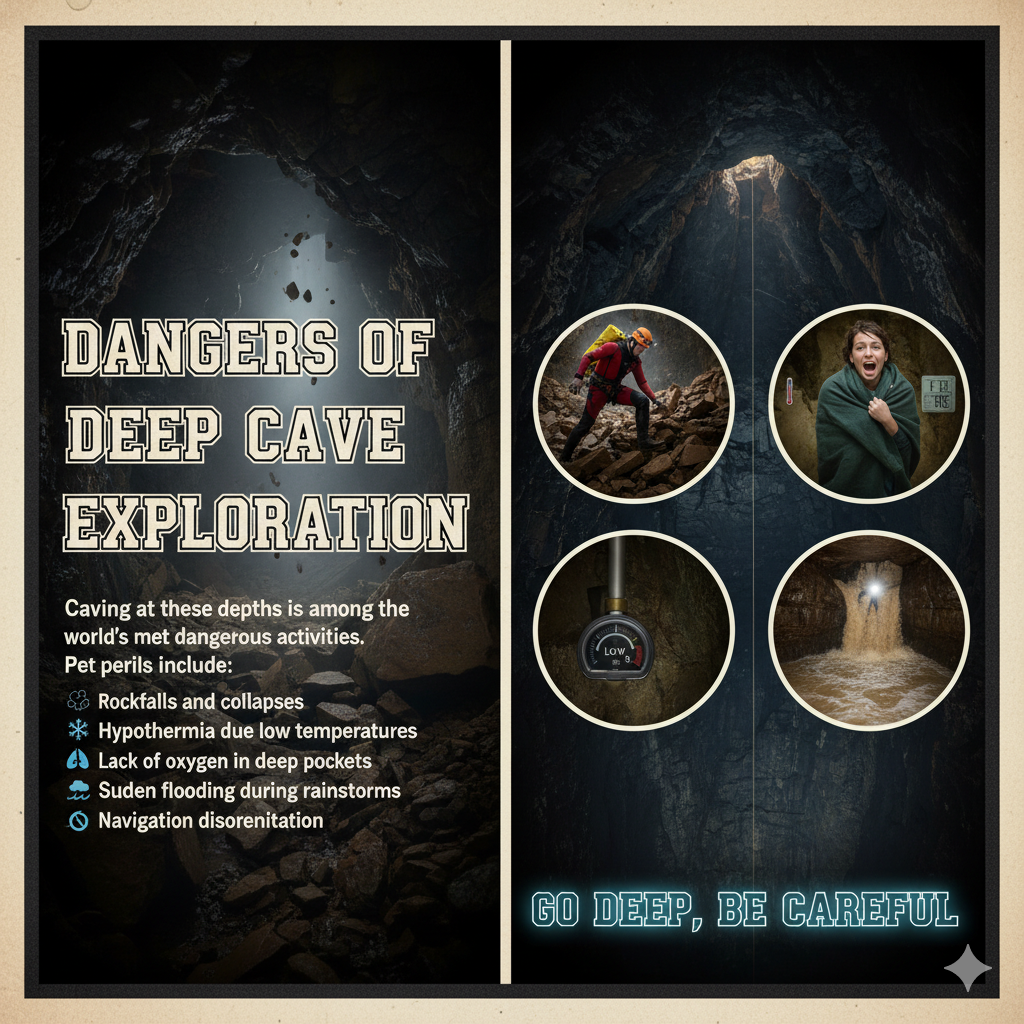
- Rockfalls and collapses
- Hypothermia due to low temperatures
- Lack of oxygen in deep pockets
- Sudden flooding during rainstorms
- Navigation disorientation
In 2018, tragedy struck when one Russian explorer lost his life in Veryovkina after a fall. His death highlighted the extreme risks involved and the need for advanced safety and communication systems underground.
The Science of Cave Formation
Deep caves like Veryovkina are the result of millions of years of natural erosion. Water seeps through cracks in soluble rocks (like limestone or dolomite), slowly enlarging them over time. The process can be summarized in stages:
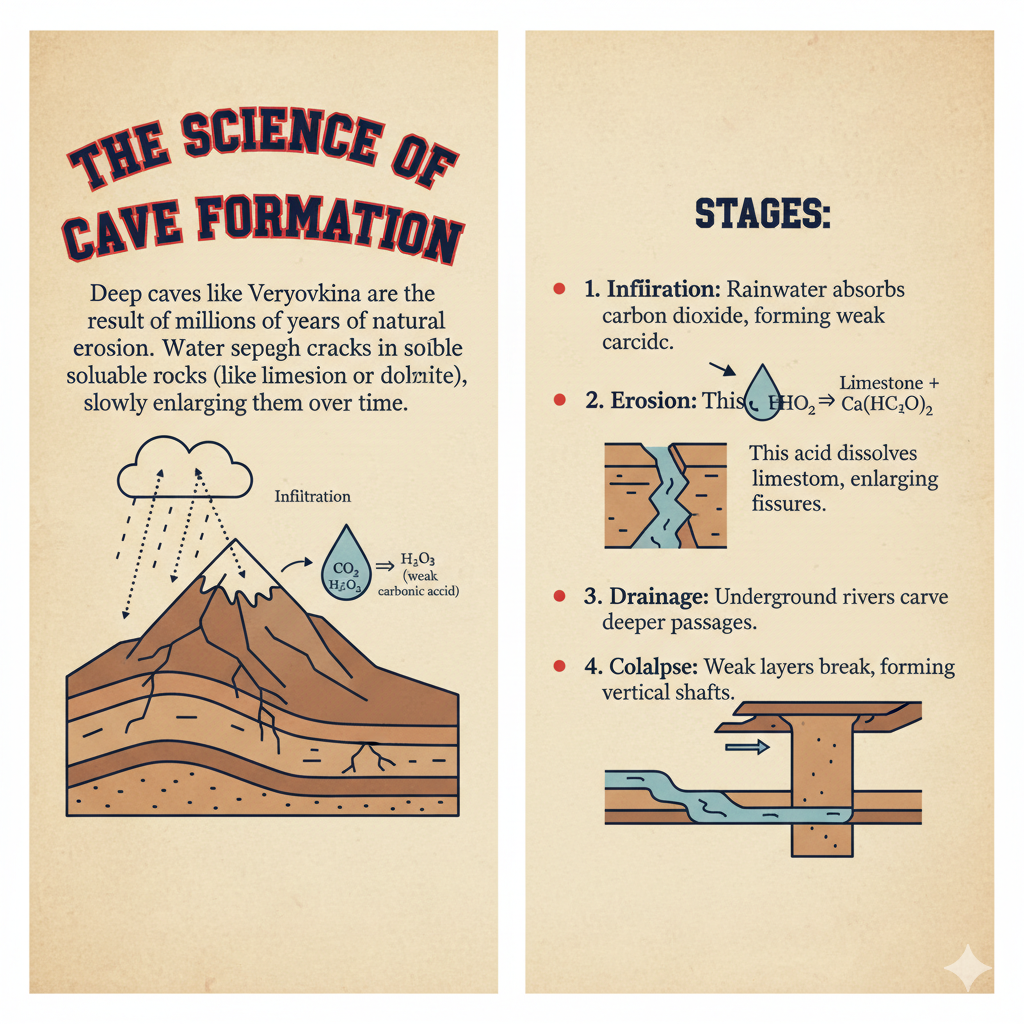
- Infiltration: Rainwater absorbs carbon dioxide, forming weak carbonic acid.
- Erosion: This acid dissolves limestone, enlarging fissures.
- Drainage: Underground rivers carve deeper passages.
- Collapse: Weak layers break, forming vertical shafts.
Over eons, gravity and water sculpted the massive vertical shafts that now define the cave’s record-breaking depth.
Source:
- National Geographic – Veryovkina Cave Exploration
- Speleological Society Research Papers
Life in Total Darkness
Despite the absence of sunlight, deep caves host unique ecosystems. These organisms are known as troglobites — creatures adapted to darkness, cold, and nutrient scarcity.
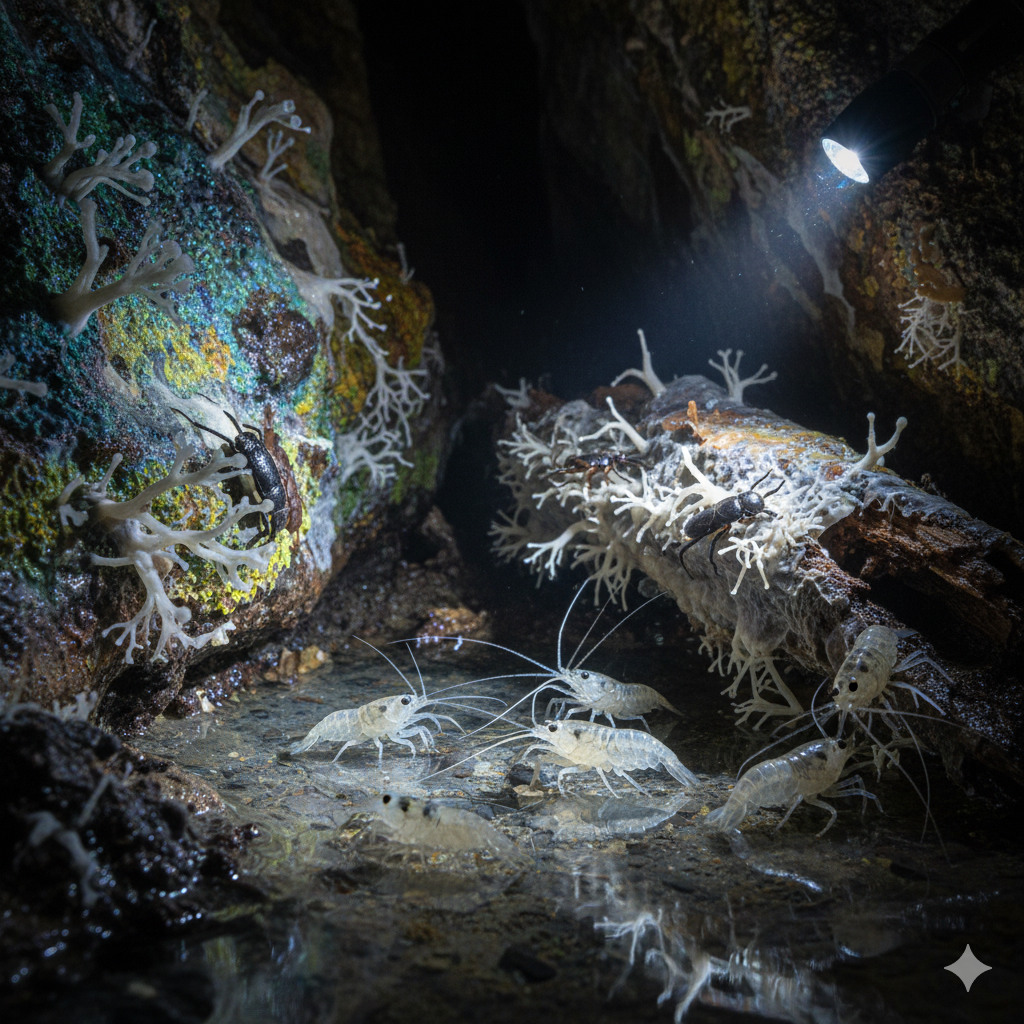
Some fascinating examples found in the Caucasus caves include:
- Blind insects that navigate via chemical cues
- Pale, transparent crustaceans
- Microbial mats feeding on minerals
- Fungal colonies living off decayed organic matter
These life forms are not only rare — they are often found nowhere else on Earth.
Psychological Effects of Deep Cave Expeditions
The psychological challenges of spending days underground are immense. Explorers report:
- Altered sense of time (no day-night cycle)
- Hallucinations from sensory deprivation
- Extreme isolation leading to stress
- Deep meditation-like focus
Cave exploration is as much a mental expedition as a physical one.
The Mystical Side of the Abyss
For centuries, caves have symbolized mystery, rebirth, and the underworld. Ancient myths often described caves as gateways to other realms — entrances to Hades or the spirits’ domain.

Even today, modern explorers speak of a spiritual connection. Standing in total silence thousands of meters below the surface, one feels a profound awareness of the planet’s living pulse.
Technology Behind Deep Cave Exploration
Modern expeditions rely heavily on technology to survive and document their journeys:
- Laser mapping (LiDAR) to create 3D models of the cave
- Subsurface communication devices
- Custom rope systems for vertical descent
- GoPro and thermal cameras for documentation
- Portable shelters and oxygen systems
Each successful exploration pushes the boundaries of human engineering.
Could There Be Deeper Caves?
Yes — scientists believe there may be even deeper caves yet undiscovered. Earth’s geology is dynamic, and regions like China, Mexico, and Papua New Guinea could potentially host systems surpassing Veryovkina’s depth.
The only limitation? Human reach and technology. As our equipment improves, so will our ability to map the unknown.
Famous Deep Caves Around the World

| Cave | Country | Unique Feature |
|---|---|---|
| Krubera Cave | Georgia | Former deepest cave; known for multiple underground lakes |
| Cheve System | Mexico | Longest deep cave in the Western Hemisphere |
| Lamprechtsofen | Austria | Deepest in Europe outside the Caucasus |
| Gouffre Berger | France | The first cave explored beyond 1,000 meters |
| Sarma Cave | Georgia | One of the most technically challenging caves in the world |
Check Also: Top 50 Magical Travel Destinations – Surreal-Colorful Wonders
FAQs
1. Where is the world deepest cave located?
The Veryovkina Cave is located in the Arabika Massif, part of the Western Caucasus Mountains in Abkhazia, Georgia.
2. How deep is the world deepest cave?
It reaches a depth of 2,212 meters (7,257 feet), the deepest known on Earth.
3. Can tourists visit the Veryovkina Cave?
No. Only professional speleologists with advanced training and permits can access it. It’s too dangerous for casual tourism.
4. What animals live in deep caves?
Blind insects, bacteria, crustaceans, and unique fungi have adapted to total darkness and low energy environments.
5. Are there deeper caves yet to be found?
Scientists believe deeper caves may exist, but they remain undiscovered due to technological and accessibility limitations.
Beneath the Surface Lies Infinity
The world deepest cave reminds us that even in an age of satellites and smartphones, parts of our own planet remain uncharted — silent, dark, and full of mystery.
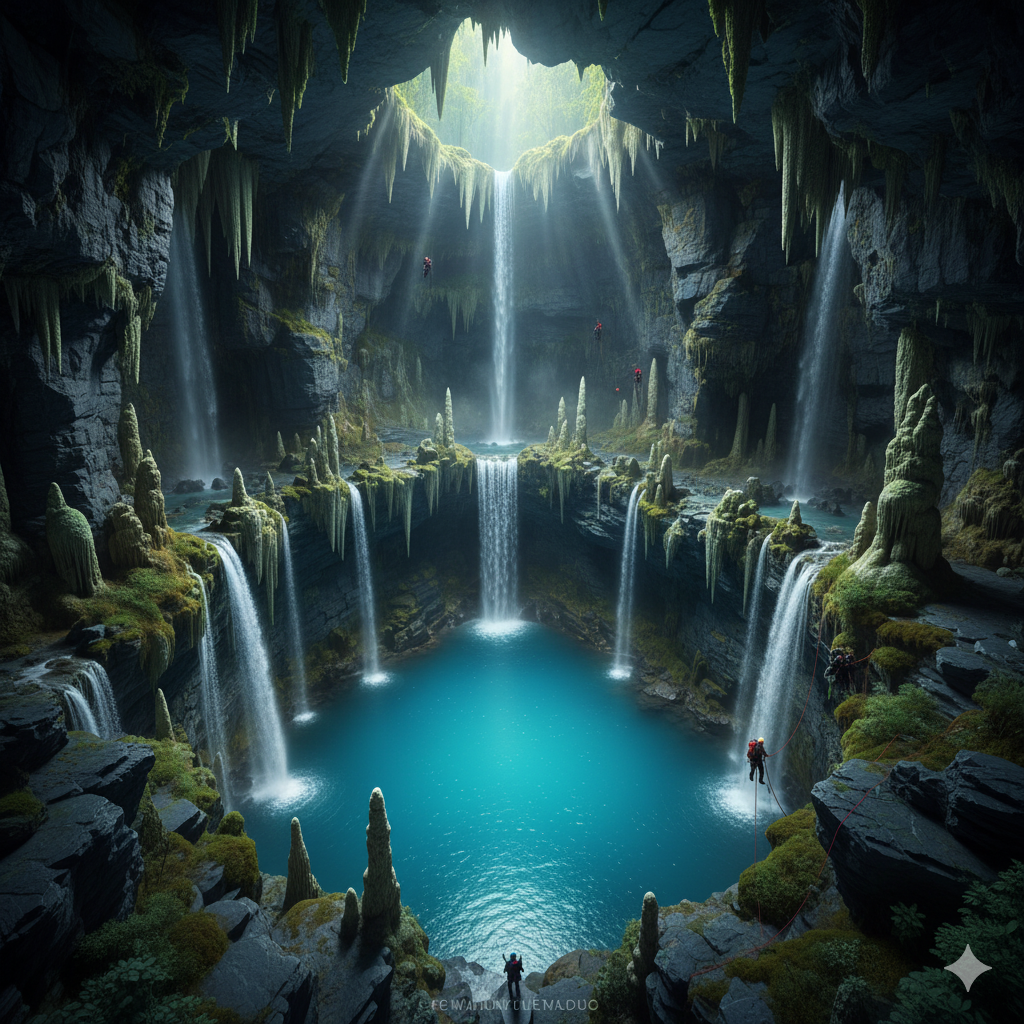
As explorers descend deeper into Earth’s crust, they not only challenge human limits but also uncover hidden ecosystems and geological stories millions of years old.
In the words of one speleologist:
“When you go deep enough, the Earth stops being rock — it becomes a living being.”
The hidden abyss beneath Georgia is more than a cave — it’s a mirror reflecting our endless curiosity about what lies beyond… and below.


