


The Forest That Whispers Secrets
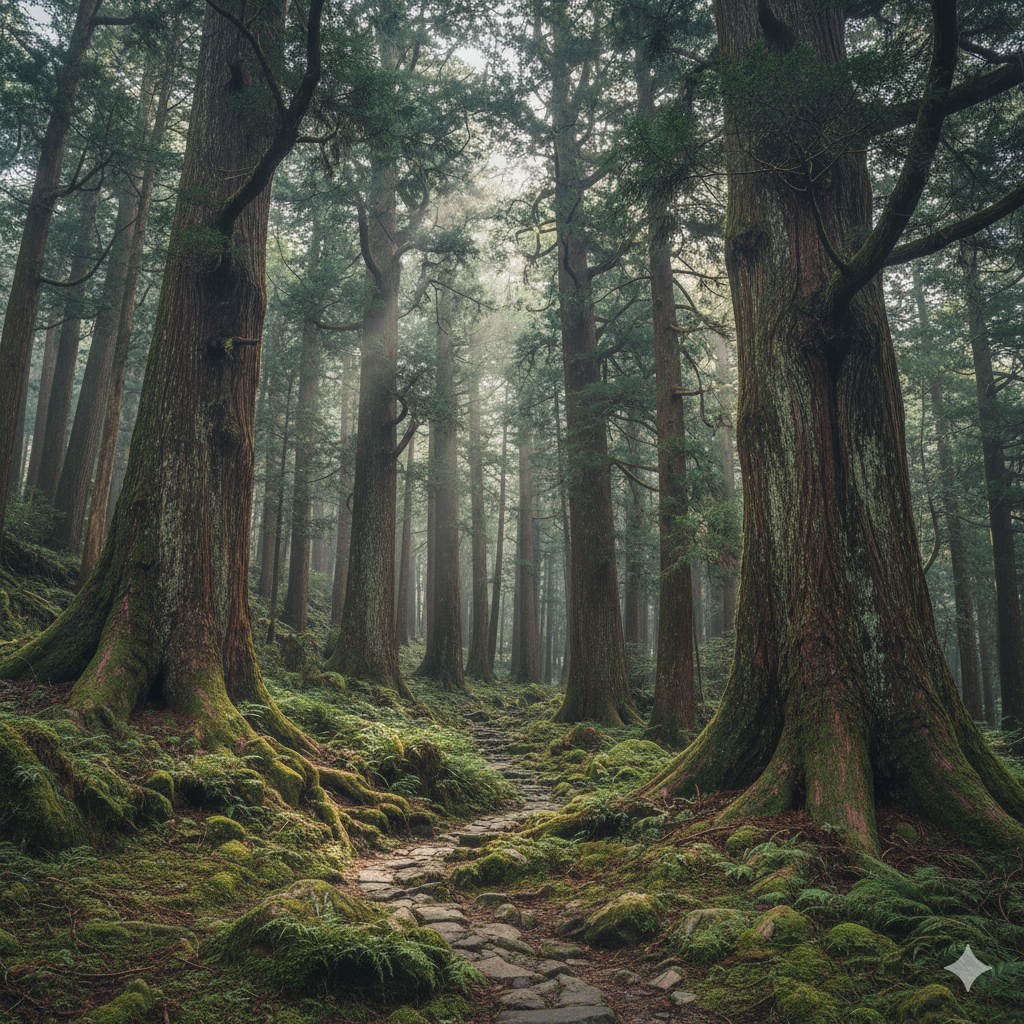
Tucked away in the serene mountains of Japan lies a forest unlike any other — The Whispering Woods Japan, or as locals call it, the “Forest That Hums.” Unlike typical forests, this woodland produces a subtle, musical hum that resonates through the trees, especially during the calm hours of dawn and dusk.
Walking among towering cedars and moss-covered trails, you can almost feel the forest communicating with you. Scientists and folklore enthusiasts alike are fascinated by this natural symphony, where wind, leaves, and the unique topology of the forest converge to create ethereal sounds.
This guide explores 10 astonishing facts about Whispering Woods Japan, combining folklore, science, travel advice, and hidden gems for travelers seeking one of the country’s most mystical experiences.
1. The Mysterious Hum: Nature’s Symphony
The forest is named for the low-frequency hum that seems to vibrate through the air.
- Scientific Explanation: Many experts attribute the hum to wind passing through dense cedar groves and the unique shapes of hollowed tree trunks.
- Folklore: Locals believe the hum is the voices of forest spirits, protecting the land and communicating with visitors.
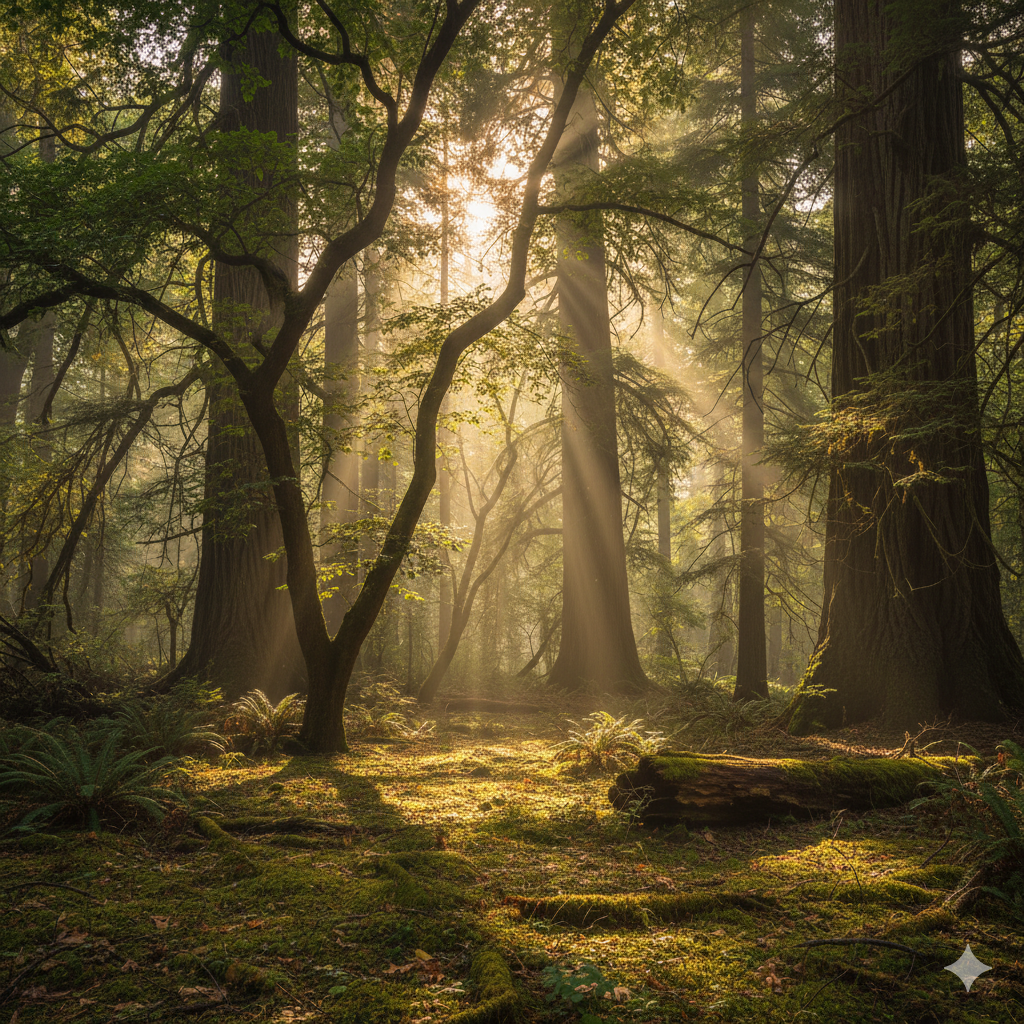
Hearing the hum is an immersive experience, often described as a meditative connection with nature.
2. Ancient Trees That Witnessed Centuries
The forest is home to ancient cedars and cypress trees, some over 800 years old.
These trees are not only biologically significant but are considered sacred in Shinto traditions.
Visitors often notice carved prayer inscriptions on older trunks, demonstrating the spiritual reverence held for the forest.
3. Streams and Hidden Waterfalls
Running through the Whispering Woods are crystal-clear streams and hidden waterfalls, enhancing the forest’s melodic hum.
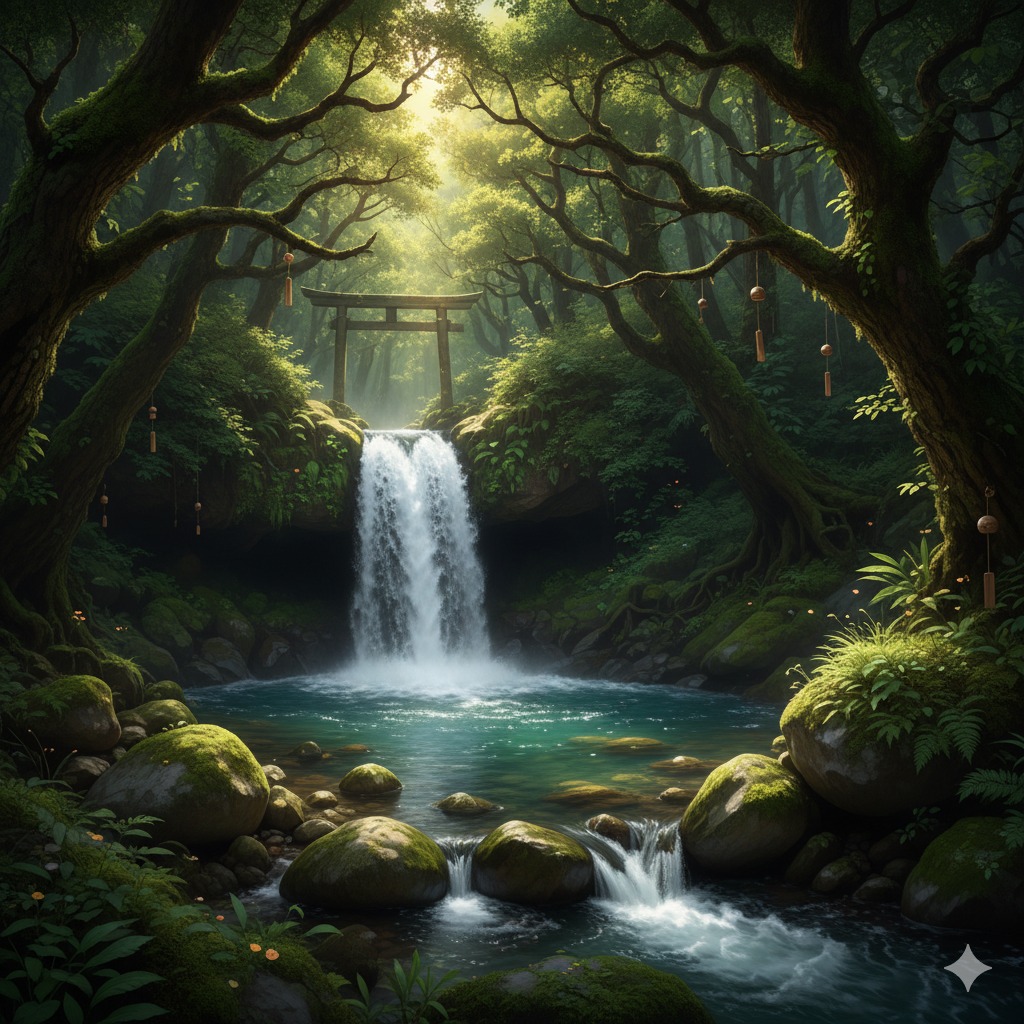
- Seasonal waterfalls create additional echo effects, amplifying the humming sound.
- Tiny natural pools provide a peaceful retreat for travelers and wildlife alike.
4. Cultural History and Spiritual Significance
The forest has been part of Japanese folklore for centuries. It is often mentioned in ancient texts and village legends:
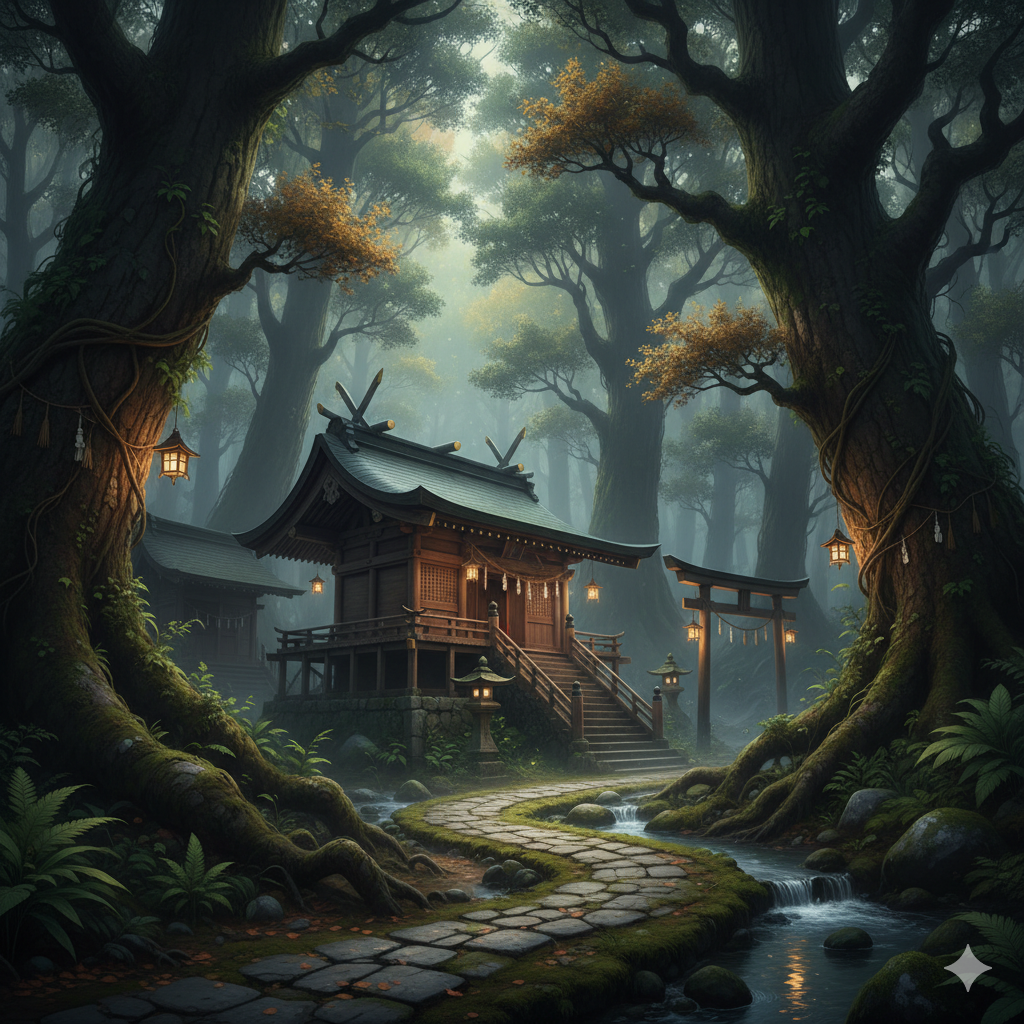
- Spirits called kodama are said to inhabit the trees, rewarding respectful visitors and misguiding intruders.
- Local villages perform annual rituals to honor these forest spirits, believed to maintain the balance of nature.
5. The Forest’s Mysteries: Wind, Sound, and Perception
While science explains much, some aspects remain unexplained:
- Seasonal Changes: The hum can be louder during certain months due to wind patterns and humidity.
- Auditory Illusions: Some visitors report hearing whispers or rhythmic pulses that seem intentional.
- Spiritual Interpretation: Monks and locals often describe the hum as the forest singing to those who listen carefully.
6. How to Reach Whispering Woods Japan
- Nearest Cities: Accessible from Kyoto, Osaka, or Nagoya depending on the forest’s location in Honshu.
- By Train: Take a regional train to the nearest town (typically 2–3 hours from major cities).
- By Car: Rental cars are recommended for flexibility and reaching hidden trails.
- Guided Tours: Available from local eco-tour operators; recommended for first-time visitors to ensure safe navigation and cultural respect.
Tip: GPS signal may be weak; maps and local guides are essential.
Tickets, Fees, and Access
- Entry Fee: Most parts are free; some guided paths charge $10–$20 USD per person.
- Guided Tours: $50–$150 USD depending on duration and inclusions.
- Conservation Rules: Camping, littering, and cutting trees are strictly prohibited.
Check Also: 7 Mesmerizing Wonders of Salar de Uyuni – The Mirror of the Sky
Best Time to Visit
| Season | Months | Experience |
|---|---|---|
| Spring | Mar – May | Cherry blossoms nearby; mild temperatures; gentle hum |
| Summer | Jun – Aug | Dense foliage; occasional rain; strongest humming effects |
| Autumn | Sep – Nov | Vibrant autumn leaves; quieter trails |
| Winter | Dec – Feb | Frosted trees; mystical quiet; low visitor count |
Early morning or late evening is best to fully experience the forest’s hum.
Source:
Hidden Gems Around Whispering Woods
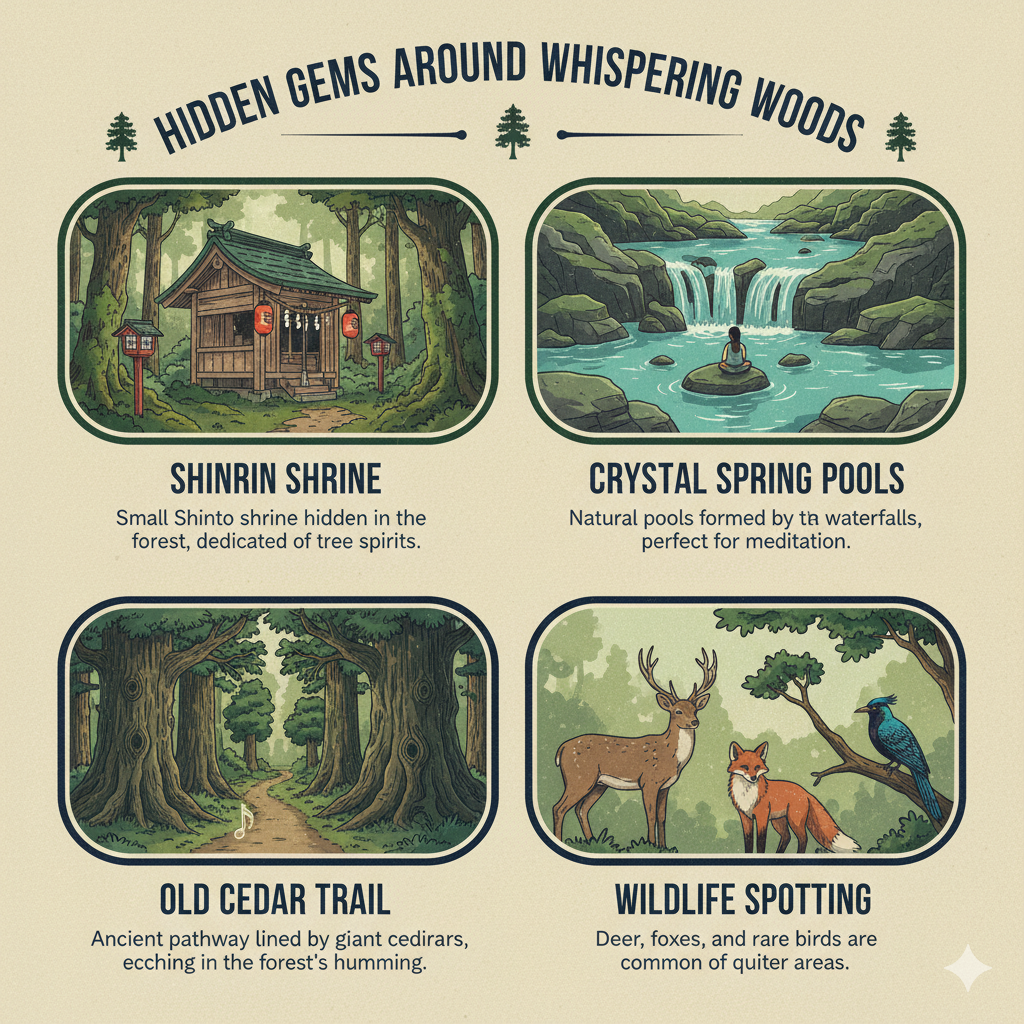
- Shinrin Shrine: Small Shinto shrine hidden in the forest, dedicated to tree spirits.
- Crystal Spring Pools: Natural pools formed by waterfalls, perfect for meditation.
- Old Cedar Trail: Ancient pathway lined with giant cedars, echoing the forest’s humming.
- Wildlife Spotting: Deer, foxes, and rare birds are common in quieter areas.
Local Talk & Tips
- Cultural Etiquette: Bow slightly when passing shrines or ancient trees; avoid loud talking.
- Photography Tips: Use a wide-angle lens for the dense forest; early morning fog adds mystical effects.
- Eco Travel: Stay on marked trails; carry reusable bottles; avoid touching sacred trees.
- Interaction: Engage with local guides to learn village stories and historical facts.
Local Food Experiences

While exploring nearby villages:
- Forest Foraged Tea: Herbal infusions made from local leaves.
- Rice and Miso Dishes: Traditional meals at small family-run inns.
- Sweet Potato Snacks: Specialty of nearby mountain villages.
- Seasonal Forest Fruits: Berries and mushrooms available during certain months (with guidance).
Tip: Pair meals with local green tea for an authentic Japanese forest experience.
Traveler: Listening to the Heartbeat of the Forest
Whispering Woods Japan is more than a natural wonder; it is a living, breathing symphony. The hum, ancient trees, hidden waterfalls, and mystical legends create an environment where nature, culture, and spirituality converge.
Exploring this forest is a lesson in patience, respect, and awe — an opportunity to hear the whispers of centuries past while immersing yourself in one of the most enchanting forests in the world.
FAQs – Whispering Woods Japan
1. Why does the forest hum?
It’s caused by wind passing through dense cedar groves and hollowed trees, producing low-frequency sounds.
2. Can anyone visit the Whispering Woods Japan ?
Yes, though guided tours are recommended to navigate safely and respect cultural sites.
3. When is the forest most magical?
Early morning or late evening, especially during spring and autumn.
4. Are there accommodations nearby?
Yes — eco-lodges, ryokans, and small inns in adjacent villages.
5. Is photography allowed inside?
Yes, but avoid using tripods in sensitive areas or disturbing wildlife.