
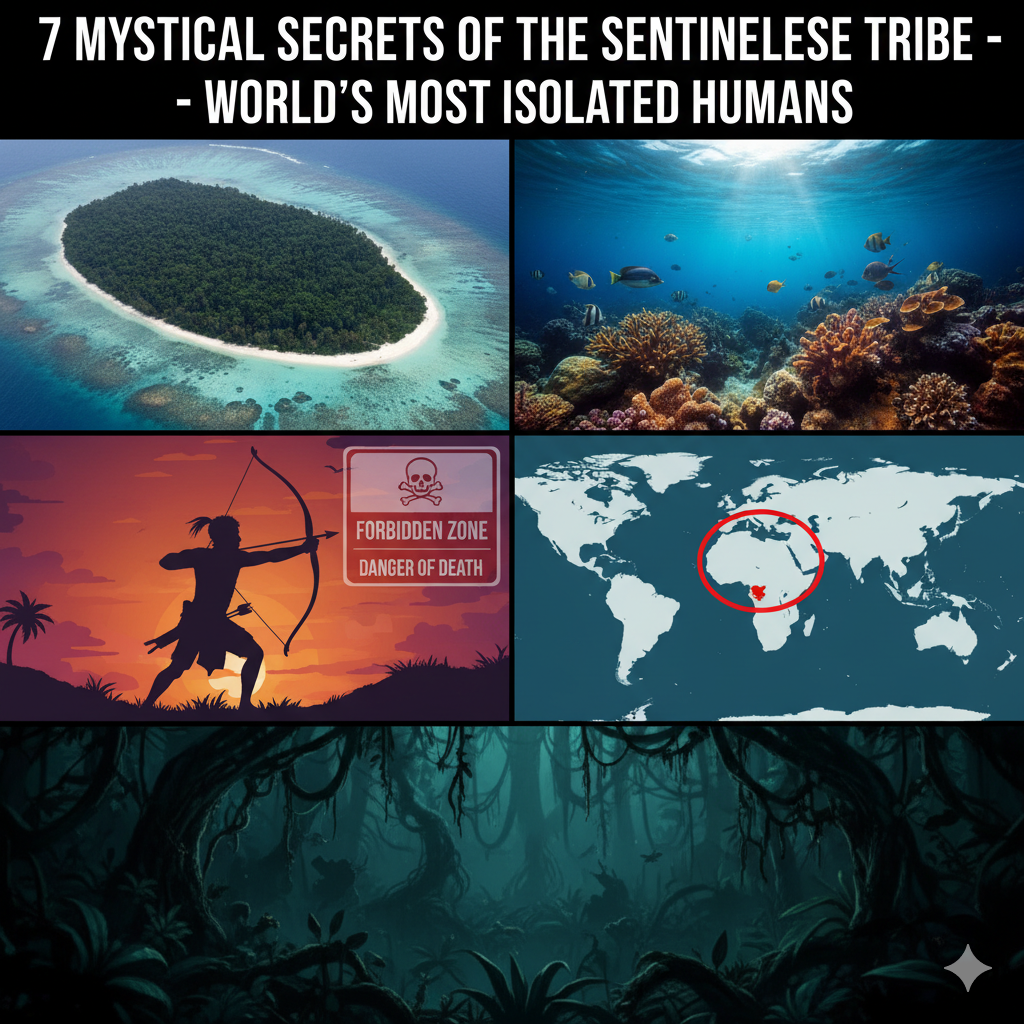

The Last People Untouched by the Modern World
World’s Most Isolated Tribe — the title itself evokes wonder, fear, and curiosity. On a remote island in the Bay of Bengal lies North Sentinel Island, home to the Sentinelese, a tribe so cut off from modern civilization that they attack anyone who comes close. They are among the few tribes left on Earth that are truly uncontacted, resisting all attempts at outside influence—violently when necessary.
But who are the Sentinelese? Why are they so fiercely protective? What do we really know about them? And how does the world handle a tribe determined to live entirely independent of modernity?
In this deep-dive article, we explore the historical, geographical, cultural, and ethical dimensions of the Sentinelese people—while respecting their choice for isolation.
Where is North Sentinel Island?
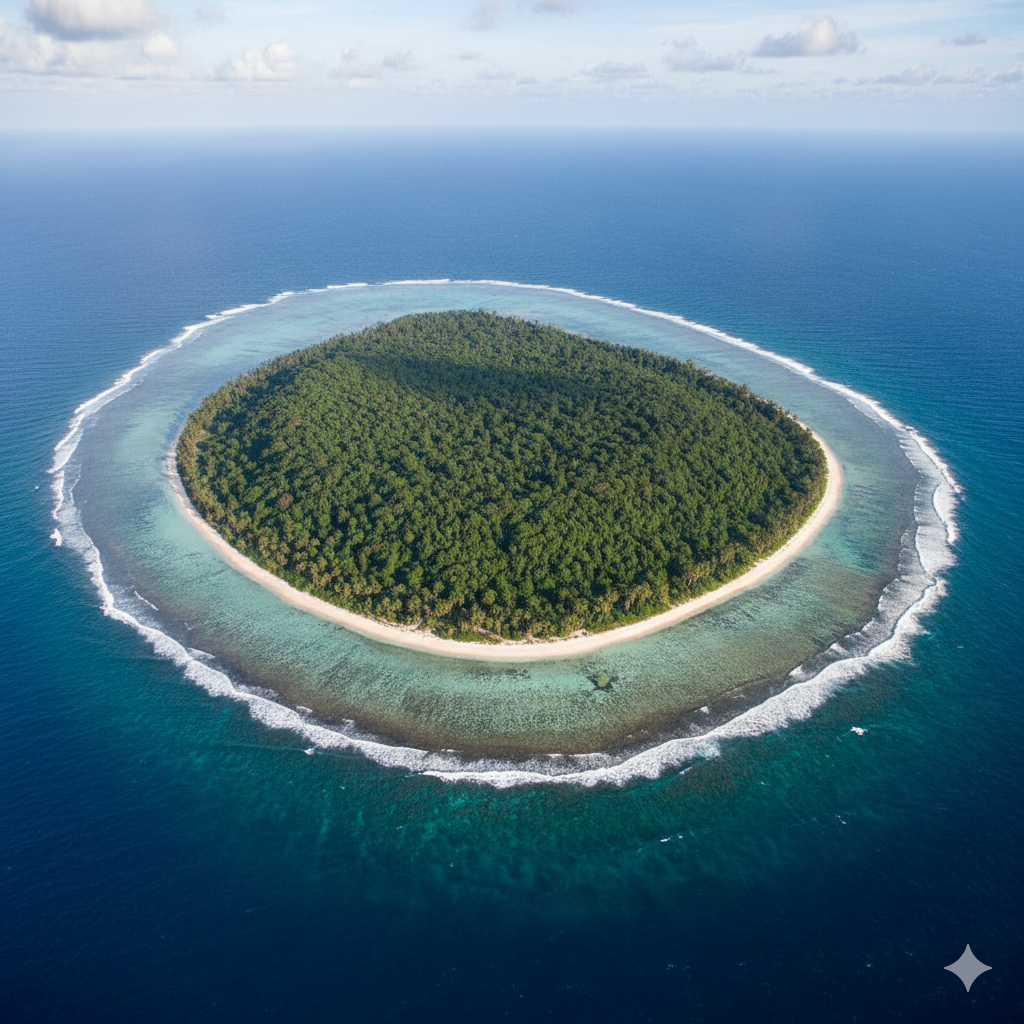
North Sentinel Island is part of the Andaman and Nicobar Islands, a territory of India in the Indian Ocean. Located about 1,200 km from the Indian mainland, this 23-square-mile island is cloaked by thick forest and surrounded by dangerous coral reefs.
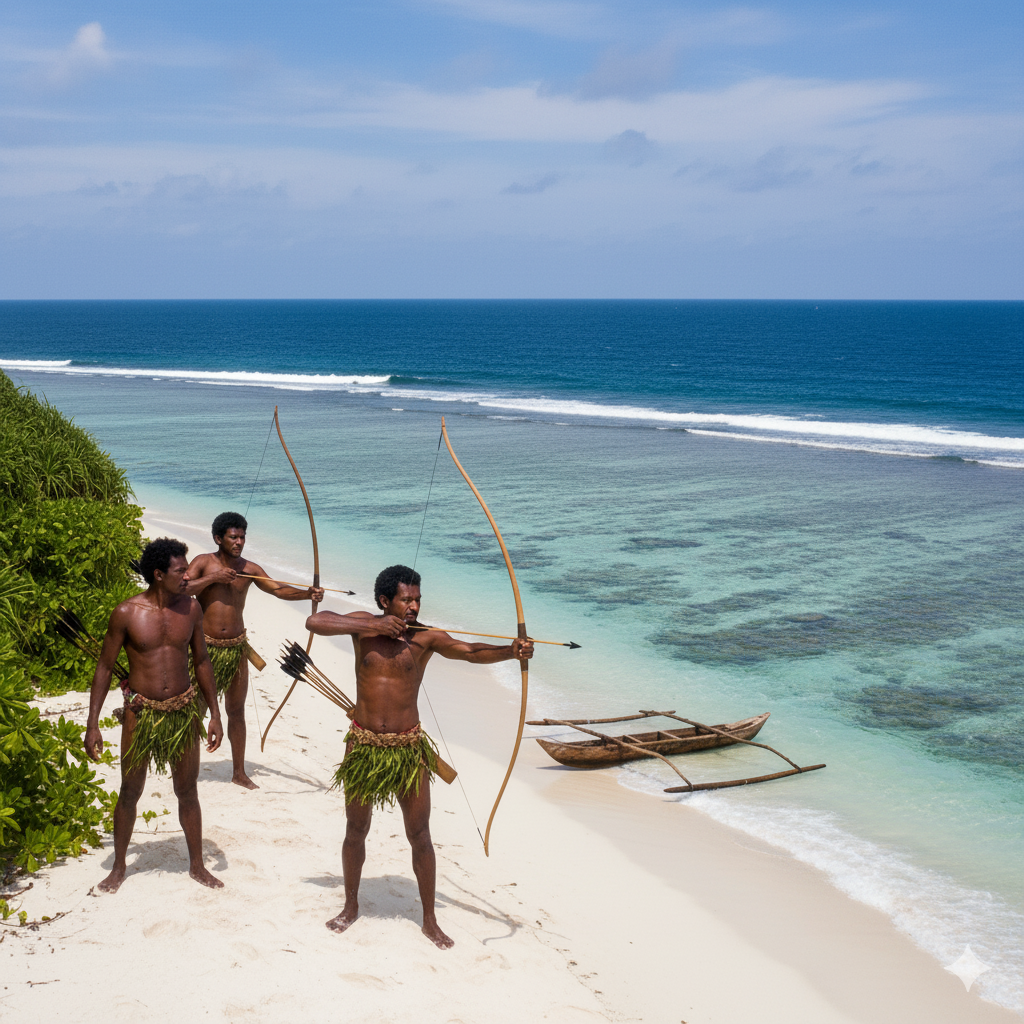
Its remoteness and the tribe’s fierce protection make it a forbidden zone for travelers.
- Surrounded by reefs that prevent easy docking
- Forest cover that hides the tribe from aerial view
- Indian Government declared the entire island a protected zone
Even if you wanted to get close—you can’t. Approaching within 5 km is illegal without special permission.
The Last Unbroken Lineage
The Sentinelese people are believed to be descendants of humans who migrated from Africa over 60,000 years ago. That makes them one of the oldest continuous human cultures on Earth.
Highlights from Their Known History:
| Year | Event |
|---|---|
| 1880s | British colonial officers attempted peaceful contact — failed |
| 1960s | Indian anthropologist T.N. Pandit made repeated expeditions |
| 1991 | First and only peaceful contact — tribe accepted coconuts |
| 2004 | Survived the tsunami; shot arrows at rescue helicopters |
| 2006 | Fishermen killed after drifting too close |
| 2018 | American missionary John Chau killed while trying to convert them |
Each event reinforces one fact: they do not want contact.
Their history is a story of self-preservation, not violence. They’ve watched the outside world change over millennia—and chosen to remain exactly as they are.
Who Are the Sentinelese? (Culture & Lifestyle)
Because of minimal contact, we know very little. But here’s what aerial photography, distant observation, and rare interactions suggest:
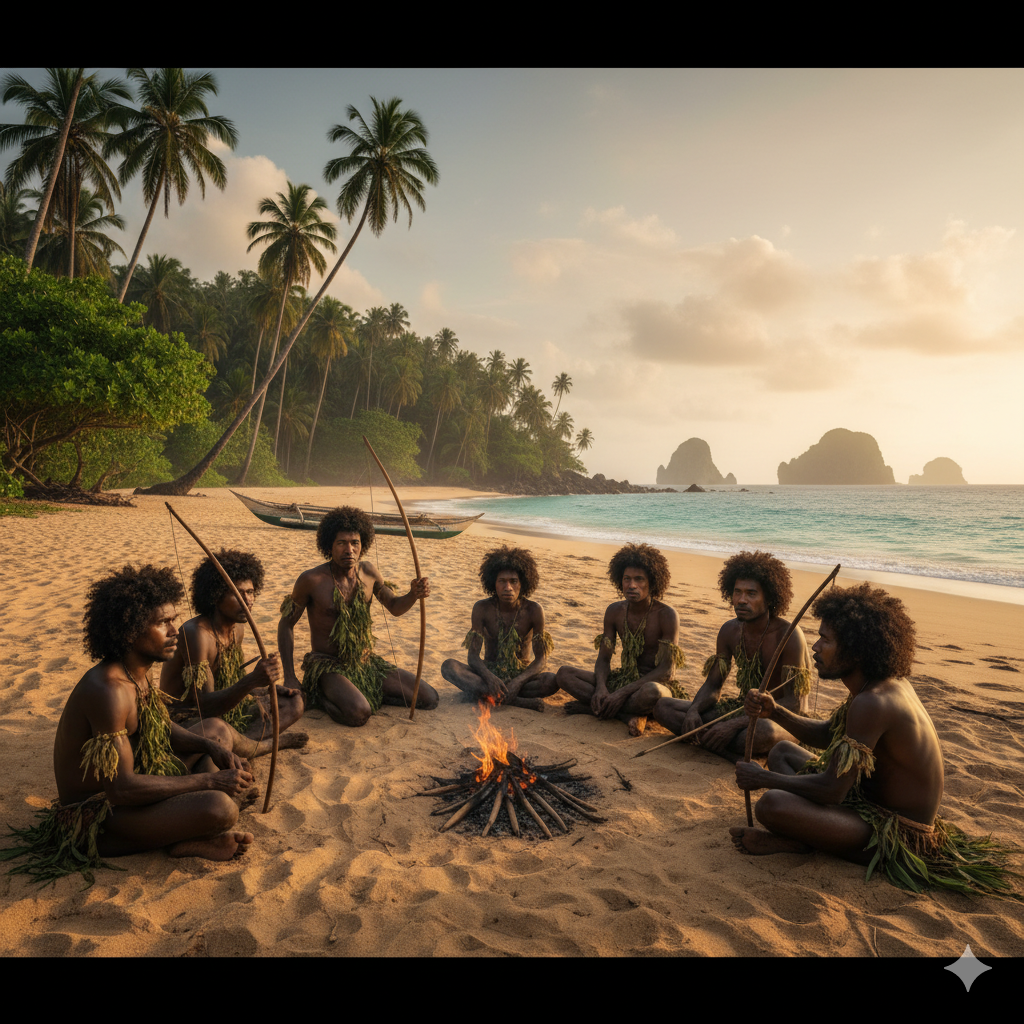
- Hunter-gatherers: They hunt fish, pigs, turtles, and birds
- No farming, no fire outside hearths
- Use simple outrigger canoes to fish in shallow waters
- Live in basic shelters or large communal huts
- Estimated population: 50–150 individuals
What’s striking is how different they are from other Andaman tribes who did accept help. The Sentinelese deliberately avoid modernization—even items like steel or fabric are rejected.
Their isolation has protected them from:
- Diseases
- Warfare
- Cultural disruption
But it also puts them at risk if outsiders bring viruses their bodies have no defense against.
Why are They So Isolated?
There are 3 core reasons:
1. Survival Instinct
Contact = disease. Uncontacted tribes have been wiped out by measles, flu, etc. The Sentinelese seem to understand this.
2. Cultural Identity
They have lived the same way for tens of thousands of years. Outside influence would permanently break that chain.
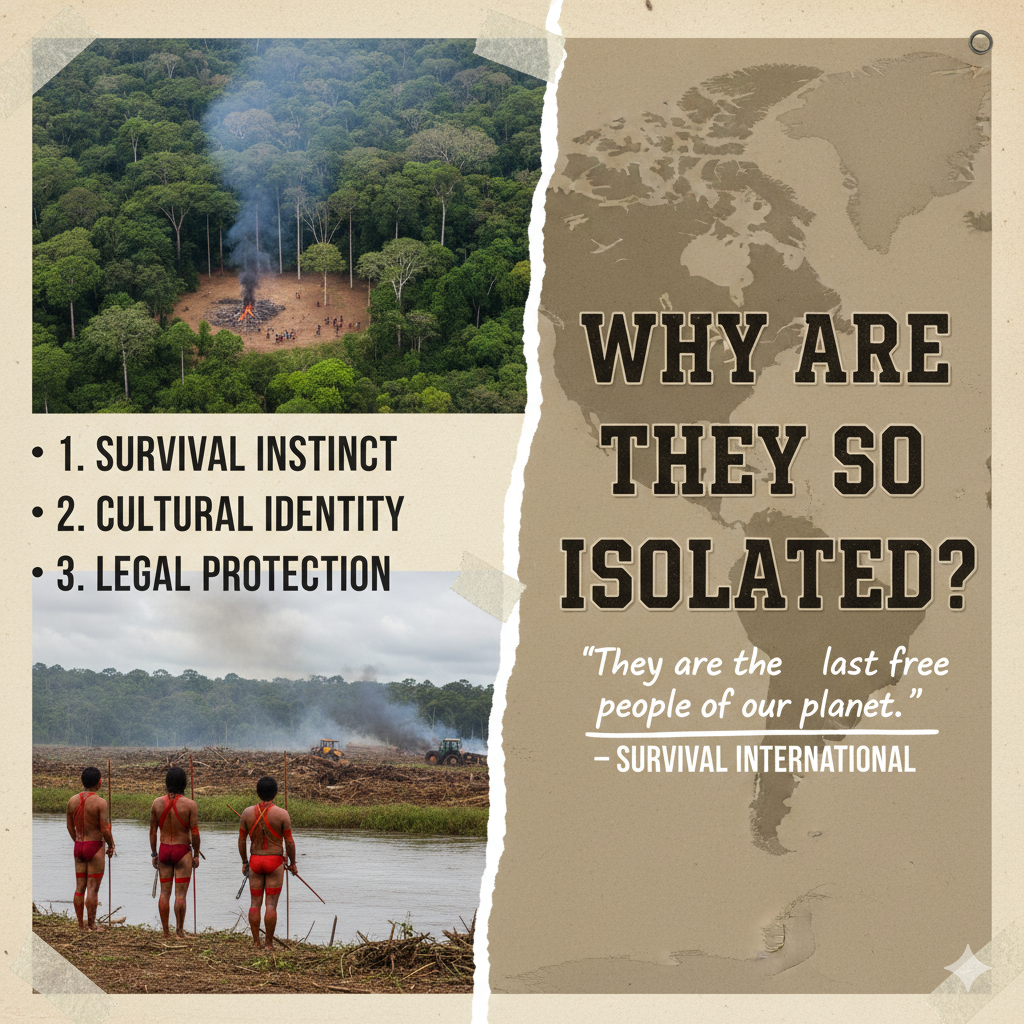
3. Legal Protection
India has enforced full isolation. It’s illegal even for researchers to attempt contact.
“They are the last free people of our planet.” – Survival International
How to Reach (And Why You Can’t)
Technically Speaking:
- Fly to Port Blair, Andaman Islands
- Sea travel to nearby islands like South Andaman
- Closest permitted distance: 5 km from North Sentinel Island
Why Travel is Banned:
- To protect the tribe’s survival
- To prevent foreigners from bringing diseases
- To respect UN-recognized indigenous rights
Even photographing the island from too close is illegal.
Best way to appreciate the Sentinelese? From a distance. With respect.
Source:
Best Time to Visit the Andaman Islands (Alternative)
You can’t visit the Sentinelese, but the Andaman Islands are a stunning travel destination.
Best Time:
- November to April
- Ideal for scuba, snorkeling, beaches, and culture
Popular spots:
- Havelock Island
- Radhanagar Beach
- Cellular Jail
- Ross Island
Hidden Gems (Related to Sentinelese Story)

- Tribal Museum, Port Blair
Learn about all 5 Andaman indigenous tribes, including Jarawa, Onge, Shompen, and Great Andamanese. - Archaeological Site, Diglipur
Ancient remains of early islanders hint at the Sentinelese ancestors.
Local Talk & Tips
- Locals respect all tribal laws – don’t ask boatmen to take you illegally.
- Andaman cuisine is rich in seafood: try fish thali with rice and coconut gravies.
- You might hear haunting stories of the 2004 tsunami, where Sentinelese signaled to helicopters they were safe—without words, proving their awareness.
Local Foods to Try in Andaman

- Crab Curry
- Red Snapper Masala
- Fish Curry Rice
- Coconut Pulao
While these dishes aren’t from the Sentinelese food traditions, they offer a taste of the island culture you can interact with.
Mysteries Still Unsolved
- Do they have rituals or religious beliefs?
- How are decisions made — do they have leaders?
- How do they survive without agriculture?
- Do they know the world exists around them?
We don’t know—and that’s the beauty of the Sentinelese mystery.
Check Also: Vanuatu Underwater Mailbox – 7 Stunning Facts About the World’s Deepest Post Office
Traveler
The World’s Most Isolated Tribe is not a tourist attraction. They are a living reminder of humanity’s origins—untouched by smartphones, space travel, or even the wheel. The Sentinelese teach us that not everyone needs saving, converting, or connecting.
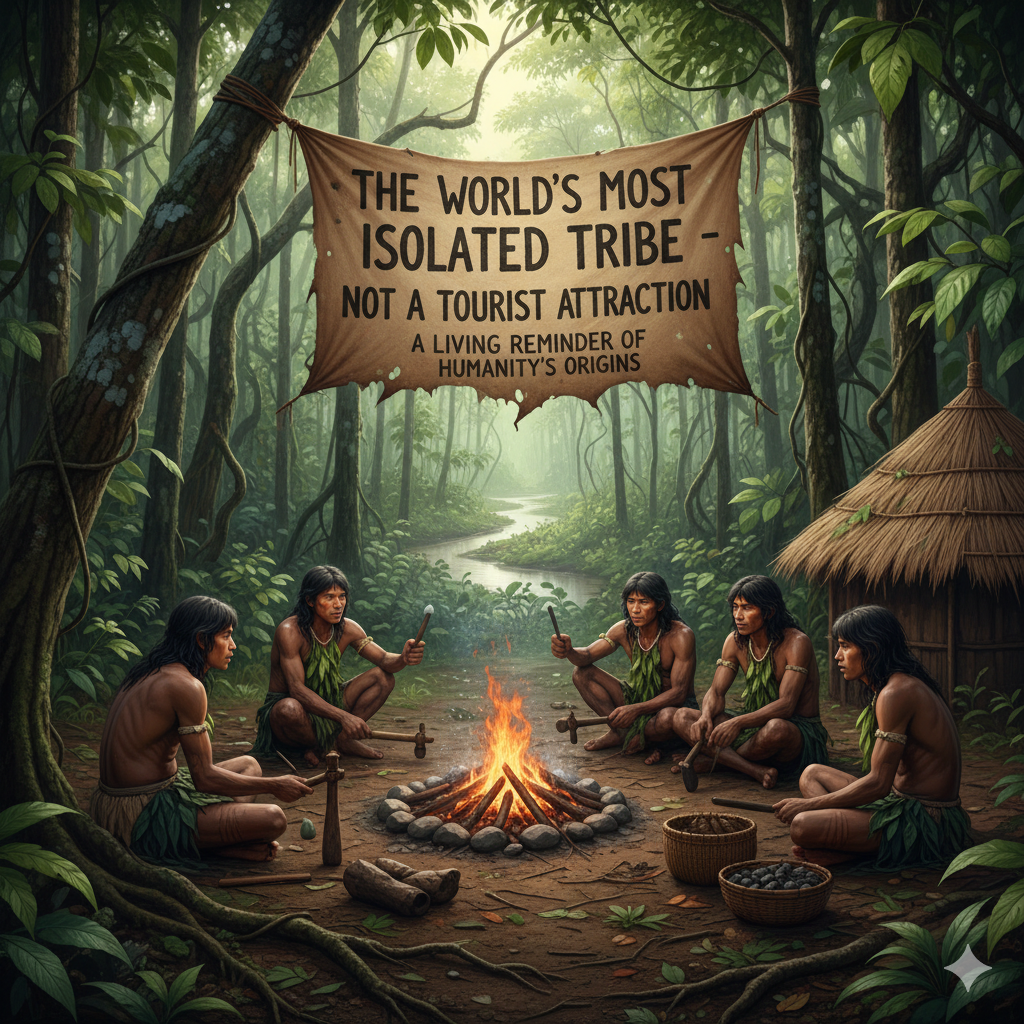
They simply want to be left alone. That choice deserves respect.
FAQs About the Sentinelese Tribe
1. Why can’t we contact the Sentinelese?
Because they reject all contact and are legally protected by Indian law to ensure their survival.
2. How old is the tribe?
Their ancestry likely dates back 60,000+ years.
3. Have they ever accepted outsiders?
Only briefly in 1991—and then they cut off all contact again.
4. Can we visit the island?
No. It is illegal to approach within 5 km.
5. How do they get food?
They hunt and gather — spearfishing, collecting fruits, and trapping wild pigs.
6. What language do they speak?
Unknown. Their language isn’t related to any other Andaman language.
7. Are they dangerous?
They defend their land. They are not hostile unless provoked.