
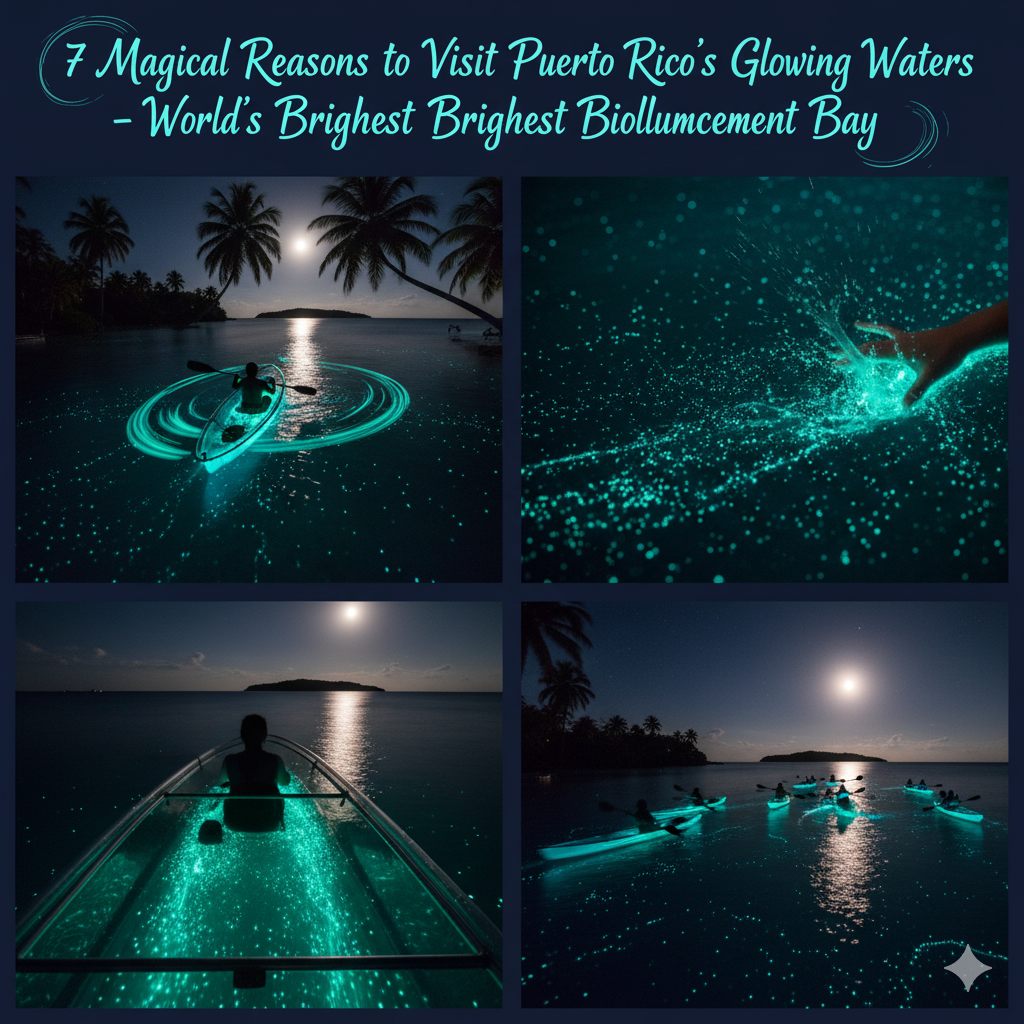

Welcome to Puerto Rico Magical Nighttime Wonder
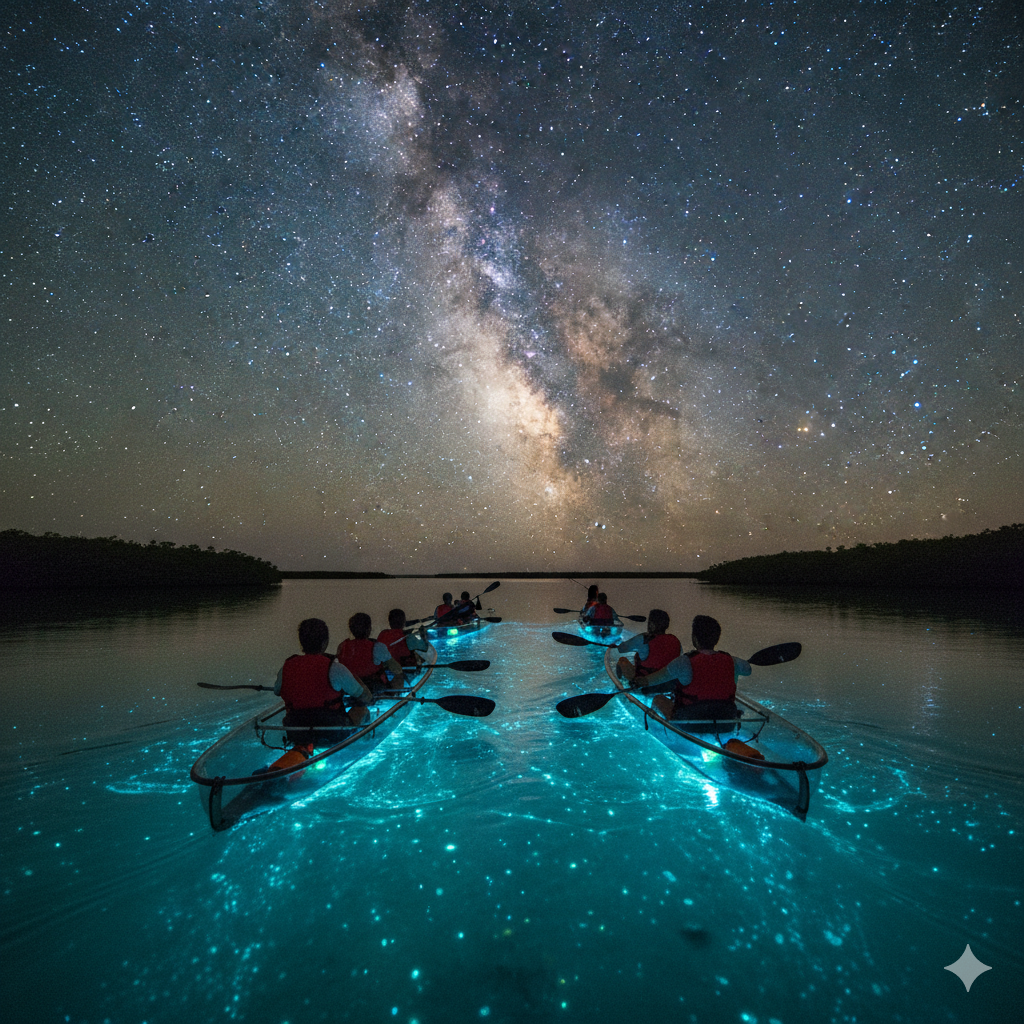
Imagine this: you glide across serene waters under a canopy of stars. The night is calm, and with a gentle dip of your paddle, the dark sea beneath you suddenly bursts to life with glowing turquoise light. Every stroke creates liquid sparks, every drop of water a gemstone in motion.
This is not a scene from a fantasy movie—it’s Mosquito Bay in Vieques, Puerto Rico, the world’s brightest bioluminescent bay according to Guinness World Records.
Bioluminescence—a natural phenomenon where living organisms emit light—occurs all over our planet. But no place on Earth shines quite as brightly as this glowing bay located just off Puerto Rico’s eastern coast. Let’s dive into the magic behind this one-of-a-kind experience, how to get there, and how to enjoy it responsibly.
What Is a Bioluminescent Bay?
A bioluminescent bay—also known as a bio bay—is a body of water where microorganisms known as dinoflagellates emit natural blue-green light when touched or disturbed. These tiny beings act like underwater fireflies, glowing to defend themselves from predators. While there are only a handful of bio bays on Earth, Puerto Rico is home to three, with Mosquito Bay being the brightest.
Fun Fact: Mosquito Bay has been recorded as having up to 700,000 glowing microorganisms per gallon of water, creating an intensity of glow you won’t find anywhere else.
Why Is Mosquito Bay the Brightest in the World?
Several critical factors create the perfect environment for bioluminescence:
- Little to no light pollution
- Warm tropical water temperatures
- Limited tidal flow (helps microorganisms stay concentrated)
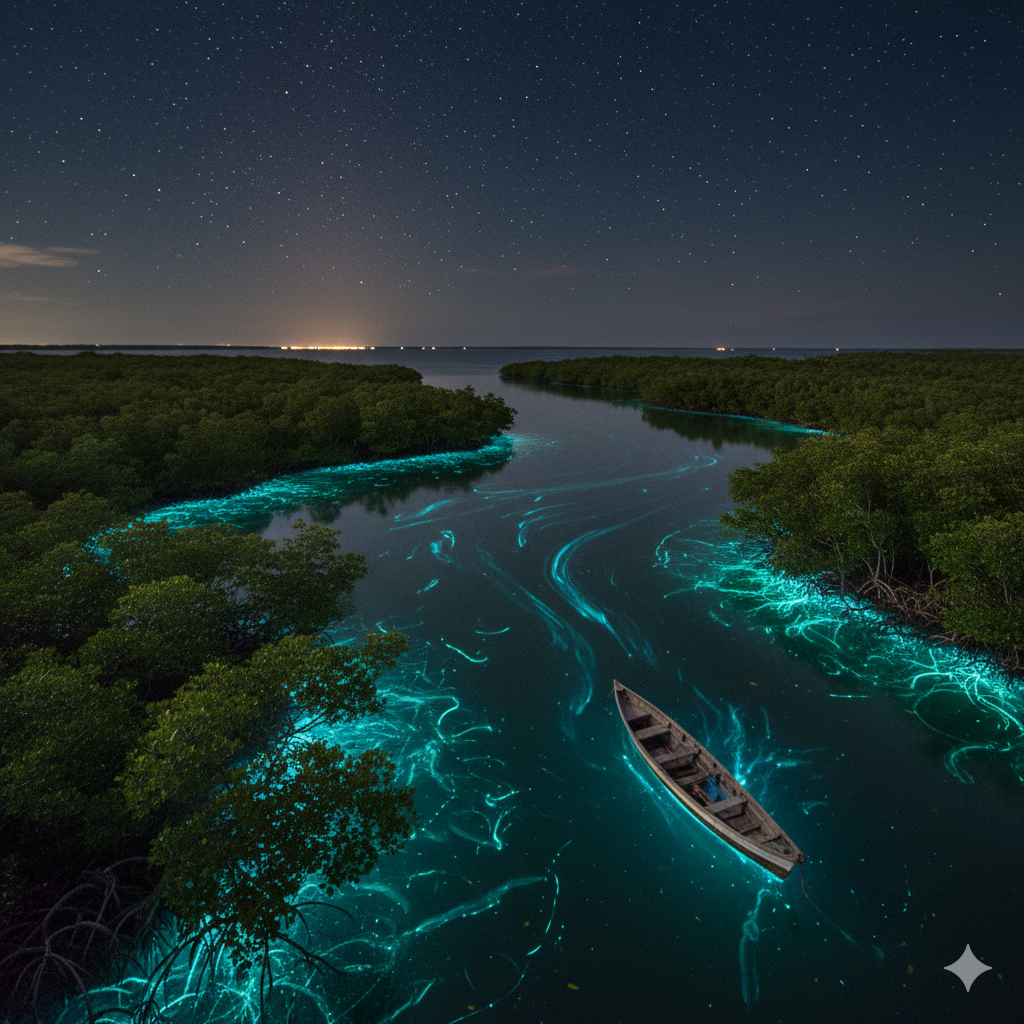
- Healthy surrounding mangrove forests that provide food and shelter to dinoflagellates
- Strict conservation practices that limit boat traffic and chemical contamination
Together, this creates a protected ecosystem where billions of tiny light-makers thrive, making Mosquito Bay the “neon sea” that fuels countless eco-travelers’ bucket lists.
How to Visit Mosquito Bay, the World’s Brightest Bio Bay
Where Is Mosquito Bay?
Mosquito Bay is located on the southern edge of Vieques Island, one of the Spanish Virgin Islands in Puerto Rico. An eco-tourist’s paradise, Vieques is known for its unspoiled beaches, wildlife reserves, and tranquil pace of life.
Getting to Vieques Island
You’ll need two steps to reach the bay:
- Fly into San Juan (SJU) or Ceiba Airport
- Take a short flight (~25 minutes) or ferry (~45 minutes) to Vieques
Local Tip: Ferry rides are more budget-friendly, but flights are smoother and save time—especially helpful if you’re carrying gear or traveling with seasoned explorers.
Check Also: Longyearbyen Norway: 7 Incredible Secrets of the Town That Never Sees Sun
How to Book a Bioluminescent Bay Tour
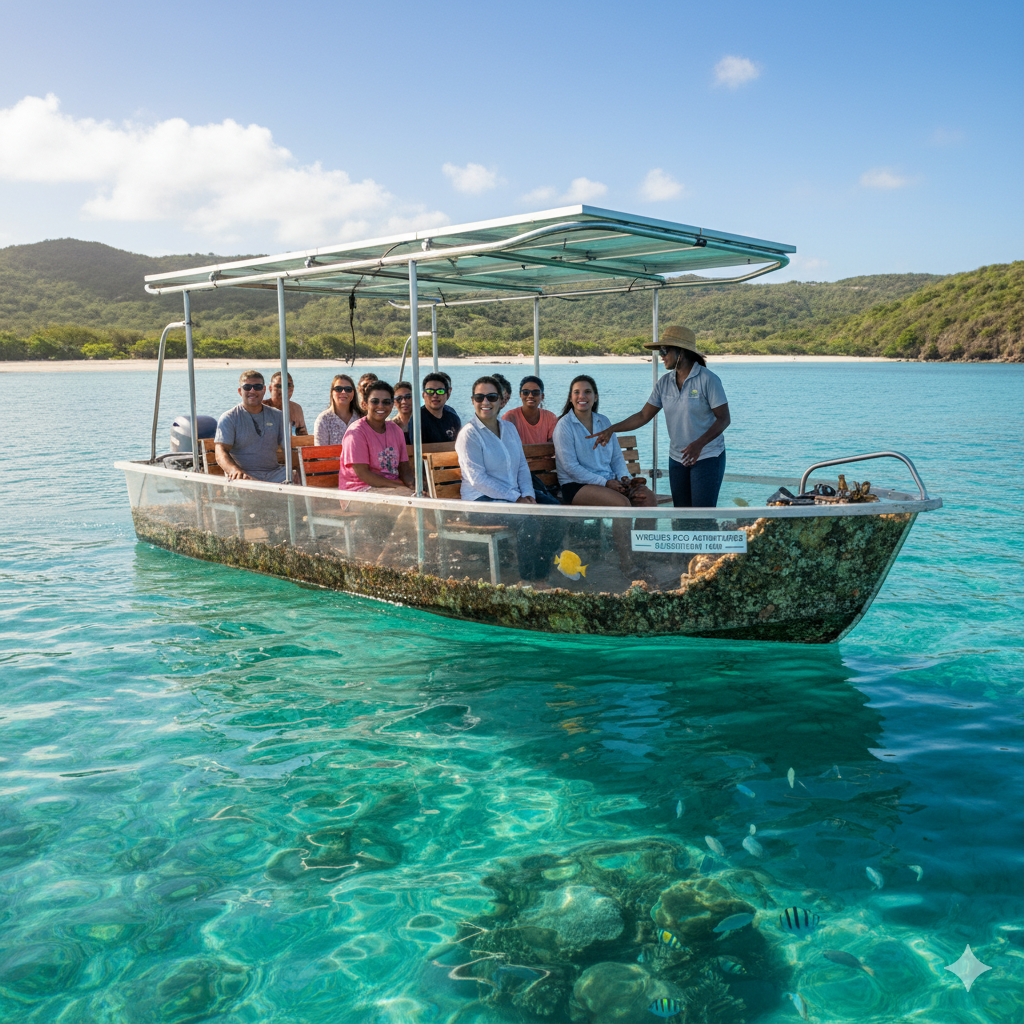
Since swimming is prohibited in Mosquito Bay to protect its fragile ecosystem, the best way to experience the glow is on a guided kayak or glass-bottom boat tour.
Most nighttime tours are 90 minutes long, departing shortly after sunset. Pick a night when the moon is not too full for maximum glow.
Best Time: 7–10 PM
Best Months to Visit: December through April (drier, clearer skies)
Practical Tips for Travelers
Do book tours with eco-friendly operators
Don’t apply chemical sunscreen before the tour
Bring reef-safe mosquito repellent
Wear water-safe clothing or lightweight layers
Avoid flash photography—it ruins night vision and disrupts wildlife
Want to photograph the glow? Use a long-exposure camera or GoPro in night mode.
Source:
- Discover Puerto Rico – Official Bioluminescent Bays Guide
- Vieques Travel Guide – Puerto Rico Tourism Company
Conservation and Why It Matters
Though Mosquito Bay is thriving today, it was nearly lost in the early 2000s due to pollution, increased traffic, and construction. Thanks to local activism and conservation laws, the glow returned—and remains protected under Puerto Rico’s Natural and Environmental Resources Law.

Here’s how you can help preserve the glow:
- Respect no-swim rules
- Don’t touch or disturb mangroves
- Support certified eco-tour operators
- Choose red or low-light flashlight use at night
Let Mosquito Bay inspire your sense of wonder—not leave a carbon footprint.
Other Bioluminescent Bays in Puerto Rico
Puerto Rico is one of the few places in the world with three bio bays:
- Mosquito Bay – Vieques (Star Brightest in the world)
- Laguna Grande – Fajardo (Most accessible from mainland PR)
- La Parguera – Lajas (Only one that allows limited swimming)
Each offers a different experience depending on your travel style and timing.
FAQs
Q: Can you swim in Mosquito Bay?
A: No. Swimming isn’t allowed due to ecosystem protection laws. You can, however, swim in La Parguera Bio Bay in southwest Puerto Rico.
Q: Is bioluminescence affected by the weather?
A: Yes. Heavy rains, full moonlight, cloudy skies, or pollution can reduce brightness.
Q: Do I need a permit or ticket?
A: No permit needed. Just book a certified tour operator in advance, especially during peak season.
Traveler
Puerto Rico’s Mosquito Bay is more than a tourist stop—it is a wake-up call from the natural world, a reminder that our planet still holds spectacular secrets worth protecting.
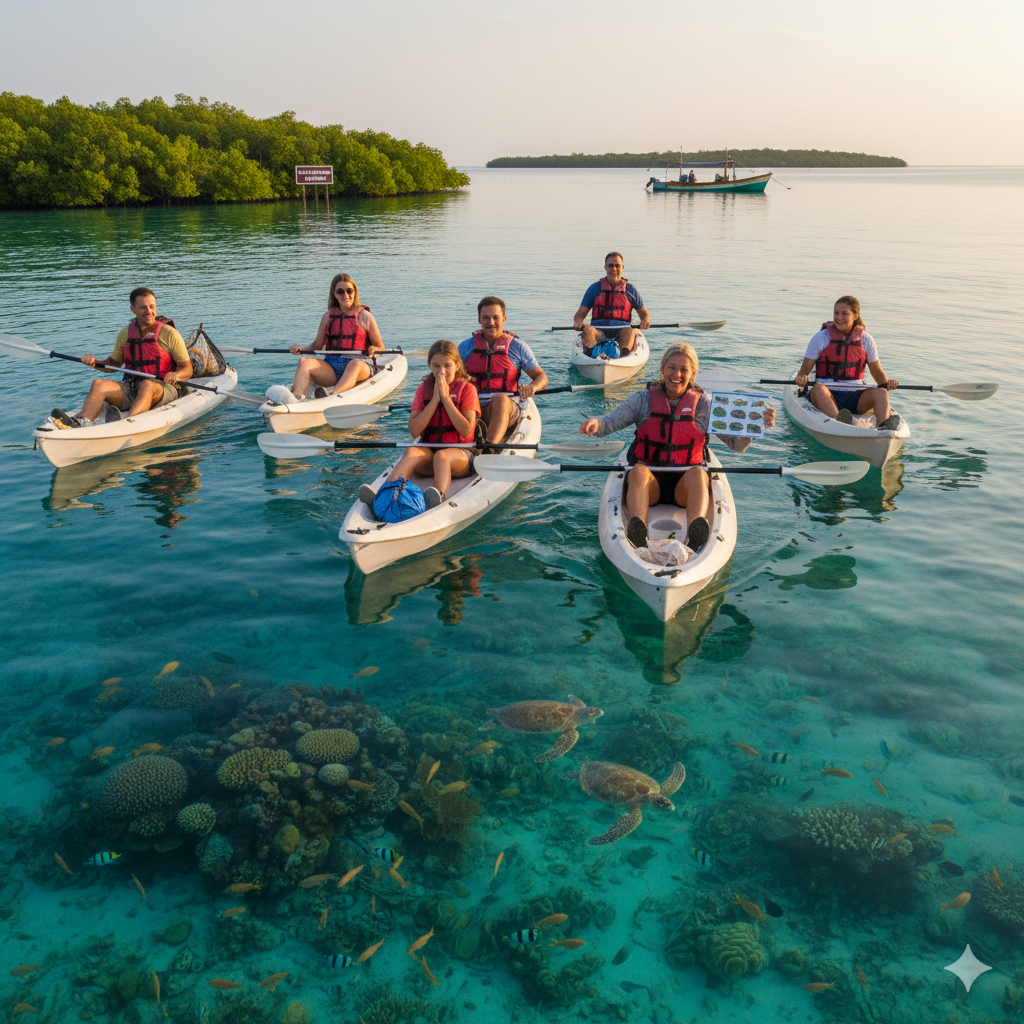
Whether you’re a night photographer, surfer-turned-stargazer, or eco-conscious traveler, this place will stay with you long after you leave.
So pack your spirit of wonder—and let Puerto Rico’s magic glow inspire the explorer within you.