


Home to the Earth’s Highest Lifeform
In the heart of California’s Redwood National Park grows a silent giant — a tree taller than the Statue of Liberty, taller than Big Ben, taller than most skyscrapers. This natural wonder, known as Hyperion, holds the title of World’s Tallest Tree, standing as a breathtaking symbol of nature’s impossible heights and deep time.
But Hyperion isn’t just a tall tree — it’s a 4,000-year-old living tower that has survived fires, storms, droughts, and human threats. Its location was kept secret for years to protect the fragile forest ecosystem it calls home.
Whether you’re a nature enthusiast, hiking lover, or ecotourism explorer, this guide uncovers the science, stories, mystery, and magic behind Earth’s tallest tree — plus everything you need to know if you’re planning to visit the redwood giants of California in 2025.
Meet Hyperion – The World’s Tallest Tree
- Height: ~379.7 feet (115.7 meters)
- Species: Coast Redwood (Sequoia sempervirens)
- Location: Redwood National Park, California
- Age Estimated: 600–800 years
- Discovered: 2006, by naturalists Chris Atkins and Michael Taylor
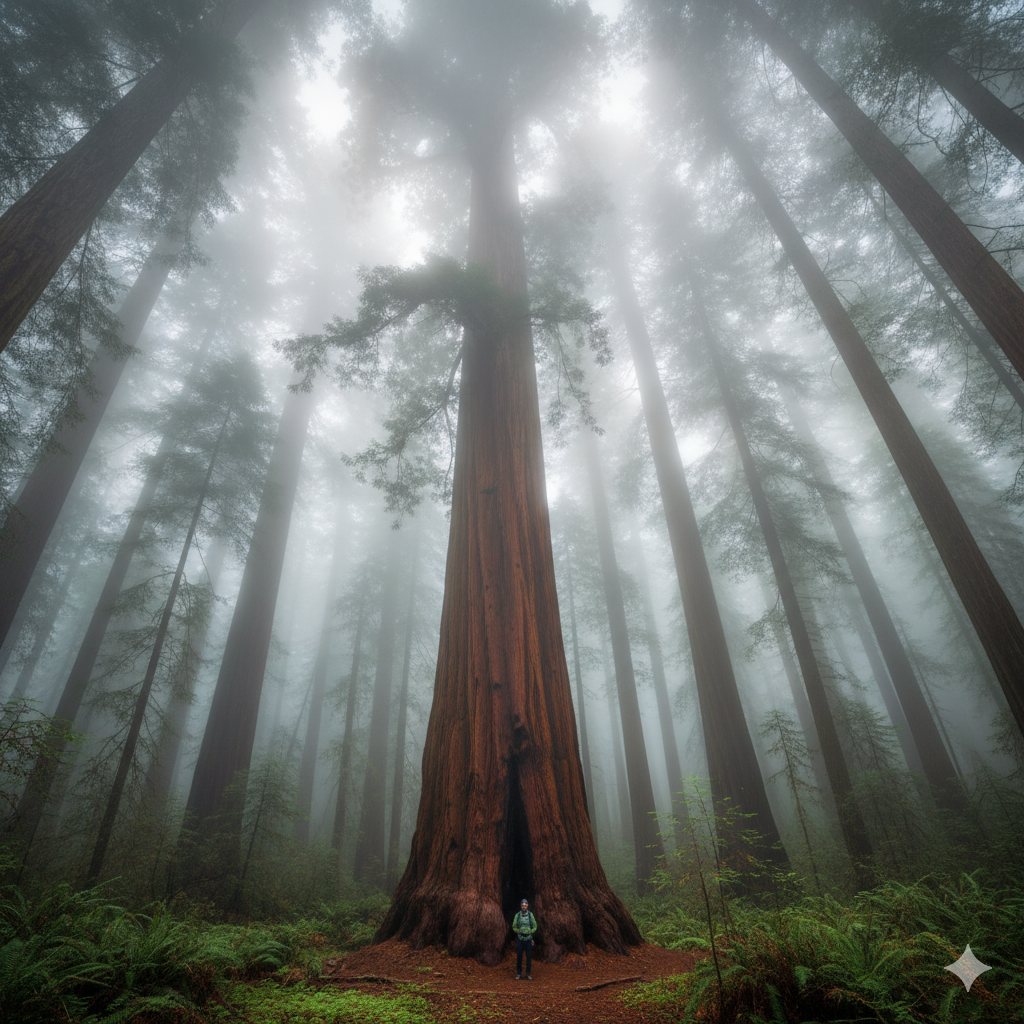
Named after a Greek Titan of heavenly light, Hyperion was confirmed as the world’s tallest known living tree in 2006. The towering redwood stands in a remote, protected region within Redwood National and State Parks.
Where Was Hyperion Found?
Hyperion was discovered deep within Redwood National Park, near the remote Redwood Creek watershed. While many visitors flock to common park trails, Hyperion is located in an undeveloped, steep, and ecologically sensitive zone.
Warning: In 2022, authorities officially banned public travel to the site due to severe erosion and risk to the forest floor. Visitors are now fined up to $5,000 for trespassing on the off-limits area.
The Science Behind Its Unmatched Height
Why are coast redwoods the tallest trees on Earth?
- Climate: Mild, foggy, temperate rainforest environment
- Soil: Moist, deep, nutrient-rich soils along Pacific coast
- Lifespan: Trees can live over 2,000 years
- Genetics: Redwood cells resist rot, insects, and fire
Hyperion’s staggering height is the combined result of ideal conditions, extreme longevity, and a protected location sheltered from human interference for centuries.
Why Its Exact Location Is Hidden
Hyperion’s location remained secret for years after discovery — and for good reason.
- Damage from hikers compacting soil
- Loss of native ferns and mosses
- Fallen branches due to tourist climbing
- Sensitive wildlife habitat destruction
In 2022, the National Park Service officially closed Hyperion to the public, marking it “Off-Limits Indefinitely.” Only the surrounding Redwood parks and observation trails remain open.
How to Visit (Legally): Redwood National Park
While you can’t visit Hyperion directly, you can still immerse yourself in the same towering redwood ecosystem where the world’s tallest tree lives.
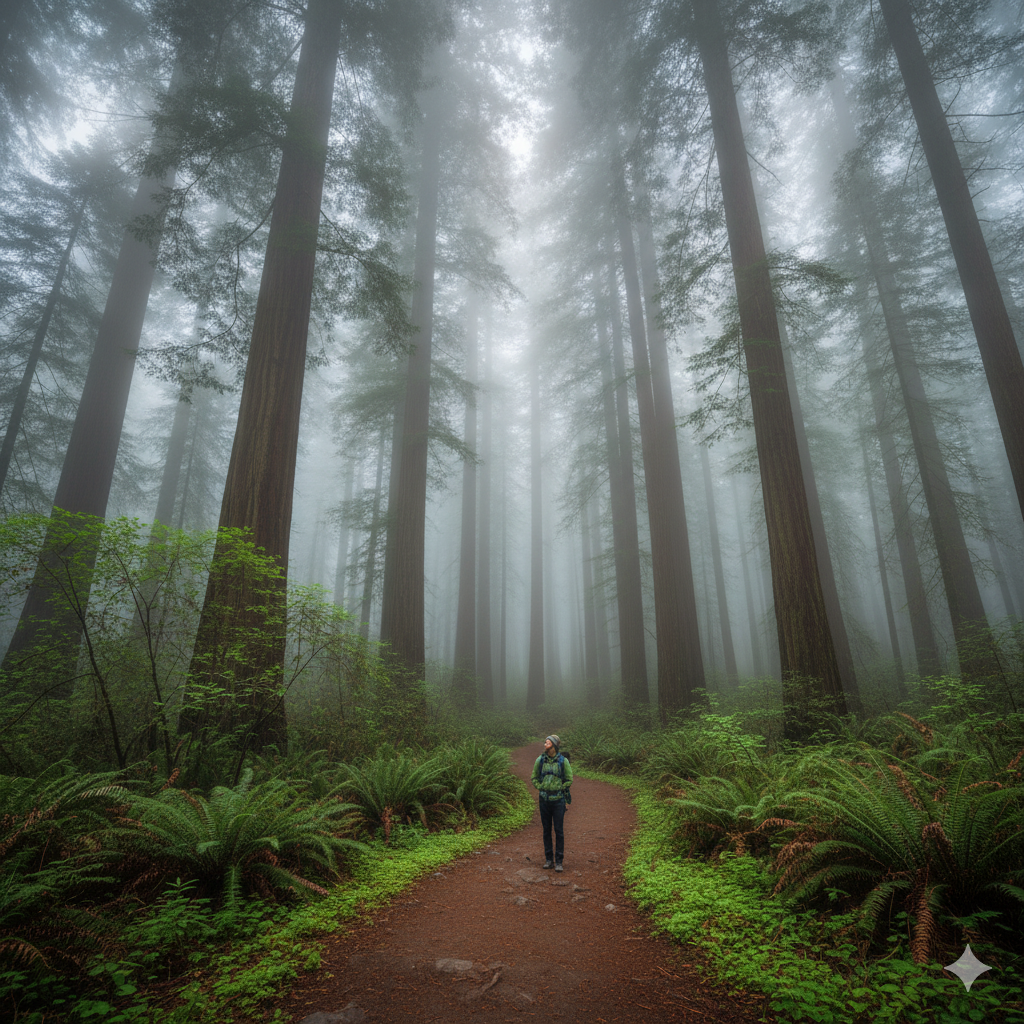
Popular Visitor Trails Nearby:
- Tall Trees Grove Trail
- Lady Bird Johnson Grove Trail
- Redwood Creek Overlook
- Fern Canyon (Jurassic Park filming site)
Permits, Fees & Ranger Regulations (2025 Update)
| Item | Requirement | Cost |
|---|---|---|
| National Park Entry | Not required | Free |
| Tall Trees Trail Permit | Required | Free (limited daily passes) |
| Backcountry Camping | Required | $5–$10 |
| Off-Trail Exploration near Hyperion | Banned | $5,000 fine |
Good to Know:
No drones allowed in Redwood National Park
Stay on marked trails to protect the fragile forest floor
Source:
- Redwood National & State Parks – Official Visitor Info
- Save the Redwoods League – Conservation & Education
Best Time to Explore Redwood National Park
| Season | Weather | Best For |
|---|---|---|
| June–September | Warm, sunny | Hiking, photography |
| October–November | Misty, moody | Quiet trails, nature lovers |
| December–April | Rainy, cool | Fewer tourists, dramatic forest lighting |
Hidden Nature Gems Near Hyperion
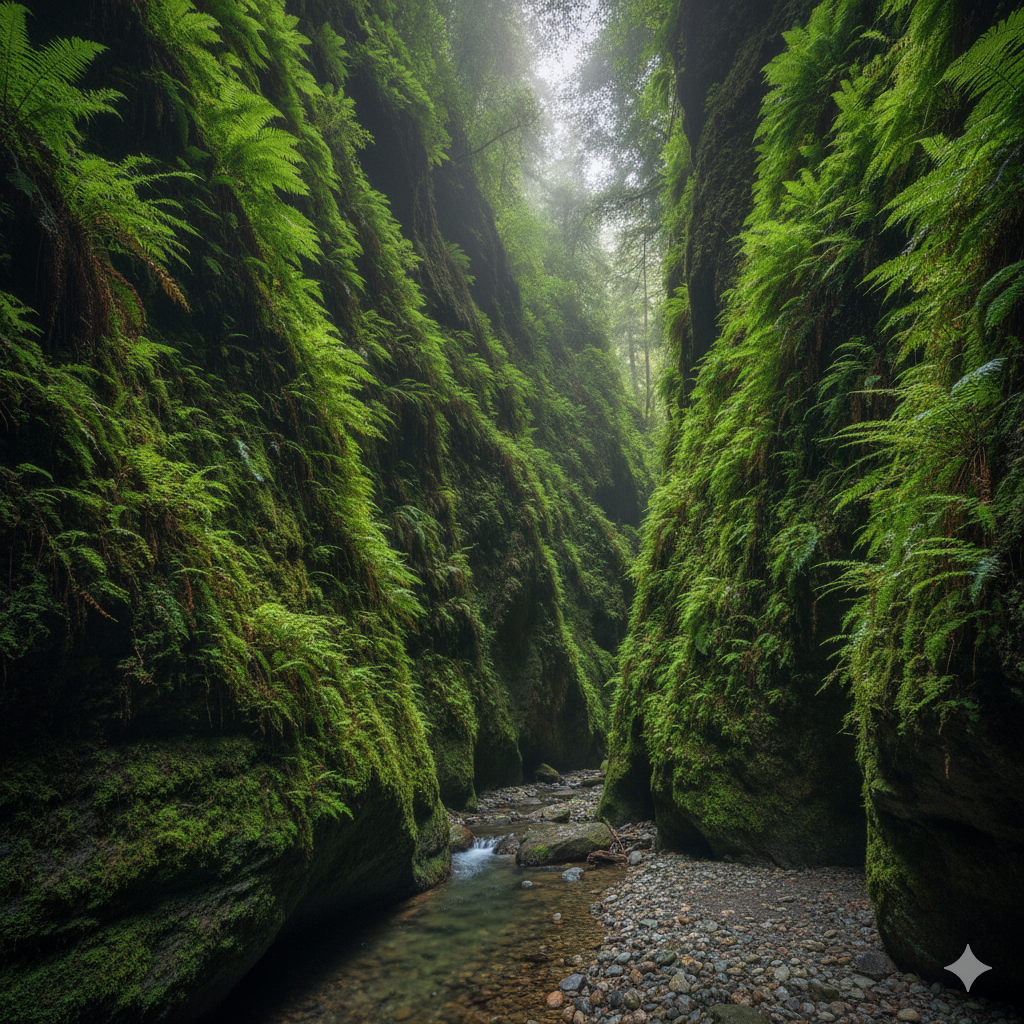
- Fern Canyon – Walk through 50-ft moss walls
- Prairie Creek Redwoods – Roosevelt elk sightings
- Lost Coast – Wilderness hiking with rugged sea cliffs
- Trillium Falls – Scenic waterfall loop hike
Local Tips, Food & Lodging
Where to Stay:
- Crescent City (35 mins from park)
- Trinidad, Arcata (1 hour south)
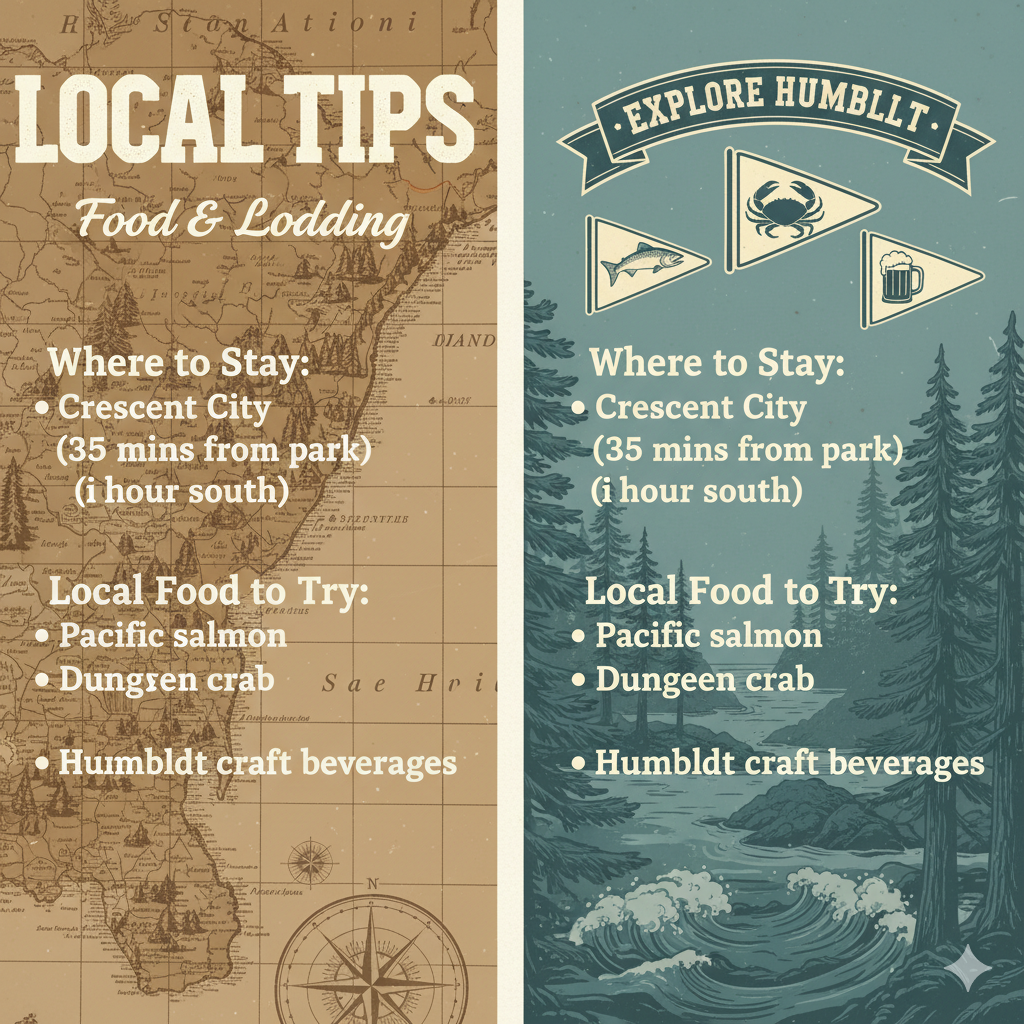
Local Food to Try:
- Pacific salmon
- Dungeness crab
- Humboldt craft beverages
Traveler Tip:
Cell service is patchy. Download offline maps and bring extra gear for fog and chill.
Check Also: Sea of Stars Maldives: Discover the World’s Glowing Night Beach (Full Travel Guide 2025)
Conservation & Climate Threats
Redwoods like Hyperion are battling:
- Drought & heatwaves
- Illegal hiking and vandalism
- Logging (historically)
Current protections in place by:
- National Park Service
- Save the Redwoods League
- UNESCO World Heritage status (since 1980)
FAQs
How tall is the world’s tallest tree?
Hyperion stands at approximately 379.7 feet (115.7 meters).
Can I visit Hyperion?
No. It is closed to public access to protect the fragile environment.
What is the best alternative way to see tall redwoods?
Take the Tall Trees Grove Trail or visit Lady Bird Johnson Grove.
Where is Redwood National Park located?
Northern California, USA along Highway 101.
Traveler
The world’s tallest tree isn’t just a record-breaker — it’s a symbol of nature’s hidden strength, ancient history, and ongoing resilience. Even though you can’t stand beneath Hyperion itself, the towering giants of Redwood National Park invite you to explore an ecosystem older than history, wilder than cities, and more majestic than any man-made landmark.
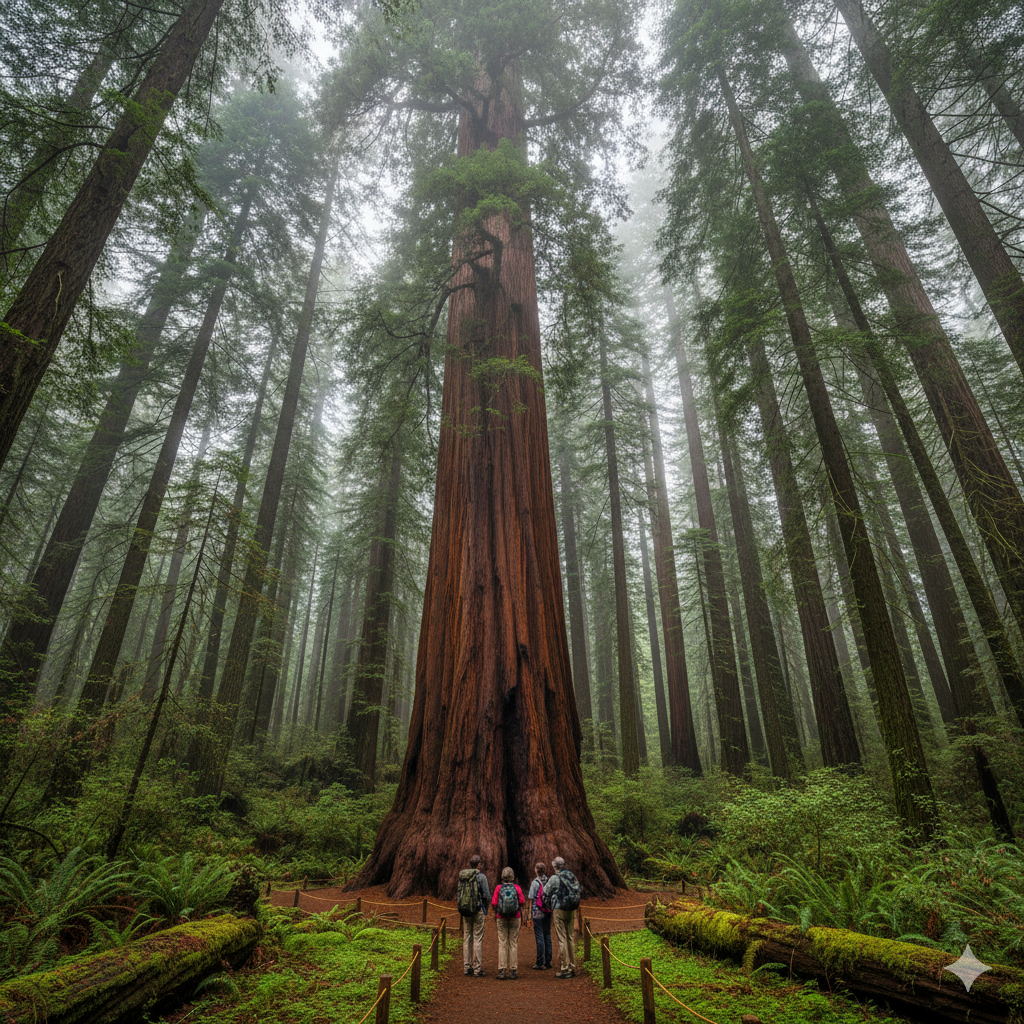
Whether you’re visiting for adventure, photography, education, or pure wonder, California’s living skyscrapers are waiting — just follow the trail, respect the forest, and let nature’s quiet giants tell you their story.