
Where Ships Go to Die — and Stories Come Alive
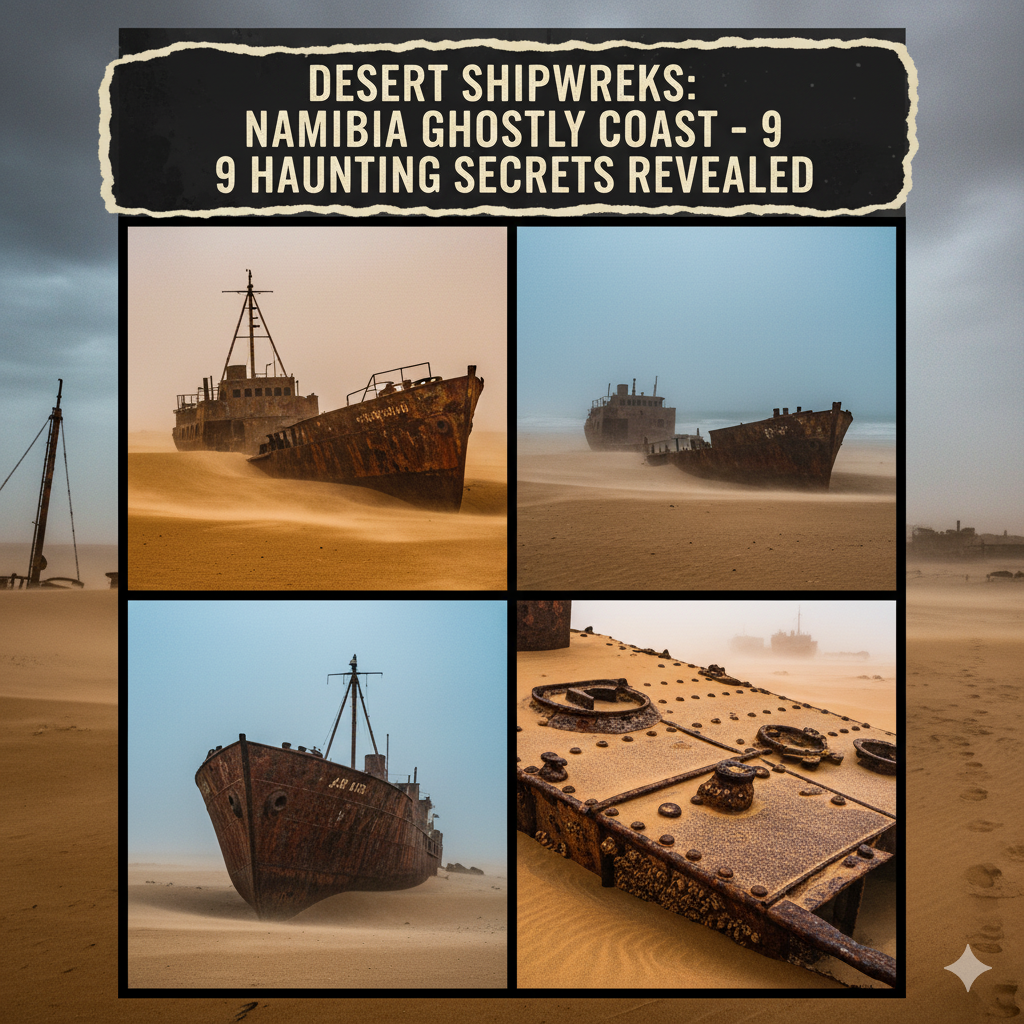
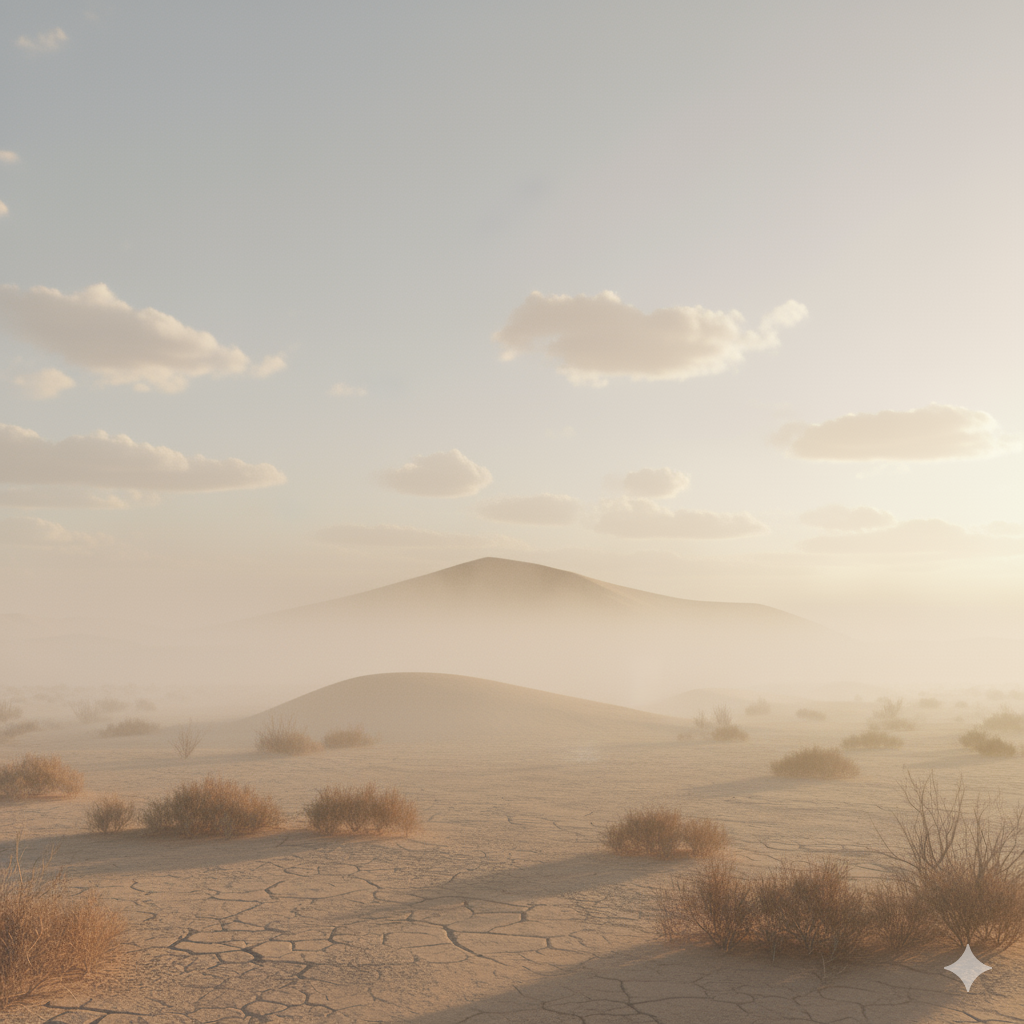
Imagine standing at the edge of a wild ocean, waves crashing against shipwrecks half-buried in golden desert sand, while fog drifts eerily across the dunes. Welcome to Namibia Skeleton Coast – Desert Shipwrecks, one of the most hauntingly beautiful places on Earth.
This isn’t just a coastline — it’s nature’s version of a forgotten graveyard, where sunken ships, scattered bones, and lonely sands tell stories of survival, tragedy, and time itself.
Windswept. Isolated. Majestic. The Skeleton Coast is the place you go when you want to feel something powerful and unforgettable.
What Makes This Coast So Unique?
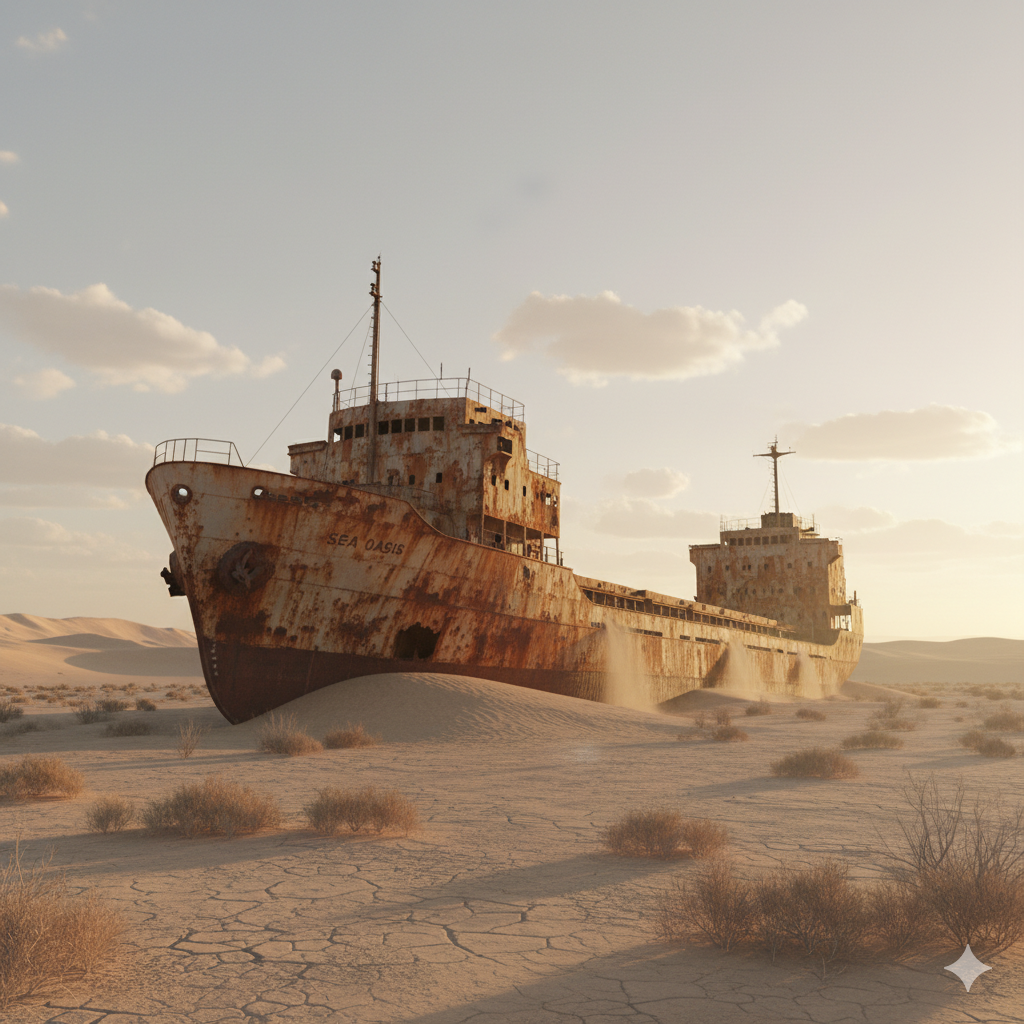
On paper, it’s a desert that meets the ocean. In reality, it’s a soul-stirring collision of two worlds.
- The cold Benguela Current crashes into the desert, creating thick fog that makes navigation nearly impossible.
- Jagged rocks, shifting sandbanks, and roaring waves have claimed over 1,000 ships — giving this place its chilling nickname: The Skeleton Coast.
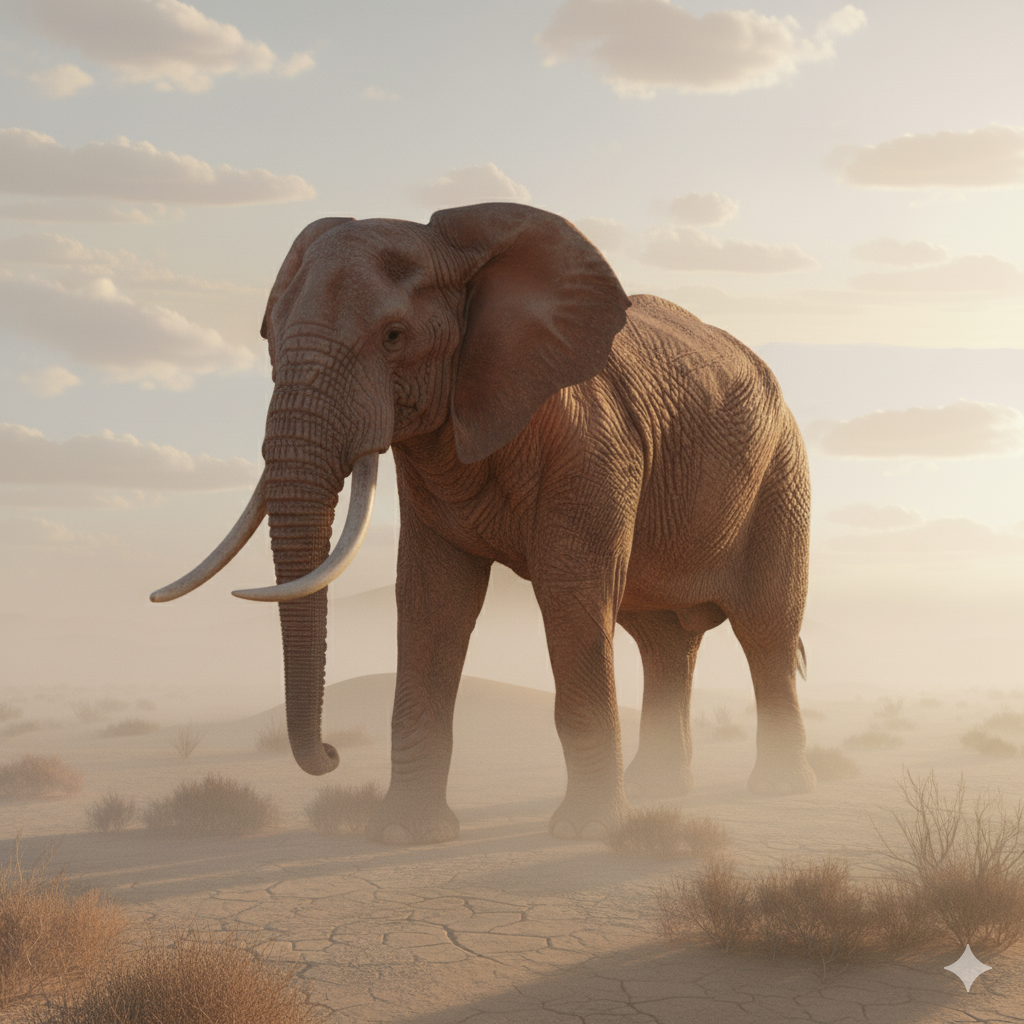
- And yet… wildlife thrives here. Desert-adapted elephants, jackals, and hyenas live alongside rusting ship hulls and whale bones.
There’s beauty in desolation — and this coast is the definition of it.
Why So Many Shipwrecks? The Surreal History
For centuries, this coast has been feared by sailors. Many who wrecked here died of dehydration, lost between endless dunes and a bitter ocean. Early tribes called it “The land God made in anger.” For explorers, it was hell on Earth.
The stories are real. The rusting vessels are real. And the sand is slowly swallowing them — making every wreck feel like a lost message in time.
Top Highlights Along the Coast
If you’re brave enough to explore, here’s what will stay with you:
The Eduard Bohlen Shipwreck
A 1909 cargo ship that now lies almost 400 meters inland — surrounded by desert dunes. It looks like something out of a dream.
Desert Wildlife
Yes — elephants walk along the beaches. Desert-adapted creatures roam the dunes, surviving against all odds.
Skeleton Landmarks
Whale bones, seal skeletons, old tools, rusted parts of ships — this coast earns its name with every tide.
Otherworldly Skies
Fog from the Atlantic mixes with golden dunes — turning sunrises into something cinematic and almost unreal.
How to Get There (And Why It Feels Like an Expedition)
This is not a place you stumble into. It’s remote, rough, and unforgettable.
- Main access points: Swakopmund, Walvis Bay, or via fly-in safari routes.
- How to explore: 4×4 is a must. Most of the area is gravel, sand, or untouched wilderness.
- Permits: Parts of the coast (like the northern region) require a permit or guided tour — especially if entering Skeleton Coast National Park.
- Pro Tip: Hire a local tracker/guide. They know which places are accessible — and where the magic is hiding.
Best Time to Visit
Namibia is beautiful year-round, but if you want comfortable conditions and clearer days:
- Best months: May to September — cooler, more stable, and fewer sandstorms.
- Fog months: June–August — spine-tingling, especially for photographers.
Hidden Gems & Local Secrets
- Scenic Flights — Take a small plane ride over the coast. From the air, the shipwrecks and dunes look completely surreal.
- Shipwreck Lodge — A remote lodge shaped like washed-up ship cabins. One of the world’s most unique stays.
- Desert Stars — Step outside at night. No light pollution — just galaxies across endless sky.
Local tip: The fog rolls in quickly. Keep extra fuel, food, and water if you’re driving. Nature shows no mercy here.
Check Also: Ice Caves of Iceland – Discover Nature’s Frozen Wonder Tunnels
Where to Eat Like a Local
While the coast itself has no restaurants or towns, nearby Swakopmund has:
- Fresh seafood shacks — Fish & chips, calamari, local oysters
- Nama beef & game meats at traditional braai (BBQ) joints
- German-influenced bakeries with fresh bread and divine pastries
Namibian cuisine is rugged, real, and full of heart — just like the land.
Source:
- Skeleton Coast National Park – Official Namibia Guide
- Explore the Lost Shipwrecks of Namibia – Discover Africa
Final Thoughts: A Place That Stays With You Forever
The Skeleton Coast isn’t for every traveler. It’s harsh, haunting, and deeply emotional. But that’s exactly why it should be experienced.
If you’re looking to collect passport stamps, go elsewhere.
If you’re looking to collect soul-altering memories, come here.
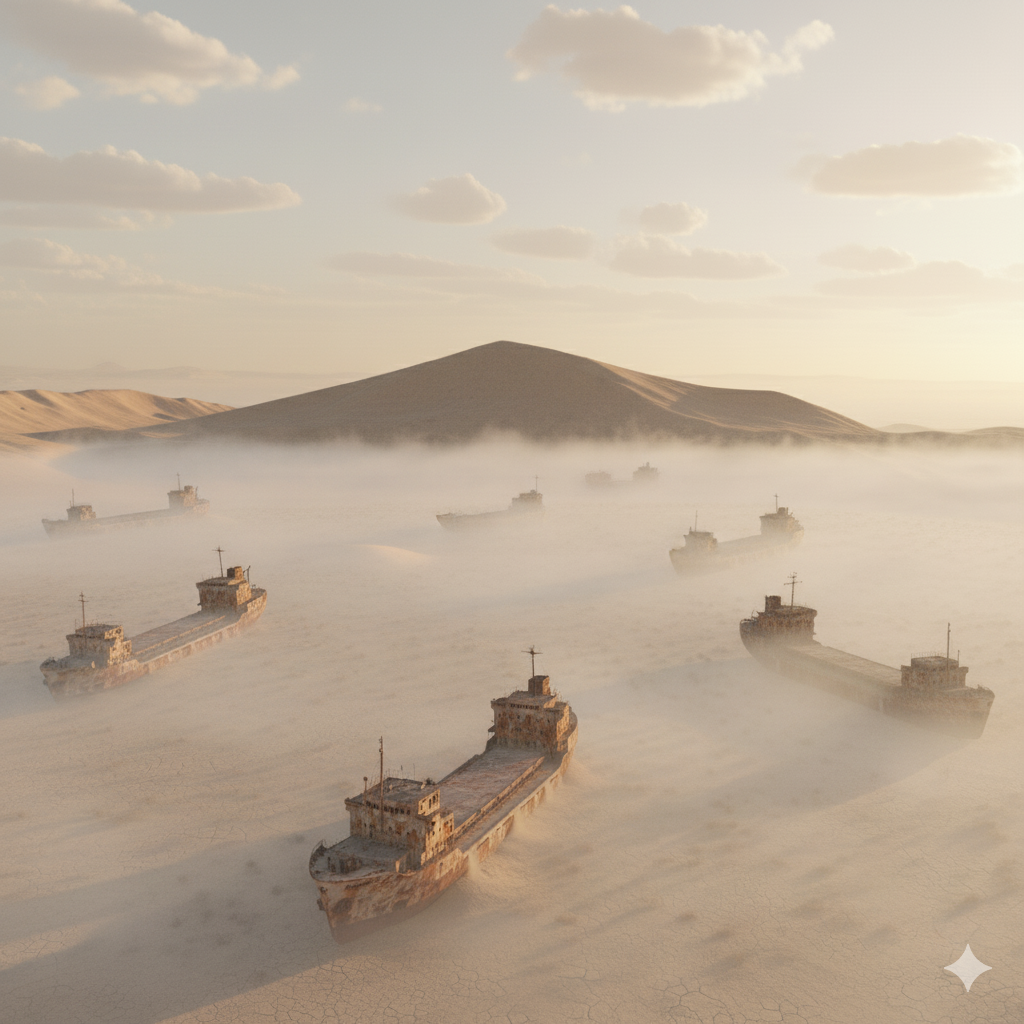
Dusty wrecks. Quiet dunes. Fog rolling over dead ships. A sense of time paused. This is the Skeleton Coast.
It doesn’t just tell a story — it makes you part of it.
FAQs
Q1. Can anyone visit the Skeleton Coast?
Yes, though some areas require permits or guided tours. The southern part is more accessible than the north.
Q2. Is it safe to drive alone?
Only if you’re experienced and properly prepared. The terrain is unforgiving. Many prefer self-drive convoys or 4×4 tours.
Q3. Why are some wrecks so far from the ocean?
The desert is always moving — especially the dunes. Over decades, sand has pushed shipwrecks inland, burying some partially or completely.