


Introduction
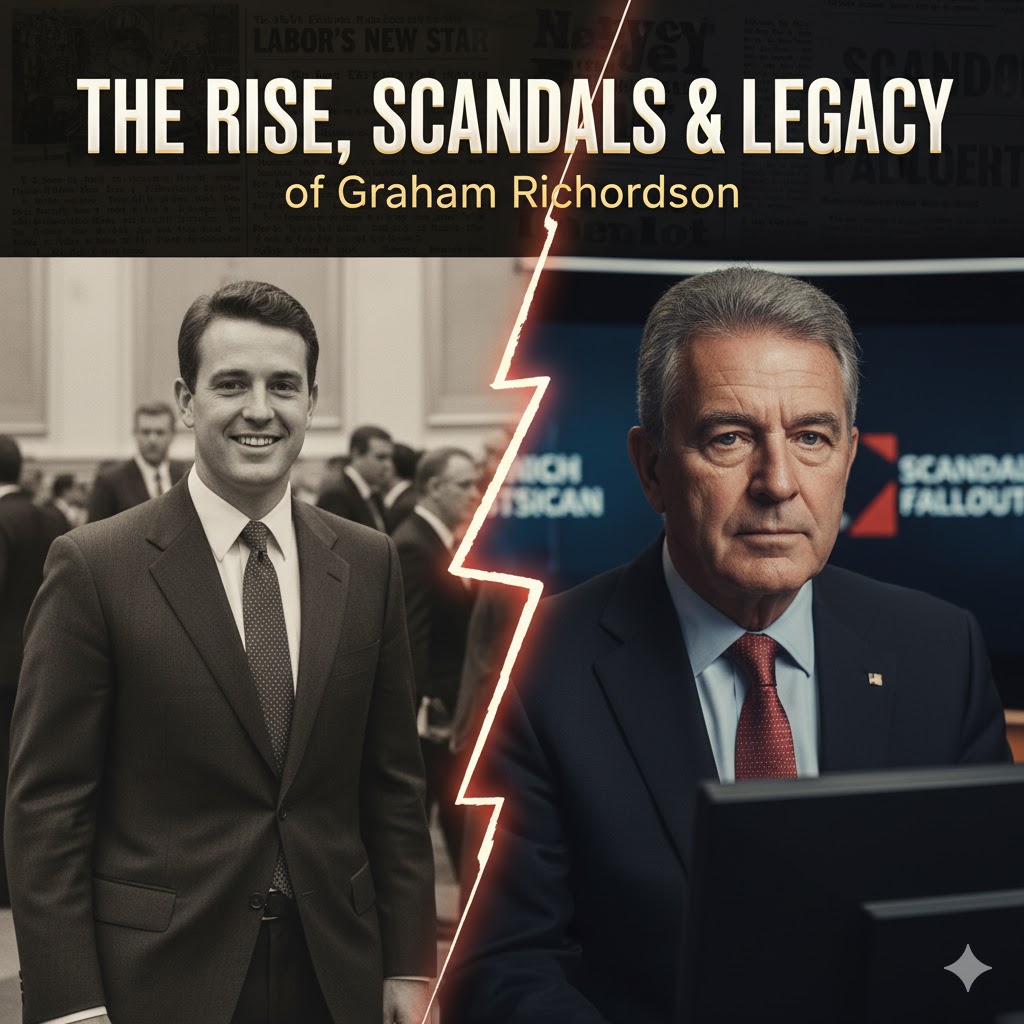
Graham Richardson, the formidable Labor strategist often described as a kingmaker, has passed away at the age of 76. Known for his sharp political instincts, factional influence, and sometimes controversial methods, Richardson left a significant mark on Australian politics. From his rapid rise in the Labor Party to his ministerial achievements and later media presence, Richardson’s career was a blend of skill, scandal, and undeniable influence.
Carrie Bickmore Named 2026 Australian of the Year for Victoria – A Legacy of Hope and Advocacy
Source: Read his official obituary from ABC News (abc.net.au)
Early Life and Political Rise
Born on 27 September 1949 in Sydney, Richardson was ambitious from a young age. He left university before completing his law degree to immerse himself in union politics. By 26, he had become the youngest-ever General Secretary of the New South Wales Labor Party, demonstrating both leadership and strategic acumen. In 1983, he was elected as a senator for New South Wales at just 33 years old — a position that positioned him to influence Labor politics for the next decade.
Ministerial Career
Richardson held several key ministerial portfolios, including Environment, Transport and Communications, Health, and Social Security. Among his most lasting contributions was his work as Environment Minister, where he helped protect critical Australian landscapes such as the Daintree Rainforest and Kakadu National Park. His policies reflected a combination of political savvy and a commitment to environmental preservation, balancing party expectations with national interests.
Factional Influence: The Kingmaker
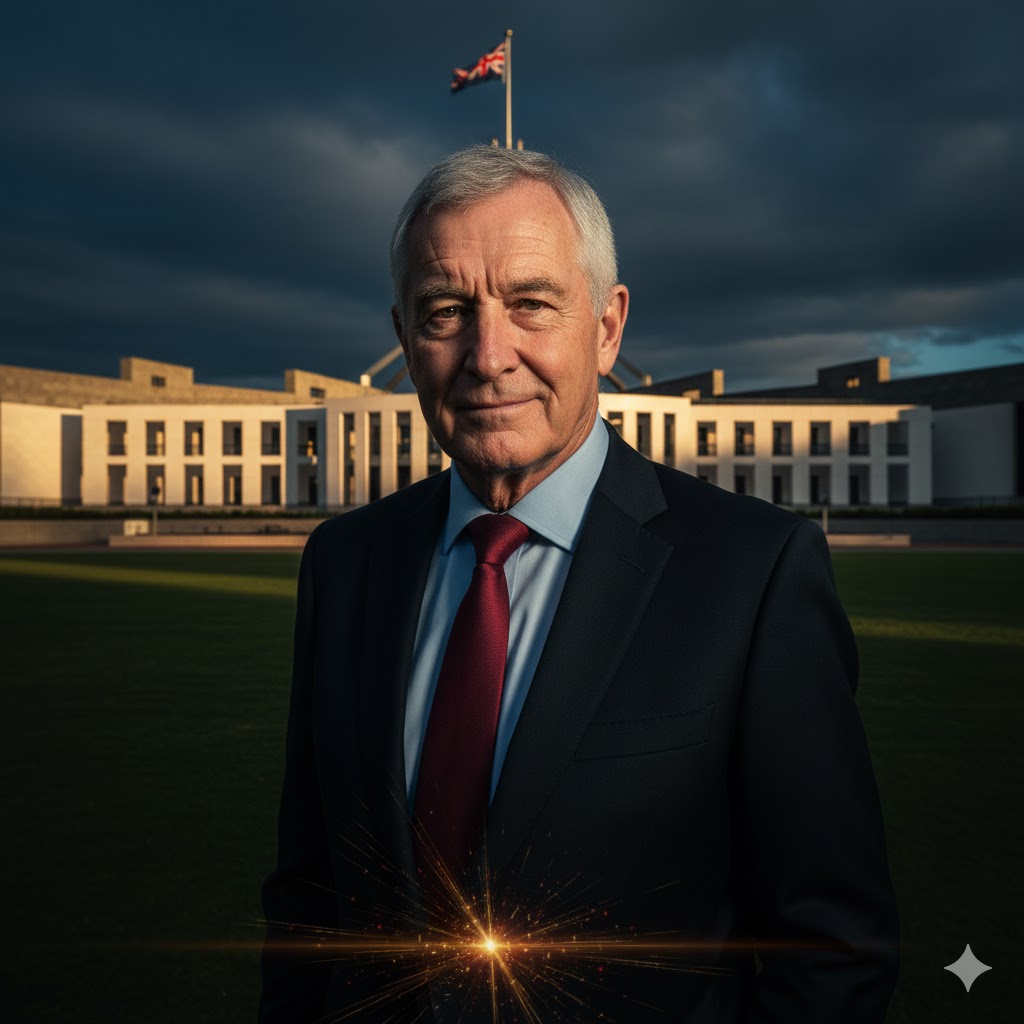
Richardson earned the nickname “Minister for Kneecaps” due to his reputation as a skilled negotiator and powerbroker within the Labor Party. He was central to leadership changes, including the pivotal transition from Bob Hawke to Paul Keating as Prime Minister. His ability to organize votes and manage internal party negotiations made him one of the most influential figures behind the scenes of Australian politics.

Controversies and Challenges
Richardson’s career was not without scandal. He faced allegations related to branch-stacking, secret bank accounts, and other factional maneuvers that drew public attention. Additionally, the 1991 Marshall Islands Affair led to his temporary resignation from cabinet. Despite these controversies, he remained a respected and feared figure in political circles.
Richardson also battled significant health challenges. Diagnosed with chondrosarcoma in 1999, he underwent an 18-hour surgery in 2016 and struggled with other health issues in later years, ultimately passing away at 76.

Media Career and Legacy
After leaving parliament in 1994, Richardson transitioned to media and commentary. He became a prominent voice in Australian political analysis, appearing regularly on television and radio. His insights, often drawn from firsthand experience, made him a sought-after commentator and maintained his influence over public discourse.
Richardson’s legacy is complex: he was an environmental advocate, a strategic genius, a controversial figure, and a political operator. His contributions continue to shape the Labor Party and offer lessons on power, loyalty, and the ethics of political life.

10 FAQs
1. Who was Graham Richardson?
Graham Richardson was a prominent Australian Labor Party politician, senator for New South Wales, cabinet minister, and influential party strategist.
2. When did he serve in politics?
Richardson served as a senator from 1983 to 1994 and held multiple ministerial positions during that period.
3. Why was he called the “Minister for Kneecaps”?
This nickname reflected his skill in negotiating factional deals and influencing party leadership behind the scenes.
4. What were his major ministerial achievements?
He helped protect the Daintree Rainforest and Kakadu National Park while serving as Environment Minister and played a key role in shaping Labor policies.
5. What scandals was he involved in?
Richardson faced controversies including branch-stacking allegations, secret bank accounts, and the Marshall Islands Affair.
6. When did he leave politics and why?
He resigned from the Senate in 1994 due to health reasons, after a career marked by political influence and controversy.
7. What health challenges did he face?
He battled chondrosarcoma, underwent a major surgery in 2016, and later suffered from pneumonia and kidney issues.
8. Did he continue influencing politics after leaving office?
Yes, through media commentary, advisory roles, and public appearances, he remained an influential figure in political discourse.
9. How is he remembered by the Labor Party?
Richardson is remembered as a strategic genius and kingmaker, whose factional influence shaped party decisions for decades.
10. What is his lasting legacy?
Richardson’s legacy includes political strategy, environmental protection, factional leadership, and lessons in the ethics of power.


