
A Winter Wonderland Like No Other
Imagine walking across a river so frozen that it becomes a transparent path through nature’s heart, surrounded by snow-covered cliffs and endless horizons. Frozen River of Russia — most famously Lake Baikal and the icy expanses of Siberian tributaries — are natural masterpieces that blend fragile beauty, adventure, and mystery.
From crystal-clear ice that looks like glass to bubbles frozen midair beneath your feet, these frozen rivers invite travelers to witness a world between water and sky, frozen in time.
Whether you’re a photographer chasing surreal winter scenes, an adventurer longing for ice trekking, or a traveler seeking peace in Russia’s silent winters, the Frozen River of Russia promises a journey into nature’s crystal path.
The Crystal Ice of Lake Baikal
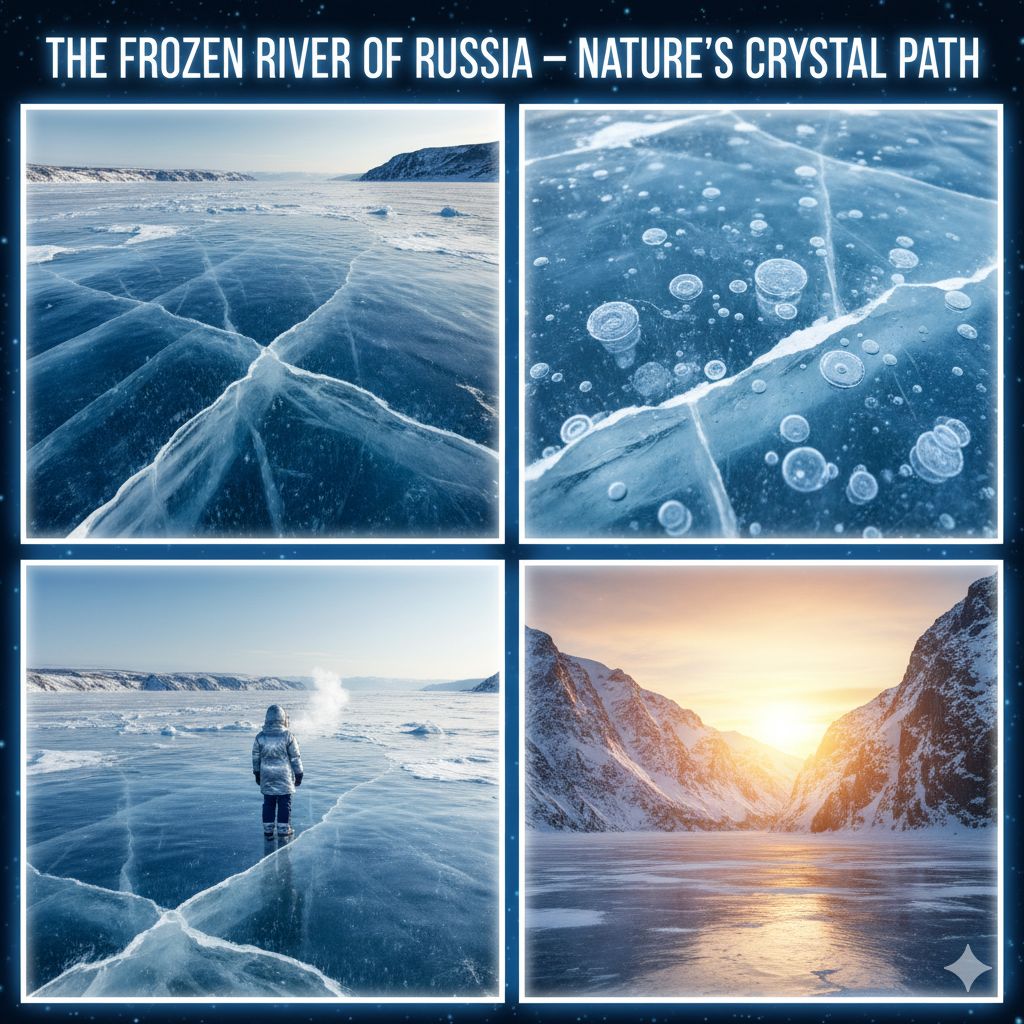
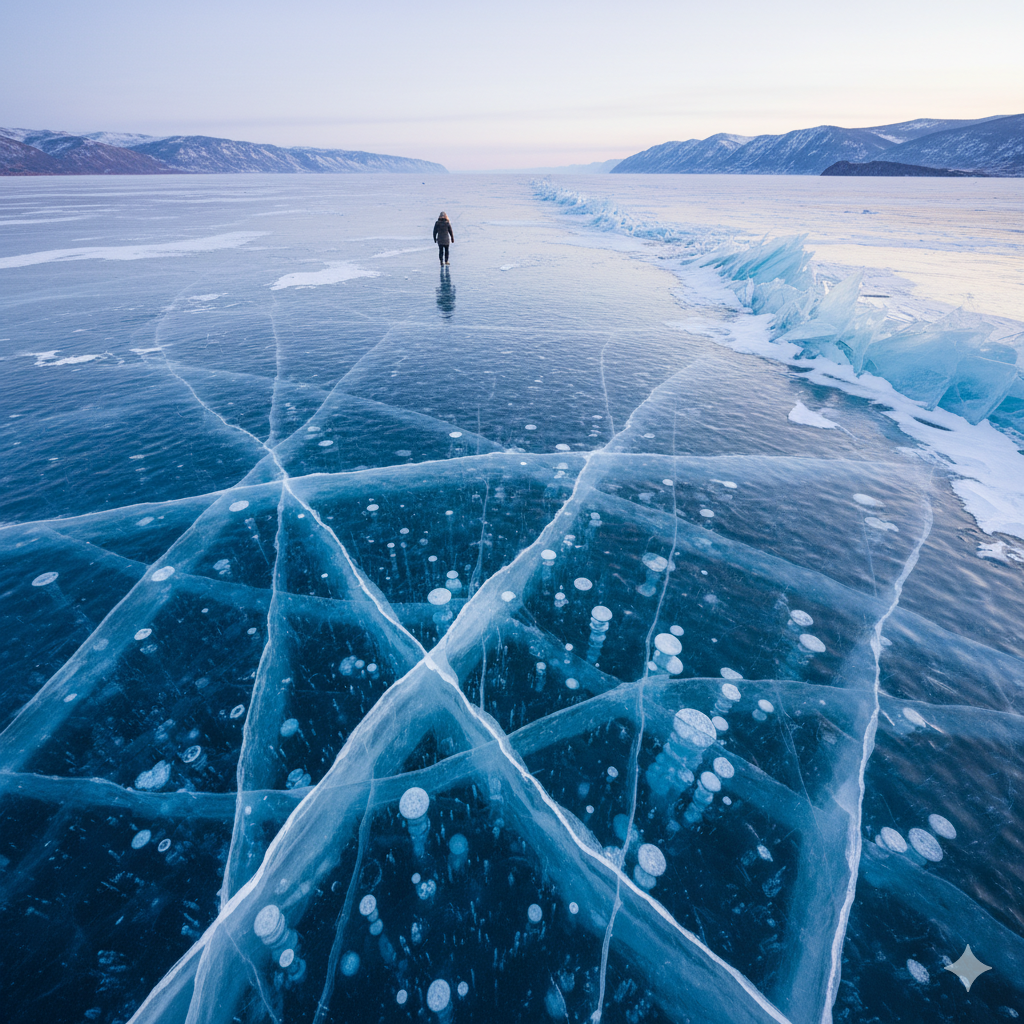
Lake Baikal, the world’s oldest and deepest freshwater lake, transforms into an ice wonderland every winter. The ice is so clear that you can see up to 40 feet beneath the surface, revealing rocks, bubbles, and underwater life suspended in frozen time.
Why it’s magical:
- Ice forms in sheets of translucent blue, sometimes tinted green or turquoise.
- Natural cracks create fractals and patterns, perfect for photography.
- Snow occasionally dusts the surface, adding contrast to the crystal-clear ice.
The Siberian Frozen Rivers
Beyond Baikal, Russia’s Siberian rivers — including the Lena, Yenisei, and Ob — freeze into endless silver paths during winter. These rivers serve as ice roads, historically used for trade and transport.
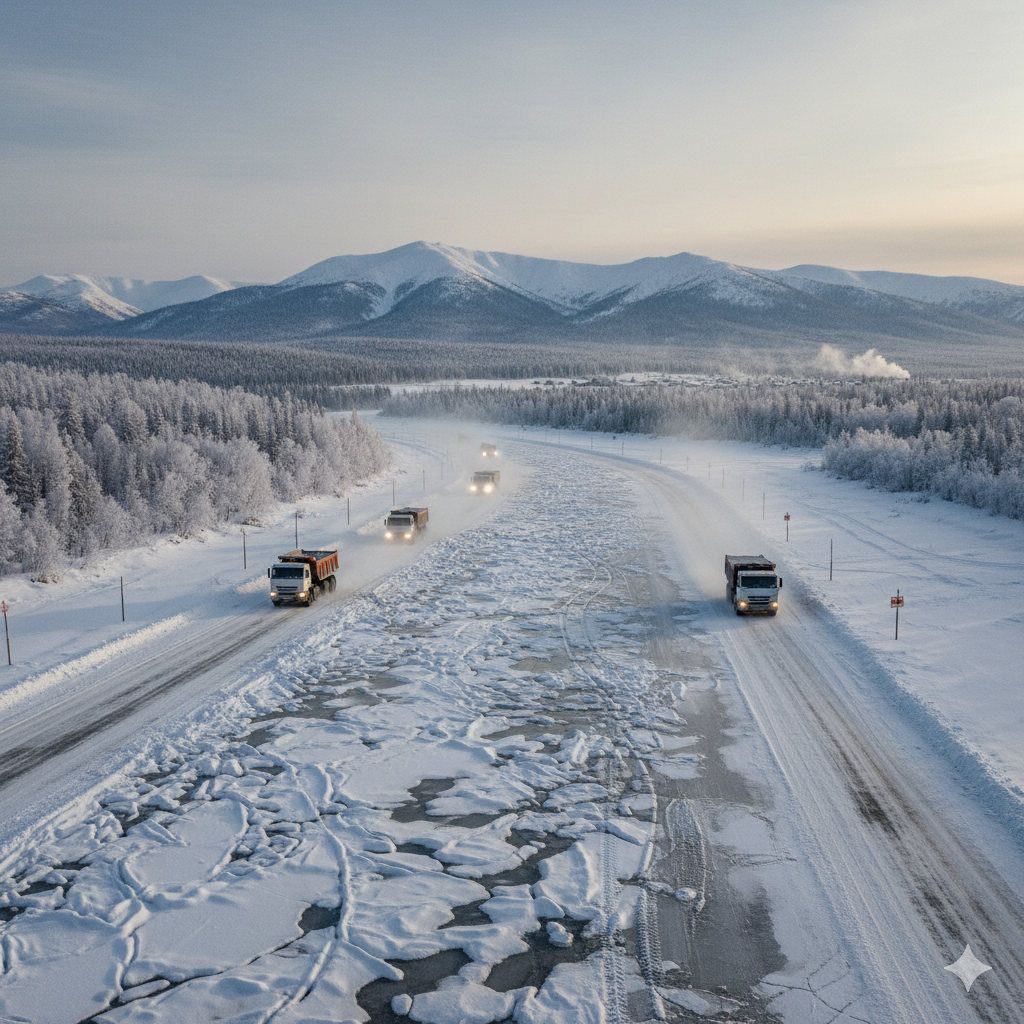
- The ice can reach up to 1.5 meters thick, supporting vehicles and even trucks in remote areas.
- Rivers carve natural ice sculptures, formed by wind, snow, and freezing currents.
Fun Fact: Siberian villagers rely on these ice roads, or “zimniks,” for vital connections during winter months.
Ice Bubbles – Nature’s Frozen Art
One of the most surreal features is methane bubbles trapped in ice. During winter, gases from the lakebed rise but freeze in place, creating perfect spheres of air beneath the ice surface.
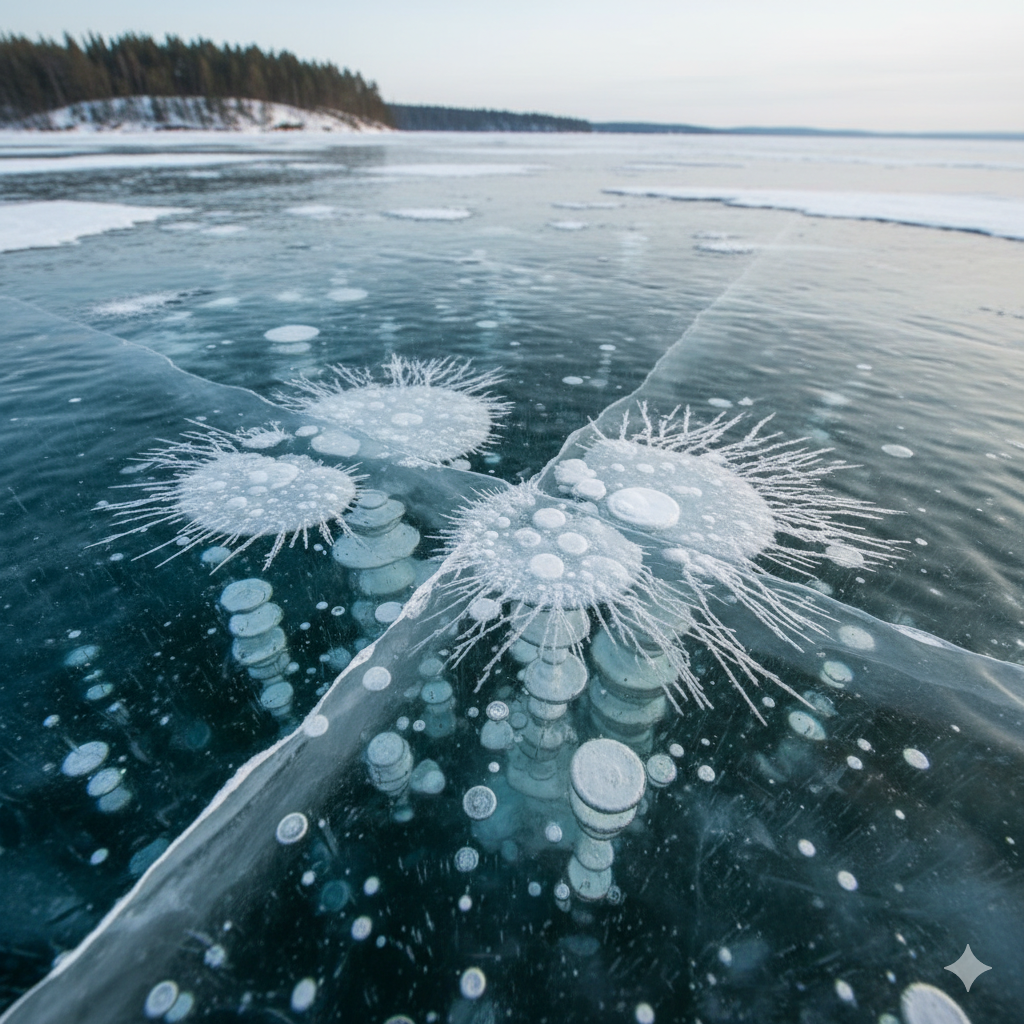
- They look like thousands of frozen pearls suspended underwater.
- Photographers call them nature’s crystal chandeliers, glowing under sunlight.
The Ice Roads – Adventure Across the Frozen Path
Russia’s frozen rivers aren’t just beautiful — they’re functional and thrilling.
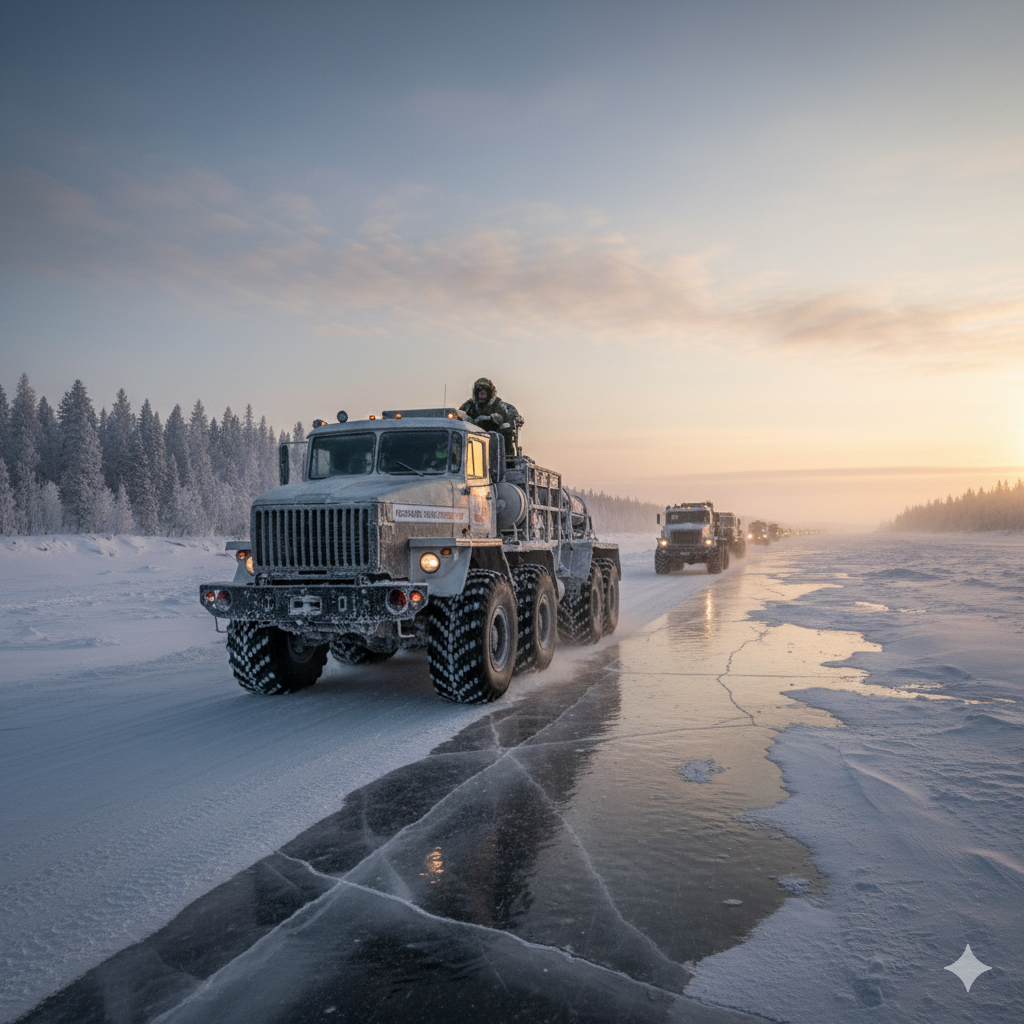
- In Siberia, frozen rivers become seasonal highways, connecting remote villages.
- Travelers can drive across the ice, snowmobile, or even hike, experiencing a surreal winter landscape.
- Safety is paramount: locals monitor ice thickness and mark safe paths.
Ice Caves and Natural Sculptures
Winter’s frozen rivers give rise to ice caves and sculptures along their banks.
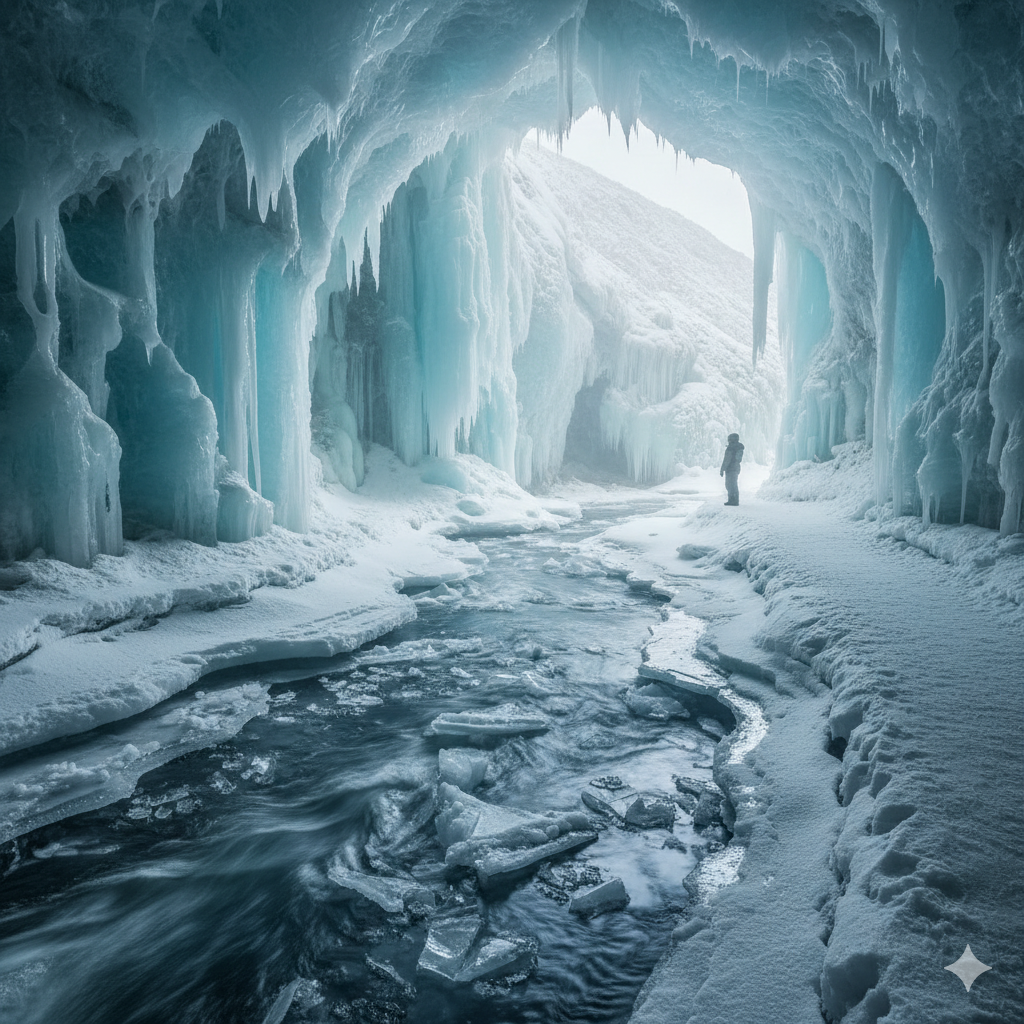
- Water seeps through cracks and freezes into arches, tunnels, and columns.
- Sunlight and shadows turn these formations into blue, silver, and white cathedrals of ice.
- Some caves are accessible for guided trekking tours, offering a unique adventure.
Wildlife in Winter Wonderland
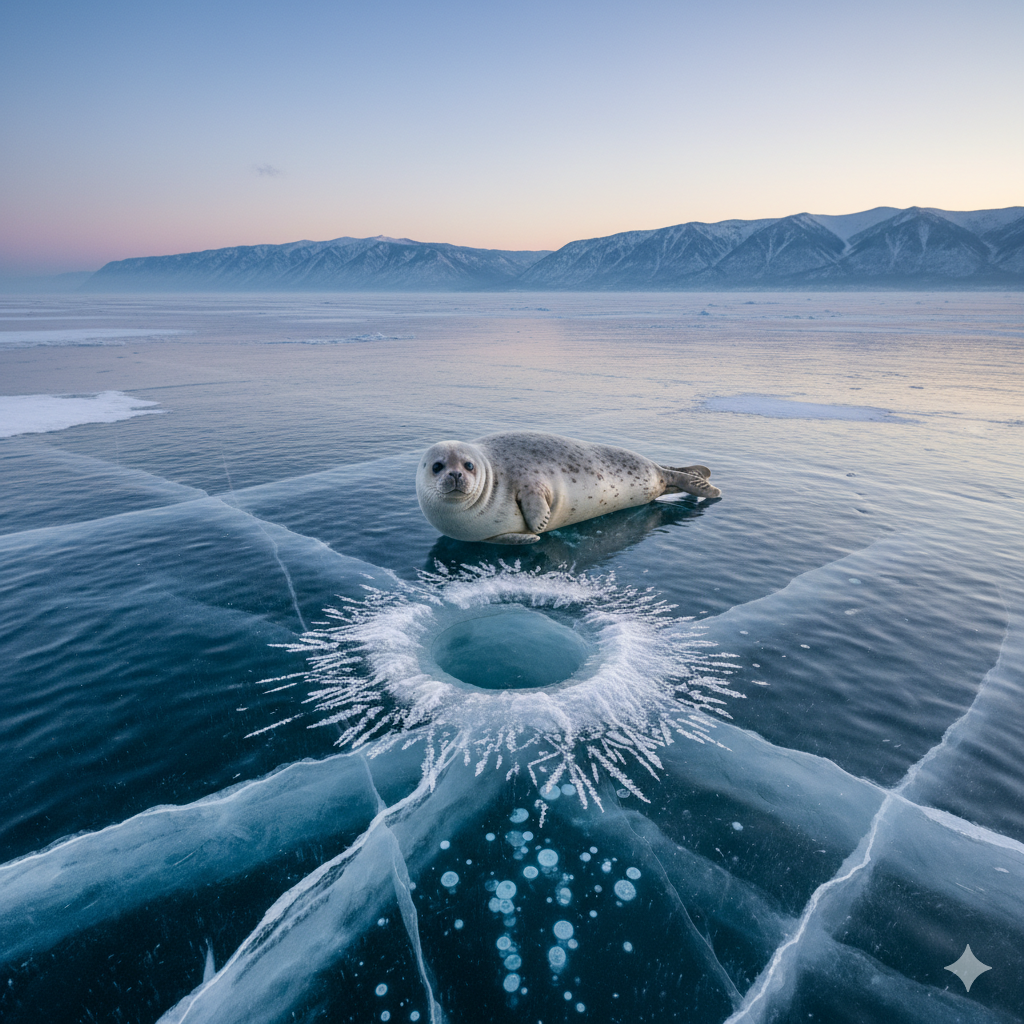
Even frozen, Russia’s rivers support life:
- Baikal seals (Nerpa): The world’s only freshwater seal, seen resting on ice.
- Migratory birds: Some species stay nearby, creating a frozen sanctuary.
- Fish beneath ice: Still active under the frozen surface, forming intricate patterns visible through clear ice.
Best Time to Explore
| Season | Months | Highlights |
|---|---|---|
| Peak Ice Clarity | February – March | Crystal-clear ice, best for photography |
| Adventure Season | December – February | Snow, ice roads, winter activities |
| Quiet Season | Late November / early April | Fewer tourists, serene landscapes |
Travel Tips:
- Bring insulated boots, waterproof clothing, and crampons for traction.
- Check ice thickness reports before venturing onto frozen rivers.
- Hire local guides for ice trekking or river adventures.
Source:
BBC Travel – Russia’s Frozen Beauty
Where to Stay
- Listvyanka Village: Lakeside cabins near Baikal for ice-viewing and local culture.
- Irkutsk Hotels: Base for winter excursions and guided ice trips.
- Siberian Winter Resorts: Eco-lodges for adventure travelers.
Cost Estimate:
| Experience | Price (USD) |
|---|---|
| Guided Ice Trek | $80 – $150 |
| Snowmobile on Frozen River | $120 – $250 |
| Winter Homestay | $40 – $100 |
| Ice Road Driving Tour | $150 – $300 |
Photography Tips
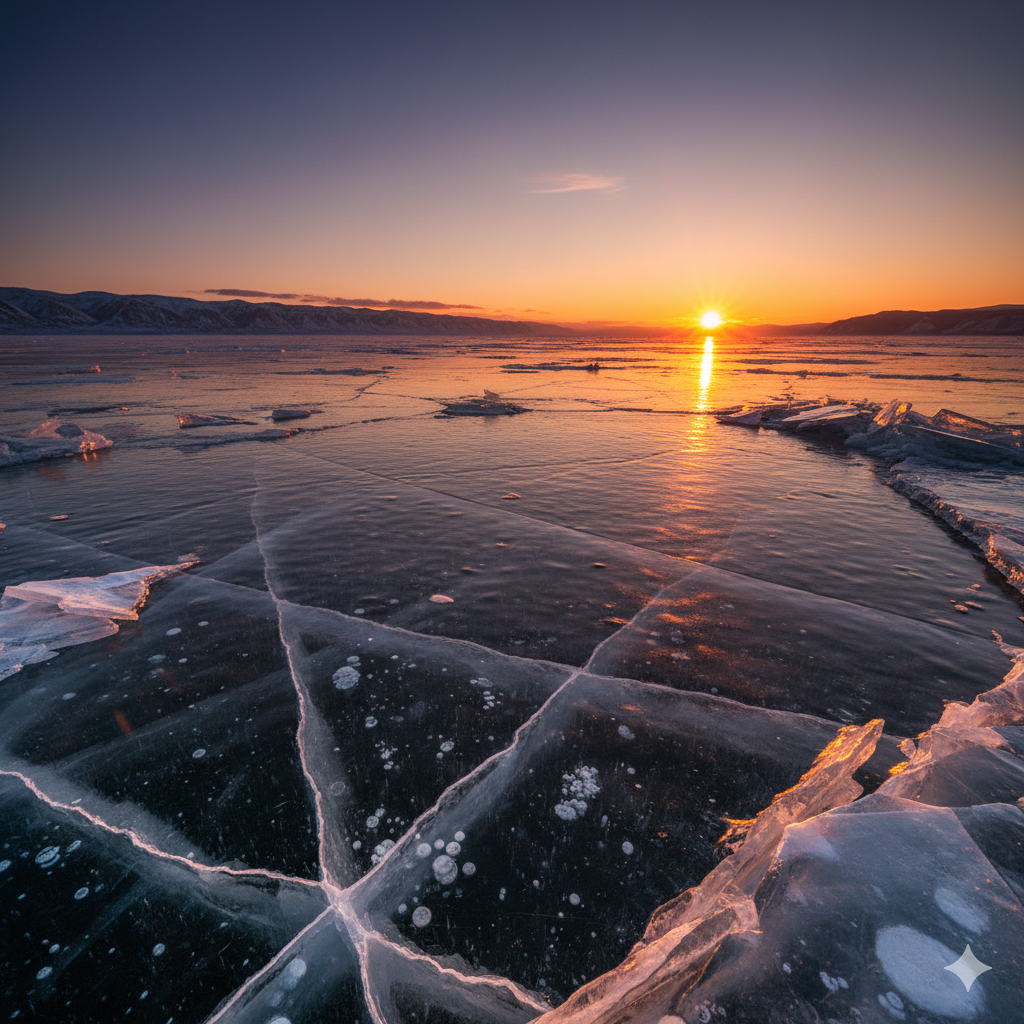
- Use a wide-angle lens to capture frozen expanses.
- Shoot early morning or late afternoon for soft light and shadows.
- Polarizing filter helps reduce glare on ice.
- Capture bubbles, cracks, and reflections for surreal effects.
Conservation & Safety
- Lake Baikal is a UNESCO World Heritage Site, protected for its unique biodiversity.
- Travelers should avoid polluting ice and respect wildlife.
- Frozen rivers are seasonal; never walk alone on untested ice.
Check Also: Haunted Castle of Scotland – Ghosts Among Ruins
Fun Facts
- Lake Baikal holds 20% of the world’s freshwater.
- Some ice sheets are over a meter thick, strong enough to hold vehicles.
- Cracks in the ice can stretch hundreds of meters.
- Local folklore calls frozen rivers “Nature’s Crystal Path”, guiding travelers across Siberia.
- Ice changes color based on air bubbles, algae, and sunlight.
FAQs
Q1: Which frozen river is most famous in Russia?
Lake Baikal, the world’s oldest and deepest freshwater lake.
Q2: Can anyone walk on frozen rivers?
Yes, with proper guidance and ice safety checks.
Q3: What makes the ice so clear?
Extreme cold freezes water slowly, trapping fewer bubbles and impurities.
Q4: Are frozen rivers dangerous?
They can be. Always check ice thickness and follow local advice.
Q5: When is the best photography time?
Early morning or late afternoon for light reflection and shadow contrasts.
Traveler: Walking Through a Crystal Kingdom
Russia’s frozen rivers are more than ice; they are nature’s artwork, crystal pathways stretching across a winter kingdom.
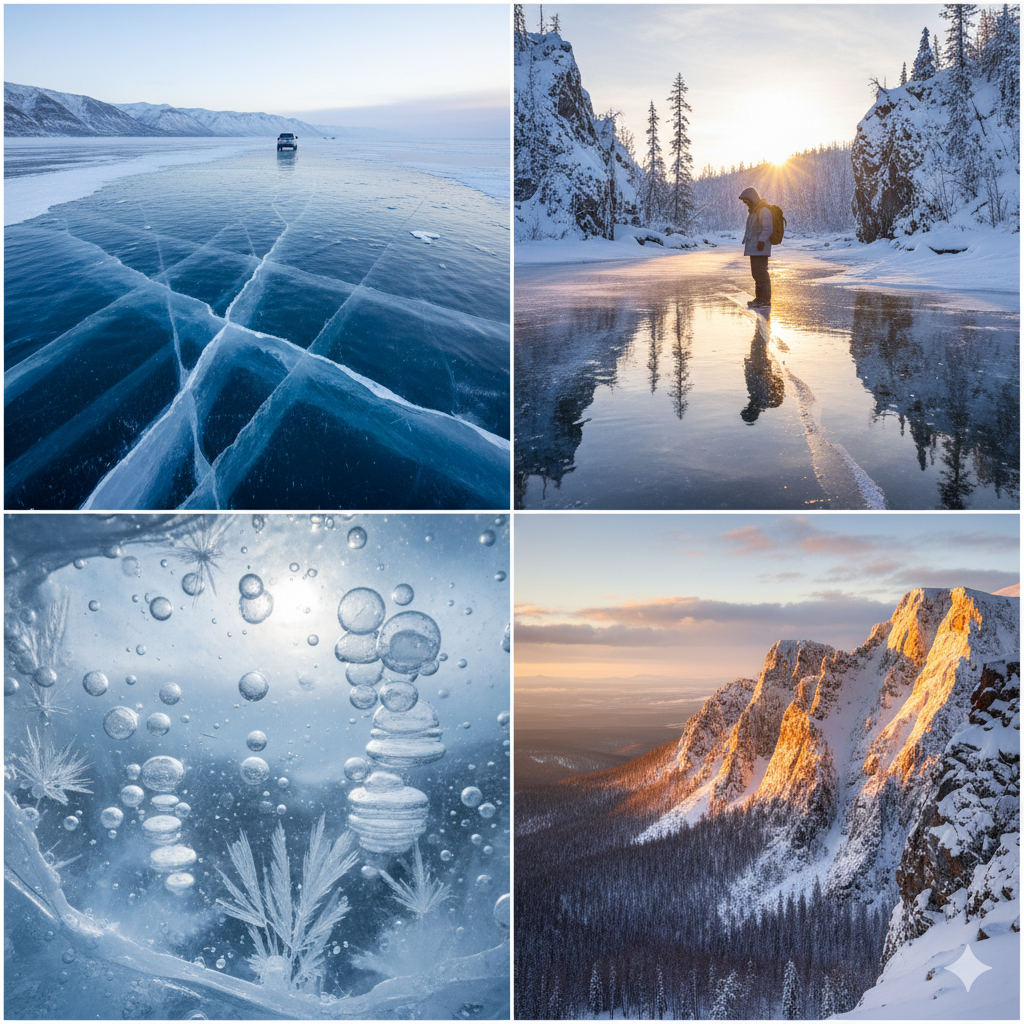
Every crack, bubble, and reflection tells a story — of time, survival, and fragile beauty.
Walking across these frozen rivers, you feel suspended between worlds — above the earth, below the sky — a true journey along nature’s crystal path.
“On Russia’s frozen rivers, the world becomes still — yet magical in every step.”