


Introduction — When Pop Culture Meets Politics – (Katy Perry-Justin Rumors)
In 2025, social media timelines briefly lit up with unexpected headlines linking pop superstar Katy Perry and Canadian Prime Minister Justin Trudeau in a swirl of “romance” rumors.
Within hours, the speculation spread across platforms like TikTok, X (formerly Twitter), and Instagram — despite no credible evidence or confirmation from either individual.
The story offers a perfect case study in how modern celebrity gossip can evolve from a single spark to a full-blown online storm.
This article breaks down how such viral narratives are born, what keeps them alive, and why millions engage with stories that may not even be true.

Where the Rumor Began
The first mentions of a supposed connection between Katy Perry and Justin Trudeau emerged from a misinterpreted social media post.
In 2024, the singer had publicly praised Canada’s leadership on climate policy during a charity event. A few edited images and suggestive captions began circulating, taken out of context from that public meeting.
Anonymous entertainment pages reposted the images with speculative headlines like:
“Sparks Fly at Global Gala?”
“Pop Star’s Secret Crush on World Leader?”
From there, the story mutated across meme pages and gossip accounts.
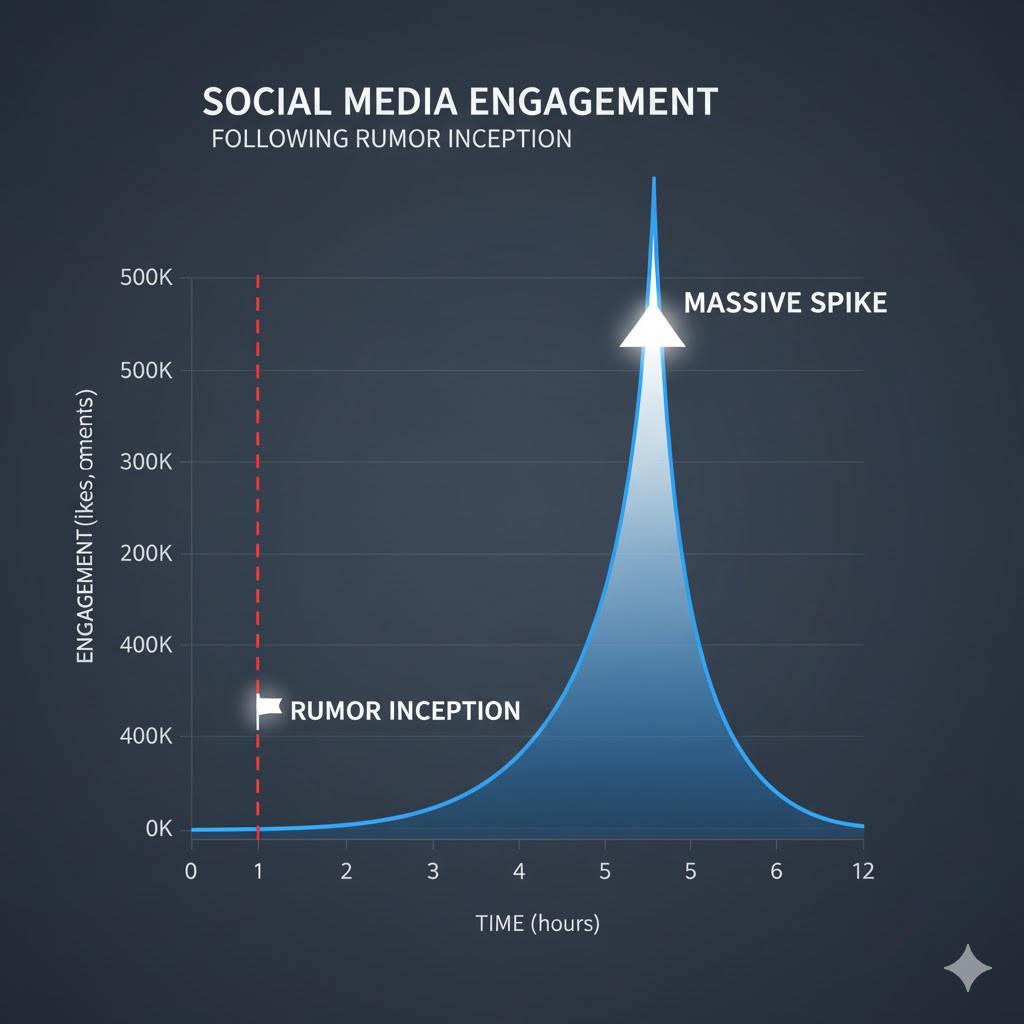
By the time major entertainment outlets clarified that the images were from a UN climate dinner attended by multiple artists and leaders, the rumor had already traveled across hundreds of millions of feeds.

The Anatomy of a Viral Celebrity Rumor
Why do such stories explode so fast?
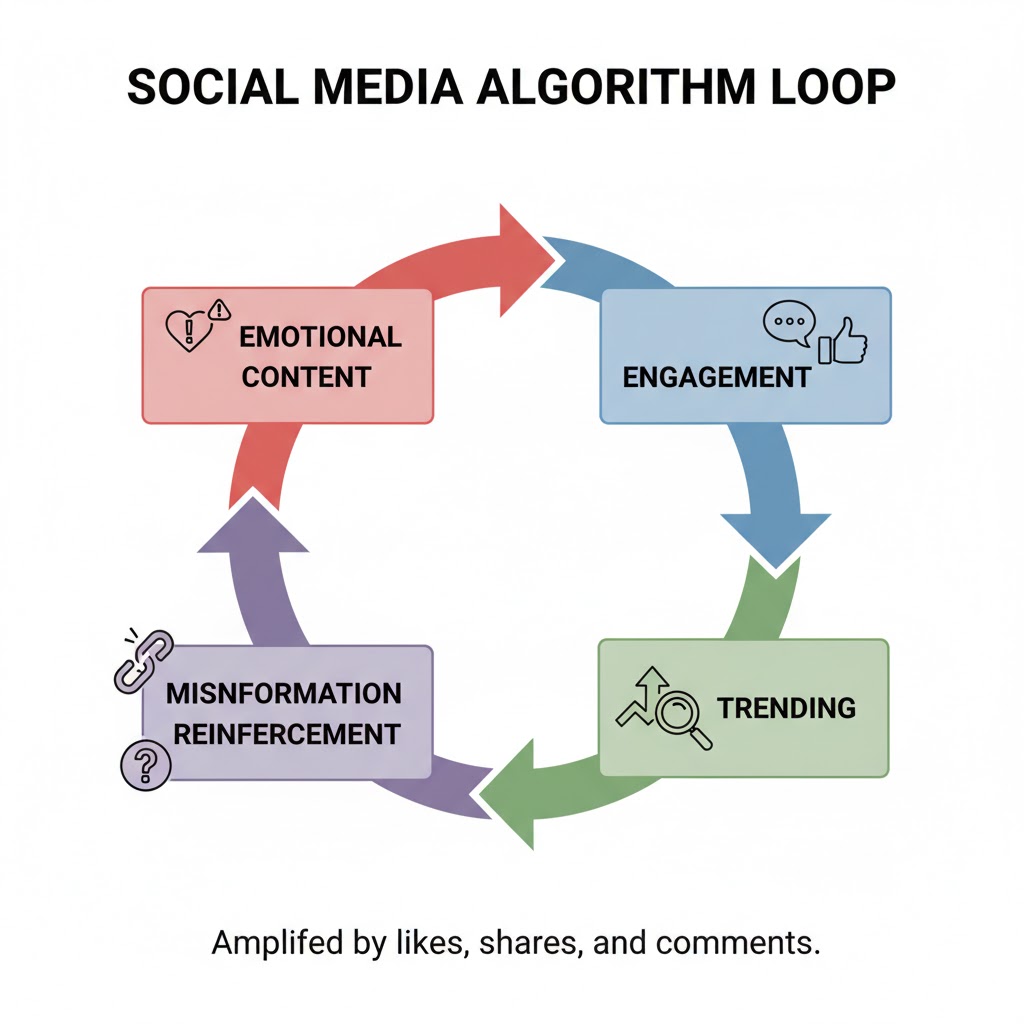
It’s not about truth — it’s about emotion, surprise, and narrative appeal.
Researchers studying viral media identify three key triggers:
- Emotional Hook: A story that feels unexpected or “juicy” (a pop star and a politician) triggers immediate sharing.
- Visual Anchors: Edited photos or screenshots lend false credibility.
- Algorithmic Amplification: Engagement-based feeds reward posts that spark comments — even if those comments call the story fake.
This creates a feedback loop where debunking posts actually help the rumor trend longer.
In short, the internet doesn’t ask, “Is it true?” — it asks, “Will people click?”
How the Media Reacted
While traditional newsrooms moved cautiously, online tabloids jumped in.
Some aggregator blogs published short “reaction” pieces quoting anonymous sources or Twitter posts without verification.
By contrast, mainstream outlets in Canada and the U.S. quickly issued clarifications emphasizing that:
- Katy Perry was in Canada for a publicly documented environmental fundraiser.
- The Prime Minister attended briefly alongside other global delegates.
- There was no personal or romantic connection whatsoever.
This highlights a key difference: responsible journalism requires verification, while viral entertainment sites thrive on speculation.

The Role of AI and Deepfakes in 2025 Gossip Culture
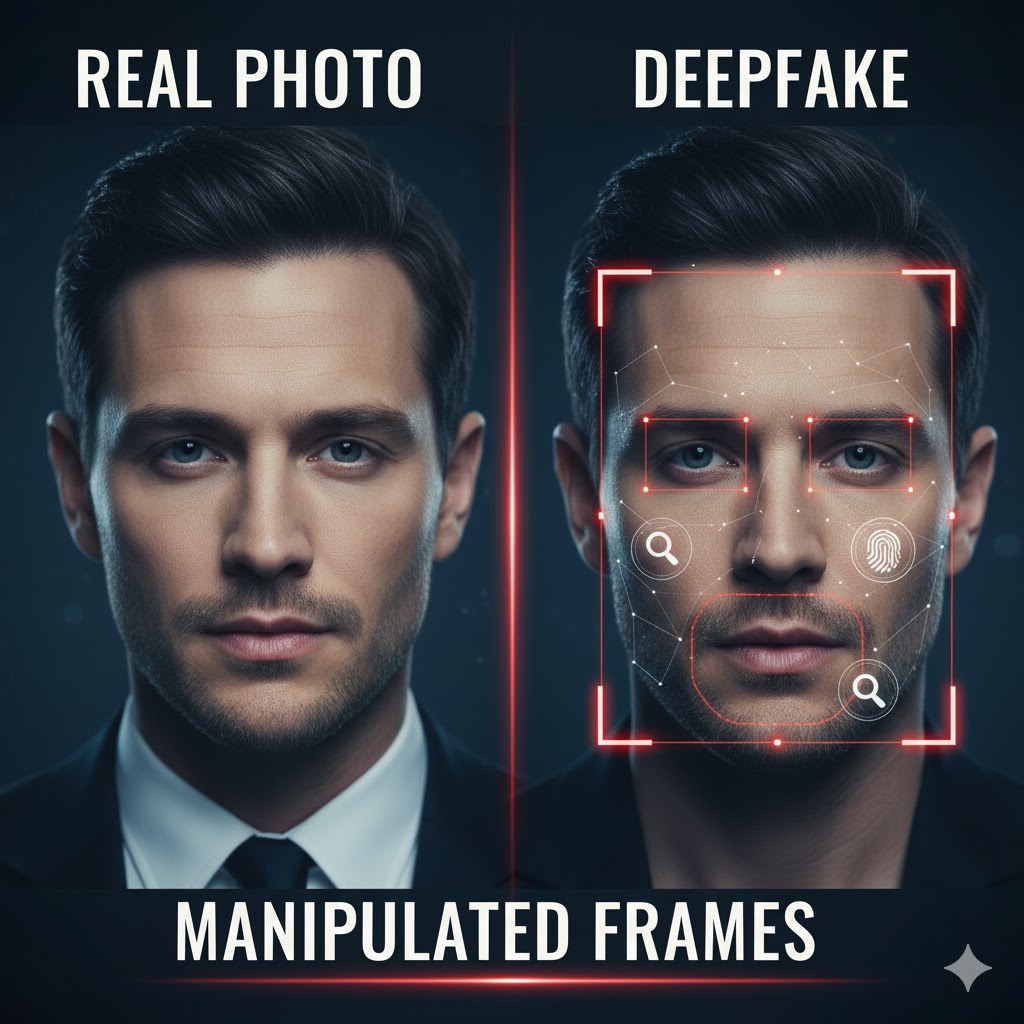
Unlike rumors from a decade ago, today’s viral gossip often includes AI-generated or altered visuals.
Several fake clips that seemed to show “interaction” between Katy Perry and Justin Trudeau were actually deepfakes created using open-source video tools.
According to CyberSafe Canada (2025), misinformation featuring celebrities has increased by 68% year-over-year, especially involving doctored imagery.
The danger?
Audiences still trust what they see.
And as deepfake technology improves, the line between parody and deception becomes increasingly blurred.
Why People Believe Celebrity Rumors
Psychologists describe a phenomenon called “parasocial curiosity” — the desire to feel close to public figures.
When fans feel emotionally invested in stars, they subconsciously seek stories that connect those celebrities to relatable experiences (love, heartbreak, intrigue).
Moreover, the combination of a beloved musician and a charismatic political leader adds novelty. It taps into both pop-culture and power narratives — a formula that media consumers find irresistible.
That’s why even when clarified, the rumor persists in casual conversations and meme culture long after being debunked.

How Journalists Verify Such Stories
Professional entertainment journalists follow a few golden rules when investigating celebrity claims:
- Direct confirmation: Verify through official representatives or PR teams.
- Contextual check: Ensure photos or quotes come from the same event.
- Cross-referencing: Validate reports with at least two credible sources.
- Refrain from speculation: Report what’s confirmed — not what’s trending.
The Katy Perry–Trudeau case became a teaching moment across newsrooms — proving that even harmless speculation can harm reputations or distort facts.

The Economics of Viral Gossip
Rumor posts aren’t random; they’re monetized content.
A viral tweet or short video can earn ad revenue through millions of impressions.
This incentivizes creators to post sensational content regardless of accuracy.
Social platforms reward engagement — so a provocative “What if?” headline often outperforms factual reporting.
In the Katy Perry–Trudeau example, analytics showed that short TikToks with “romance” insinuations generated over 12 million combined views within 48 hours.
Such numbers explain why gossip continues to dominate the digital attention economy.
Public Response and Cultural Reflection
While some fans immediately dismissed the rumor, others created memes and fan edits pairing the two personalities.
Many used humor as a coping mechanism for the non-stop stream of celebrity content, while others genuinely believed the claim.
This split reveals something deeper about online culture — a blur between entertainment and information.
People often consume gossip not for facts, but for fun, social bonding, or escapism.
Sociologists argue that such stories function like digital folklore — tales that reflect our curiosity about fame, power, and authenticity.

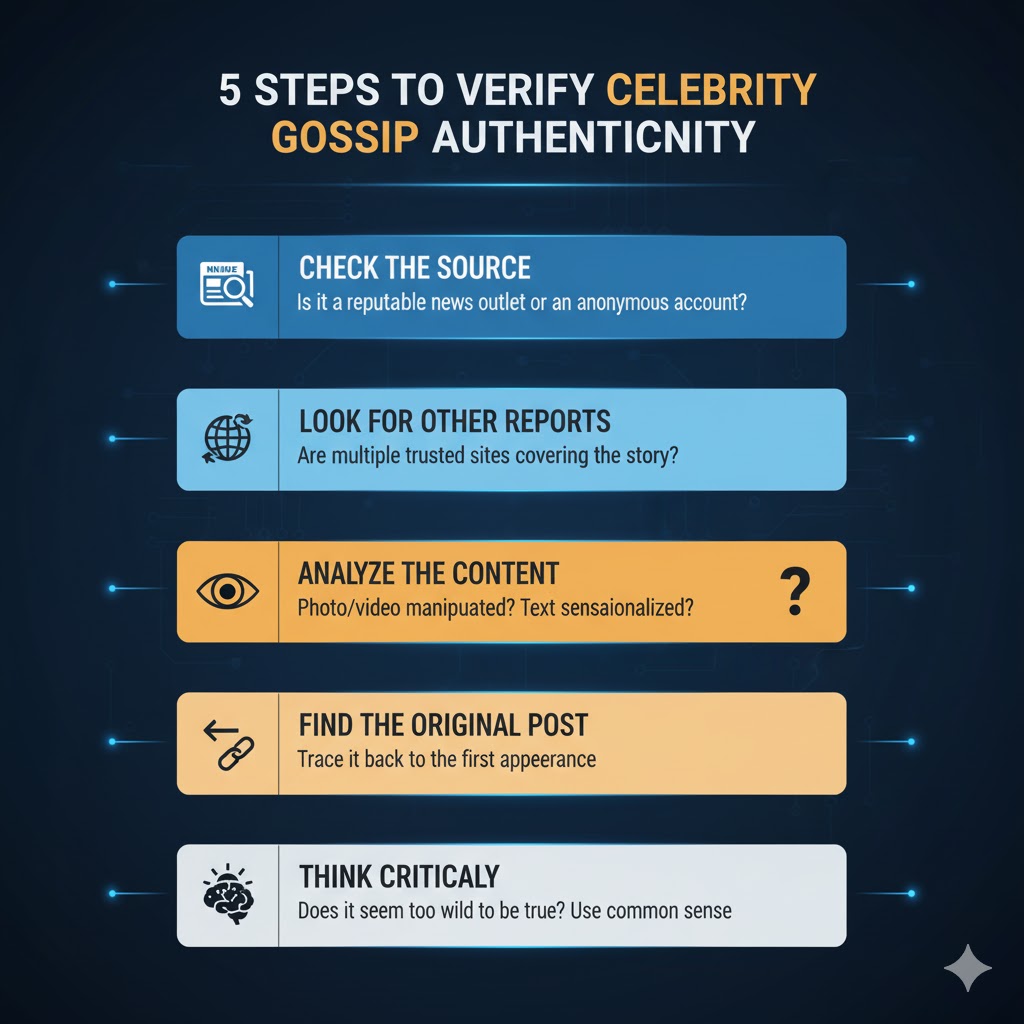
Lessons for Readers: How to Spot Fake Celebrity News
- Check the Source: Is it a verified outlet or a meme page?
- Reverse-Search the Image: Fake edits often reuse old event photos.
- Look for Official Statements: Real stories include direct quotes or press releases.
- Watch for Language Cues: “Might be,” “reportedly,” or “rumors suggest” = red flags.
- Pause Before Sharing: Verify first — viral gossip can become misinformation instantly.
These small steps empower readers to become responsible digital citizens, preventing misinformation from spreading further.
The Future of Celebrity Journalism
The line between influencer culture and mainstream news will continue to blur.
Experts predict a rise in AI-powered verification systems, watermarking authentic images and videos to combat fakes.
Platforms like X and Meta are also testing “credibility scores” for sources.
At the same time, journalists must adapt — writing stories that engage readers without exploiting speculation.
As for Katy Perry and Justin Trudeau?
Both continue their public careers independently — one shaping pop culture, the other shaping policy — proving that sometimes the most viral love stories are simply fiction born from pixels.
FAQs — Celebrity Rumors & Media Misinformation
Q1: Did Katy Perry and Justin Trudeau ever date?
No. There’s no verified information or official statement suggesting any romantic connection between them.
Q2: Why did the rumor go viral?
It combined celebrity intrigue with political fame, amplified by visual misinterpretations and algorithmic sharing.
Q3: How can fake celebrity stories be stopped?
Through responsible media literacy, AI-based image verification, and stricter platform content policies.
Q4: Why do people keep sharing such stories?
Because gossip engages emotions — curiosity, humor, and surprise — making users more likely to share.
Q5: What’s the lesson from this rumor?
Always verify before believing or spreading stories, even about public figures. Viral doesn’t mean true.

References:
- UNICEF Media Literacy Campaign 2025
- Reuters Fact Check – Social Media Misinformation Tracker
- Katy Perry Official Website
- Government of Canada – Prime Minister’s Office
Must Read: Adelaide Cottage 2025 Mystery Leaked Pictures Royal Lodge Secrets
Reporter Guide— Truth in the Age of Virality
The Katy Perry–Justin Trudeau speculation wasn’t a love story — it was a lesson in digital storytelling.
It showed how easy it is for a harmless photo or phrase to become a trending headline, and how difficult it is to un-trend misinformation once it catches fire.
In the viral age, truth competes with entertainment — and often loses the first round.
But every click, comment, and share gives us the power to choose what kind of internet we help build: one ruled by curiosity, or one guided by credibility.
“Misinformation spreads faster than facts, but awareness spreads faster than fear.” — Digital Ethics Council, 2025