


A New Era in Middle Eastern Air Power
In a groundbreaking development, Saudi Arabia is on track to purchase 48 of the world’s most advanced fighter jets — the F-35 Deal Lightning II — worth an estimated $142 billion.
According to Reuters, discussions within the Pentagon have progressed to top defense levels, signaling that the Kingdom could soon become the first Arab nation to operate fifth-generation stealth fighters, breaking Israel’s long-standing monopoly over the F-35 platform.
If approved, this deal would not only redefine Riyadh’s defense capabilities but also reshape the military balance in the Middle East.
A Record-Breaking $142 Billion Defense Agreement
The massive deal stems from a $142 billion arms package approved during former U.S. President Donald Trump’s administration in May 2025.

Initially, the F-35 jets were not part of the package due to Israel’s security considerations. However, recent talks indicate the inclusion of F-35s has advanced significantly, reaching the U.S. Defense Secretary level — a sign of strong political and strategic will behind the move.
Saudi Arabia’s Ambitious Military Modernization
Saudi Arabia’s interest in acquiring the F-35 dates back to 2017, when Riyadh formally expressed its intent to purchase the jets.
The Royal Saudi Air Force (RSAF) already operates one of the most sophisticated air fleets in the region — including F-15SA, Eurofighter Typhoon, and Tornado aircraft.
However, the F-35’s unmatched stealth and multi-role capabilities make it a crucial next step in the Kingdom’s long-term defense modernization strategy.
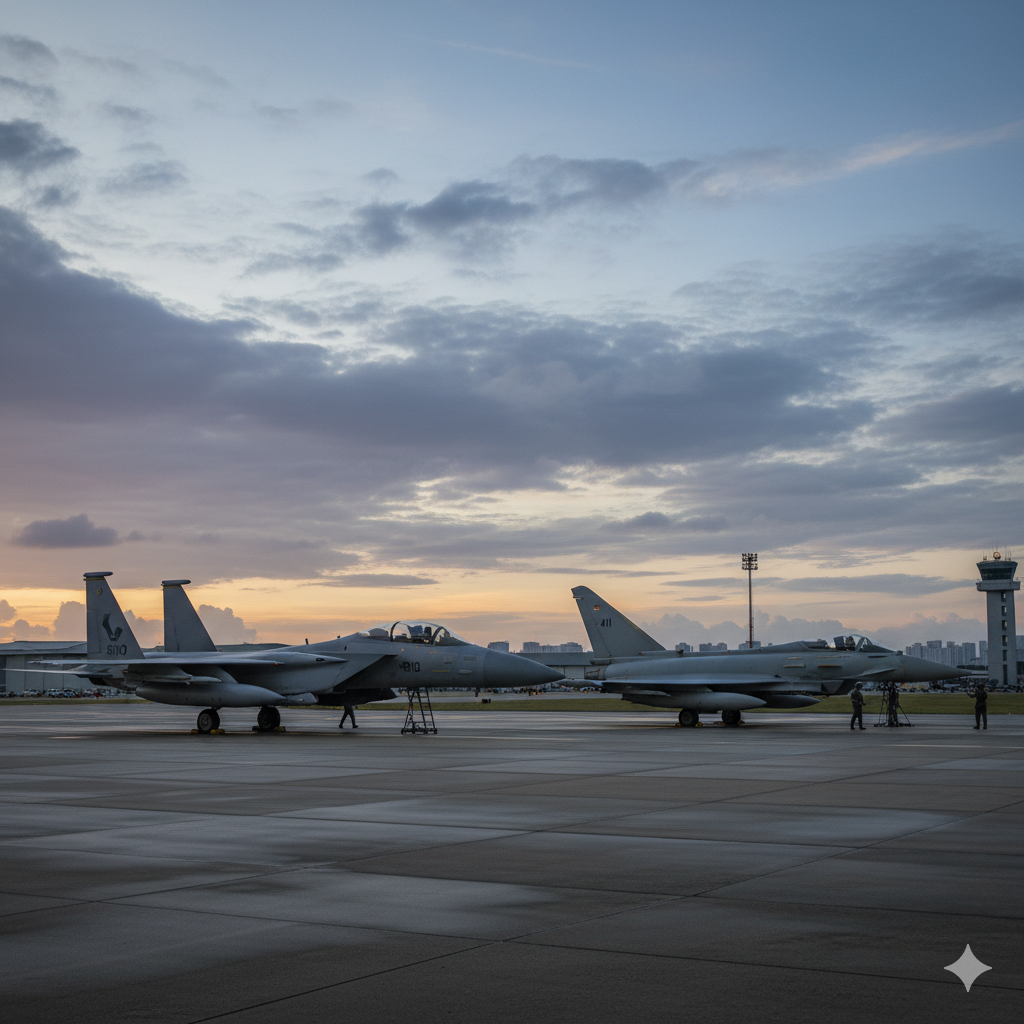
Defense analysts suggest that the move is designed to bolster Saudi Arabia’s deterrence posture amid growing regional instability — from Iran’s drone advancements to the ongoing power competition in the Red Sea.
U.S. Approval and Diplomatic Chess
The Pentagon’s policy division has been reviewing Saudi Arabia’s request for several months. Reports suggest that final approval could soon reach the U.S. President and Congress, where national security and regional balance are carefully weighed.
The deal’s timing is politically significant. Washington may link the sale to a renewed push for Saudi-Israel normalization, a continuation of the Abraham Accords framework initiated during Trump’s presidency.
While previous normalization attempts collapsed after renewed Gaza conflicts in 2023, reviving the deal could strategically align Riyadh and Tel Aviv under U.S. influence — using the F-35 as a diplomatic incentive.
Israel’s Exclusive Edge – And Growing Concerns
Currently, Israel remains the only operator of the F-35 in the Middle East, flying its locally modified F-35I “Adir” variant.
These aircraft have been combat-tested in precision operations targeting Iranian assets, reinforcing Israel’s defense superiority.
However, the potential entry of Saudi Arabia into the F-35 club has raised alarms in Tel Aviv.
Under U.S. law, Washington must preserve Israel’s Qualitative Military Edge (QME) — meaning any arms sale to a neighboring state must not diminish Israel’s strategic advantage.
Israeli defense officials have proposed delivering a downgraded F-35 variant to Saudi Arabia, possibly without the Block 4 software upgrade, to prevent sensitive technologies from spreading to rivals such as Russia, China, or Iran.
Riyadh’s Backup Options: Europe and Beyond
Should the F-35 deal encounter political roadblocks, Saudi Arabia has multiple alternative pathways:
- Germany’s Eurofighter Typhoon: Berlin recently lifted its export veto, opening a potential supply channel.
- France’s Rafale: Paris remains eager to deepen defense cooperation with Riyadh, offering competitive technology transfer packages.
- Global Combat Air Programme (GCAP): Saudi Arabia has expressed interest in joining this sixth-generation fighter project led by the UK, Japan, and Italy, giving the Kingdom early access to future stealth and AI-powered aviation systems.
These options highlight Riyadh’s strategic foresight — ensuring diversified defense partnerships beyond Washington’s influence.
The Bigger Picture: Strategic Implications for the Region
The potential F-35 sale to Saudi Arabia represents more than an arms transaction — it’s a geopolitical milestone.
It signals Washington’s willingness to reshape the balance of power in the Middle East, while simultaneously reinforcing its strategic partnership with Riyadh.
If the deal materializes, the Royal Saudi Air Force would become the most advanced air fleet in the Arab world, capable of stealth operations, electronic warfare, and real-time coordination with U.S. and NATO forces.
This could alter Iran’s deterrence calculus, strengthen U.S. defense cooperation, and encourage deeper Arab-Israeli dialogue under American oversight.
Check Also: 10 Alarming Facts Behind the Claudia Sheinbaum Assault – Mexico Women Demand Justice
Timeline and Next Steps
- 2017: Saudi Arabia formally requests 48 F-35s.
- 2023: Normalization talks collapse amid Gaza conflict.
- May 2025: Trump administration revives arms package worth $142 billion.
- Late 2025: F-35 deal reaches Pentagon and Defense Secretary review.
- Early 2026: Expected final decision pending U.S. Congressional notification.
If approved, deliveries could begin by 2028, following pilot training and base infrastructure upgrades.
Source:
Lockheed Martin Official F-35 Program
Frequently Asked Questions (FAQ)
Q1: Why does Saudi Arabia want to buy the F-35?
A1: The Kingdom aims to modernize its air force with stealth capabilities, ensuring strategic parity with regional powers and maintaining deterrence.
Q2: How many F-35 jets will Saudi Arabia receive?
A2: Saudi Arabia is negotiating the purchase of 48 F-35 Lightning II jets under a $142 billion defense deal.
Q3: Will this deal affect Israel’s military superiority?
A3: Possibly. Israel may still retain an edge through upgraded variants and U.S. law ensuring its Qualitative Military Edge (QME).
Q4: What alternatives does Riyadh have if the deal fails?
A4: Options include France’s Rafale, Germany’s Eurofighter Typhoon, or future participation in the GCAP stealth fighter program.
Q5: When will deliveries begin if approved?
A5: Deliveries are expected to start around 2028, pending congressional approval and pilot training phases.
A Transformational Defense Partnership
Saudi Arabia’s pursuit of the F-35 Lightning II marks a historic leap in regional air superiority and U.S.-Saudi strategic alignment.
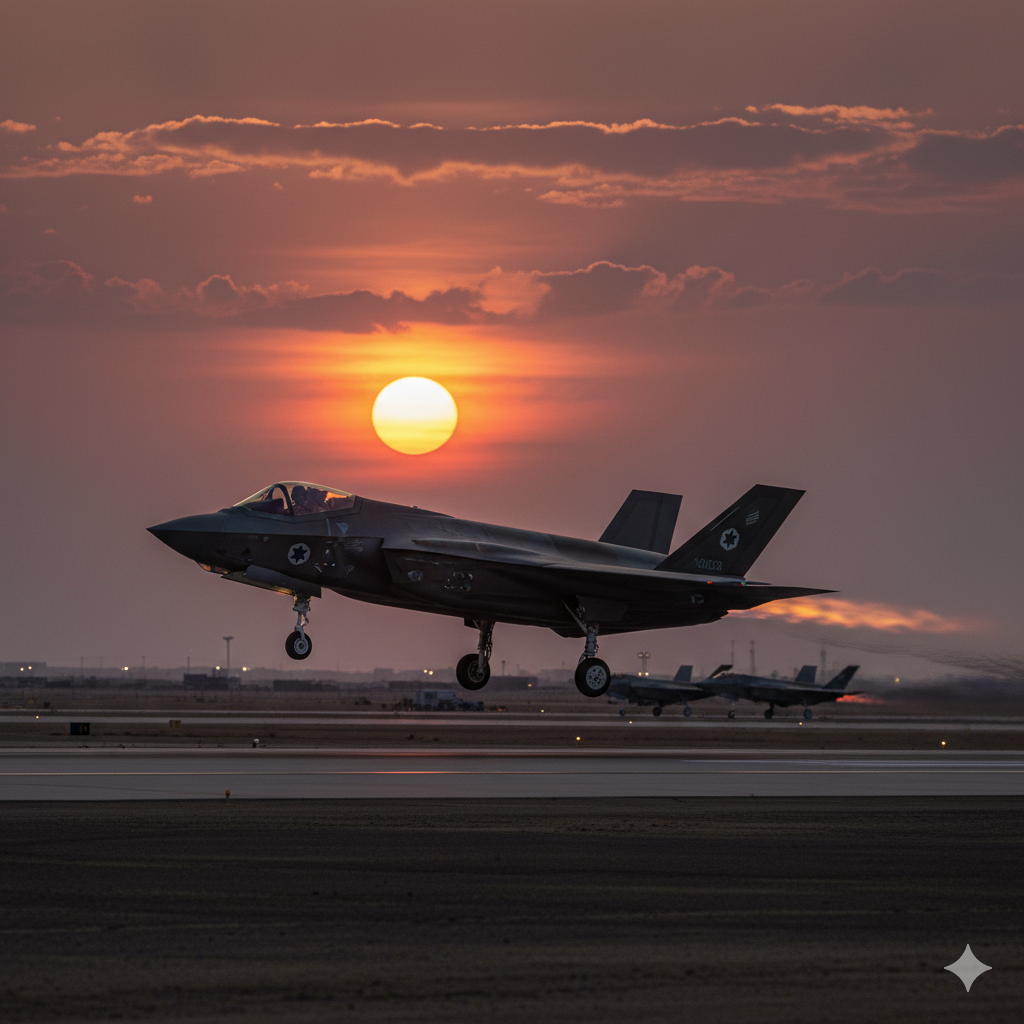
If finalized, the deal would transform Riyadh’s military capabilities, set a new benchmark in Arab defense technology, and reinforce America’s influence in the Middle East.
The coming months will determine whether this ambitious agreement takes flight — potentially redefining the future of air power in the 21st century.