

Introduction
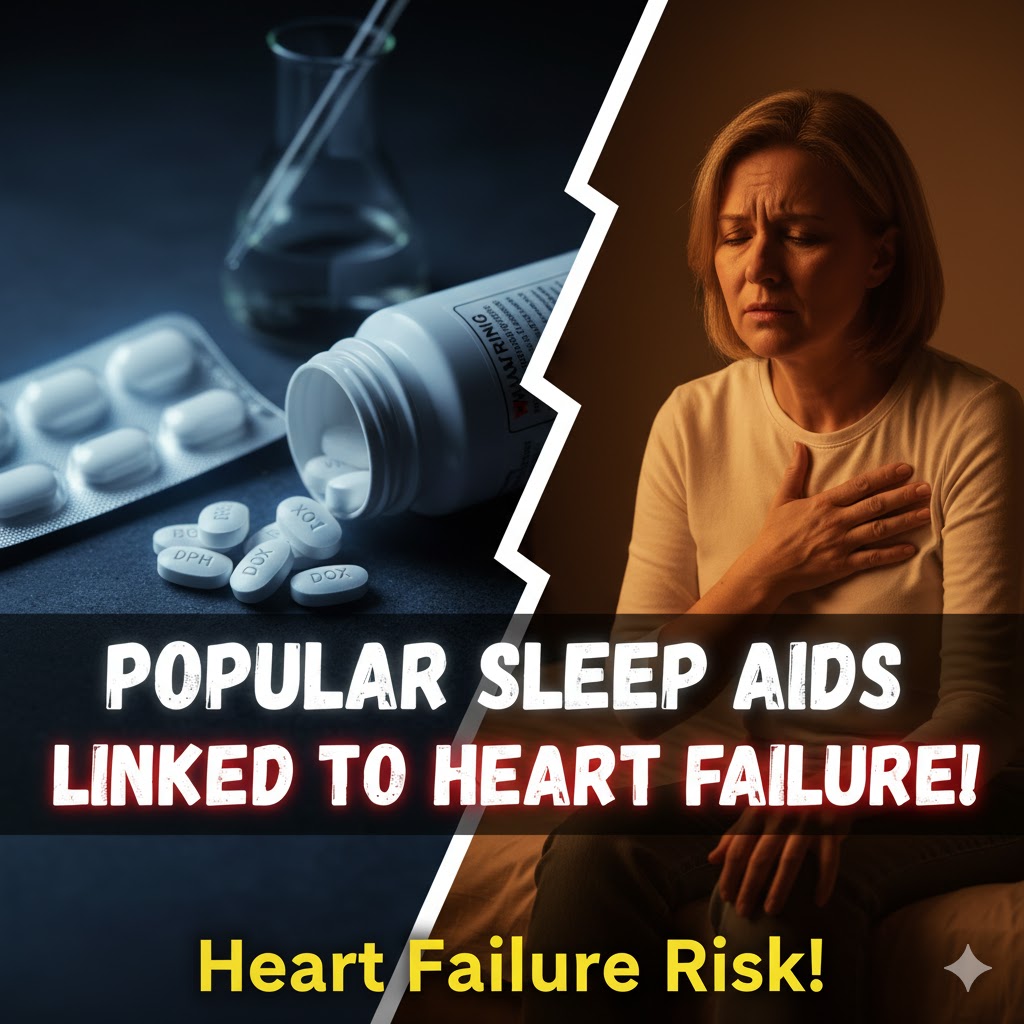
Millions of adults rely on over-the-counter (OTC) sleep aids to fall asleep faster and improve rest. While these medications are widely accessible and often considered safe, recent studies suggest a link between certain OTC sleep aids and increased risk of heart failure. This discovery has sparked concern among healthcare professionals and patients alike.
Understanding the potential risks, how these medications work, and safer alternatives can help protect your heart while still promoting quality sleep.
Source: Read the study and guidance from the American Heart Association (heart.org)
What Are OTC Sleep Aids?
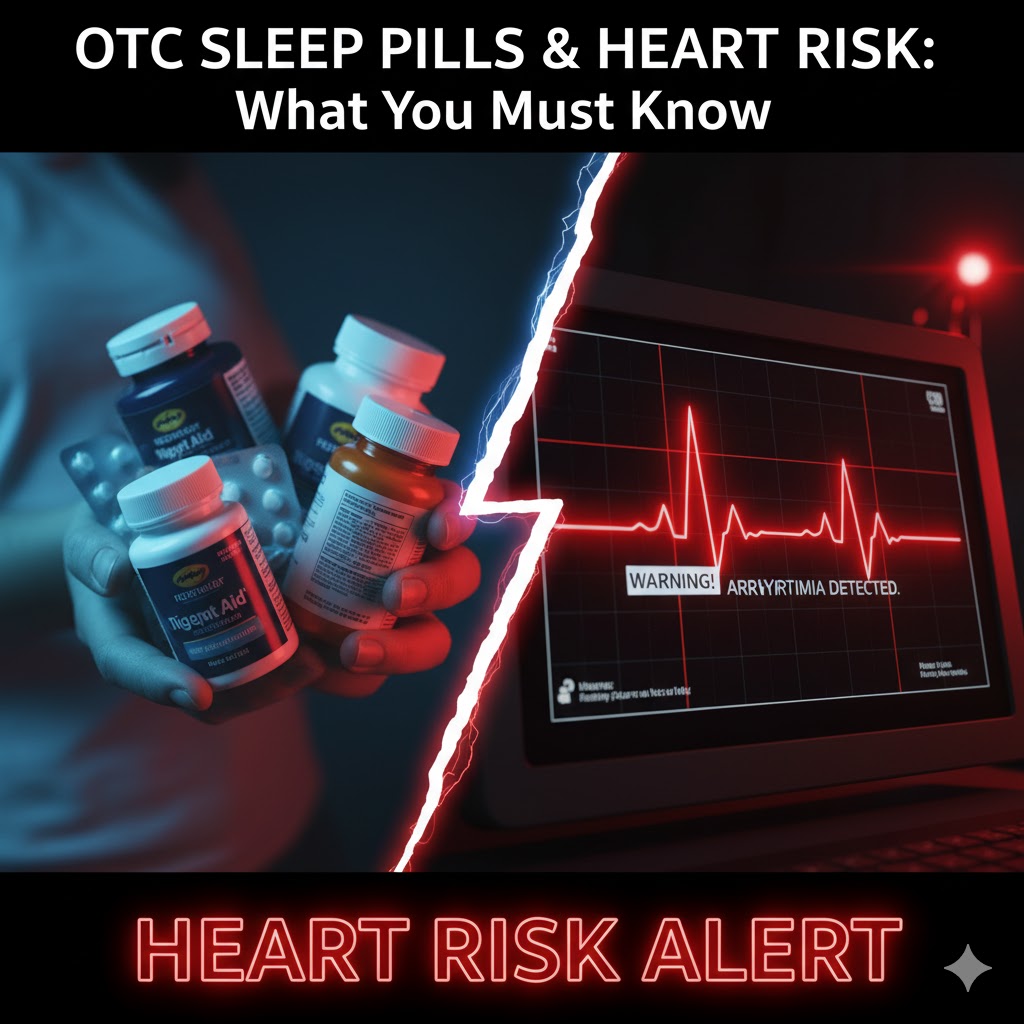
OTC sleep aids are medications that can be purchased without a prescription, typically used to manage short-term insomnia or difficulty falling asleep. Common ingredients include:
- Diphenhydramine – an antihistamine often found in “night-time” formulas.
- Doxylamine – another sedating antihistamine used in sleep medications.
- Melatonin – a natural hormone supplement that regulates sleep-wake cycles.
While generally effective for temporary sleep disturbances, some of these ingredients, particularly sedating antihistamines, can impact cardiovascular health if used frequently or in high doses.
How OTC Sleep Aids May Affect the Heart
Recent research indicates that long-term or excessive use of certain OTC sleep medications can increase heart failure risk, especially among older adults or individuals with pre-existing heart conditions.
Key concerns include:
- Increased heart strain: Some antihistamines may elevate heart rate or blood pressure.
- Fluid retention: Certain ingredients can worsen fluid buildup, a common factor in heart failure.
- Interactions with other medications: OTC sleep aids can interfere with cardiovascular medications.
Who Is Most at Risk?
While anyone using OTC sleep aids should be cautious, risk is particularly elevated for:
- Individuals over 60 years old
- Those with a history of heart disease, high blood pressure, or kidney issues
- People taking multiple medications for chronic conditions
- Chronic users of sleep aids for more than 2-4 weeks
Read More: Graham Richardson Dies at 76: Epic Kingmaker Behind Australia’s Labor
Safer Alternatives to OTC Sleep Aids
You don’t have to compromise heart health for quality sleep. Safer strategies include:
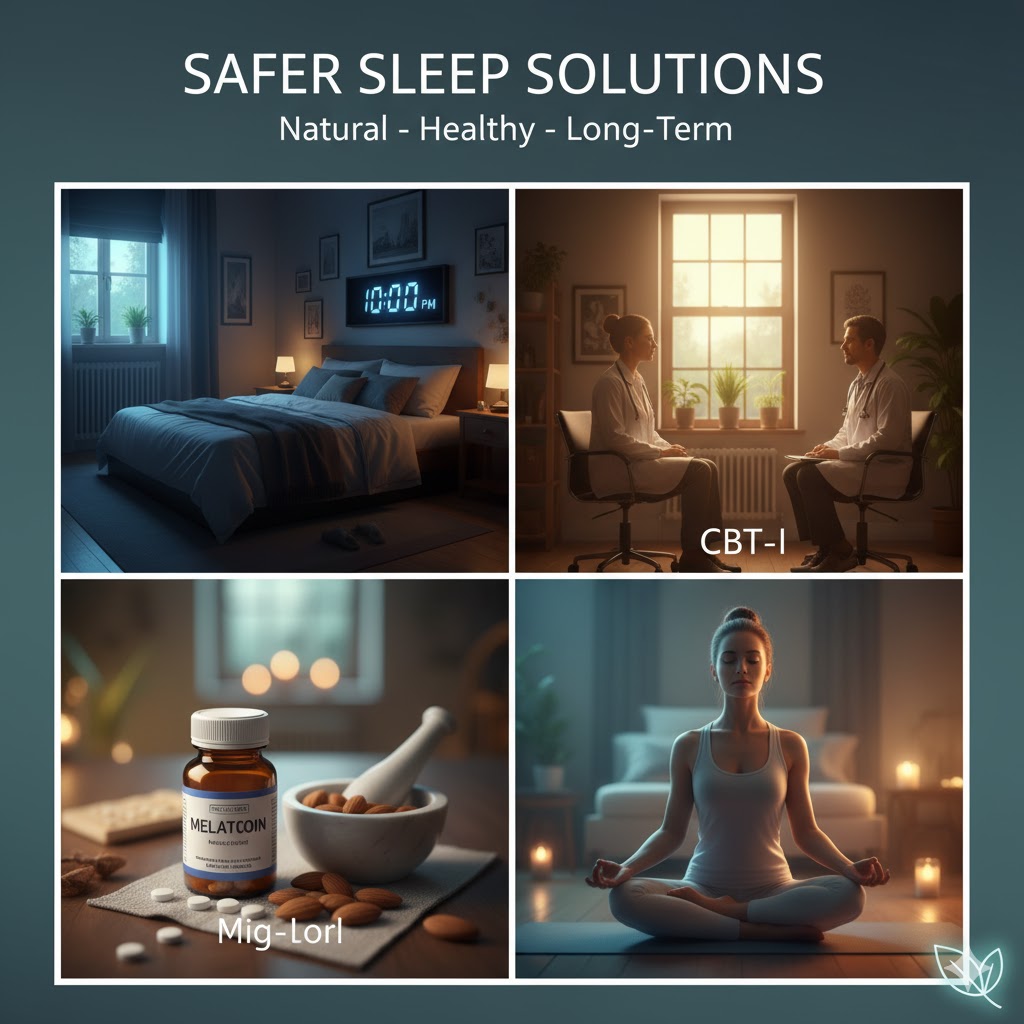
- Sleep hygiene improvements – maintain a consistent sleep schedule, reduce screen time before bed, and create a dark, cool sleep environment.
- Cognitive Behavioral Therapy for Insomnia (CBT-I) – a non-drug therapy shown to improve sleep long-term.
- Natural supplements – melatonin or magnesium, under medical guidance, can be safer options.
- Relaxation techniques – deep breathing, meditation, or yoga before bedtime.
Tips for Safe Use if You Must Take OTC Sleep Aids
- Limit use to short-term or occasional insomnia
- Avoid combining multiple sedatives
- Always follow package directions
- Consult a doctor if you have heart disease, kidney problems, or high blood pressure
- Monitor for side effects like dizziness, swelling, or palpitations
Doctor Advice:
While OTC sleep aids provide temporary relief for sleepless nights, recent evidence highlights the potential risk of heart failure, particularly with prolonged use. Prioritizing safe alternatives, maintaining healthy sleep habits, and consulting healthcare professionals are essential for protecting both your sleep and your heart.
10 FAQs
1. Are OTC sleep aids safe for everyone?
No, while generally safe for short-term use, individuals with heart problems, older adults, and those on multiple medications should exercise caution.
2. Which OTC sleep aids are linked to heart failure risk?
Sedating antihistamines like diphenhydramine and doxylamine have shown potential links when used frequently over time.
3. Can melatonin be used safely?
Yes, melatonin is generally considered safer than sedating antihistamines, but it should still be taken under medical guidance.
4. How long can I safely use OTC sleep aids?
Short-term or occasional use (up to 2 weeks) is recommended; chronic use can increase cardiovascular risks.
5. What are the signs of heart problems from sleep medications?
Watch for palpitations, dizziness, shortness of breath, swelling in legs, or rapid weight gain.
6. Can I combine OTC sleep aids with prescription medications?
It’s risky. Always consult a doctor because interactions can worsen heart conditions or cause side effects.
7. Are natural alternatives effective?
Yes, approaches like CBT-I, relaxation techniques, and proper sleep hygiene often provide long-term benefits without heart risks.
8. Can OTC sleep aids help chronic insomnia?
They may provide temporary relief, but they are not recommended for long-term insomnia due to potential side effects.
9. Should older adults avoid sleep aids entirely?
Older adults should limit use and prioritize safer alternatives, as they are more susceptible to cardiovascular complications.
10. How can I discuss sleep aids safely with my doctor?
Be honest about your sleep problems, frequency of OTC use, and any existing heart or kidney conditions for tailored advice.