
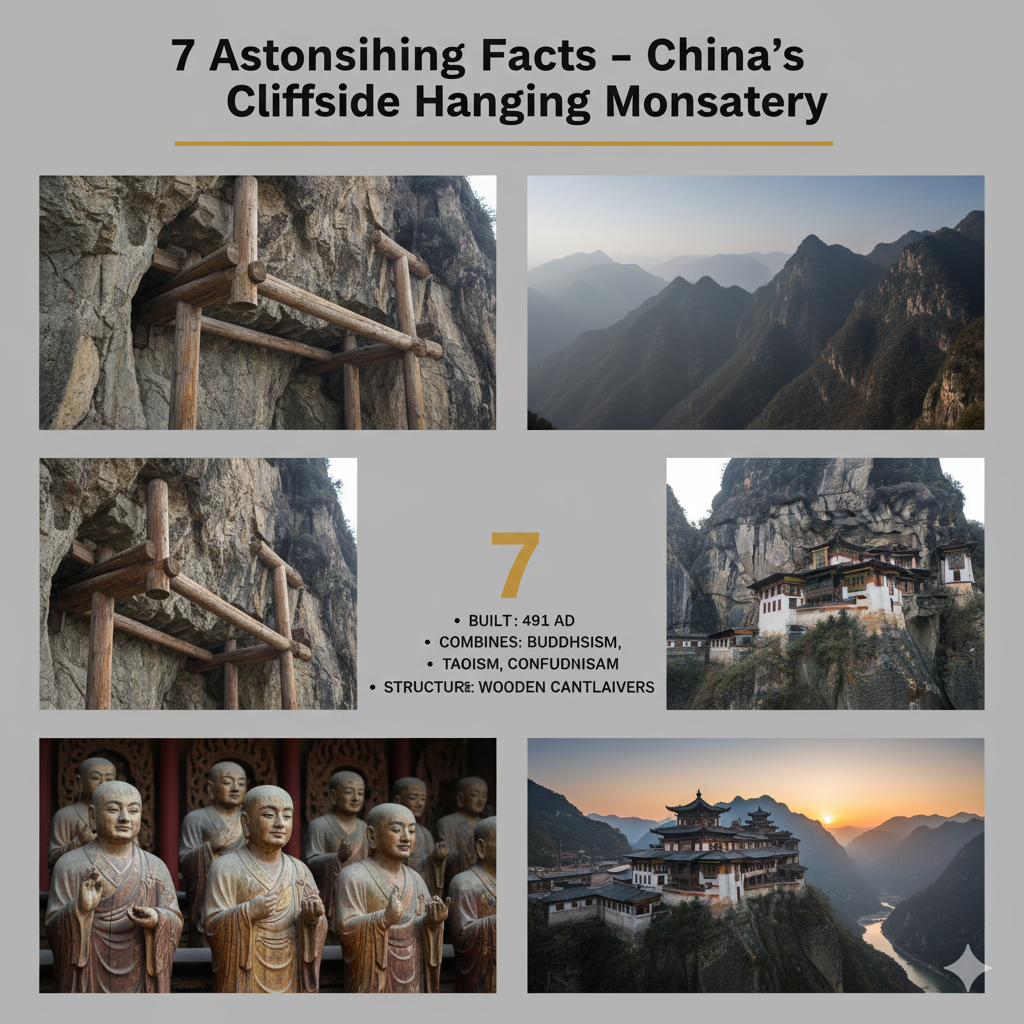

A Temple That Literally Hangs in Mid-Air
Imagine a temple so impossibly positioned, it looks like a scene from a fantasy film.
Perched 246 feet (75 meters) above the ground on a near-vertical cliff face, the China Hanging Monastery—also known as the “Xuankong Temple”—has been defying gravity, weather, and time for almost 1,500 years.
From afar, it looks like a mix of wooden balconies, pillars, and prayer halls glued to the mountain’s edge.
Up close… it’s even more jaw-dropping.
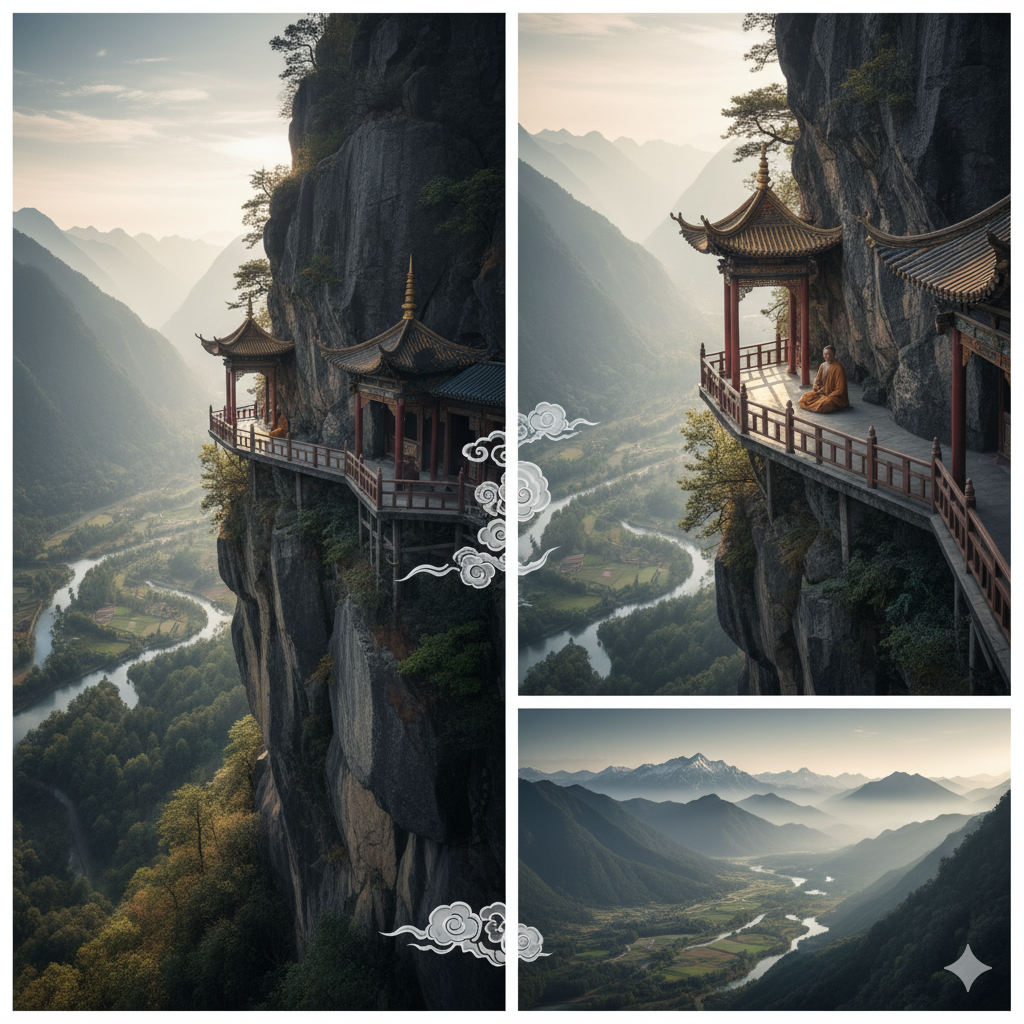
Let’s explore the 7 most astonishing secrets behind one of China’s most iconic architectural wonders.
China Hanging Monastery: Built on a Cliff 1,500 Years Ago — Using ONLY Wooden Beams
The Hanging Monastery was built during the Northern Wei Dynasty in 491 AD, and it’s still standing strong today.
- No cement
- No steel
- No modern machinery
Just precise wooden architecture, stone notches, and a cliff strong enough to hold a dream.
Legend says it was built by a single monk named Liao Ran, who wanted a quiet place to meditate away from both floods and war.
Today, it stands as a UNESCO-recognized marvel of ancient engineering.
The “Hidden Structure” Secret: 27 Wooden Beams Buried in Rock
The real magic isn’t what you see — it’s what you don’t.
The temple is supported by oak beams inserted horizontally into the rock face, and vertical wooden columns seemingly placed only for appearance.
Most visitors don’t realize this until they’re inside:
“The temple looks like it could fall any minute — until you feel its trembling endurance beneath your feet.”
It’s the Only Temple That Blends 3 Religions in 1 Place
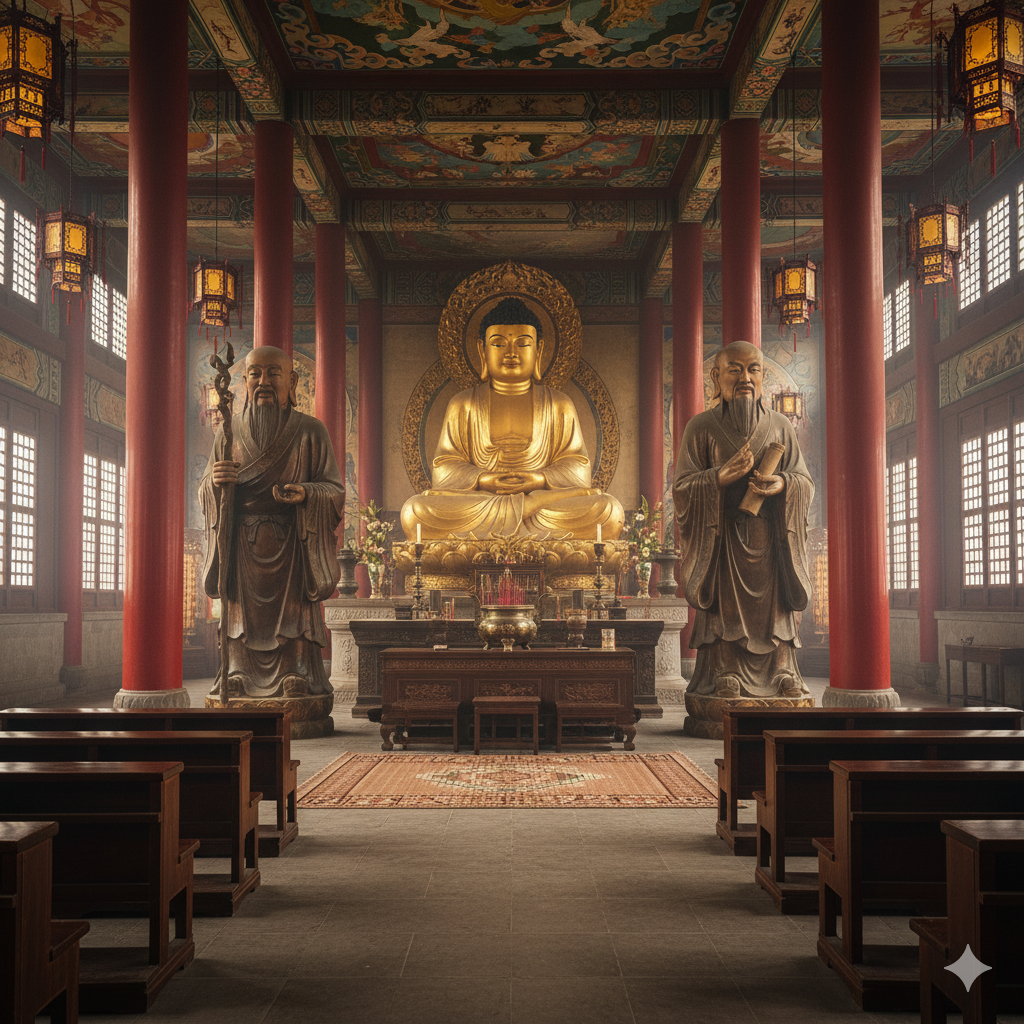
The Hanging Monastery is the only temple in China where Buddhism, Taoism, and Confucianism coexist peacefully under one roof.
Inside, you’ll find:
- Buddha statues
- Confucius relics
- Laozi (Taoist philosopher) carvings
It’s a spiritual symbol of unity — and architectural coexistence.
Built THIS High for a Smart (and Spiritual) Reason
Why on earth would anyone build a temple 246 feet above the ground?
3 surprisingly smart reasons:
- Avoid Flooding: The river below was unpredictable.
- Avoid Sun Damage: The cliff provides shade for most of the day.
- A Symbol of Ascension: High places are sacred in Taoist and Buddhist traditions.
It wasn’t madness — it was strategy.
Check Also: 7 Mind-Blowing Facts About Switzerland Bridge to Nowhere – Dare to Cross the Edge?
The “Silent Temple” — Designed to Stay Peaceful (Literally)
The location wasn’t just chosen for survival.
It also naturally blocks sound, keeping the monastery quiet even when tourists visit.
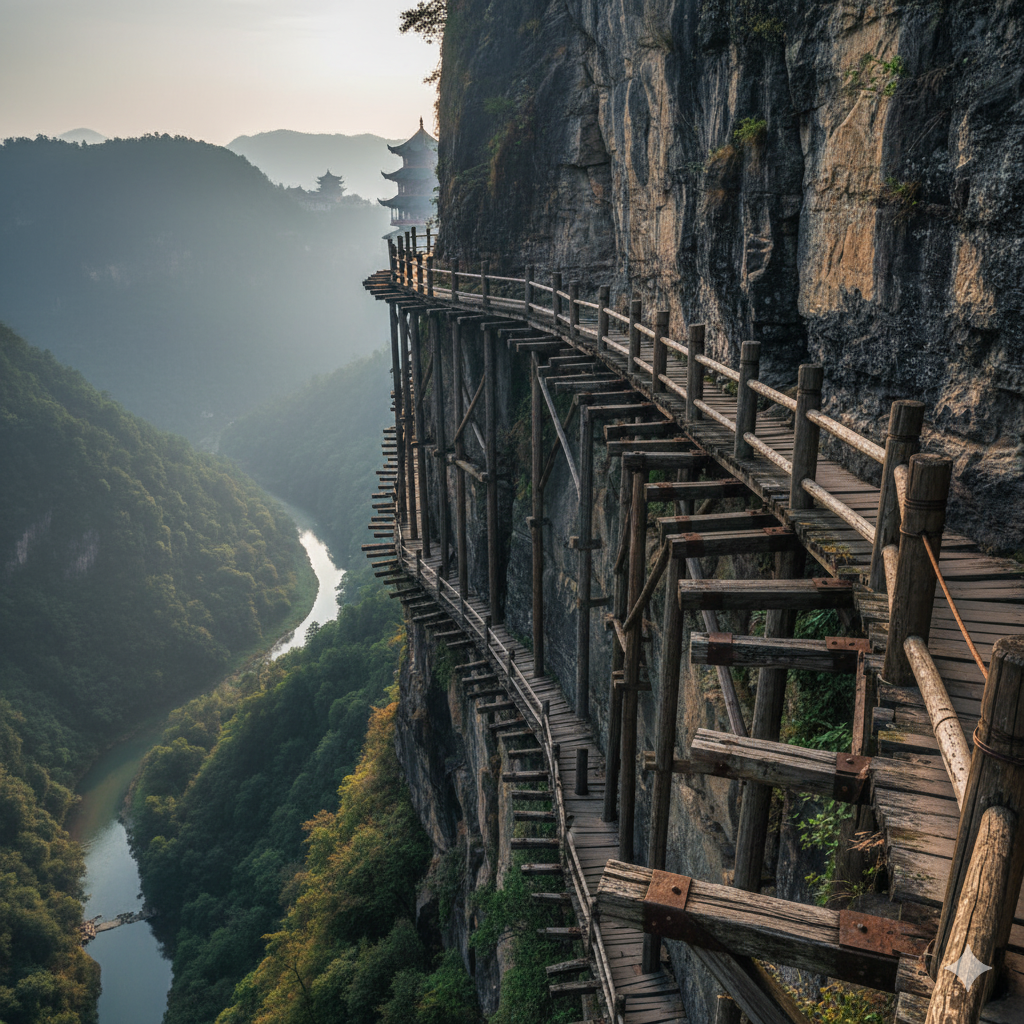
Silence was vital for monks practicing meditation and spiritual reflection.
Today, even visitors comment:
“You hear the wind… and your heartbeat. Nothing else.”
How to Visit the Hanging Monastery (Travel Guide)
Location: Hengshan Mountain, Datong City, Shanxi Province, China
Nearest City: Datong (1.5 hours by bus or car)
From Beijing: High-speed train to Datong (approx. 2–3 hours), then taxi or local bus
Access: Walk 15 minutes uphill from ticket gate
Tickets & Fees (as of 2025)
| Type | Price (CNY) |
|---|---|
| Adults | ¥130 |
| Students | ¥65 |
| Travel Group Discount | Yes, for 15+ visitors |
Important: Entry is limited during bad weather or restoration work. Always check ahead.
Source:
- China Discovery – Xuankong Hanging Temple Guide
- UNESCO Asia-Pacific Heritage – Shanxi Province Info
Best Time to Visit
| Season | Why Visit? |
|---|---|
| April–June | Best weather, wildflowers, clear skies |
| September–October | Golden autumn colors, fewer crowds |
| Winter | Snowy mountaintop views, dramatic photos (dress warm!) |
Avoid peak summer holidays — crowds + heat = no serenity.
Local Food You Must Try Nearby
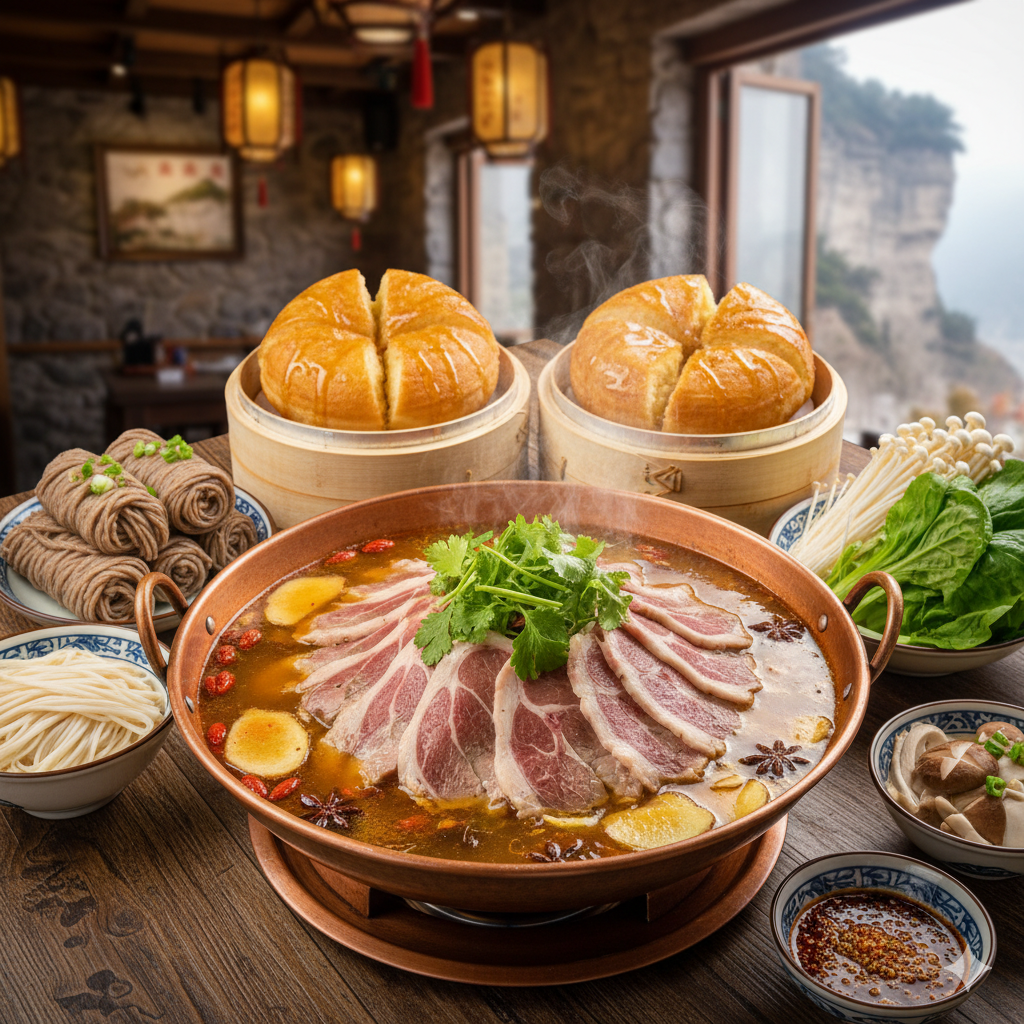
After your cliffside adventure, try these Shanxi region specialties:
- Datong Hotpot Lamb – simmered in herbal broth
- Youmian Kao Lao Lao – steamed buckwheat noodles
- Fried Bread “Smiling Cakes” – local dessert with honey glaze
Locals swear this combo cures “mountain legs.”
Hidden Gem Nearby: Hengshan Sacred Mountain
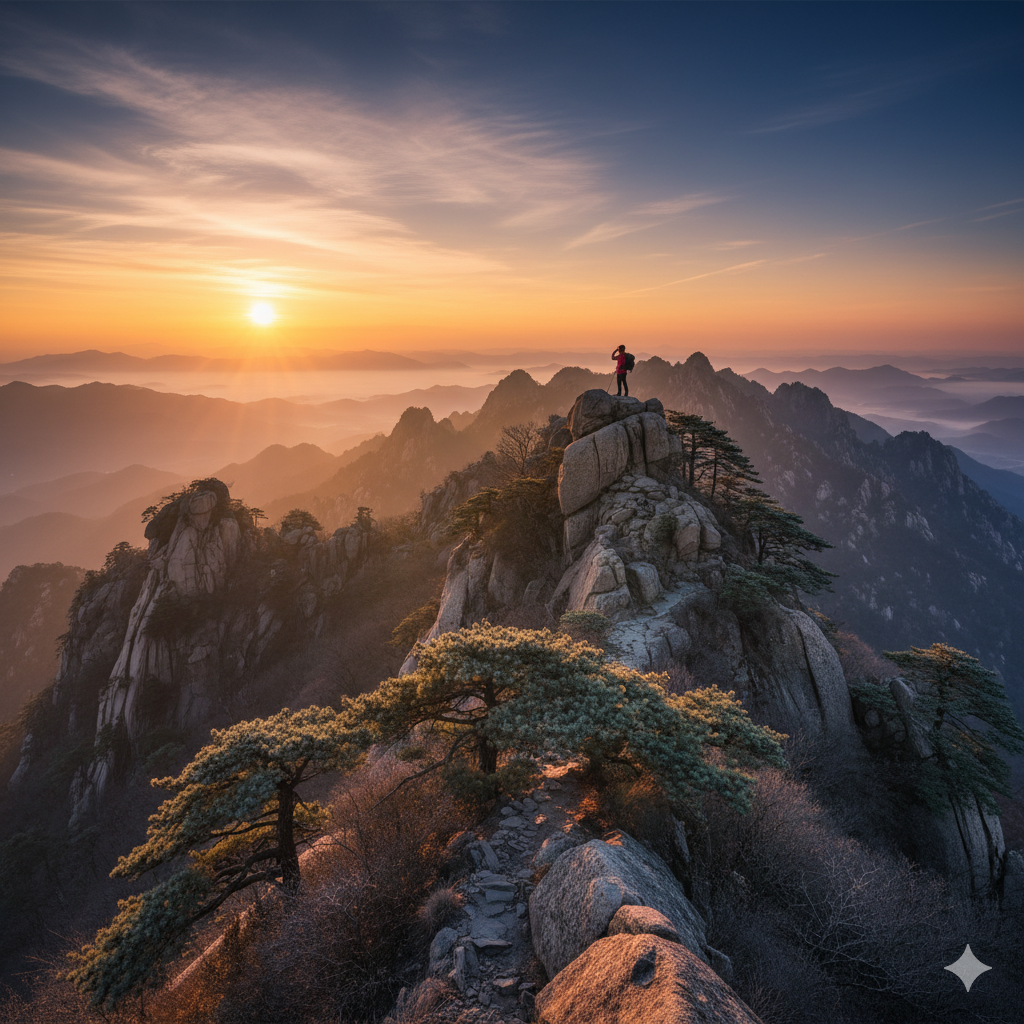
Just 2 km away lies Mount Heng, one of China’s Five Sacred Taoist Mountains.
Hike to the summit for unmatched sunrise views over Shanxi’s rugged landscape.
FAQs
Q1: Is the Hanging Monastery safe to walk through?
Yes. Guided maintenance ensures safe conditions, but parts may feel steep or narrow.
Q2: How long do you need to explore it?
Around 1–1.5 hours, including photos and exploring the inner halls.
Q3: Are monks still living here?
No permanent residents today, but ceremonial use continues during certain festivals.
Q4: Is photography allowed?
Yes, except in some inner shrine areas. Flash discouraged.
Traveler: A Temple Built on Faith, Fear, and Genius
The Hanging Monastery isn’t just a building — it’s a story carved into stone and air.
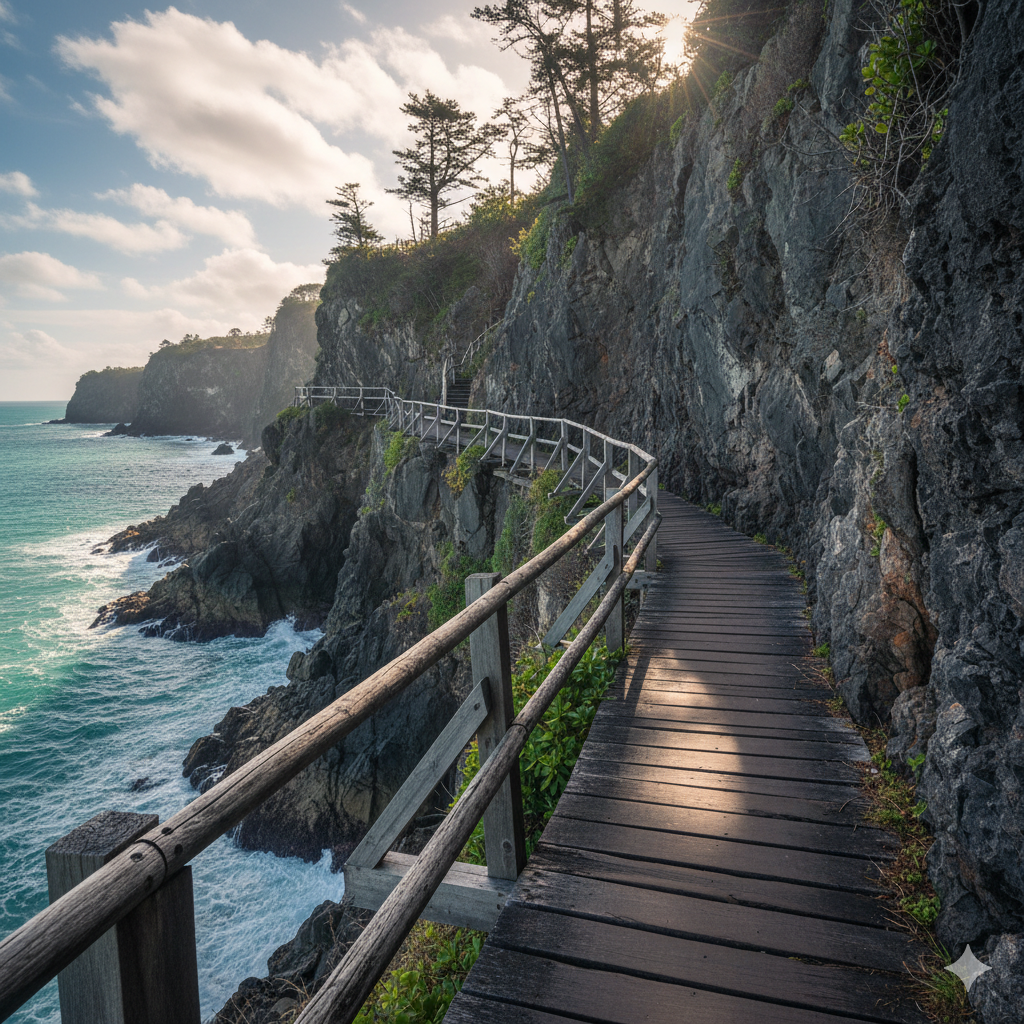
It has stood through:
- Dynasties
- Wars
- Floods
- Earthquakes
- Time itself
And it continues to wow millions every year, both for its spiritual symbolism and death-defying construction.
If there’s one ancient site that proves dreaming big can literally move mountains — it’s this one.
Would you dare to visit a temple that hangs in the air?