
The Cliff Village of Bhutan – Roofs Above the Clouds
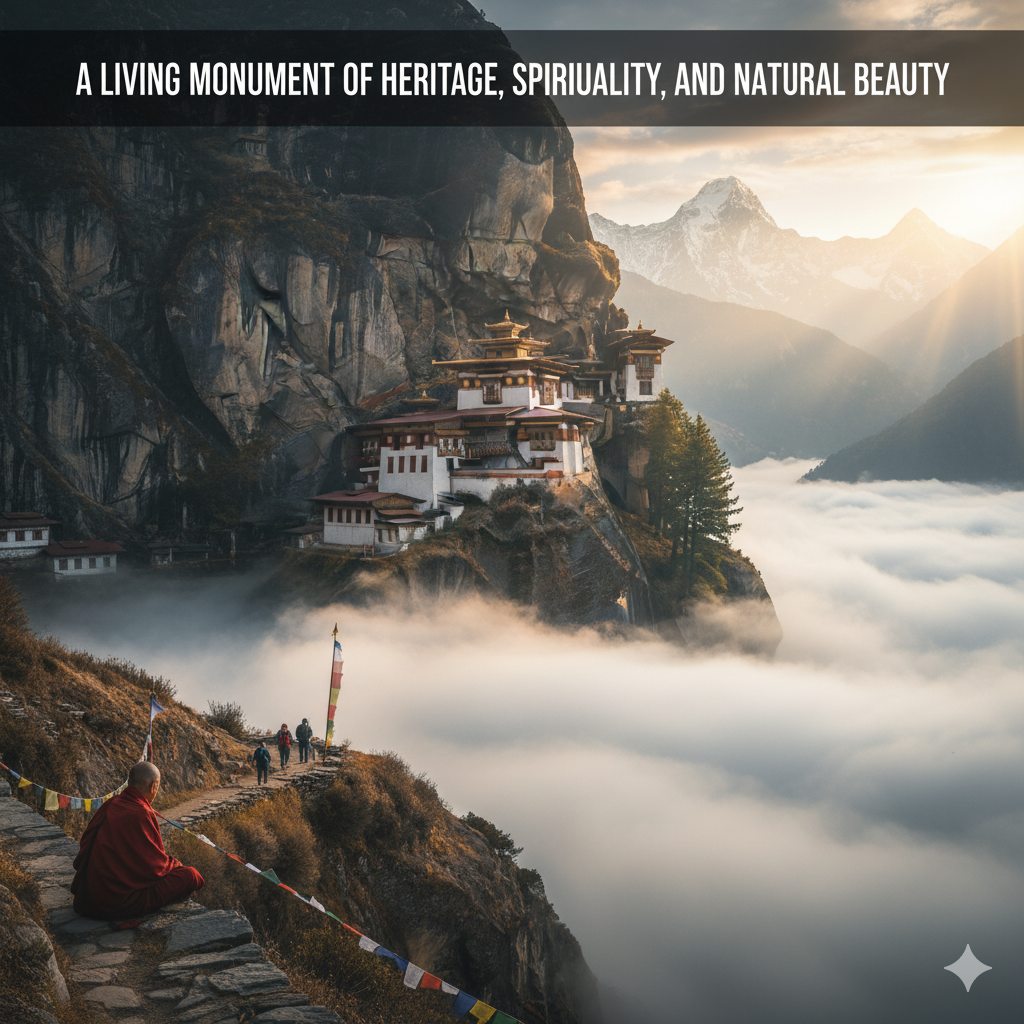
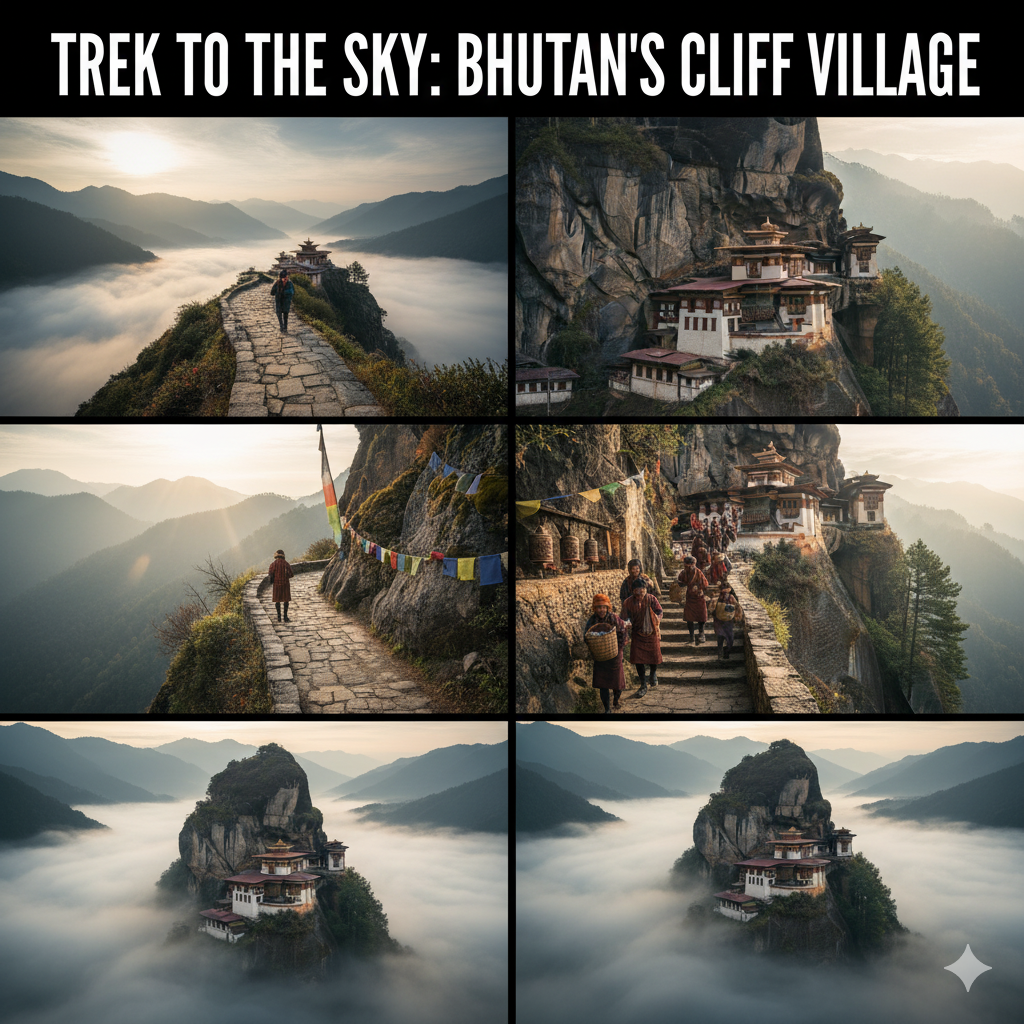
Bhutan, the mystical “Land of the Thunder Dragon,” is renowned for towering monasteries, lush valleys, and hidden villages that seem to float between earth and sky. Among these, a cliff village bhutan perched high above the clouds stands as one of the most extraordinary experiences in the Himalayas.

Tucked on a sheer cliffside, the village’s traditional homes, wooden roofs, and prayer flags blend seamlessly with the clouds drifting below, creating a surreal panorama of culture, spirituality, and nature.
This article explores the history, culture, and travel tips for visiting Bhutan’s cliff village — a must-see destination for adventurers and photographers alike in 2026.
Perched high above the valleys, Cliff Village Bhutan feels almost suspended in the sky. Its narrow stone pathways, terraced gardens, and prayer-flag-lined rooftops create a scene so cinematic that it looks straight out of a travel magazine. Beyond its stunning scenery, the village is home to living spiritual traditions, sacred monasteries, and welcoming locals who preserve centuries-old ways of life.
Why the Cliff Village Bhutan Feels Otherworldly
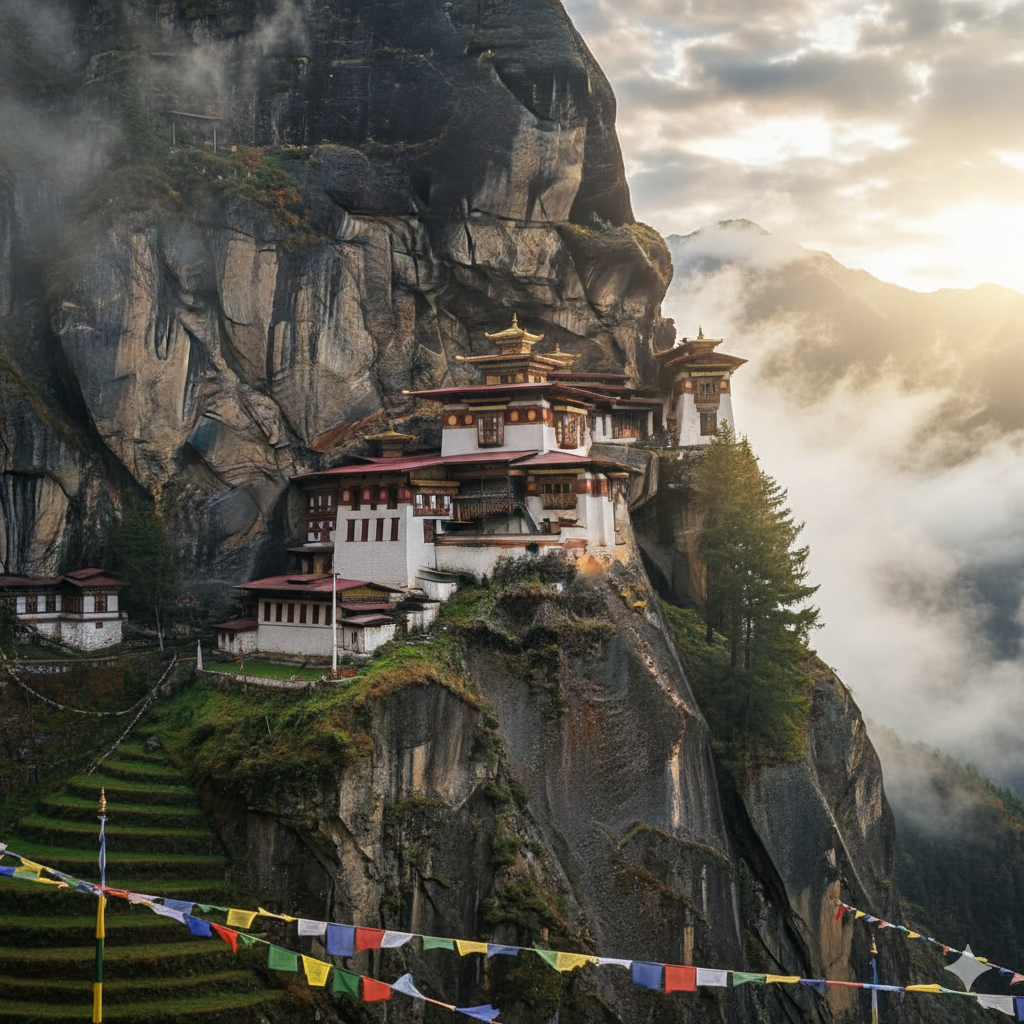
- Built on sheer cliffs for protection against historical invasions
- Traditional Bhutanese architecture: wood, stone, and sloped roofs
- Shrouded in mist most mornings, giving it the “floating” effect
- Surrounded by terraced fields and prayer flags, offering spiritual serenity
Focus Keyword: Cliff village Bhutan
Visitors describe it as a village above the clouds, a living postcard that merges history and nature.
History and Cultural Significance of Bhutan’s Cliffside Village
Bhutanese cliff villages were constructed centuries ago for:
- Defense against invaders
- Preservation of spiritual traditions
- Maintaining isolation for sacred practices
Temples and Monasteries
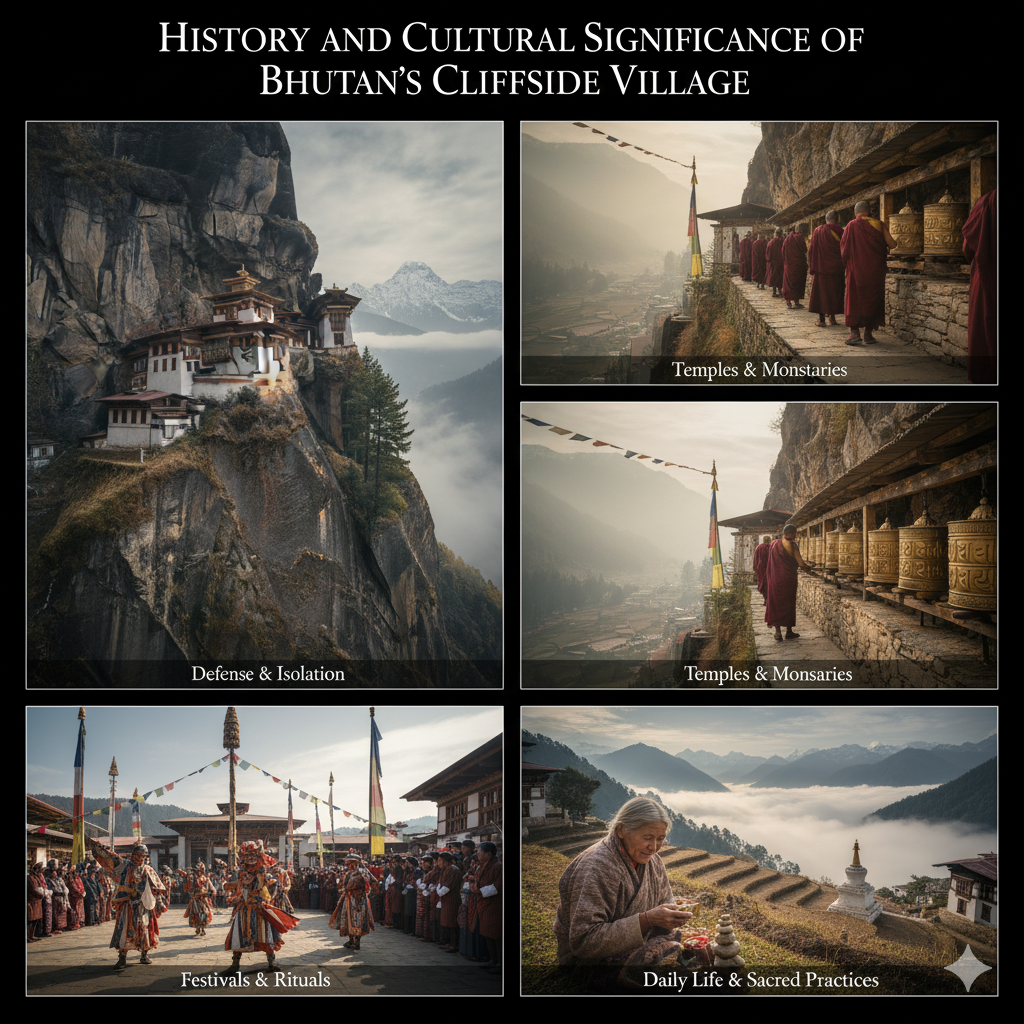
- Small cliffside temples date back 300+ years
- Monks perform daily rituals with the village below
- Sacred prayer wheels line the stone pathways
Festivals and Rituals
- Annual festivals attract local pilgrims
- Traditional dances, music, and offerings
- Villagers uphold ancient Bhutanese customs
How to Reach the Cliff Village Bhutan
Travel Routes
- Closest hub: Paro or Bumthang airports
- 4–6 hours by jeep through mountain roads
- Last section often involves trekking
Best Time to Visit
- Spring (March–May): clear skies, blooming landscapes
- Autumn (September–November): crisp air, colorful prayer flags

Entry Guidelines
- Bhutan requires a tourist visa and guided tour
- Minimum daily package for travelers ensures ethical tourism
check also:7 Incredible Facts About Indonesia breathing Volcano – A Fiery Natural Wonder
Photography Tips – Capturing Roofs Above the Clouds
- Golden hour: clouds illuminated, village glowing
- Drone photography: captures cliff edge, terraced fields
- Wide-angle lenses: showcase architecture + clouds simultaneously
- Fog and mist: create ethereal long-exposure shots
source:
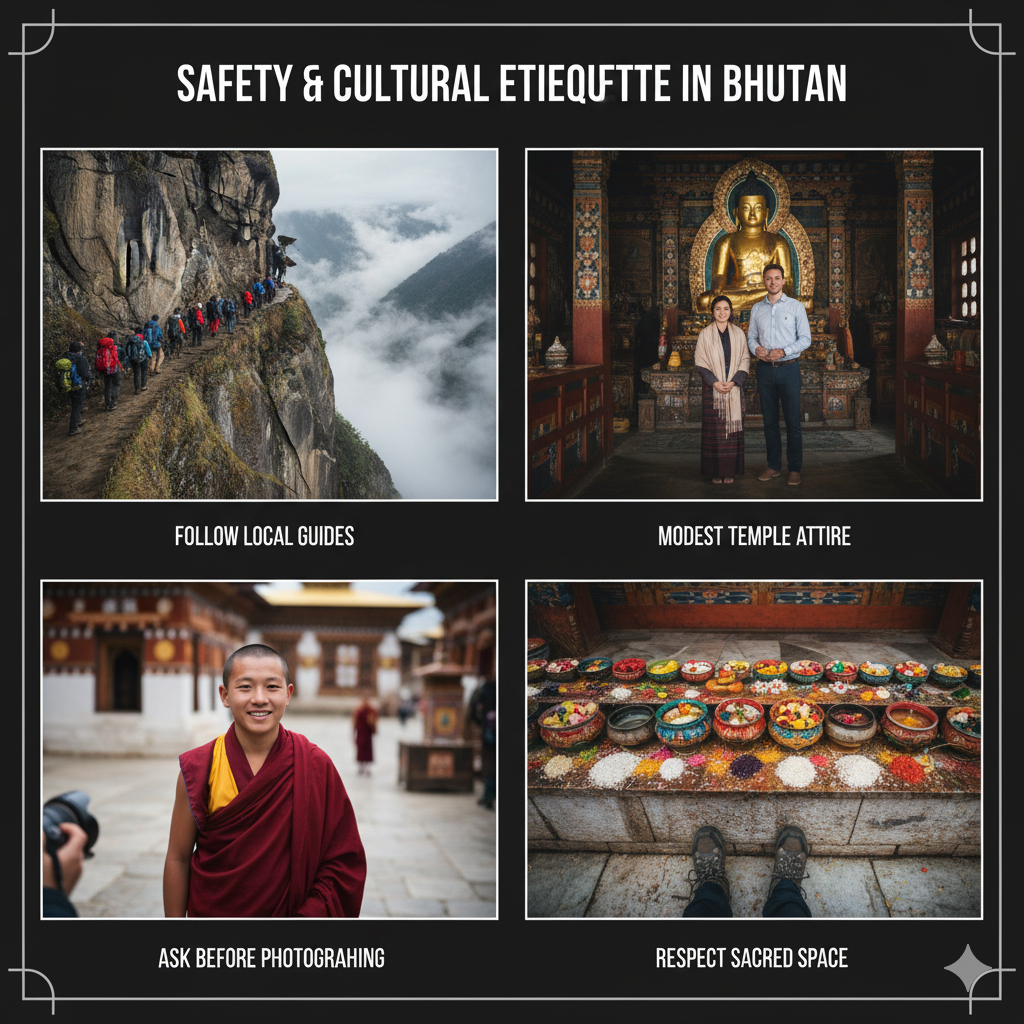
Safety and Cultural Etiquette in Bhutan’s Cliff Village
- Always follow local guides on narrow paths
- Wear modest clothing inside temples
- Ask before photographing monks or private homes
- Avoid stepping on sacred areas or offerings
FAQs – Cliff Village Bhutan
Q1: Are cliff villages safe to visit?
Yes, with a guide and proper trekking gear. Paths are narrow but secure.
Q2: Can tourists stay overnight in the village?
Limited guesthouses exist; most tours are day trips.
Q3: Is hiking required?
Some trekking is mandatory to reach the village, depending on road access.
Q4: What is the best season for photography?
Spring and autumn offer clear skies and vibrant colors.
Q5: Do locals still practice traditional rituals?
Yes, cultural and spiritual practices remain strong in daily village life.
Traveler– Bhutan’s Roofs Above the Clouds
The cliff village of Bhutan is more than a travel destination — it’s a living monument of heritage, spirituality, and natural beauty. Perched above the clouds, it offers ethereal views, ancient culture, and adventure, making it one of the most memorable Himalayan experiences.
For travelers seeking seclusion, culture, and breathtaking landscapes, this hidden Bhutanese gem should be on the 2026 bucket list.