
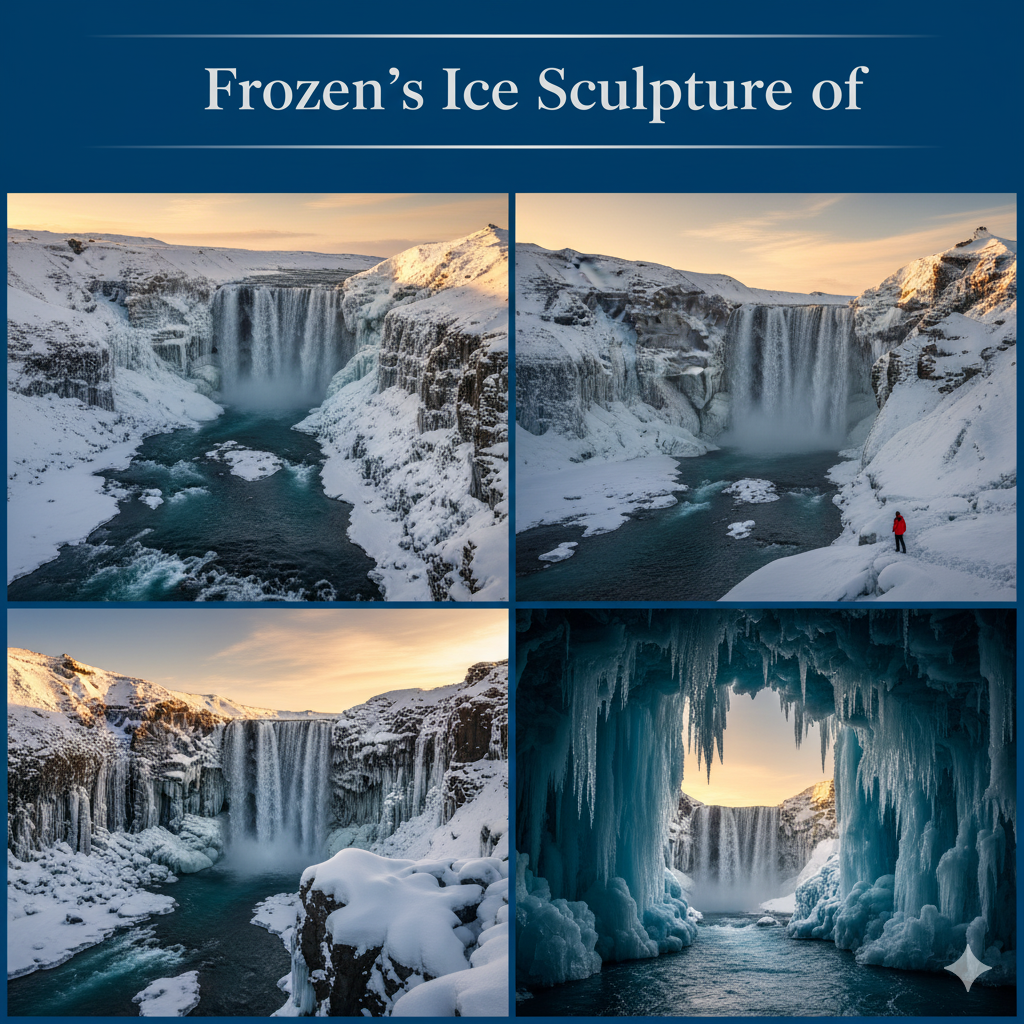

When winter wraps its icy arms around Iceland, something extraordinary happens — the country’s mighty waterfalls transform into mesmerizing ice sculptures straight out of a fantasy film. The Frozen Waterfall Iceland, often called “Nature’s Ice Sculpture,” is not just a sight to behold; it’s an experience that redefines what it means to witness winter’s artistry.
Whether you’re a photographer, adventure traveler, or simply a dreamer chasing northern wonders, Iceland’s frozen waterfalls — like Gullfoss, Skógafoss, and Svartifoss — will leave you utterly spellbound.
The Frozen Waterfall Iceland Experience
When the Arctic chill embraces the land, Frozen Waterfall Iceland transforms into one of the world’s most awe-inspiring sights. The country’s cascading falls turn into shimmering crystal curtains, forming breathtaking ice sculptures that redefine winter beauty.
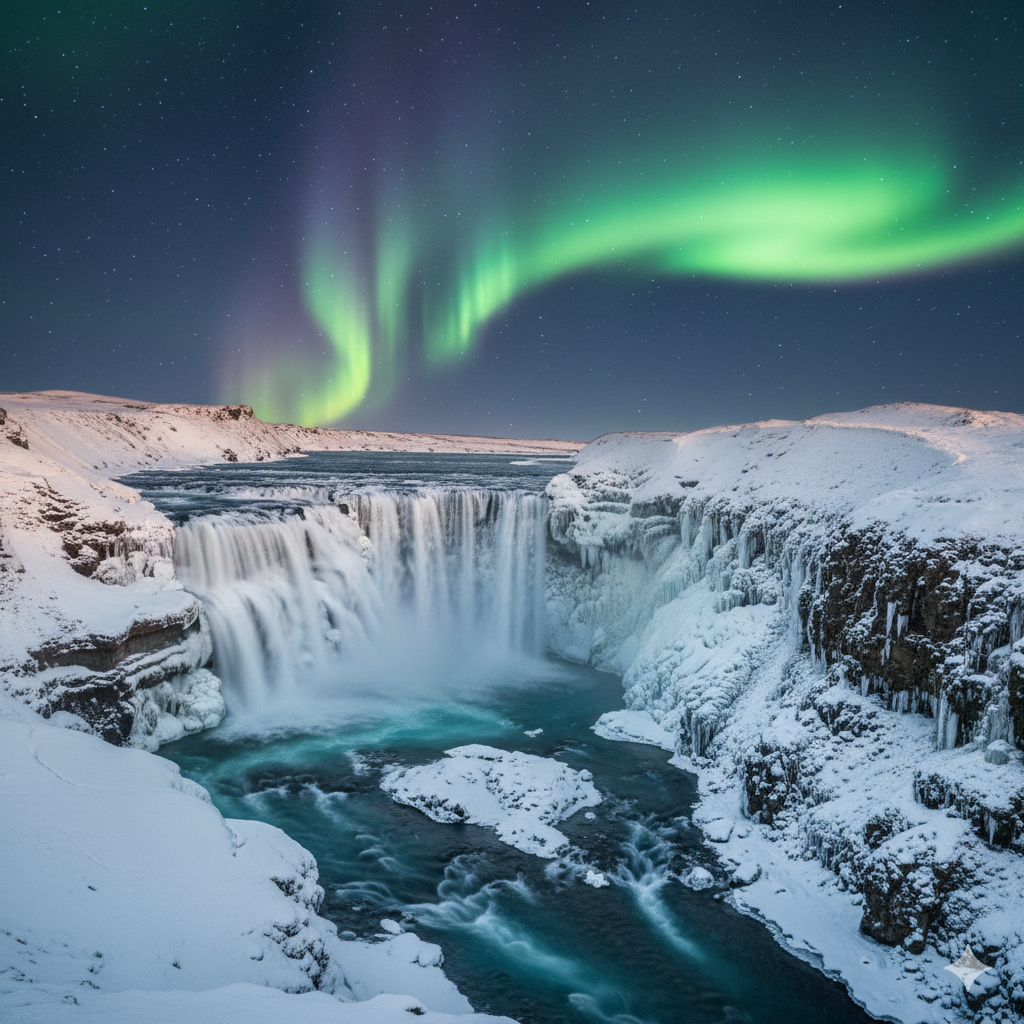
This natural wonder isn’t just a travel destination — it’s an emotional experience for photographers, nature lovers, and adventurers who come to witness Iceland’s waterfalls in their frozen glory.
The History of Frozen Waterfall Iceland
Waterfalls have long been woven into Iceland’s ancient sagas. The earliest Norse settlers viewed them as sacred portals where gods and spirits dwelled. When these waterfalls freeze in winter, they represent the mythical balance between power and peace.
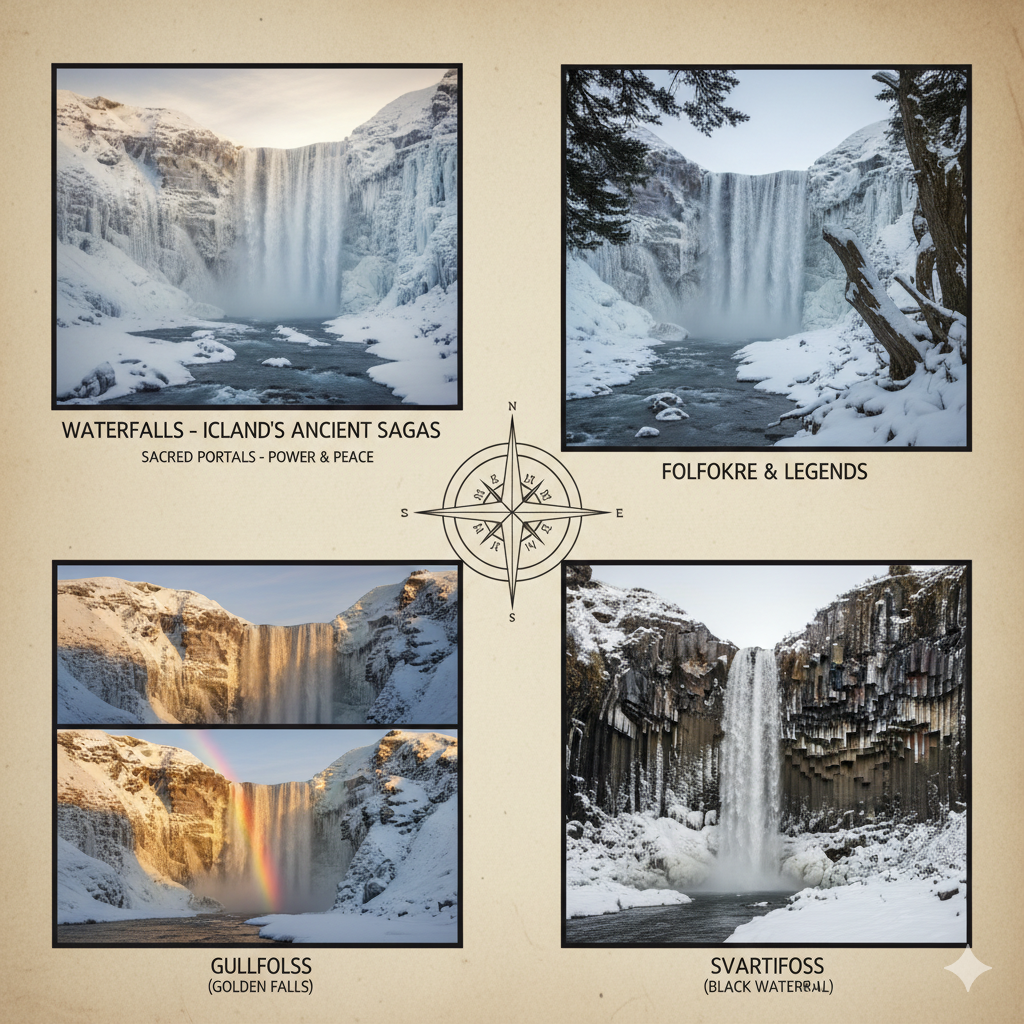
Folklore and Legends
- Gullfoss (Golden Falls) – Legend tells of a Viking girl guarding treasure beneath its icy surface.
- Skógafoss – Said to conceal a hidden chest of gold behind its frozen curtain.
- Svartifoss (Black Waterfall) – Inspired Reykjavík’s Hallgrímskirkja Church design with its hexagonal basalt ice formations.
The Frozen Waterfall Iceland phenomenon reflects the nation’s deep connection between nature, art, and legend.
The Natural Mystery Behind Frozen Waterfall Iceland
The secret behind Iceland’s frozen cascades lies in its subzero temperatures and pure glacier-fed water. When temperatures drop below freezing, mist from the waterfalls crystallizes, coating cliffs with shimmering frost.
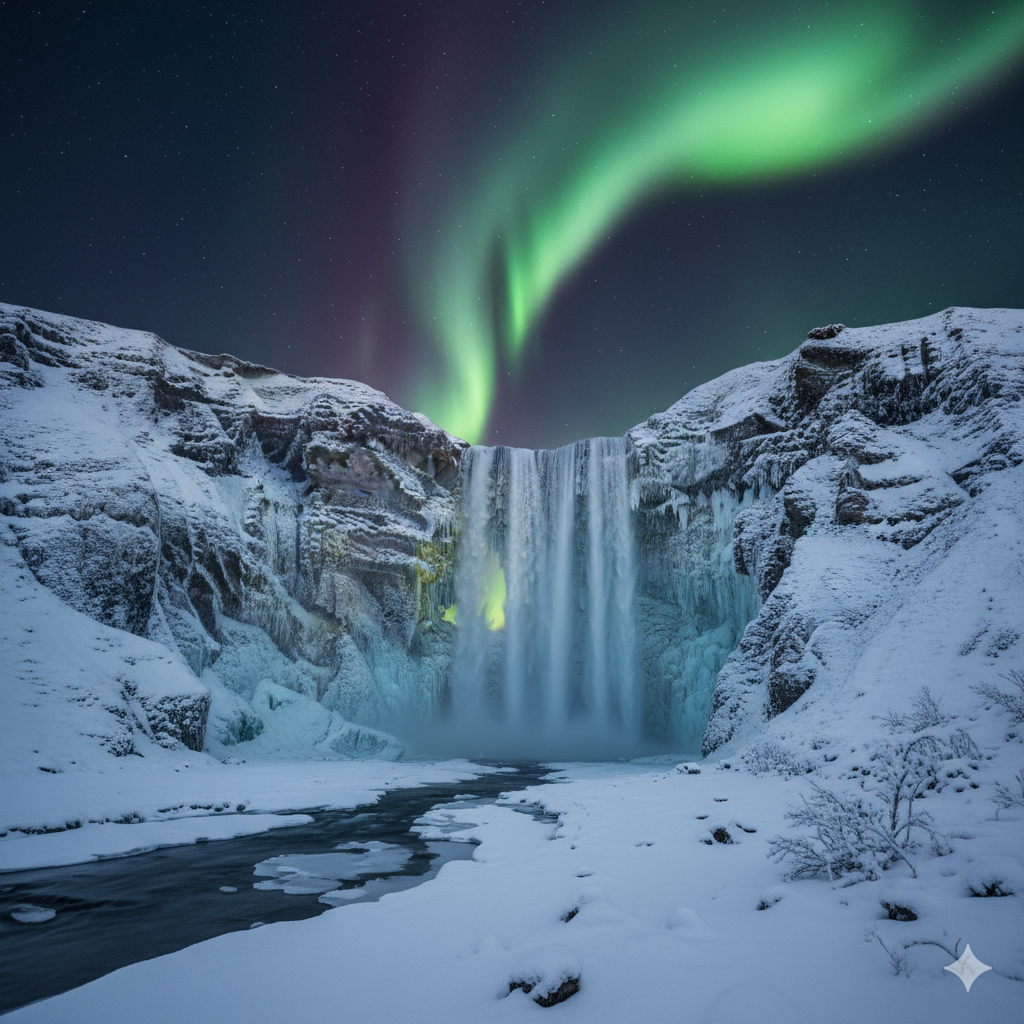
Under the Northern Lights, these frozen waterfalls glow in shades of turquoise, violet, and gold — creating one of the most surreal winter spectacles on Earth.
How to Reach Frozen Waterfall Iceland
Reaching the Frozen Waterfall Iceland sites is relatively easy by car from Reykjavík, but winter travel requires preparation.
Popular Waterfall Routes
- Gullfoss – 1.5 hours from Reykjavík on the Golden Circle Route.
- Skógafoss – Around 2 hours from the capital along the South Coast.
- Svartifoss – Inside Vatnajökull National Park, about a 4.5-hour drive.
Nearest Airport: Keflavík International Airport (KEF)
Tip: Rent a 4×4 vehicle for icy conditions and check SafeTravel.is for live updates.
Frozen Waterfall Iceland Tickets, Fees & Entry Info
Most waterfalls in Iceland are free to visit, but some require small parking or maintenance fees:
| Waterfall | Entry Fee | Parking Fee |
|---|---|---|
| Gullfoss | Free | ISK 250–500 |
| Skógafoss | Free | ISK 500 |
| Svartifoss (Vatnajökull NP) | Free | ISK 750 per car |
Travel Tip: Iceland uses card-friendly payment systems — carry a Visa or Mastercard instead of cash.
Best Time to Visit Frozen Waterfall Iceland
The ideal season to experience the Frozen Waterfall Iceland magic is December to March, when temperatures stay well below zero.
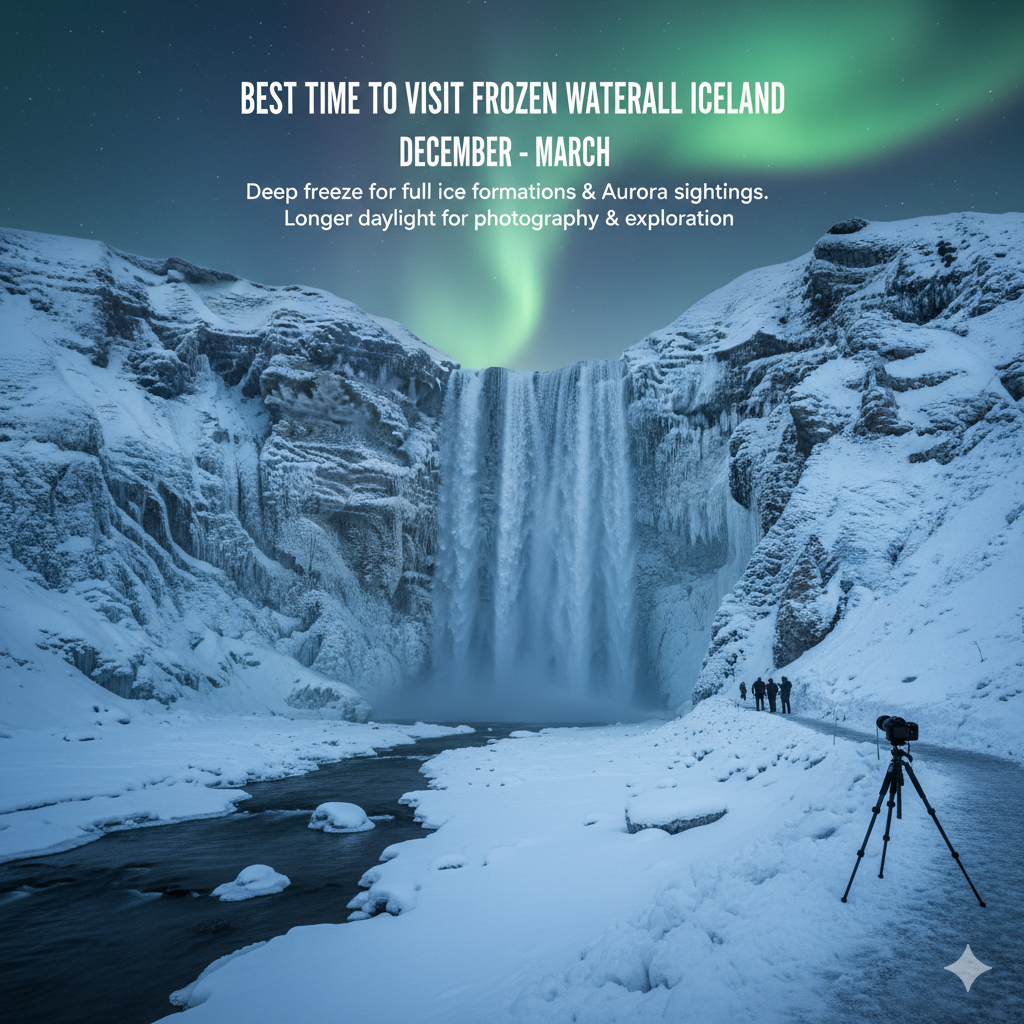
- December–January: Deep freeze season, ideal for full ice formations and Aurora sightings.
- February–March: Slightly longer daylight, perfect for photography and exploration.
Avoid April–May when thawing begins, making ice surfaces unstable.
Hidden Gems: Lesser-Known Frozen Waterfalls in Iceland
While Gullfoss and Skógafoss steal the spotlight, Iceland hides many frozen gems worth discovering:
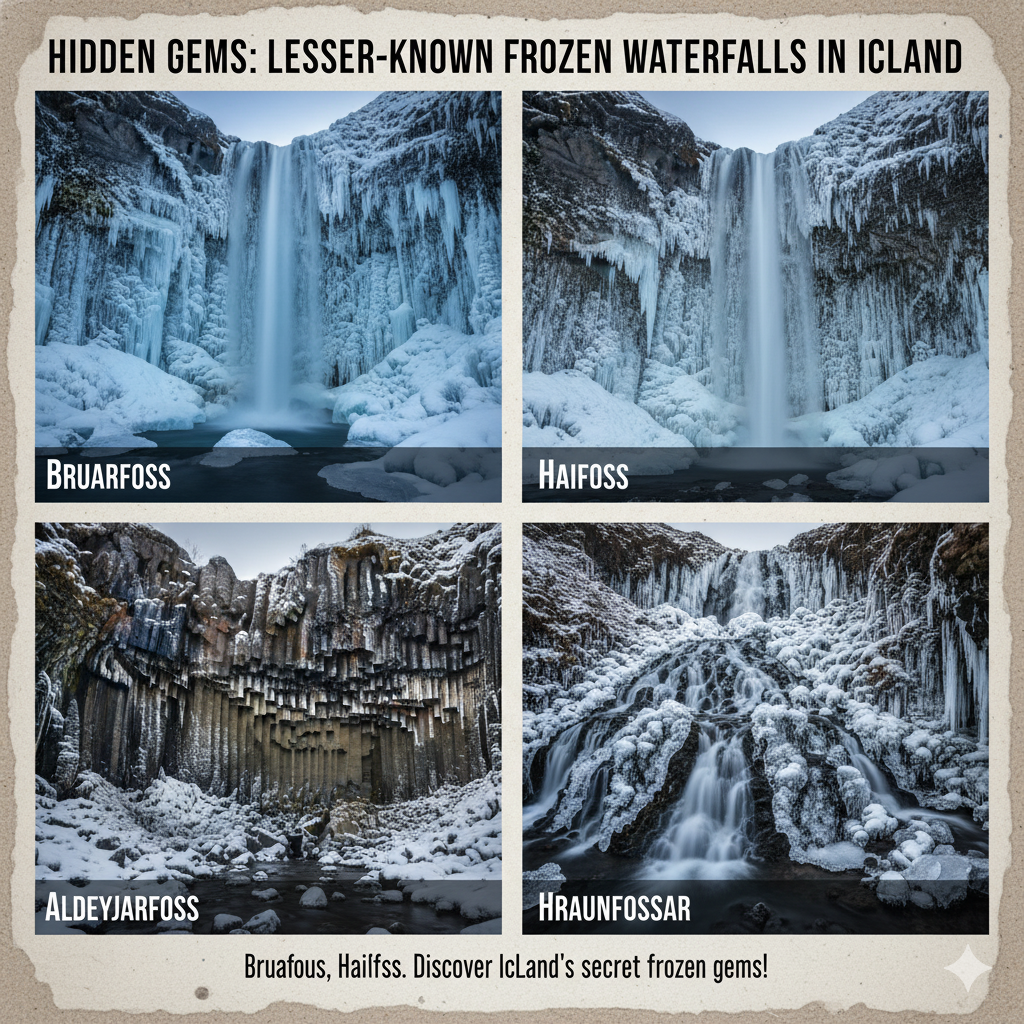
- Bruarfoss (The Blue Waterfall): Its deep-blue hue turns ethereal when frozen.
- Haifoss: Iceland’s second-tallest waterfall, creating a vertical wall of ice.
- Aldeyjarfoss: Stunning basalt columns contrast beautifully with white frost.
- Hraunfossar: Water seeps through lava fields, freezing into intricate crystal shapes.
Each of these frozen waterfalls in Iceland offers a quieter, more mystical encounter.
Source:
Local Talk & Travel Tips for Frozen Waterfall Iceland
- Check weather conditions daily – Iceland’s weather changes fast.
- Never walk on ice edges near the falls; they can collapse suddenly.
- Dress in thermal layers: Wool base, waterproof jacket, and snow boots.
- Carry hot drinks: Local guides swear by Icelandic hot chocolate for warmth!
Locals often recommend visiting just after sunrise — when the golden light hits the ice, creating unreal photo moments.
Local Food Experiences Near Frozen Waterfalls

After exploring the icy wonders, warm up with some local Icelandic delicacies:
- Kjötsúpa (Lamb Soup): Traditional stew made with root vegetables and herbs.
- Rúgbrauð (Hot Spring Rye Bread): Baked underground using geothermal heat.
- Icelandic Hot Dogs: A must-try at every fuel station or food truck.
- Grilled Arctic Char: Freshly caught and seasoned with sea salt and butter.
These meals complete the authentic Frozen Waterfall Iceland adventure — where cold meets comfort.
Traveler: The Frozen Waterfall Iceland Magic
Few places on Earth capture winter’s essence like Frozen Waterfall Iceland. Standing before these icy giants, you witness time paused — water frozen mid-dance, light bending through crystal walls, and silence echoing through frozen valleys.
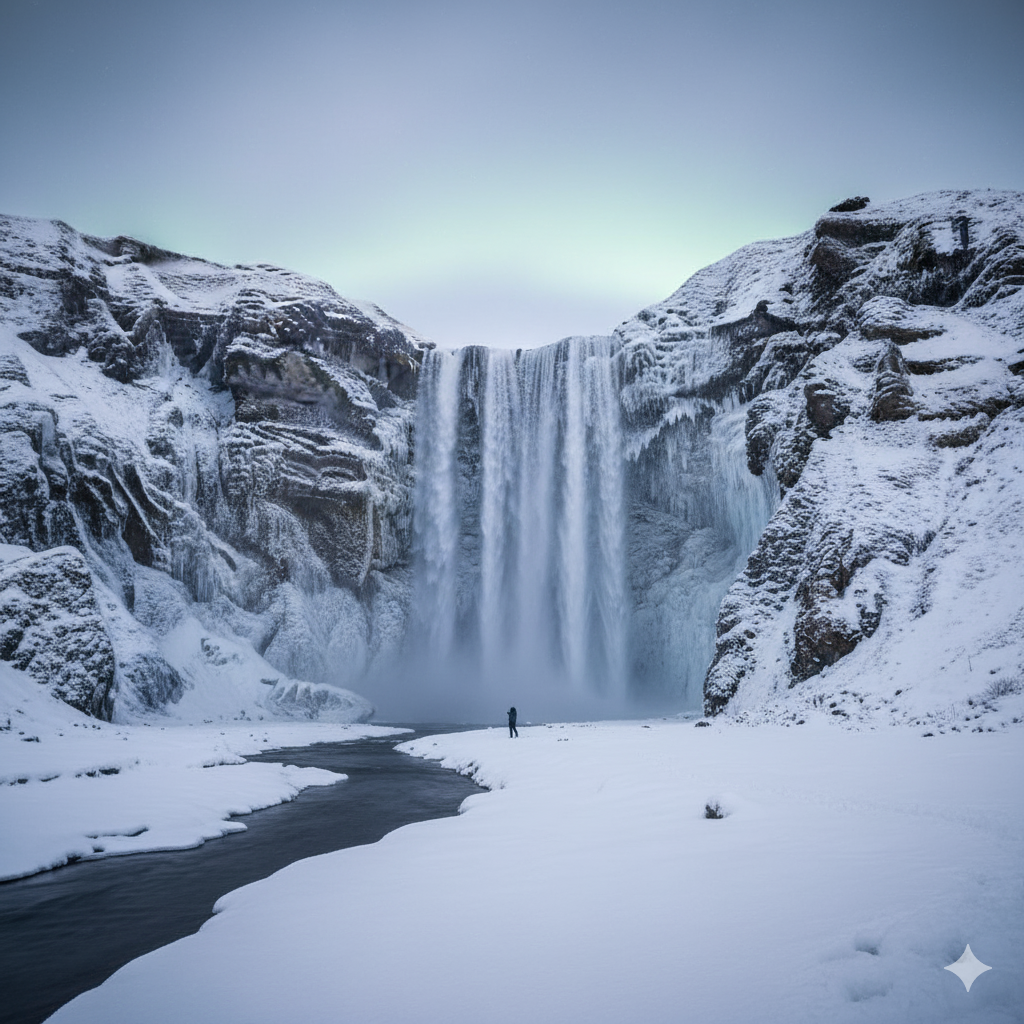
Whether you seek photography, adventure, or a spiritual encounter with nature, Iceland’s frozen waterfalls remind us that true beauty often lies in stillness.
Check Also: 10 Astonishing Facts About The Loneliest House on Earth – Iceland’s Hidden Gem
FAQs About Frozen Waterfall Iceland
1. Can you visit Frozen Waterfall Iceland in summer?
You can visit, but the waterfalls will not be frozen — they return to their full, roaring form.
2. Is it safe to visit Frozen Waterfall Iceland without a guide?
Yes, but for ice-climbing or remote waterfalls, hire certified guides for safety.
3. Can you see Northern Lights near Frozen Waterfall Iceland?
Yes! Many frozen waterfalls, especially Skógafoss, offer excellent Aurora viewing.
4. What should I wear for visiting Frozen Waterfall Iceland?
Thermal layers, waterproof boots, gloves, and anti-slip spikes are essential.
5. Are there any tours for Frozen Waterfall Iceland?
Yes, several guided tours depart daily from Reykjavík — combining Northern Lights, waterfalls, and glacier visits.