
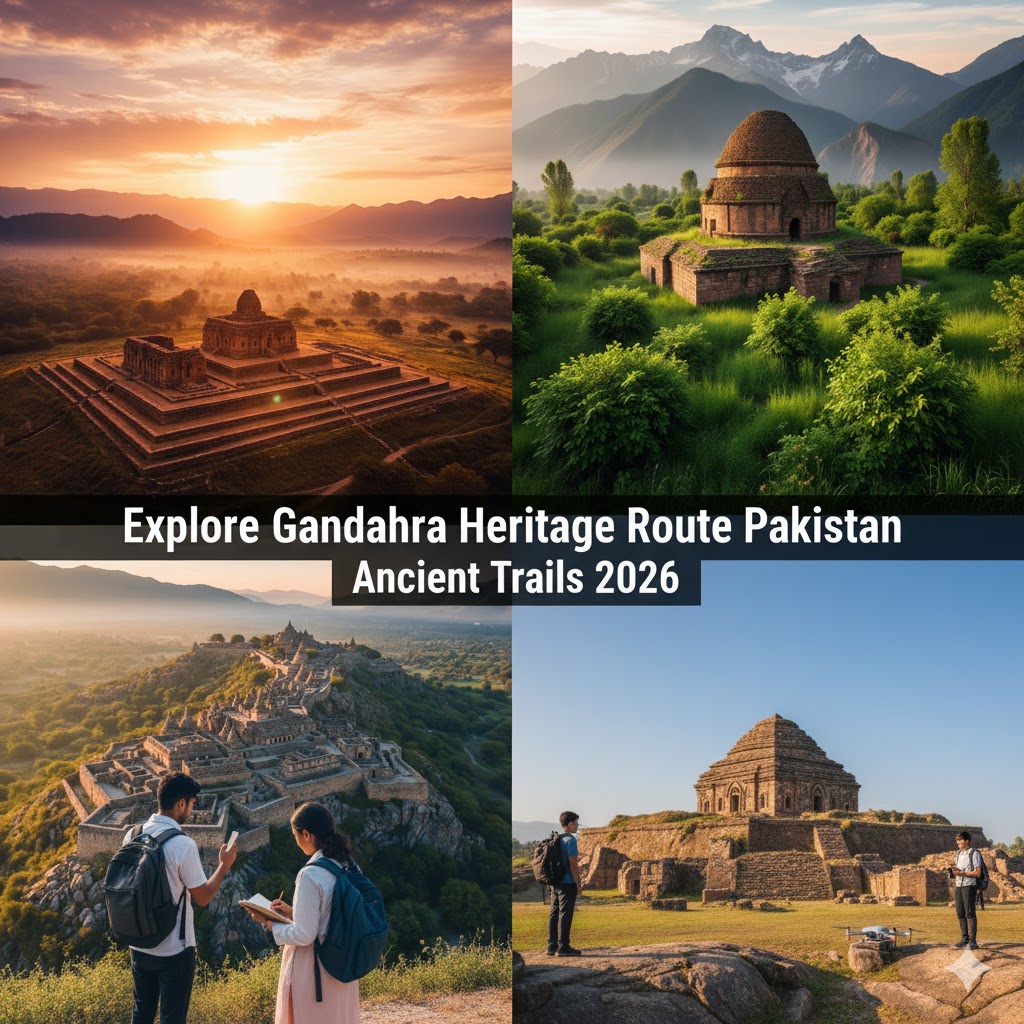

Introduction: The Beginning of Gandhara Heritage Route Pakistan
The Gandhara Heritage Route Pakistan is not just a path through history — it’s a living corridor of faith, art, and spirituality. Stretching across Taxila, Mardan, Peshawar, and Swat, this route reveals how the ancient Gandhara civilization shaped South Asian culture and introduced the world to Greco-Buddhist art and the philosophy of peace.
In 2026, this redefined Gandhara Heritage Route Pakistan has become a leading travel destination for heritage enthusiasts, archaeology students, and global pilgrims who wish to walk in the footsteps of Buddha and discover where civilizations once converged.
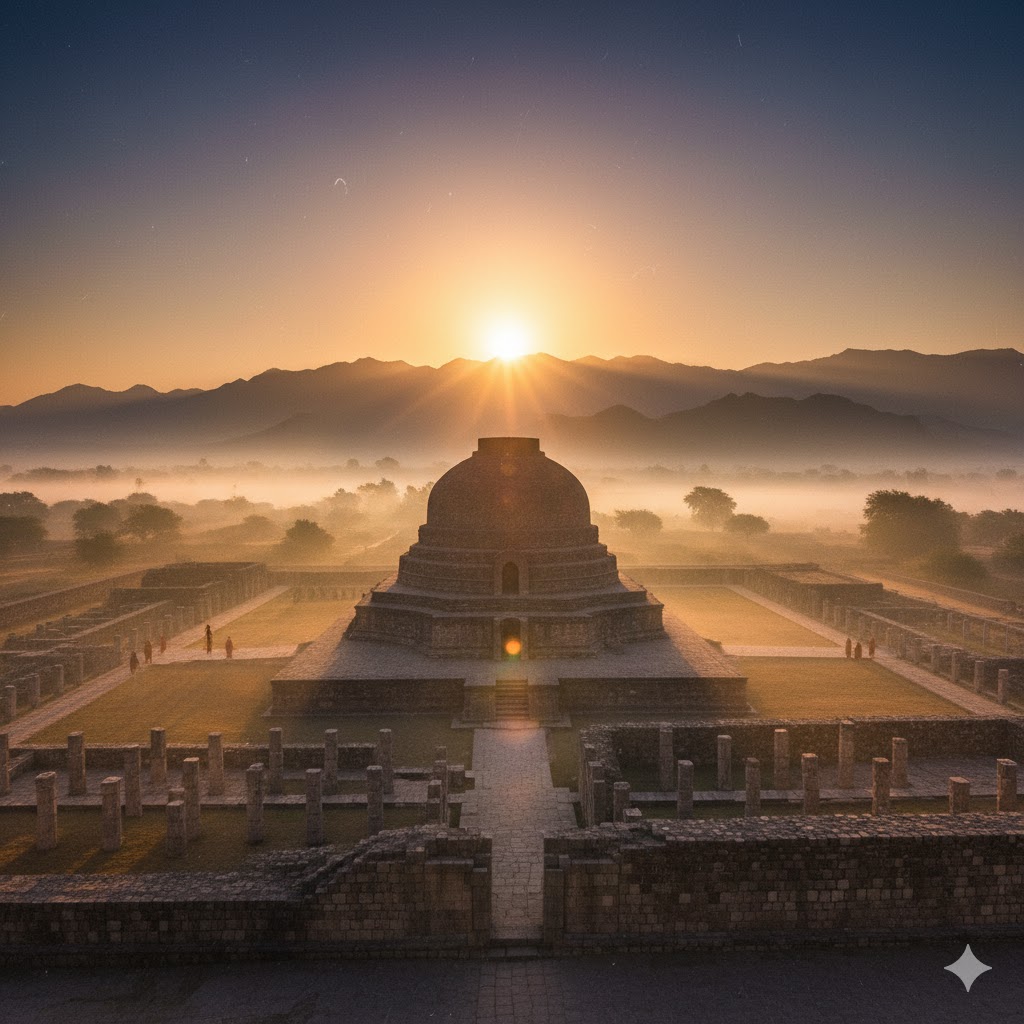
🏛️ 1. Origins of the Gandhara Heritage Route Pakistan
The Gandhara Heritage Route Pakistan traces the cradle of a civilization that thrived between the 6th century BCE and the 11th century CE. Gandhara connected India, Persia, Central Asia, and the Mediterranean, becoming a melting pot of culture and spirituality.
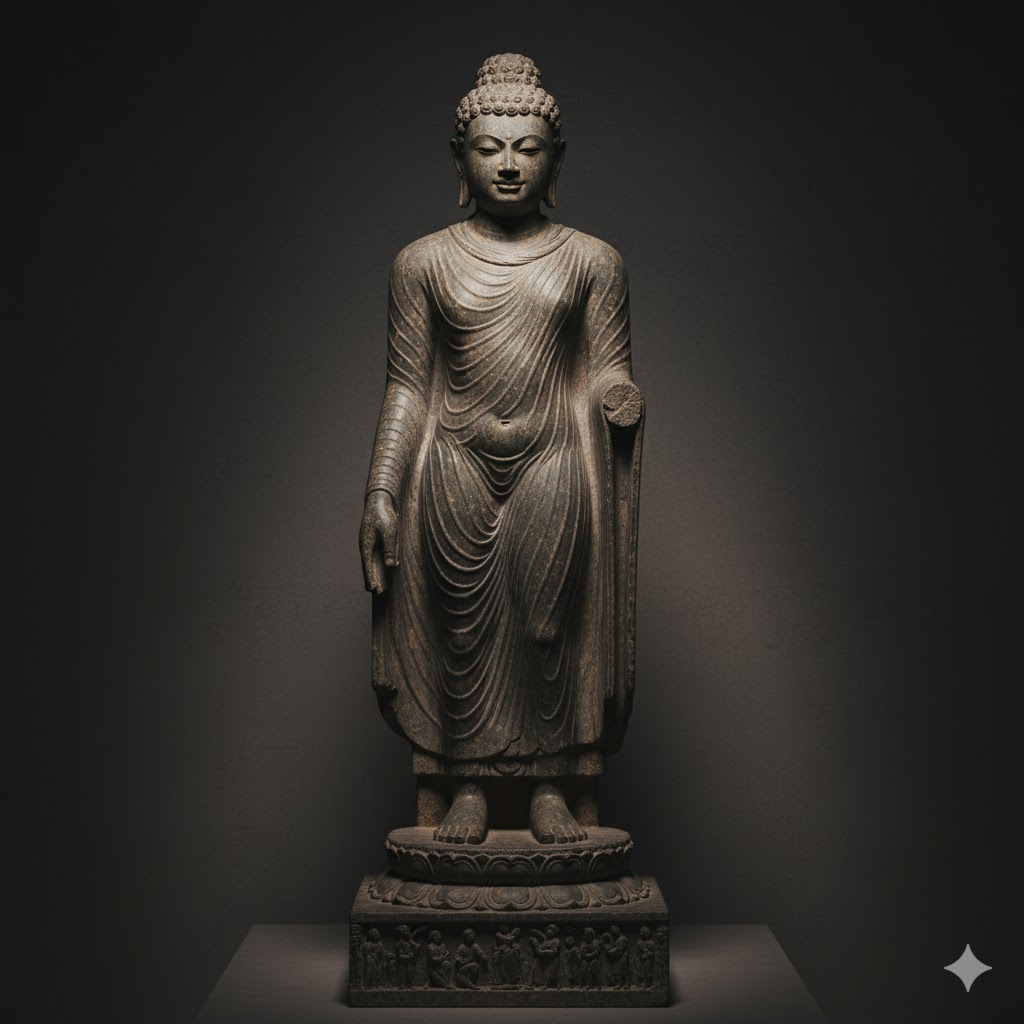
Its art, known for the first human depictions of Buddha, combined Hellenistic realism with Eastern symbolism. Sites like Pushkalavati (Charsadda) and Taxila were epicenters of learning, where Buddhist philosophy flourished alongside Greek aesthetics.
Today, the Gandhara Heritage Route Pakistan revives these ancient roads, linking archaeological wonders that once shaped history.Buddhist art, where Buddha was depicted with Greek-style drapery and serene expressions — a revolutionary cultural synthesis.
Key cities like Pushkalavati (modern Charsadda) and Taxila became learning centers for Buddhist monks and scholars. Ancient travelers like Faxian and Xuanzang recorded their journeys through these sacred valleys, describing vast monasteries, peaceful meditation caves, and vibrant artistic communities.
Today, the Gandhara Heritage Route Pakistan retraces these historical paths — linking archaeological marvels across Punjab and Khyber Pakhtunkhwa, breathing life into stories long buried under centuries of dust.
🏯 2. Taxila — The First Stop of Gandhara Heritage Route Pakistan
No journey along the Gandhara Heritage Route Pakistan is complete without Taxila, the ancient city of scholars. As a UNESCO World Heritage Site, Taxila showcases the cultural depth of the Gandhara era.
Top highlights include:
- Dharmarajika Stupa: Believed to enshrine Buddha’s relics.
- Julian Monastery: A serene educational and meditation site for monks.
- Sirkap Ruins: A perfect blend of Greek and Indian city planning.
In 2026, modern travelers can enjoy interactive heritage tours, augmented-reality exhibits, and eco-guided treks around Taxila’s sacred landscapes.
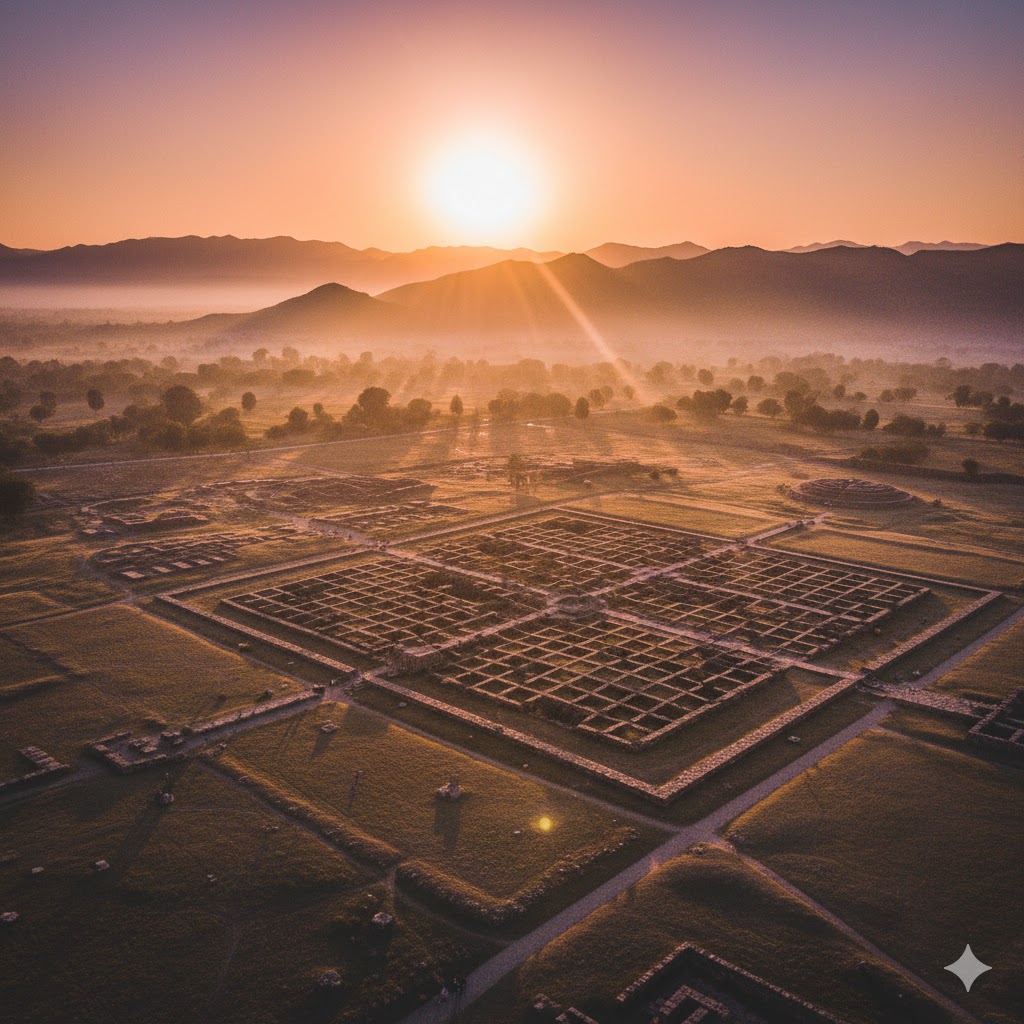
🧘 3. Takht-i-Bahi Monastery — Spiritual Core of Gandhara Heritage Route Pakistan
Perched atop a hill in Mardan, Takht-i-Bahi is the spiritual heart of the Gandhara Heritage Route Pakistan. Dating to the 1st century CE, it remains one of the most intact Buddhist monasteries in Asia.
Visitors can explore meditation cells, courtyards, and stupas carved into stone — all overlooking lush valleys. It’s a powerful site where silence speaks louder than sound.
Restoration programs under the 2026 Gandhara Tourism Vision have reconnected Takht-i-Bahi to other Gandhara sites via heritage trails, helping travelers experience the route as monks once did.

🏔️ 4. Swat Valley — The Heartbeat of Gandhara Heritage Route Pakistan
The Swat Valley, home to over 400 documented Buddhist sites, is often called the “Second Gandhara.” Within this valley, the Gandhara Heritage Route Pakistan unveils its artistic and spiritual brilliance.
Must-visit places include:
- 🪶 Butkara Stupa: The oldest Buddhist relic site in Swat.
- 🪶 Amluk Dara Stupa: A hidden gem tucked within apple orchards.
- 🪶 Barikot Citadel: A fusion of Buddhist and Indo-Greek architecture.
Swat’s Gandhara Museum, reimagined in 2026, displays Buddha sculptures, relic caskets, and frescoes that bridge heaven and earth.gs.
Must-visit Buddhist landmarks in Swat include:
- 🪶 Butkara Stupa: A massive 2nd-century structure surrounded by smaller votive stupas.
- 🪶 Gumbatuna Monastery: Overlooking lush hills and offering panoramic views of Swat’s emerald rivers.
- 🪶 Amluk Dara Stupa: Hidden among orchards, this stupa radiates peace and isolation.
Swat’s Gandhara Museum, reopened in 2026 with interactive galleries, houses hundreds of sculptures — each reflecting Buddha’s life and teachings. Many artworks showcase Greco-Roman features fused with local aesthetics, a hallmark of Gandhara art.
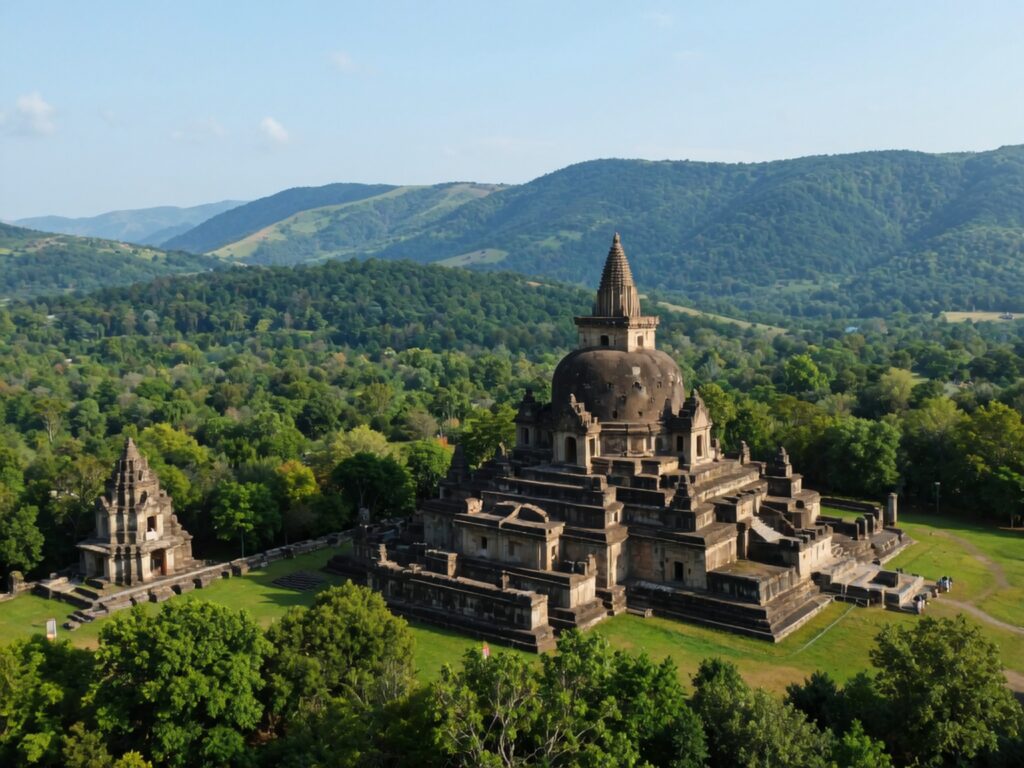
🕊️ 5. Peshawar — The Grand Capital of Gandhara Heritage Route Pakistan
Ancient Puruṣapura (Peshawar) served as the capital of the Kushan Empire, making it a vital stop on the Gandhara Heritage Route Pakistan. King Kanishka built the magnificent Kanishka Stupa, once among the tallest in the world.
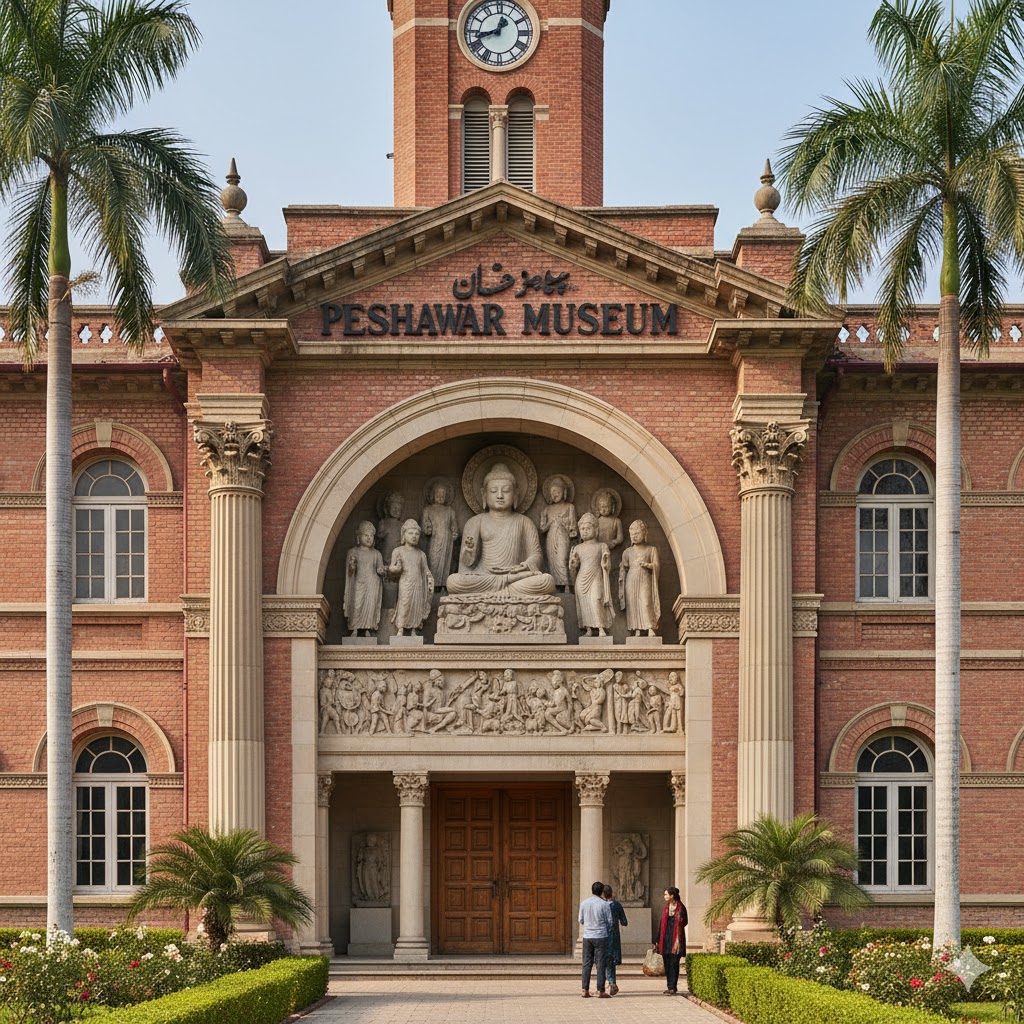
Today, remnants of the stupa and relics can be explored at Shah-ji-ki-Dheri and the Peshawar Museum, which houses the largest Gandhara art collection globally. The museum’s 2026 renovation has introduced digital storytelling exhibits for immersive experiences.
🚶 6. The Modern Gandhara Heritage Route (2026 Edition)
The Pakistan Tourism Development Corporation (PTDC), with support from UNESCO and international heritage missions, launched the Gandhara Heritage Route 2026 Project — an initiative uniting 20+ Buddhist sites into a cohesive travel experience.
Highlights of the route include:
- 🛕 Restored monasteries and stupas from Taxila to Swat.
- 🌿 Sustainable eco-routes for trekkers and cultural tourists.
- 🚌 Guided heritage buses connecting Peshawar, Mardan, and Taxila.
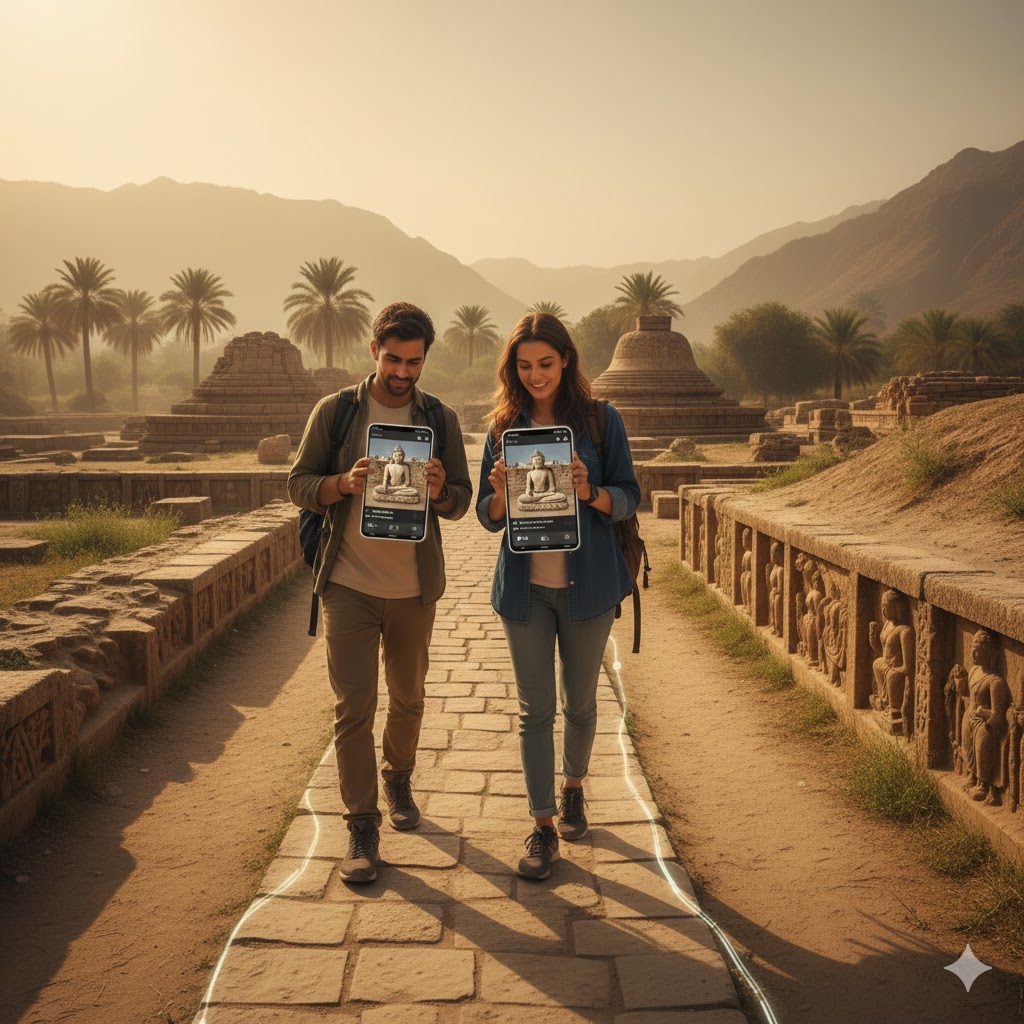
- 📱 AR & VR experiences visualizing ancient Gandhara temples in 3D.
- 🏨 Cultural guesthouses built near key archaeological zones.
The route aims to promote peace tourism and interfaith harmony, encouraging visitors to rediscover Buddhist legacies while supporting local communities through sustainable travel.
🏞️ 7. Hidden Gems Along the Gandhara Trail
Beyond the famous monasteries, the Gandhara Heritage Route hides spiritual and artistic treasures often missed by mainstream tours:
- 🪶 Sahri Bahlol Ruins (Mardan): Smaller than Takht-i-Bahi but equally serene, surrounded by olive groves.
- 🪶 Barikot Fort (Swat): An ancient citadel with Buddhist remains under excavation.
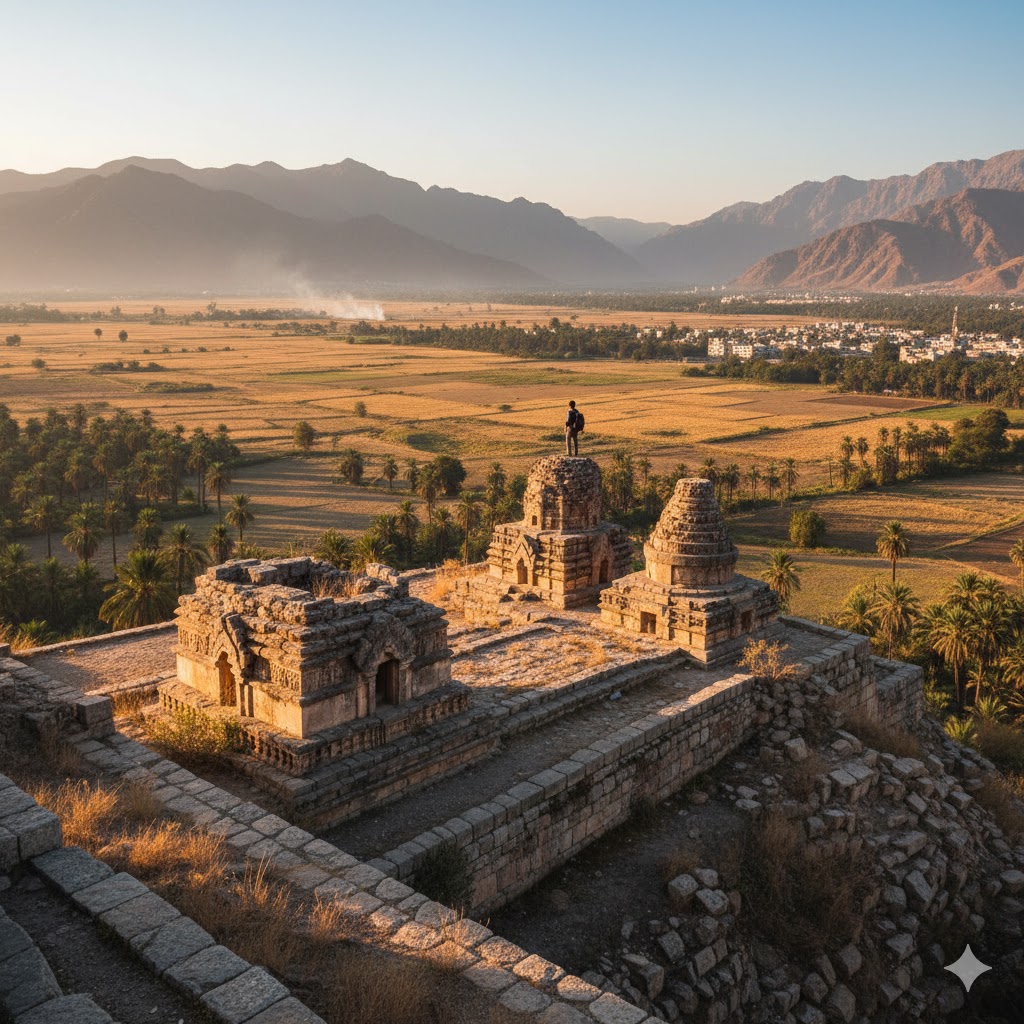
- 🪶 Jamal Garhi: A picturesque archaeological site atop rolling hills — perfect for sunrise photography.
- 🪶 Ranigat Stupa (Buner District): A recently restored stupa complex dating to the 2nd century CE, offering sweeping valley views.
Each site reveals how Buddhism once shaped daily life — from trade routes to art, from spirituality to architecture.
🧭 8. Suggested 7-Day Gandhara Heritage Itinerary (2026)
Day 1: Arrival in Islamabad → Drive to Taxila → Visit Dharmarajika, Julian Monastery, Taxila Museum
Day 2: Taxila → Drive to Peshawar → Explore Peshawar Museum and Shah-ji-ki-Dheri ruins
Day 3: Drive to Mardan → Visit Takht-i-Bahi & Sahri Bahlol → Overnight stay in Mardan
Day 4: Mardan → Travel to Swat Valley → Visit Butkara Stupa and Mingora bazaar
Day 5: Explore Amluk Dara, Gumbatuna Monastery, and Barikot archaeological site
Day 6: Drive to Buner → Visit Ranigat Stupa → Local cultural dinner and photography session
Day 7: Return to Islamabad via scenic Swabi route → Optional stop at Buddhist relics near Hund
💡 9. Traveler Tips & Cultural Etiquette
- 🪔 Dress modestly and respect local customs near sacred ruins.
- 📷 Photography is allowed, but avoid touching sculptures.
- 💧 Carry water and sunscreen — many sites involve uphill treks.
- 🧭 Hire local guides to gain deeper insights into each site’s history.
- 🚐 Plan visits early morning or evening to enjoy cooler weather and better light for photography.
Local communities are welcoming, and most travelers find Gandhara’s serenity deeply moving.
🌏 10. Why Visit Gandhara in 2026
2026 marks the revival of cultural heritage tourism in northern Pakistan, with improved infrastructure, safety, and global collaborations. Visiting Gandhara is more than a historical tour — it’s a journey of understanding coexistence, wisdom, and the shared human pursuit of peace.
The Gandhara Heritage Route connects not just monuments, but philosophies that continue to inspire across millennia. Every stupa and sculpture stands as a reminder that Pakistan’s land once nurtured enlightenment and learning for the world.
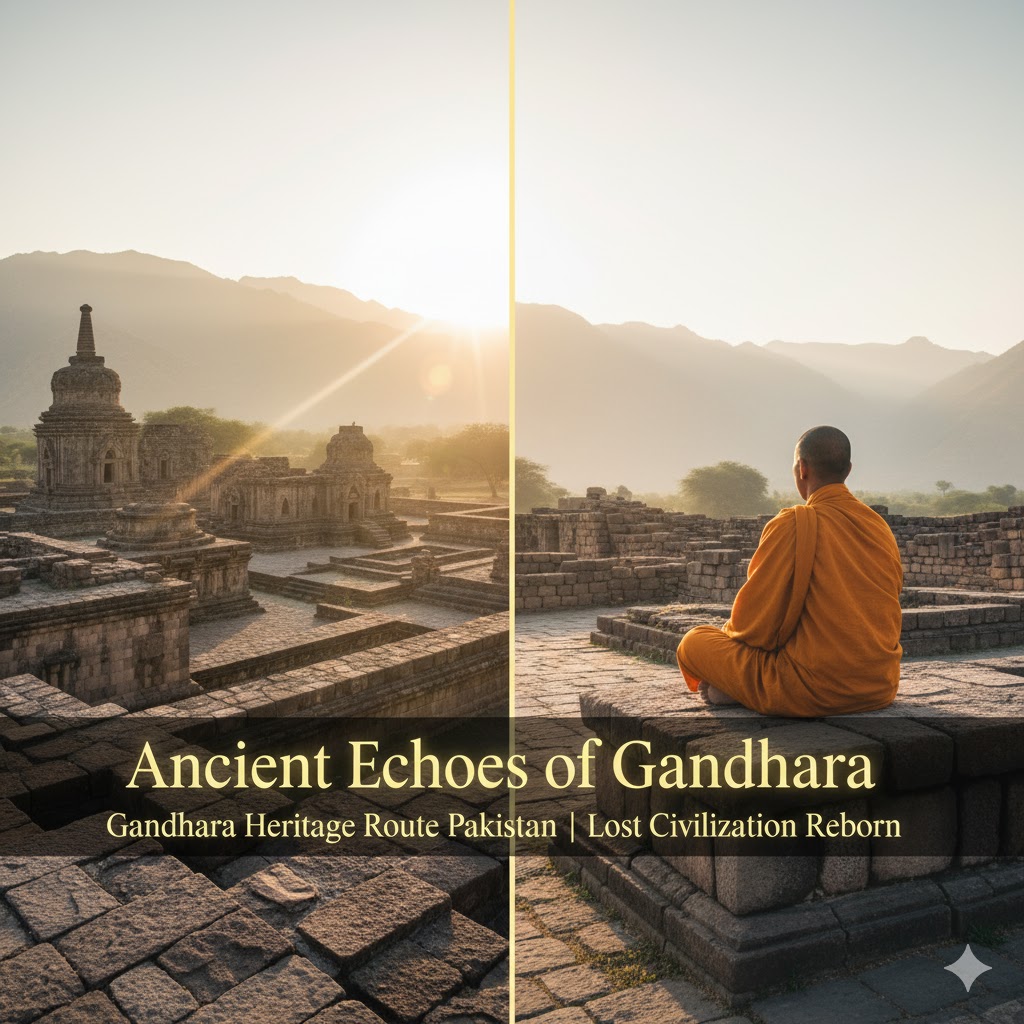
Traveler Guide: The Living Soul of Gandhara
The Gandhara Heritage Route in Pakistan (2026) is more than a collection of ruins — it’s a living testament to the power of cultural fusion. Through Buddhist devotion, Greek artistry, and South Asian soul, Gandhara gave the world one of history’s most beautiful spiritual legacies.
As you walk these ancient trails — from the stone courtyards of Taxila to the misty valleys of Swat — you’re not just exploring a civilization; you’re awakening a forgotten harmony between humanity and peace.
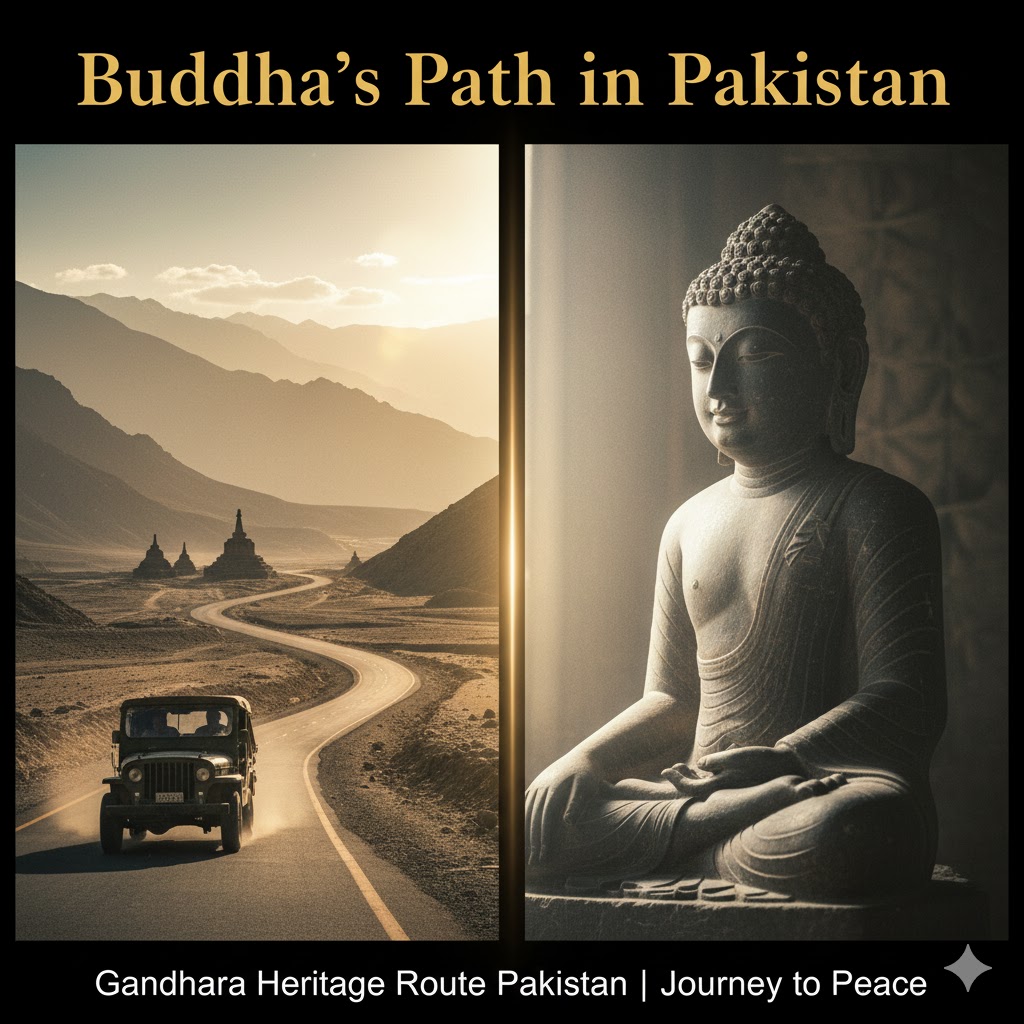
Extended Itinerary: Recreating the Gandhara Trail
| Day | Destination | Highlights |
|---|---|---|
| 1 | Islamabad → Taxila | Visit Sirkap, Dharmarajika, and Taxila Museum |
| 2 | Taxila → Takht-i-Bahi | Explore ancient monastery, scenic valley drives |
| 3 | Mardan → Swat Valley | Butkara Stupa, Buddhist rock carvings, local cuisine |
| 4 | Swat → Peshawar | Visit museum, traditional bazaar, art exhibits |
Travel Tip: Hire a certified local guide for cultural insights and access to off-route ruins often hidden in valleys.
References:
Must See:
- Explore our Hunza Heritage Guide 2026 for cultural continuity in Northern Pakistan.
- Discover Top Buddhist Sites in Pakistan (2026) to expand your heritage trail.
Sources:
- Learn more from UNESCO’s World Heritage Sites Pakistan.
- Visit Pakistan Tourism Portal for travel regulations and official route updates.


Pingback: Majestic Karachi Heritage Architecture Guide (2026): Discover Timeless Colonial & Cultural Wonders