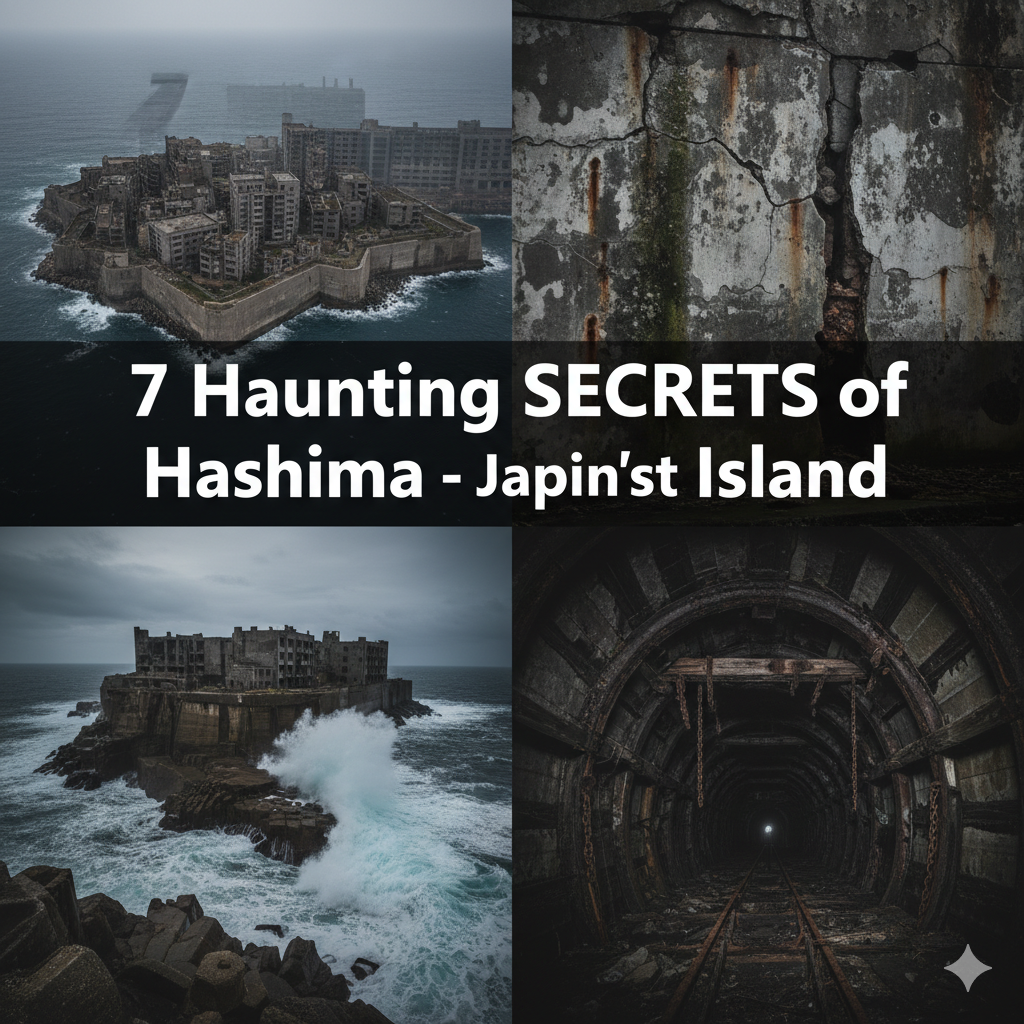

Where Shadows Outweigh Stories
Off the coast of Nagasaki lies a dark relic of Japan’s industrial age, a crumbling concrete island surrounded by waves and silence. Known locally as Gunkanjima — or “Battleship Island” — Ghost Island of Hashima once housed thousands of workers and families. Today, it stands abandoned, its windows shattered by time and its concrete veins cracked by the ocean.
There are no inhabitants. No laughter. No industry. Only history… and haunting reminders of forced labor, rapid industrialization, and forgotten humanity.
Join us on a journey into the past of Japan’s Ghost Island, where every hallway is a museum of memories, and every collapsed building whispers: What happened here?
What is Hashima Island?
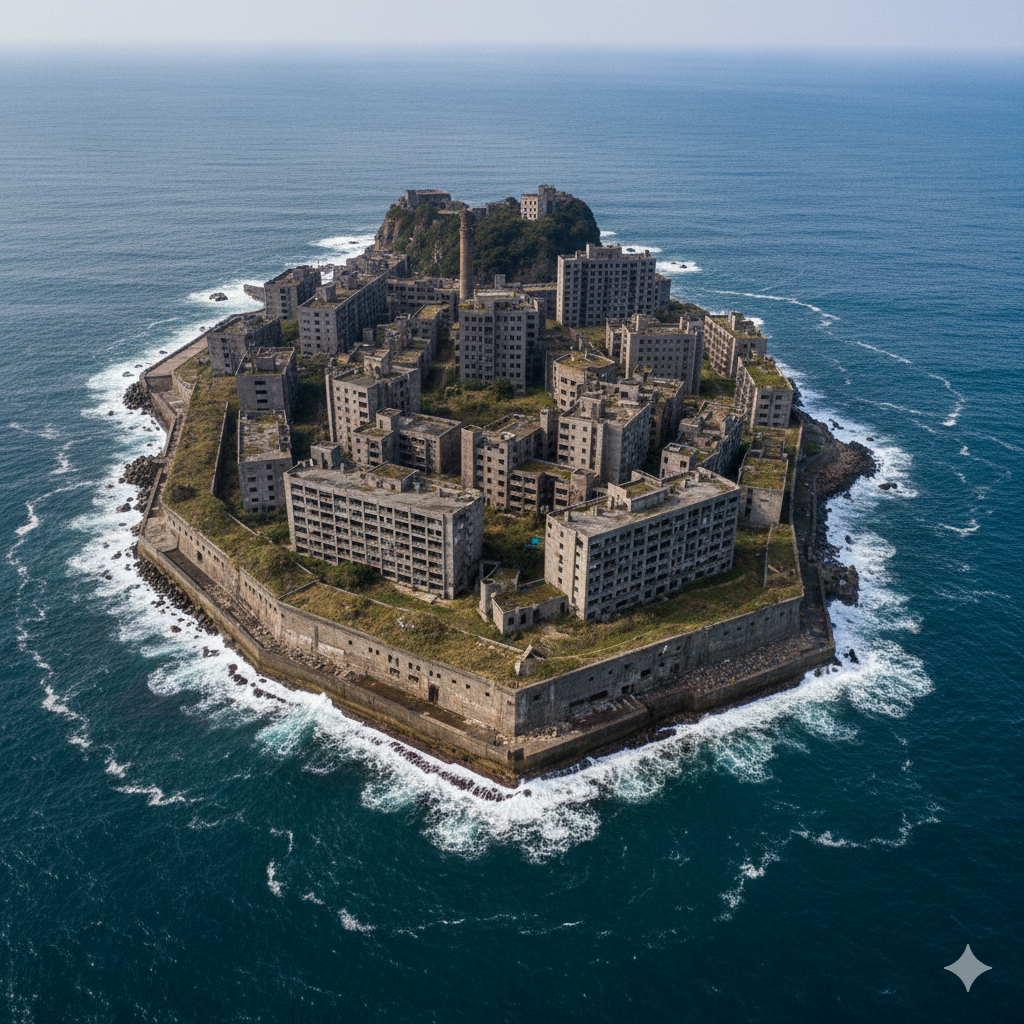
- Location: 15 km from Nagasaki, Japan
- Size: Only 480m long, 160m wide
- Nickname: Gunkanjima – “Battleship Island”
- Established: 1887 (as a coal mining facility)
- Population Peak: 5,259 (in 1959) – highest population density on Earth at the time
Its silhouette resembles a warship, rising from the ocean like an artificial fortress. But beneath that striking profile lies a story of coal, conflict, and collapse.
1. Birth of an Industrial Titan (History of Hashima)
In the late 1800s, Japan entered an era of rapid modernization. The country needed coal — and Hashima, with its undersea deposits, became a prime target.
| Year | Event |
|---|---|
| 1887 | Mitsubishi buys and develops the island for coal mining |
| 1916 | Japan’s first large reinforced concrete apartment built here |
| 1959 | Population peaks with families living in compact, concrete apartments |
| 1974 | Coal is replaced by petroleum, and the island is abandoned |
Hashima was not just a mine — it was a self-contained world. Schools, shrines, shops, and even a cinema once thrived on this rock. It was a modern dystopia decades before the term even existed.
2. A City on the Sea — But Also a Prison
Hashima wasn’t just about progress. During WWII, it became a site of forced labor — mostly Korean and Chinese men brought against their will to work in brutal coal tunnels.
- Harsh, dangerous conditions
- Not allowed to leave the island
- Hundreds died from exhaustion, accidents, or malnutrition
This part of Hashima’s history is largely untold in Japanese textbooks, making the island a dark symbol of war, exploitation, and forgotten human suffering.
3. Abandoned Overnight — What Happened?
By the 1950s, coal was still king — until petroleum dethroned it. Japan shifted its energy infrastructure, and mining became unprofitable.
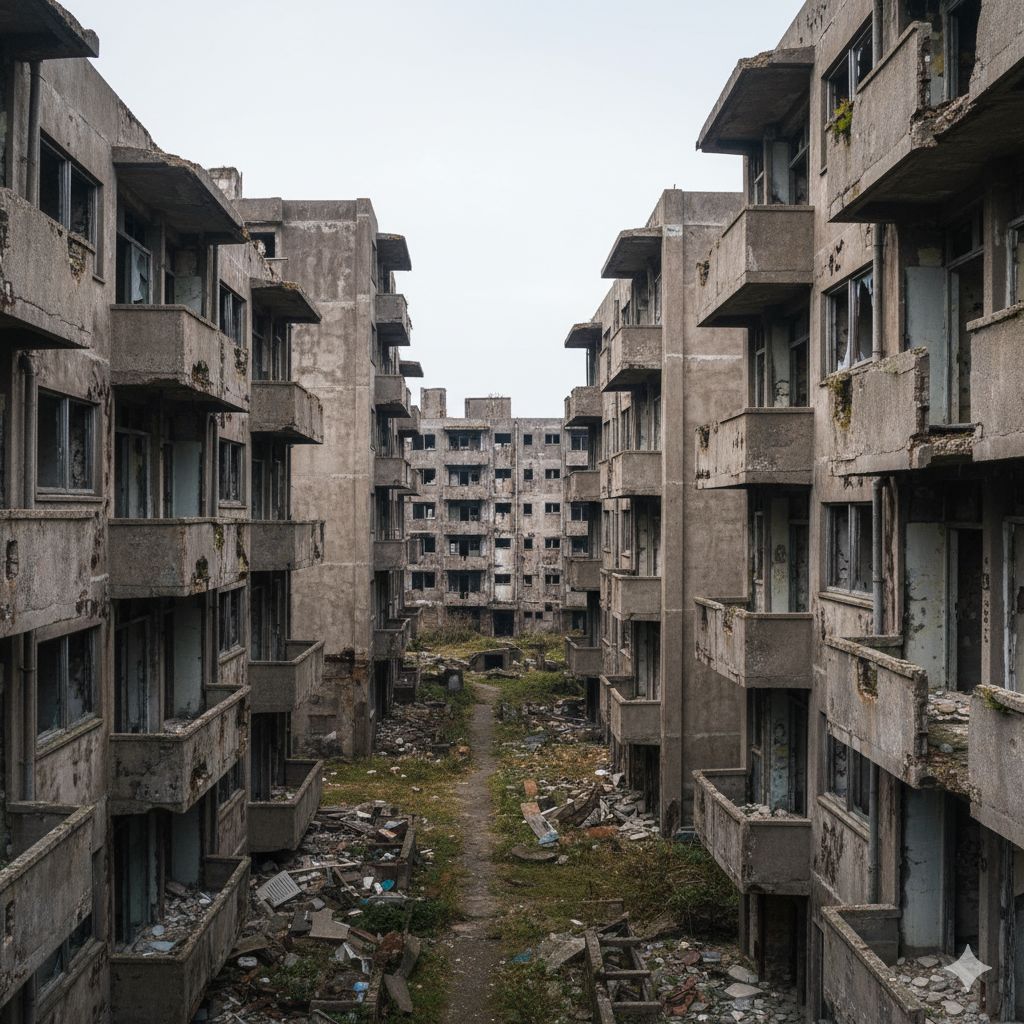
In January 1974, the island was ordered closed. Residents were given just hours to pack. Thousands left behind personal items — toys, books, photo albums — now buried beneath salt and dust.
And so, Hashima became a ghost island overnight.
4. Hashima in Pop Culture (From Ruins to Blockbusters)
Thanks to its eerie beauty and post-apocalyptic ambiance, Hashima has been featured in major media:
- James Bond: Skyfall (2012) – villain’s lair inspiration
- Call of Duty: Black Ops – includes a map based on Hashima
- Attack on Titan, Inception – indirect visual parallels
- Big favorite of urban explorers, photographers, and drone videographers
5. What You Can See Today (If You Visit)
While most of the island remains off-limits due to structural collapse, guided tours are available from Nagasaki.
Highlights on Tour:
- Collapsed schools
- Crumbling apartment blocks
- Rusting mining towers
- Echoing courtyards filled with silence
You can’t enter the buildings. The ghosts of Hashima are still dangerous — but standing below them is enough to feel the island’s energy.
Source:
- Survival International – Uncontacted Tribes Info
- Lonely Planet – Andaman & Nicobar Islands Travel Guide
6. UNESCO Recognition and Controversy
In 2015, Hashima was declared a UNESCO World Heritage Site, recognized for its contribution to Japan’s industrial revolution. But that announcement was met with criticism.
Why?
Because forced labor history was left out of the official narrative.
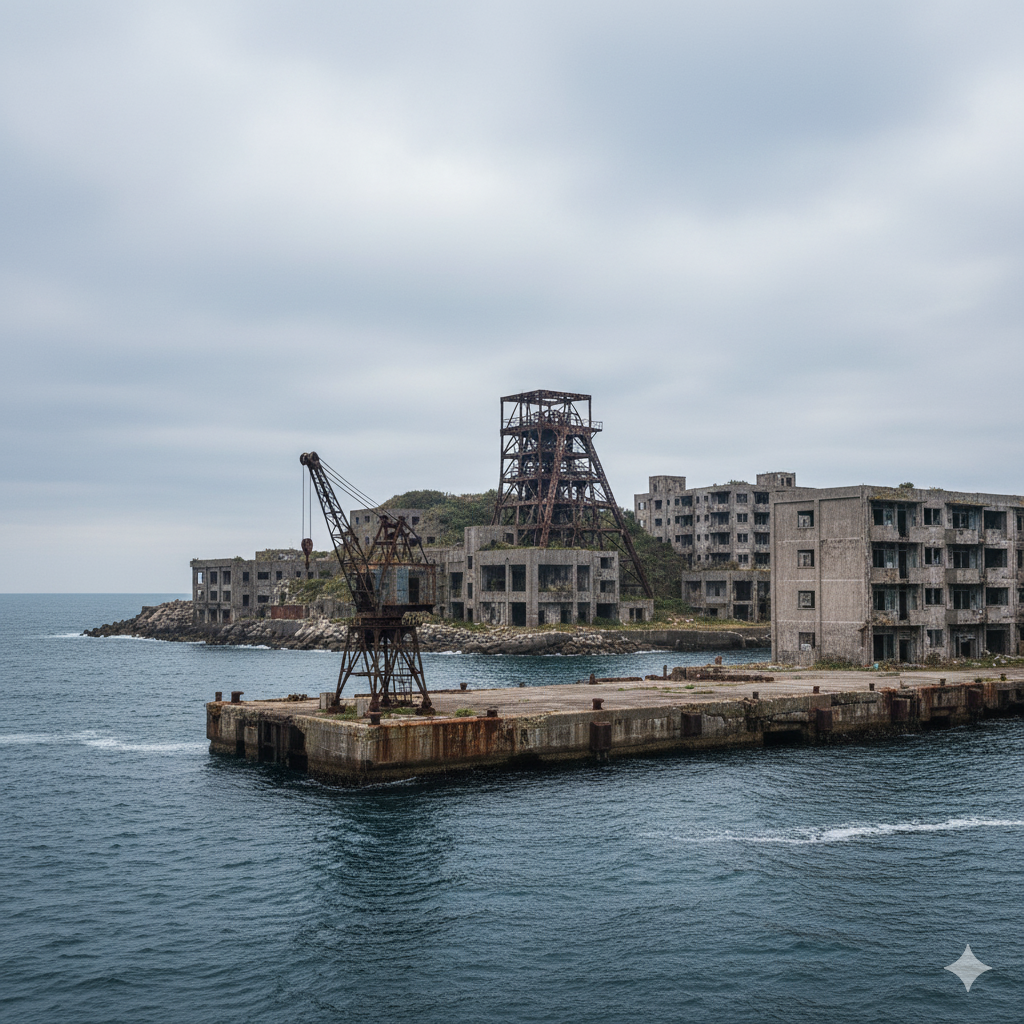
Human rights activists argued that UNESCO should not honor a place without also honoring the people who suffered there. Today, Japan has agreed to include memorial information at related sites — but debate continues.
7. The Island That Fights to Stay Alive
Nature is slowly reclaiming Hashima.
- Walls crack under typhoon winds
- Iron corrodes into ocean dust
- Weeds sprout through broken concrete
Within decades, this concrete city will fall into the sea, erased like the memories it holds.
Is this poetic justice? Or tragedy?
Either way, Hashima is more than history. It is a living ghost, fading, but never forgotten.
How to Visit Hashima Island
Nearest City: Nagasaki, Japan
- Best reached via ferry boats offering half-day guided tours
- Boats typically circle the island, then dock if weather permits
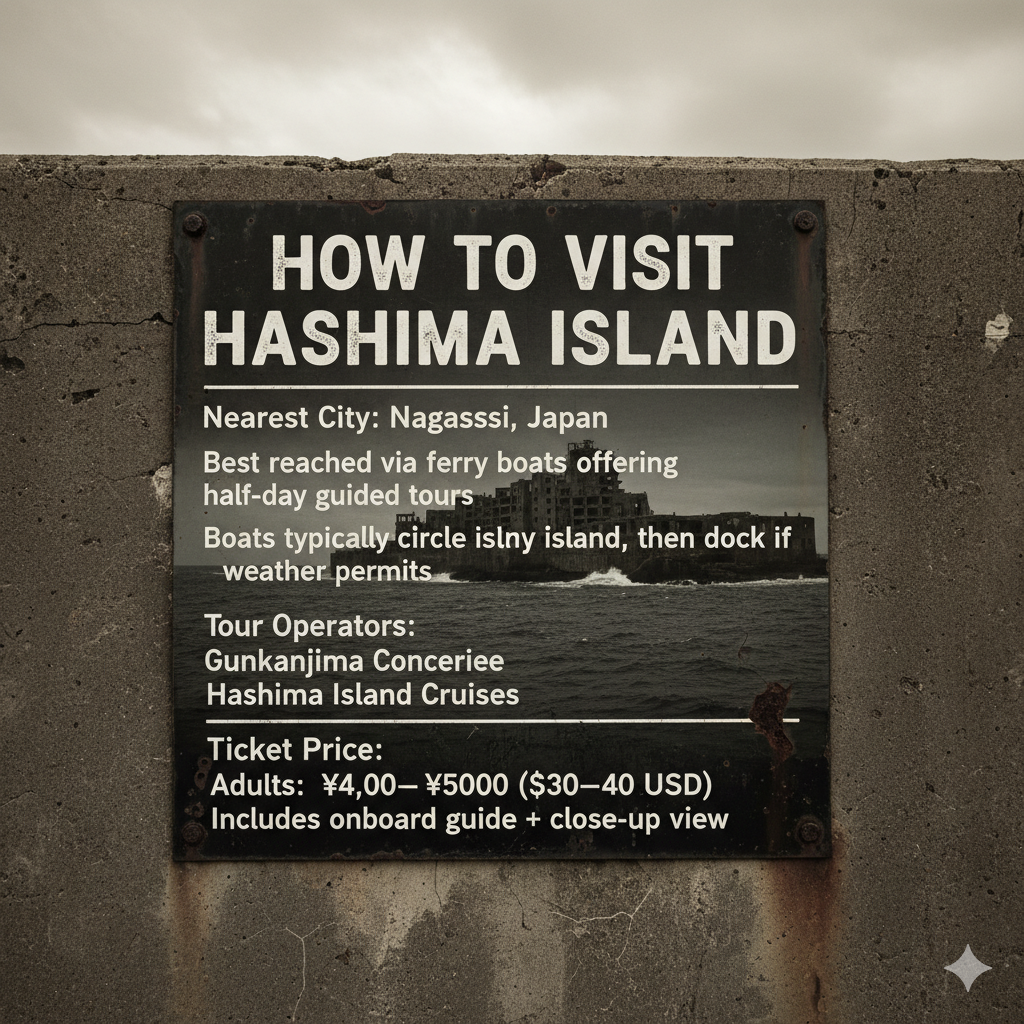
Tour Operators:
- Gunkanjima Concierge
- Hashima Island Cruises
Ticket Price:
- Adults: ¥4,000–¥5,000 ($30–$40 USD)
- Includes onboard guide + close-up view
Tip: Visit during spring or autumn for calmer seas and clearer skies.
Best Time to Visit
- March–May: Clear, comfortable weather
- September–November: Ideal photography lighting
- Avoid June–August (humidity + typhoon risk)
Local Talk & Dining in Nagasaki
If you visit Hashima as part of a Nagasaki trip, this is the perfect chance to taste fusion cuisine combining Japanese, Chinese, and Portuguese influences.
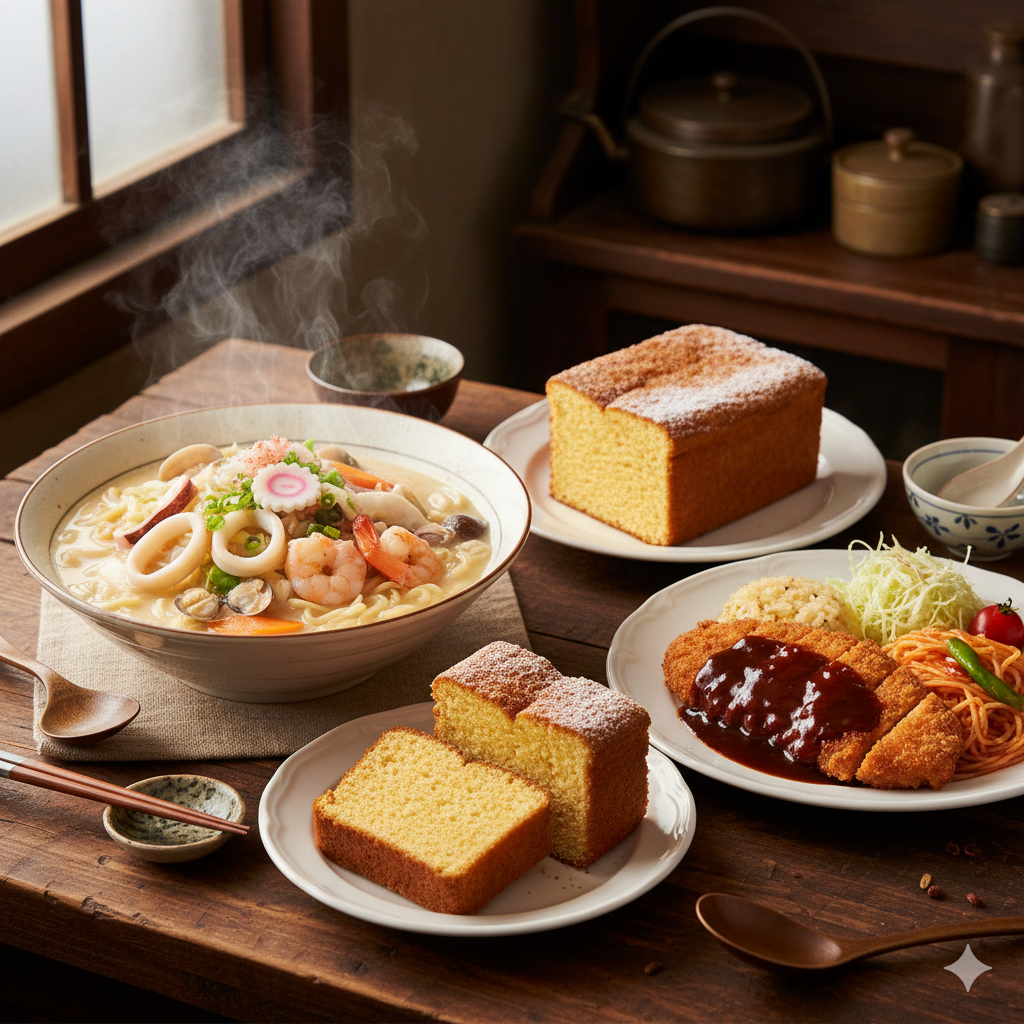
Try:
- Champon (seafood noodle soup)
- Castella cake (Portuguese sponge)
- Toruko rice (pork cutlet with spaghetti & rice)
Locals speak of Hashima as a “ruined engine of progress” — admired and condemned in equal measure.
Check Also: World’s Most Isolated Tribe: 7 Astonishing Secrets of the Sentinelese People
FAQs About Hashima Island
1. Why is Hashima called Ghost Island?
Because it’s completely abandoned, decaying, and silent — like a ghost town in the ocean.
2. Can tourists go inside the buildings?
No. Access is limited for safety. You can walk designated pathways only.
3. What caused Hashima’s abandonment?
The collapse of the coal industry in the 1970s — not a natural disaster.
4. Was there forced labor here?
Yes — during WWII, Korean and Chinese workers were brought under harsh conditions.
5. Will Hashima collapse someday?
Yes — within decades, the island is expected to erode and sink due to weathering.
Traveler: Concrete Crumbles, Memories Don’t
Hashima Island is more than a ruin. It’s a frozen moment in time — a reminder of how progress can cost lives, how industries crumble, and how human stories get buried beneath corporate legacies.
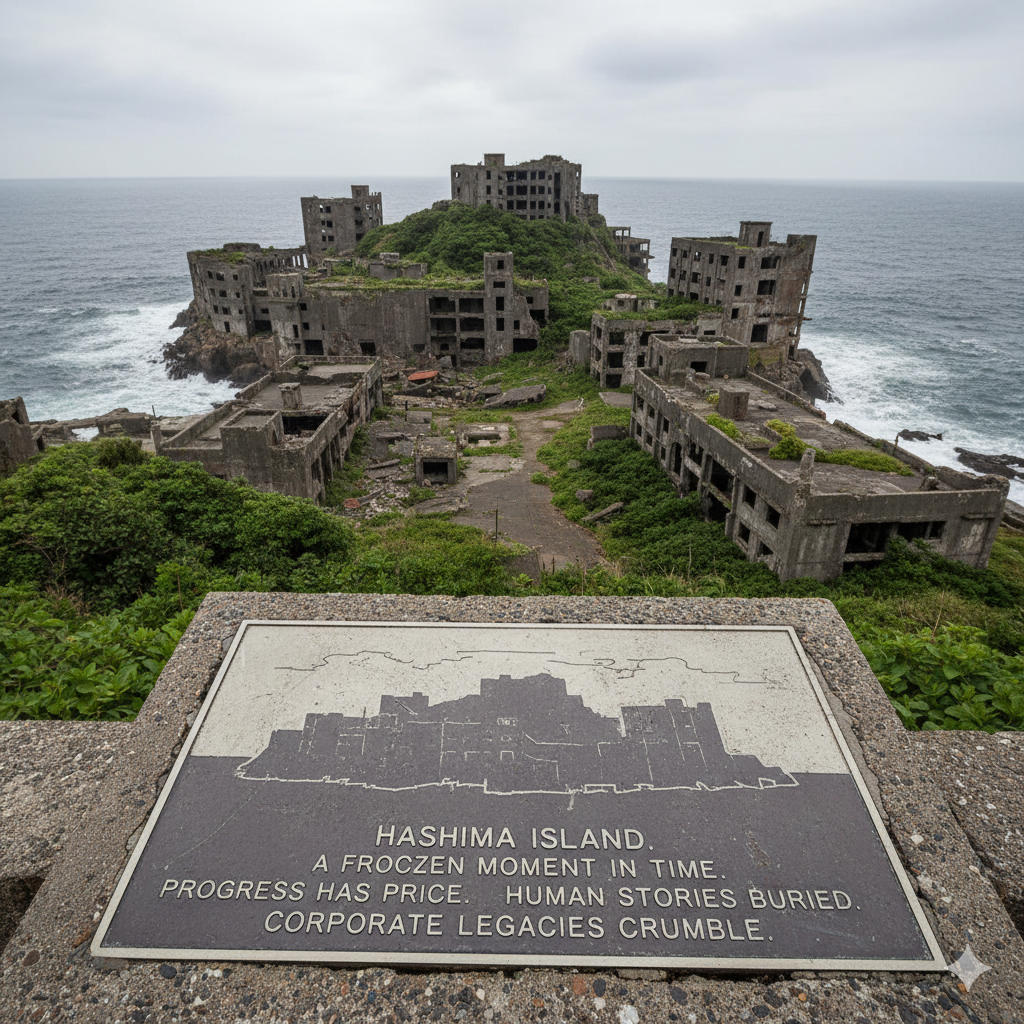
It’s a haunting testament to the fragility of human ambition. A place where the sea reclaims the silence.
If you ever find yourself in Nagasaki — take the boat, see the ghost, and listen to the wind. It tells the story for those who no longer can.