

Pripyat — A City Frozen in Time
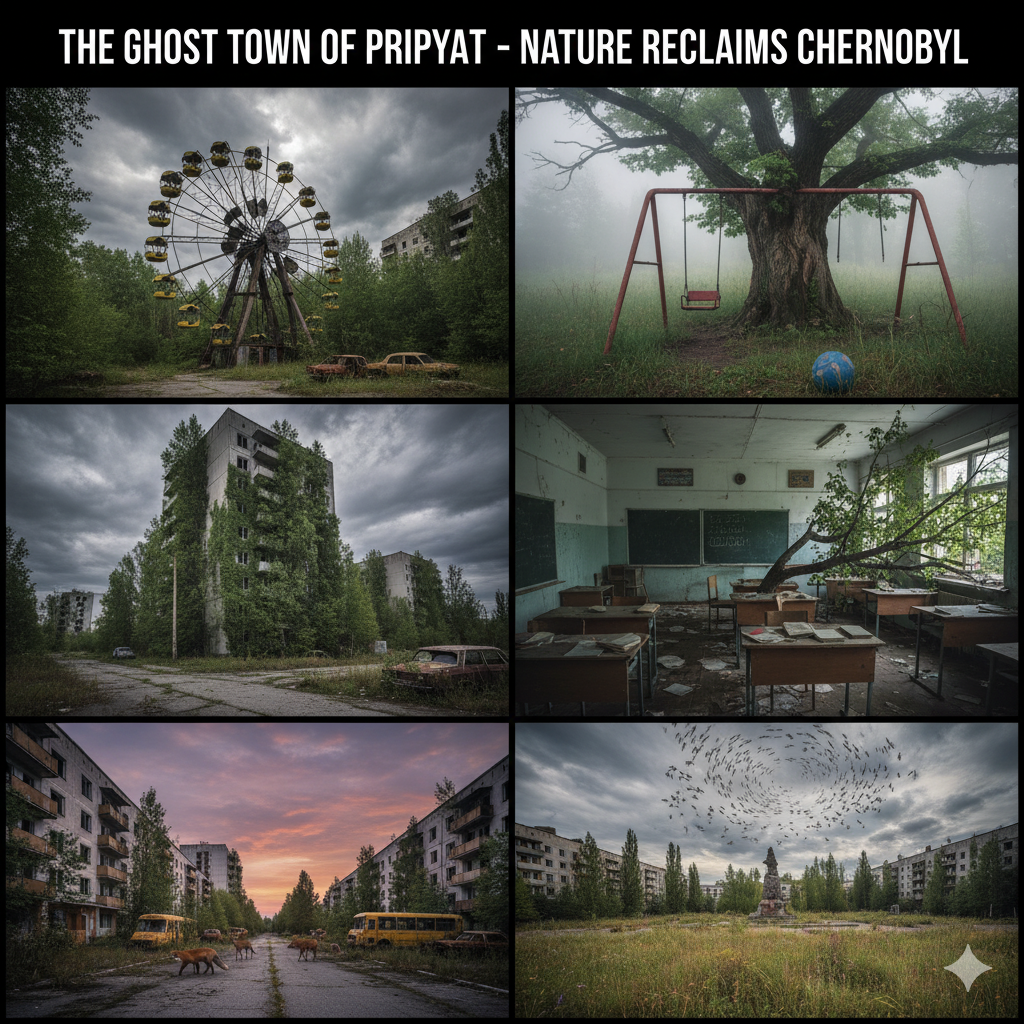
Step into a place where the echoes of life linger in empty streets and nature slowly reclaims human creations. Pripyat, once a thriving Soviet city near the Chernobyl Nuclear Power Plant, now stands as a haunting ghost town, frozen since the catastrophic events of April 1986.
Walking through Ghost Town of Pripyat is like traveling to a parallel world: abandoned schools, apartment buildings, and amusement parks remain intact, yet overgrown with greenery, vines, and wildlife. It’s a poignant reminder of how nature endures where humanity retreats, creating a post-apocalyptic landscape both eerie and breathtaking.
History of Pripyat: From Boomtown to Evacuation
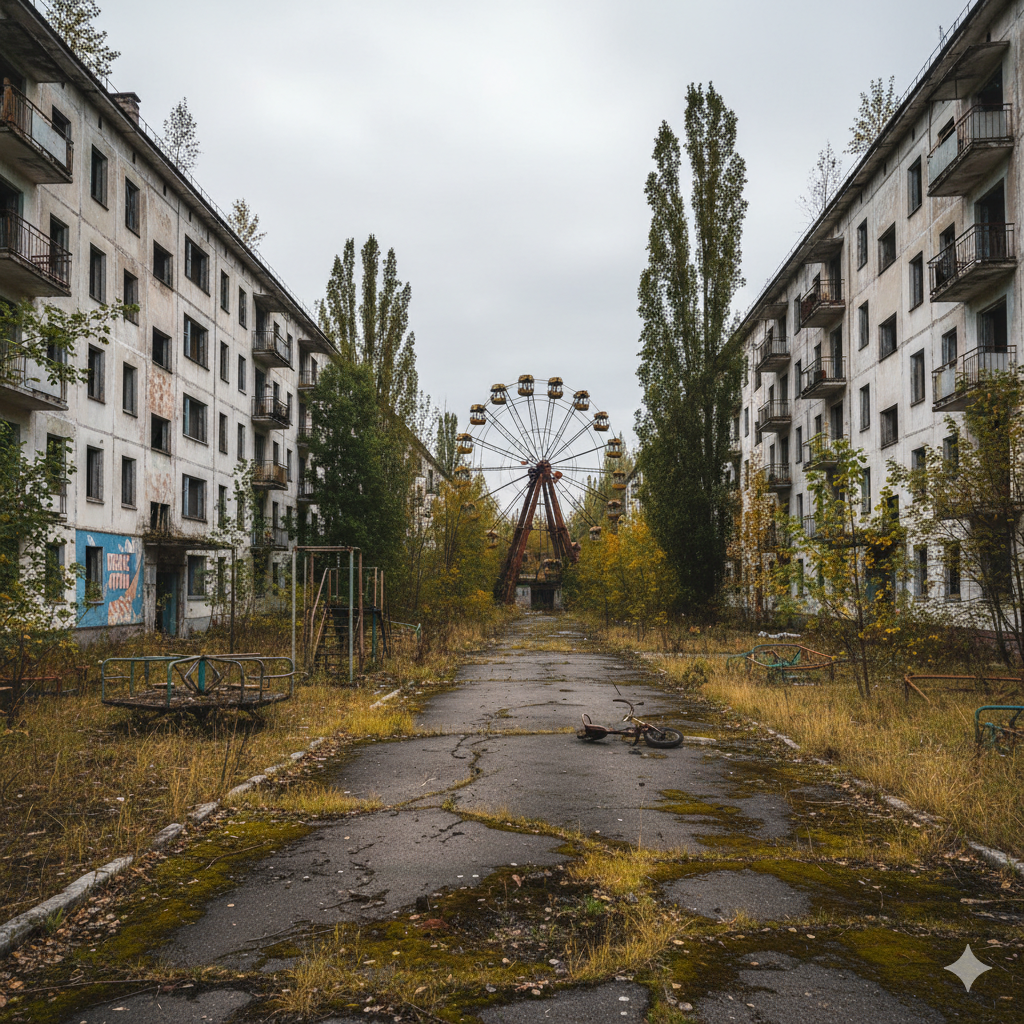
Founded in 1970 to house Chernobyl plant workers, Pripyat quickly became a model Soviet city with:
- Over 50,000 residents
- Schools, hospitals, cultural centers
- Parks, swimming pools, and sports facilities
The city symbolized modern Soviet progress, with its residents living comfortably in a fully planned urban community.
But on April 26, 1986, the explosion at Reactor No. 4 of Chernobyl sent radioactive fallout over the area, forcing an immediate evacuation. Residents left with only a few personal belongings, never to return. Overnight, Pripyat transformed from a vibrant city into a ghost town frozen in time.
Chernobyl Disaster Impact: How Radiation Changed Everything
The nuclear accident released massive amounts of radioactive material into the atmosphere. Key consequences for Pripyat included:
- Complete evacuation within 36 hours
- A no-go zone around the plant, spanning 30 kilometers
- Abandoned homes, businesses, schools, and infrastructure
Despite human absence, the area has remained an eerie monument to disaster, drawing historians, scientists, photographers, and curious travelers worldwide.
Check Also: World’s Tallest Waterfall: 7 Breathtaking Facts About Yosemite’s Towering Giant
Nature Takes Over: Life Amidst Ruins
Over the decades, flora and fauna have reclaimed Pripyat. Trees grow through buildings, vines crawl up apartments, and wildlife roams freely. Some highlights include:
- Wild animals: Deer, boars, foxes, and even wolves have returned
- Vegetation: Birch, pine, and grass transform concrete streets into green pathways
- Birds: Eagles, storks, and other species nest freely in rooftops and towers
The contrast between man-made decay and natural resurgence creates a hauntingly beautiful environment — one that feels simultaneously post-apocalyptic and alive.
What You Can See Today: Iconic Abandoned Structures
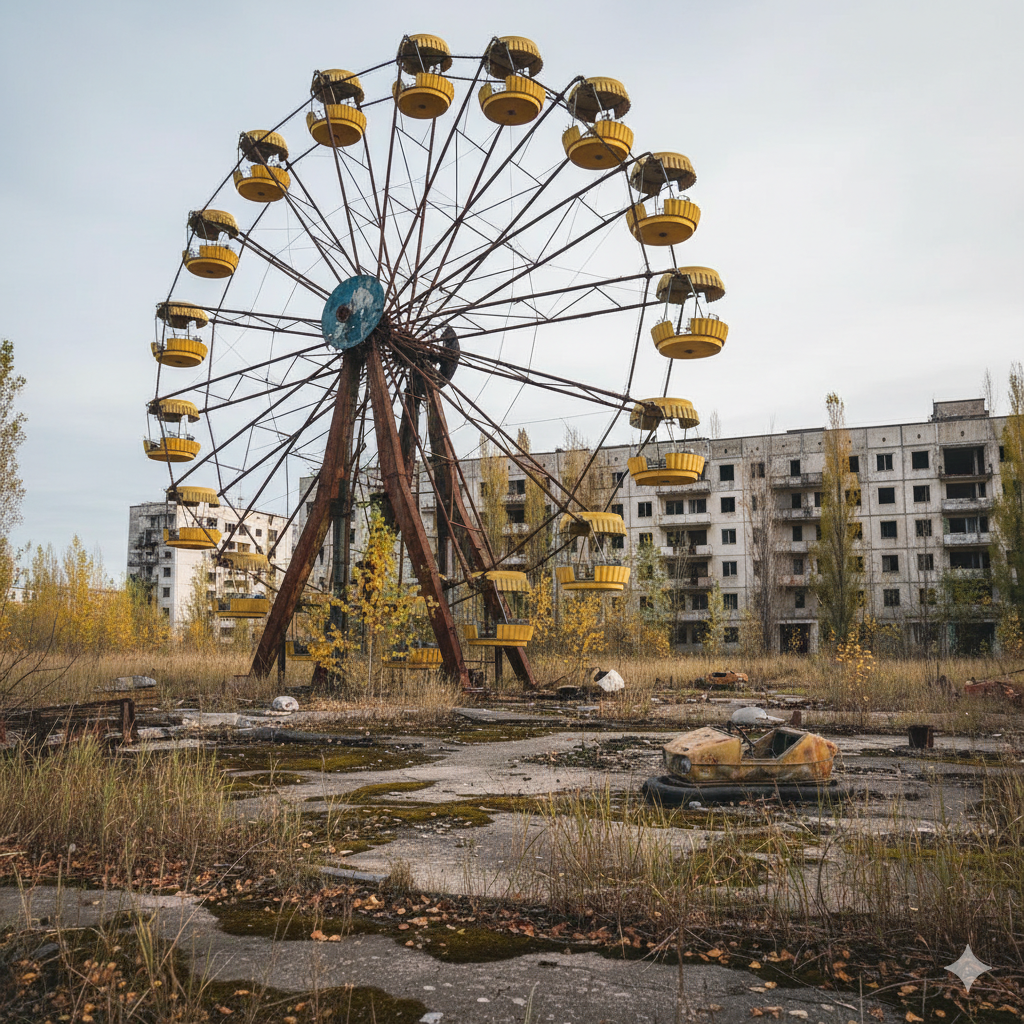
Visitors to Pripyat often photograph or explore these landmarks:
- Pripyat Ferris Wheel: A symbol of childhood innocence abandoned overnight
- Abandoned Schools: Desks and books left behind tell stories of the past
- Apartment Buildings: Empty windows, peeling paint, and overgrown balconies
- Cultural Centers: Gyms, theaters, and swimming pools stand frozen in time
- Ghost Streets: Rusted cars and broken playgrounds overrun by nature
Pro Tip: Early morning provides soft light for photography and fewer tour groups.
Photography & Exploration Tips
Pripyat is one of the most photogenic ghost towns in the world. Tips for capturing its beauty:
- Use wide-angle lenses for abandoned buildings and streets
- Drone photography (where permitted) captures scale and contrast of nature vs. ruins
- Wear protective clothing and gloves for safe exploration
- Respect the environment and follow tour guide instructions
Reminder: Radiation levels are low in accessible areas, but sticking to authorized paths is critical.
Safety Precautions & Tours
Visiting Pripyat safely requires awareness:
- Guided Tours Only: You must enter the Chernobyl Exclusion Zone with certified guides
- Radiation Monitors: Dosimeters track exposure
- Clothing: Long sleeves, pants, and closed shoes recommended
- Photography Restrictions: Certain areas may be off-limits for safety
These measures ensure visitors experience Pripyat safely while preserving the site.
Source:
Cultural Impact & Media
Pripyat has inspired countless stories in films, documentaries, and video games:
- Chernobyl (HBO miniseries) showcased the disaster’s human impact
- Stalker (1979) filmed in areas reminiscent of Pripyat’s abandoned landscapes
- Photography books and virtual tours document nature reclaiming urban decay
The city stands as a symbol of resilience, and a chilling reminder of both human error and nature’s enduring force.
FAQs – Exploring Pripyat
Q1: Can anyone visit Pripyat?
A1: Yes, but only through authorized guided tours due to the Chernobyl Exclusion Zone.
Q2: Is it safe to visit?
A2: Yes, radiation levels in tourist areas are low, but safety protocols must be followed.
Q3: What is the most iconic spot in Pripyat?
A3: The abandoned Ferris wheel is the city’s most photographed landmark.
Q4: Are there accommodations nearby?
A4: Visitors typically stay in Chernobyl tours’ nearest city, Slavutych, or overnight in Kyiv before day trips.
Q5: How has nature changed the city?
A5: Trees, grass, and wildlife have overtaken streets, buildings, and playgrounds, creating a green, post-apocalyptic landscape.
Traveler: A Ghost Town Where Nature Triumphs
The Ghost Town of Pripyat is more than a relic of disaster — it is a living testament to nature reclaiming human spaces. Its empty streets, abandoned Ferris wheel, and overgrown buildings create a surreal beauty, haunting yet mesmerizing.
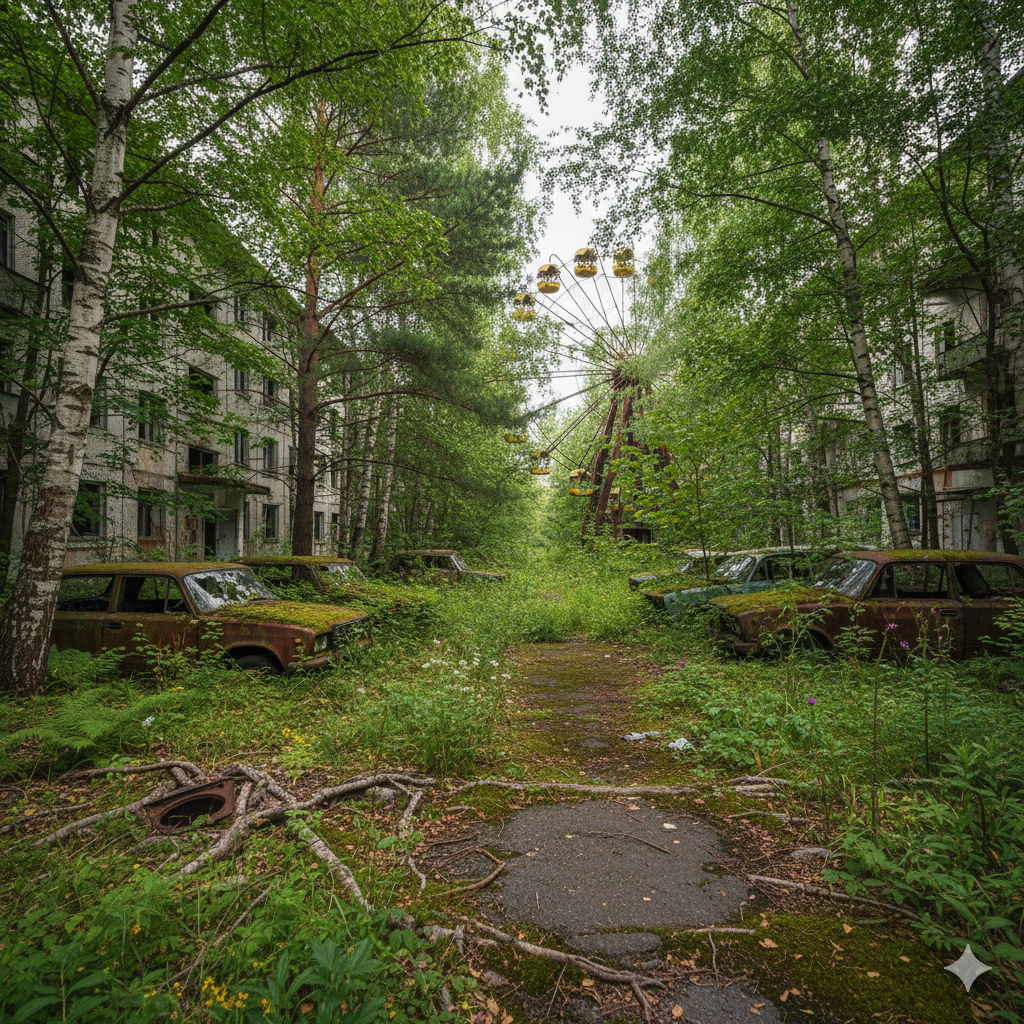
For photographers, historians, and travelers seeking post-apocalyptic adventure, Pripyat offers a rare glimpse into a city where time stopped and nature continues to thrive.
Visiting Pripyat is not just an exploration — it’s an emotional journey, a reminder of humanity’s fragility, and nature’s unstoppable power.