
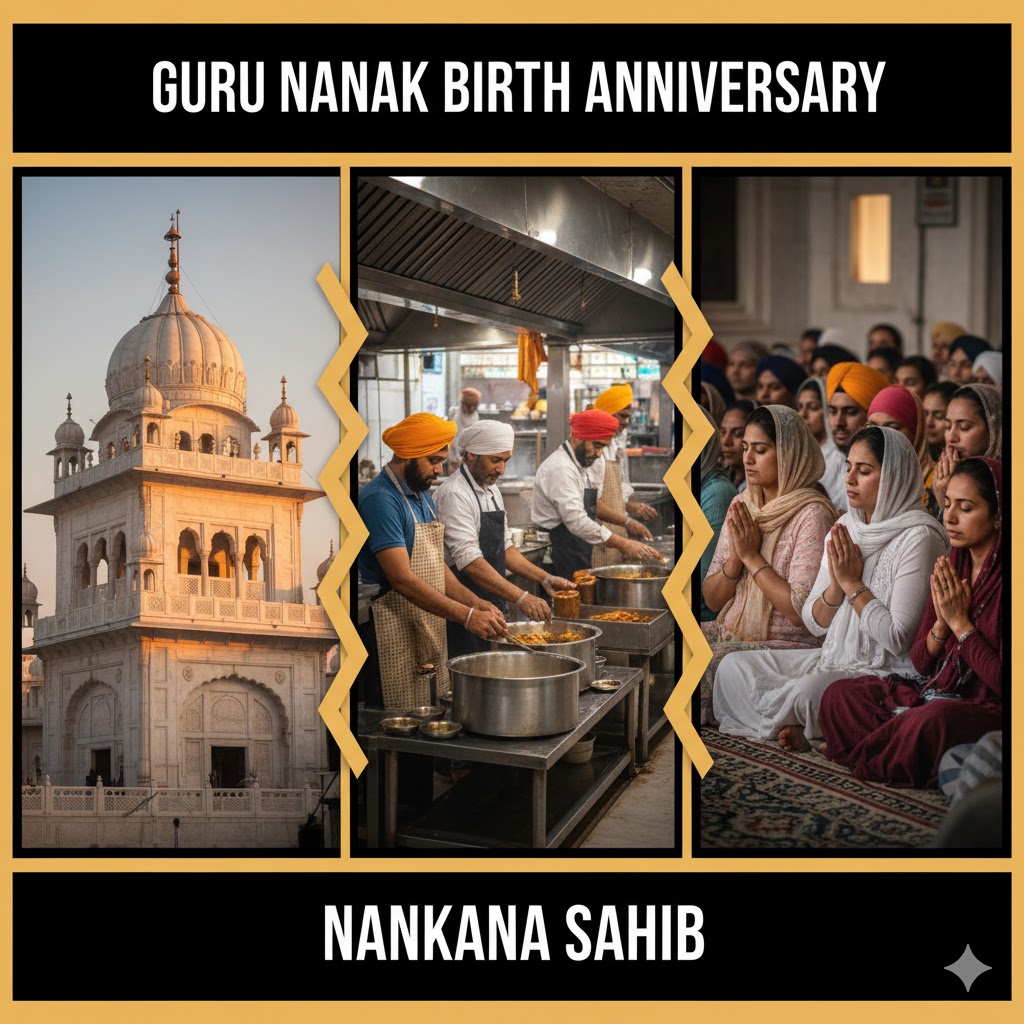

Introduction – Guru Nanak Birth Anniversary 2025
Cinematic Opening — Where Faith Meets Dawn
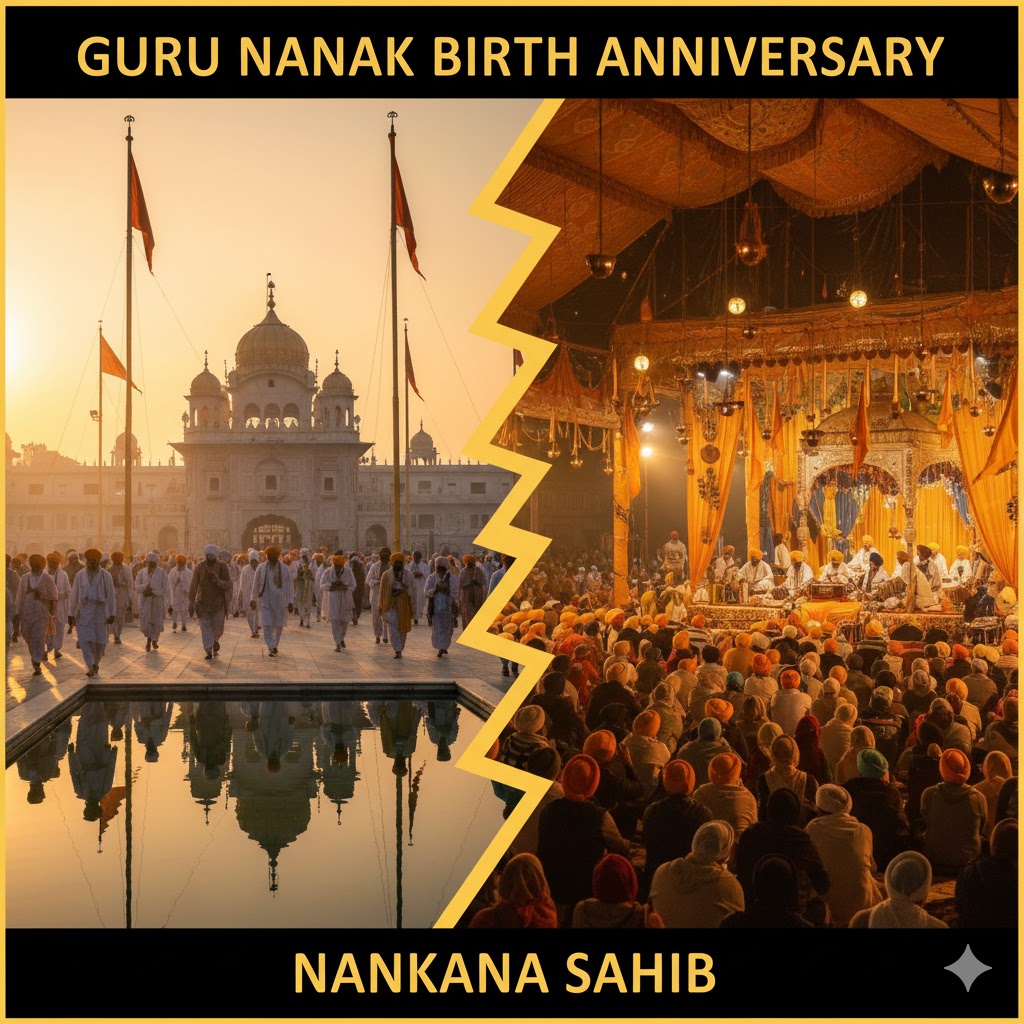
The first light of dawn touches the white domes of Gurdwara Janam Asthan, making Nankana Sahib glow like a living prayer. Pilgrims wrapped in saffron shawls walk slowly across the marble courtyard, whispering Waheguru with every breath. The scent of karah prasad drifts through the cool morning air, while devotional hymns echo from every corner of this historic town. It is the birthplace of Guru Nanak Dev Ji — the spiritual heart of Sikhism — and today it transforms into a river of pure devotion.
Every year, the Guru Nanak Birth Anniversary in Nankana Sahib draws thousands from India, the UK, USA, Canada, Malaysia, Afghanistan, and across Pakistan. They arrive with tears of gratitude, heads bowed, hands folded. Children carry small flags, elders hum ancient shabads, and entire families make the journey as a spiritual homecoming.
This sacred celebration — also known as Guru Nanak Jayanti Nankana Sahib — is more than a festival. It’s a living chapter of spiritual history, retold through rituals, unity, and the timeless messages of equality and compassion.
Origins & Sacred Significance — The Heart of Sikh Devotion
Guru Nanak Dev Ji, the founder of Sikhism, was born here over 550 years ago. His teachings challenged injustice, caste divisions, and inequality. He preached that divine truth lives in humility, service, and universal brotherhood. Celebrating his birth at the very ground where he opened his eyes is an experience that connects Sikhs to their spiritual source.
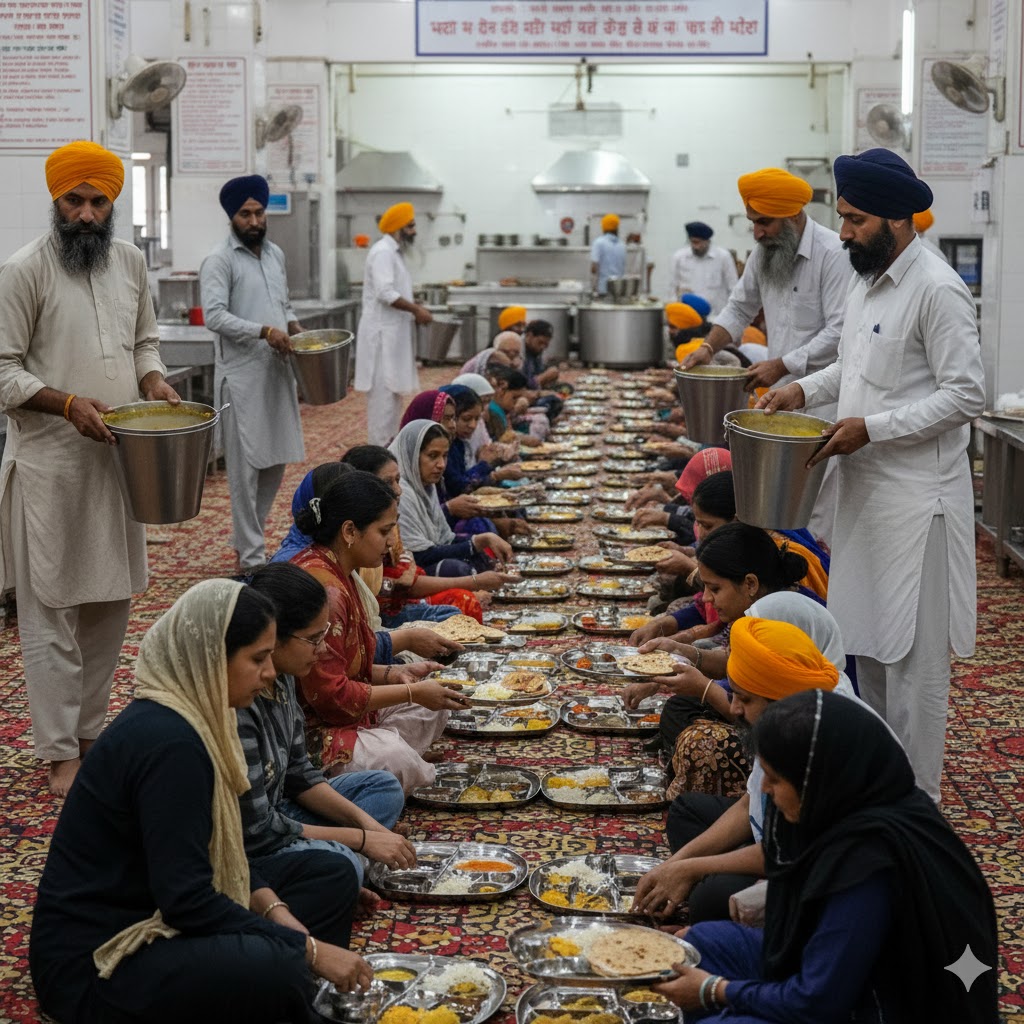
During the festival, a continuous Akhand Path begins days earlier, filling the gurdwara with uninterrupted recitation of the Guru Granth Sahib. Volunteers prepare langar around the clock, serving simple, heartfelt meals to everyone — regardless of religion or nationality — embodying Guru Nanak’s message that humanity is one.
What Makes Nankana Sahib Special for 2025 Pilgrims
The 2025 celebrations are expected to be among the largest in recent years due to improved visa facilitation, restored gurdwara infrastructure, and enhanced pilgrim services. Pakistan’s Sikh Gurdwara Parbandhak Committee (PSGPC) and Evacuee Trust Property Board (ETPB) have planned upgraded security, medical camps, accommodation areas, and cultural shows.
Pilgrims can participate in:
- Grand Nagar Kirtan processions
- Illuminated night-time Kirtan Darbars
- Historical walks to nearby Gurdwaras
- Exhibitions on Sikh heritage
- Spiritual lectures on the life of Guru Nanak
Each moment becomes a memory, each prayer a connection.
Highlights of Guru Nanak Birth Anniversary 2025 (Detailed & Expanded)
1. Akhand Path – 48-Hour Sacred Recitation
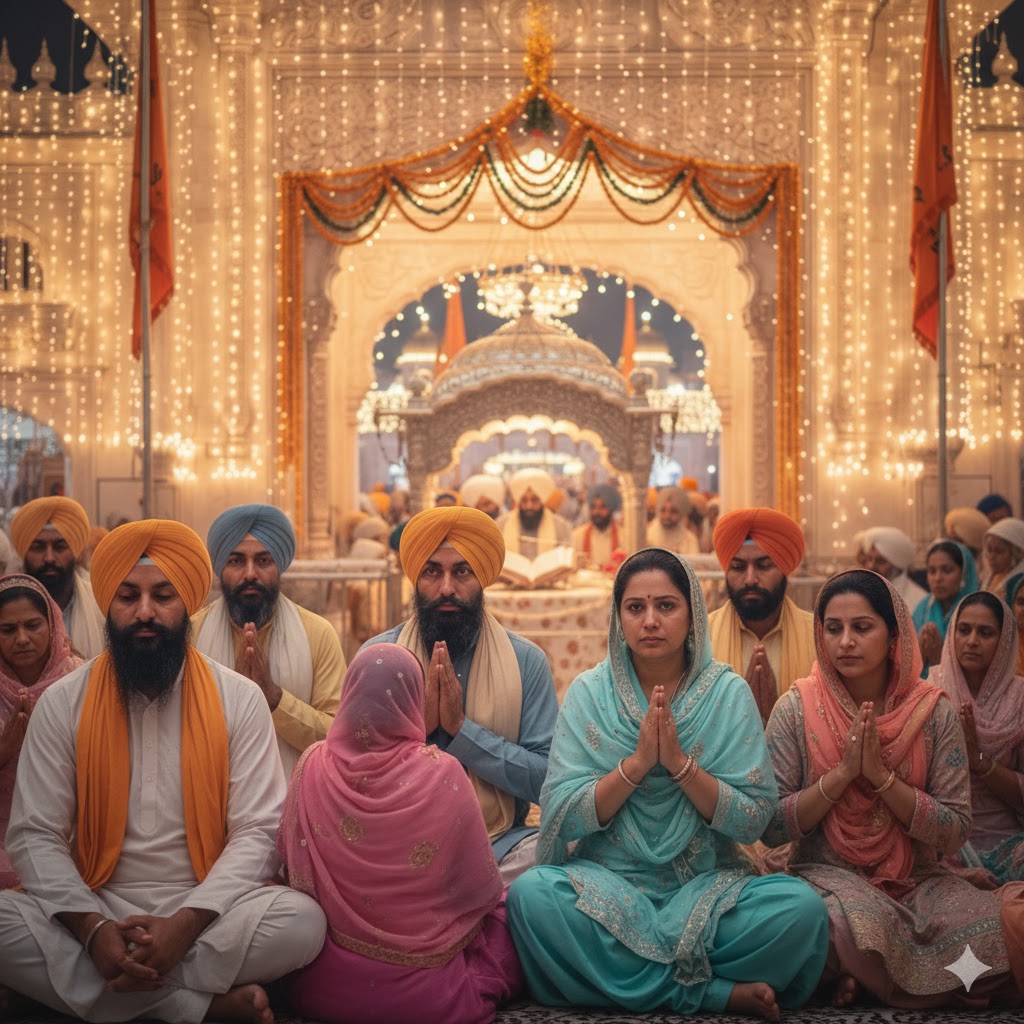
The temple resonates with the collective voice of devotees as the Guru Granth Sahib is read nonstop. The atmosphere becomes powerful, meditative, and emotionally immersive.
2. Illuminated Nagar Kirtan Processions
The streets of Nankana Sahib light up with decorated palkis, Gatka martial arts displays, rhythmic dhol beats, and joyous chants of Satnam Waheguru.
3. Night Kirtan Darbars
Under soft lights, Ragis from across the world perform shabads that dive into the heart and settle into silence.
4. Langar Seva – Feeding Thousands Daily
Volunteers chop vegetables, roll rotis, and serve meals with humility — showing the world how seva becomes prayer.
5. Pilgrim Unity Across Borders
Many attendees meet after decades, crossing political borders to reconnect through faith.
Main Highlights, Rituals & Festival Atmosphere
1. Akhand Path – The Beginning of the Sacred Celebrations
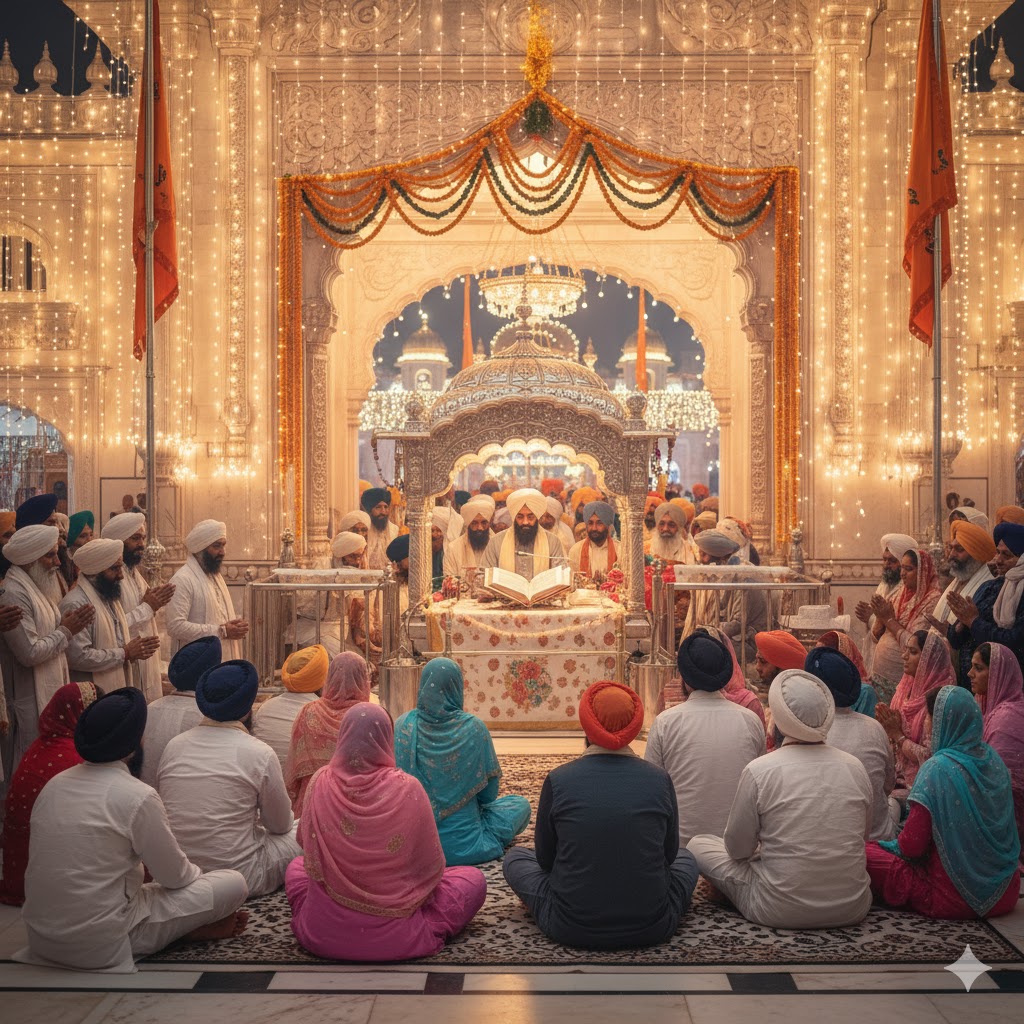
The festival begins days earlier with the commencement of the 48-hour Akhand Path, a continuous recitation of the Guru Granth Sahib. The sound of scripture fills every corner of the Gurdwara, creating a calm, meditative vibration that comforts arriving pilgrims.
Granthis sit in shifts, reading the holy verses with devotion while volunteers ensure the sanctum remains peaceful and clean. Pilgrims enter silently, bowing down, soaking themselves in the purity of the moment.
This ritual marks the spiritual opening of the Guru Nanak Birth Anniversary and sets the emotional tone for the days ahead—quiet, soulful, and deeply grounding.
2. Nagar Kirtan – A River of Joy Across Nankana Sahib
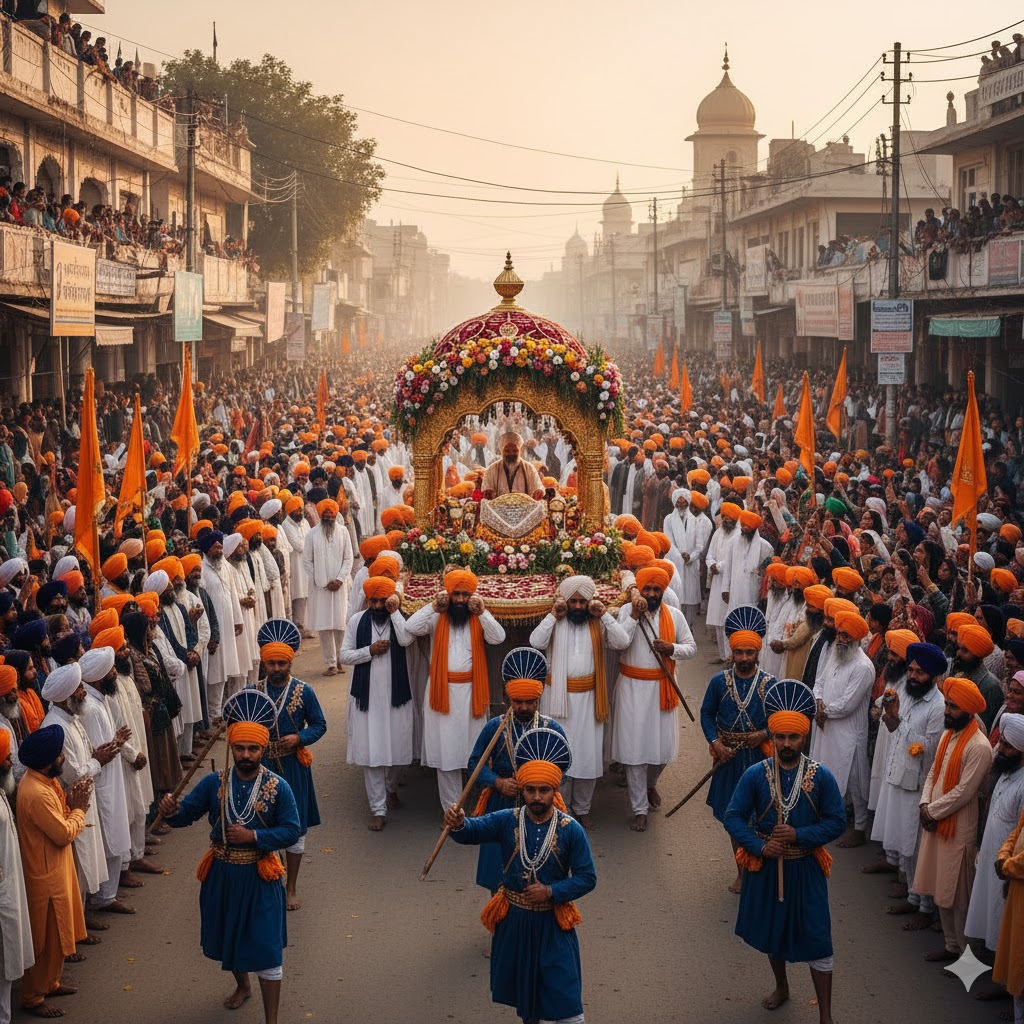
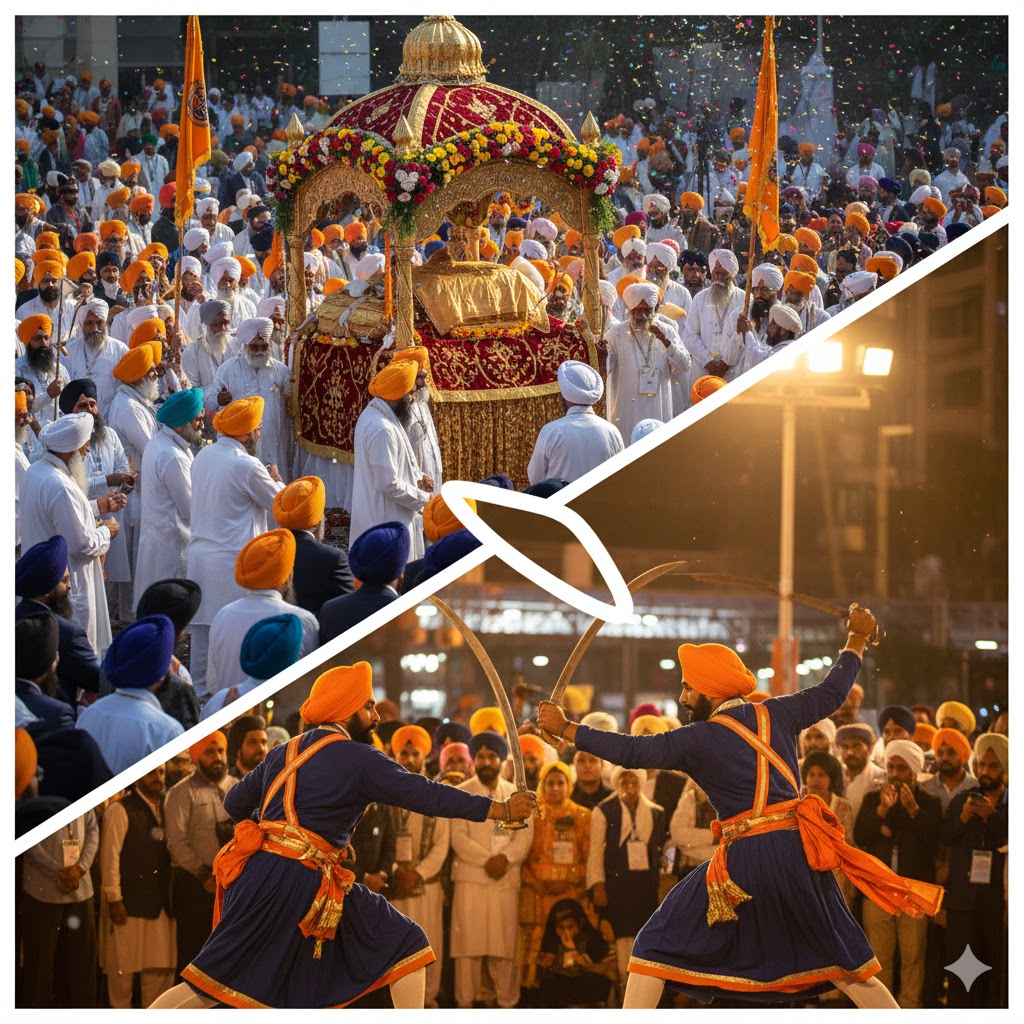
The Nagar Kirtan is one of the most striking parts of the celebrations. Streets transform into glowing paths of devotion as beautifully decorated palki sahibs are carried through the city. Gatka performers demonstrate martial arts skills, adding energy and color to the procession.
Children wave small khalsa flags, elderly pilgrims walk with folded hands, and the rhythmic beats of dhol echo through the town. International Sikh jathas participate, making the scene diverse, vibrant, and emotionally moving.
The Nagar Kirtan becomes a living expression of Guru Nanak’s message—unity, compassion, and collective celebration of truth.
3. Night Kirtan Darbars – A Spiritual Symphony Under the Lights
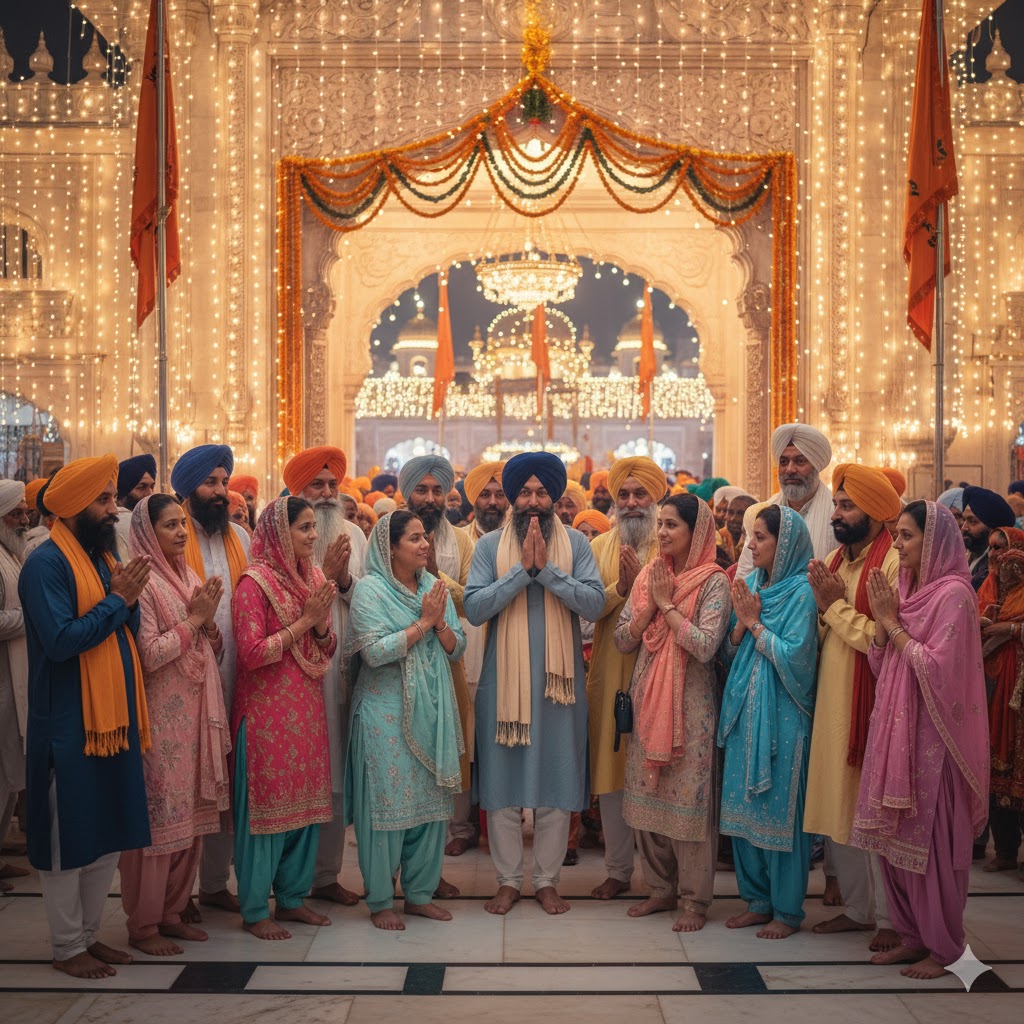
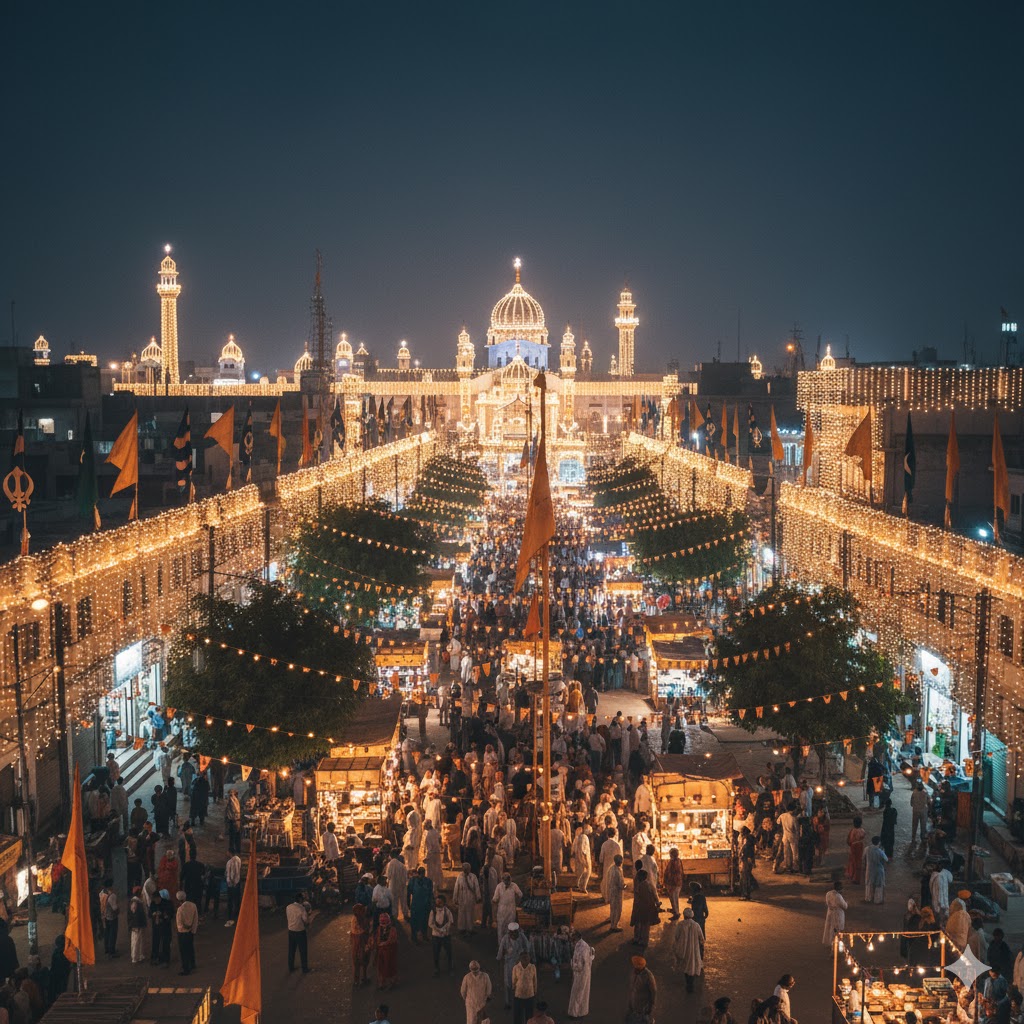
As evening falls, the Gurdwara complex transforms into a celestial courtyard. Soft lights illuminate the domes, and Ragis from around the world present soulful shabads that echo into the night.
Pilgrims sit in peaceful rows, some closing their eyes, others softly humming along. The blend of instruments, voices, and calm breeze creates an atmosphere that feels timeless—a moment where spirituality and serenity merge.
These nightly kirtan darbars are emotional highlights of the festival, allowing devotees to absorb the deeper messages of Guru Nanak Dev Ji’s teachings.
4. Langar Seva – Feeding Thousands Every Day
Langar is the heartbeat of Sikh service, and during this festival, its scale expands dramatically. Volunteers chop vegetables, roll thousands of rotis, stir large steel cauldrons, and serve meals around the clock.
People from every nationality, religion, and background sit together on the floor, sharing the same meal—symbolizing Guru Nanak’s core principle that all humans are equal.
For many pilgrims, the langar experience becomes a powerful reminder of humility, unity, and community service.
5. International Pilgrim Unity – Faith Beyond Borders
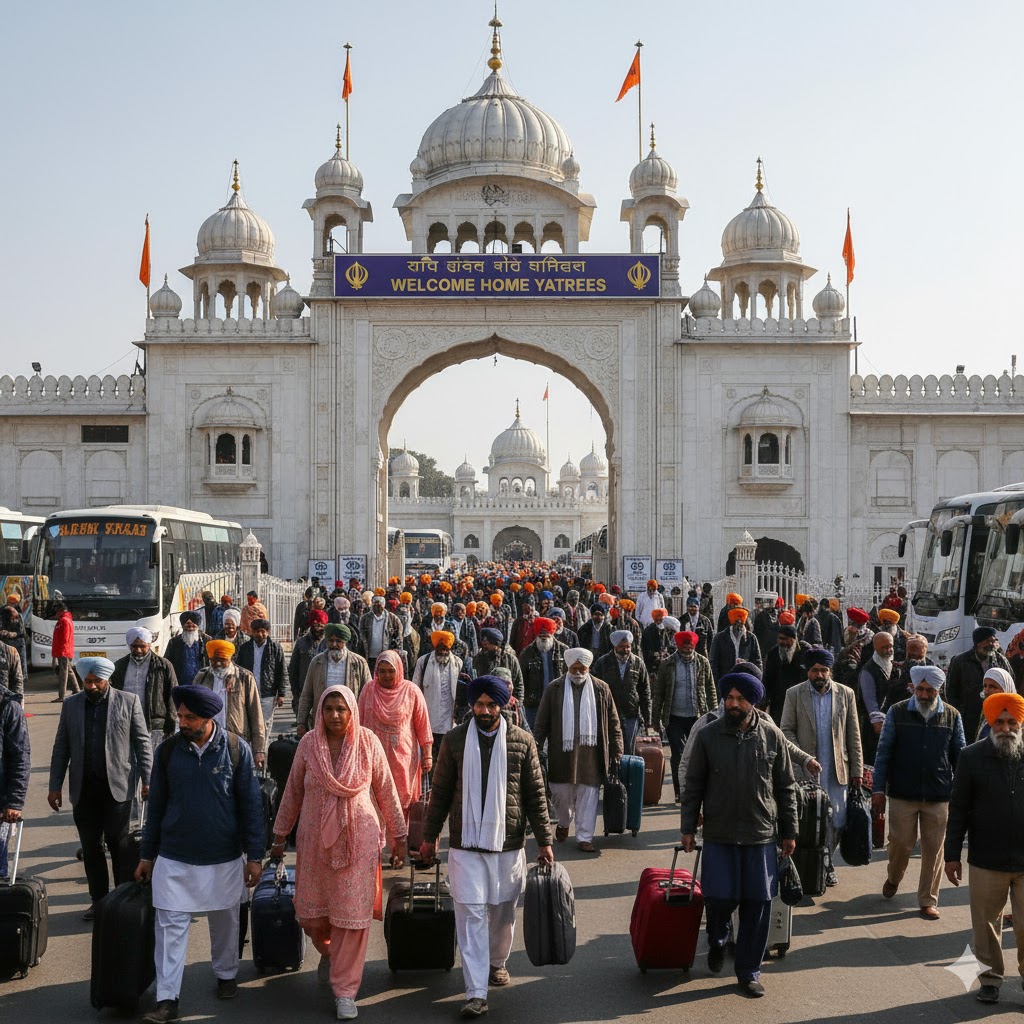
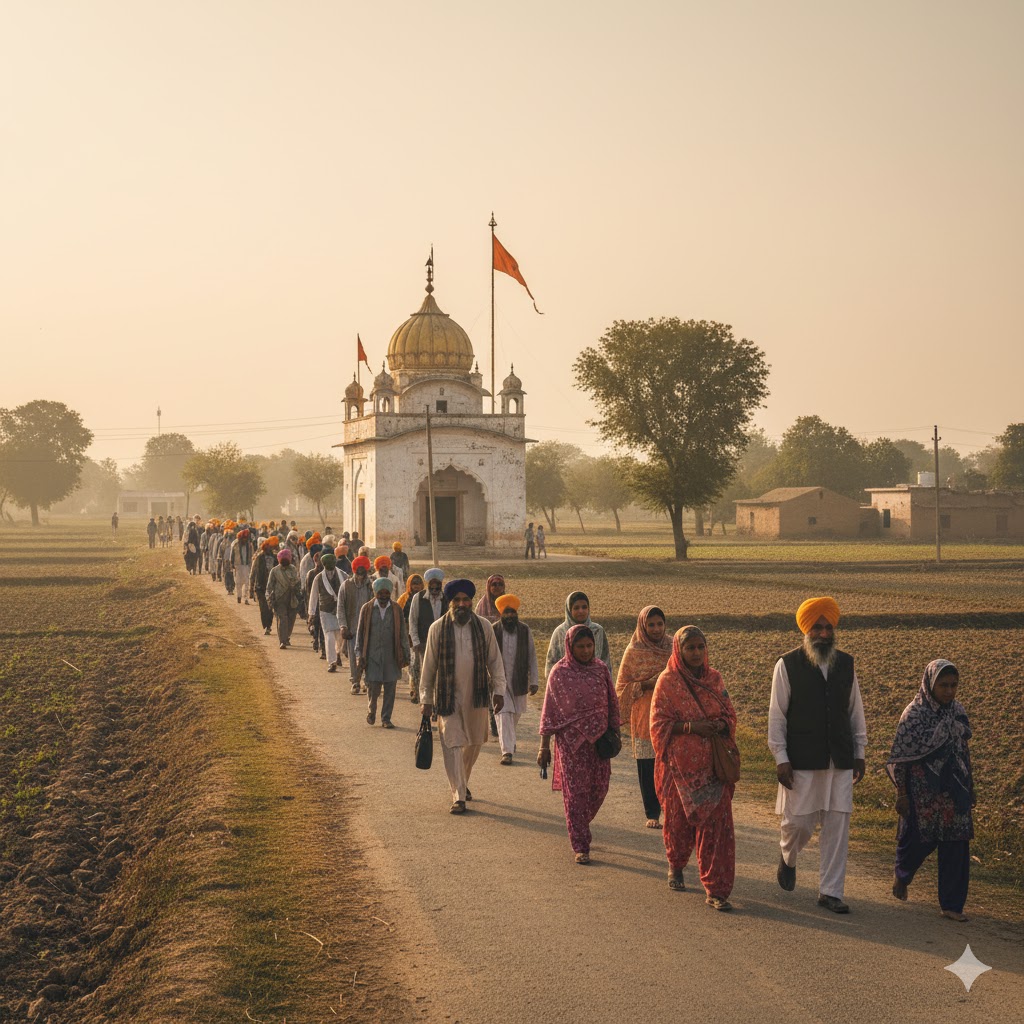
One of the most touching aspects of the celebrations is the reunion of families split across countries. Many Sikh yatrees meet relatives, friends, or fellow travelers they haven’t seen in decades.
Pilgrims from India, the UK, Canada, Afghanistan, and Southeast Asia walk shoulder to shoulder, proving that devotion can bridge political boundaries and cultural differences.
Nankana Sahib becomes a global gathering of Sikh identity—where hearts reconnect, stories are shared, and humanity comes together for a shared purpose.
How to Reach Nankana Sahib (All Routes Fully Explained)
From Within Pakistan
Traveling domestically to Nankana Sahib is simple and smooth in 2025.
- From Lahore: 1 hour 15 minutes via M-2 Motorway
- From Islamabad: 4 hours 30 minutes via Motorway
- From Karachi: Flights to Lahore or Faisalabad, then direct road travel
- From Faisalabad: 1 hour 45 minutes by road
New shuttle services and pilgrim buses also operate during the festival week, managed by ETPB for easier access.
From India
Most Indian Sikh yatrees arrive through the Wagah Border under the official pilgrimage visa program.
- Special buses transport devotees directly from Wagah to Nankana Sahib
- Group travel is handled by the SGPC + PSGPC jointly
- Immigration and verification counters are streamlined in 2025 for smoother entry
From International Countries
Pilgrims from the UK, Canada, USA, Australia, Malaysia, Afghanistan, Nepal, and Gulf countries arrive via Lahore International Airport.
- Airport assistance counters for Sikh yatrees operate during festival week
- Direct routes to Nankana Sahib are available through dedicated coaches
Reaching Nankana Sahib becomes part of the emotional journey—one that begins the moment pilgrims step onto the soil connected to Guru Nanak’s life.
Best Time to Visit Nankana Sahib in 2025
Though Nankana Sahib can be visited year-round, the most spiritually powerful time remains the birth anniversary week of Guru Nanak Dev Ji.
Weather Overview
- November: Pleasant, cool, and ideal for outdoor processions
- Daytime: 18–26°C
- Night: 10–15°C
The city prepares weeks in advance—streets cleaned, buildings decorated, shops filled with saffron flags, and the entire atmosphere immersed in anticipation.
Festival Week Highlights
- Akhand Path begins 2–3 days before
- Nagar Kirtan usually takes place a day before the main celebrations
- Night kirtan darbars are held throughout the week
This period offers not just the best weather, but the most immersive spiritual and cultural experience.
Tickets, Entry, and Visa Information (Updated for 2025)
Entry for Pakistani Visitors
No tickets are required. Entry to Gurdwara Janam Asthan and festival activities is free.
For Indian Sikh Yatrees
- Special pilgrimage visas are issued
- Lists are coordinated through SGPC
- Yatrees travel in groups via Wagah border
- ETPB manages internal transport and security
For International Visitors
Travelers from Western countries, Gulf nations, and Southeast Asia require:
- Pakistan tourist visa
- OR special religious pilgrimage visa (during festival week)
Security & Facilitation
ETPB and district police provide:
- Secure entry gates
- Medical camps
- Immigration counters
- Shuttle services
- Verification desks
The process has been further streamlined in 2025, making pilgrimage travel easier and faster than in previous years.
Accommodation Options for 2025 Pilgrims
Inside the Gurdwara Complex
The Gurdwara offers dormitory-style rooms, large halls, and shared washrooms, all managed by PSGPC. These are free but fill quickly.
ETPB Guest Houses
Newly renovated guest houses provide simple, clean rooms with bedding, hot water, and basic amenities.
- Prior registration is required
- Priority is given to international yatrees
Hotels Near Nankana Sahib
2025 has seen a boost in local hospitality with new hotels and lodges:
- Budget rooms
- Family suites
- Pilgrim-friendly rates
- Easily accessible transport
Facilities for Large Groups
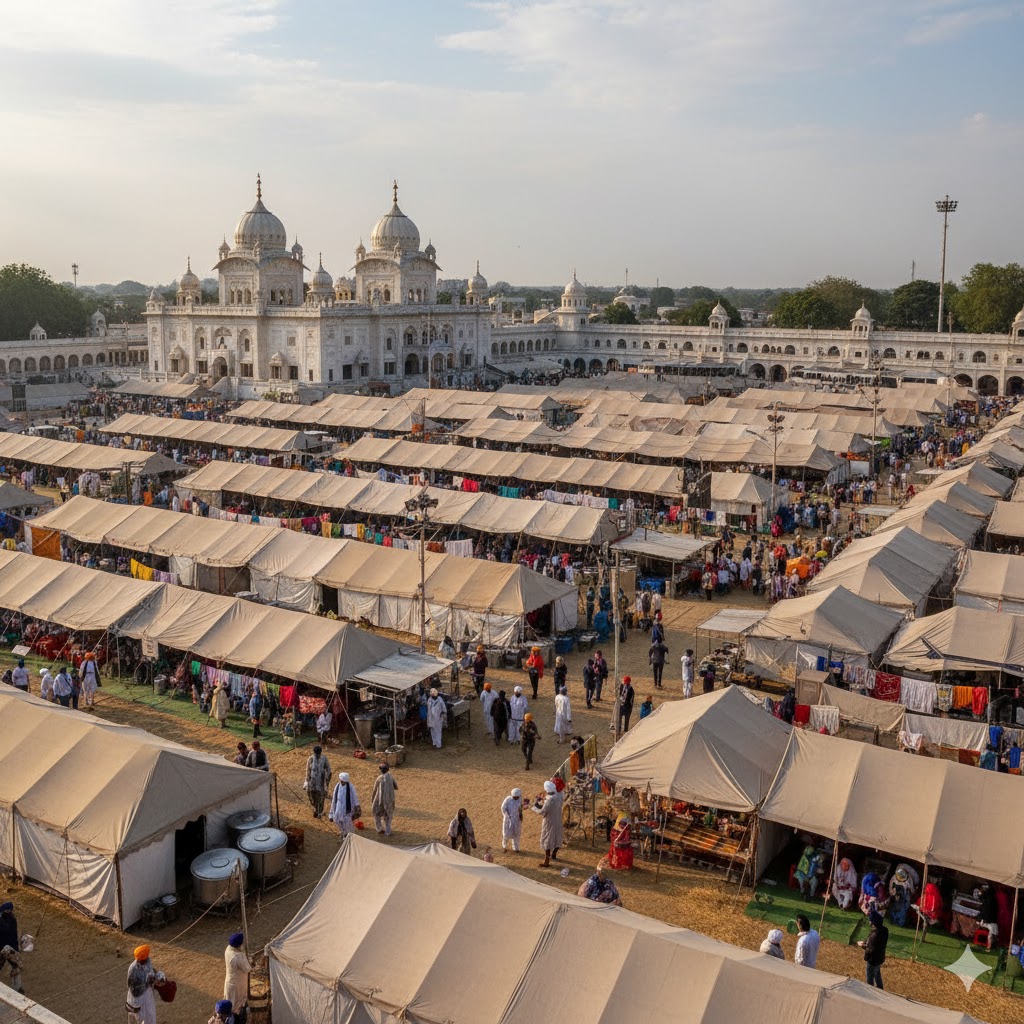
Langar halls, open compounds, and temporary tents can accommodate thousands of yatrees, especially for Indian jathas arriving in big groups.
Accommodation is designed to ensure that every pilgrim—whether traveling locally or from abroad—has a safe, comfortable, and welcoming place to stay.
Hidden Gems, Local Food, Cultural Experiences
Hidden Gems Around Nankana Sahib (Deep Cultural Spots Most Pilgrims Miss)
1. Gurdwara Patti Sahib
This sacred site marks the place where young Nanak was taught basic letters—but instead, he questioned the deeper meaning of existence. His divine wisdom began here. The peaceful courtyard is perfect for reflection.
2. Gurdwara Kiara Sahib
Located among quiet fields, this gurdwara commemorates the miracle of the growing crops that symbolized blessings for the people of the region. Few yatrees visit it, making the atmosphere calm and personal.
3. Gurdwara Bal Lila Sahib
A beautiful spot where young Guru Nanak once played with children. The well-preserved structure provides insight into early stories of compassion and innocence.
4. Old Bazaars of Nankana Sahib
Walk through narrow alleys filled with small shops selling saffron flags, turbans, wooden khanda symbols, prayer items, and warm halwa-puri breakfasts—a nostalgic blend of tradition and hospitality.
Exploring these hidden spots adds depth to the journey, allowing pilgrims to experience Guru Nanak’s childhood environment beyond the main shrine.
Local Food Experiences for Pilgrims (Soulful & Traditional)
1. Langar Meals
Simple, pure, and filled with emotion. Dal, sabzi, roti, and karah prasad taste richer during the festival because they are served with collective spirit and seva.
2. Halwa-Puri Breakfast Stalls
Early morning food stalls near the bazaar serve freshly fried puris, chana, and sweet halwa—a local favorite among visitors exploring the town.
3. Makki di Roti & Sarson da Saag
Winter pilgrims enjoy this Punjabi classic, served with butter and jaggery, especially in dhabas run by local Sikh and Punjabi Muslim families.
4. Lassi & Fresh Milk Drinks
Thick, creamy lassi served in tall steel glasses provides the perfect refreshment after long walks between gurdwaras.
These food experiences create a warm connection between visiting yatrees and the welcoming community of Nankana Sahib.
Cultural Experiences & Traditions That Define the Festival
1. Shabad Kirtan Everywhere
From early morning to late at night, the entire town resonates with spiritual hymns sung by international raagi jathas. Music becomes the heartbeat of the festival.
2. Gatka Performances
Youth groups perform Sikh martial arts—spinning swords, staffs, and shields with precision. The energy is high, the discipline inspiring.
3. Storytelling Sessions on Guru Nanak’s Early Life
Elders and scholars gather with pilgrims to narrate historical episodes—how young Nanak questioned social norms, helped the poor, and spread the message of equality.
4. Community Service & Volunteer Spirit
Pilgrims join local volunteers in cleaning the complex, preparing langar, distributing water, and guiding visitors. Seva becomes a universal language.
These cultural rituals bring the festival to life, allowing every pilgrim to not only witness but participate in the living legacy of Guru Nanak Dev Ji.
A Cinematic Spiritual Chapter — The Emotional Finale
As the final day approaches, the air becomes heavier with devotion. The closing kirtan, the final ardas, and the last distribution of karah prasad create a deeply emotional atmosphere. Many pilgrims stand silently, eyes closed, absorbing the spiritual energy of the birthplace of their first Guru.
Families embrace, elders shed tears of gratitude, and international yatrees capture their last photographs of the glowing white domes. The experience becomes more than a pilgrimage—it becomes a memory engraved into the heart.
Leaving Nankana Sahib after Guru Nanak’s birth anniversary feels like leaving a part of one’s soul behind, but it also ignites the inner light that the Guru wanted every person to carry forward.
Traveler Guide — A Journey That Lives Beyond the Visit
The Guru Nanak Birth Anniversary in Nankana Sahib is more than a festival—it is a spiritual homecoming for millions. Every hymn, every step toward the Gurdwara, every bowl of langar, every moment of silence becomes part of a personal transformation. Pilgrims leave with renewed faith, a clearer sense of purpose, and a deeper connection to the message of equality that Guru Nanak Dev Ji dedicated his life to.
Best Time Summary (Quick Guide)
- Ideal Month: November (Guru Nanak birth anniversary week)
- Weather: Cool, pleasant, perfect for walking and outdoor ceremonies
- Festival Peak:
- Akhand Path: 2–3 days before
- Nagar Kirtan: 1 day before
- Main celebrations: Guru Nanak’s birth anniversary day
- Travel Tip: Arrive 1–2 days earlier to explore all gurdwaras peacefully
November offers the perfect blend of weather, cultural activity, and spiritual depth.
Top FAQs
1. When is Guru Nanak’s birth anniversary celebrated in Nankana Sahib?
It is celebrated in late November each year, based on the Kartik Purnima calendar. The entire week features kirtans, langar, Nagar Kirtan processions, and cultural programs, attracting tens of thousands of yatrees.
2. Do Indian pilgrims need a special visa to attend the festival?
Yes. Indian Sikh yatrees travel on a special pilgrimage visa coordinated through SGPC and PSGPC. They cross via Wagah Border and are transported directly to Nankana Sahib.
3. Can international visitors attend freely?
Absolutely. Pilgrims from the UK, Canada, USA, Gulf countries, and Southeast Asia can attend with either a religious pilgrimage visa or a standard tourist visa. Assistance counters are available at Lahore Airport.
4. Is accommodation free inside the Gurdwara?
Yes, basic halls and dormitories inside the Gurdwara complex are free but fill quickly. Many yatrees choose ETPB guesthouses or nearby hotels for more comfort.
5. What should pilgrims carry with them?
Carry comfortable clothing, a shawl, a small head covering, essential medicines, travel documents, and respect for local traditions. Photography is allowed in most areas but avoid disturbing prayers.
6. Is it safe to travel to Nankana Sahib in 2025?
Yes. The 2025 celebrations come with enhanced security, medical teams, shuttle services, and international facilitation for safe and smooth travel.
7. How many days are enough for the pilgrimage?
Most pilgrims stay 3 to 5 days—enough time to attend main ceremonies, explore multiple gurdwaras, and participate in cultural programs.
Read More:
- Read our guide on Top Scenic Routes in Gilgit-Baltistan
- Explore 7 Mesmerizing Wonders of Salar de Uyuni – The Mirror of the Sky
Sources:
- Official PSGPC Information: https://psgpc.gov.pk
- Evacuee Trust Property Board (Event Updates): https://www.etpb.gov.pk