
Germany Beyond the Tourist Crowds
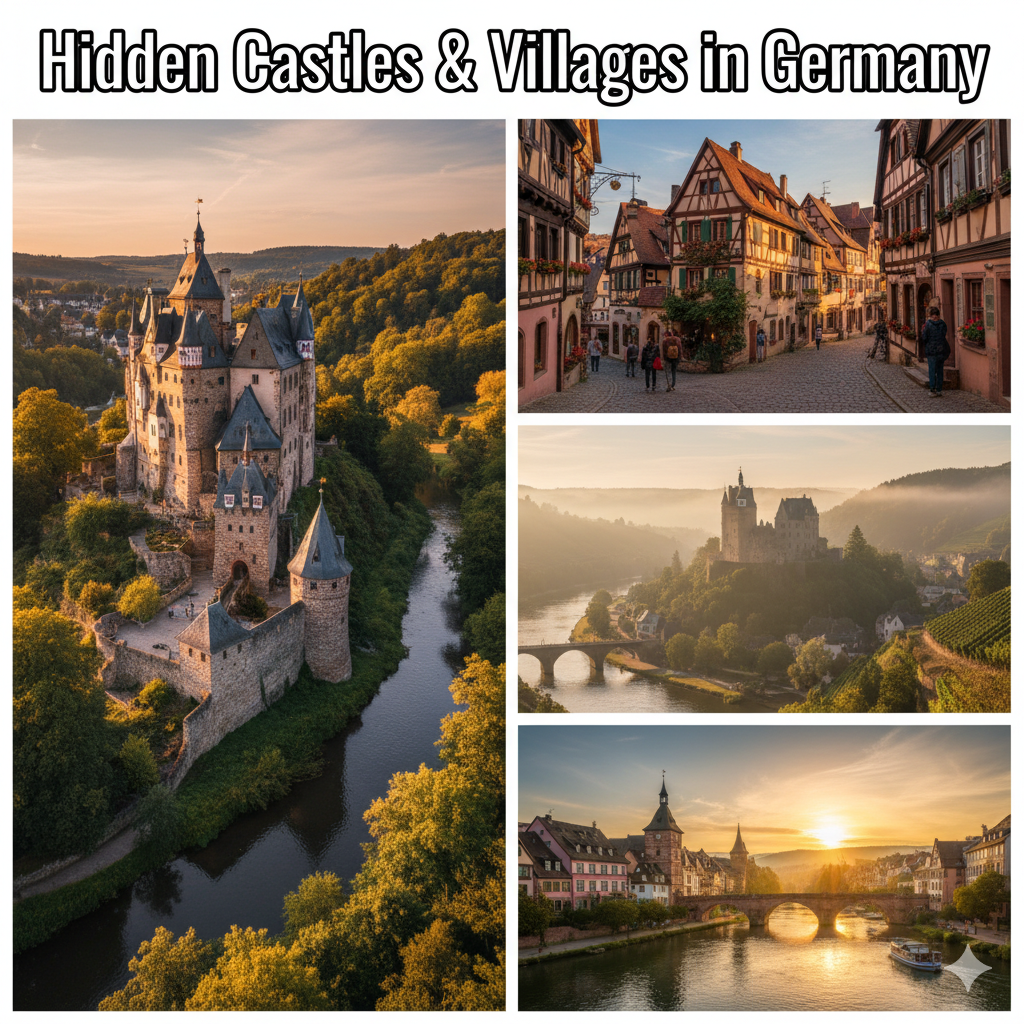
Germany is renowned for its bustling cities like Berlin and Munich, Oktoberfest, and historic landmarks—but beyond the main attractions lie hidden castles perched on cliffs and quaint villages frozen in time.
These offbeat destinations are perfect for travelers seeking:
- Fairytale charm without the crowds
- Scenic photography opportunities
- Cultural and historical immersion
- Peaceful escapes in nature
From medieval fortresses to idyllic riverside towns, this guide uncovers the best-hidden castles and villages in Germany that even seasoned travelers often miss.
Hidden Castles in Germany You Must See
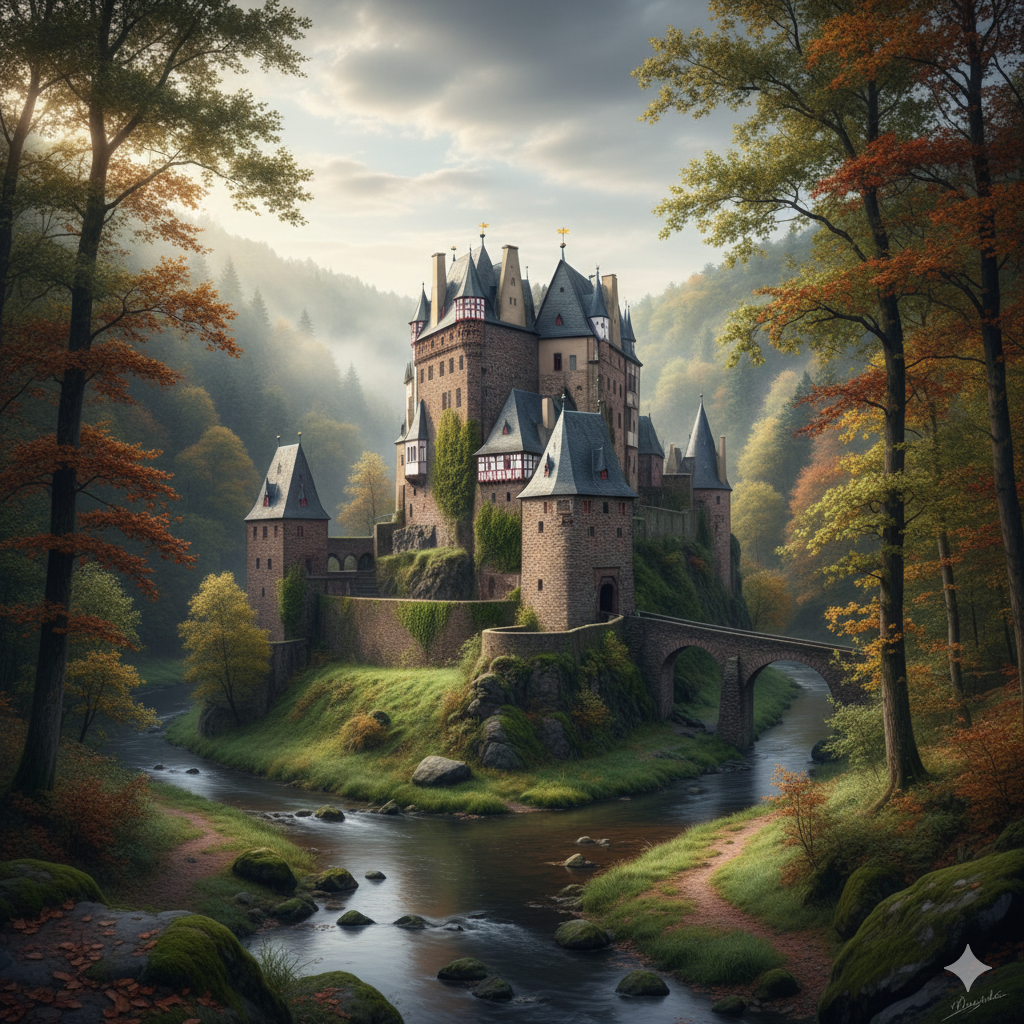
1. Burg Eltz – The Timeless Medieval Hidden Castles
Nestled in the Moselle Valley, Burg Eltz is a medieval castle untouched by time, surrounded by dense forests.
Why It’s Special:
- Over 850 years old
- Family-owned for generations
- Picturesque river and forest surroundings
What to Do:
- Guided castle tours
- Hike surrounding trails
- Photography of fairytale-style architecture
2. Hohenzollern Castle – A Fairy-Tale Fortress
Perched on a mountain in Baden-Württemberg, Hohenzollern Castle offers breathtaking panoramic views.

Why It’s Special:
- Gothic Revival architecture
- Stunning hilltop location
- Rich history with royal artifacts
What to Do:
- Explore castle interiors
- Attend seasonal events
- Capture sunrise or sunset photos
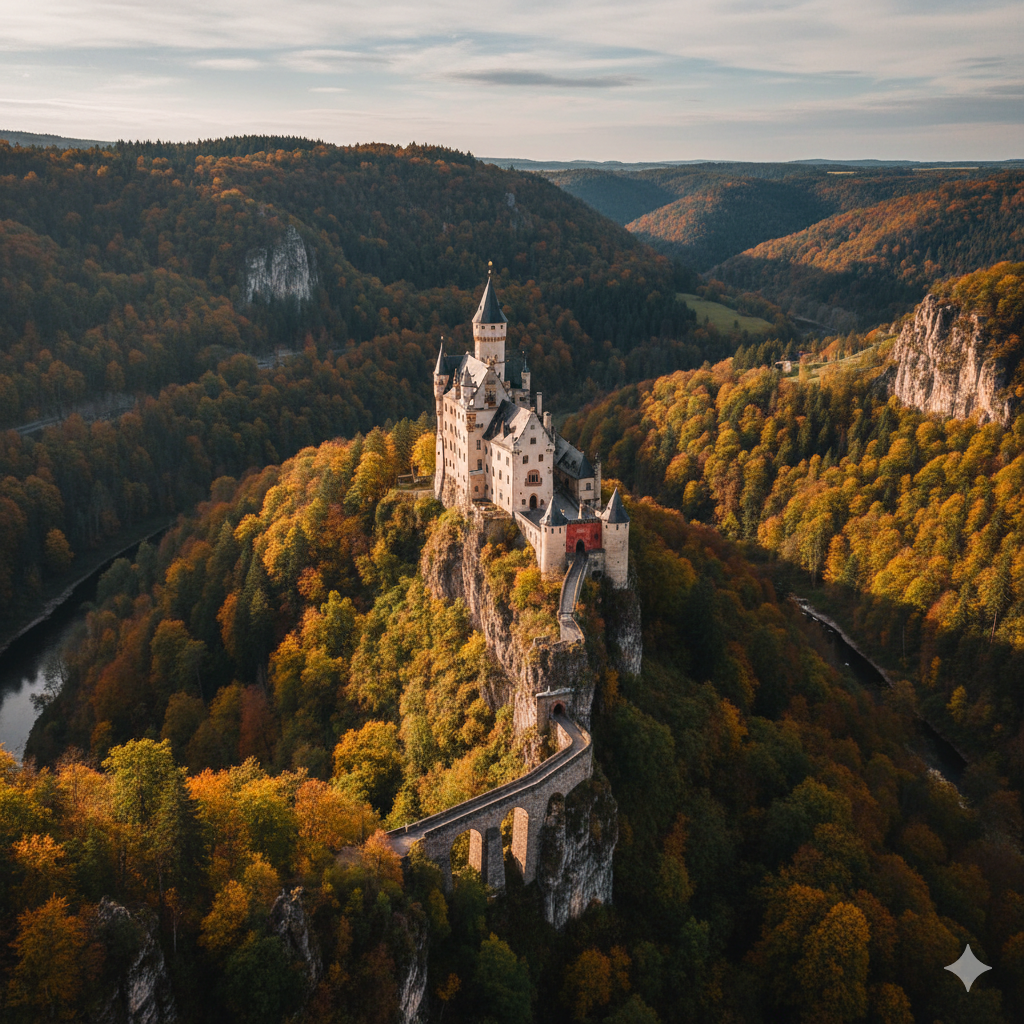
3. Lichtenstein Castle – Germany’s Miniature Neuschwanstein
Often called the “mini Neuschwanstein,” Lichtenstein Castle is a romantic, cliffside fortress in Swabian Jura.
Why It’s Special:
- Dramatic cliffside position
- Fairytale aesthetics
- Small, intimate castle experience
What to Do:
- Guided castle tours
- Walk surrounding scenic trails
- Enjoy riverside views below the cliff
4. Schloss Braunfels – Hidden Gem in Hesse
A lesser-known castle surrounded by lush hills and historic villages.
Why It’s Special:
- Medieval towers with elegant interiors
- Peaceful gardens and nearby village charm
- Lesser tourist crowds
What to Do:
- Explore castle interiors
- Walk in the castle gardens
- Explore Braunfels village streets
Villages in Germany Off the Beaten Path
1. Rothenburg ob der Tauber – Timeless Medieval Town
Though famous, Rothenburg’s lesser-known streets and back alleys are magical and quiet.

Why It’s Special:
- Cobblestone streets and half-timbered houses
- Medieval walls and towers
- Christmas markets and artisan shops
What to Do:
- Walk the city walls
- Explore hidden alleyways
- Photograph pastel-colored houses
2. Dinkelsbühl – Bavaria’s Hidden Gem
A quieter alternative to Rothenburg, Dinkelsbühl preserves its medieval character with fewer crowds.
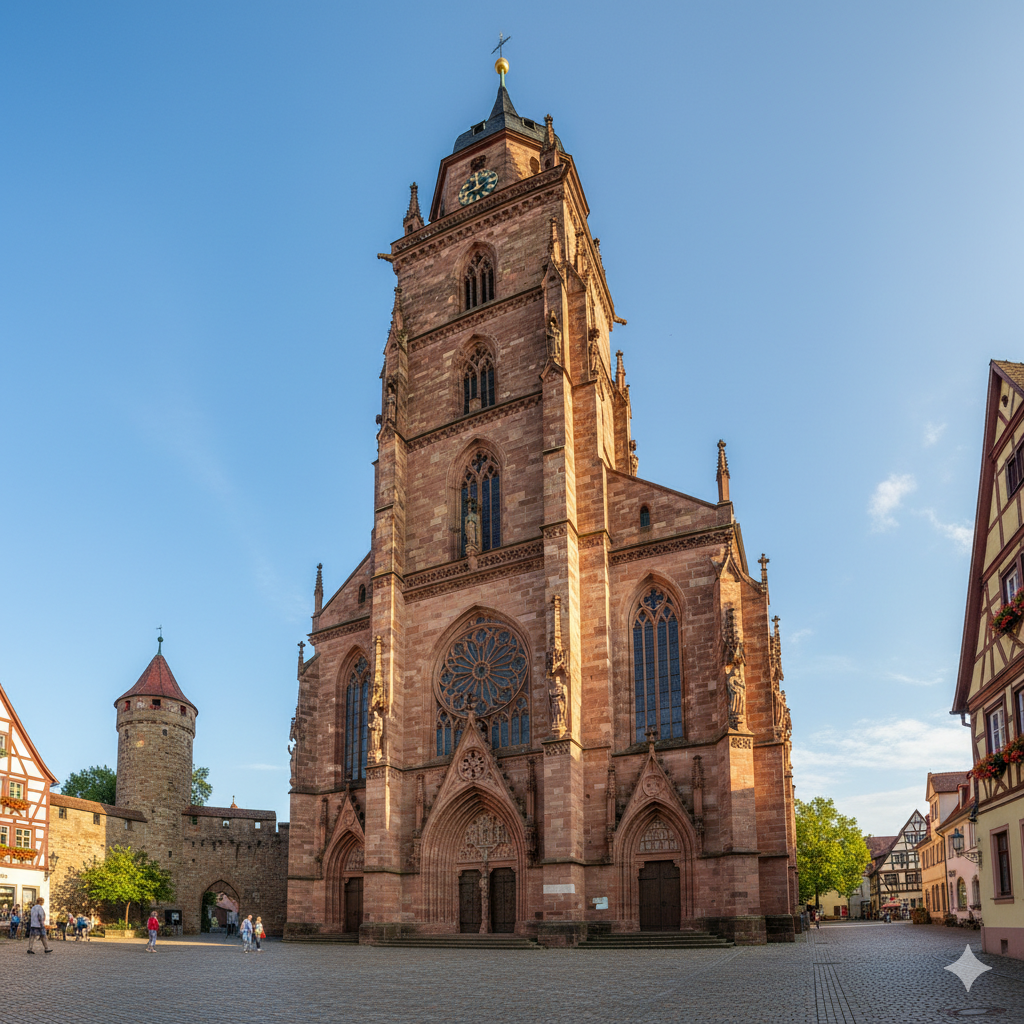
Why It’s Special:
- Colorful half-timbered houses
- Historic city wall
- Authentic local Bavarian culture
What to Do:
- Bike around the town walls
- Visit local bakeries and cafes
- Attend local festivals
3. Quedlinburg – UNESCO World Heritage Village
A charming town in Saxony-Anhalt with over 1,300 timber-framed houses.
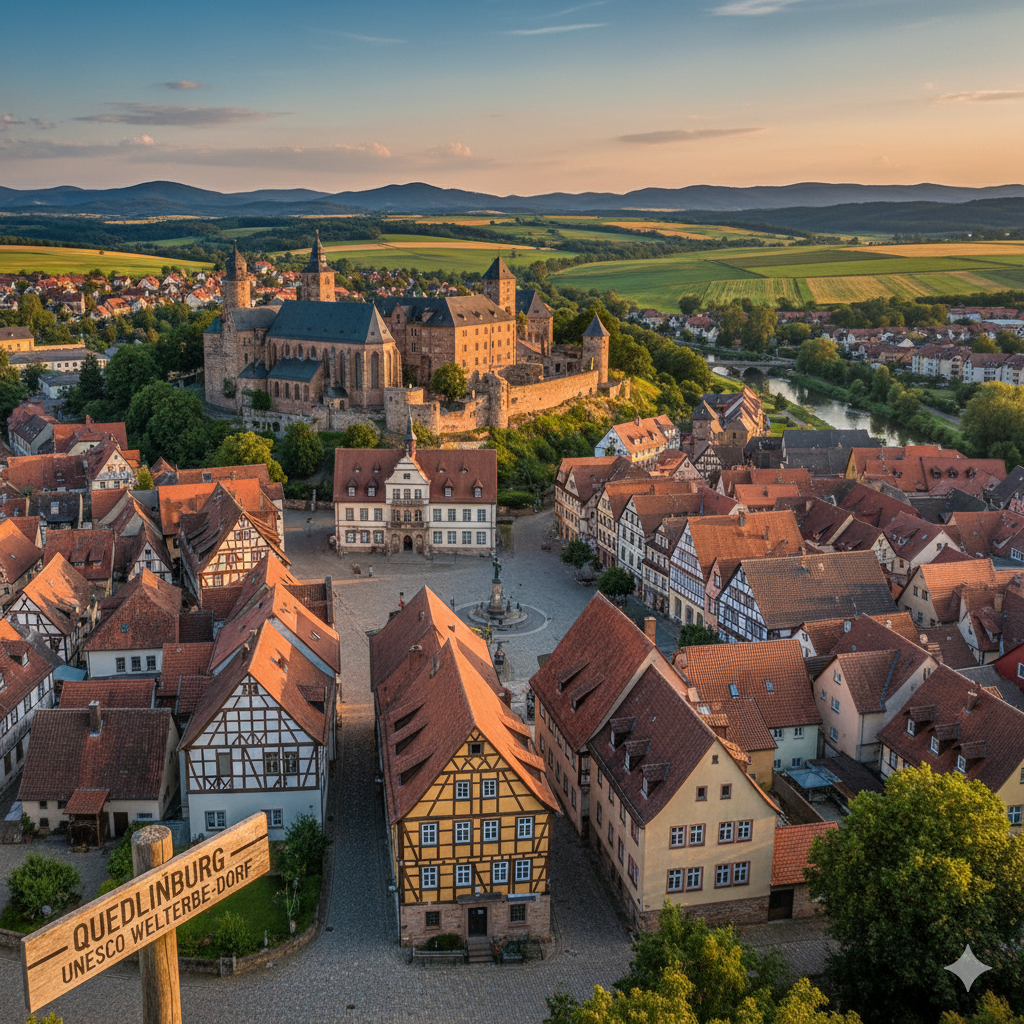
Why It’s Special:
- Cobblestone streets and quaint plazas
- Romanesque churches
- Hidden artisan shops
What to Do:
- Visit Quedlinburg Castle
- Explore hidden courtyards
- Photography of historic architecture
4. Monschau – Hidden Village in the Eifel
A small village in North Rhine-Westphalia, Monschau offers riverside charm and medieval architecture.

Why It’s Special:
- Narrow alleyways and half-timbered houses
- Picturesque Rur River
- Quaint coffee shops
What to Do:
- Walk the old town
- Enjoy riverside views
- Taste local specialties
Best Times to Visit Germany’s Hidden Castles & Villages
| Season | Why Visit |
|---|---|
| Spring (Apr–Jun) | Blooming gardens, mild weather, fewer tourists |
| Summer (Jul–Aug) | Festivals, long daylight hours, scenic landscapes |
| Autumn (Sep–Oct) | Fall colors, harvest season, quieter villages |
| Winter (Nov–Feb) | Snow-covered castles, Christmas markets, magical scenery |
What to Bring for Exploring Hidden Castles & Villages

- Comfortable walking shoes
- Camera with wide-angle lens
- Weather-appropriate clothing
- Daypack with water/snacks
- Notebook or journal
- Portable charger
Check Also: Hidden Beaches of Florida and California
FAQs About Hidden Castles & Villages in Germany
Q1. Are these hidden castles open to the public?
Yes — most castles like Burg Eltz and Hohenzollern offer guided tours.
Q2. Which village is best for photography?
Monschau and Quedlinburg are highly photogenic with timber-framed houses and cobblestone streets.
Q3. Can I visit these villages in winter?
Yes, winter offers magical scenery and festive Christmas markets.
Q4. Are these locations family-friendly?
Absolutely — many castles and villages welcome families with trails and museums.
Q5. How do I reach hidden castles in Germany?
Most are accessible by train, bus, or car; some require short hikes.
Traveler: Discover Germany’s Secret Fairytale World
Germany is more than beer gardens and big cities — its hidden castles and villages are fairytale escapes tucked away from crowds.
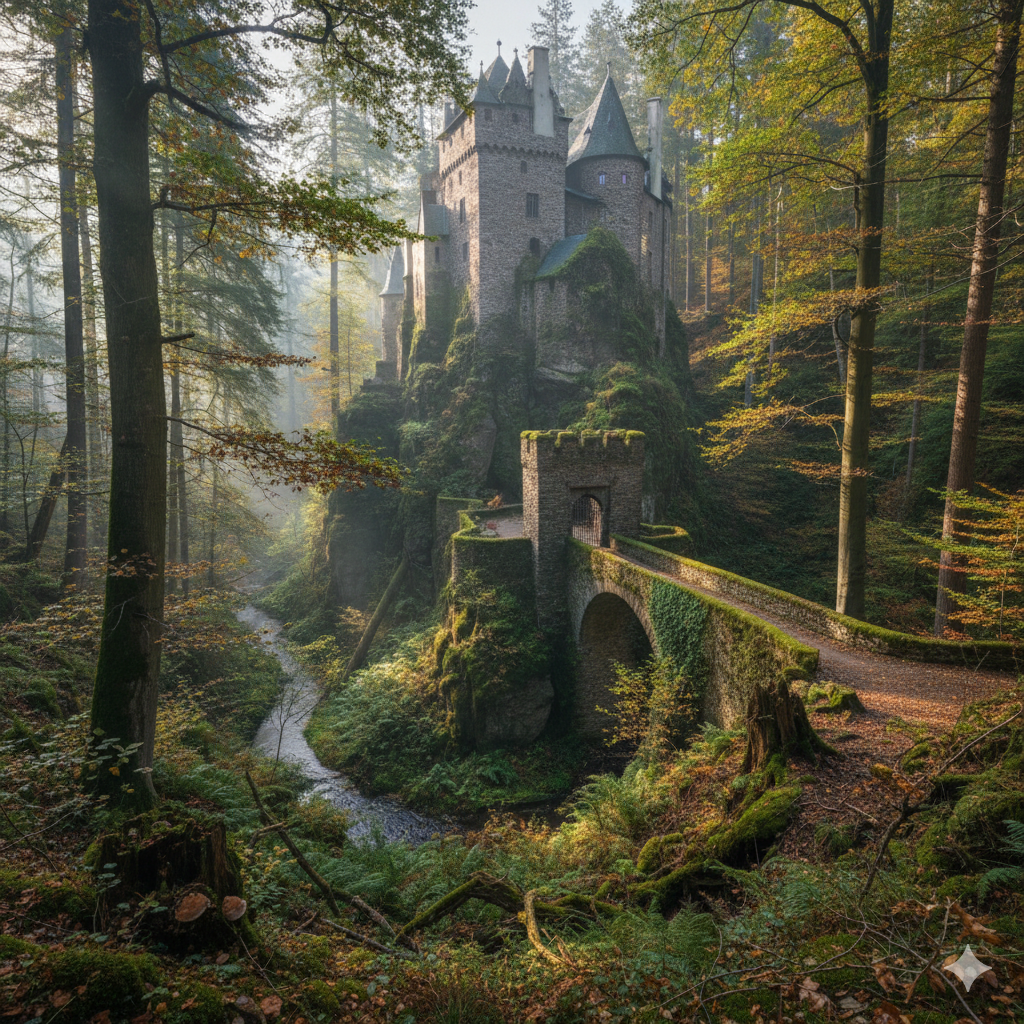
Whether you’re exploring medieval fortresses, timbered streets, or riverside villages, these offbeat destinations reveal the quieter, more magical side of Germany that most travelers never see.