

Rediscovering the Soul of Egypt
When you think of Egypt, chances are your mind paints the classic picture — the mighty Pyramids of Giza, the Sphinx, and the endless stretch of the Nile River. While these marvels are iconic, they represent only a fragment of the country’s immense beauty and mystery.
Beyond the crowded tourist trails lies a quieter, more magical Egypt — a land of ancient oases, untouched deserts, hidden temples, and colorful villages where time seems to stand still. This is Hidden Egypt, a realm of secrets that whisper from the sands, waiting for the curious traveler to uncover them.
In this guide, we’ll journey far from the tourist buses and explore 10 breathtaking hidden gems of Egypt — places where history, culture, and nature intertwine in ways you’ve never imagined.
1. Siwa Oasis – Egypt’s Green Heart in the Desert
Nestled near the Libyan border, Siwa Oasis feels like a mirage turned real. Surrounded by golden dunes, the oasis bursts with palm groves, freshwater springs, and salt lakes that shimmer under the desert sun.
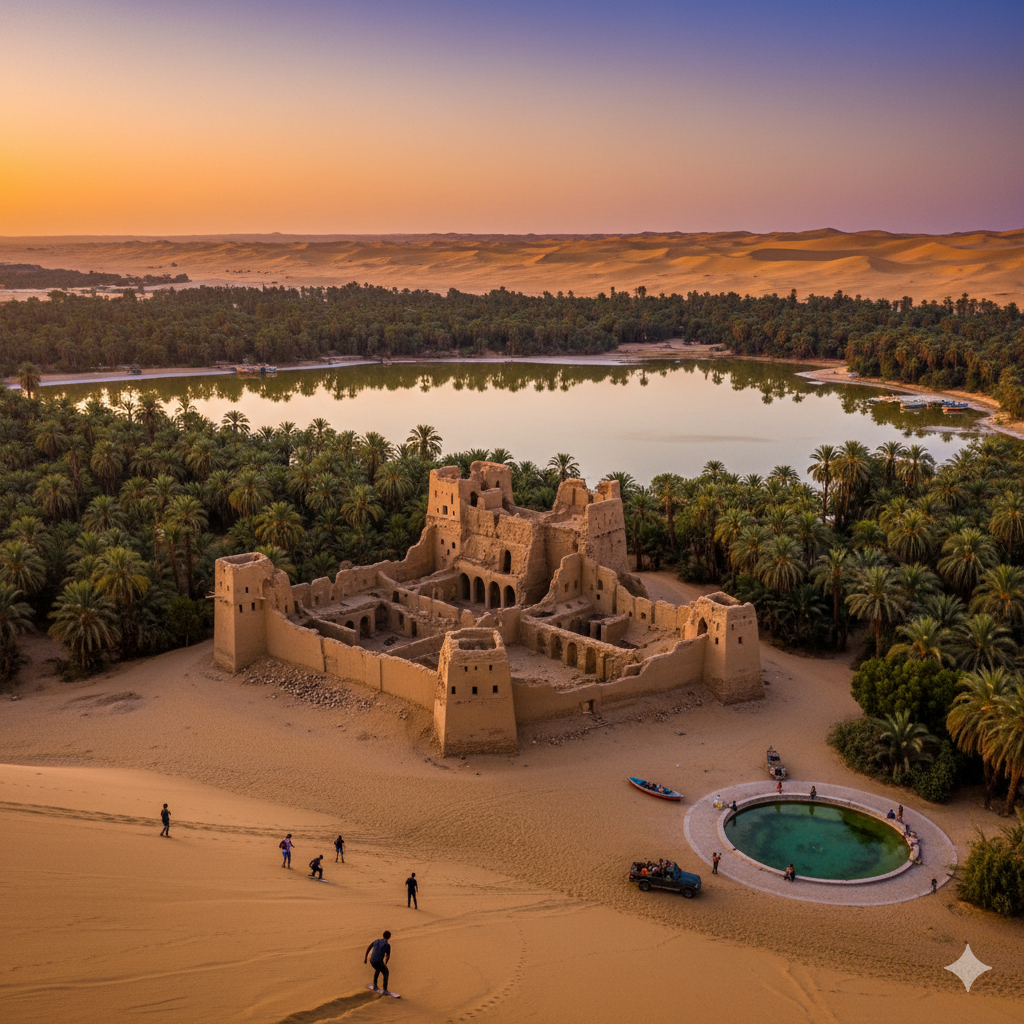
Siwa is not just beautiful — it’s historic. The ancient Temple of the Oracle, once visited by Alexander the Great, still stands as a reminder of Egypt’s divine past. Today, the local Berber community preserves their traditions through mud-brick architecture, handwoven crafts, and a language older than Arabic itself.
Don’t miss: Swimming in Cleopatra’s Pool, a natural spring where legend says the queen herself once bathed.
2. The White Desert – Egypt’s Surreal Sculpture Park
The White Desert (Sahara el Beyda) is one of the planet’s most otherworldly landscapes. Miles of chalk-white rock formations, sculpted by centuries of wind and sand, resemble giant mushrooms, camels, and ghostly figures.
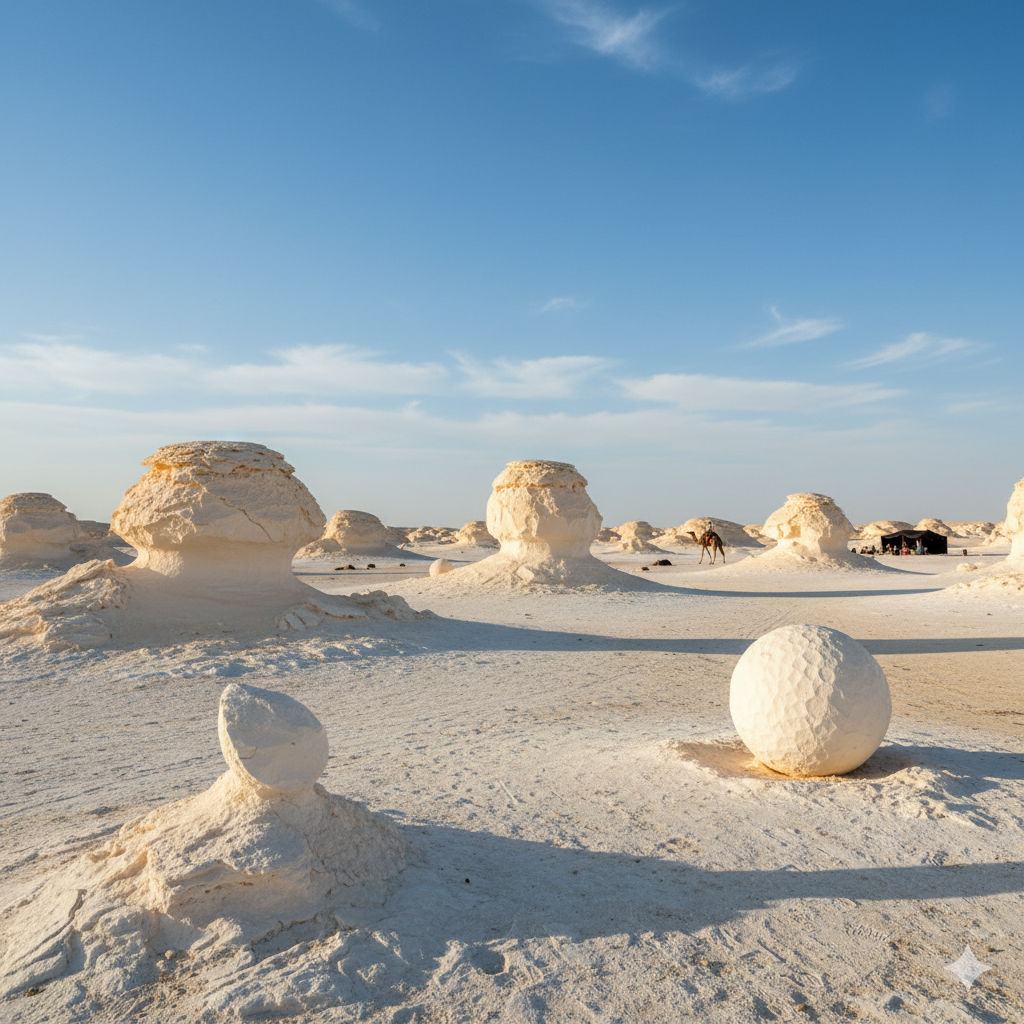
At sunset, the desert transforms — the white cliffs glow pink, gold, and orange as the sky darkens into a blanket of stars. Campers describe it as sleeping under the Milky Way.
Travel Tip: Hire a local Bedouin guide for a 4×4 desert safari and an unforgettable night under the stars.
3. Dendera Temple – The Celestial Shrine of Hathor
While most tourists flock to Luxor, few make the short trip to Dendera, home to one of Egypt’s best-preserved temples. The Temple of Hathor, dedicated to the goddess of love and music, features stunning celestial carvings, vibrant blue ceilings, and the famous Zodiac of Dendera — an ancient star map that has fascinated scholars for centuries.
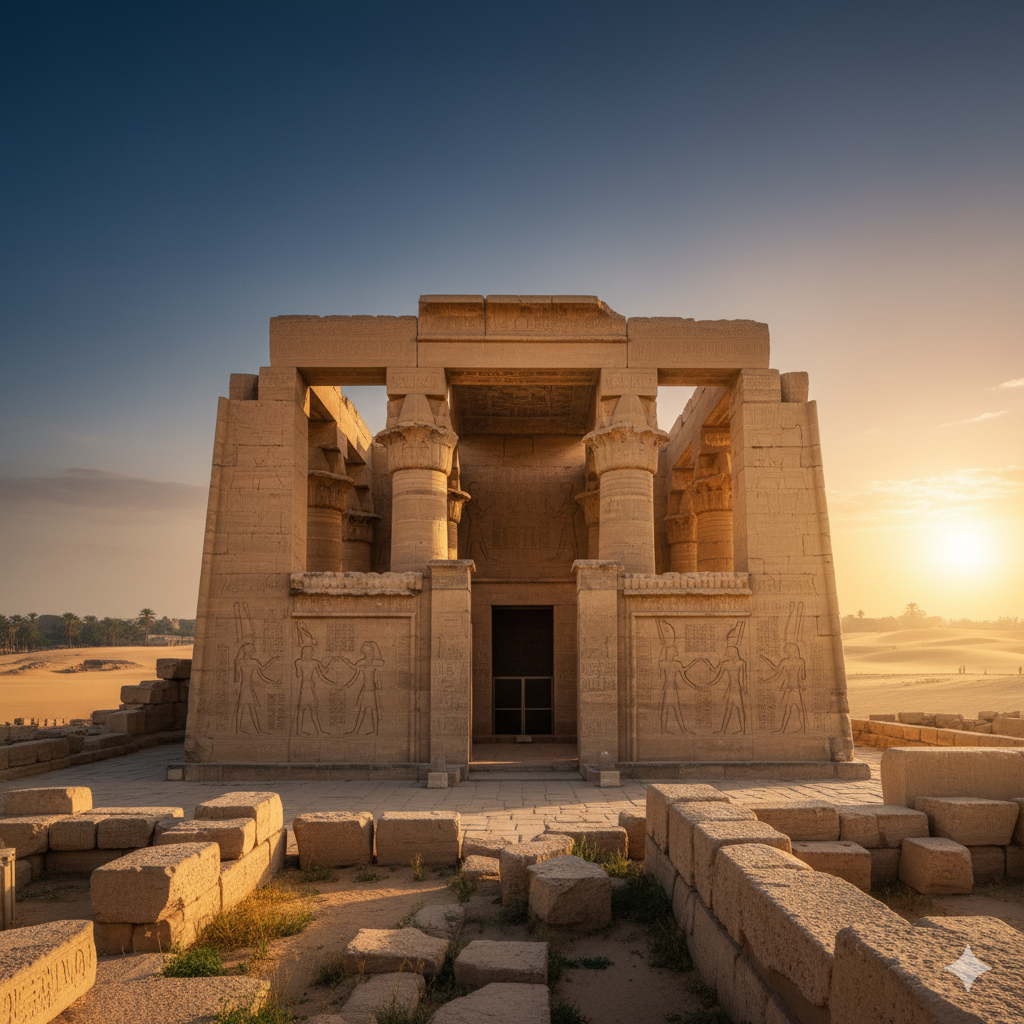
Here, you can walk through silent corridors lit only by shafts of sunlight — an experience that feels more spiritual than touristy.
4. Fayoum – The Desert’s Secret Lake District
Just a two-hour drive from Cairo, Fayoum feels like an entirely different world. This tranquil region is Egypt’s oldest oasis, dotted with waterfalls, dunes, and the sparkling Lake Qarun.
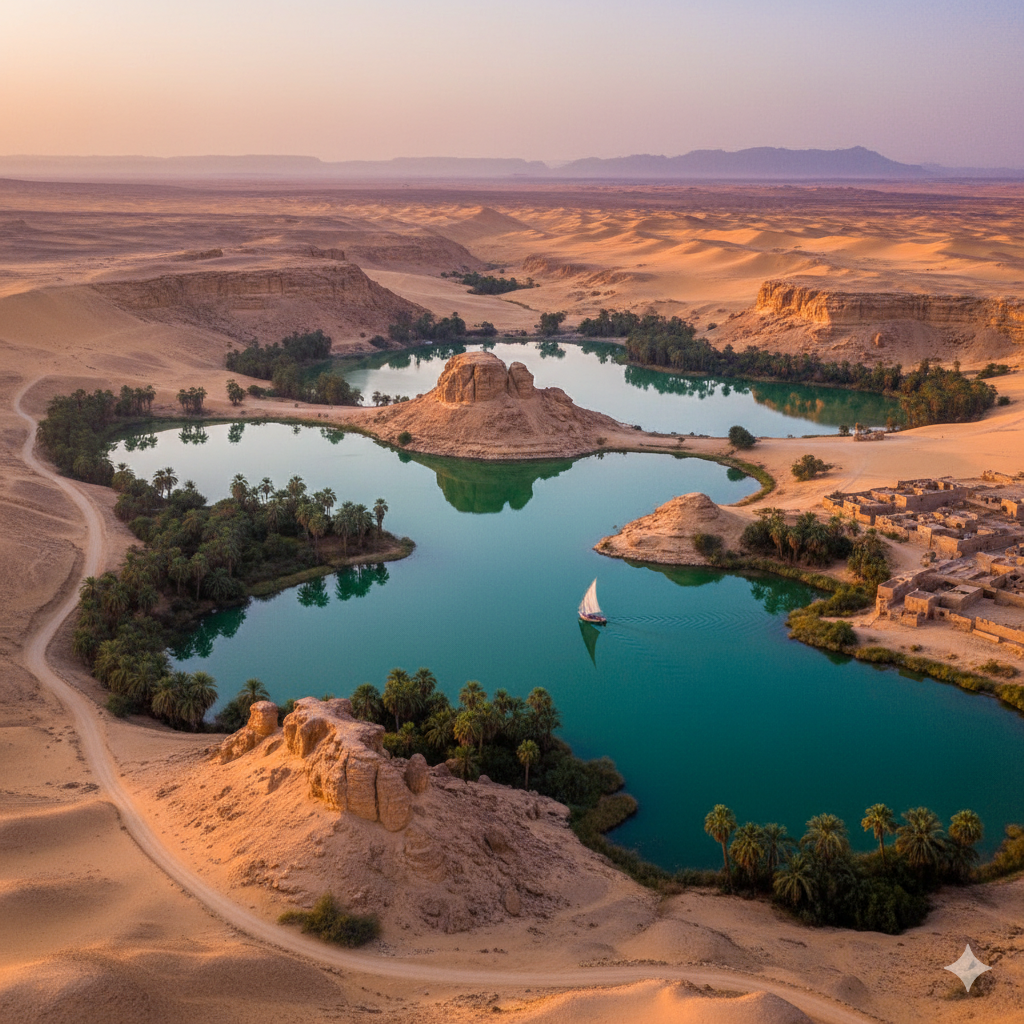
Don’t miss the stunning Wadi El Rayan waterfalls, Egypt’s only natural falls, or the Magic Lake, which changes color with the sunlight. Fayoum is also home to Wadi Al-Hitan, or the Valley of the Whales, where fossils of prehistoric whales reveal Earth’s ancient history.
Perfect for: Eco-tourists, photographers, and travelers seeking calm away from Cairo’s rush.
5. El Quseir – The Red Sea’s Hidden Gem
Before Hurghada and Sharm El Sheikh became famous, El Quseir was the jewel of Egypt’s Red Sea coast. This ancient port town still retains its Ottoman charm, colorful coral reefs, and peaceful atmosphere.
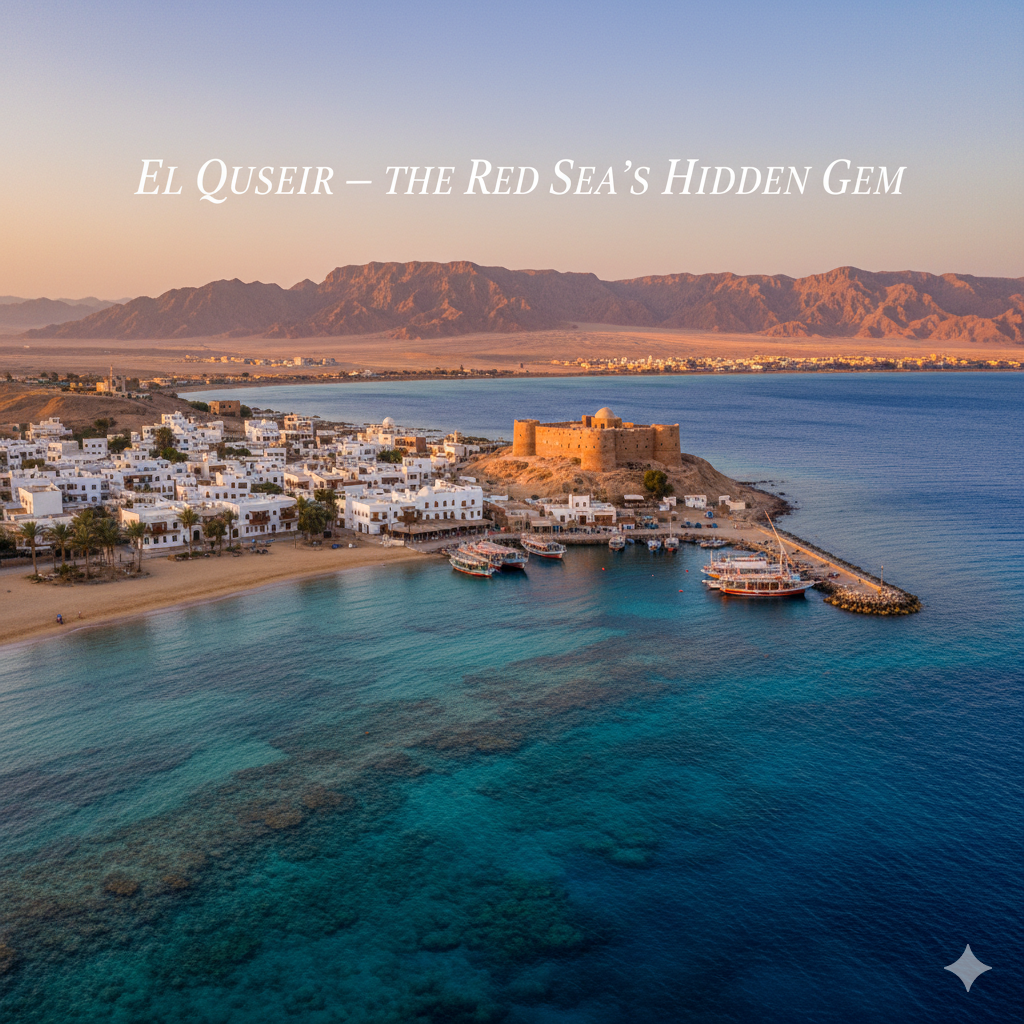
Here, diving enthusiasts can explore untouched coral gardens teeming with marine life, while history lovers can visit El Quseir Fortress, built by the Ottomans in the 16th century.
Travel Tip: Stay at one of the eco-lodges along the coast — a serene alternative to Egypt’s bustling resort cities.
6. Tanis – The Lost City of the Pharaohs
Once Egypt’s royal capital, Tanis is often called “Egypt’s second Thebes.” Hidden in the northeastern Delta, the site is scattered with massive stone blocks, columns, and tombs that once held treasures rivaling those of Tutankhamun.
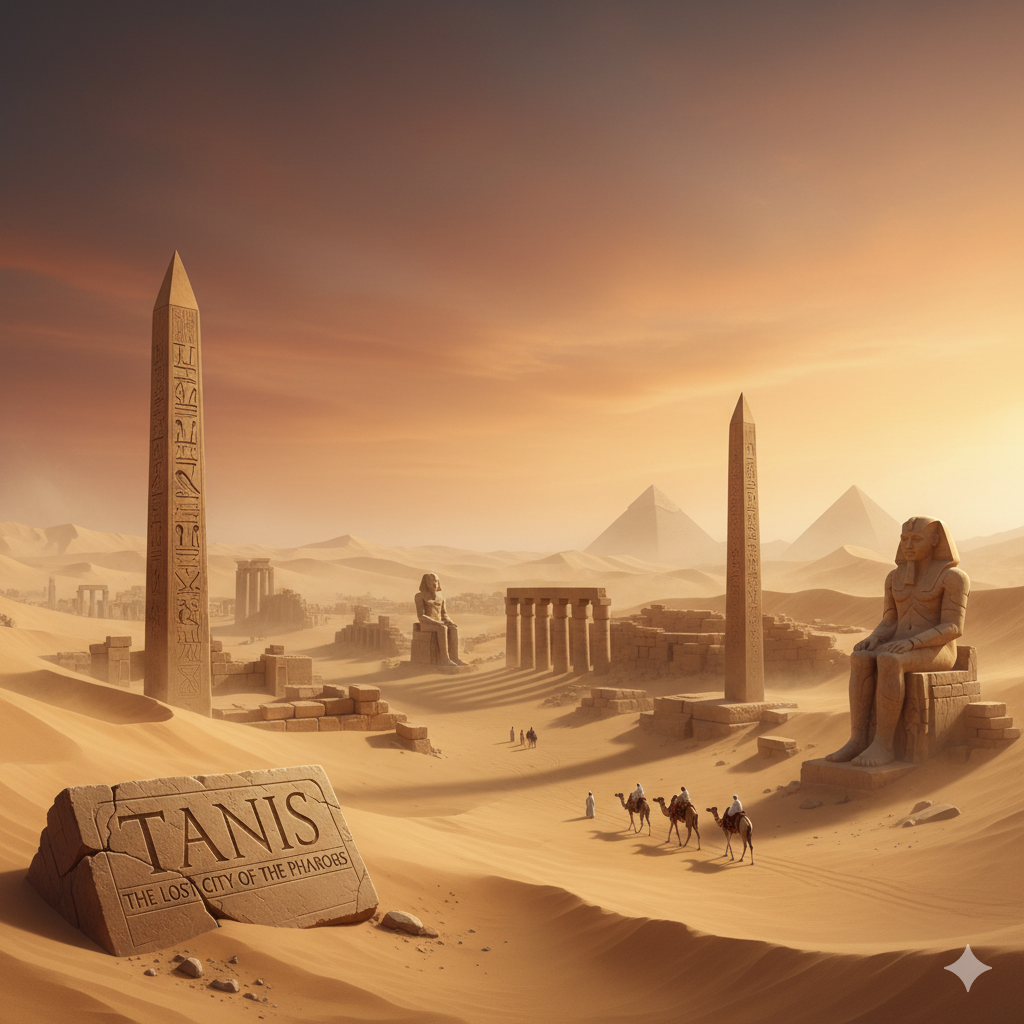
Though less known to tourists, archaeologists still uncover mysteries from Tanis’s golden age. Walking here feels like stepping into a forgotten chapter of history, where the sands are still guarding their secrets.
Check Also: 7 Enchanting Offbeat Istanbul: Discover the City’s Hidden Corners
7. Wadi Al-Hitan – The Valley of the Whales
A UNESCO World Heritage Site, Wadi Al-Hitan lies deep in Egypt’s Western Desert and holds fossilized remains of whales that once swam through ancient seas over 40 million years ago.
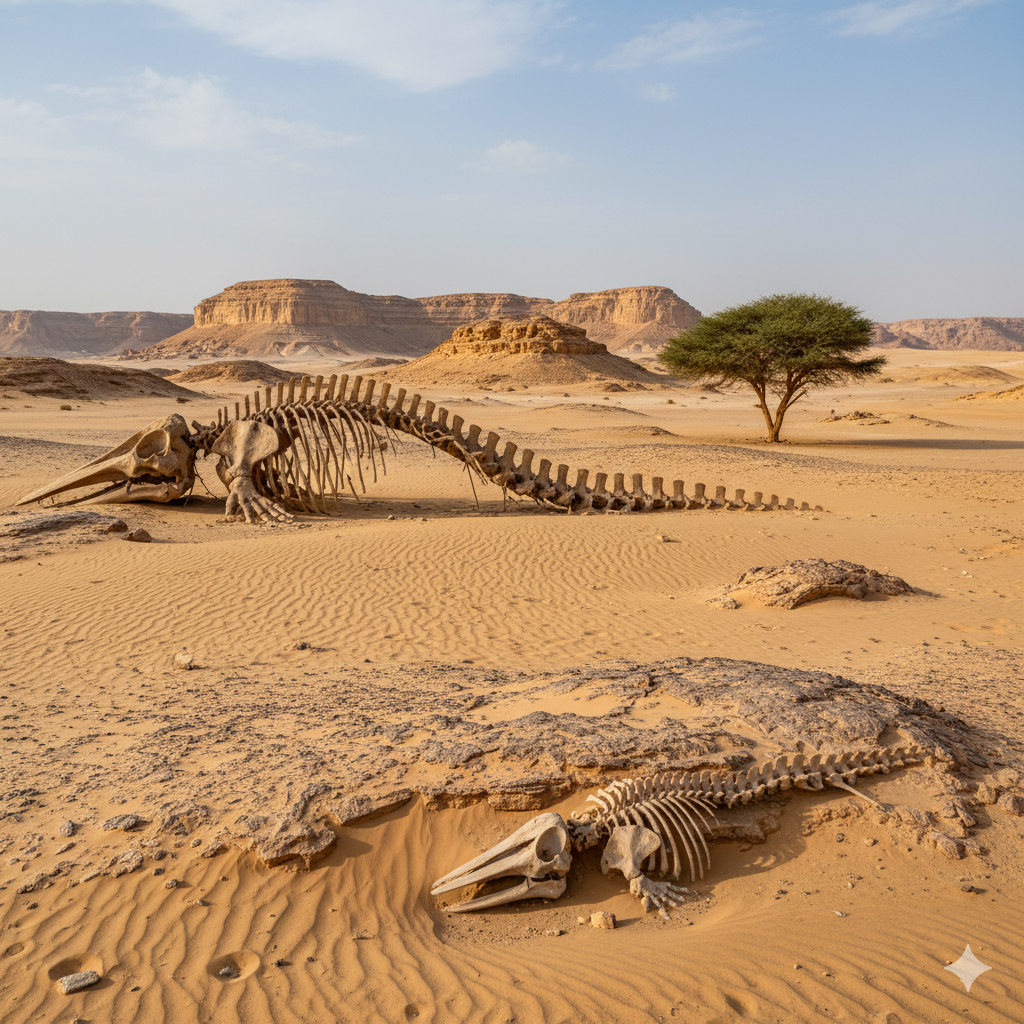
The area offers both scientific fascination and raw desert beauty — vast golden dunes, crystal-clear skies, and eerie ancient skeletons half-buried in sand. It’s one of Egypt’s most extraordinary natural museums.
8. Nubian Villages – Colors and Culture on the Nile
South of Aswan, the Nubian villages are a burst of color and culture. Houses are painted in brilliant blues, pinks, and yellows, and the locals are known for their hospitality and storytelling.
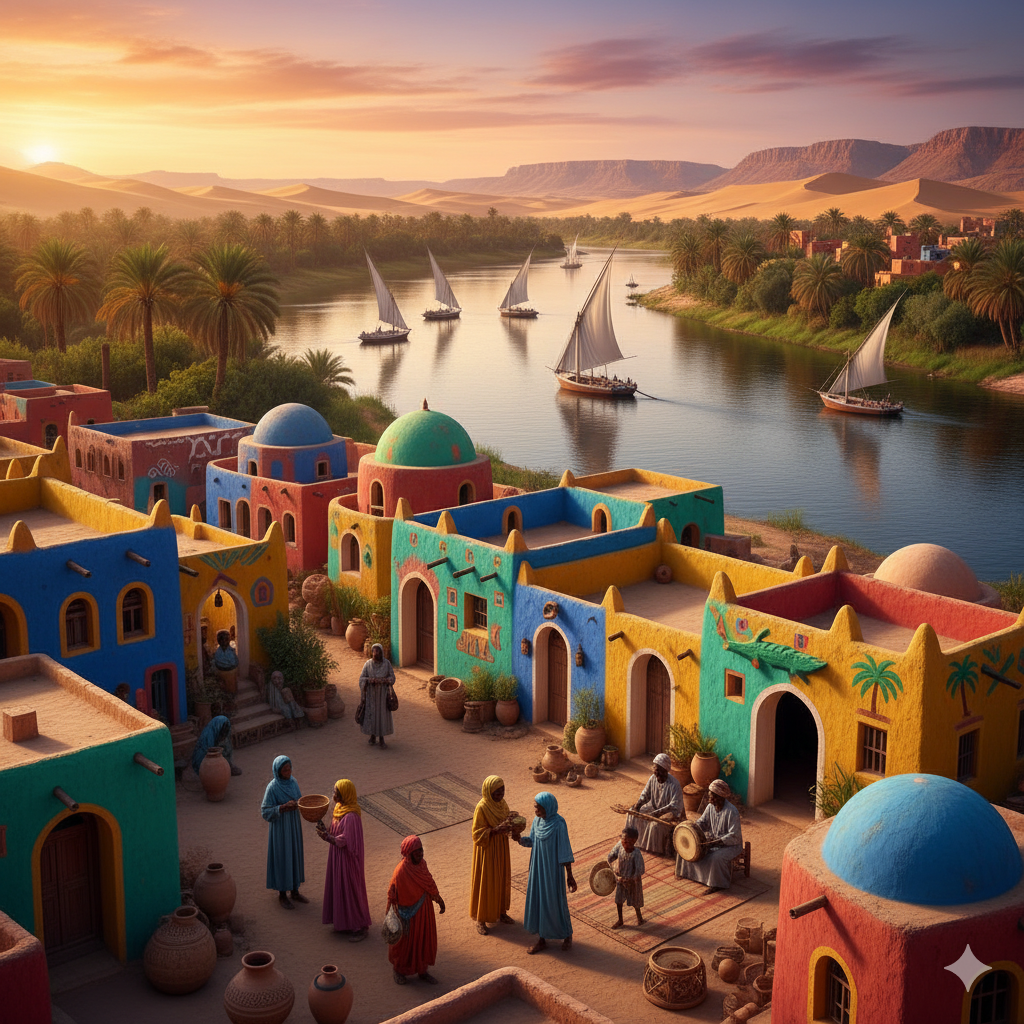
A visit here offers a deeper glimpse into Nubian heritage, with its distinct language, music, and art that predate the Pharaohs. It’s a living museum of Egypt’s African roots — and one of the most photogenic spots in the country.
9. Farafra Oasis – The Desert’s Quiet Soul
Tiny and tranquil, Farafra Oasis is a place for solitude seekers. Surrounded by the White Desert, its natural springs and local mud-brick homes create a peaceful retreat. Visitors can enjoy hot spring baths or explore the Badr Museum, which showcases local art inspired by desert life.
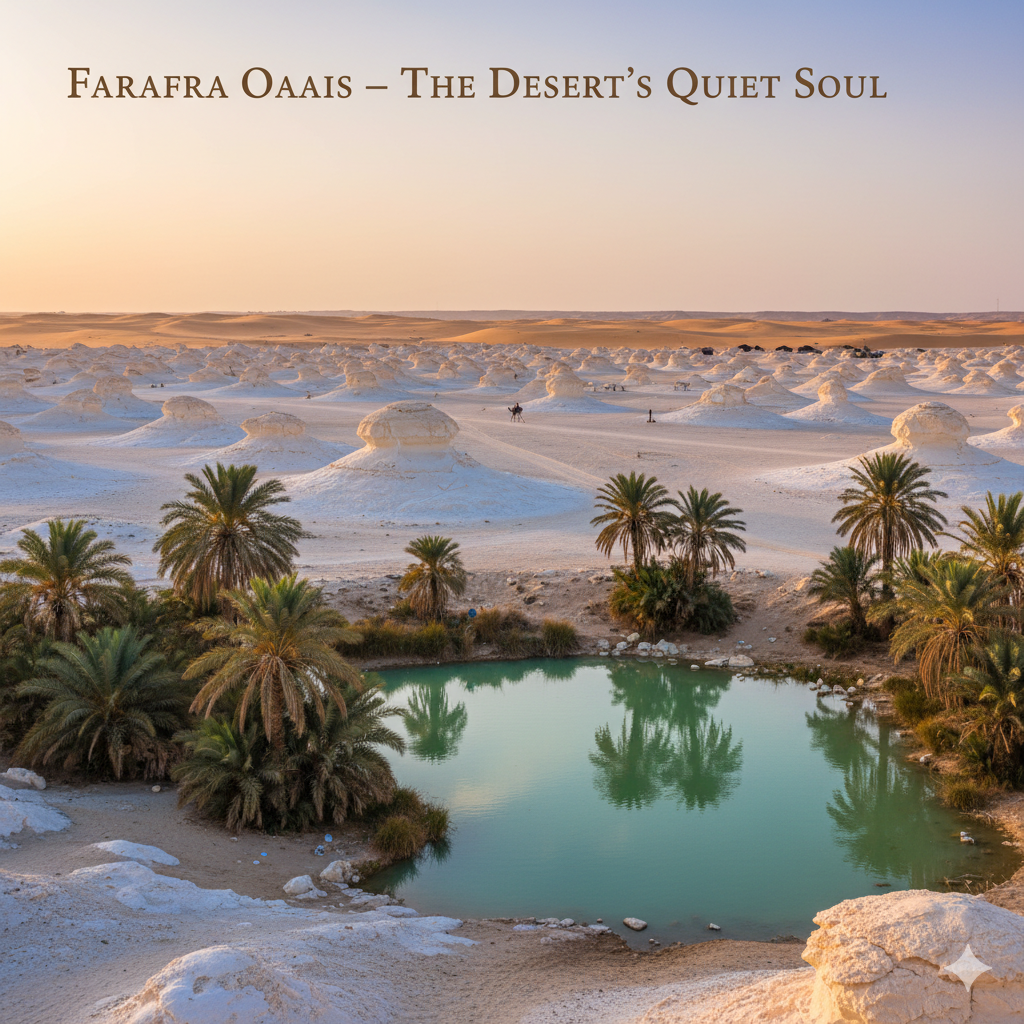
Here, time slows down — and silence feels sacred.
10. Mount Sinai – Where Faith Touches the Sky
No trip to Egypt is complete without witnessing the sunrise from Mount Sinai. According to tradition, this is where Moses received the Ten Commandments. The climb, often done at night, leads to breathtaking views of St. Catherine’s Monastery, one of the oldest Christian monasteries in the world.
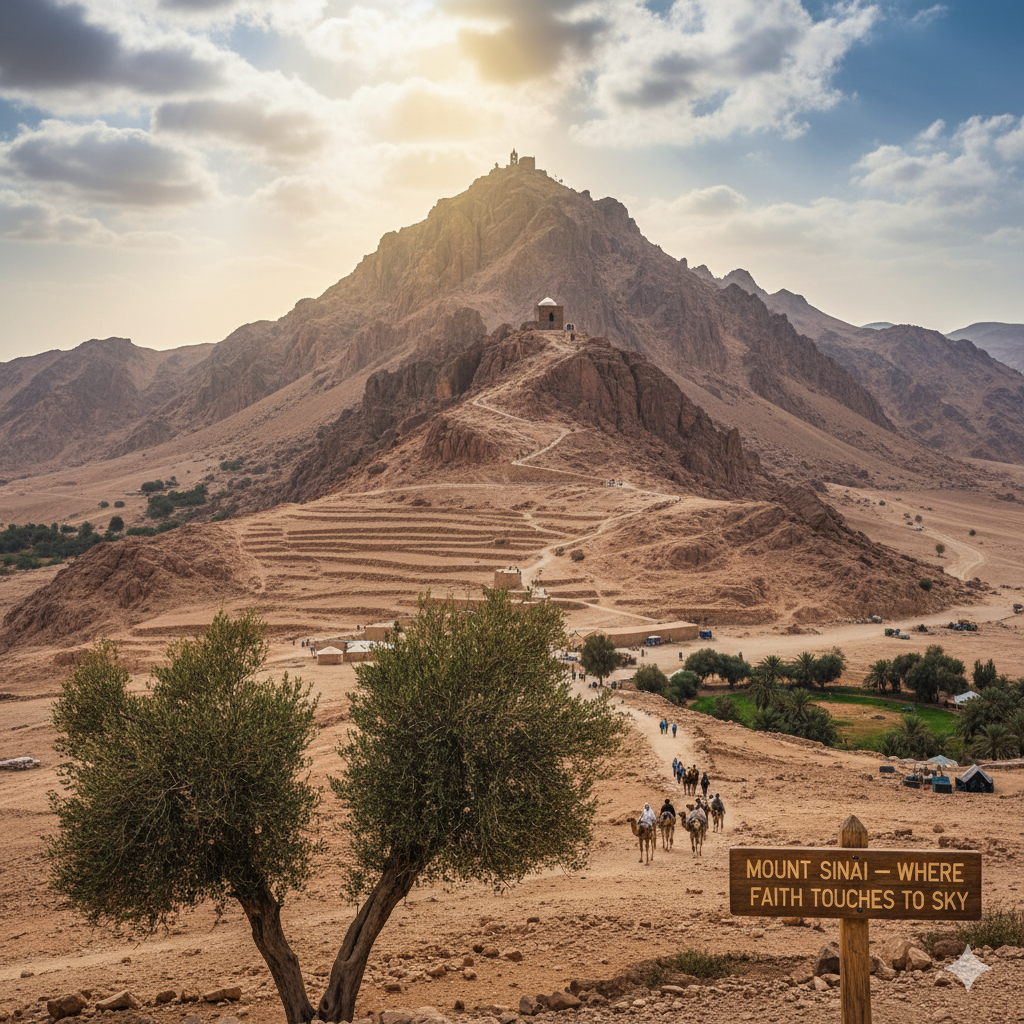
As dawn breaks over the desert mountains, it’s easy to see why this site remains one of the most spiritual places on Earth.
Source:
Traveler: Beyond the Pyramids Lies the Real Egypt
Egypt is more than its ancient monuments — it’s a living story that stretches from shimmering oases to vibrant Nubian villages. To truly know Egypt, you must look beyond the pyramids and explore its quiet deserts, secret temples, and smiling people.
Each hidden place tells a tale — of gods and kings, of wind and water, of a land that has stood timeless for thousands of years.
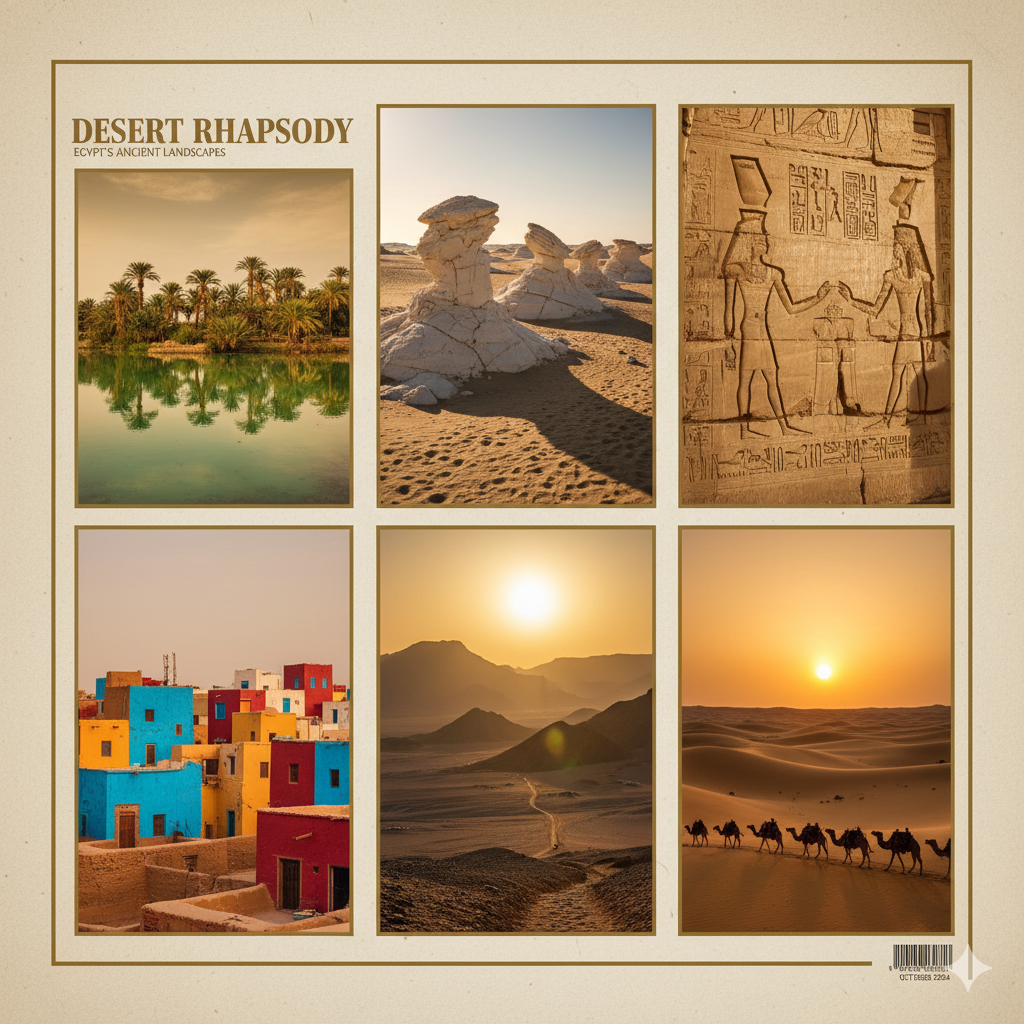
So pack your curiosity, wander off the beaten path, and discover the Hidden Egypt that’s been waiting for you all along.
FAQs
Q1: What is the best time to visit Egypt’s hidden destinations?
A: The ideal months are October to April, offering cooler weather and comfortable desert exploration.
Q2: Are these offbeat locations safe to visit?
A: Yes. Most are safe and accessible with guided tours or local transport. Always check travel advisories before long trips.
Q3: Do I need special permits to visit desert regions?
A: For protected areas like Wadi Al-Hitan, local permits are required, usually handled by tour guides.
Q4: Which hidden gem should first-time visitors choose?
A: Start with Siwa Oasis — it blends culture, adventure, and serenity perfectly.