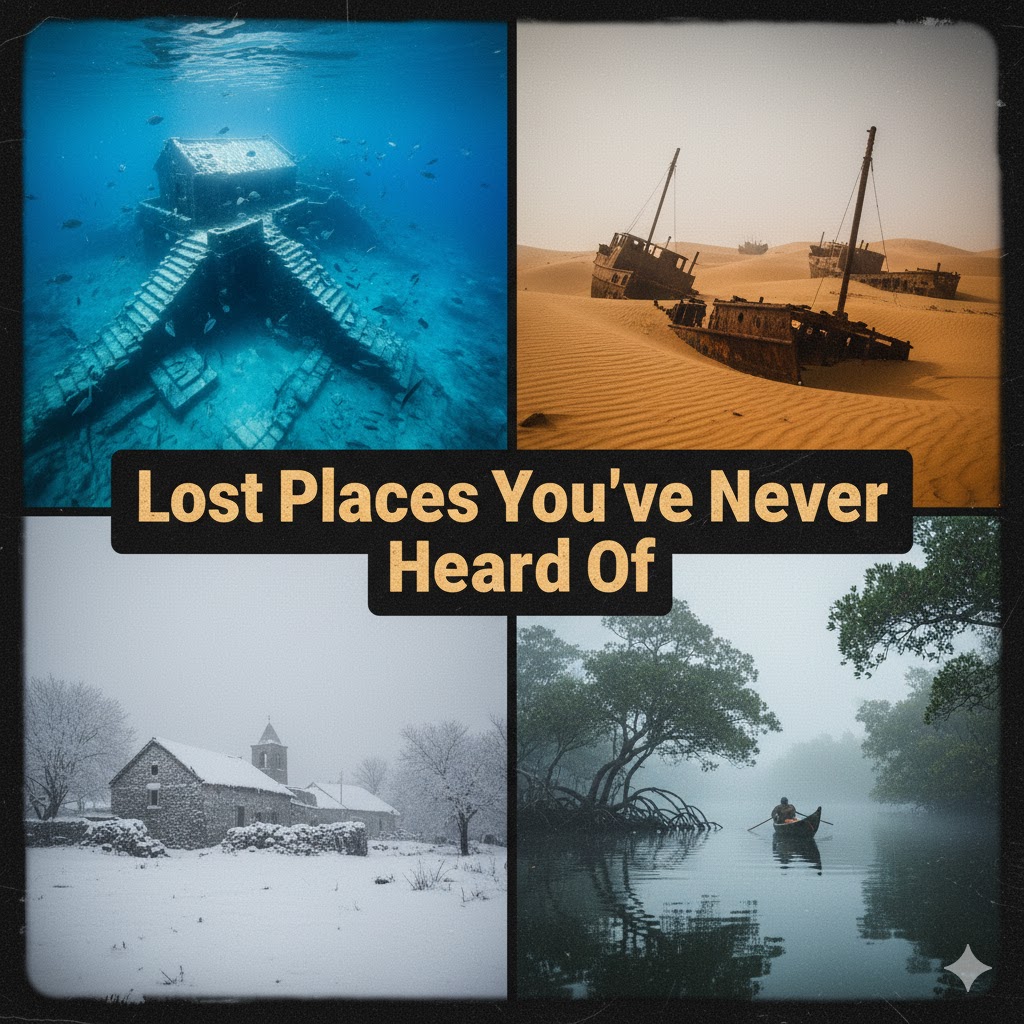


Introduction: The Silent Corners of Our Planet
In a world where GPS maps every corner and social media tracks every sunset, the real magic of travel now lies in hidden travel spots — places untouched by time, tourism, and technology. These are the quiet sanctuaries of our planet, where mountains whisper ancient tales, remote islands cradle forgotten traditions, and secret villages keep the rhythm of simpler lives alive. For travelers who crave solitude, authenticity, and a touch of mystery, these hidden corners are more than destinations — they’re experiences that stir the soul.
The beauty of hidden travel spots is not just in their landscapes but in their sense of discovery. Imagine stumbling upon a floating forest in Kerala, where banyan trees drift on mirrored waters, or diving beneath China’s Qiandao Lake to explore a submerged city frozen in time. Each hidden place tells a story — some carved by nature, others preserved by people who still live as their ancestors did centuries ago. These journeys aren’t about luxury hotels or guided tours; they’re about muddy shoes, whispered legends, and the soft hum of places that still breathe freely beyond the reach of the modern world.
In this guide, we explore 50 hidden destinations from every corner of the globe — from the misty ice caves of Iceland to Namibia’s ghostly shipwrecked shores, and from Bulgaria’s stone villages to Thailand’s secret jungle waterfalls. Every destination invites you to slow down, listen, and truly see the world again — without filters or crowds. You’ll walk through forests where spirits are said to dwell, swim in lagoons that glow beneath moonlight, and sip tea in remote hamlets where strangers still greet you like family.
Many of these secret villages and remote islands are reachable only by foot, boat, or patience — yet each rewards travelers with something the mainstream world has forgotten: authenticity. In some, you’ll find locals still practicing age-old rituals, weaving stories into crafts and songs. In others, nature itself performs ancient miracles — pink lakes, glowing caves, or volcanic cliffs that seem sculpted by the gods. These are places where silence speaks louder than Wi-Fi signals, and where adventure feels truly personal.
Before you set out, remember — exploring hidden lagoons and isolated places comes with responsibility. These fragile ecosystems and cultural havens deserve our respect. Travel gently, leave no trace, and listen to the stories the earth still whispers.
So pack light, take a deep breath, and let’s journey into the world’s most hidden and isolated places — where wonder still lives off the map.

1. Hidden Waterfall, Thailand – The Secret Jungle Escape
Highlights:
Nestled deep in Kanchanaburi Province, Thailand’s Hidden Waterfall is a mesmerizing emerald cascade tucked inside the rainforest beyond Erawan National Park. Its seven tiers glisten under soft sunlight filtering through thick bamboo, and the cool mist creates a tranquil retreat away from crowded tourist routes. Travelers who find it describe it as a sanctuary — raw, serene, and almost spiritual.
History / Tradition:
Locals believe the waterfall is protected by the “Phi Ton Nam” — forest spirits guarding the purity of water. For generations, villagers have left offerings of flowers and incense in a small bamboo shrine at the base to ensure blessings and safety from these guardians.
How to Reach:
From Bangkok, drive to Erawan National Park (Kanchanaburi) — around 3.5 hours. Past the main Erawan Falls, follow a discreet jungle path leading another 2 km upstream. Hiring a local guide is recommended to navigate the dense forest and hidden paths.
Best Time to Visit:
July to October, during the monsoon, when water levels are highest and the forest radiates lush green hues.
Tickets / Price:
Entry: ฿300 (USD $8) for foreigners. Private guided jungle treks: ฿500–฿800.
Hidden Gems / Local Tips:
- Arrive before 9 AM to photograph the soft golden light reflecting off emerald pools.
- Visit the nearby Sai Yok Hot Springs for a natural soak after your hike.
- Carry waterproof gear; the area receives heavy jungle rain.
Local Food:
Try Pad Kra Pao (basil chicken) and sticky rice with mango sold by local vendors outside Erawan Park — freshly made and delicious after a trek.
How to Reach from Major Cities:
From Bangkok Southern Bus Terminal, take a direct bus to Kanchanaburi (~3 hours), then hire a taxi or motorbike to reach Erawan.

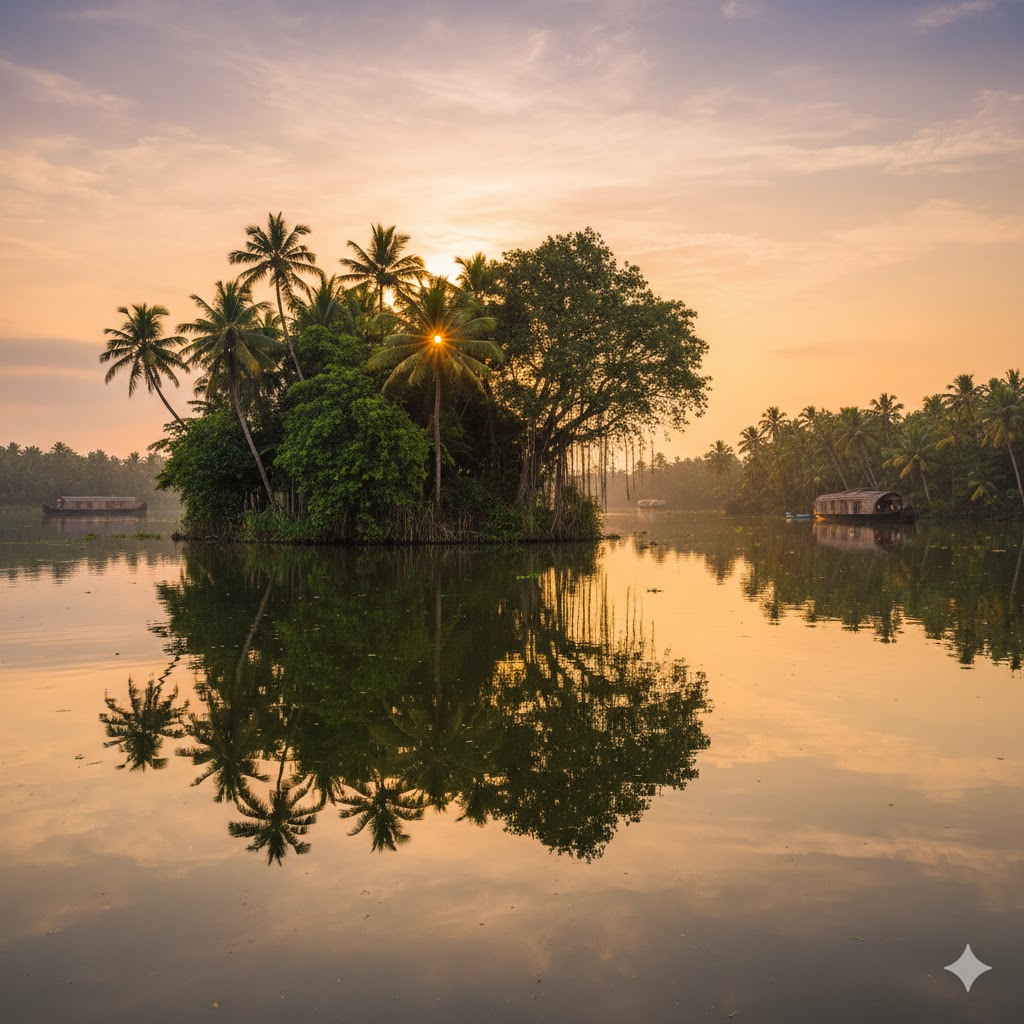
🌊 2. Floating Forest, Kerala – India’s Living Water Mirror
Highlights:
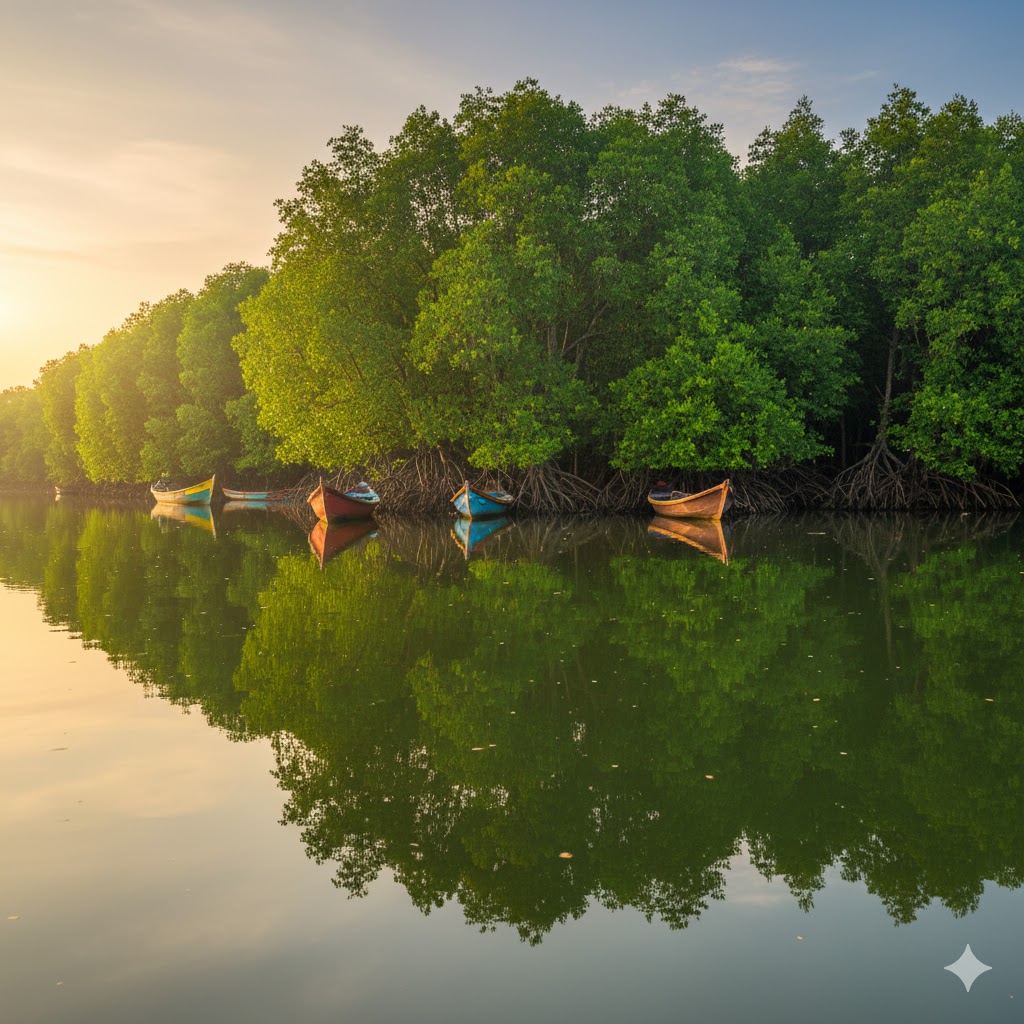
Set within the tranquil Vembanad Backwaters, Kerala’s Floating Forest feels otherworldly — ancient banyan trees rooted in drifting islands that glide slowly with the tide. Reflections create an illusion of a forest suspended between sky and water. Birdsong and the gentle lap of canoes complete the dreamlike setting.
History / Tradition:
Locals say this ecosystem formed centuries ago when rising waters engulfed nearby farmland, turning trees into natural floating islets. The fishermen of Kumarakom consider it sacred, offering coconuts and flowers before fishing to seek nature’s blessings.
How to Reach:
Accessible by traditional houseboat from Alleppey or Kumarakom. The floating forest lies roughly 12 km west of Alleppey’s main jetty.
Best Time to Visit:
September to February — post-monsoon season when the air is crisp and waters clear.
Tickets / Price:
Houseboat tours start from ₹1000–₹1500 ($12–$18) per person for 2 hours.
Hidden Gems / Local Tips:
- Visit during sunset for mirrored golden reflections.
- Bring binoculars — migratory birds like herons and storks gather here.
- Choose eco-certified houseboats to support local sustainability.
Local Food:
Try Karimeen Pollichathu (pearl spot fish), appam with stew, and toddy (palm wine) served in village homestays.
How to Reach from Major Cities:
From Cochin International Airport, drive 1.5 hours to Alleppey or Kumarakom.
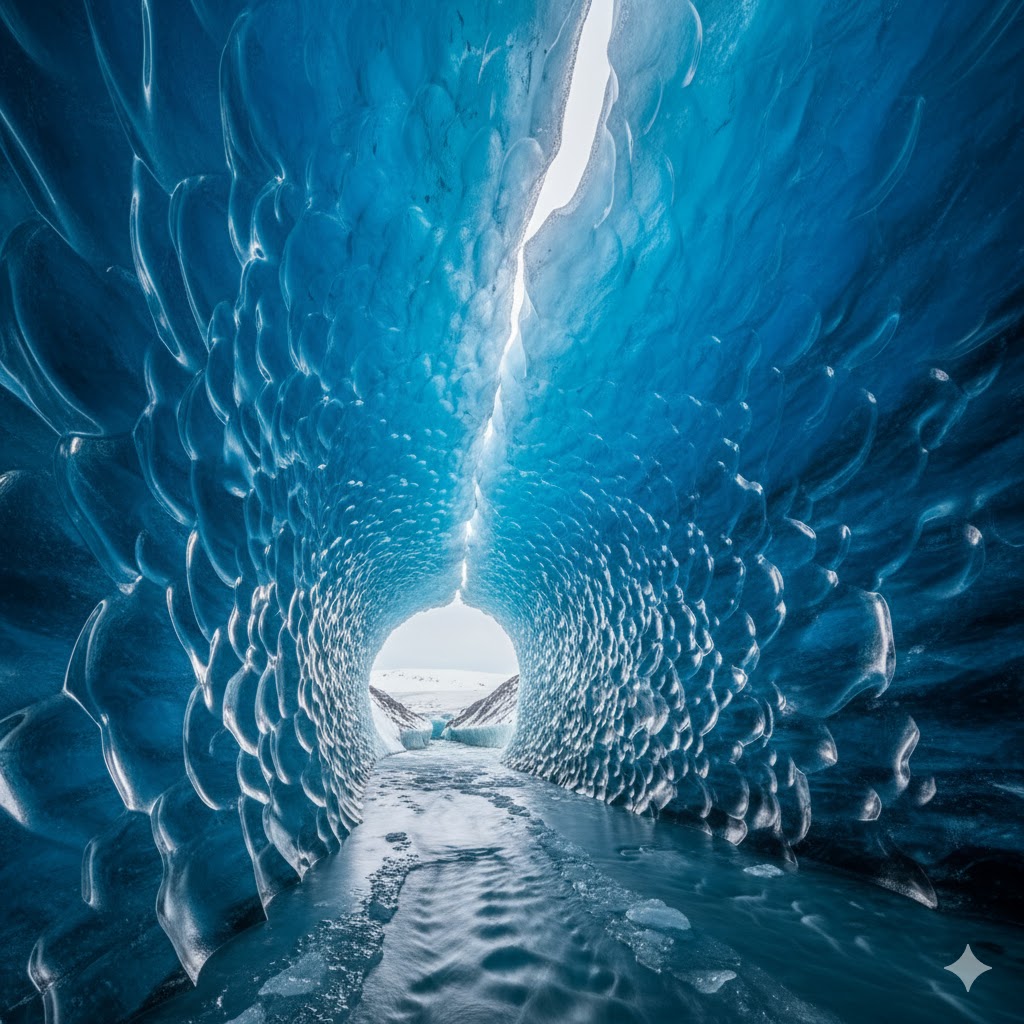
❄️ 3. Ice Caves, Iceland – The Frozen Cathedrals of Vatnajökull
Highlights:
Hidden beneath Iceland’s largest glacier, Vatnajökull, lies a network of breathtaking blue ice caves — glowing chambers sculpted by meltwater and time. The crystalline walls shimmer with layers of compacted snow, giving the illusion of walking inside a frozen cathedral.
History / Tradition:
These caves are nature’s ever-changing artwork, formed by glacial rivers carving tunnels through ancient ice. Icelandic folklore tells of ice spirits dwelling inside, guiding travelers lost in the tundra.
How to Reach:
From Reykjavik, drive 5 hours east on Route 1 to Jökulsárlón Glacier Lagoon. Tours depart daily in winter via 4×4 super jeeps.
Best Time to Visit:
November to March, when the glacier is most stable.
Tickets / Price:
Guided tour: €150–€180 including safety gear and transport.
Hidden Gems / Local Tips:
- Early morning tours offer the best natural light inside the caves.
- Wear waterproof boots — floors can be icy and wet.
- Combine with a Northern Lights viewing trip nearby.
Local Food:
Warm up with Icelandic lamb soup, hot chocolate, and local rye bread baked in volcanic soil.
How to Reach from Major Cities:
Bus or rental car from Reykjavik to Vatnajökull National Park, roughly 5 hours.
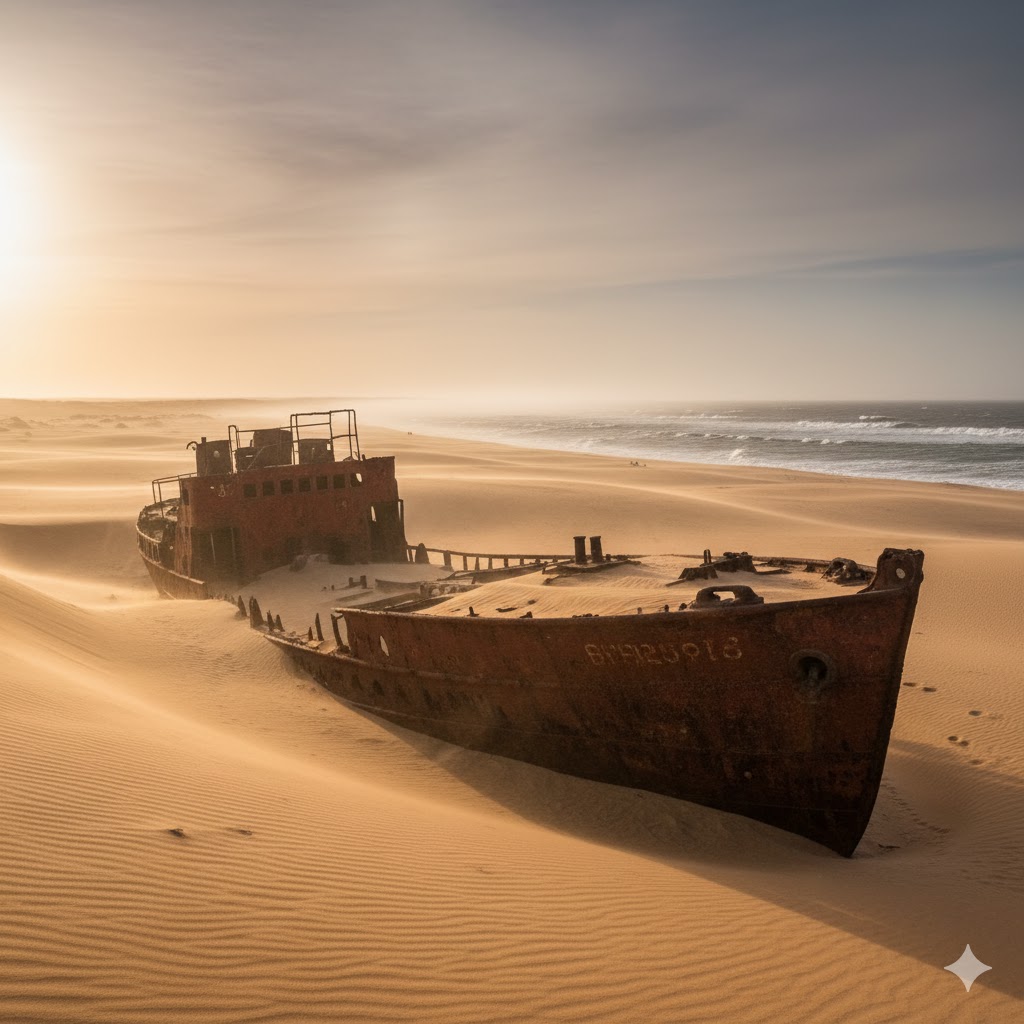
🏜️ 4. Desert Shipwrecks, Namibia – The Skeleton Coast’s Ghostly
Highlights:
Along Namibia’s eerie Skeleton Coast, rusted shipwrecks lie half-buried in golden dunes, battered by Atlantic winds. The contrast of desert and ocean creates a haunting yet stunning scene of nature reclaiming man’s ambition.
History / Tradition:
Named by Portuguese sailors centuries ago, the Skeleton Coast was once feared as “The Land God Made in Anger.” Many vessels perished here navigating the foggy, current-torn shores.
How to Reach:
From Swakopmund, join a 4×4 expedition north toward Torra Bay and Möwe Bay. Only registered guides are allowed due to conservation regulations.
Best Time to Visit:
May to October — cooler months with clear skies.
Tickets / Price:
Entry permit: NAD 100 (~$5). Guided tours from $100–$150 per person.
Hidden Gems / Local Tips:
- The Eduard Bohlen shipwreck, now stranded inland, is a must-see.
- Bring wide-angle lenses — this coastline is a photographer’s dream.
- Spot desert-adapted elephants and seals en route.
Local Food:
Try Namibian game meat, biltong, and Swakopmund’s famous German pastries.
How to Reach from Major Cities:
Fly into Walvis Bay (2 hrs from Windhoek) → drive north along the coast.
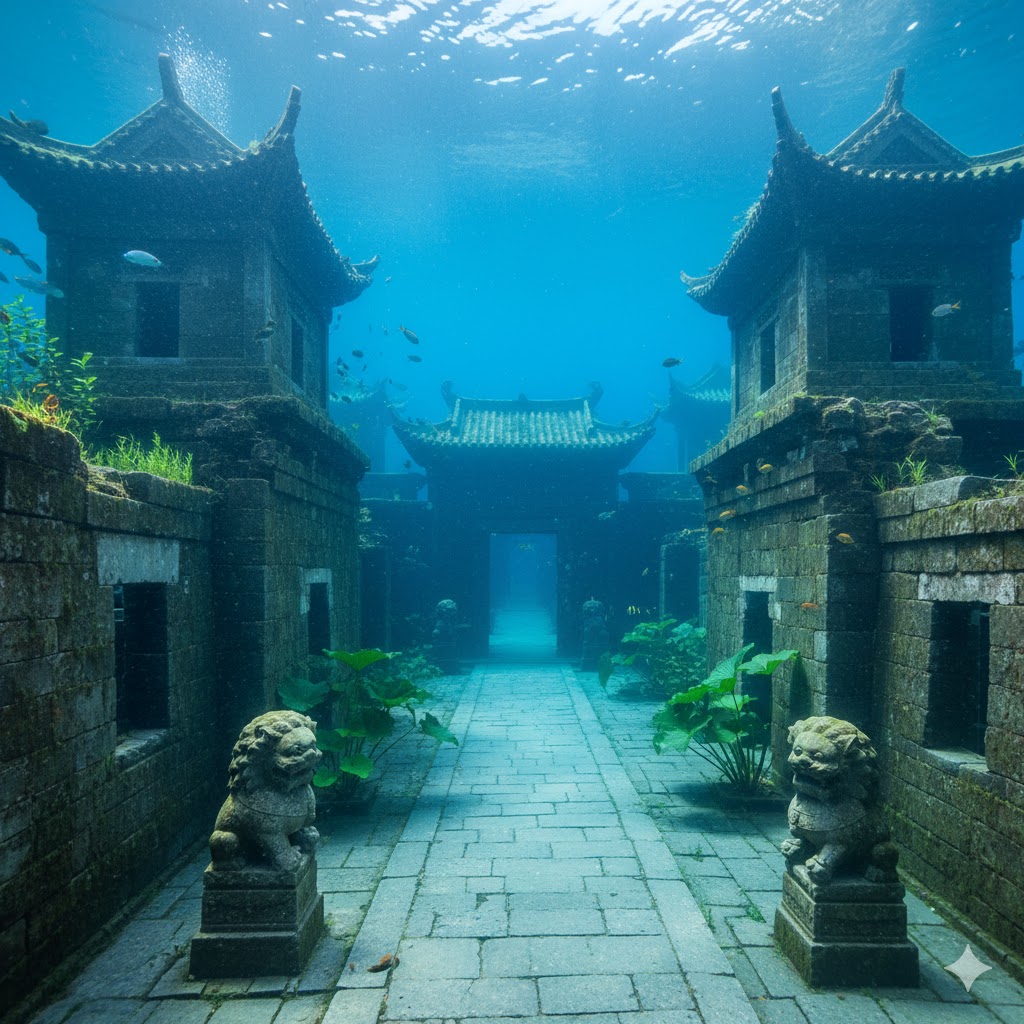
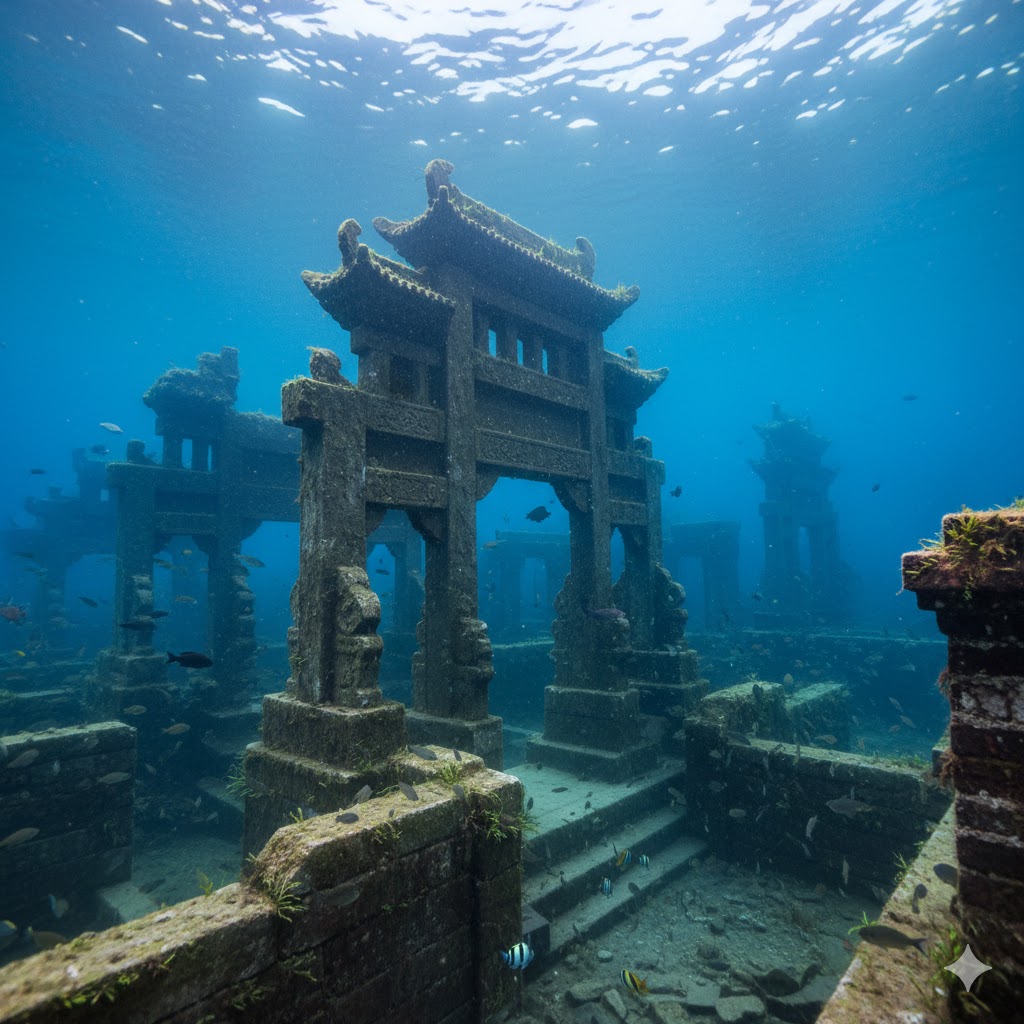
🏯 5. Submerged City, Shicheng, China – The Lost Atlantis of Qiandao Lake
Highlights:
Deep beneath Qiandao Lake lies the ancient city of Shicheng, also called the Lion City — a perfectly preserved underwater metropolis dating back to the Han Dynasty. Its stone gates, lion carvings, and archways remain intact under crystal-blue waters.
History / Tradition:
Built 1,300 years ago, Shicheng was submerged in 1959 to build a hydroelectric dam. Divers discovered it decades later — stunningly preserved by the lake’s cold, oxygen-free water.
How to Reach:
From Hangzhou, drive 3 hours to Qiandao Lake Town, then take a dive boat tour with certified operators.
Best Time to Visit:
April to September for the clearest visibility.
Tickets / Price:
Dive tours start at ¥1000 ($140) for certified divers.
Hidden Gems / Local Tips:
- Join night dives for eerie underwater photography.
- The nearby Thousand Islands scenic area offers panoramic lake views.
Local Food:
Taste Dongpo pork, Qiandao lake fish, and bamboo shoot stew.
How to Reach from Major Cities:
Direct buses and trains connect Hangzhou → Chun’an County → Qiandao Lake.
🏡 6. Village Frozen in Time, Bulgaria – Kovachevitsa’s Stone Legacy
Highlights:
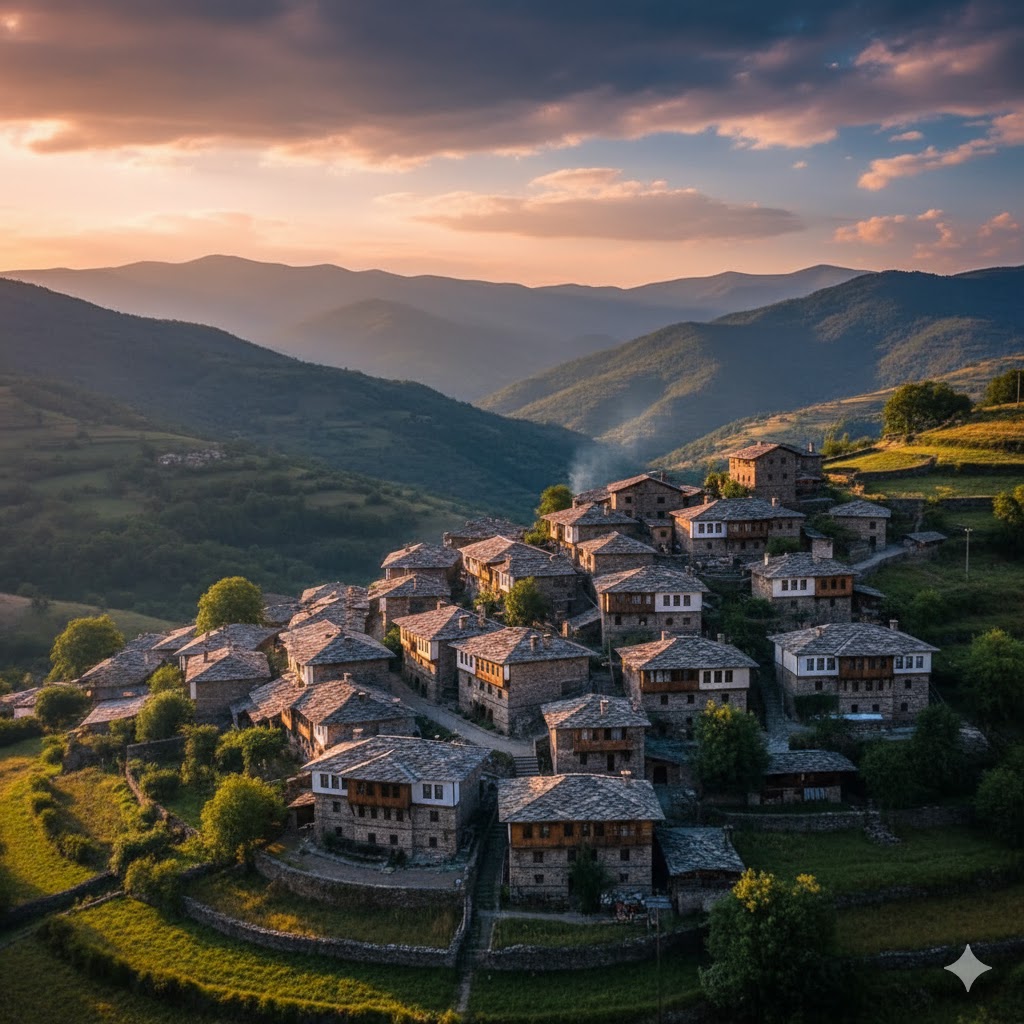
Perched in Bulgaria’s Rhodope Mountains, Kovachevitsa looks unchanged since the 18th century — a village of cobbled alleys, stacked stone houses, and quiet charm. The air smells of woodsmoke and mountain herbs, and time here seems to move slower.
History / Tradition:
Founded by Bulgarian refugees fleeing Ottoman rule, the village preserved its authentic architecture and folk traditions for over 300 years. Locals still weave rugs and make goat cheese the old way.
How to Reach:
From Sofia, drive 3.5 hours south via Gotse Delchev. The mountain road winds through pine forests and meadows.
Best Time to Visit:
April to October for warm, sunny days.
Tickets / Price:
No entry fees. Guesthouses start around €25 per night.
Hidden Gems / Local Tips:
- Visit during Kovachevitsa Festival — traditional music, dancing, and crafts.
- Sunset at Saint George Chapel offers sweeping mountain views.
Local Food:
Don’t miss banitsa (cheese pastry) and rakia (fruit brandy) shared by locals.
How to Reach from Major Cities:
Bus or rental car from Sofia (3.5 hrs).
7. Crystal Cave, Iceland – The Frozen Cathedral of Light
Highlights:
Deep under Vatnajökull Glacier lies a surreal blue world sculpted entirely from ice — the Crystal Cave. When sunlight filters through the ice, it creates a glowing, dreamlike tunnel that looks like a cathedral made of sapphire. The shifting shapes and glacial textures make this one of the most hidden travel spots in Iceland, attracting adventurers and photographers during the short winter season.
History / Tradition:
Icelandic folklore tells of frost elves guarding the ice tunnels — beings who protect the “heart of the glacier.” Locals once believed entering the cave brought good fortune if done during the first snowfall of the season.
How to Reach:
From Reykjavík, drive 5 hours along the Ring Road to Jökulsárlón Glacier Lagoon, then join a guided 4×4 tour to Vatnajökull. Only certified glacier guides are allowed inside due to shifting ice patterns.
Best Time to Visit:
November to March, when temperatures remain below freezing, ensuring the ice caves are stable and safe for entry.
Tickets / Price:
Guided tours cost between $150–$250 USD, including safety gear and transportation from the lagoon.
Hidden Gems / Tips:
- Visit early morning for the purest blue hues.
- Bring a wide-angle lens — the reflections are extraordinary.
- Don’t attempt solo entry; conditions change hourly.
Local Food:
Try Icelandic lamb soup and hot chocolate from the nearby Hali Country Hotel Café — perfect after the icy trek.
8. Desert Shipwrecks, Namibia – The Ghost Fleet of the Skeleton Coast
Highlights:
Namibia’s Skeleton Coast is a haunting stretch of desert meeting the Atlantic, where hundreds of rusting shipwrecks sit half-buried in golden dunes. Shrouded in fog and legend, this coastline is often called “The World’s Largest Ship Graveyard.”
History / Tradition:
For centuries, sailors feared this coast — early Portuguese explorers named it “As Areias do Inferno” (The Sands of Hell). Many wrecks date back to the 1800s, now surrounded by desert-adapted elephants and seals.
How to Reach:
Fly into Walvis Bay, then drive north along the C34 highway to Skeleton Coast National Park. A 4×4 is required beyond Torra Bay.
Best Time to Visit:
May to October, when the coastal fog and temperatures are mild, perfect for photography.
Tickets / Price:
Park entry costs around N$80 ($4 USD) per person; guided wreck safaris range $100–$300 USD.
Hidden Gems / Tips:
- Stop by the Eduard Bohlen wreck, stranded 400m inland.
- Visit Cape Cross Seal Reserve for 200,000+ seals basking on the sand.
- Bring extra fuel and water — services are limited.
Local Food:
Walvis Bay offers fresh oysters and grilled hake — ocean flavors in the desert.
9. Submerged City of Shicheng, China – The Atlantis of the East
Highlights:
Hidden beneath Qiandao Lake lies Shicheng, a 1,400-year-old underwater city preserved in near-perfect condition. Often called the “Chinese Atlantis,” its arches, temples, and stone carvings rest silently beneath turquoise waters.
History / Tradition:
Built during the Han Dynasty, the city was submerged intentionally in 1959 to create a hydroelectric dam. Today, divers explore its majestic underwater streets.
How to Reach:
From Hangzhou, drive 5 hours to Qiandao Lake. Diving tours depart from Xinanjiang Town.
Best Time to Visit:
April to November, when water visibility is clearest.
Tickets / Price:
Diving tours cost $200–$400 USD, including gear and certified instructors.
Hidden Gems / Tips:
- Best explored by professional divers.
- Non-divers can enjoy glass-bottom boat rides.
- Bring underwater cameras — visibility reaches 30 feet on clear days.
Local Food:
Try freshwater fish soup and rice dumplings wrapped in lotus leaves at Qiandao Lake eateries.
10. Floating Forest, Kerala – India’s Drifting Jungle Wonder
Highlights:
Hidden in the Vembanad Backwaters of Kerala, this floating forest is a tangle of mangroves and banyan trees that drift slowly on calm waters, creating a magical, moving landscape. Locals call it the “Forest That Breathes.”
History / Tradition:
Villagers believe the forest spirits bless fishermen with good catches. Every year, small boat festivals celebrate these “floating islands” as living deities.
How to Reach:
Take a houseboat from Alleppey or Kumarakom. The floating forest is near Pathiramanal Island.
Best Time to Visit:
October to March, when monsoon rains subside and skies are clear.
Tickets / Price:
Backwater tours start from ₹1,500 ($18 USD) for a half-day cruise.
Hidden Gems / Tips:
- Visit at sunrise for mirror-like reflections.
- Bring binoculars — over 90 bird species inhabit the area.
- Stay in an eco-resort for a full nature immersion.
Local Food:
Enjoy Kerala-style fish curry, appam, and tender coconut water served on houseboats.
11. Abandoned Village of Al Madam, UAE – The Desert’s Silent Town
Highlights:
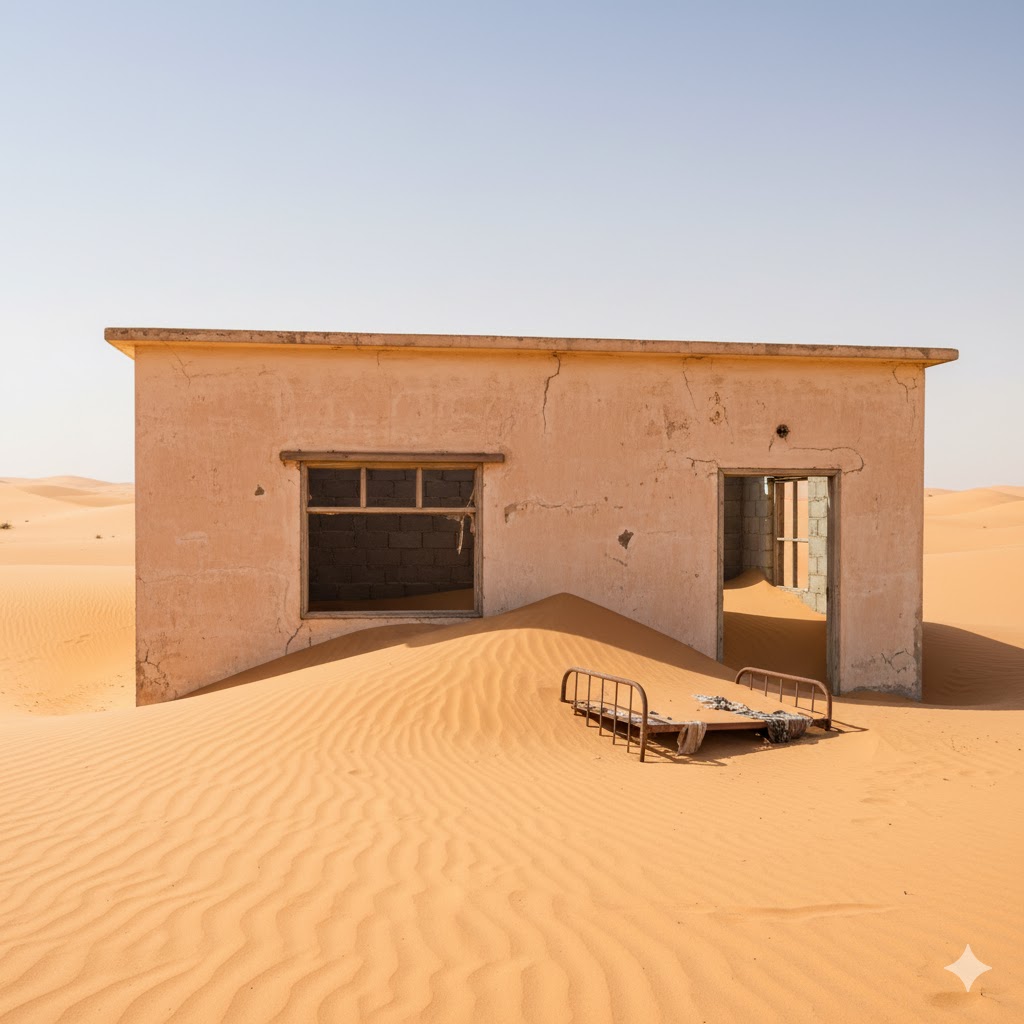
Half-buried in desert sand, Al Madam Village is a ghostly settlement near Sharjah. Abandoned decades ago, sand dunes now spill into homes, giving it an eerie yet mesmerizing charm.
History / Tradition:
Locals say the village was haunted by “djinns” (spirits), forcing families to flee. Researchers suggest sand encroachment and isolation led to its desertion.
How to Reach:
Drive 1 hour from Dubai via the E44 highway; accessible by SUV.
Best Time to Visit:
November to February, when desert temperatures are pleasant.
Tickets / Price:
Free to enter; no tickets required.
Hidden Gems / Tips:
- Visit at sunset for glowing sand and long shadows.
- Bring a tripod — it’s a photographer’s paradise.
- Respect the site; it’s fragile and historical.
Local Food:
Nearby Sharjah cafés offer Arabic coffee, falafel, and manakeesh.
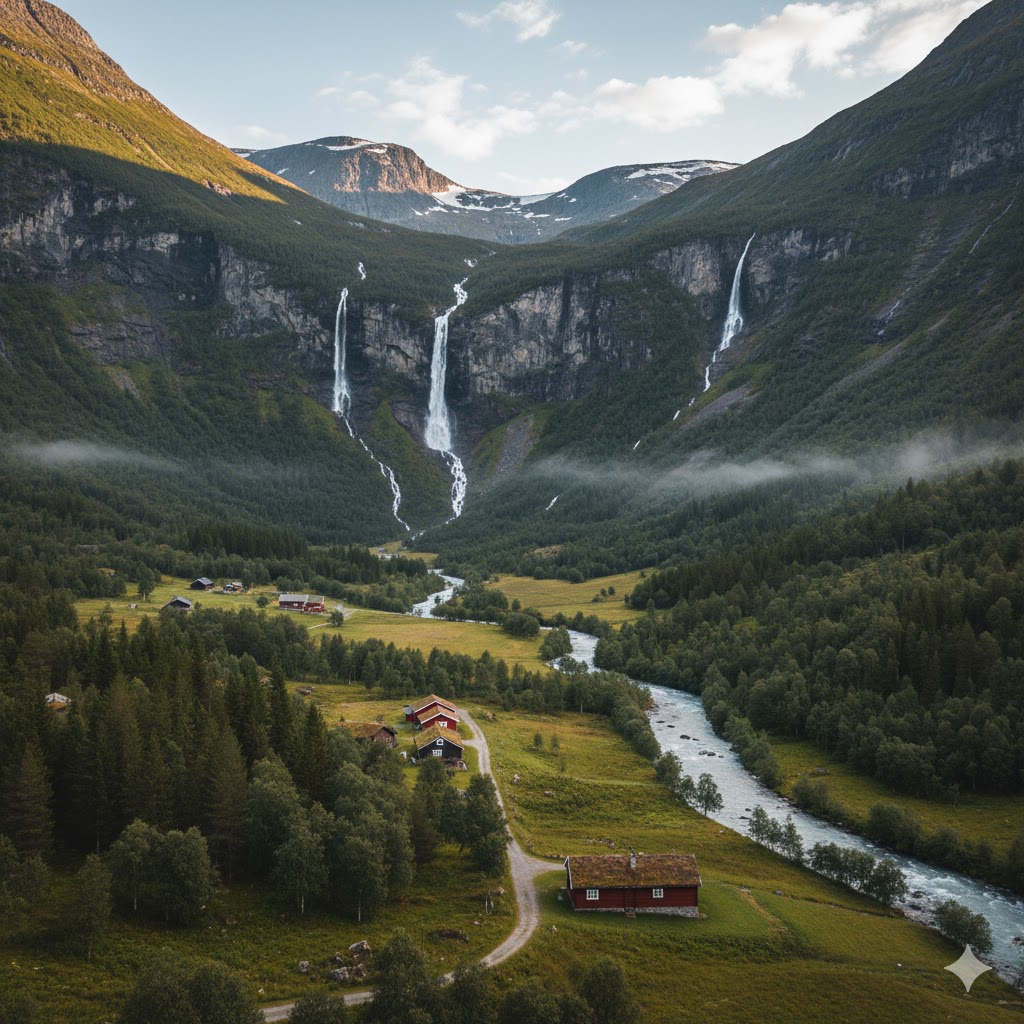
12. Hidden Valley, Norway – The Fjord That Time Forgot
Highlights:
Nestled deep within western Norway, Hidden Valley (Veigdalen) is a pristine glacial valley with waterfalls, wooden cabins, and ancient farms untouched by modern roads.
History / Tradition:
Old Norse sagas mention Veigdalen as the “Valley of Spirits,” home to hermits who sought peace with nature. Locals still celebrate midsummer rituals here.
How to Reach:
From Bergen, drive 5 hours to Aurland; hiking paths lead 8 km into the valley.
Best Time to Visit:
June to September, for hiking and wildflower blooms.
Tickets / Price:
Free entry; cabins may require pre-booking.
Hidden Gems / Tips:
- Stay in local wood cabins for an authentic fjord experience.
- Don’t miss the midnight sun reflections.
- Bring insect repellent and warm layers.
Local Food:
Try brunost (brown cheese) sandwiches and wild berry jam from local farms.
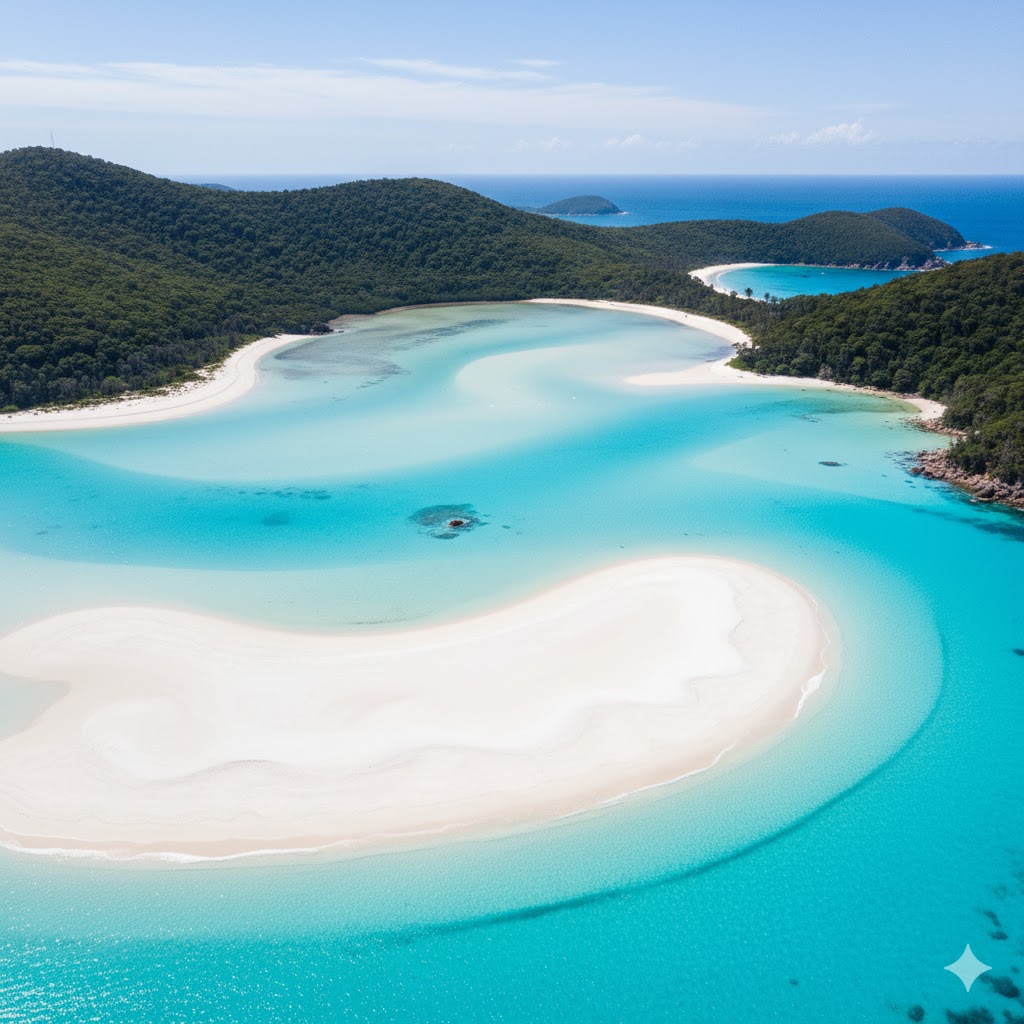
13. Whitsundays Hidden Beach, Australia – The Secret White Haven
Highlights:
The Whitsundays are famous, but tucked behind the main island lies a hidden beach accessible only by kayak or yacht. Powder-white silica sand meets crystal turquoise water — a paradise that remains quiet even in peak season.
History / Tradition:
This beach has long been sacred to the Ngaro people, who considered it a “pathway of spirits” connecting sea and sky.
How to Reach:
From Airlie Beach, hire a kayak or private boat to access the secluded cove.
Best Time to Visit:
April to October, avoiding tropical rains.
Tickets / Price:
No entry fee; kayak rentals from AUD $100/day.
Hidden Gems / Tips:
- Bring snorkeling gear — coral reefs start right offshore.
- Watch for sea turtles at dawn.
- Avoid weekends for complete solitude.
Local Food:
Try grilled barramundi and tropical fruit smoothies from Airlie cafés.
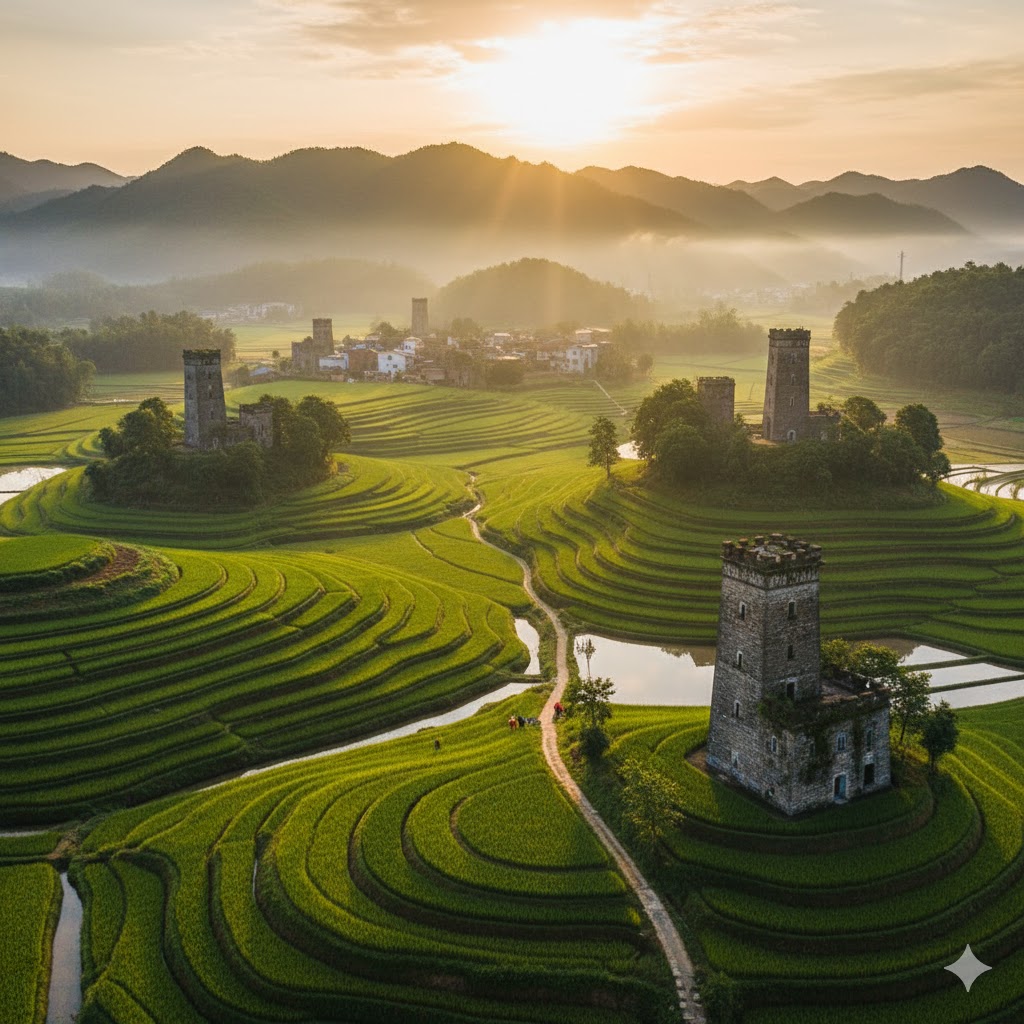
14. Hidden Water Village, China – Zili Ancient Towers
Highlights:
A UNESCO-listed cluster of stone watchtowers surrounded by rice paddies in Kaiping, Zili Village feels frozen in time. Mist floats over the wetlands at dawn, giving it a cinematic serenity.
History / Tradition:
Built by overseas Chinese in the 19th century, these towers served as defense and family symbols. Many still belong to descendants abroad.
How to Reach:
From Guangzhou, drive 2.5 hours south to Kaiping County.
Best Time to Visit:
March to May, when rice fields shimmer in green.
Tickets / Price:
Entry ¥80 ($12 USD) for the tower complex.
Hidden Gems / Tips:
- Climb the Ruishi Tower for panoramic photos.
- Visit nearby Majianglong village for ancient bridges.
- Bring a drone for cinematic aerial views.
Local Food:
Sample steamed rice cakes and herbal teas at local stalls.
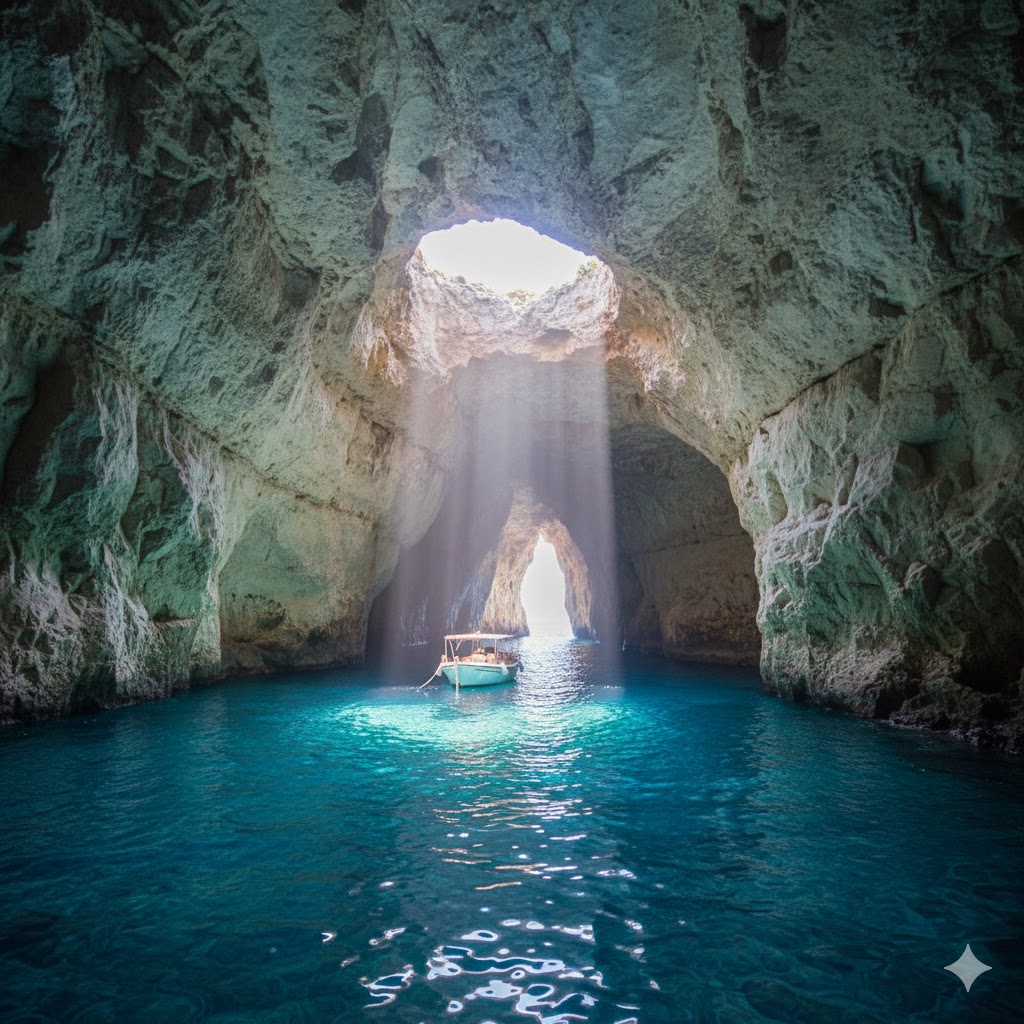
15. Blue Lagoon Caves, Greece – Zakynthos’ Hidden Gem
Highlights:
Carved by the Ionian Sea, the Blue Caves of Zakynthos are a surreal mix of turquoise light and limestone arches. Accessible only by small boats, they’re among the most romantic hidden lagoons in Greece.
History / Tradition:
Local fishermen once used the caves as hideouts during storms and wartime. Today, they symbolize nature’s resilience and tranquility.
How to Reach:
From Agios Nikolaos Port, rent a speedboat or join a 30-minute tour.
Best Time to Visit:
May to September, when the sea is calm and water clarity peaks.
Tickets / Price:
Boat tours cost around €25–€40 per person.
Hidden Gems / Tips:
- Go early morning for best light reflections.
- Bring snorkeling gear — underwater light effects are mesmerizing.
- Combine with a visit to Shipwreck Beach nearby.
Local Food:
Enjoy Greek salads, tzatziki, and grilled octopus at Agios tavernas.
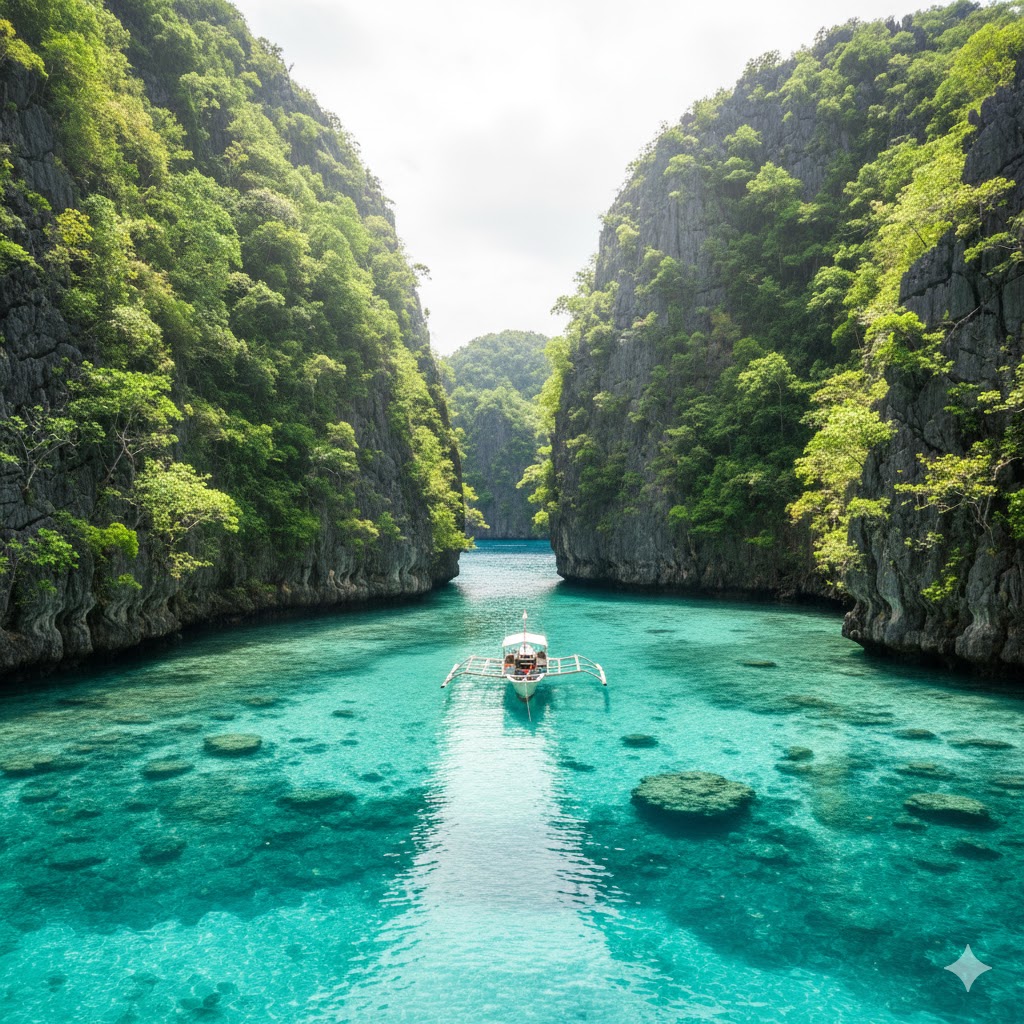
16. Hidden Lagoon, Palawan – The Secret Cove of the Philippines
Highlights:
Nestled between towering limestone cliffs in El Nido, Palawan’s Hidden Lagoon is a turquoise paradise only accessible through a narrow crevice during low tide. Inside, tranquil emerald waters shimmer beneath the tropical sun, surrounded by coral reefs teeming with life.
History / Tradition:
Local fishermen once used this lagoon as a secret shelter from storms. The Tagbanua people, Palawan’s indigenous tribe, still believe the lagoon is home to ancestral spirits protecting the island.
How to Reach:
Fly to Puerto Princesa, then take a 5-hour van ride to El Nido. From there, book an “Island Hopping Tour C,” which includes access to the Hidden Lagoon.
Best Time to Visit:
November to May — calm seas, crystal-clear visibility, and ideal for snorkeling.
Tickets / Price:
₱1,200–₱1,800 (USD $22–$30) per person for island tours including the lagoon.
Hidden Gems / Tips:
- Visit early morning for solitude and soft lighting.
- Bring snorkeling gear — coral gardens lie just outside the lagoon’s entrance.
- Combine with Secret Beach and Matinloc Shrine on the same day.
Local Food:
Try grilled tuna, coconut rice, and fresh mango smoothies from beach shacks at El Nido Pier.
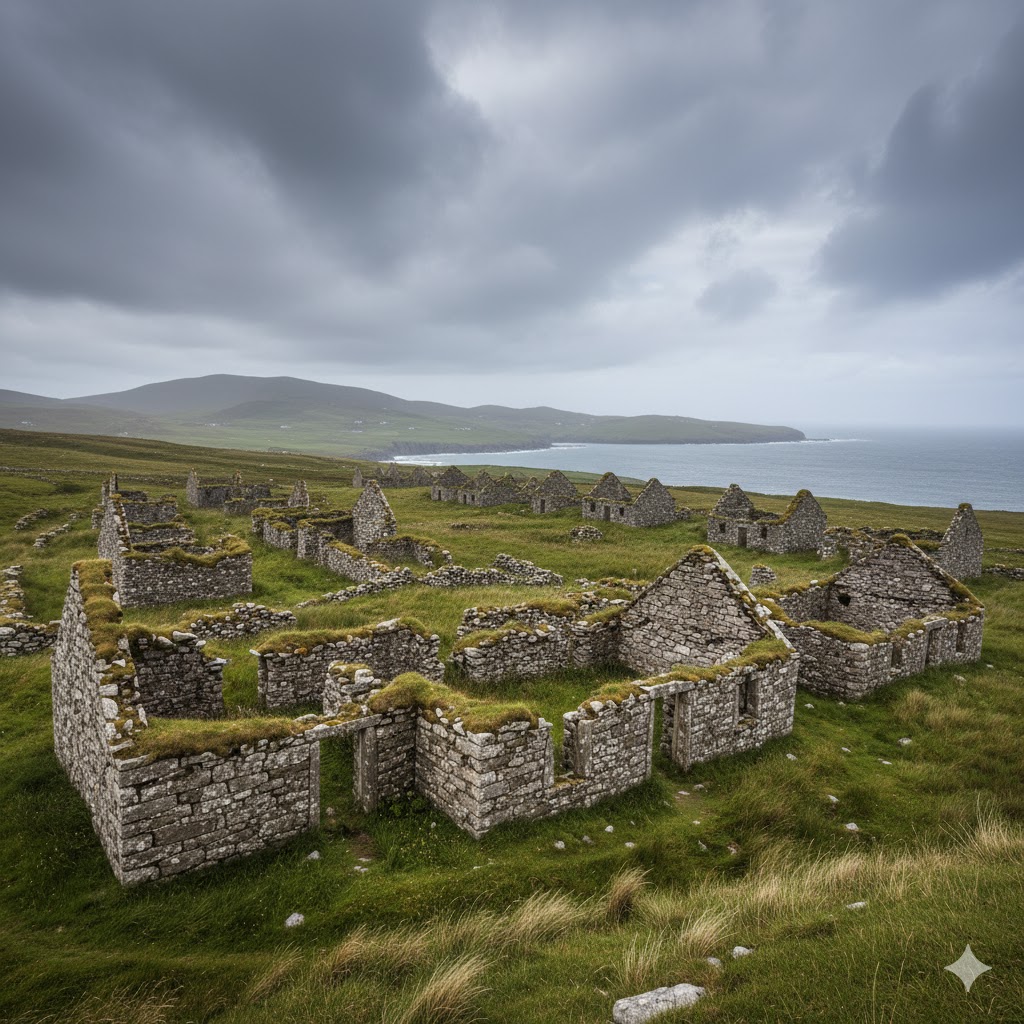
17. Deserted Village, Achill Island – Ireland’s Ghost Settlement
Highlights:
A hauntingly beautiful site on Achill Island’s Slievemore Mountain, this abandoned stone village once housed hundreds of farmers. Now, it stands as a window into Ireland’s 19th-century famine history.
History / Tradition:
Built in the early 1800s, the village was deserted during the Great Famine. Locals return each summer for “Booley” — a traditional festival honoring ancestors who once lived here.
How to Reach:
Drive across the Michael Davitt Bridge from mainland County Mayo to Achill Island. The site is well-signposted near Dugort village.
Best Time to Visit:
May to September, when weather is mild and ruins are surrounded by blooming heather.
Tickets / Price:
Free entry — open all year.
Hidden Gems / Tips:
- Hike nearby Slievemore for panoramic Atlantic views.
- Visit the Achill Heritage Centre for famine-era exhibits.
Local Food:
Enjoy Irish stew, soda bread, and fresh Atlantic salmon from local pubs in Keel.
18. Hidden Ice Cave, Vatnajökull – Iceland’s Frozen Cathedral
Highlights:
Beneath Iceland’s largest glacier lies an ever-changing maze of sapphire-blue ice tunnels. Each winter, the caves glow in surreal shades of blue and crystal white.
History / Tradition:
Formed by glacial meltwater, these caves symbolize Iceland’s deep connection with fire and ice — ancient Norse mythology describes such caverns as gateways to the underworld.
How to Reach:
Drive from Reykjavík to Skaftafell (5 hours). From there, join a guided glacier tour.
Best Time to Visit:
November to March — safest and most stable ice formations.
Tickets / Price:
ISK 20,000–30,000 (USD $145–$220) for guided tours with safety gear.
Hidden Gems / Tips:
- Wear waterproof boots and gloves.
- Visit Jökulsárlón Glacier Lagoon nearby for floating icebergs.
Local Food:
Try Icelandic lamb soup and rye bread baked in geothermal steam.
19. Hidden Forest Temple, Bali – The Spirit Sanctuary of Mengwi
Highlights:
Deep in Bali’s dense jungle near Mengwi lies a moss-covered temple guarded by monkeys and banyan trees. Locals call it “Pura Alas Kedaton” — the Forest Temple.
History / Tradition:
Built in the 15th century, it’s one of Bali’s oldest spiritual sites. Priests believe the temple’s monkeys are divine guardians protecting worshippers from evil.
How to Reach:
30-minute drive from Ubud. Easily accessible by taxi or scooter.
Best Time to Visit:
April to October — dry season and perfect lighting for photography.
Tickets / Price:
IDR 40,000 (USD $2.50) per person.
Hidden Gems / Tips:
- Respect local customs — wear a sarong.
- Attend the full moon ceremony for Balinese music and offerings.
Local Food:
Savor Nasi Campur, coconut pancakes, and ginger tea at nearby warungs.

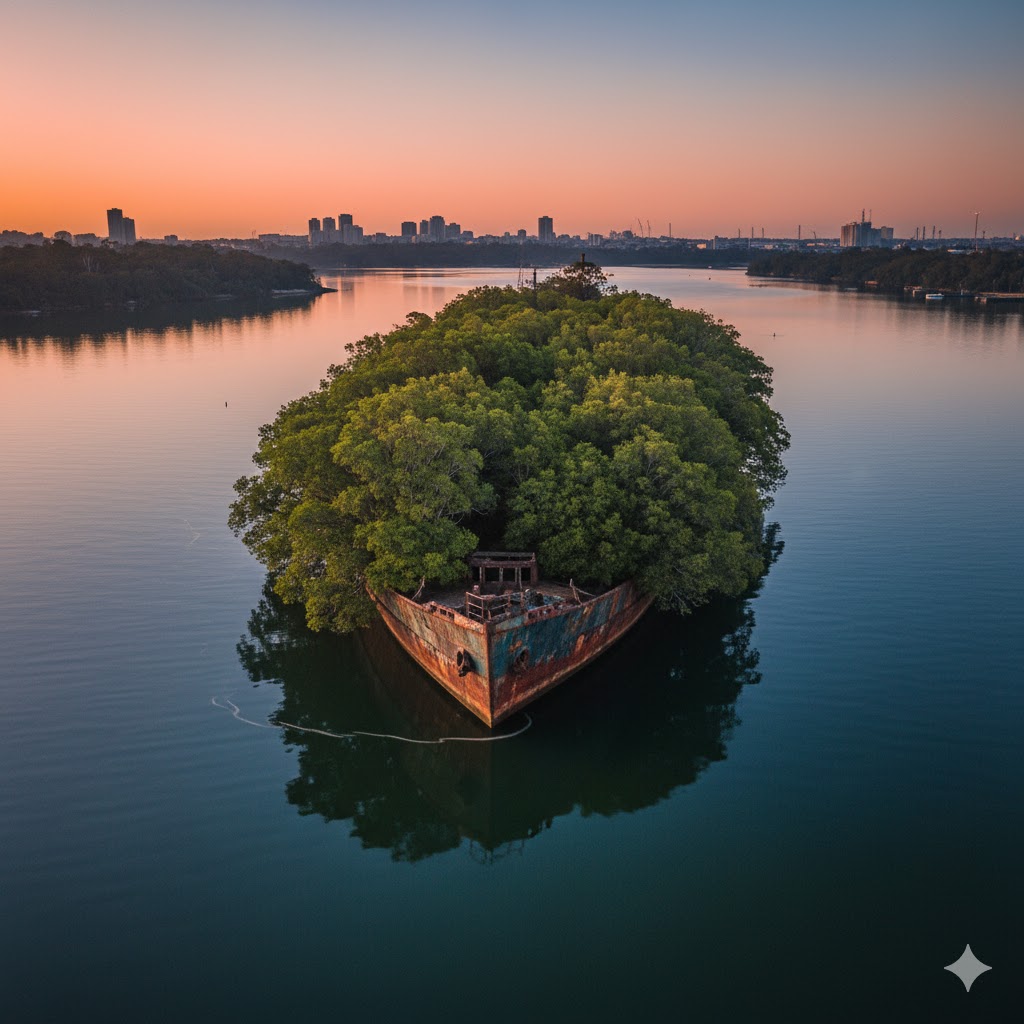
20. Floating Forest, Sydney – Nature Reclaims the Shipwreck
Highlights:
In the waters of Homebush Bay, Sydney, a century-old shipwreck has transformed into a floating mangrove forest. The SS Ayrfield now blooms with trees and birds — a stunning symbol of nature reclaiming man-made ruins.
History / Tradition:
The SS Ayrfield served as a World War II supply ship before being abandoned in the 1970s. Over decades, nature took over, turning rust into a living island.
How to Reach:
Take a ferry or drive to Wentworth Point. A short walk from Olympic Park leads to the viewing deck.
Best Time to Visit:
Sunset — golden light enhances the rusted hull’s glow.
Tickets / Price:
Free access.
Hidden Gems / Tips:
- Bring a drone for incredible aerial shots.
- Visit nearby Brickpit Ring Walk for panoramic wetland views.
Local Food:
Grab seafood at Sydney Fish Market or local eateries in Rhodes.
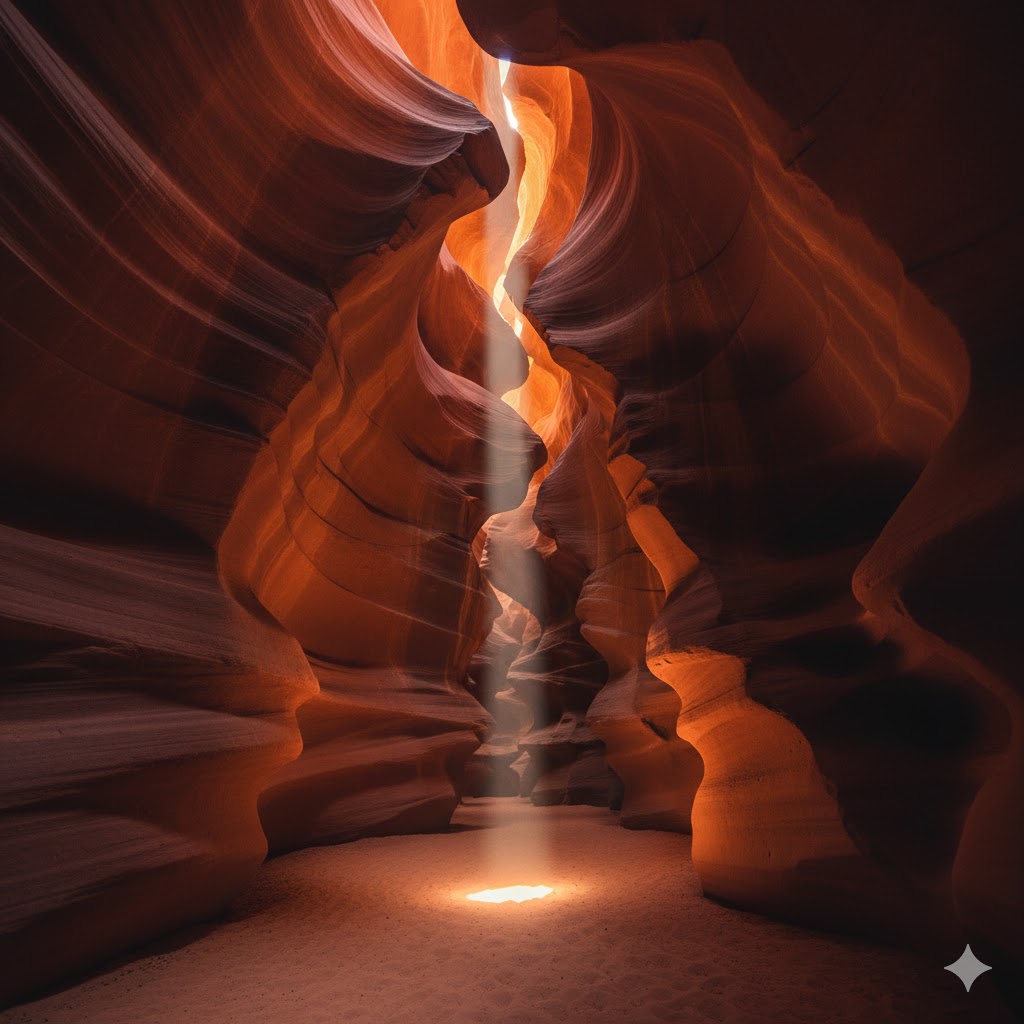
21. Secret Canyon, Arizona – The Quieter Antelope
Highlights:
A lesser-known cousin of Antelope Canyon, Secret Canyon offers the same wave-like sandstone walls without the tourist crowds.
History / Tradition:
Formed over millions of years by flash floods, Navajo tribes consider the canyon sacred — a place where earth meets spirit.
How to Reach:
Near Page, Arizona. Only accessible via guided tours departing from Horseshoe Bend Slot Canyon Tours.
Best Time to Visit:
March to October for warm temperatures and glowing light beams.
Tickets / Price:
USD $80–$120 for guided tour.
Hidden Gems / Tips:
- Visit early morning to capture sunlight beams.
- Bring a tripod — photography is stunning here.
Local Food:
Try Navajo tacos and frybread from local stands near Page.
26. Submerged City, Shicheng – China’s Lost Atlantis
Highlights:
Deep beneath Qiandao Lake lies Shicheng, also known as the Lion City. Once a thriving settlement from the Han Dynasty, this underwater marvel remains almost perfectly preserved — complete with city gates, arches, and ornate carvings visible to divers.
History / Tradition:
Built during the Eastern Han Dynasty (AD 25–200), the city was submerged in 1959 after the Xin’an River Dam was constructed. Today, it’s an underwater archaeological wonder.
How to Reach:
From Hangzhou, drive to Qiandao Lake (4 hours). Diving tours depart from the main marina.
Best Time to Visit:
April to November — water clarity is best for diving.
Tickets / Price:
¥3,000–¥4,500 (USD $400–$620) per dive expedition.
Hidden Gems / Tips:
- Must be a certified diver.
- Explore the nearby Thousand Island Lake viewpoints for aerial photos.
Local Food:
Try local fish dishes like Qiandao Grilled Carp and Lotus Rice Cakes.
27. Secret Beach, Goa – Butterfly Beach Escape
Highlights:
Accessible only by boat or jungle trek, Butterfly Beach in South Goa is one of India’s most pristine hidden travel spots. It’s famed for its crescent-shaped shoreline, turquoise waters, and colorful butterflies fluttering over the sand.
History / Tradition:
Named after the butterflies that swarm here in early spring, the beach remains largely untouched by commercialization — a throwback to Goa’s hippie roots.
How to Reach:
Take a boat from Palolem or Agonda Beach. Alternatively, trek 2 km through dense forest trails.
Best Time to Visit:
October to February for pleasant weather and calm seas.
Tickets / Price:
Free entry; private boats cost ₹1,500–₹3,000 ($18–$36) roundtrip.
Hidden Gems / Tips:
- Sunset views here are unmatched in Goa.
- Bring snorkeling gear — dolphins often appear offshore.
Local Food:
Enjoy Goan prawns, crab curry, and coconut feni at beachside huts.

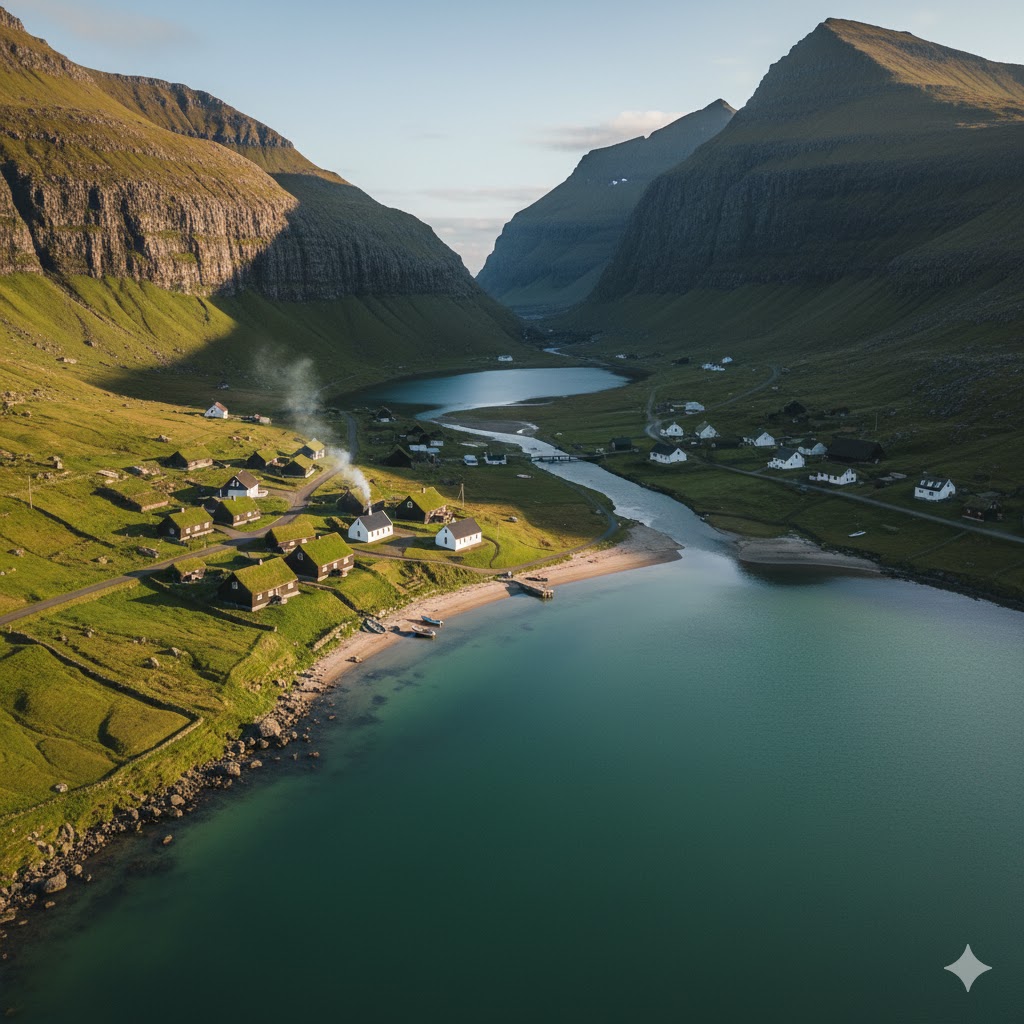
28. Remote Island Village, Faroe Islands – Saksun’s Green Fjords
Highlights:
Saksun is a tiny grass-roofed village set deep within a fjord valley in the Faroe Islands. Its turf-roofed houses overlook a serene lagoon framed by dramatic cliffs.
History / Tradition:
Once a fishing settlement, it’s now home to just a handful of families who continue to farm and raise sheep in traditional Faroese ways.
How to Reach:
From Tórshavn, drive north for 1.5 hours via Route 10 and Saksunarvegur Road.
Best Time to Visit:
June to August — long daylight and lush greenery.
Tickets / Price:
Free entry; parking may cost 50 DKK.
Hidden Gems / Tips:
- Visit the small church built in 1858.
- Stay overnight at local guesthouses for complete solitude.
Local Food:
Try fermented lamb, salmon, and skerpikjøt (wind-dried mutton).
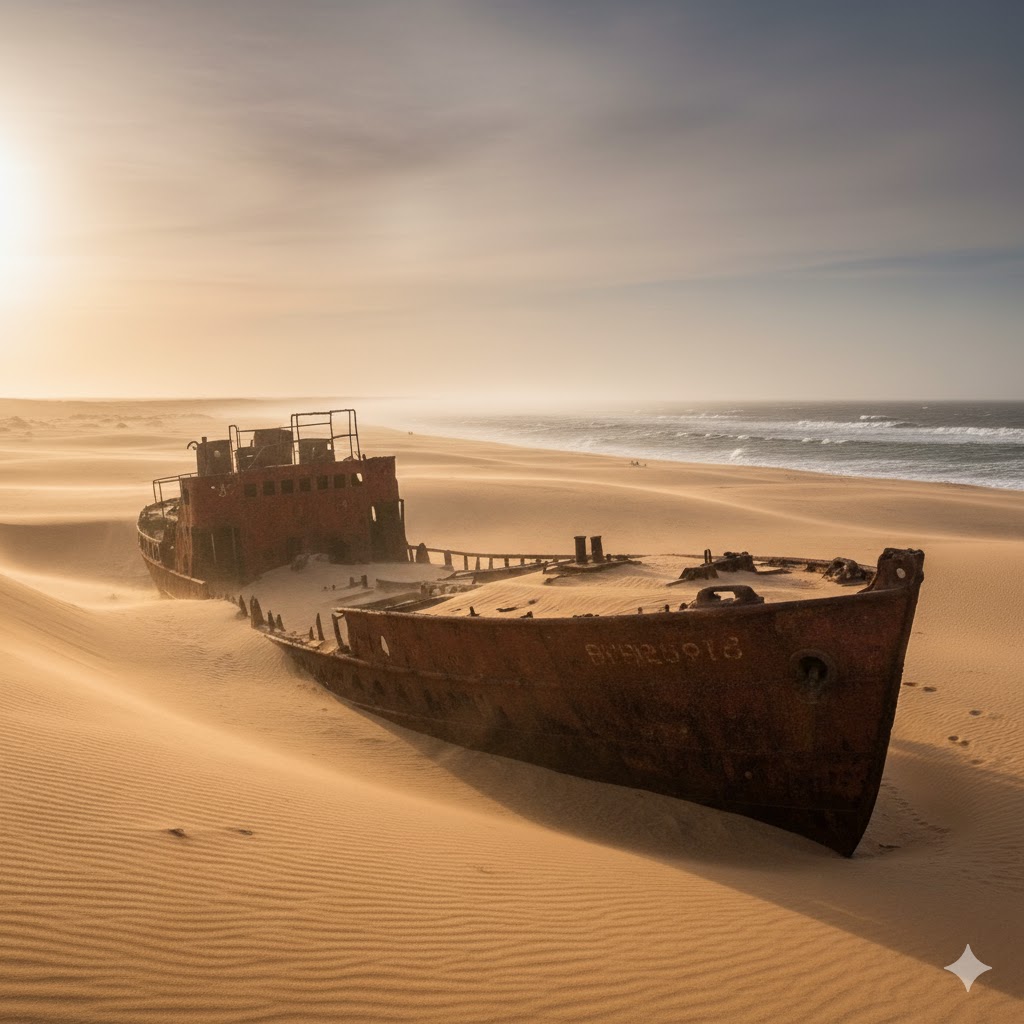
29. Desert Shipwrecks, Namibia – Skeleton Coast’s Forgotten Giants
Highlights:
Namibia’s Skeleton Coast is scattered with rusted shipwrecks half-buried in sand — a hauntingly beautiful testament to the Atlantic’s fury.
History / Tradition:
For centuries, sailors feared this stretch of coast due to its thick fog and strong currents. Some wrecks date back to the early 1900s, while others still contain cargo remnants.
How to Reach:
Fly to Swakopmund, then take a 4WD safari north toward the Skeleton Coast National Park.
Best Time to Visit:
May to October — dry season ensures better visibility.
Tickets / Price:
Entry around NAD 80 (USD $5) for foreigners. Guided tours from $250+.
Hidden Gems / Tips:
- Bring binoculars — seals and jackals roam the shore.
- Visit Cape Cross Seal Reserve nearby.
Local Food:
Enjoy grilled game meat and African millet bread in Swakopmund.
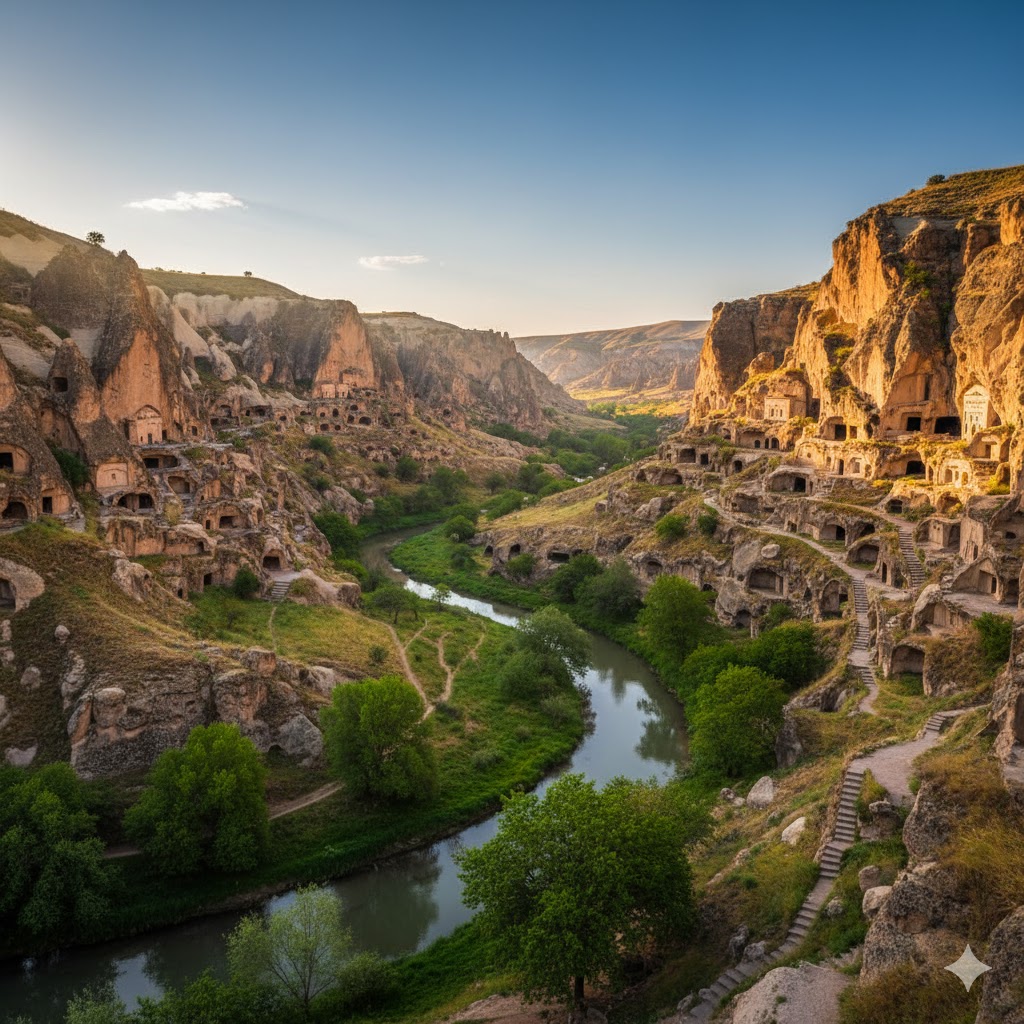
30. Secret Valley, Cappadocia – Hidden Cave Homes of Turkey
Highlights:
Beyond Cappadocia’s hot-air balloons lies a lesser-known marvel: the Ihlara Valley. Carved by volcanic activity, its canyon walls hide ancient cave monasteries and frescoed chapels.
History / Tradition:
Early Christians fled Roman persecution and carved homes and churches into the valley’s cliffs during the 4th century.
How to Reach:
From Göreme, drive 1.5 hours south via Aksaray Road to Ihlara entrance.
Best Time to Visit:
April to June and September to October for mild hiking weather.
Tickets / Price:
₺300 ($10) per person.
Hidden Gems / Tips:
- Hike the 14 km trail along Melendiz River.
- Stop at Belisirma Village for riverside lunch.
Local Food:
Try Gözleme (stuffed Turkish flatbread) and lentil soup.
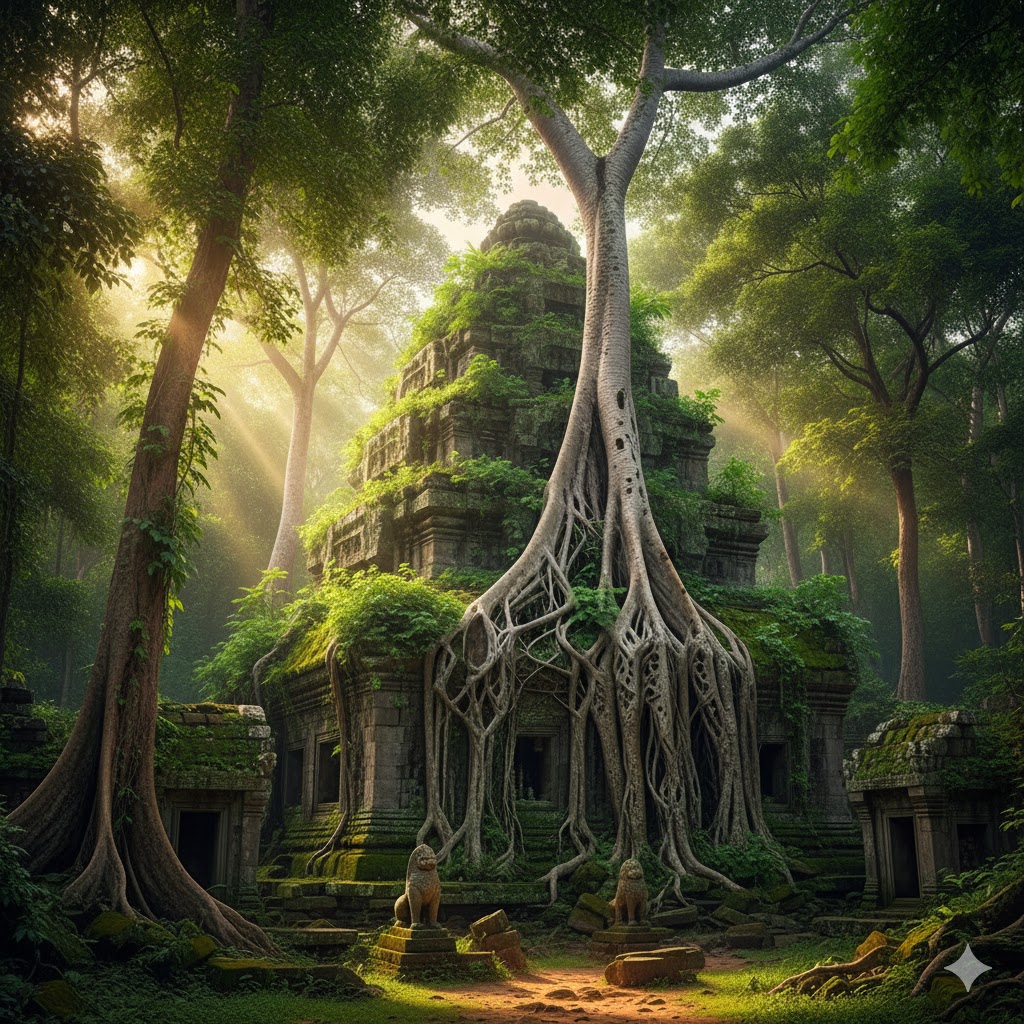
31. Lost Jungle City, Cambodia – Koh Ker’s Forgotten Empire
Highlights:
Once the capital of the Khmer Empire, Koh Ker is a massive temple complex reclaimed by jungle. Its pyramid-shaped Prasat Thom towers above the treetops — a rival to Angkor Wat.
History / Tradition:
Built in the 10th century by King Jayavarman IV, it was abandoned when the capital moved to Angkor.
How to Reach:
120 km northeast of Siem Reap (3 hours by car).
Best Time to Visit:
November to February — dry, cool weather ideal for exploring.
Tickets / Price:
$10 per person; $37 combo ticket for Koh Ker and Beng Mealea.
Hidden Gems / Tips:
- Visit early morning to avoid snakes and tourists.
- Bring insect repellent and sunscreen.
Local Food:
Try Lok Lak beef and Cambodian iced coffee in nearby villages.
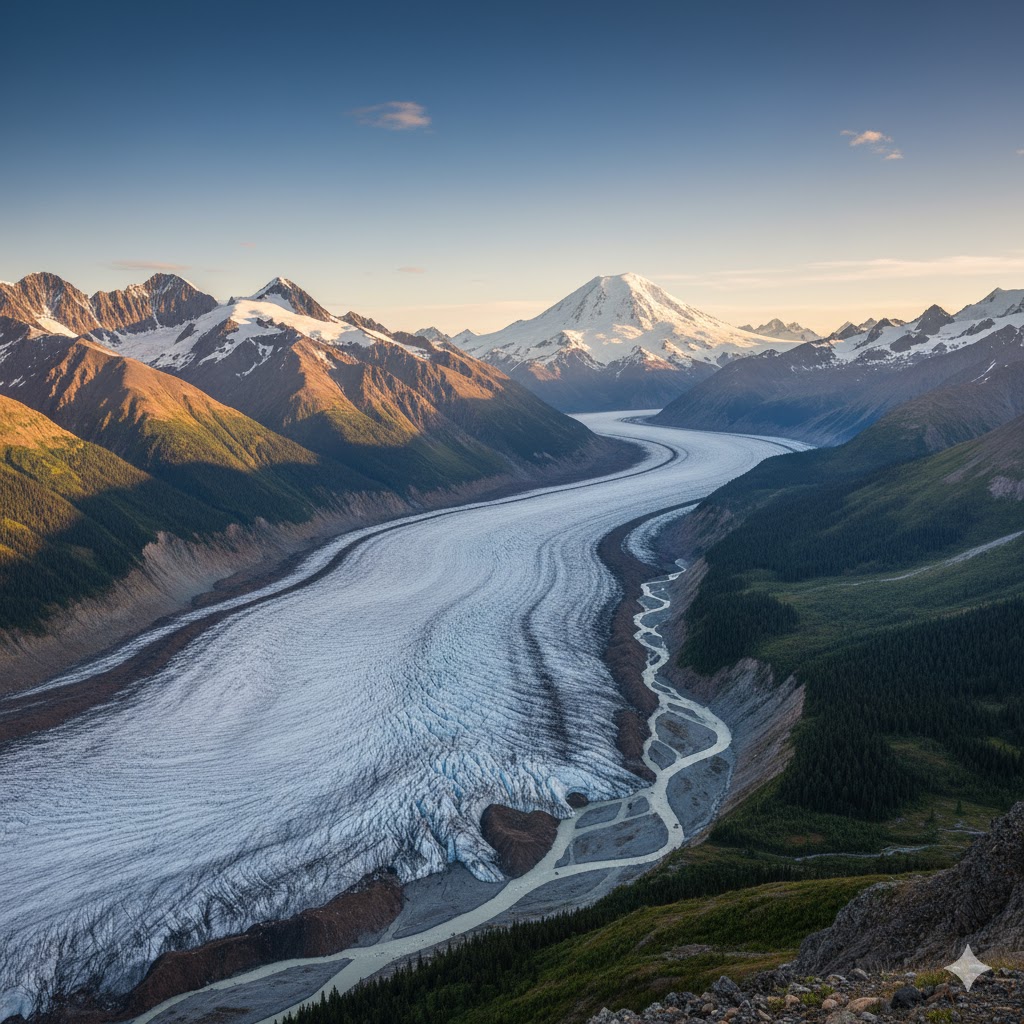
32. Remote Glacier Valley, Alaska – Wrangell’s Wild Silence
Highlights:
Wrangell–St. Elias National Park is larger than Switzerland but remains one of America’s least visited parks. Its glacial valleys and ice fields are raw, untamed beauty.
History / Tradition:
Named after Russian explorers and native tribes, the region was once a hub for copper mining.
How to Reach:
Fly to Anchorage, drive 6 hours to McCarthy, then hike or fly by bush plane.
Best Time to Visit:
June to August — long daylight hours and accessible trails.
Tickets / Price:
Free park entry; bush flights $200–$400.
Hidden Gems / Tips:
- Visit Kennecott Mine ghost town inside the park.
- Camp by Root Glacier for stargazing.
Local Food:
Try smoked salmon and Alaskan reindeer sausage.
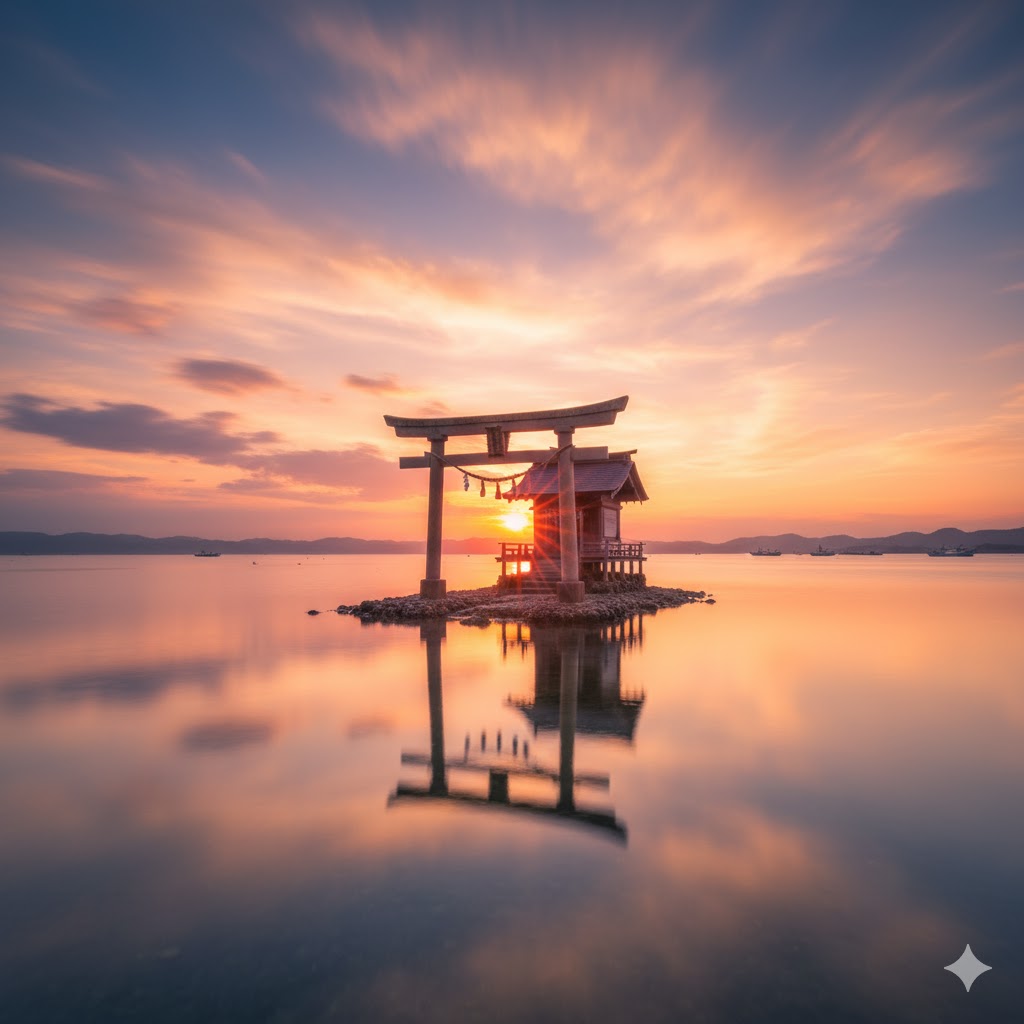
33. Hidden Temple in the Sea, Japan – Kōra Taisha of Iki Island
Highlights:
Standing on a small island reached only at low tide, this Shinto shrine appears to float on water — a sight straight out of myth.
History / Tradition:
Built over 1,300 years ago, locals believe the tide’s rise and fall symbolizes the cycle of life and purity.
How to Reach:
Ferry from Fukuoka to Iki Island, then 15 minutes by car.
Best Time to Visit:
March to June for pleasant weather.
Tickets / Price:
Free entry.
Hidden Gems / Tips:
- Walk during low tide to access the shrine.
- Visit nearby Iki Kannon Cave with stone carvings.
Local Food:
Try fresh sea urchin and Iki beef dishes.
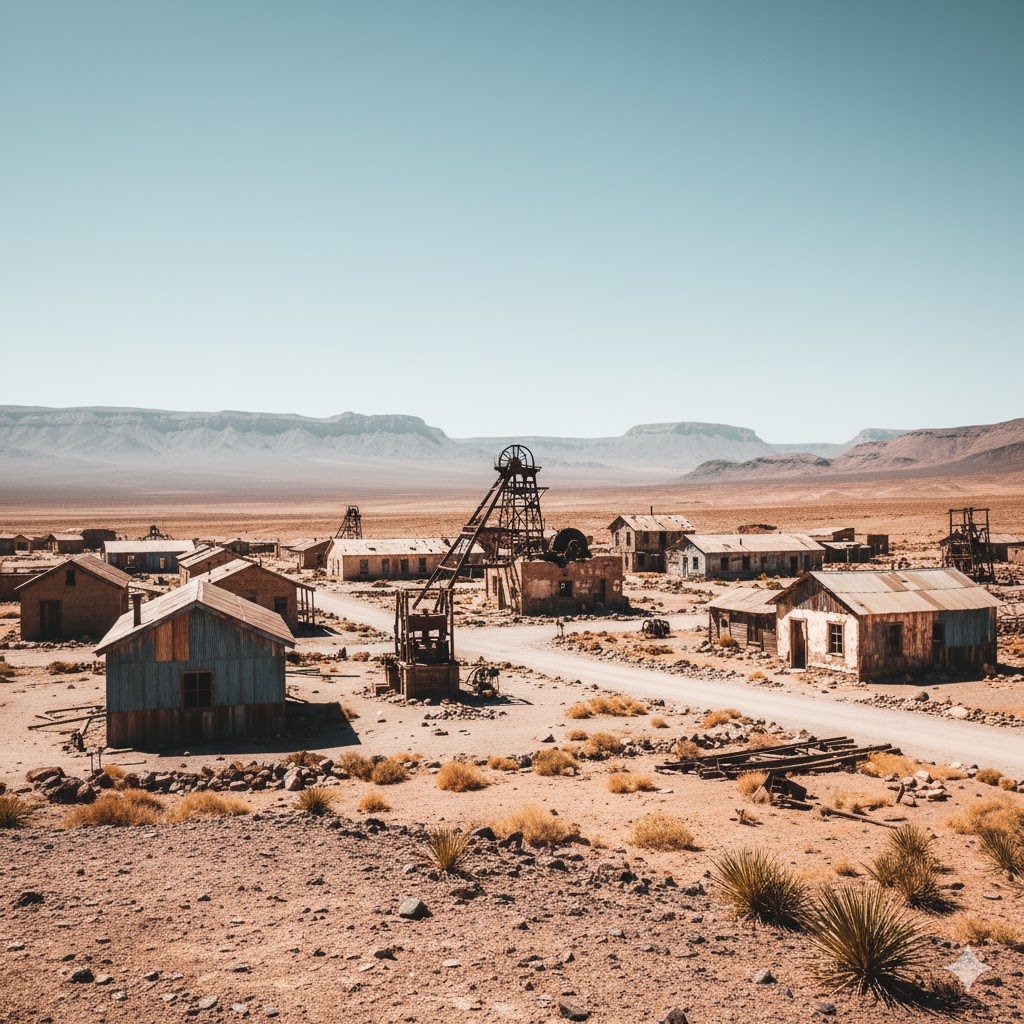
34. Abandoned Mining Town, Chile – Humberstone’s Desert Echoes
Highlights:
Located in the Atacama Desert, Humberstone is a UNESCO World Heritage ghost town that once thrived on nitrate mining.
History / Tradition:
Built in the 1880s, it was abandoned after the nitrate market collapse. Its preserved schools, theater, and machinery tell stories of resilience in harsh desert life.
How to Reach:
From Iquique, drive 45 minutes east via Route 16.
Best Time to Visit:
May to September — cooler and ideal for photography.
Tickets / Price:
CLP 4,000 (USD $4) per person.
Hidden Gems / Tips:
- Visit the old theater and workers’ housing.
- Wear a hat — desert sun is intense.
Local Food:
Enjoy empanadas and seafood at Iquique’s coastal markets.
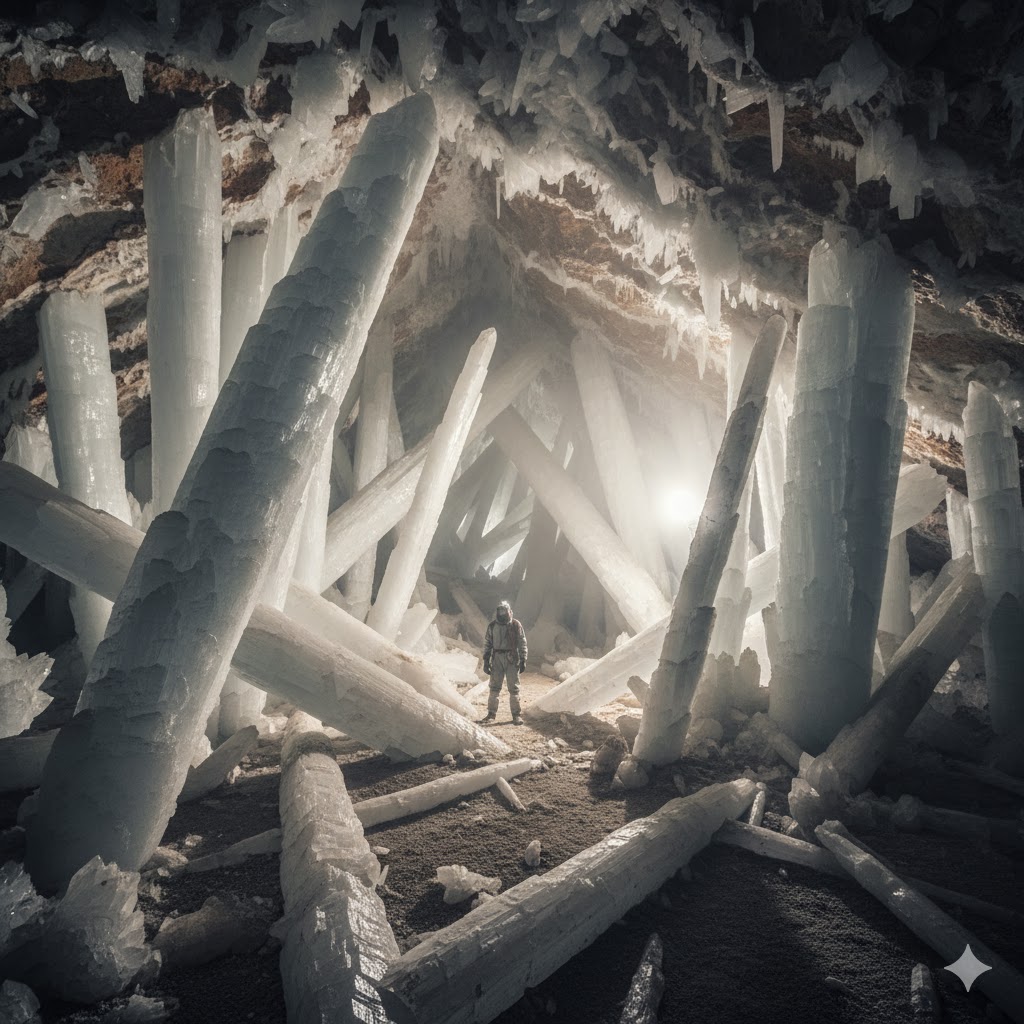
35. Crystal Cave, Mexico – Naica’s Underground Marvel
Highlights:
Hidden beneath Chihuahua, the Naica Mine holds the world’s largest natural crystals — some over 12 meters long.
History / Tradition:
Discovered in 2000 by miners, the cave’s crystals formed over 500,000 years in extreme heat and humidity.
How to Reach:
Located in Naica, Chihuahua. Access currently restricted, but 3D replicas exist in local museums.
Best Time to Visit:
Museum exhibitions open year-round.
Tickets / Price:
Museum entry $5–$10.
Hidden Gems / Tips:
- Visit Museo del Desierto for crystal replicas.
- Learn about geological history through guided tours.
Local Food:
Taste Mexican tamales, carne asada, and churros nearby.
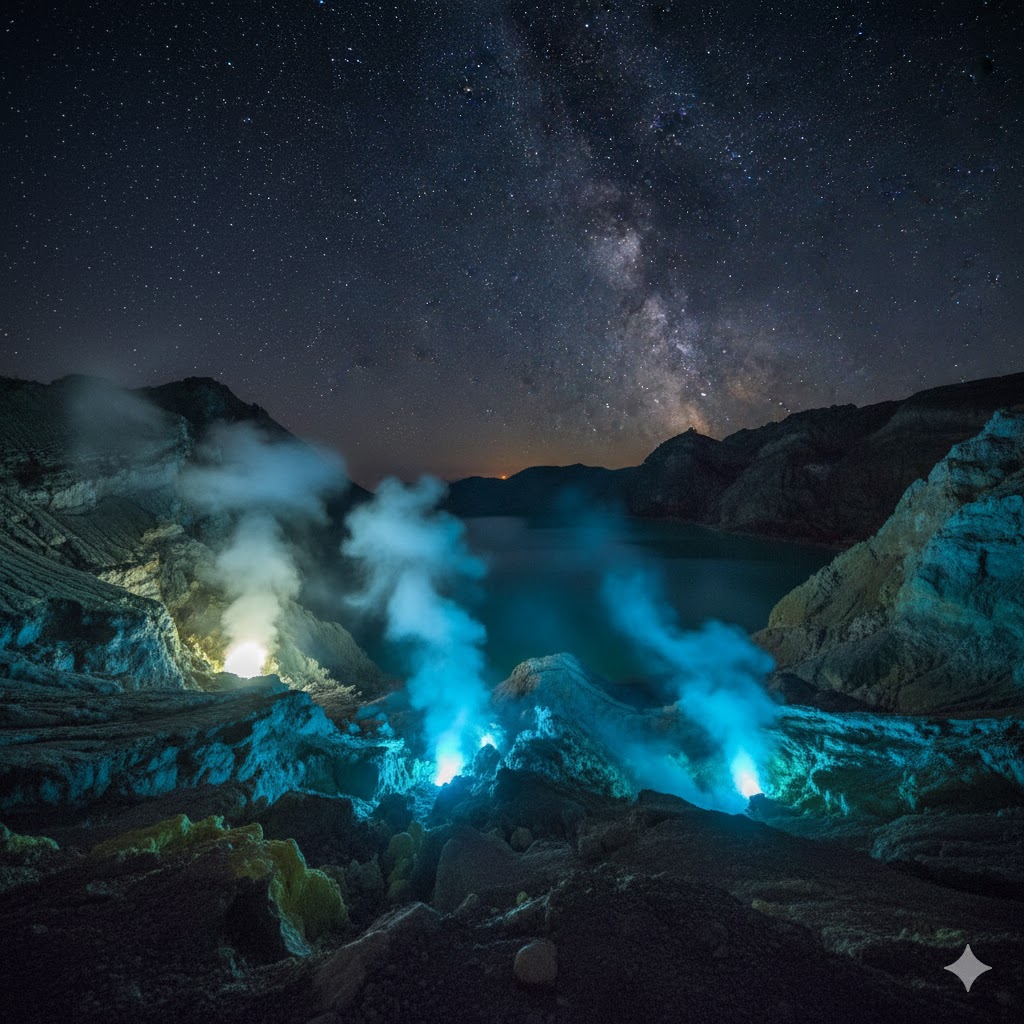
36. Hidden Volcano Island, Indonesia – Mount Ijen’s Blue Fire
Highlights:
Nestled in East Java, Mount Ijen is one of Indonesia’s most mysterious wonders, known for its surreal blue flames that appear at night due to burning sulfuric gas. At dawn, the volcano reveals a turquoise acid lake surrounded by smoky cliffs.
History / Tradition:
The Javanese miners have worked here for generations, carrying heavy sulfur loads from the crater — a symbol of endurance and devotion. The volcano is also tied to ancient Javanese myths about guardian spirits of fire.
How to Reach:
Fly to Banyuwangi Airport, then drive to Paltuding Base Camp (1 hour). The night hike to the crater takes around 2 hours.
Best Time to Visit:
April to October — dry season and clearer skies for night trekking.
Tickets / Price:
IDR 100,000 ($7) for foreign visitors; guided tours around $40.
Hidden Gems / Tips:
- Begin your trek at midnight to witness the blue fire before sunrise.
- Bring a gas mask due to sulfur fumes.
Local Food:
Enjoy Nasi Pecel (spicy peanut rice), grilled tempeh, and Javanese coffee in Banyuwangi.
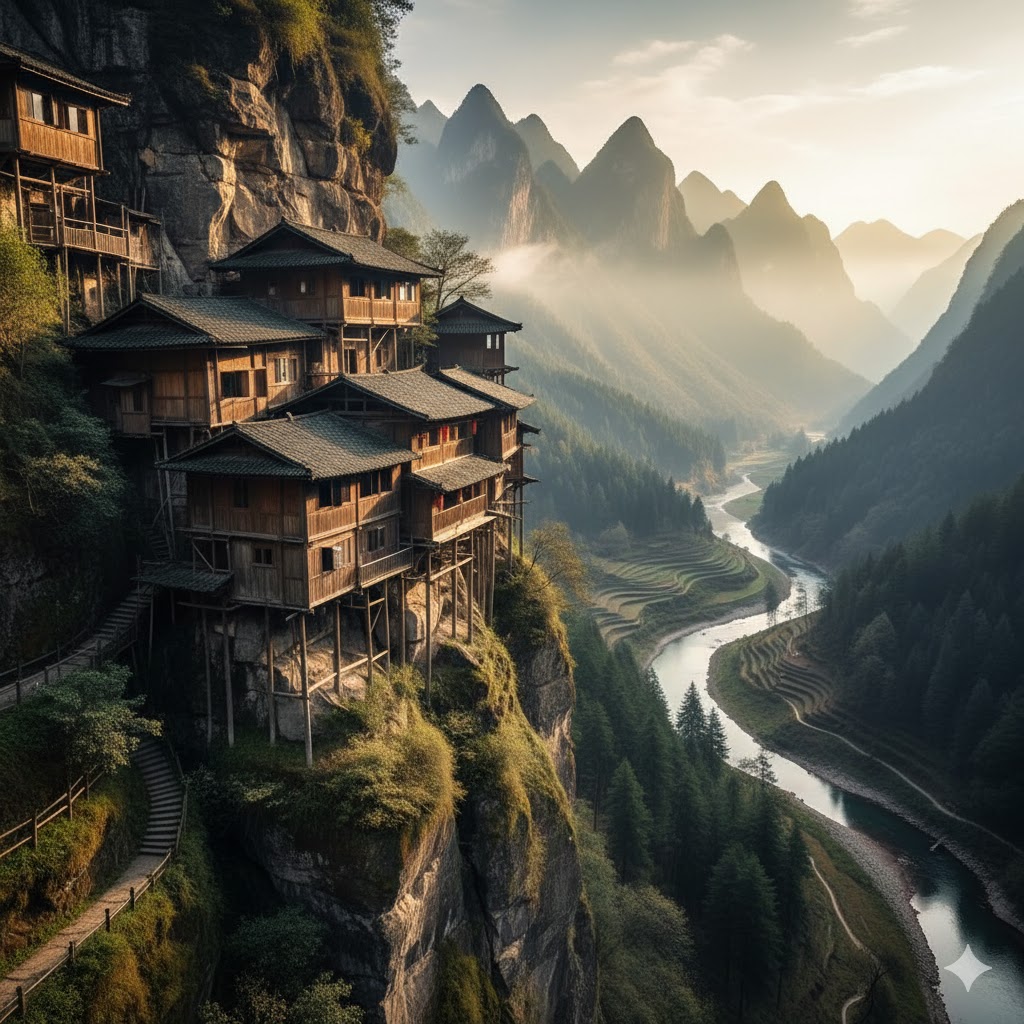
37. Remote Cliff Village, China – Hanging Houses of Hunan
Highlights:
Perched on cliffs above a deep gorge, the hanging houses of Hunan’s Gaoyi Village are architectural marvels that seem to defy gravity.
History / Tradition:
Built during the Ming Dynasty, the Tujia people constructed these homes for safety from floods and invaders. The wooden structures are masterpieces of traditional Chinese engineering.
How to Reach:
Fly to Zhangjiajie, then drive 2 hours south to Gaoyi.
Best Time to Visit:
April to October — lush greenery and moderate weather.
Tickets / Price:
¥50 ($7) for village entry.
Hidden Gems / Tips:
- Visit nearby Furong Waterfall for scenic views.
- Bring hiking shoes — the terrain is steep.
Local Food:
Try Tujia-style smoked pork and spicy pickled vegetables.
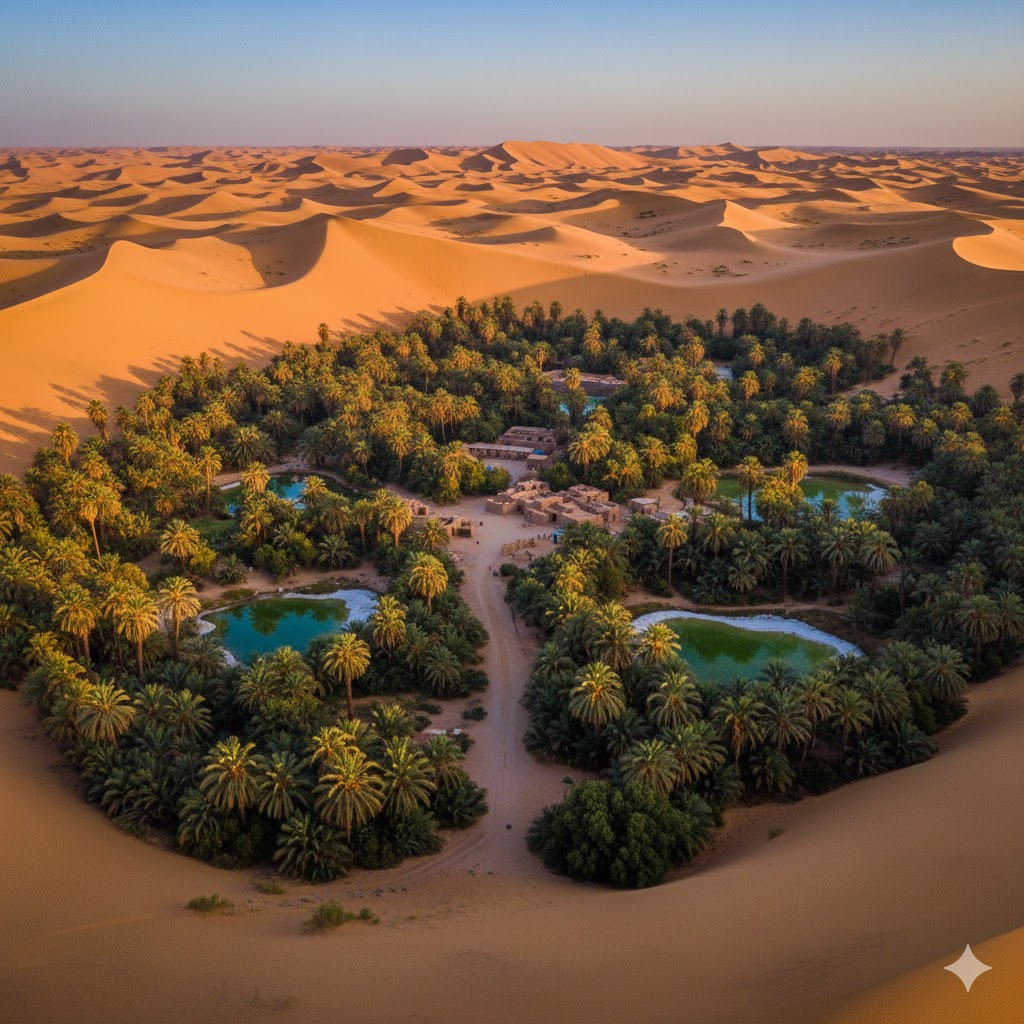
38. Forgotten Oasis, Egypt – Siwa’s Timeless Beauty
Highlights:
Located deep in Egypt’s Western Desert, Siwa Oasis is a mirage come to life — palm groves, salt lakes, and mud-brick towns surrounded by golden dunes.
History / Tradition:
Siwa was once home to the Oracle of Amun, visited by Alexander the Great. The local Berber culture remains preserved through language, dress, and crafts.
How to Reach:
A 9-hour bus ride or 1-hour flight from Cairo to Marsa Matruh, then 4 hours by road to Siwa.
Best Time to Visit:
October to March — cooler desert temperatures.
Tickets / Price:
Free access; some attractions (temples, salt pools) charge EGP 50–100 ($2–$4).
Hidden Gems / Tips:
- Swim in Cleopatra’s Bath — a natural hot spring.
- Explore Shali Fortress ruins at sunset.
Local Food:
Taste Berber bread, date honey, and olive-based dishes.
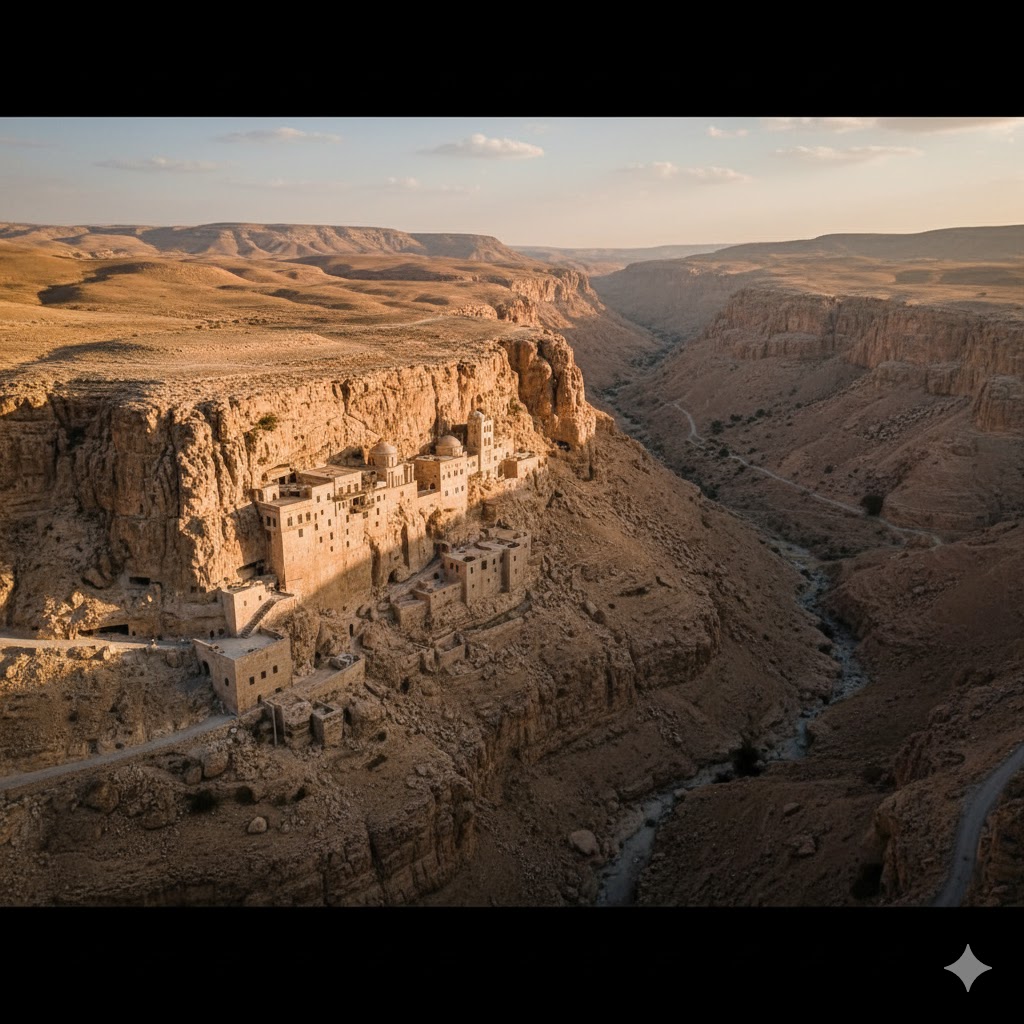
39. Hidden Desert Monastery, Jordan – Mar Saba’s Cliffside Sanctuary
Highlights:
Clinging to cliffs of the Kidron Valley, Mar Saba Monastery is one of the oldest continuously inhabited monasteries in the world.
History / Tradition:
Founded in the 5th century by Saint Sabas, it became a hub of Byzantine monastic life. Only male visitors are allowed inside, though women may view it from a lookout.
How to Reach:
40-minute drive from Bethlehem or 1 hour from Jerusalem.
Best Time to Visit:
March to May — pleasant spring temperatures.
Tickets / Price:
Free entry.
Hidden Gems / Tips:
- Visit early morning for golden light over the valley.
- Combine with a Dead Sea day trip.
Local Food:
Enjoy hummus, falafel, and fresh pomegranate juice in Bethlehem markets.
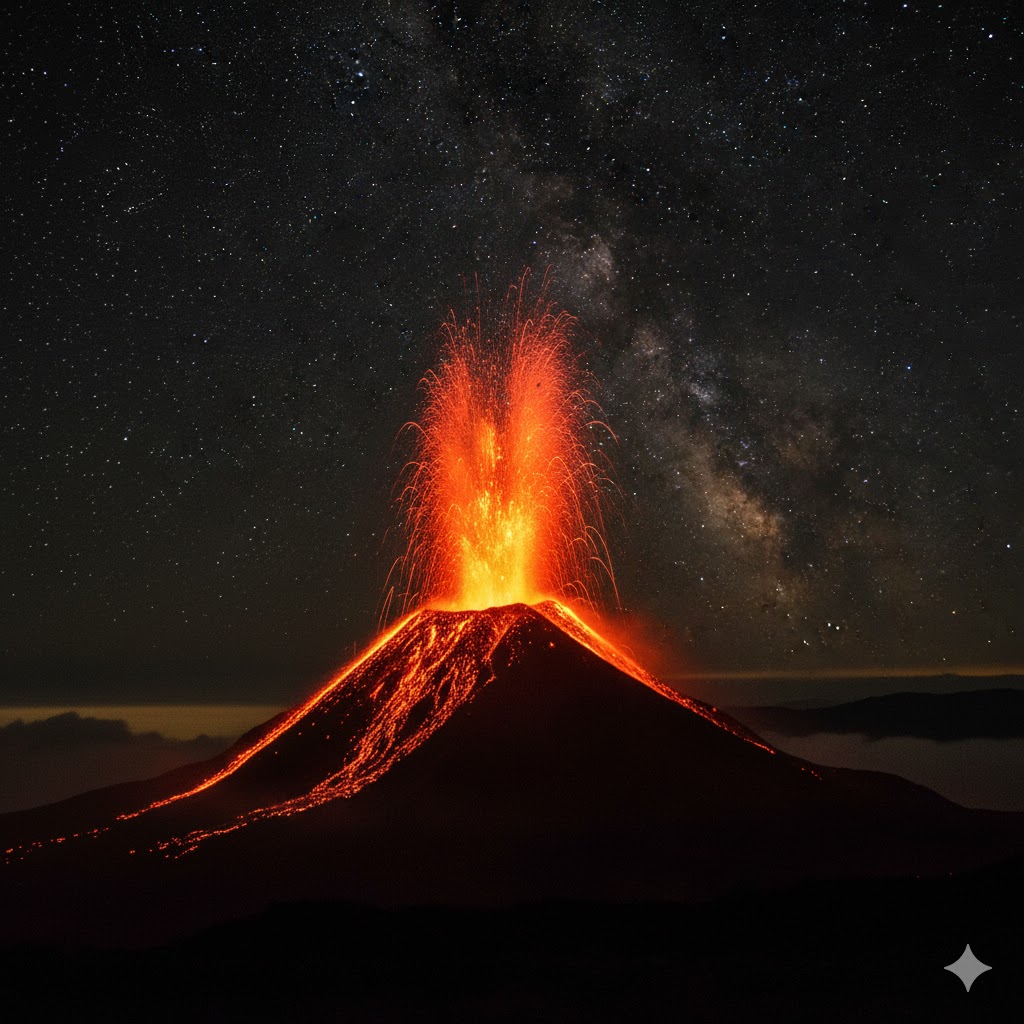
40. Remote Island of Fire, Vanuatu – Mount Yasur Volcano
Highlights:
Known as the “world’s most accessible active volcano,” Mount Yasur on Tanna Island continuously erupts small fire bursts, lighting the sky with glowing lava fountains.
History / Tradition:
Locals consider Yasur sacred, calling it the “House of Spirits.” It’s featured in tribal ceremonies and oral traditions of the Ni-Vanuatu people.
How to Reach:
Fly to Port Vila, then a 45-minute flight to Tanna followed by a 1-hour drive to the volcano base.
Best Time to Visit:
May to October — dry and clear nights.
Tickets / Price:
VT 10,000 ($85) for guided entry.
Hidden Gems / Tips:
- Visit at dusk for lava visibility.
- Bring protective eyewear for ash particles.
Local Food:
Try laplap (cassava pudding) and grilled coconut crab.
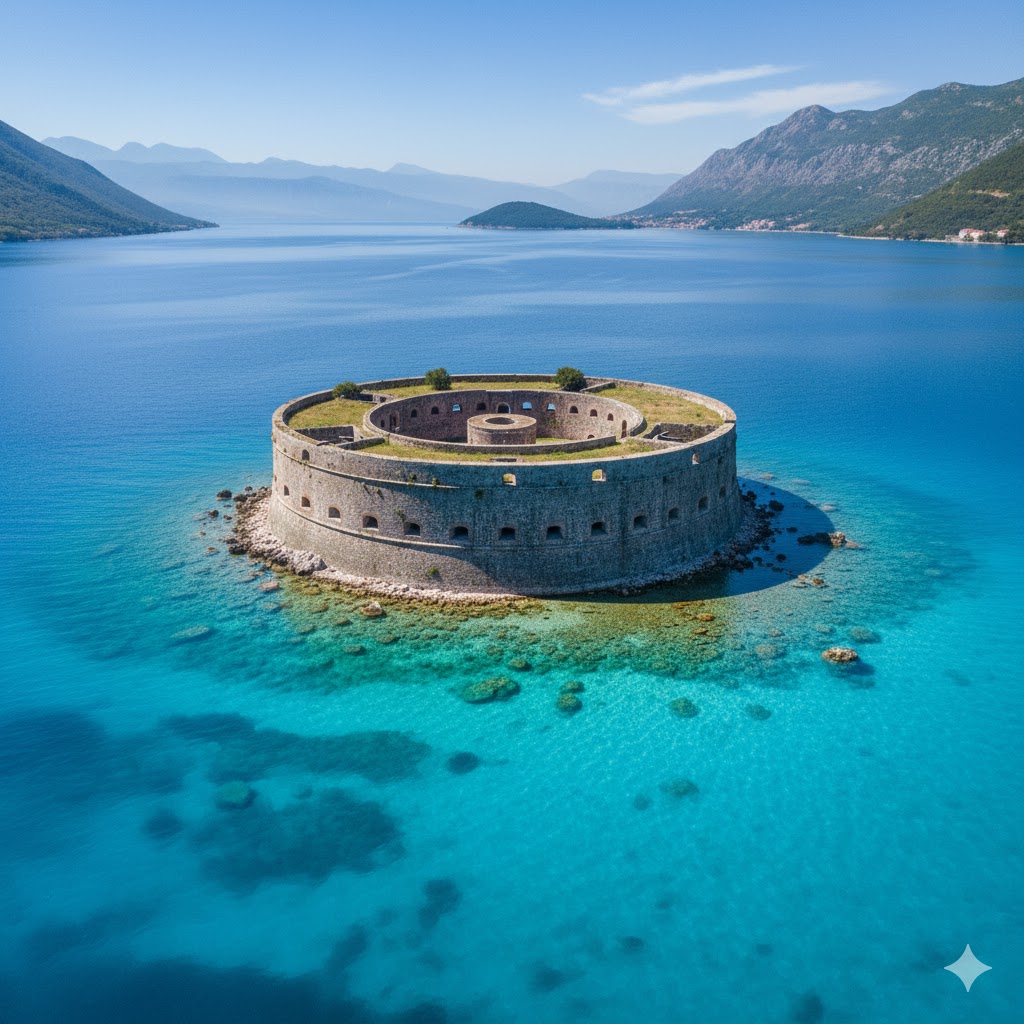
41. Abandoned Island Fortress, Montenegro – Mamula’s Silent Walls
Highlights:
At the entrance of Boka Bay lies Mamula Island, a 19th-century fortress turned eerie relic of past wars.
History / Tradition:
Built by Austro-Hungarians in 1853, later used as a prison during WWII. Recently restored as a heritage hotel, it still preserves its haunting past.
How to Reach:
Boat tours depart from Kotor and Herceg Novi (30–40 minutes).
Best Time to Visit:
April to September for calm seas.
Tickets / Price:
€20–€30 for guided tours or boat transfers.
Hidden Gems / Tips:
- Climb the tower for Adriatic panoramas.
- Combine with Blue Cave snorkeling nearby.
Local Food:
Try grilled squid and Montenegrin wine in Kotor Bay.
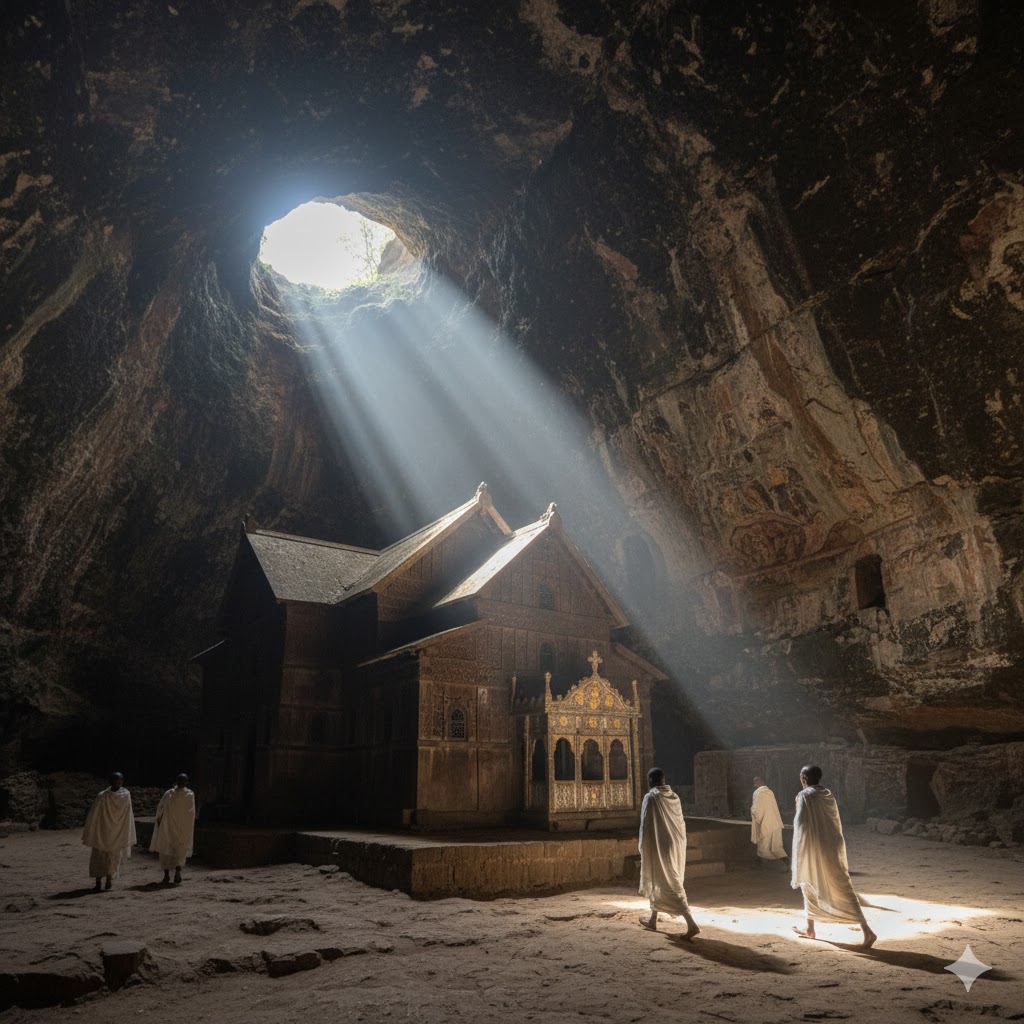
42. Secret Cave Monastery, Ethiopia – Yemrehanna Kristos
Highlights:
Hidden in a limestone cave near Lalibela, this 12th-century church is made entirely of wood and stone layered with volcanic ash.
History / Tradition:
Named after King Yemrehanna Kristos, it predates the rock-hewn churches of Lalibela and houses over 10,000 mummified pilgrims.
How to Reach:
From Lalibela town, drive 2 hours north into the highlands.
Best Time to Visit:
October to February — dry, cool season.
Tickets / Price:
ETB 200 ($3.50).
Hidden Gems / Tips:
- Carry a flashlight; the cave interior is dim.
- Respect the sacred site — remove shoes before entering.
Local Food:
Taste injera with lentil stew and honey wine (tej).
43. Deserted Lighthouse Island, Scotland – The Eilean Mòr Mystery
Highlights:
Off Scotland’s western coast lies Eilean Mòr, part of the Flannan Isles — known for the mysterious 1900 disappearance of three lighthouse keepers.
History / Tradition:
Built in 1899, the lighthouse was found empty just a year later, with meals half-eaten and lights extinguished. The mystery remains unsolved.
How to Reach:
Chartered boat from Lewis Island (weather-dependent).
Best Time to Visit:
May to August — calmer seas and longer daylight.
Tickets / Price:
Private charters £150–£300 per person.
Hidden Gems / Tips:
- Bring binoculars for puffin and seal sightings.
- Visit nearby Callanish Stones after your return.
Local Food:
Try Scottish Cullen skink (fish soup) and oatcakes.

44. Hidden Lagoon Caves, Croatia – Blue Cave of Biševo
Highlights:
Located off the island of Vis, the Blue Cave is an enchanting sea grotto illuminated by glowing blue light reflected from the seafloor.
History / Tradition:
Discovered in the 19th century by local fishermen, it’s now a protected natural monument.
How to Reach:
Boat tours depart from Vis or Split (1–2 hours).
Best Time to Visit:
May to September — sunlight perfectly penetrates the cave around midday.
Tickets / Price:
€18–€20 per person for entry.
Hidden Gems / Tips:
- Visit before 12 p.m. for the bluest glow.
- Combine with Green Cave and Stiniva Beach.
Local Food:
Try Dalmatian seafood stew and octopus salad.
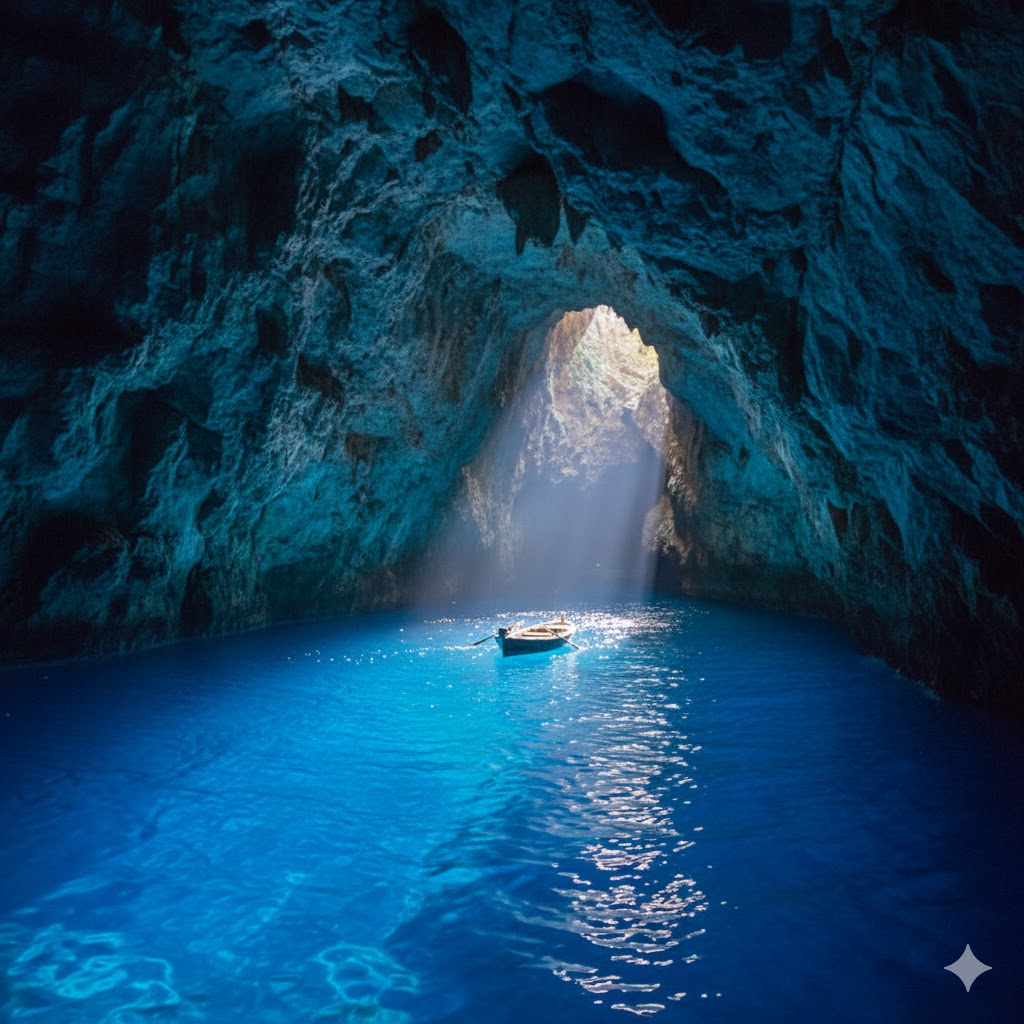
45. Remote Sand Dune Village, Iran – Mesr Desert Oasis
Highlights:
Located in the heart of Iran’s central desert, Mesr is a golden oasis surrounded by vast dunes and salt plains.
History / Tradition:
Founded centuries ago by a local farmer who dug wells for survival, the village name “Mesr” means “Egypt” — symbolizing endurance in the desert.
How to Reach:
Drive from Isfahan (6 hours) or Yazd (5 hours).
Best Time to Visit:
October to March — cooler nights and clear skies.
Tickets / Price:
Free entry; camel rides around $15.
Hidden Gems / Tips:
- Stay overnight in eco-lodges made of clay.
- Ideal spot for stargazing and sandboarding.
Local Food:
Try lamb kebab, saffron rice, and rosewater tea.
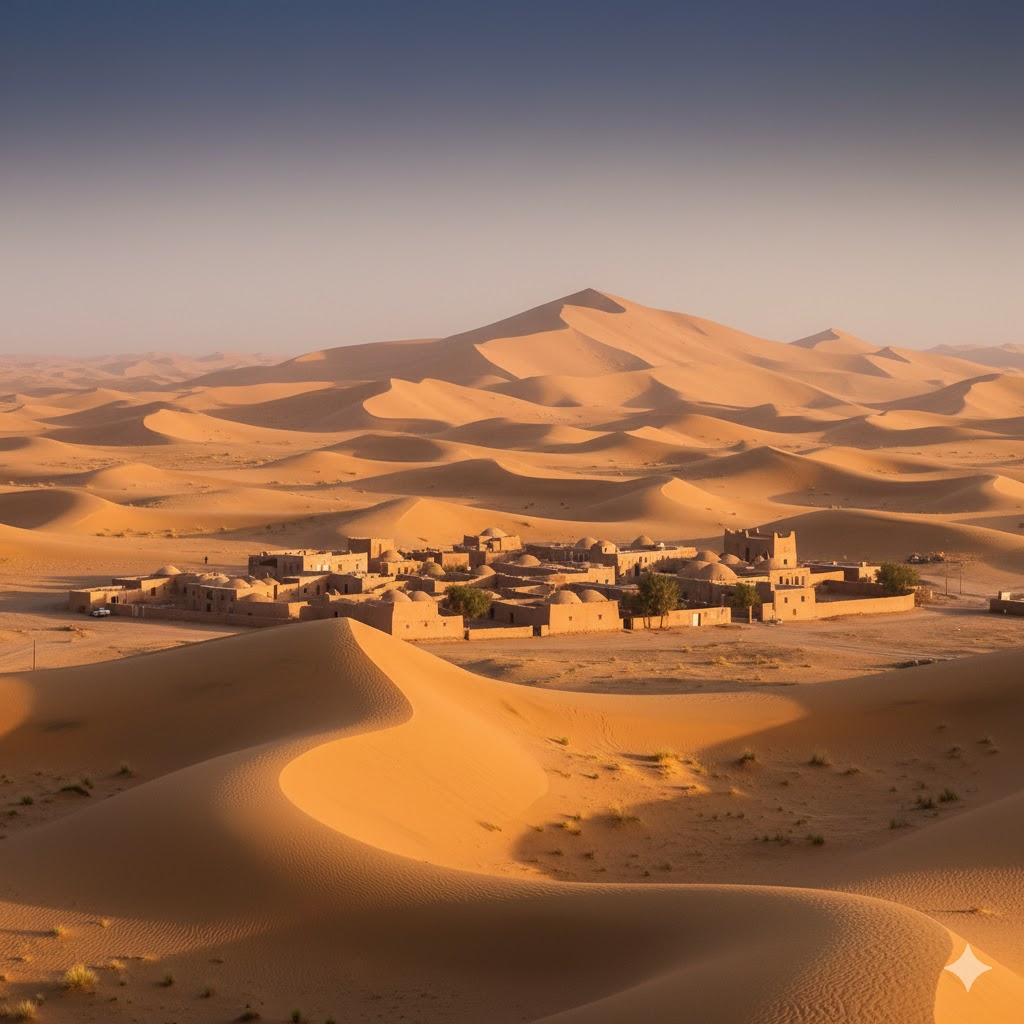
46. Deserted Monastery, Armenia – The Stone Hermitage of Tatev Gorge
Highlights:
Perched on a narrow cliff above the Vorotan River Gorge, the Deserted Monastery near Tatev is one of Armenia’s most mysterious ancient sanctuaries. This hidden hermitage, surrounded by cliffs and forested slopes, was once home to monks seeking solitude and spiritual awakening.
History / Tradition:
Built in the 10th century, the monastery was abandoned after a series of earthquakes and invasions. Local folklore says its last monk left in silence, leaving behind ancient manuscripts hidden in clay jars still rumored to be buried nearby.
How to Reach:
From Goris, take a taxi or bus to Tatev village (about 35 km). Hike or hire a 4×4 to the gorge’s base, then trek an additional 1.5 km through narrow trails to reach the hidden hermitage.
Best Time to Visit:
April to June and September to October, when the gorge is lush green and the weather is mild for hiking.
Tickets / Price:
Free entry, but local guides charge around AMD 10,000 (USD $25) for the full Tatev Gorge exploration.
Hidden Gems / Tips:
- Visit the nearby Devil’s Bridge, a natural stone arch with thermal pools beneath it.
- Take the Wings of Tatev cable car — the world’s longest reversible aerial tramway.
- Bring water and snacks; the area is completely isolated.
Local Food:
Try khorovats (Armenian BBQ) and gata, a sweet pastry available in Tatev village cafés.
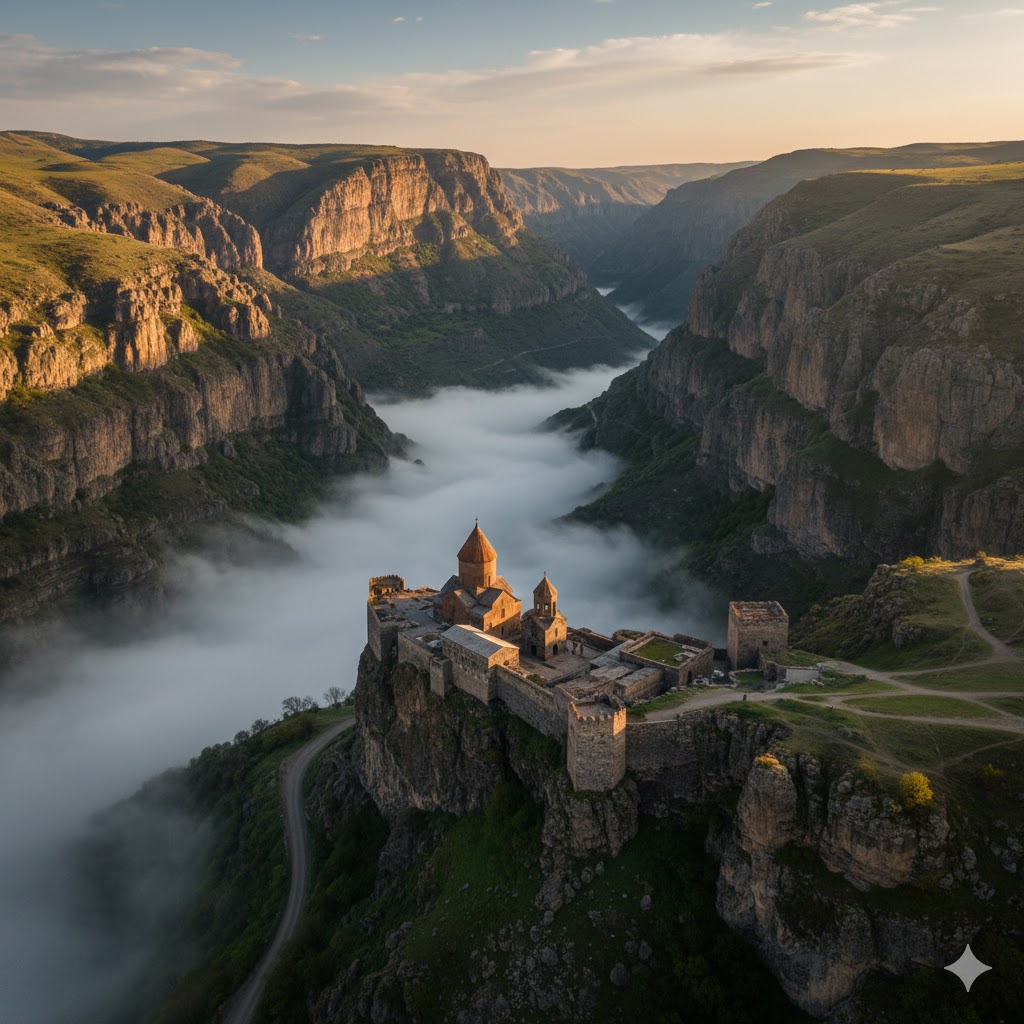
47. The Lost Island of Socotra, Yemen – The Alien World of the Arabian Sea
Highlights:
Socotra looks like another planet — home to bizarre dragon’s blood trees, bright white dunes, and turquoise lagoons. Often called “the Galápagos of the Indian Ocean,” this isolated Yemeni island holds one-third of its species found nowhere else on Earth.
History / Tradition:
Socotra’s people have lived here for centuries, preserving ancient Semitic languages and herbal healing traditions. Traders once stopped here along the incense route, trading resins and rare herbs.
How to Reach:
Flights from Cairo or Abu Dhabi to Socotra (via Hadiboh Airport). Limited charter flights available weekly.
Best Time to Visit:
October to April — dry, warm, and perfect for exploring coastal caves and dragon tree valleys.
Tickets / Price:
Travel packages (including flights, guide, and permits) cost around USD $1,500–$2,000 for 5–7 days.
Hidden Gems / Tips:
- Visit Detwah Lagoon for surreal blue waters.
- Trek to Firmihin Forest to see ancient dragon’s blood trees.
- Avoid monsoon season (June–September).
Local Food:
Try saltah (meat stew), grilled fish, and flatbread with honey.

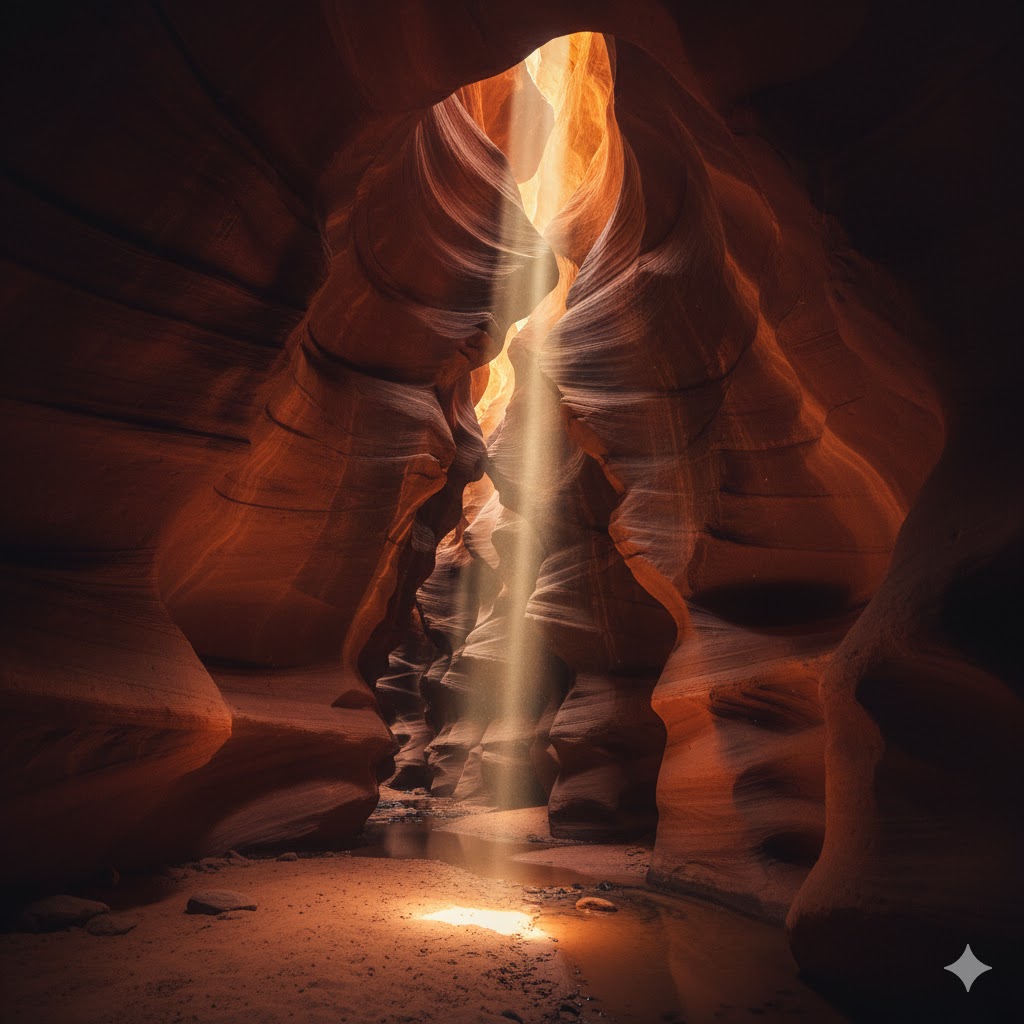
48. Hidden Canyon of Antelope, USA – Arizona’s Secret Light Cathedral
Highlights:
Known for its narrow sandstone walls and glowing beams of light, Antelope Canyon is a masterpiece of erosion. But beyond the main tourist zone lies a restricted section — the Hidden Canyon — accessible only with Navajo guides.
History / Tradition:
The Navajo people consider the canyon sacred, calling it “Tse’ bighanilini,” meaning “the place where water runs through rocks.”
How to Reach:
From Page, Arizona, drive along Highway 98 and take a guided tour through authorized Navajo operators.
Best Time to Visit:
March to October for the best light shafts, especially between 10 a.m. and noon.
Tickets / Price:
USD $80–$120 for guided tours (mandatory).
Hidden Gems / Tips:
- Bring a camera — light beams last only minutes.
- Avoid weekends for a quieter experience.
- Combine with Horseshoe Bend and Lake Powell.
Local Food:
Try Navajo tacos made with frybread, beans, and local chili sauce.
49. Floating Village of Kompong Phluk, Cambodia – The Wooden Wonderland
Highlights:
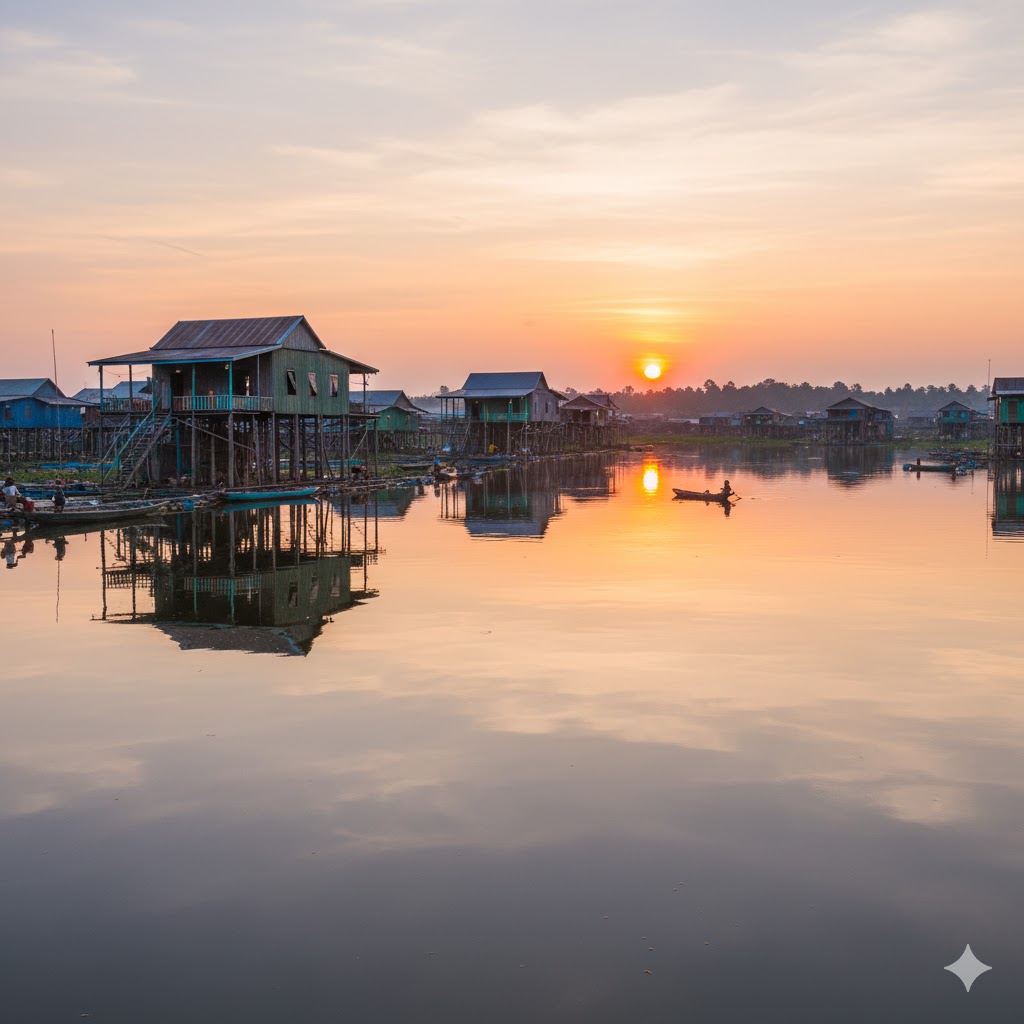
Located on the Tonlé Sap Lake, this stilted village rises and falls with Cambodia’s flood cycles. During monsoon season, homes appear to float on water; during dry months, they tower above the muddy earth.
History / Tradition:
Residents have lived here for generations, fishing, weaving, and growing rice on floating gardens. The community follows Buddhist traditions with a floating pagoda as its centerpiece.
How to Reach:
From Siem Reap, drive 30 km south and take a boat from the Chong Khneas pier.
Best Time to Visit:
September to February, when water levels are high and boat rides glide through submerged forests.
Tickets / Price:
Boat tours cost around USD $20–$25 per person.
Hidden Gems / Tips:
- Visit the Mangrove Forest by small canoe.
- Hire local fishermen for sunset trips.
- Support local families by dining at floating restaurants.
Local Food:
Sample amok trey (fish curry), sticky rice desserts, and freshwater crabs.
50. Secret Temple of Gunung Kawi, Bali – The Hidden Shrine of the Kings
Highlights:
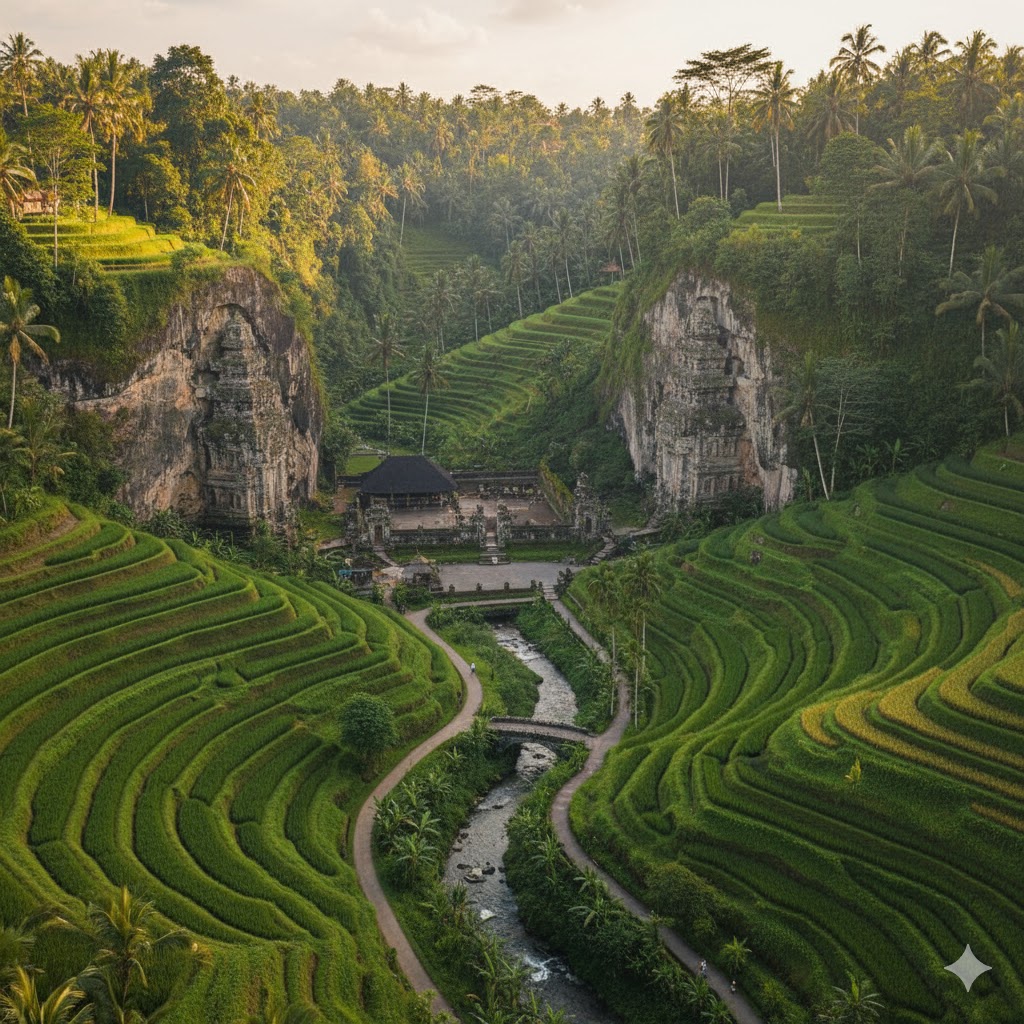
Hidden deep in a lush Balinese valley near Ubud, Gunung Kawi is an ancient temple complex carved directly into cliffs. Moss-covered shrines, stone fountains, and rice terraces surround this mystical site.
History / Tradition:
Built in the 11th century, it honors King Anak Wungsu and his family. Locals believe the waters here hold purification powers for both body and soul.
How to Reach:
Located about 30 minutes from Ubud. Take the road toward Tampaksiring and descend 300 steps into the lush valley.
Best Time to Visit:
April to October — the dry season, perfect for temple walks.
Tickets / Price:
IDR 50,000 (USD $3) per person. Sarongs required (provided at entry).
Hidden Gems / Tips:
- Visit early morning before crowds.
- Meditate near the waterfall beside the temple.
- Combine with nearby Tirta Empul holy spring.
Local Food:
Enjoy nasi campur, banana pancakes, and fresh coconut juice from roadside warungs.
FAQs – Hidden & Isolated Places Around the World
1. What are hidden travel spots?
Hidden travel spots are lesser-known destinations that remain untouched by mass tourism. These can include secret villages, remote islands, underground caves, or isolated natural wonders where authenticity and solitude define the experience.
2. Why should travelers explore hidden or isolated destinations?
Exploring hidden destinations offers cultural immersion, quiet landscapes, and an opportunity to reconnect with nature. It’s travel that values discovery, peace, and authentic interaction with local life.
3. Are hidden travel spots safe for solo travelers?
Yes, most hidden travel spots are safe if proper planning and local guidance are followed. Always research safety conditions, hire local guides, and inform someone of your itinerary before exploring remote regions.
4. How can I find hidden travel spots near me?
Use tools like Google Earth, travel blogs, or local tourism websites. Sometimes, the best way is simply asking locals — they often know secret beaches, hidden waterfalls, and untouched trails that aren’t on maps.
5. What should I pack for remote or isolated destinations?
Pack essentials like a first-aid kit, reusable water bottle, portable charger, local SIM card, insect repellent, and weather-appropriate clothing. Avoid overpacking — lightweight and versatile gear is best.
6. Are permits or tickets required for hidden places?
Many isolated spots are within national parks or protected reserves and may require entry tickets or conservation fees. Always check official tourism boards or park websites before visiting.
7. When is the best time to visit hidden destinations?
It depends on the region — tropical islands are best during dry seasons, while mountain villages and desert escapes are ideal during cooler months. Research local weather before finalizing plans.
8. How can travelers protect hidden destinations?
Respect local culture, don’t litter, avoid plastic waste, and stay on designated trails. Supporting community-run guesthouses and buying local crafts helps sustain the region’s economy.
9. Can I visit hidden islands or villages without local guides?
It’s possible but not recommended. Local guides not only ensure safety but also share deep cultural insights and help navigate off-grid locations that lack signage or roads.
10. Which hidden destination is a must-visit in 2025?
For 2025, Socotra Island (Yemen) and Namibia’s Skeleton Coast top the list for their surreal, untouched beauty and alien-like landscapes — true hidden wonders of our world.

Traveler Guide – Rediscovering the Forgotten Corners of Earth
In an age of over-tourism and digital saturation, hidden travel spots remind us why exploration still matters. From Thailand’s secret jungle waterfalls to Iceland’s icy caverns and Bulgaria’s frozen-in-time villages — these destinations redefine the art of discovery. They aren’t just places to visit; they’re stories to live.
Exploring hidden and isolated places is not about escaping civilization — it’s about finding the spaces where civilization still breathes in its purest form. Each path less traveled connects us with authenticity, humility, and wonder — values that make travel truly timeless.
So, whether you seek the tranquility of a hidden lagoon, the mystique of a forgotten monastery, or the thrill of a desert shipwreck, the world is still vast enough to surprise you. Go slow, tread gently, and let these isolated wonders remind you that the most beautiful places often whisper, not shout.
References
Read More:
- Explore the World’s Most Breathtaking Natural Wonders
- Saharan Nights Festival 2026 in Algeria – Desert Music, Culture & Magic
Sources:
- UNESCO World Heritage Centre – Natural and Cultural Sites
- National Geographic – Remote Destinations You’ve Never Heard Of