
Introduction
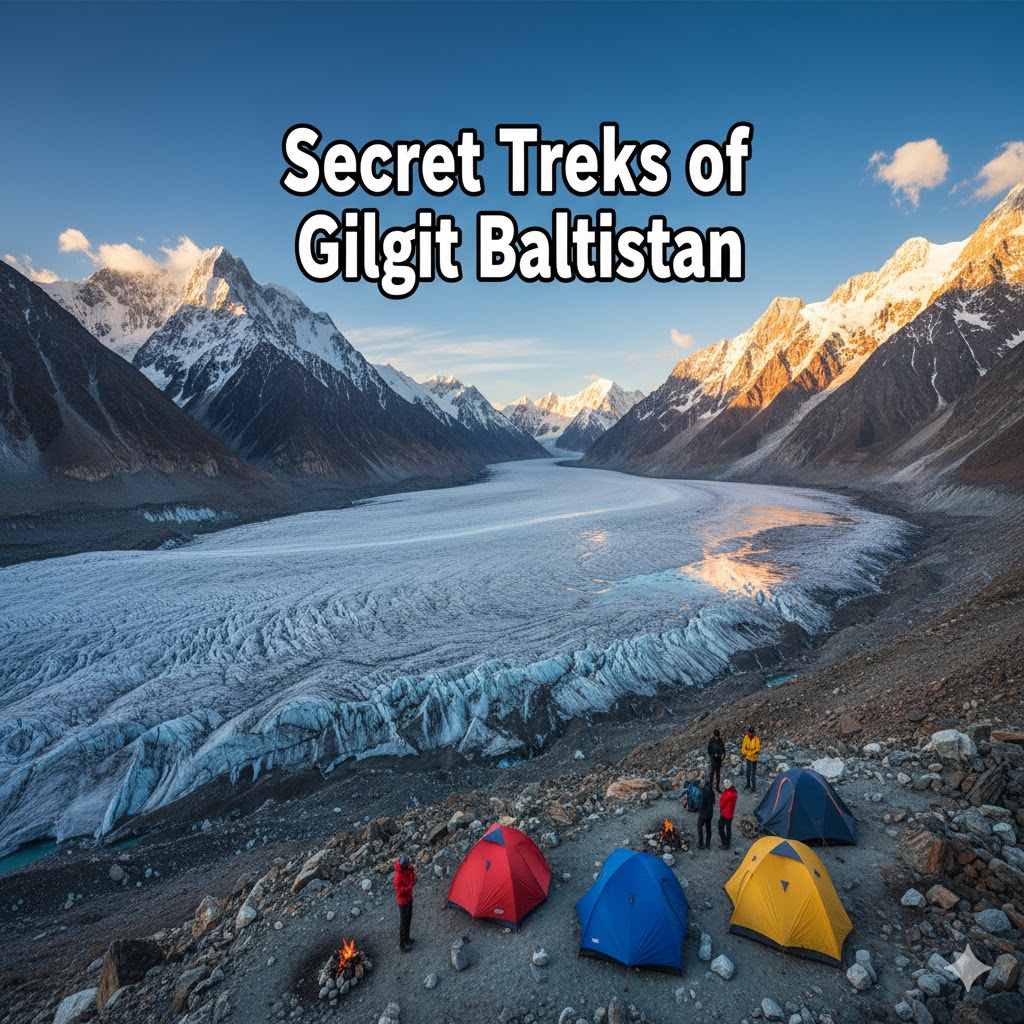
Hidden Treks of Gilgit Baltistan are the ultimate adventure for travelers seeking untouched landscapes, challenging trails, and breathtaking alpine scenery. Gilgit Baltistan, the northern jewel of Pakistan, is famous for its towering peaks, sprawling glaciers, and pristine valleys. While popular trekking routes like Rakaposhi Base Camp and Hunza Valley trails attract thousands, the region hides countless offbeat trails and secret treks that remain untouched by mass tourism.
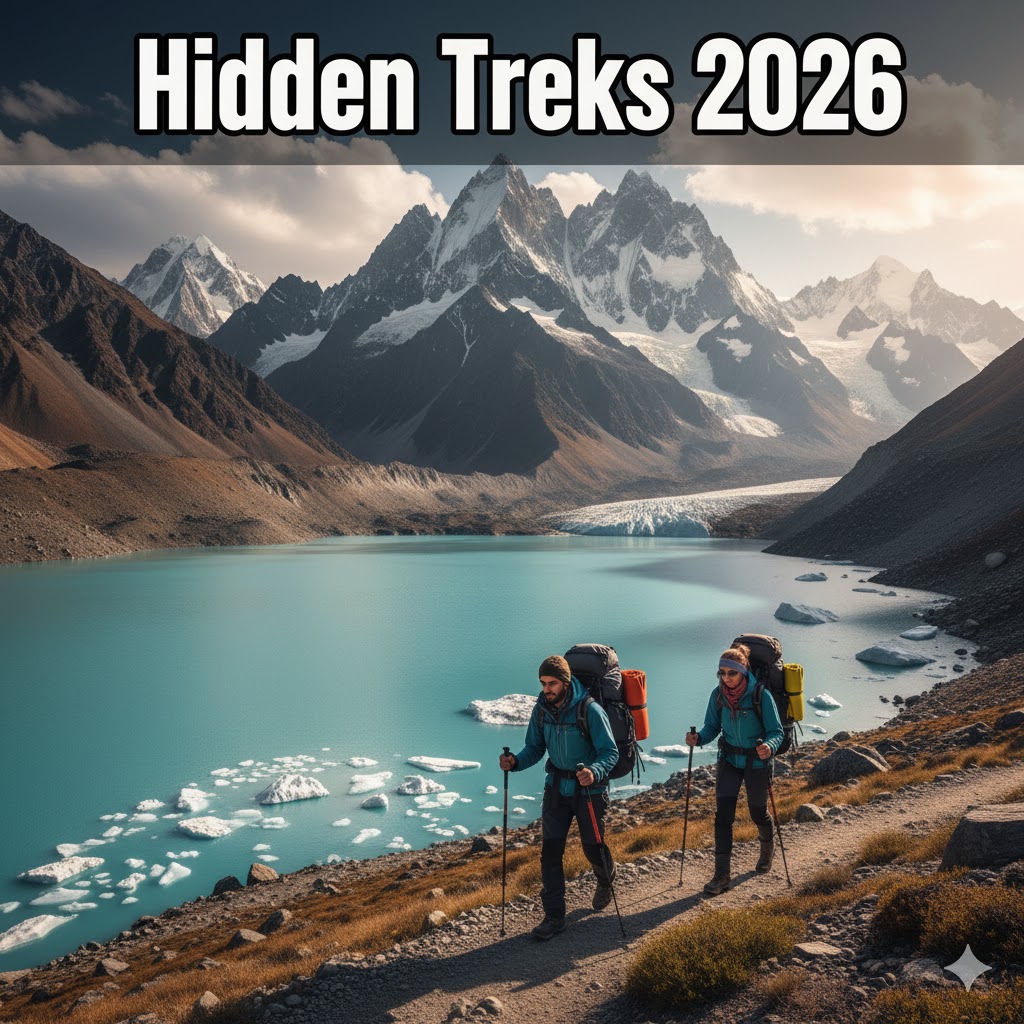
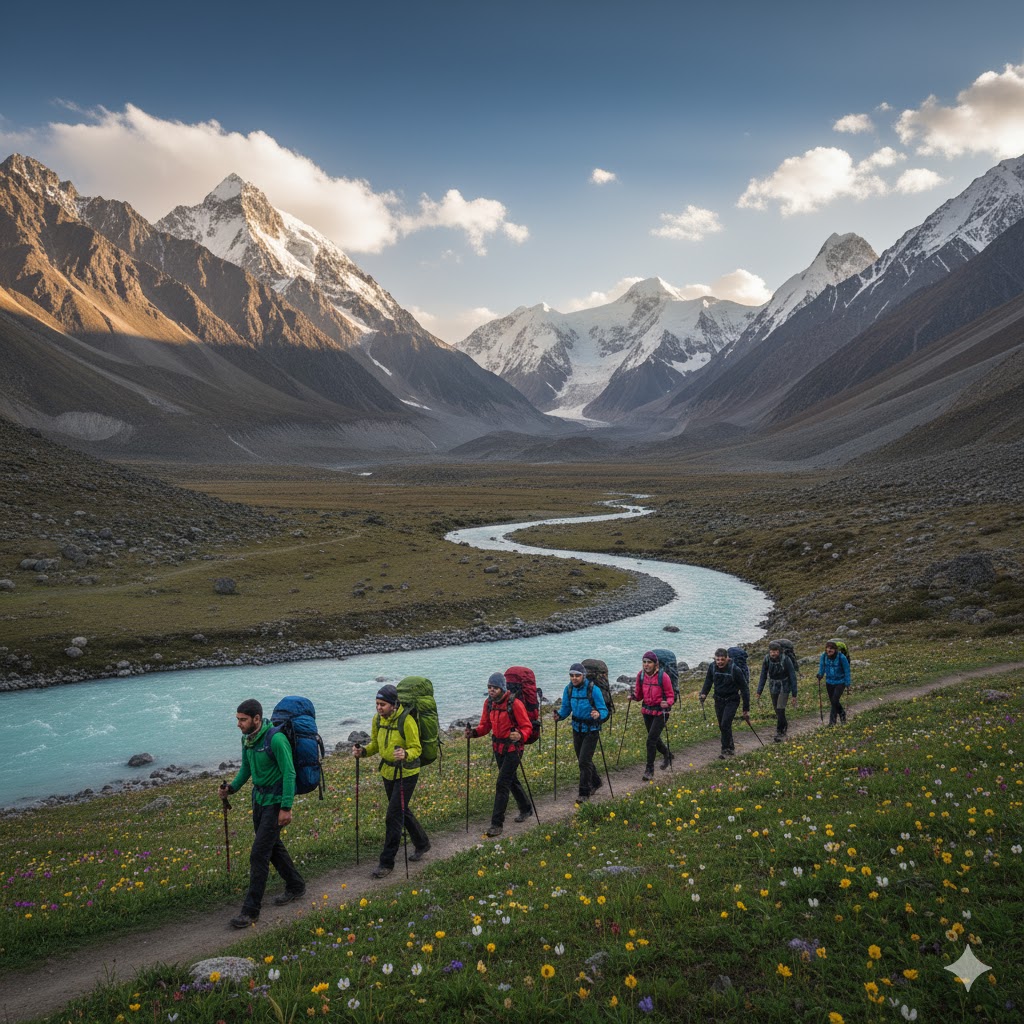
These hidden trails offer adventurers a chance to immerse themselves in nature, challenge themselves physically, and experience raw, pristine landscapes. From turquoise alpine lakes to rugged glaciers and remote villages, every trek tells a story of natural beauty, culture, and adventure.
This guide, Hidden Treks of Gilgit Baltistan 2026, is designed for travelers seeking solitude, breathtaking scenery, and thrilling trekking experiences, providing detailed itineraries, essential travel tips, and insider knowledge.
1. Best Time for Hidden Treks in Gilgit Baltistan
High-altitude trekking is heavily dependent on weather. Timing your visit ensures safety and the best experience:
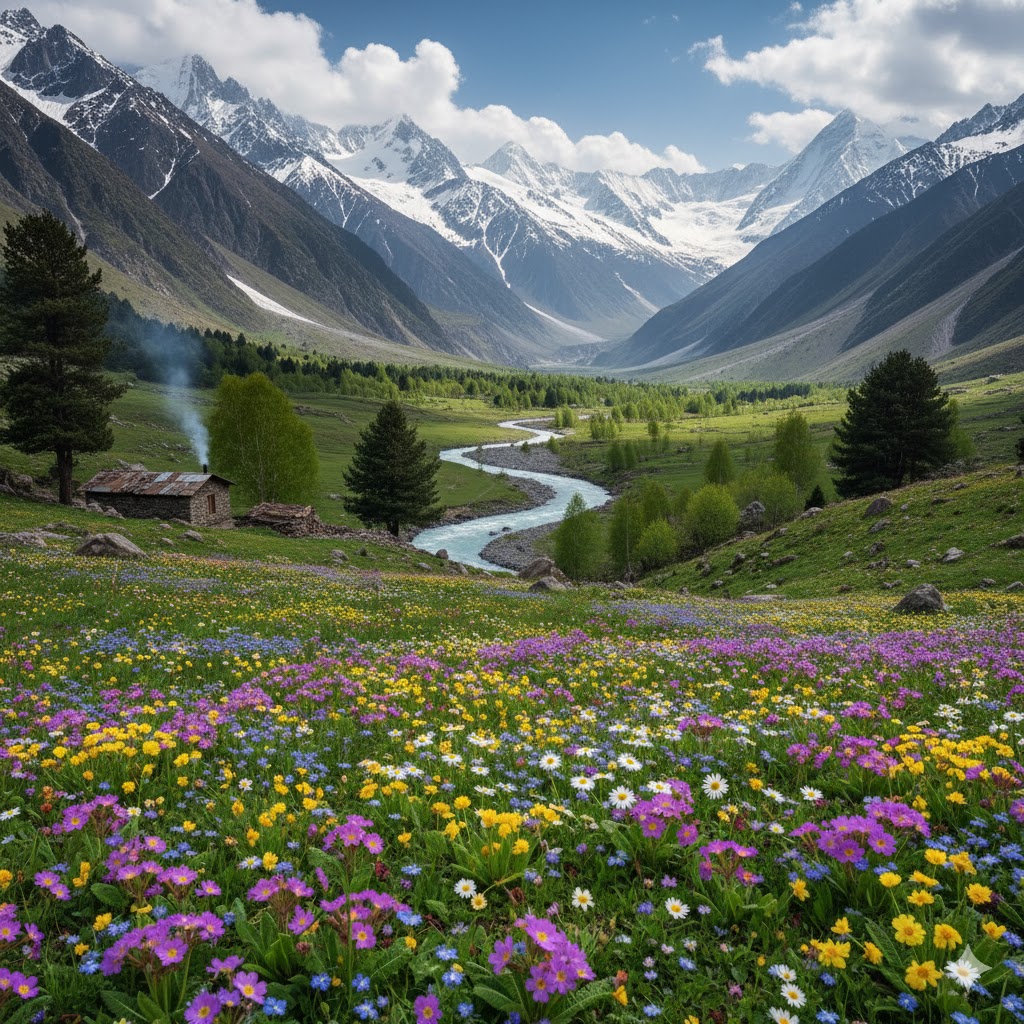
- Spring (May–June): Ideal for lower-altitude treks; valleys bloom with wildflowers, and streams are full from melting snow.
- Summer (June–August): Prime trekking season; trails are mostly snow-free, and mountain passes are accessible.
- Autumn (September–October): Offers golden foliage, cooler temperatures, and fewer crowds.
- Winter (November–April): Suitable only for experienced mountaineers due to heavy snow and harsh conditions.
2. How to Reach Gilgit Baltistan
By Air
- Airports: Gilgit Airport, Skardu Airport
- Airlines: Pakistan International Airlines (PIA) and private charters from Islamabad
- Tips: Flights are weather-dependent; book in advance for summer and autumn.
By Road
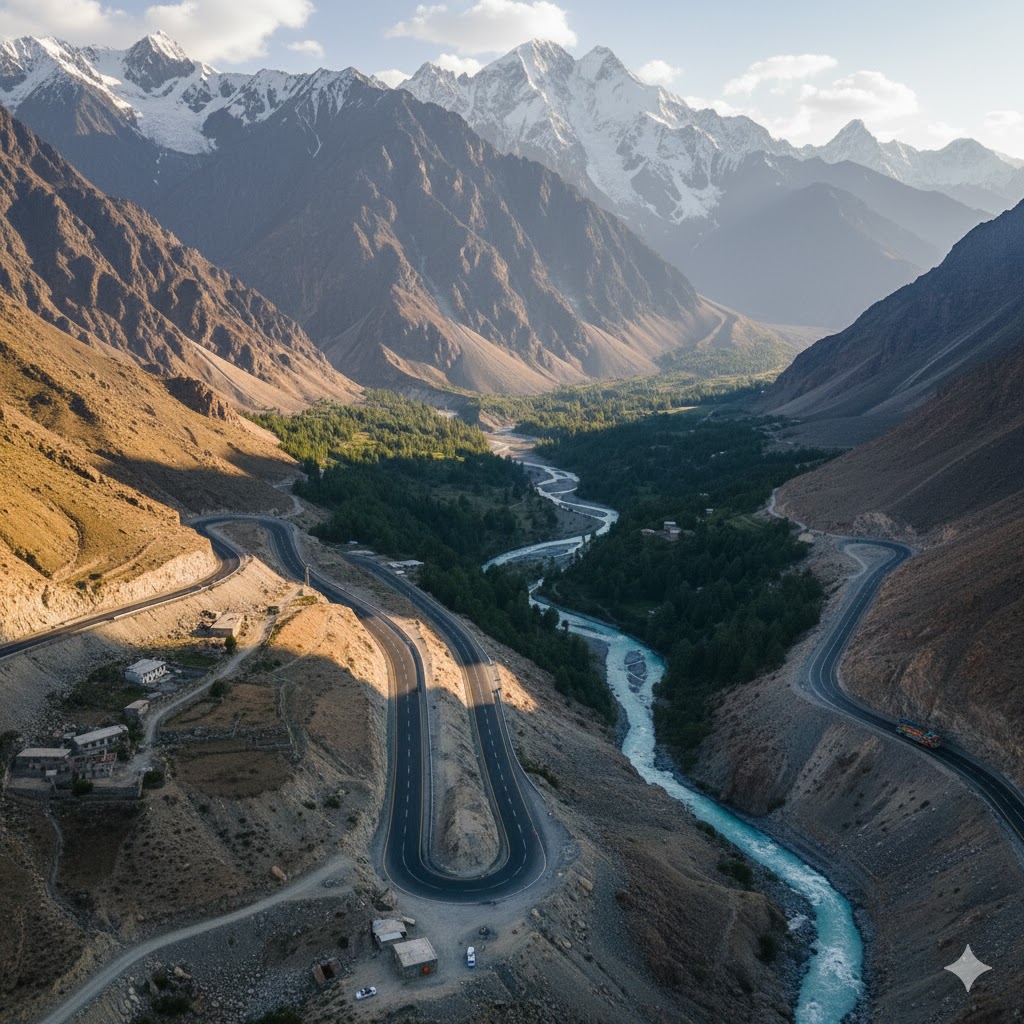
- From Islamabad: Travel via the Karakoram Highway (KKH); approximately 20–24 hours to Gilgit.
- Scenic Stops: Naran, Babusar Pass, Hunza, and Chilas offer breathtaking photo opportunities.
- Advice: Travel with a local driver familiar with mountainous terrain.
3. Top Hidden Treks of Gilgit Baltistan
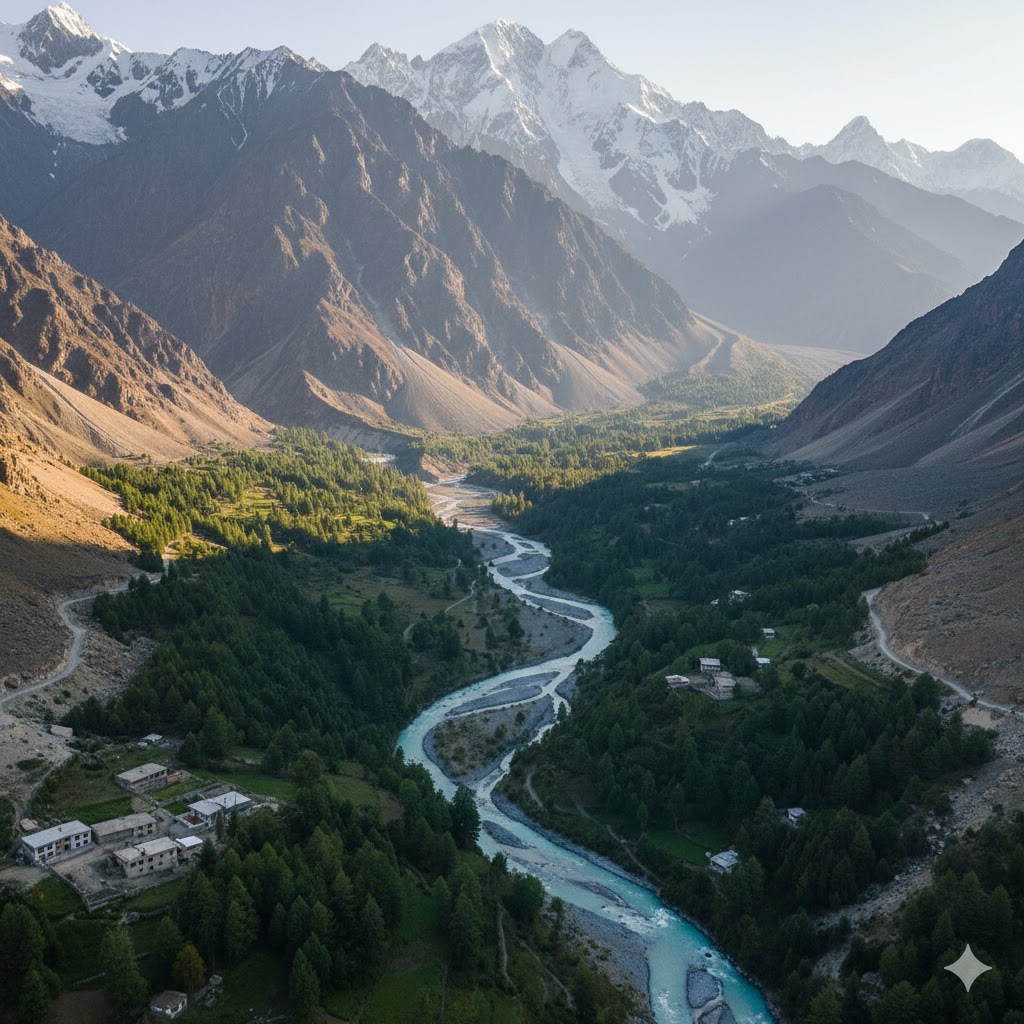
a) Phander Valley Trek
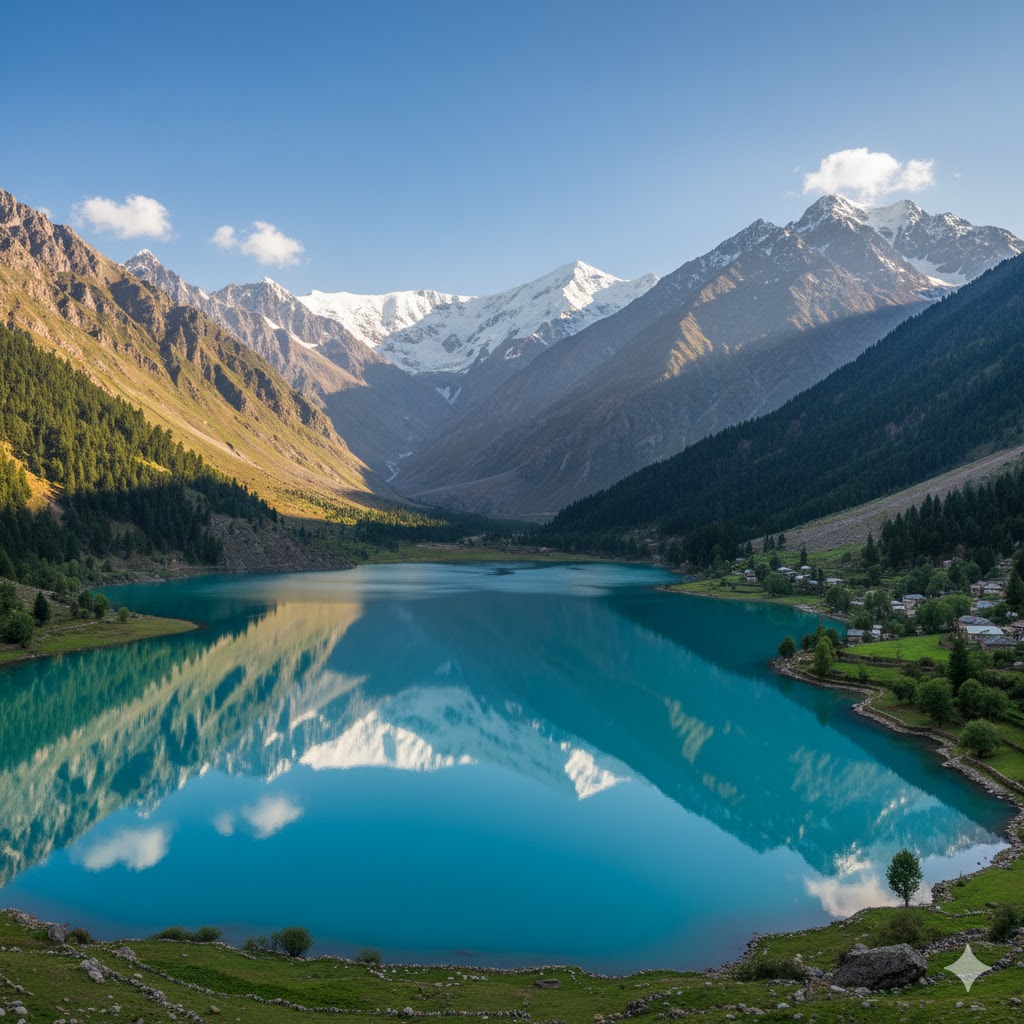
- Follows the Phander River and passes turquoise lakes.
- Meadows are rich with alpine flowers; villages offer a glimpse into local life.
- Suitable for moderate trekkers seeking serenity.
b) Batura Glacier Trek
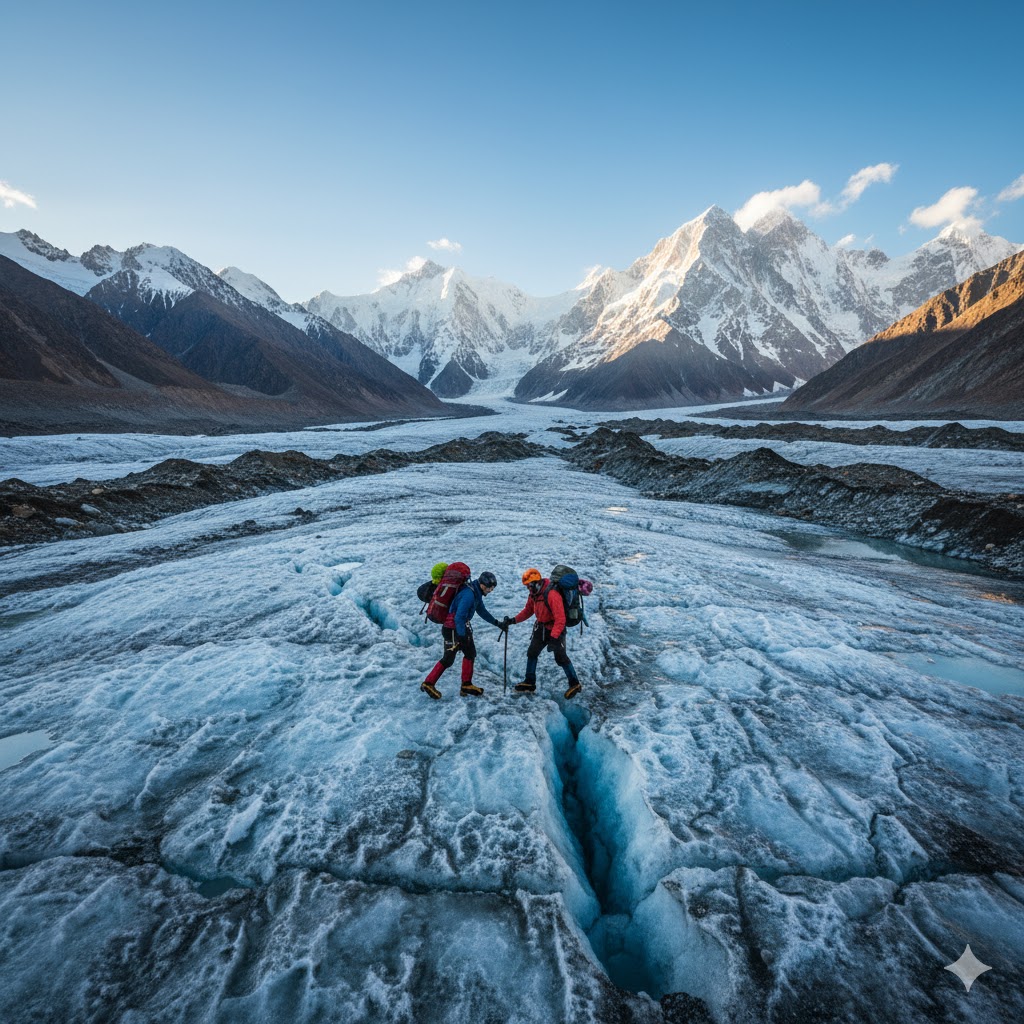
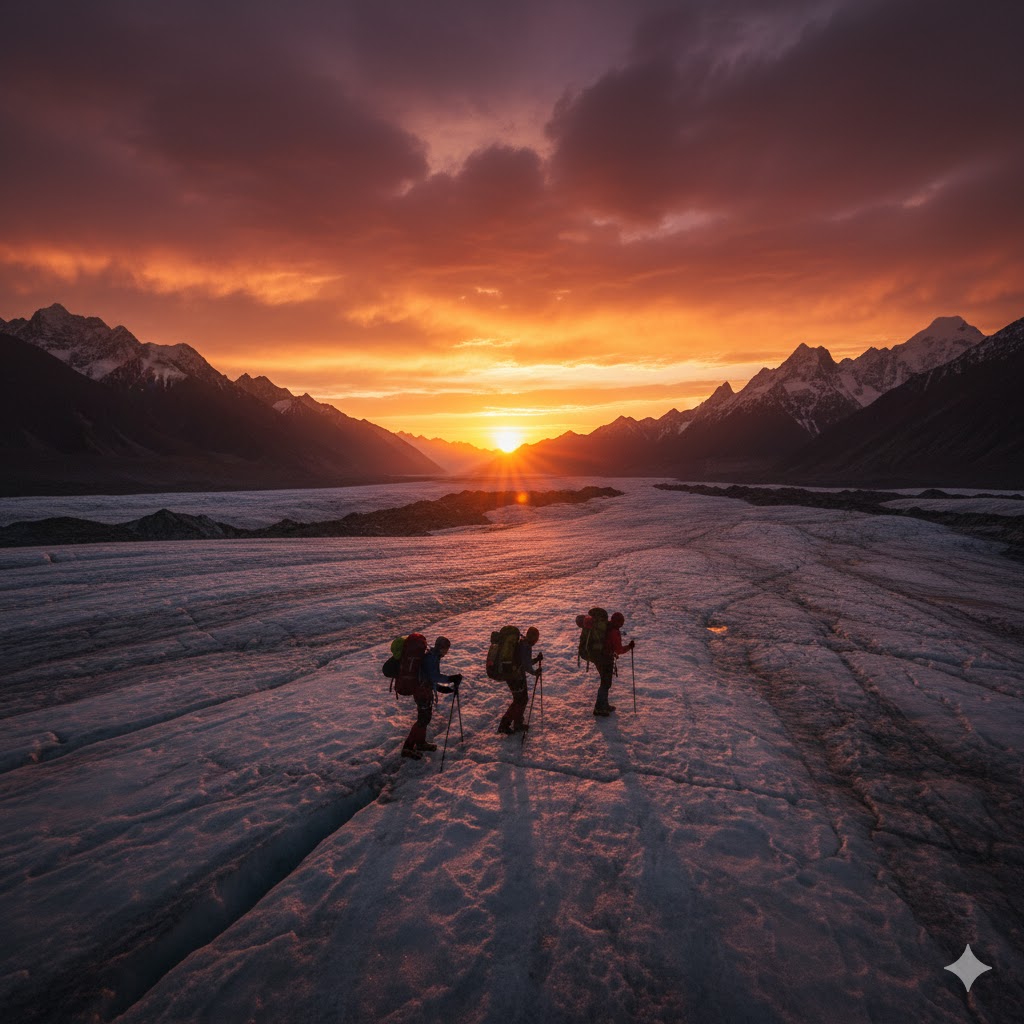
- One of the longest glaciers outside the polar region.
- Offbeat trails near Passu Cones give stunning glacial and peak views.
- Challenging for experienced trekkers; camping along the glacier is recommended.
c) Rush Lake Trek
- At 4,694 meters, one of the highest alpine lakes in the world.
- Offers panoramic views of Ultar Sar, Ladyfinger Peak, and Golden Peak.
- Requires moderate-to-high fitness and prior acclimatization.
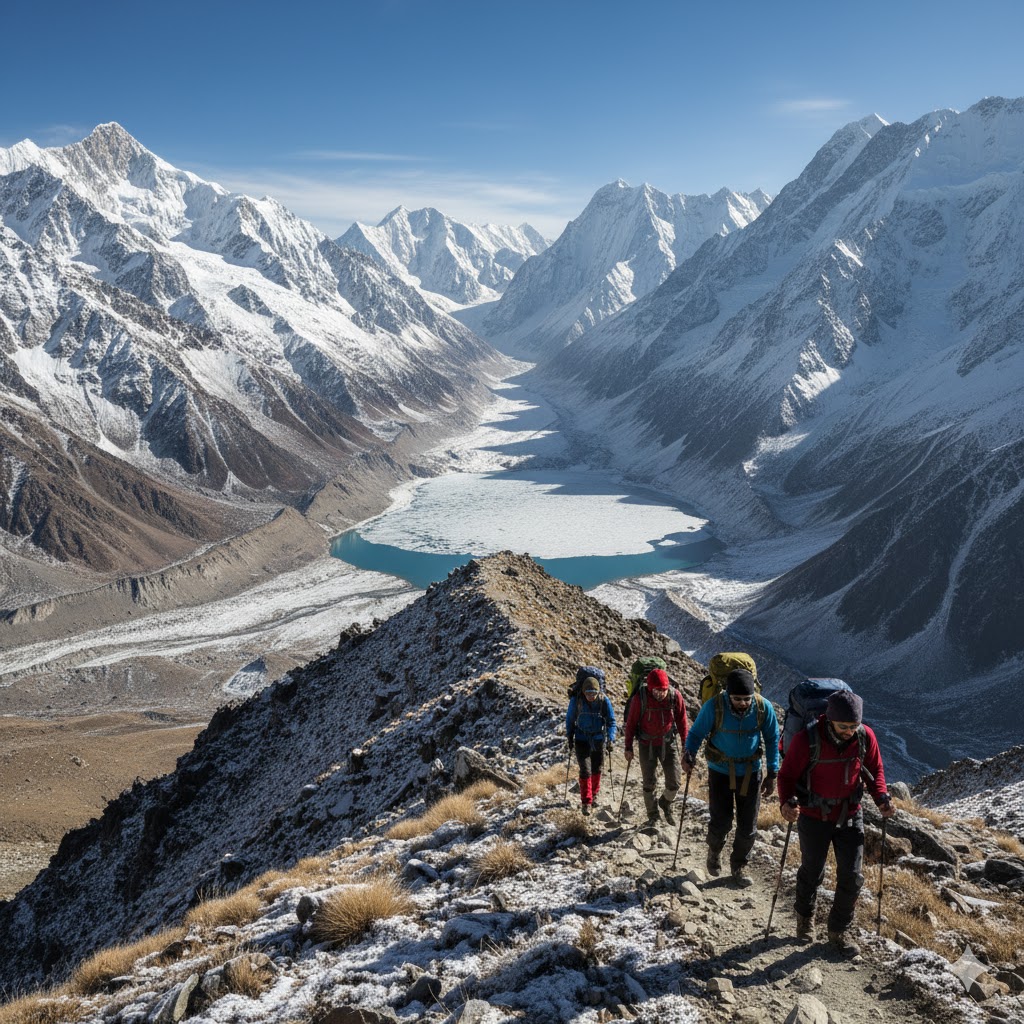
d) Hopper Glacier & Hopar Valley Trek
- Less crowded than Hunza treks.
- Trail traverses pine forests, ice formations, and rivers.
- Perfect for trekkers seeking photography opportunities and solitude.
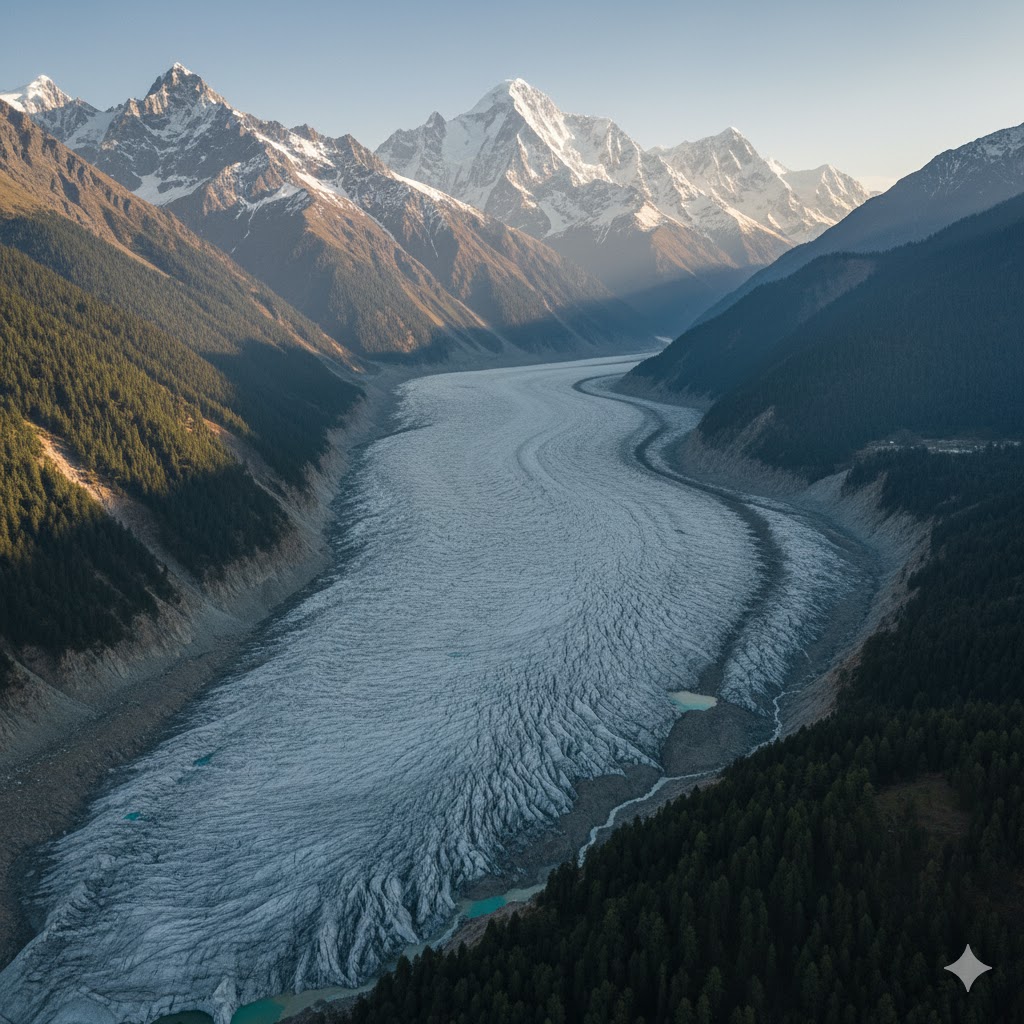
e) Hispar Glacier & Hopar-Ghujerab Route
- A multi-day trek connecting Baltistan with Hunza.
- Requires experience in high-altitude trekking.
- Offers views of remote glaciers, moraines, and untouched villages.
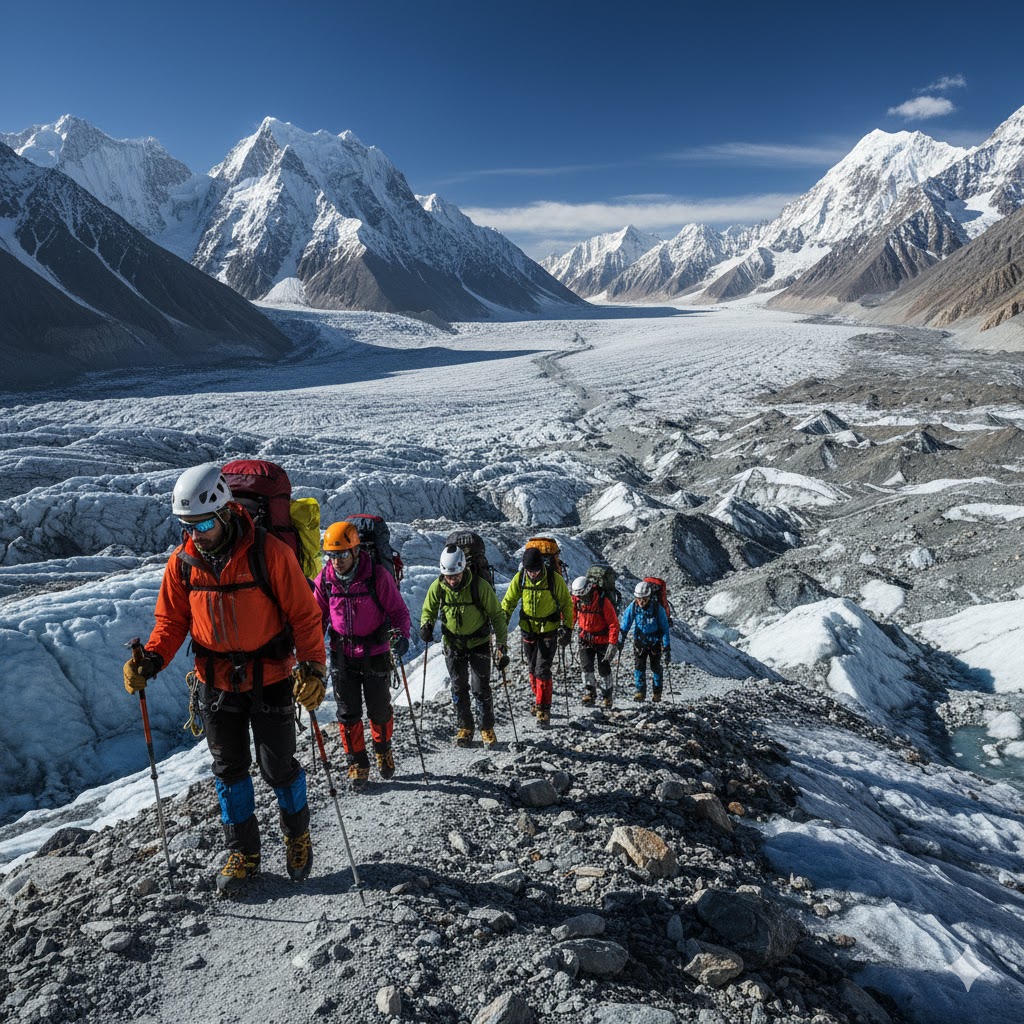
f) Rakaposhi Base Camp (Offbeat Route)
- Alternative trails avoid mainstream crowds.
- Magnificent Rakaposhi views with fewer tourists.
- Ideal for photography and immersive trekking experiences.
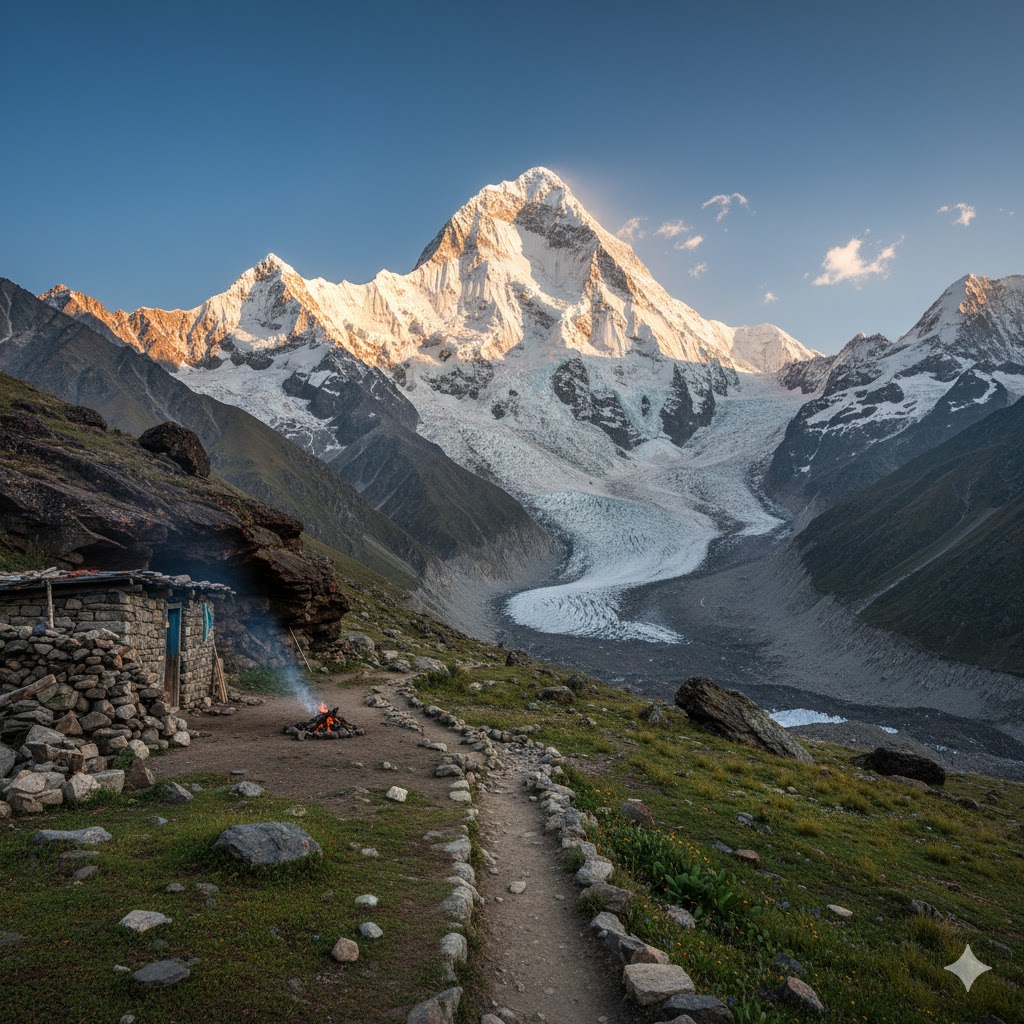
4. Adventure Activities During Treks
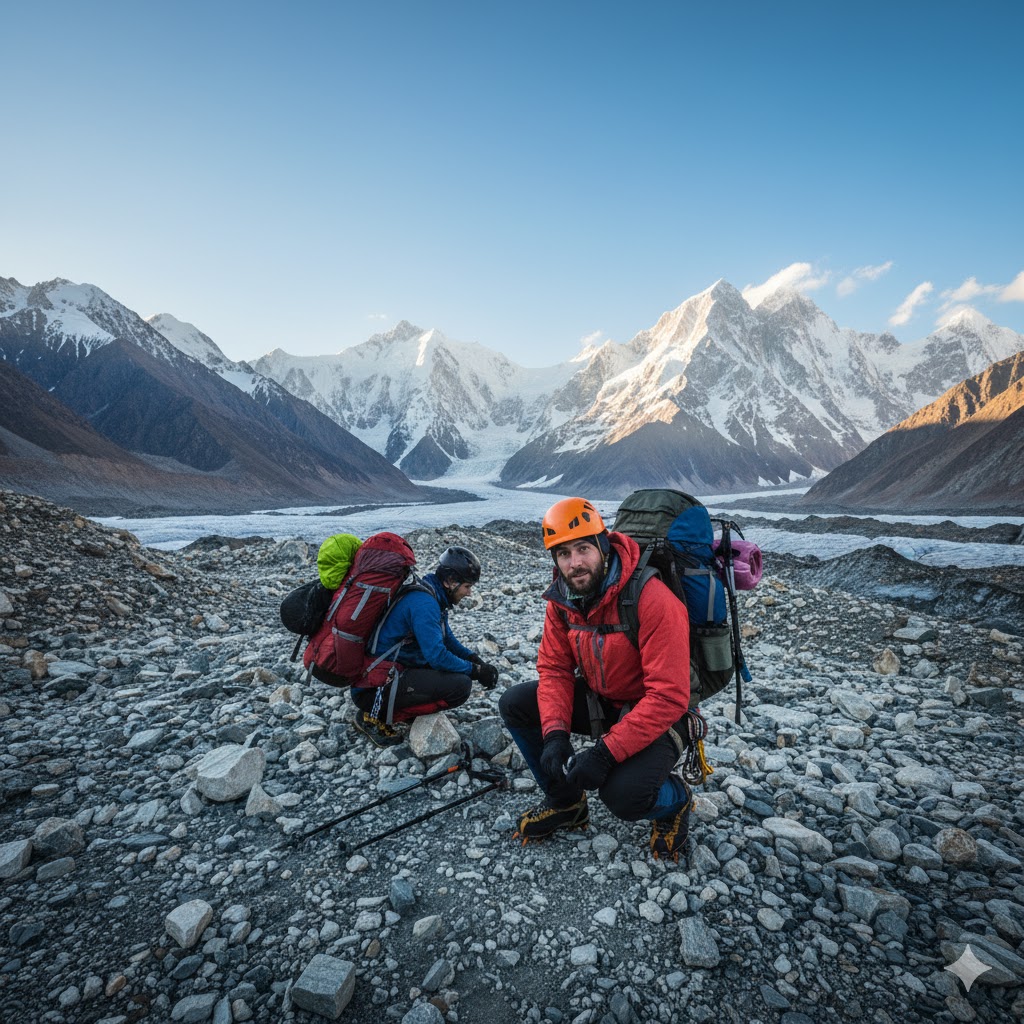
- Glacier hiking and ice climbing for skilled adventurers
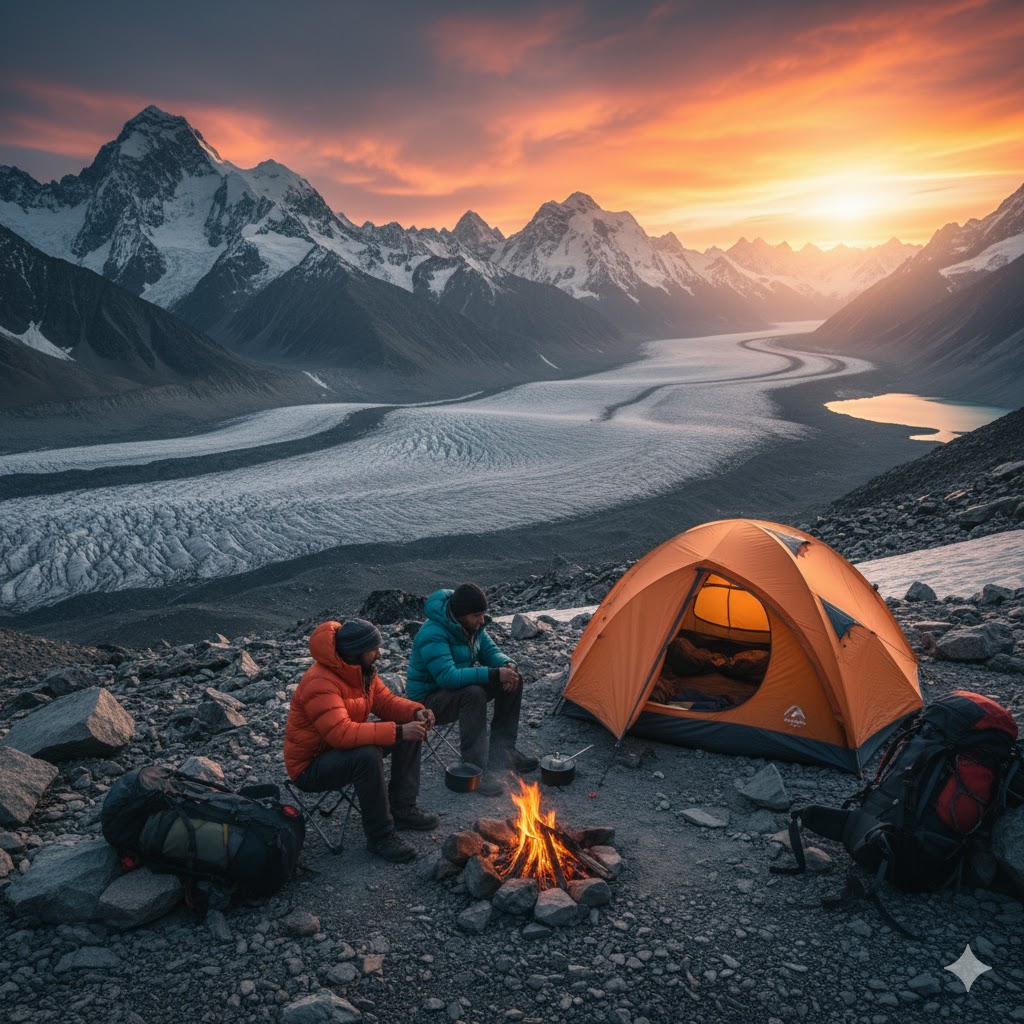
- Camping under star-filled skies at high altitudes
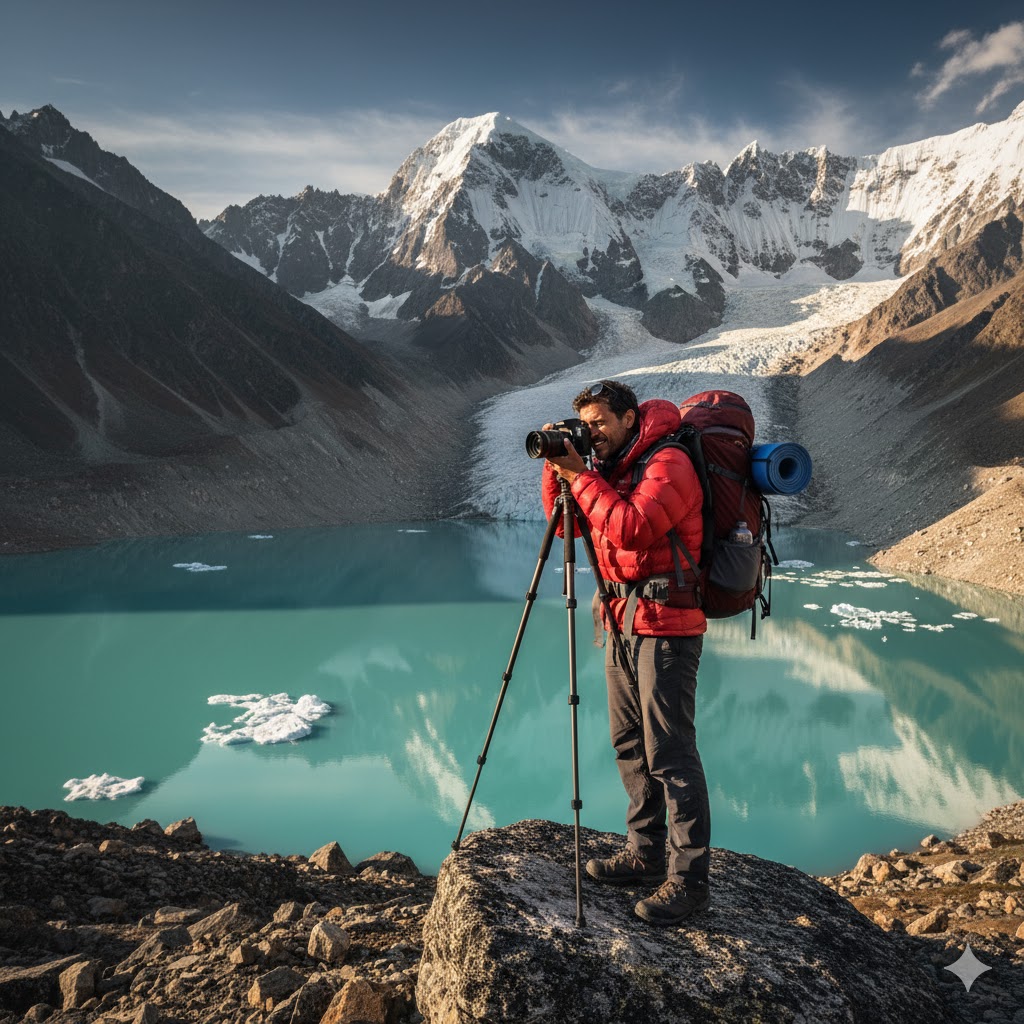
- Photography of pristine alpine landscapes and glaciers
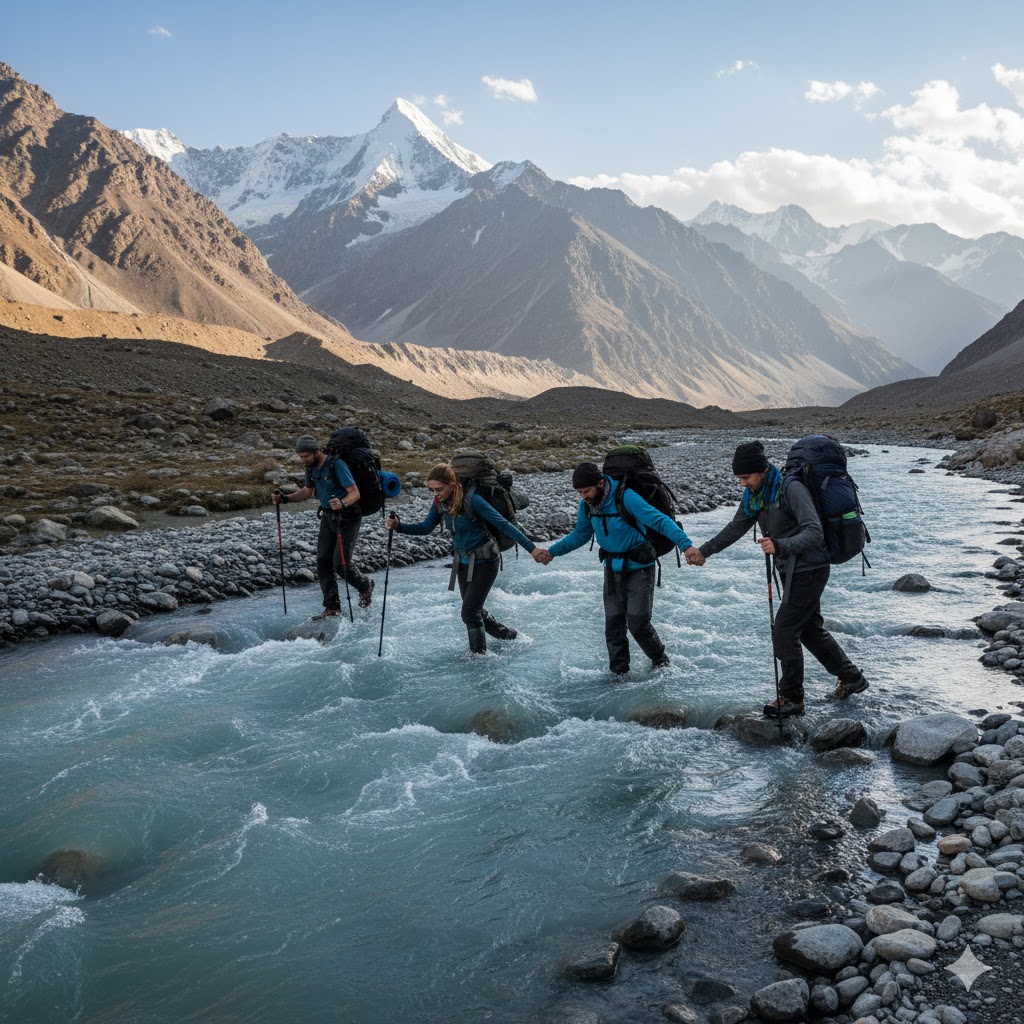
- Crossing rivers and challenging high-altitude terrains
- Wildlife spotting: Himalayan ibex, snowcock, marmots, and rare birds
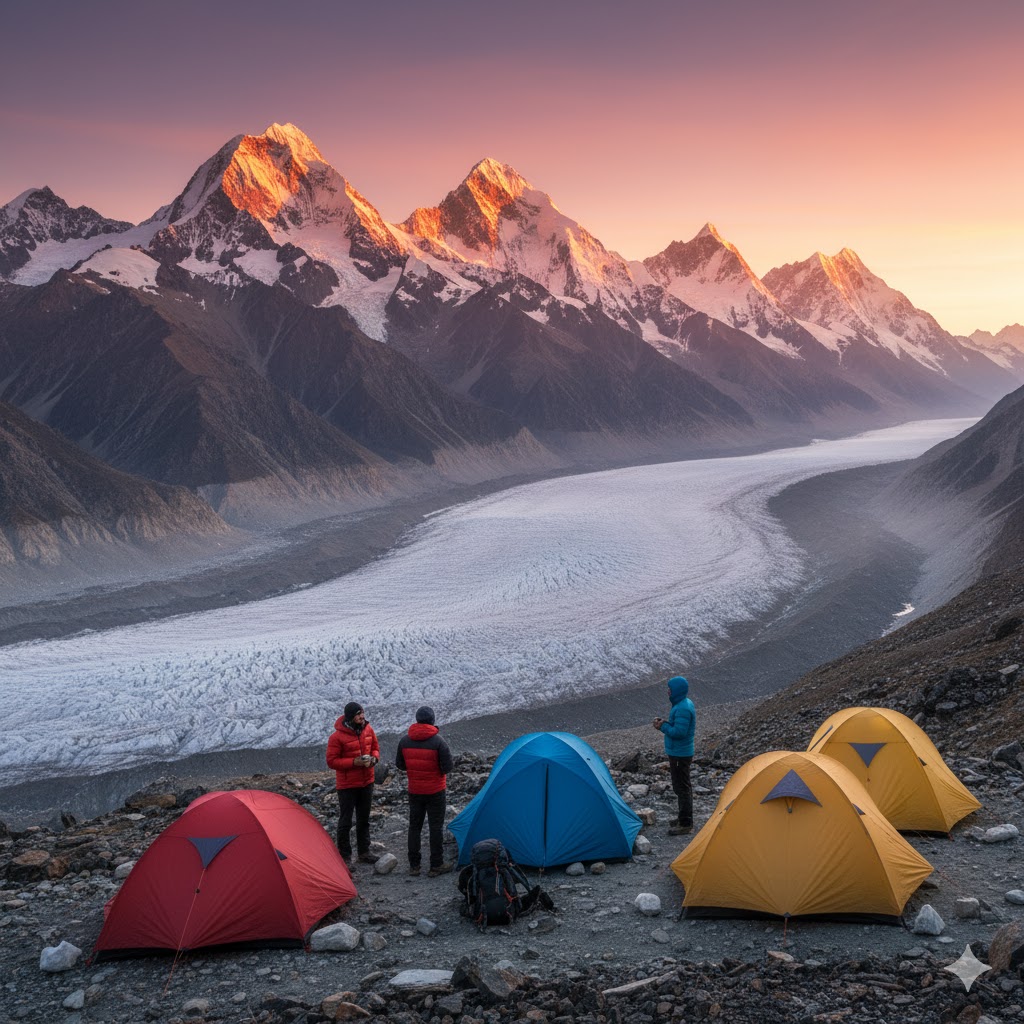
5. Sample 7-Day Gilgit Baltistan Hidden Trek Itinerary
Day 1: Arrival in Gilgit, local sightseeing, trek preparation.
Day 2: Drive to Phander Valley, acclimatization hike.
Day 3: Trek along Phander River, overnight camping in meadows.
Day 4: Batura Glacier trek, experience ice formations and rugged terrain.
Day 5: Hopper Glacier and Hopar Valley, overnight in tents near the glacier.
Day 6: Rush Lake trek for panoramic high-altitude views.
Day 7: Return to Gilgit, relax, and departure.
6. Accommodation Options for Trekkers
- Base Towns: Guesthouses in Gilgit, Hunza, Skardu
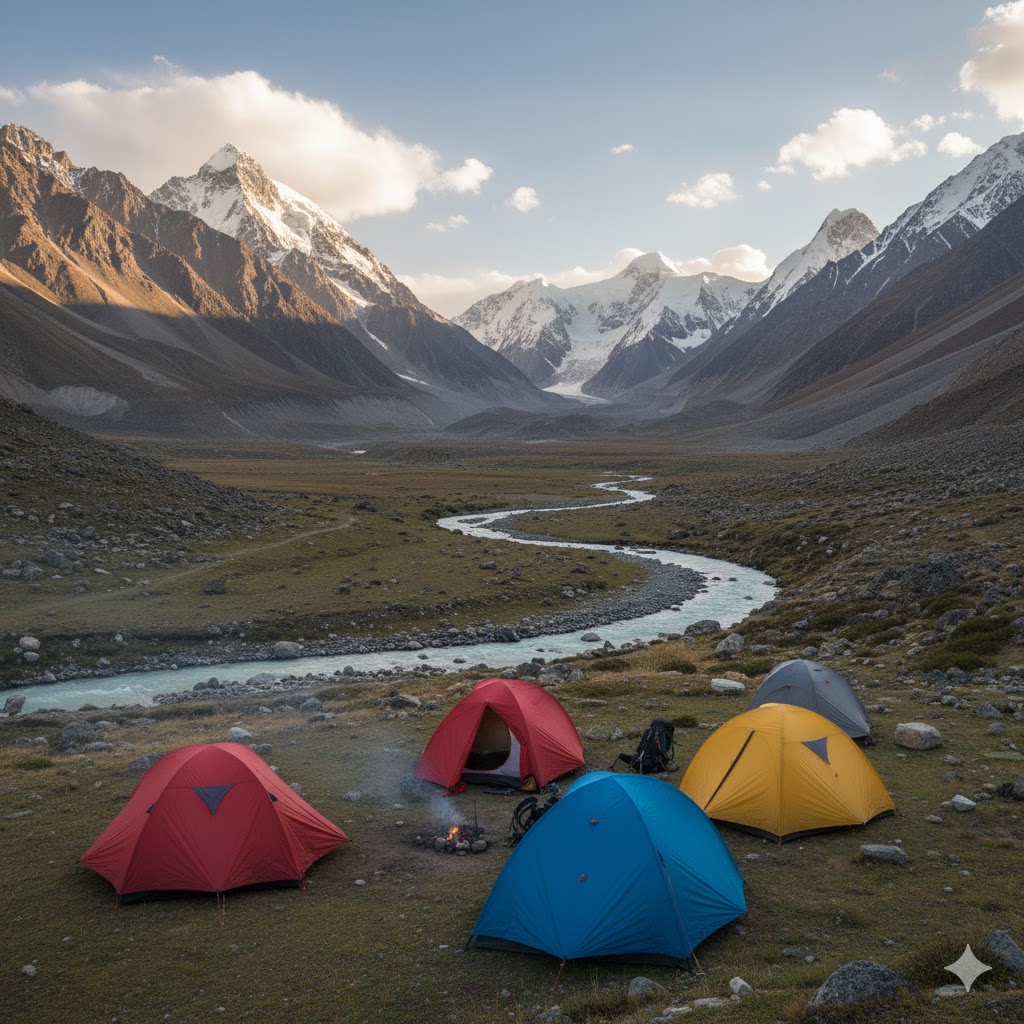
- Along Trek Routes: Camping in tents or homestays in remote villages
- Luxury: Serena Hotels in Gilgit and Hunza for pre- or post-trek stays
7. Travel Tips for Hidden Treks
- Local Guides: Essential; trails are unmarked and remote
- Gear: Bring proper trekking boots, sleeping bags, and warm clothing
- Fitness: High-altitude trekking requires good physical preparation
- Respect Local Culture: Villages along the trails are conservative
- Emergency Prep: Carry communication devices and first-aid supplies
Lesser-Known Villages Along the Treks
Include descriptions of remote villages trekkers pass through, like Gulmit, Hussaini, and Shinaki villages. Highlight:
- Local hospitality and traditions
- Handicrafts and souvenirs
- Village trekking routes for authentic experiences
Detailed Flora and Fauna
Add biodiversity highlights for each trek:
- Alpine flowers like edelweiss, Himalayan poppies, and primulas
- Wildlife spotting: Himalayan ibex, marmots, snow leopard sightings (rare), and birds
- Seasonal variations of flora along different treks
Trekking Safety and Preparation Tips
Add more practical advice:
- How to acclimatize properly to high altitudes
- Essential gear: trekking poles, crampons, insulated jackets
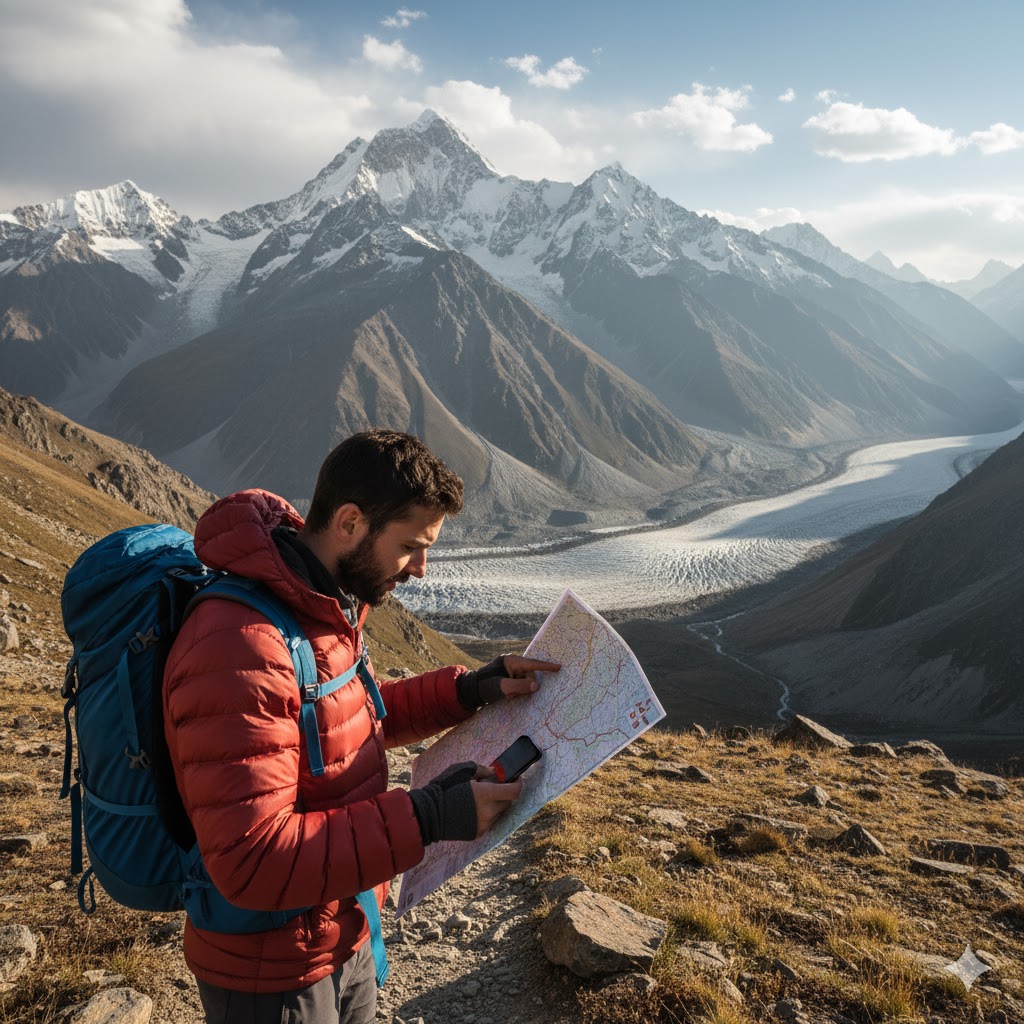
- Navigation tips and how to use maps, GPS, and local guides
Extended Itinerary Options
Provide alternate or longer trekking itineraries:
- 10-day extended trek connecting Hispar Glacier to Hunza Valley
- Multi-day camping near Rush Lake and Hopper Glacier
- Optional side trips to Passu Cones or Gulmit village
Historical and Cultural Insights
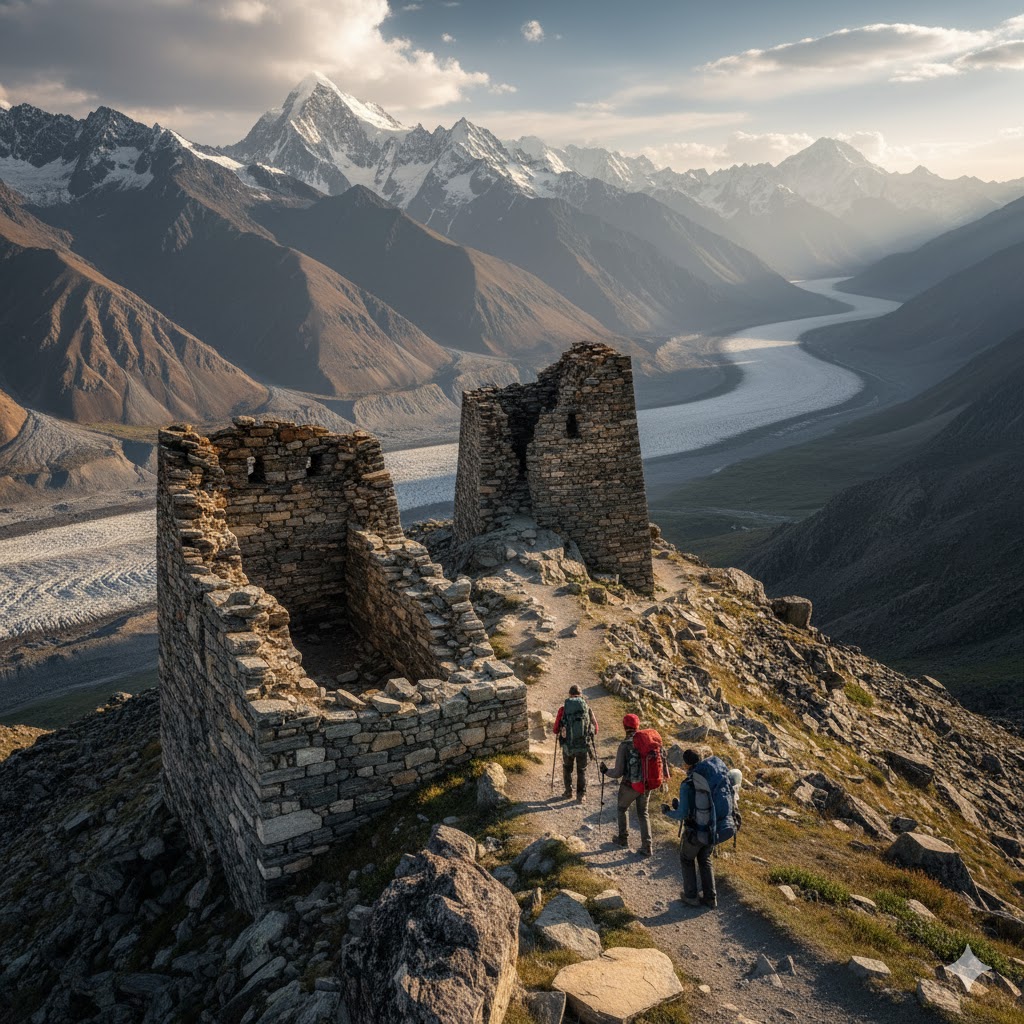
Add context about ancient trade routes, Silk Road connections, and Buddhist heritage:
- Ancient monasteries or stupa ruins along the way
- Historical significance of passes like Hispar and Khunjerab
- Stories of local communities and traditional mountain lifestyles
Adventure Photography Tips
Include tips for travelers:
- Best time of day for lighting in glaciers, rivers, and valleys
- Camera gear recommendations for high-altitude trekking
- How to photograph wildlife and villages ethically
FAQs About Hidden Treks of Gilgit Baltistan
Q1: Are these treks suitable for beginners?
A: Some low-altitude treks like Phander Valley are beginner-friendly; most glaciers and high passes need experience.
Q2: Is camping allowed along the routes?
A: Yes, but use designated areas to protect the environment.
Q3: Do I need permits for these treks?
A: Most areas are open; some remote passes may require local permits.
Q4: What wildlife can I encounter?
A: Himalayan ibex, marmots, snowcocks, and various alpine birds.
Conclusion
The hidden treks of Gilgit Baltistan are perfect for travelers seeking unforgettable adventure, untouched landscapes, and authentic cultural experiences. From turquoise lakes to challenging glaciers and remote villages, these treks provide a journey like no other.
With proper planning, experienced guides, and high-quality gear, adventurers can explore the raw beauty of northern Pakistan and create memories that last a lifetime.
Must Read:
References: