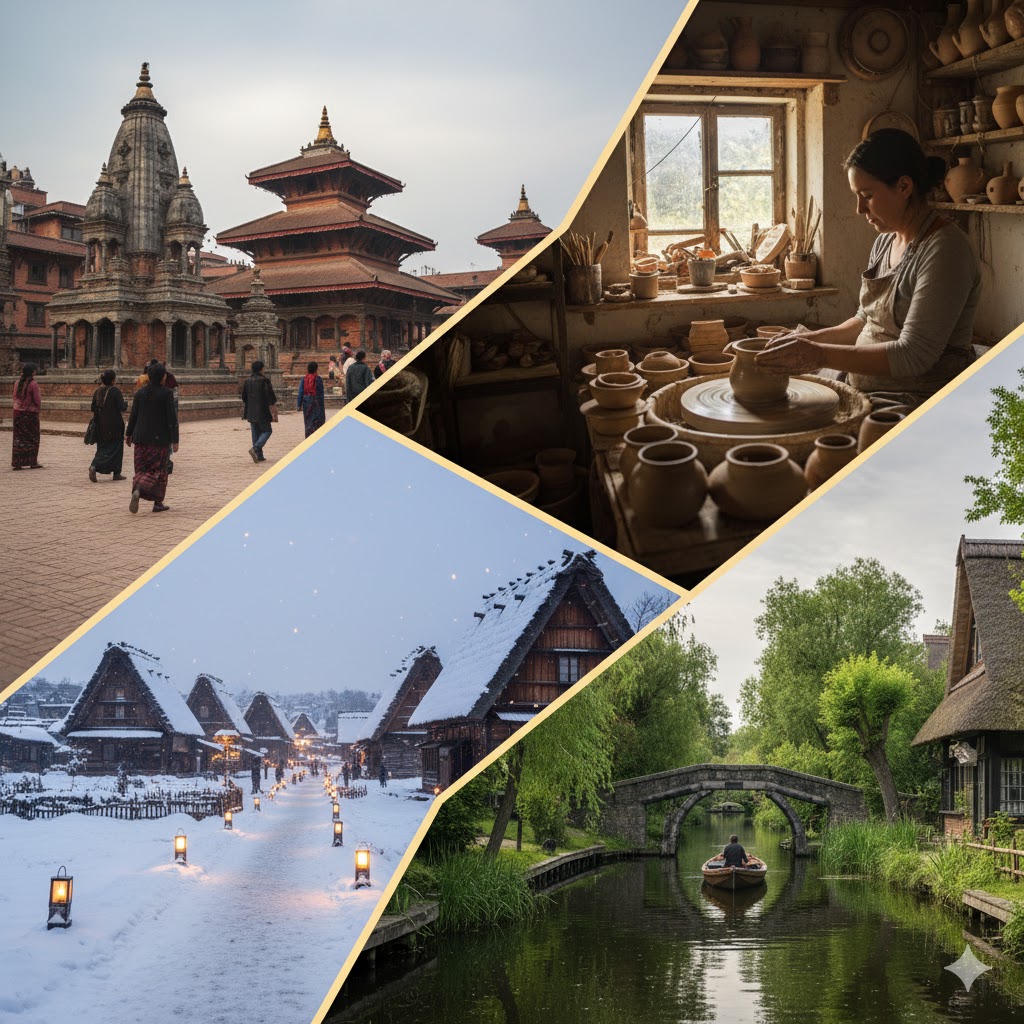
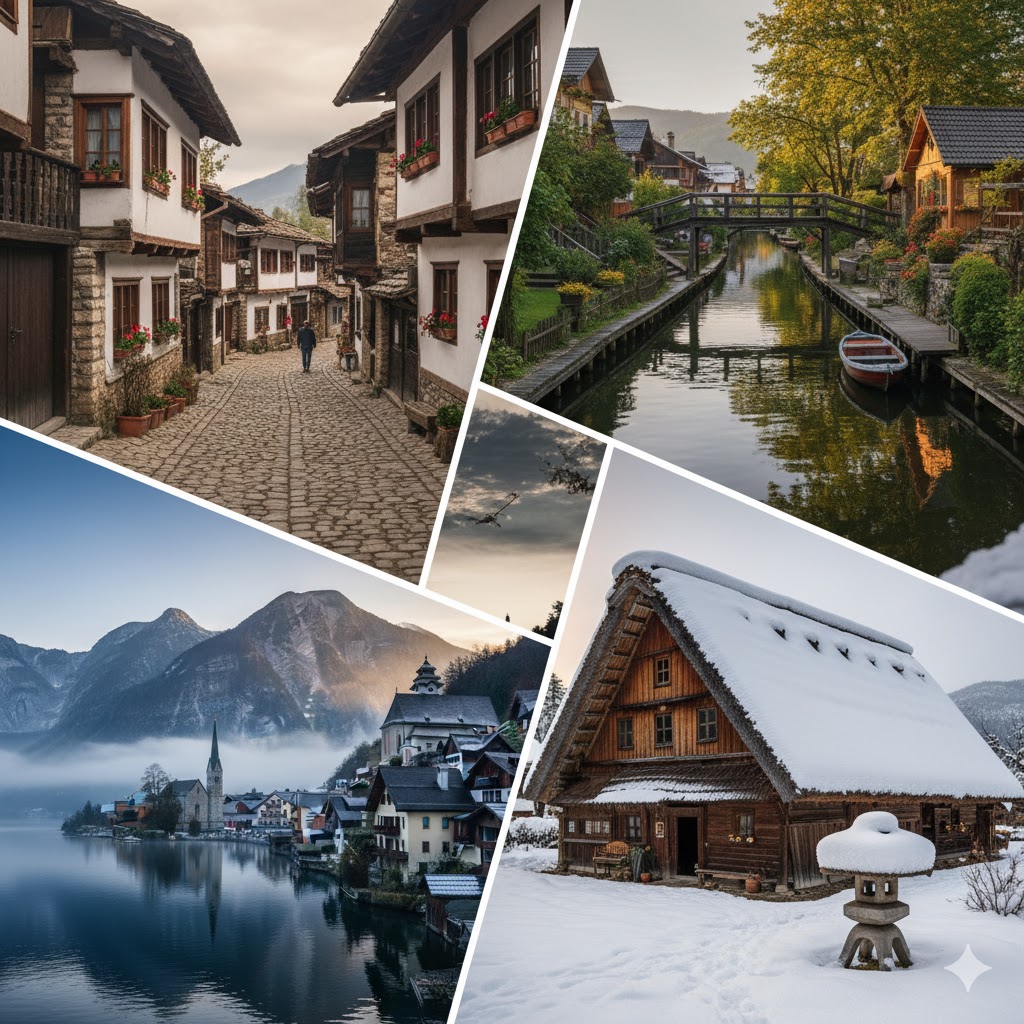

1. Introduction: The Allure of Timeless Villages
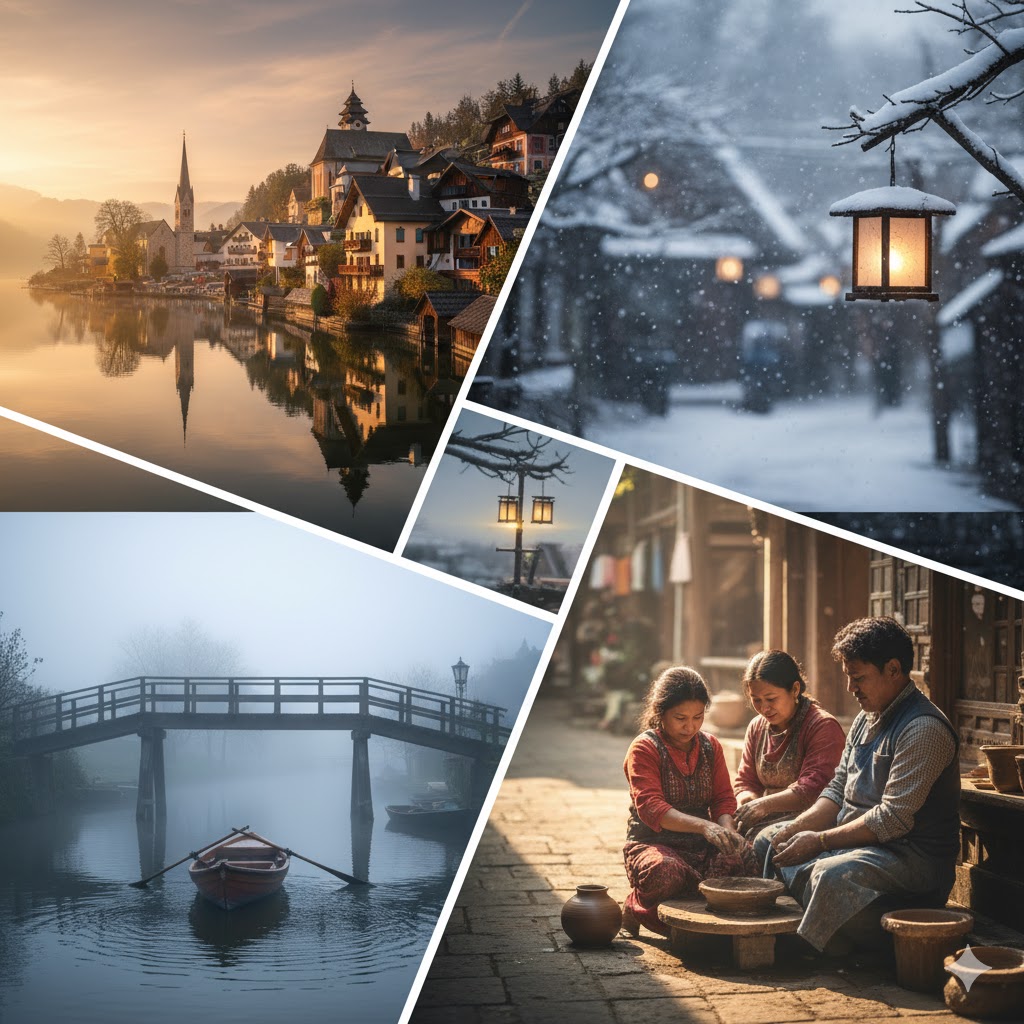
Hidden villages frozen in time captivate travelers who long to escape the hustle of modern life and experience history, culture, and traditions preserved for centuries. From the cobblestone streets of Bulgaria to the snow-laden villages of Japan and serene canal towns in the Netherlands, these timeless settlements transport visitors to a world where life moves slowly, every building tells a story, and local customs are still honored.
Exploring these villages isn’t just sightseeing; it’s stepping into living history. Travelers can interact with artisans, taste traditional cuisine, witness ancient festivals, and even participate in age-old crafts that have survived generations. Whether it’s walking along winding lanes, boating through quiet canals, or observing local rituals, the experience is immersive and unforgettable.
Visiting these timeless places isn’t just sightseeing—it’s stepping into living history, where every corner tells a story.
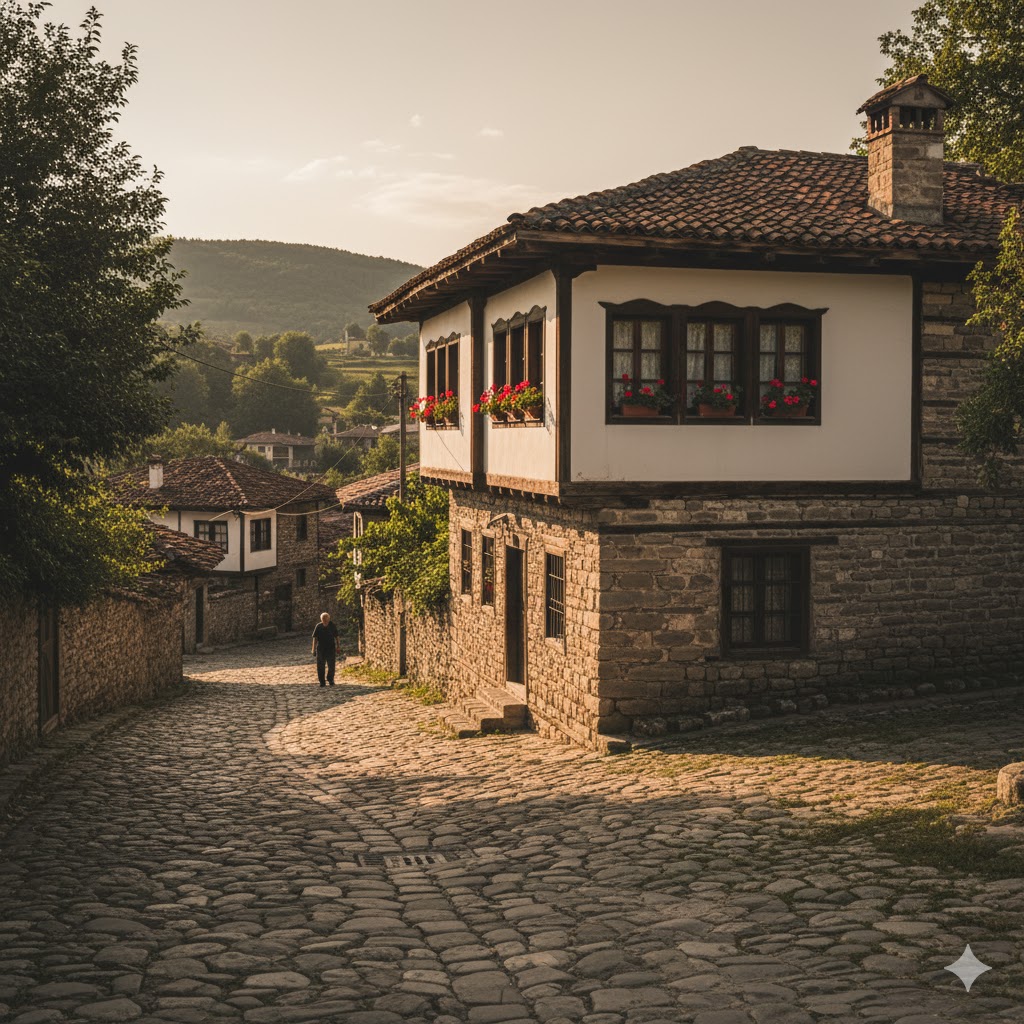
2. Kovachevitsa, Bulgaria – The Village of Stone Legacy
- Highlights: Winding cobblestone streets, stone houses with red-tiled roofs, and a thriving artistic community. Kovachevitsa’s charm lies in its perfectly preserved 17th-century architecture and tranquil atmosphere.
- History/Tradition: Originally built during the Ottoman era, the village resisted modernization, keeping its cultural heritage intact. Visitors can see traditional workshops where pottery, weaving, and wood carving are still practiced.
- How to Reach: The nearest city is Gotse Delchev; visitors can drive or take a bus from Sofia (~3.5 hours). The scenic route through the Rhodope Mountains adds to the journey’s charm.
- Best Time to Visit: Late spring to early autumn (May–September) is ideal for comfortable weather and local festivals.
- Tickets/Price: Exploring the village is free. Some workshops and cultural experiences may charge ~€5–€10.
- Hidden Gems/Tips: Visit the local artisan shops, hike to hilltop viewpoints for panoramic photos, and check out the small traditional taverns for authentic Bulgarian food.
- Local Food: Sample banitsa (cheese-filled pastry), creamy Bulgarian yogurt, and locally distilled rakia.
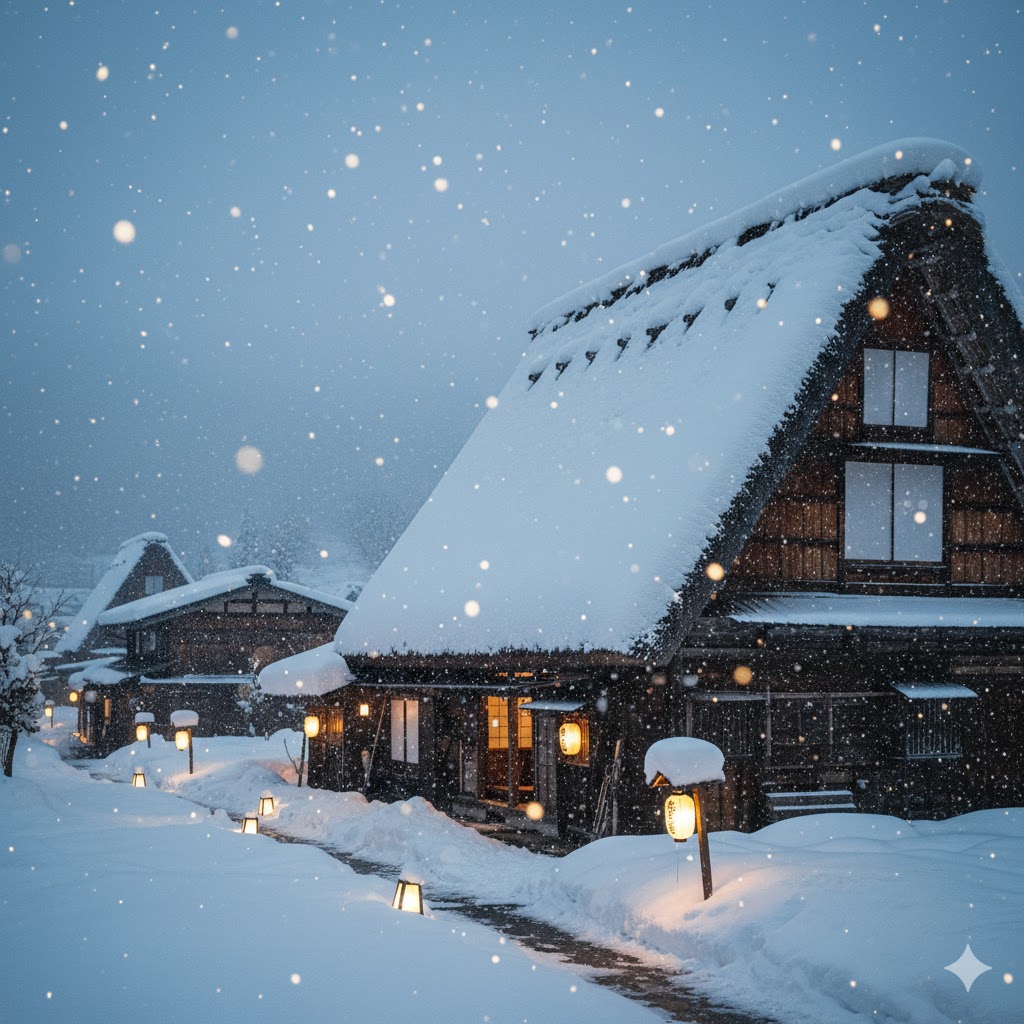
3. Shirakawa-go, Japan – The Village of Gassho-Zukuri Roofs
- Highlights: UNESCO World Heritage site famous for its steep thatched roofs, designed to withstand heavy snowfalls. The architecture is unique and photogenic, with homes often centuries old.
- History/Tradition: Dating back over 250 years, these homes represent communal living and cultural continuity. Residents maintain traditions such as rice cultivation and handcrafting items for daily life.
- How to Reach: Take a bus from Takayama (~50 minutes). For travelers coming from Tokyo or Kyoto, a combination of trains and buses is needed.
- Best Time to Visit: Winter for snow-covered vistas; spring for cherry blossoms. Both seasons offer exceptional photographic opportunities.
- Tickets/Price: Walking through the village is free; some observation points or workshops charge ~¥300.
- Hidden Gems/Tips: Visit in the early morning to avoid crowds, and don’t miss the winter illuminations, which create a magical atmosphere.
- Local Food: Hida beef, handmade soba noodles, and miso soup.
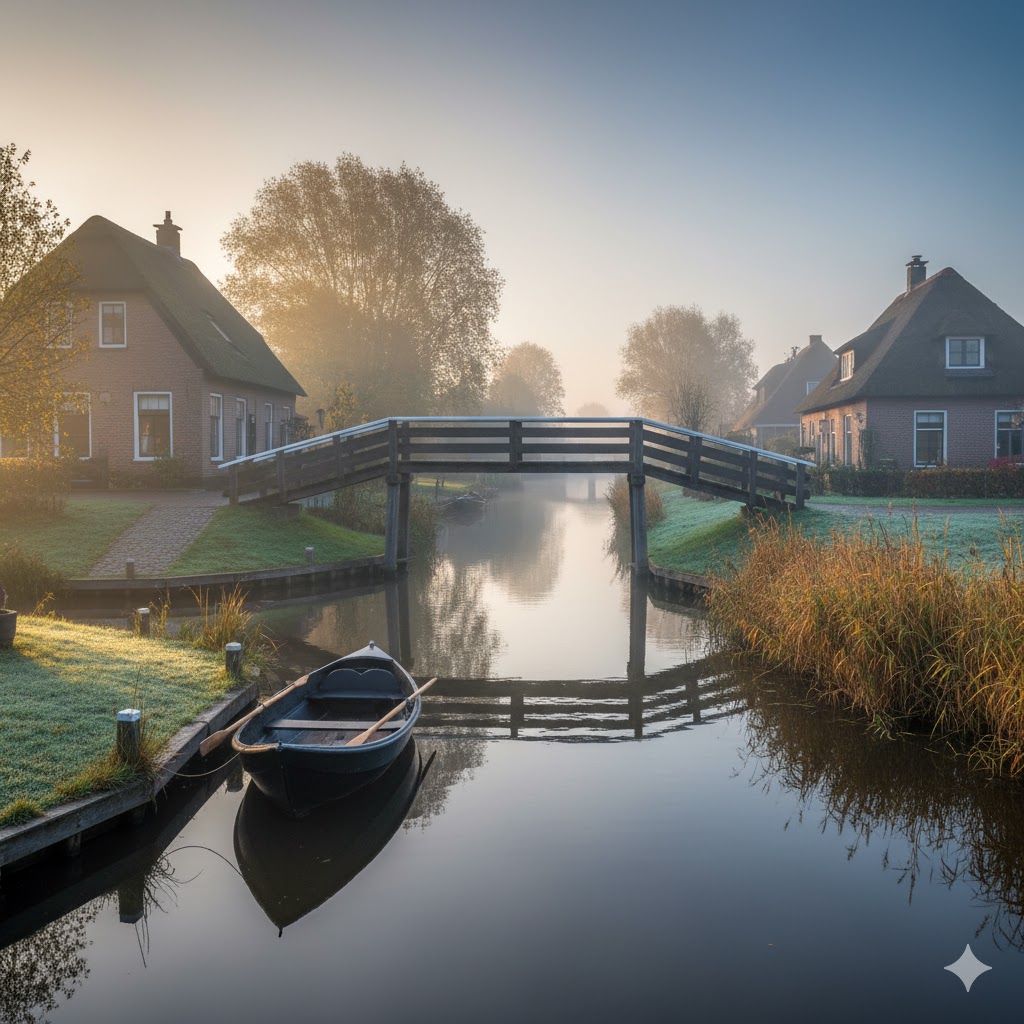
4. Giethoorn, Netherlands – The Venice of the North
- Highlights: Canals instead of roads, quaint wooden bridges, serene boat rides.
- History/Tradition: Settled in the 13th century, Giethoorn maintains its car-free lifestyle and 17th-century architecture.
- How to Reach: 120 km from Amsterdam; accessible by train to Steenwijk then bus.
- Best Time to Visit: April–October for boating season.
- Tickets/Price: Free to walk; boat rentals ~€20–€35/hour.
- Hidden Gems/Tips: Early morning visits avoid crowds, cycle along nearby countryside.
- Local Food: Dutch pancakes, poffertjes, and local cheeses.
5. Hallstatt, Austria – Alpine Charm Preserved
- Highlights: Picturesque alpine lake views, 16th-century salt mines, and pastel-colored houses.
- History/Tradition: Hallstatt dates back to prehistoric salt mining settlements; still retains traditional Austrian alpine culture.
- How to Reach: Train from Salzburg to Hallstatt (~2.5 hours).
- Best Time to Visit: Spring to early autumn; winter offers snow-capped mountain charm.
- Tickets/Price: Village free to explore; salt mine tours ~€25.
- Hidden Gems/Tips: Visit the Bone House (Beinhaus) and enjoy lakeside trails.
- Local Food: Austrian pastries, freshwater fish, and hearty stews.
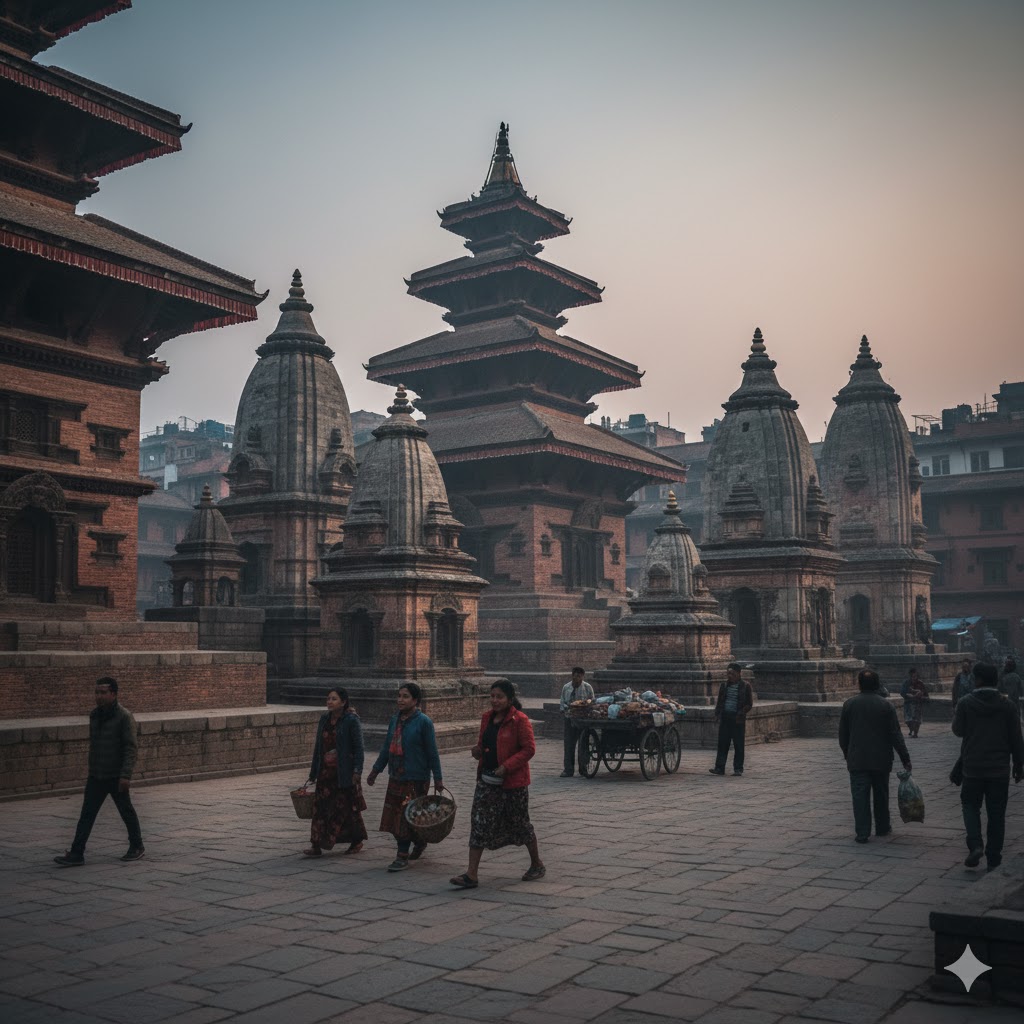
6. Bhaktapur, Nepal – Medieval Living Heritage
- Highlights: Ancient city walls, temples, and traditional Newari architecture.
- History/Tradition: Founded in the 12th century, Bhaktapur preserves medieval Nepalese art, culture, and festivals.
- How to Reach: 13 km east of Kathmandu; accessible via taxi or local bus.
- Best Time to Visit: October–December for clear skies and festival season.
- Tickets/Price: Entry to Durbar Square ~₹150 (~$1.20).
- Hidden Gems/Tips: Clay pottery workshops, traditional masks, and local squares.
- Local Food: Juju dhau (yogurt), momo dumplings, and thukpa soup.
Traveler Thoughts: Why These Villages Matter
Hidden villages frozen in time remind us of human heritage, simplicity, and sustainable living. Visiting them isn’t just tourism—it’s immersive storytelling, cultural appreciation, and a chance to witness living history firsthand.
Travelers are encouraged to respect local customs, support small businesses, and explore responsibly, ensuring these timeless gems remain preserved for generations.