
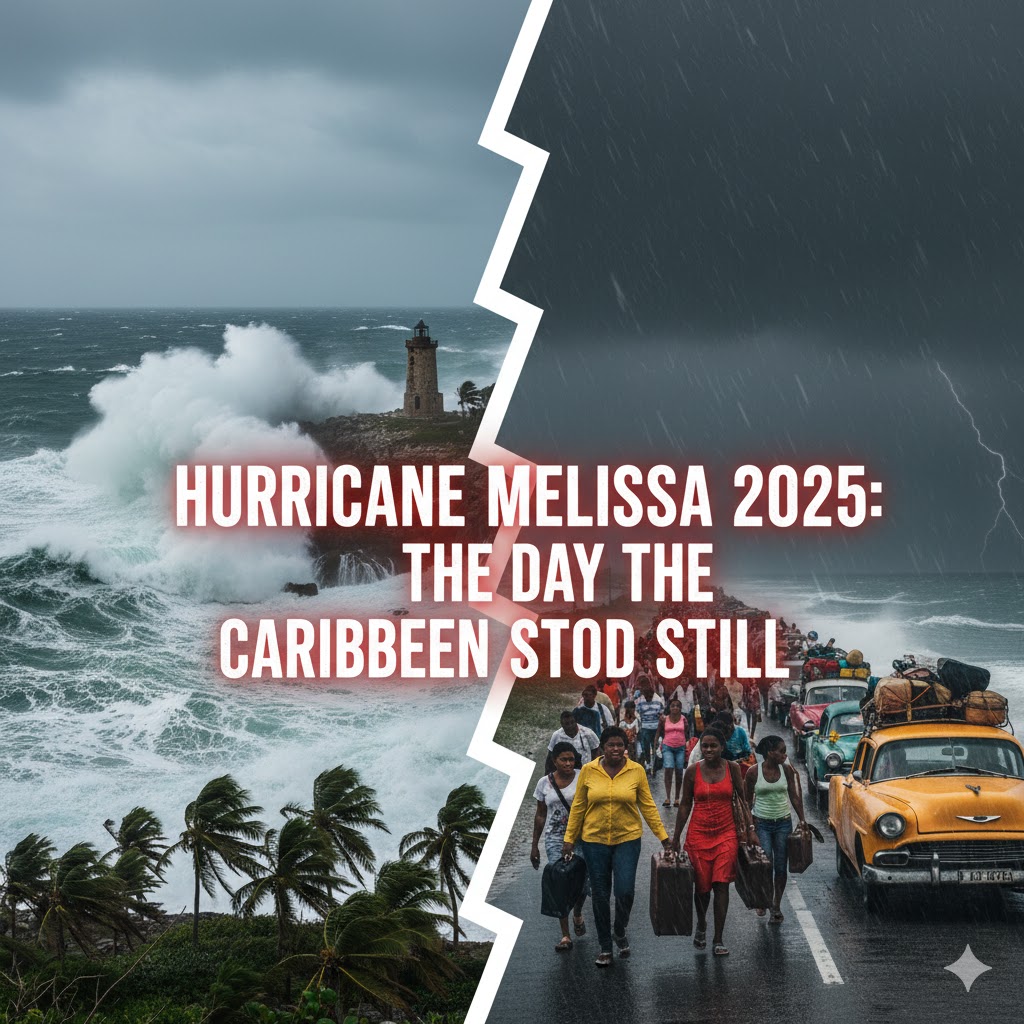

Introduction — When the Sky Turned Against Jamaica
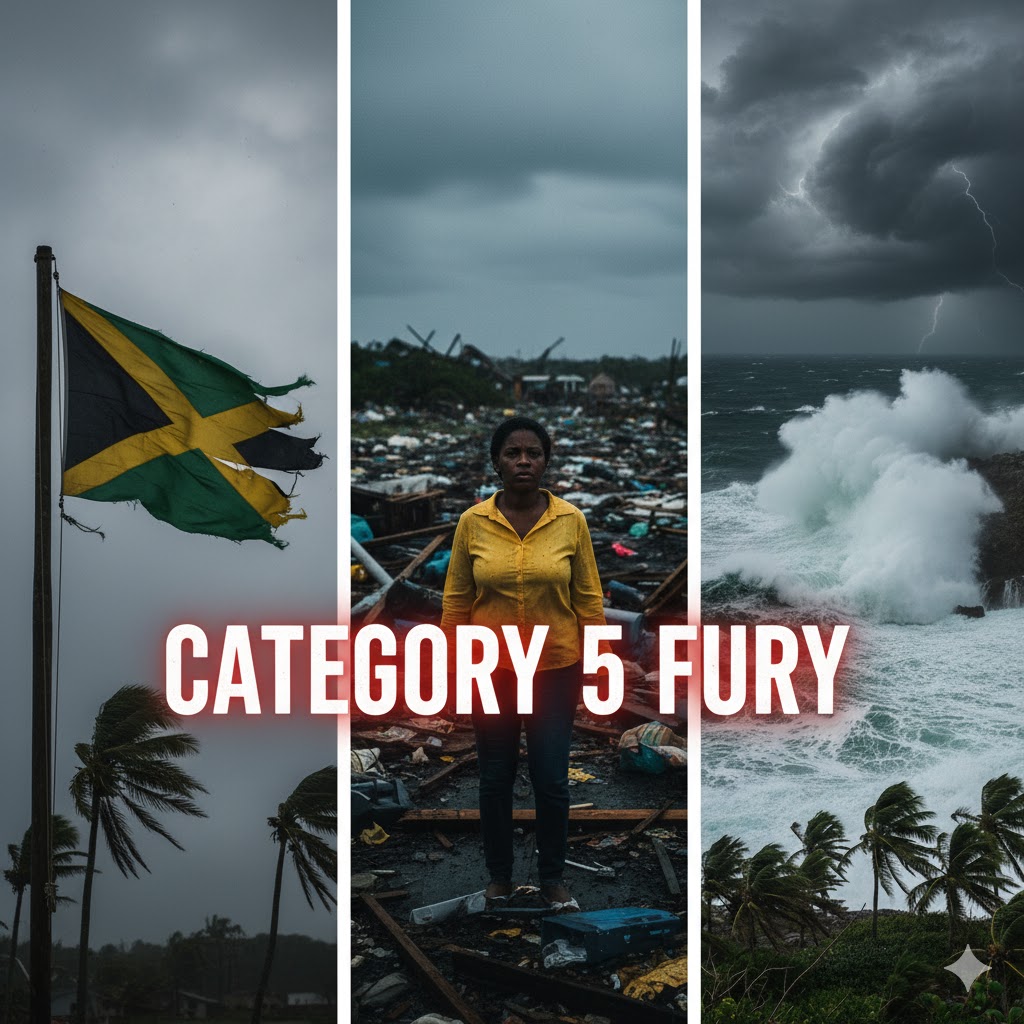
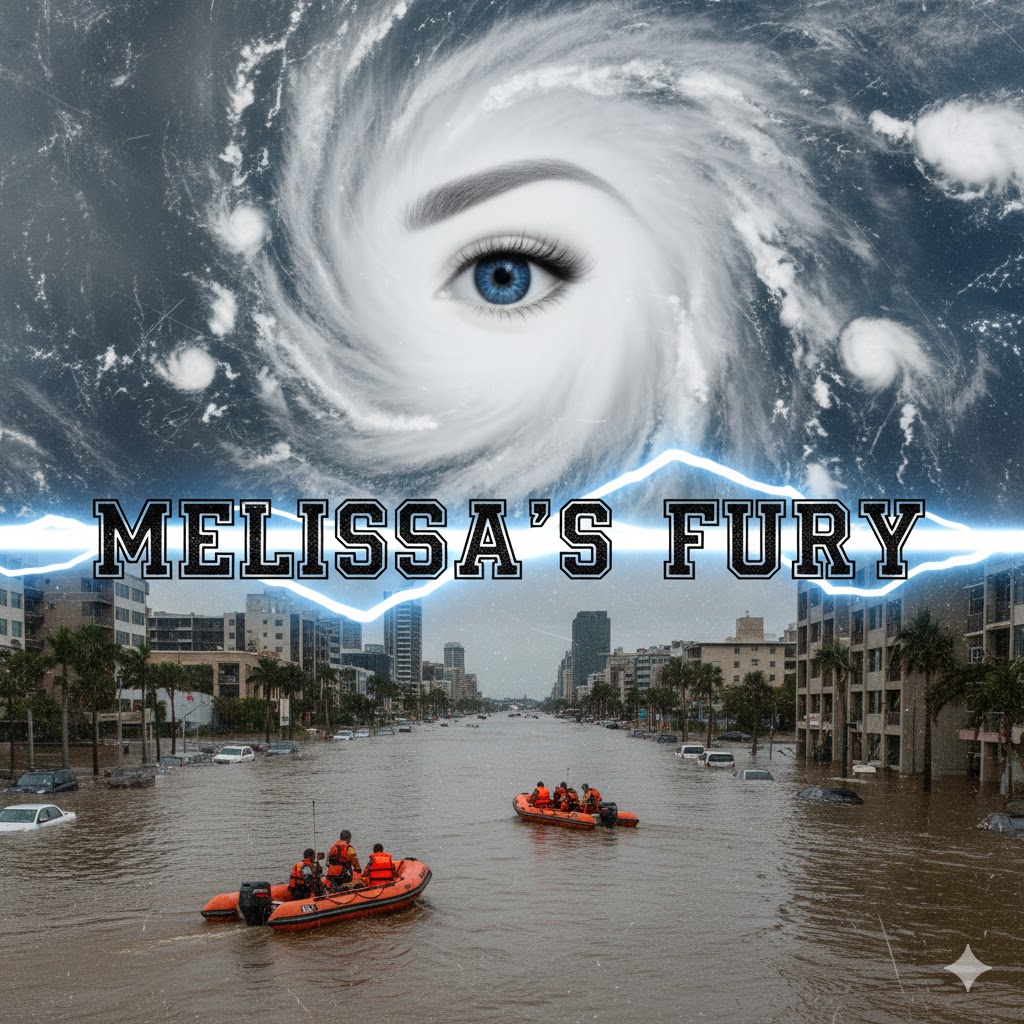
Jamaica woke up to a nightmare as Hurricane Melissa 2025, one of the most powerful storms ever recorded in the Caribbean, made landfall with wind speeds close to 185 mph (298 kph). The Category 5 monster ripped through towns, tore apart homes, and uprooted lives in mere hours.
For many Jamaicans, the morning sun rose over a landscape they could barely recognize. Entire communities were cut off, bridges washed away, and power grids lay in ruins. Prime Minister Andrew Holness called it “the darkest natural disaster of the century.”
But Melissa’s fury was far from over. After ravaging Jamaica, the storm’s massive eye turned toward Cuba, promising yet another night of chaos for the Caribbean.
🌊 1. The Birth of a Monster — How Hurricane Melissa Formed
Every great storm begins as a whisper in the ocean. In early October 2025, meteorologists noticed a tropical wave forming off the coast of West Africa. Most such systems dissipate over open water — but not this one.
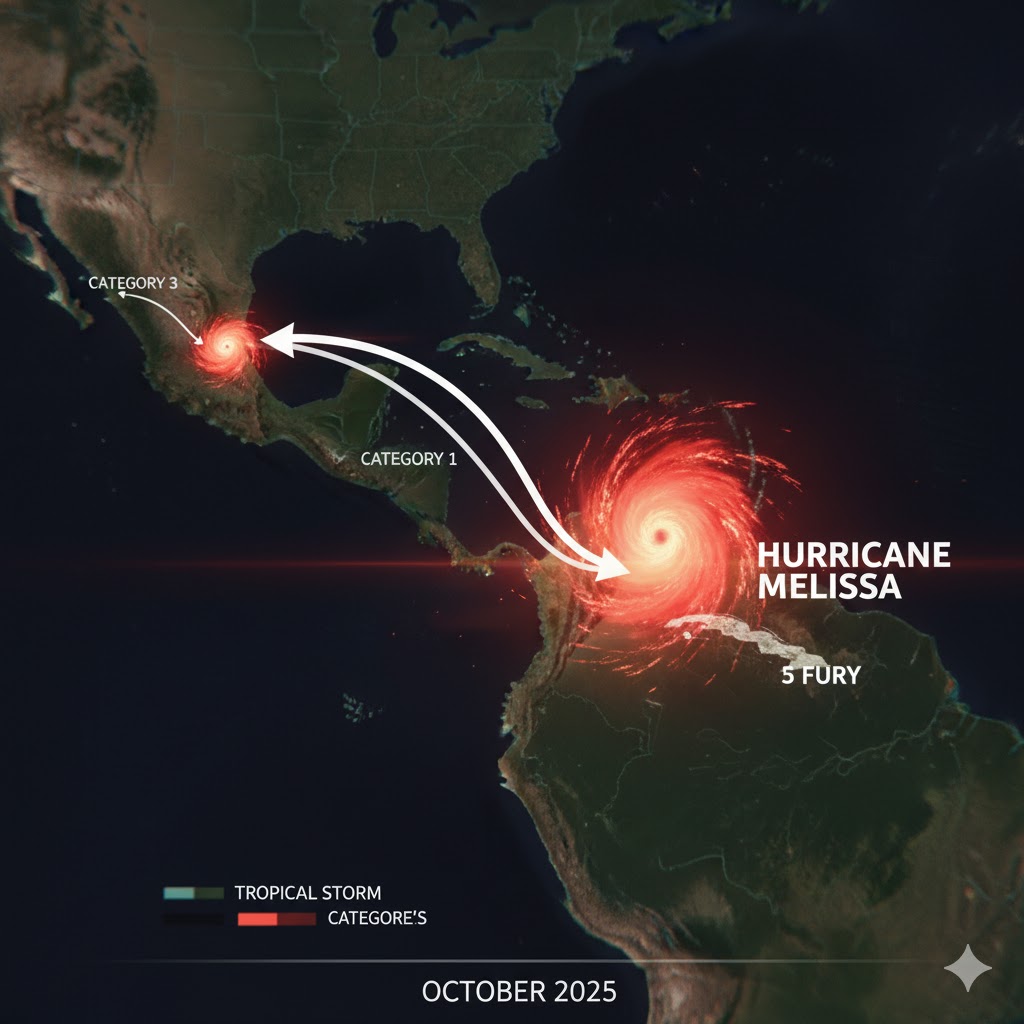
Over the course of a week, it steadily grew in strength as it traveled westward across the Atlantic. Warm ocean waters acted as fuel, while low wind shear allowed the system to organize perfectly. On October 21, the National Hurricane Center officially named it Melissa.
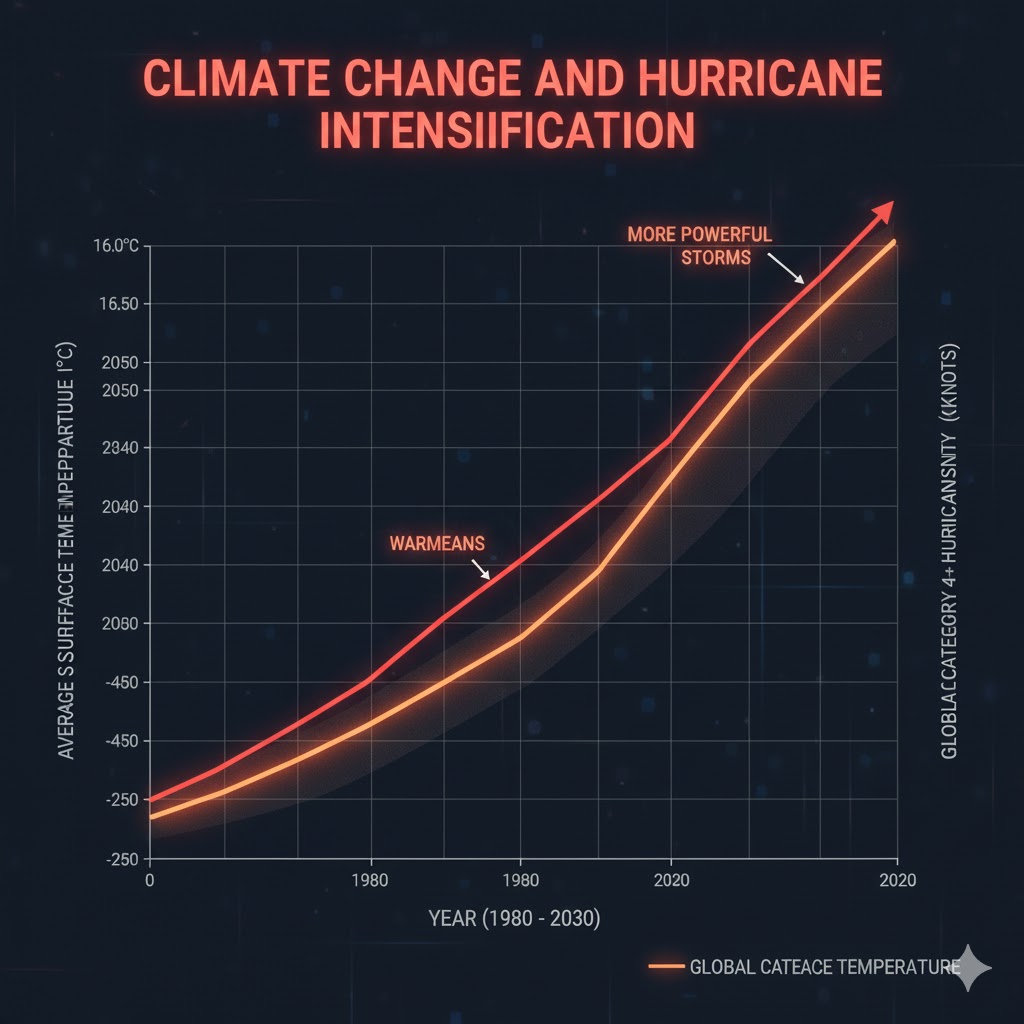
Within 72 hours, it transformed from a tropical storm into a Category 5 hurricane — a process scientists call rapid intensification. This phenomenon has become increasingly common in recent years due to warming sea surfaces caused by climate change.
By October 28, Melissa had evolved into a spinning wall of water and wind — nature’s unstoppable force barreling straight toward Jamaica.
🇯🇲 2. Jamaica’s Longest Night
🔥 2.1. The Landfall
At approximately 3:10 p.m. local time, Melissa made landfall near St. Elizabeth Parish, on Jamaica’s southwest coast. The winds howled like freight trains, bending steel poles and tearing roofs from concrete homes.
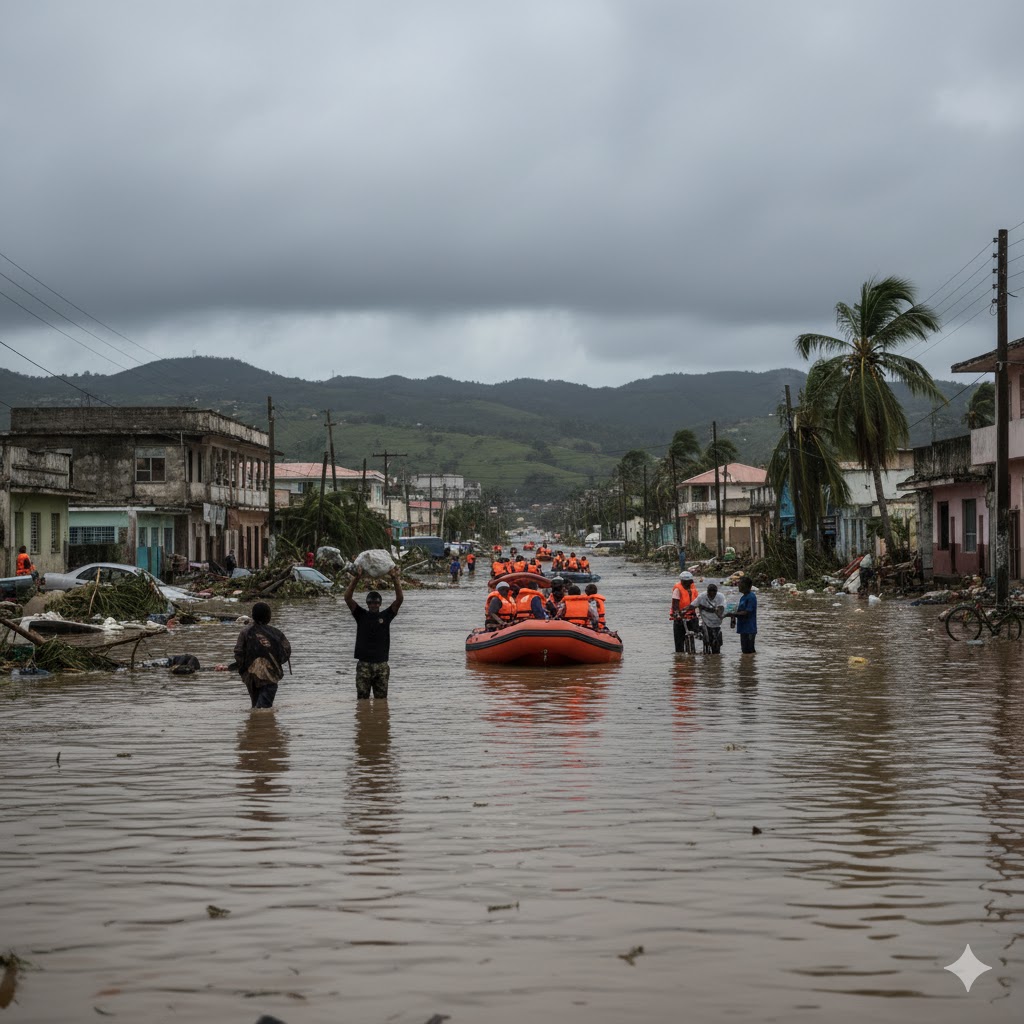
Videos on social media showed palm trees flattened, flooded streets turned into rivers, and terrified residents clinging to anything that could float.
The storm surge reached 13 feet (4 meters) in some areas, inundating coastal towns such as Black River, Treasure Beach, and Savanna-la-Mar.
By nightfall, 90% of the island’s power grid was down, and emergency services struggled to reach the hardest-hit communities.
💔 2.2. Human Cost & Heroism
In the aftermath, stories of both tragedy and courage emerged.
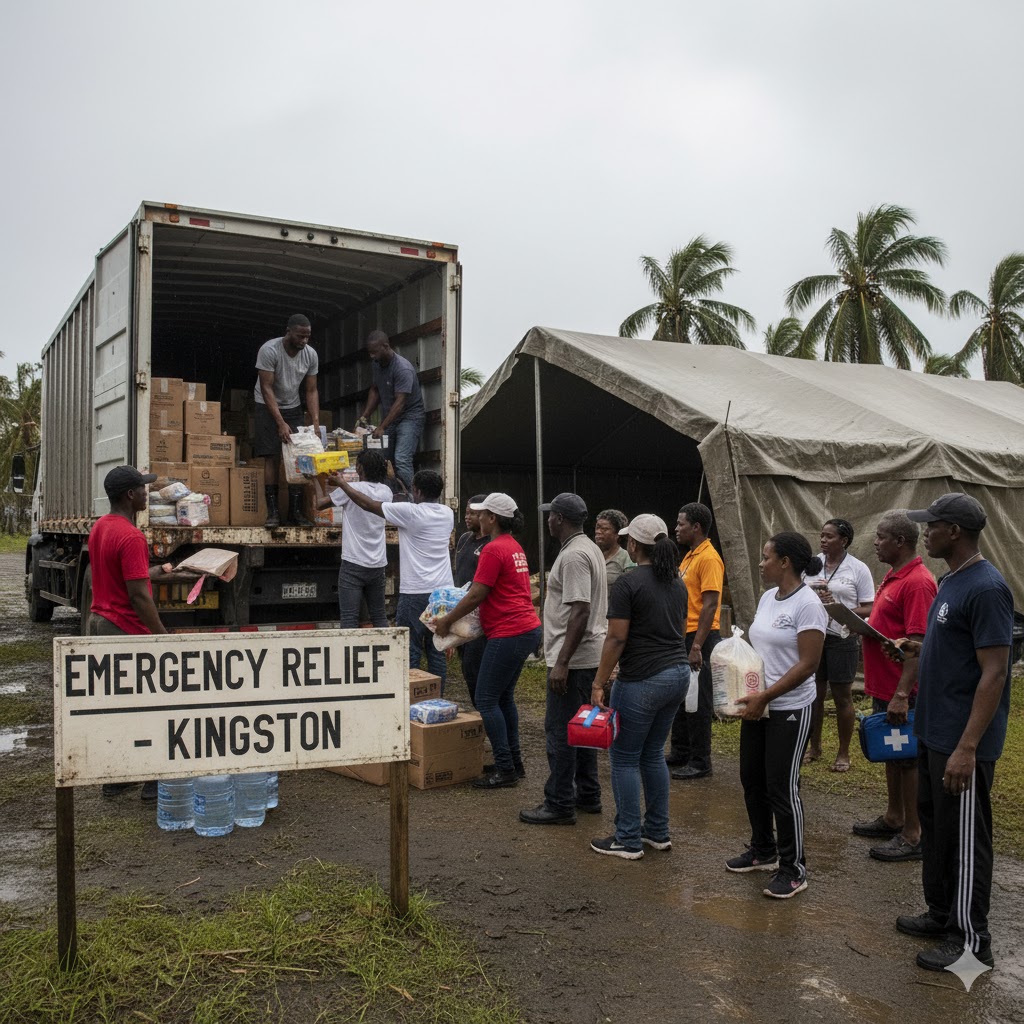
Families were separated, and hundreds sought refuge in emergency shelters across Kingston and Montego Bay. Yet amid the chaos, local heroes shone through — fishermen rescuing neighbors by boat, teachers turning schools into makeshift shelters, and volunteers distributing food despite flooded roads.
Prime Minister Holness declared a national emergency, saying:
“This is not merely a storm. It is a national tragedy. But Jamaicans have faced hardship before — and we will rise again.”
Official reports confirmed at least 11 fatalities and thousands injured. The full toll, however, remains unclear due to ongoing communication blackouts in rural regions.
🌾 2.3. Agriculture & Economy in Shambles
Jamaica’s famed agricultural heartland in St. Elizabeth was flattened. Banana and sugar plantations that once stretched for miles now resemble mud-covered wastelands.
The Jamaican Agricultural Society estimates initial losses exceeding US $450 million — a devastating blow to an economy still recovering from recent inflation.
Tourism, another major pillar of Jamaica’s GDP, will also suffer. Popular resorts along Negril and Montego Bay report structural damage, forcing cancellations and evacuations of foreign tourists.
🇨🇺 3. Cuba Awaits — And Prepares
As Melissa moved north-northeast, Cuba braced for its turn. Despite the storm weakening slightly to a Category 4, the potential for catastrophic flooding remained.
🚨 3.1. Evacuations on a Massive Scale
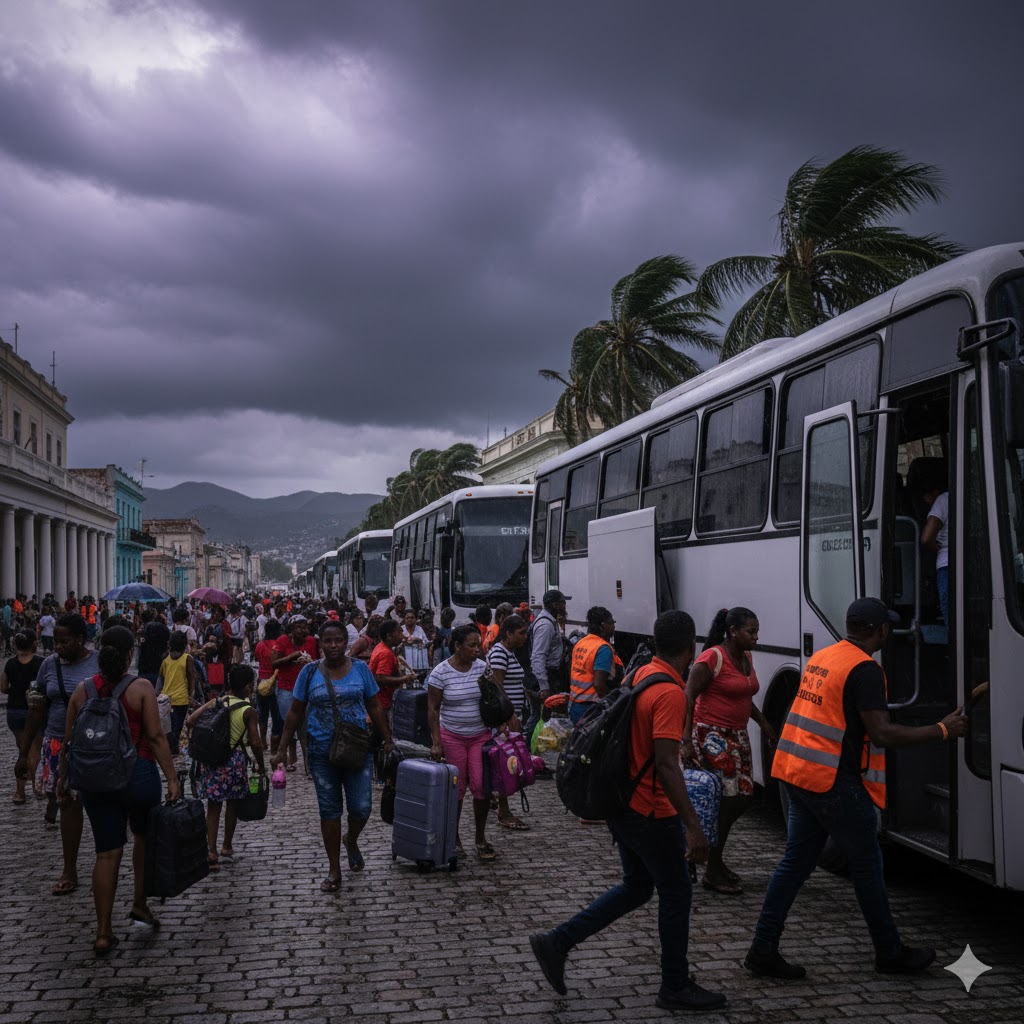
Cuban authorities, known for their disciplined disaster management, mobilized early. More than 730,000 people were evacuated from coastal provinces including Santiago de Cuba, Granma, and Guantánamo.
Buses filled with families carrying small suitcases, pets, and children made their way inland to safer shelters. Government radio urged calm but warned of “life-threatening conditions.”
🌧️ 3.2. Impact on Eastern Cuba
By the time Melissa brushed Cuba’s southeastern coast, sustained winds near 150 mph (240 kph) battered Santiago de Cuba. Roofs peeled off like paper; torrential rain flooded streets, while trees snapped like matchsticks.
According to early Cuban state media reports, several provinces experienced power outages, but no major casualties were immediately confirmed — a testament to Cuba’s meticulous hurricane preparedness systems.
🔬 4. Why Hurricane Melissa Is Historic
📈 4.1. Strongest in Jamaica’s History
Meteorologists have confirmed that Hurricane Melissa now holds the record as the strongest storm ever to make landfall in Jamaica, surpassing even 1988’s Hurricane Gilbert.
It’s not just the wind speed that broke records — Melissa’s central pressure dropped to 912 mb, one of the lowest ever recorded in the Caribbean basin.
🌡️ 4.2. A Climate Wake-Up Call
Experts from the World Meteorological Organization (WMO) describe Melissa as “a defining climate event.”
Dr. Laura Menendez, a climate scientist based in Barbados, explains:
“Warm ocean waters — up to 31 °C this season — acted like jet fuel. Melissa’s intensification was almost textbook climate change behavior.”
As global temperatures continue to climb, Caribbean storms are becoming more frequent, more unpredictable, and more intense. Melissa’s ferocity underscores an alarming new normal for the tropics.
💰 4.3. Economic and Environmental Fallout
Early estimates suggest the combined economic toll on Jamaica and Cuba could exceed US $5 billion. Infrastructure repair, rebuilding homes, and restoring power will take months — if not years.
Environmental damage is equally severe: coral reefs near Jamaica’s southern coast have been torn apart, mangroves uprooted, and coastal erosion accelerated dramatically.
Experts warn that such damage could alter marine ecosystems and fisheries for decades.
🧭 5. What Happens Next — The Road Ahead
🌀 5.1. The Storm’s Projected Path
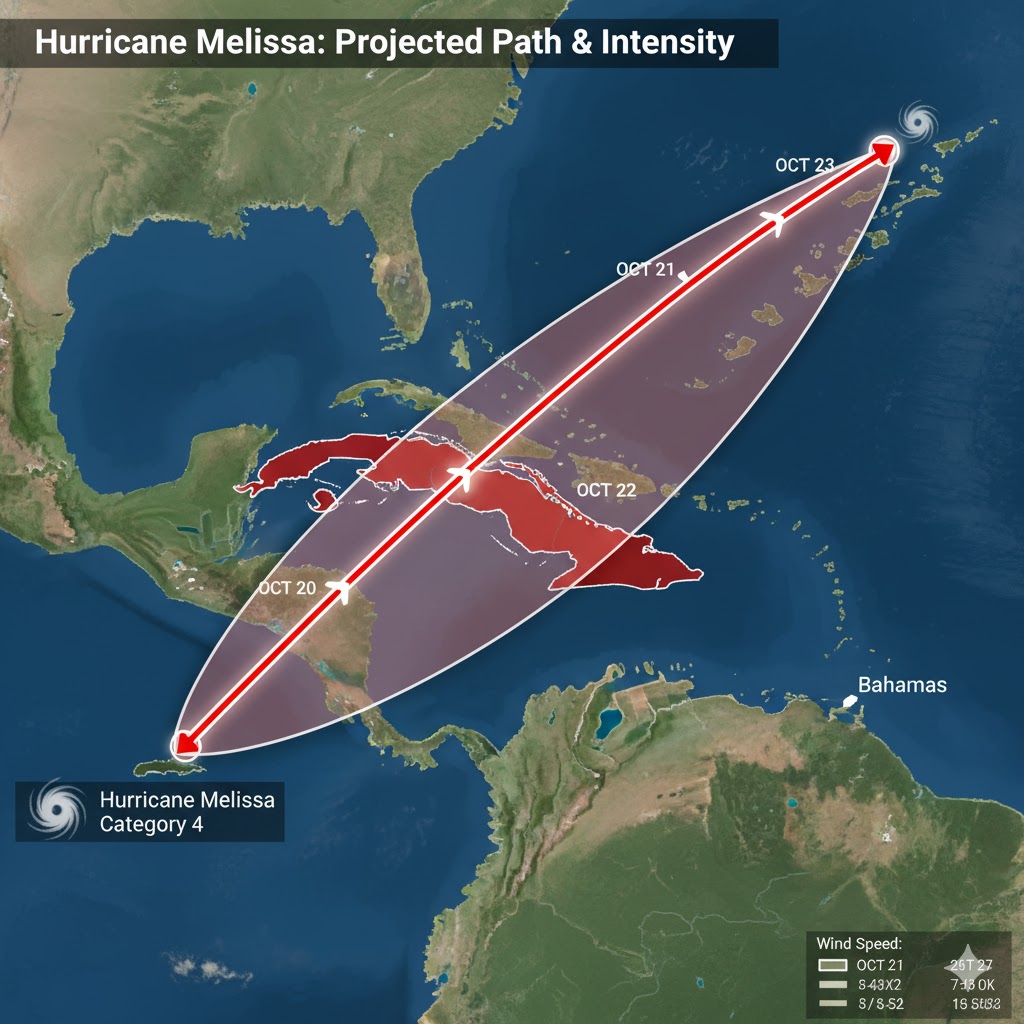
Meteorologists forecast that Melissa will move northeast toward The Bahamas before curving out to sea near Bermuda. Although weakening, it remains capable of causing life-threatening floods and high surf across the northern Caribbean.
Communities are being urged to stay alert, especially in low-lying coastal regions.
🤝 5.2. International Response
Aid organizations have already begun mobilizing.
- The United Nations dispatched emergency teams to Kingston.
- USAID pledged rapid response funds.
- The Caribbean Disaster Emergency Management Agency (CDEMA) is coordinating relief flights and supply distribution.
Neighboring nations like Trinidad and Tobago, Barbados, and Dominican Republic are sending bottled water, generators, and medical supplies.
This show of regional solidarity echoes the Caribbean’s enduring spirit of resilience — a reminder that in times of crisis, neighbors become lifelines.
🏗️ 5.3. Building Back Resiliently
Rebuilding after Melissa is not simply about replacing what was lost — it’s about future-proofing.
Experts emphasize the need for:
- Stronger building codes to withstand Category 5 winds.
- Underground power infrastructure to reduce outage vulnerability.
- Climate-resilient agriculture to secure food production.
- Community education on early evacuation and preparedness.
Dr. Menendez adds:
“We can’t stop hurricanes — but we can adapt. What we build today must endure tomorrow.”
🌍 6. Lessons Beyond the Caribbean
Hurricane Melissa’s story isn’t just a Caribbean one — it’s a global wake-up call. From Florida to the Philippines, climate-fueled disasters are increasing in both frequency and ferocity.
Governments must act with urgency:
- Invest in renewable energy to curb emissions.
- Protect coastal ecosystems that naturally buffer storm surge.
- Prioritize disaster-resilient infrastructure before tragedy strikes.
Melissa’s path shows what lies ahead if the world continues to ignore the warning signs.
❓ Frequently Asked Questions
Q1: Was Hurricane Melissa the strongest in the Atlantic?
No, but it ranks among the top five most intense storms ever recorded in the Caribbean and is officially the strongest in Jamaica’s history.
Q2: How long did Hurricane Melissa last?
The storm lasted approximately 9 days, from its formation as a tropical depression to its weakening over the Atlantic after Cuba.
Q3: Did climate change cause Hurricane Melissa?
While climate change doesn’t create hurricanes directly, it amplifies conditions — such as warmer oceans and humid air — that make storms like Melissa stronger and faster-intensifying.
Q4: How can Caribbean nations prepare for future storms?
Invest in early-warning systems, strengthen building standards, protect mangrove ecosystems, and promote community awareness on evacuation readiness.
Q5: What’s the best way to help hurricane victims?
Contribute to reputable relief funds such as Red Cross, UNICEF Caribbean Response, or CDEMA. Local donations of food, water, and medicine are also critical.
💬 Conclusion — Hope After the Storm
Hurricane Melissa has written a grim chapter in Caribbean history. But from tragedy comes unity, and from destruction, rebirth.
In Jamaica’s flooded villages, people share food and stories by candlelight. In Cuba, volunteers sweep debris from community centers, determined to rebuild stronger than before.
Melissa’s legacy will be remembered not only for its unprecedented force — but for the resilience it revealed in those who faced it.
As one Jamaican resident said, standing amid the wreckage of her home:
“We can lose our walls, our roofs, our roads — but not our spirit. Jamaica always rises.”
Read More:
- Caribbean Climate Resilience and Preparedness Guide (2025)
- Sonmiani Beach Karachi 7 Hidden Gem of the Arabian Coast
Sources:
- Hurricane Melissa 2025 — AP News Coverage
- The Guardian: Jamaica Reels from Catastrophic Storm Damage


