
1. Introduction: The Allure of Offbeat Travel
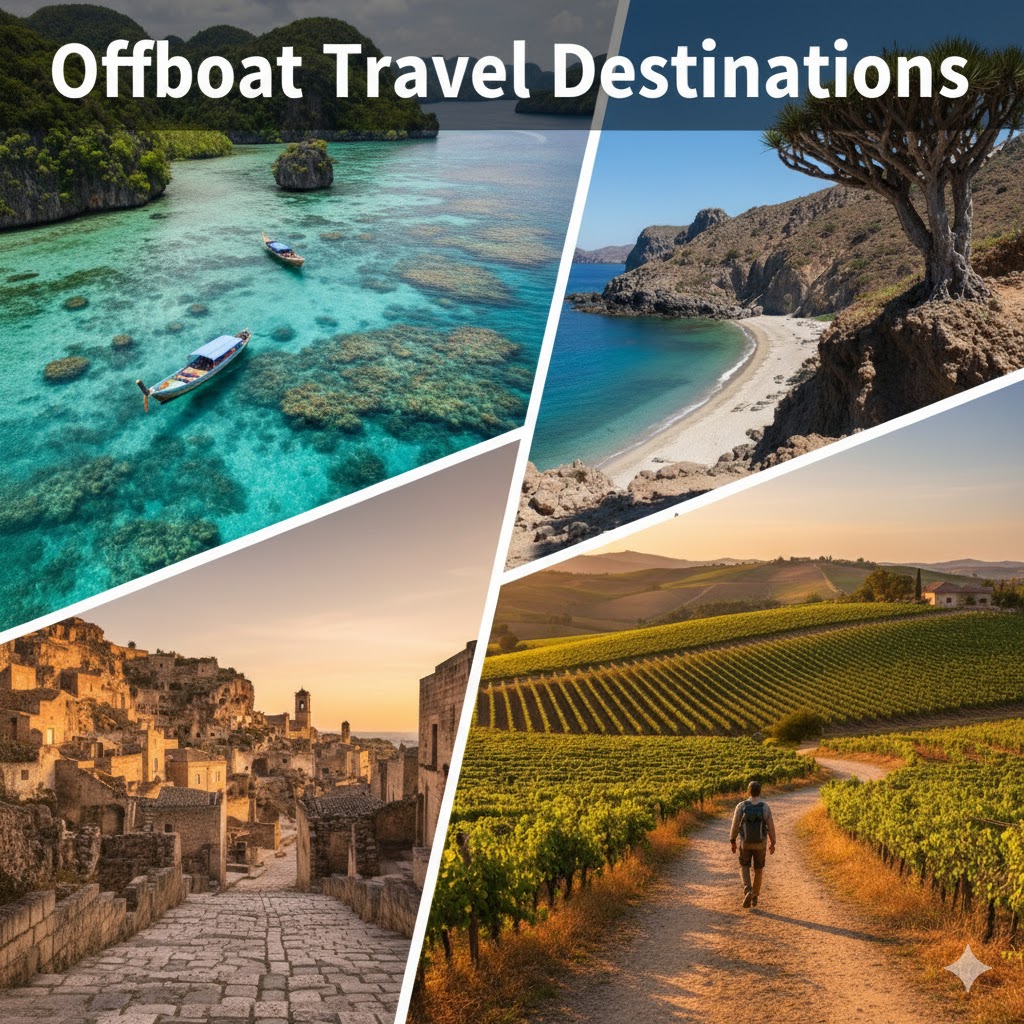
Offbeat travel destinations for 2025 are perfect for travelers seeking authentic experiences beyond the typical tourist trails. Unlike crowded landmarks and famous cities, offbeat destinations allow visitors to immerse themselves in untouched culture, natural beauty, and historical authenticity.
Traveling off the beaten path isn’t just about sightseeing—it’s a journey of discovery. You interact with local communities, experience age-old traditions, and enjoy landscapes that feel like they belong to another era.
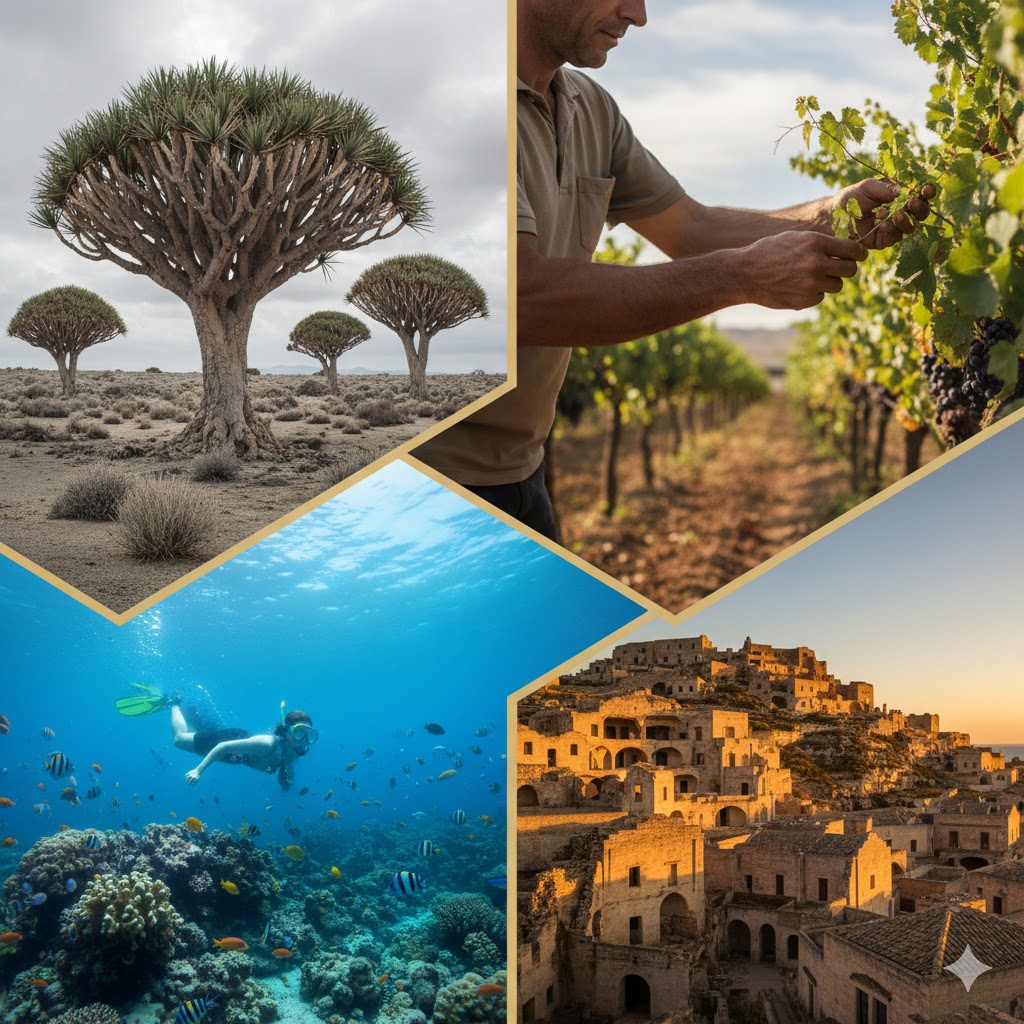
In 2025, travelers are increasingly seeking eco-conscious, cultural, and adventurous experiences, making these hidden gems ideal for those who value depth over popularity. From the alien landscapes of Yemen to Italy’s ancient cave city, every destination offers a story waiting to be discovered.
2. Socotra Island, Yemen – The Alien Paradise
Highlights:
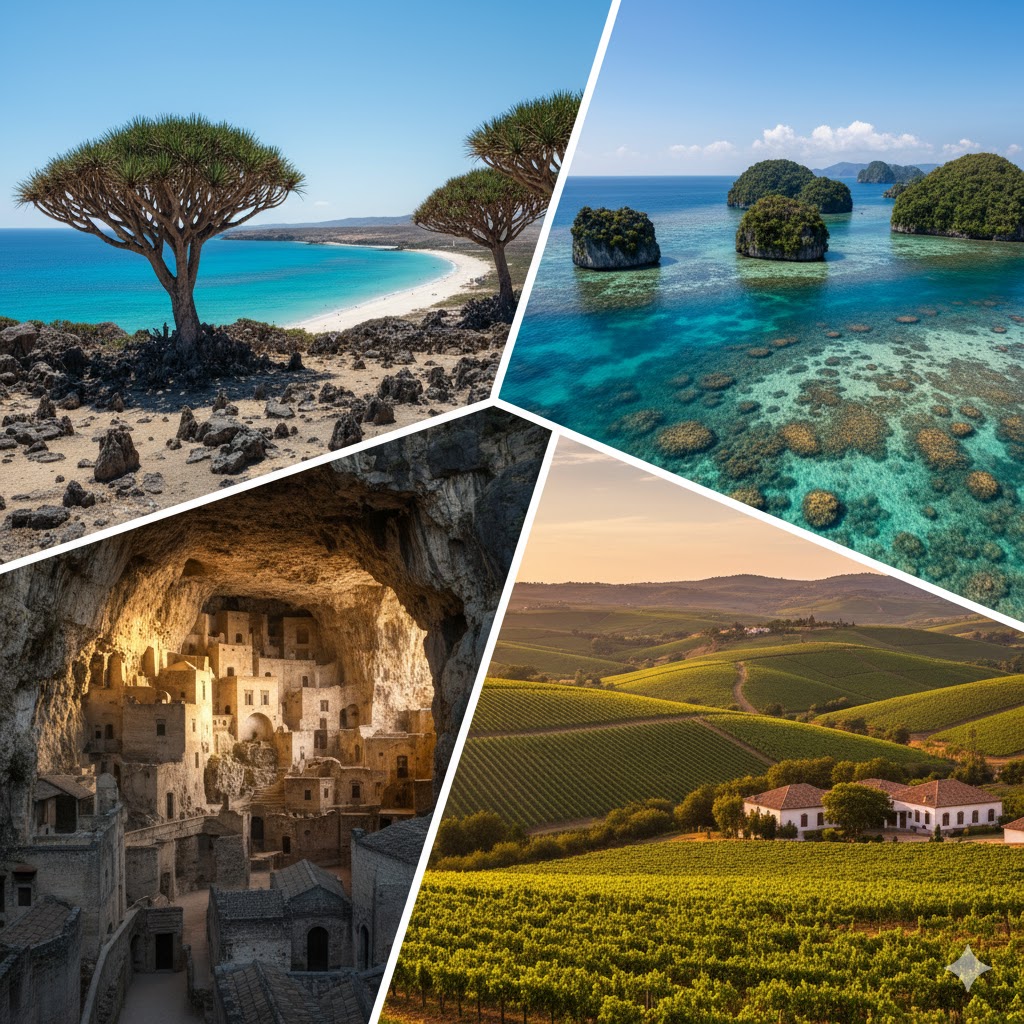
Socotra Island is often described as one of the most alien-looking places on Earth. Its iconic dragon blood trees, unique endemic wildlife, and pristine beaches make it a haven for adventure and nature lovers.
History/Tradition:
Socotra has been isolated for millennia, resulting in unique biodiversity. The island is home to indigenous Socotri communities whose traditions and fishing practices have remained unchanged. The island’s mystical landscape inspired travelers and scientists alike, often described as “the most alien place on Earth.”
How to Reach:
Travel to Socotra requires planning. Fly from Aden or select Middle Eastern hubs; small charter flights are also available. Transportation on the island is usually via 4×4 vehicles or guided tours.
Best Time to Visit:
October to April offers mild temperatures and clear skies, perfect for hiking and wildlife observation.
Tickets/Price:
Entry is free, but guided tours and excursions range from $50–$100 per day, often including transportation and local meals.
Hidden Gems/Tips:
- Explore the Hoq caves with ancient stalactites and inscriptions.
- Snorkel in Detwah Lagoon, renowned for its crystal-clear waters.
- Engage with local Bedouin communities to learn traditional crafts.
Local Food:
- Fresh seafood grilled with local spices
- Dates and honey from native palm trees
- Traditional Yemeni bread (Khobz)

3. Colchagua Valley, Chile – Wine and Heritage
Highlights:
Colchagua Valley is one of Chile’s most scenic wine regions, with rolling vineyards, boutique wineries, and historic colonial towns. It’s a perfect offbeat destination for travelers who love wine, gastronomy, and history.
History/Tradition:
The valley’s viticulture dates back centuries, and many haciendas still preserve traditional wine-making methods. Annual harvest festivals celebrate the region’s cultural heritage.
How to Reach:
Located ~2 hours south of Santiago, visitors can drive or take a private tour. Many vineyards provide shuttle services from nearby towns.
Best Time to Visit:
March to May is harvest season and ideal for wine festivals.
Tickets/Price:
- Wine tastings: $15–$40 per person
- Vineyard tours: ~$50
Hidden Gems/Tips:
- Stay at boutique haciendas for immersive experiences.
- Cycle through vineyards for scenic views and photo opportunities.
- Attend hands-on wine-making workshops.
Local Food:
- Local Carménère wine paired with empanadas
- Patagonian lamb dishes
- Fresh cheeses from regional farms

4. Raja Ampat, Indonesia – Underwater Paradise
Highlights:
Raja Ampat is an archipelago of pristine islands in West Papua, Indonesia, famous for its coral reefs, crystal-clear waters, and marine biodiversity. Ideal for scuba diving and snorkeling enthusiasts.
History/Tradition:
Inhabited by indigenous Papuan communities, Raja Ampat has maintained sustainable fishing and eco-tourism practices. Local culture and customs remain deeply tied to the sea.
How to Reach:
Fly to Sorong, then take speedboats to individual islands. Remote lodges often provide guided tours.
Best Time to Visit:
October–April for calm seas and best diving visibility.
Tickets/Price:
- Entry permit: ~$70
- Diving tours: $50–$150 per day
Hidden Gems/Tips:
- Dive with manta rays and whale sharks.
- Explore hidden lagoons and secluded beaches.
- Visit small local villages for authentic Papuan culture.
Local Food:
- Fresh tropical fish
- Coconut-based dishes
- Exotic fruits like mangosteen and papaya

5. Matera, Italy – The Ancient Cave City
Highlights:
Matera is renowned for its Sassi cave dwellings, rock churches, and historical streets carved into limestone cliffs. It’s a UNESCO World Heritage site and one of the oldest continuously inhabited settlements in the world.
History/Tradition:
The city preserves thousands of years of architecture and Christian heritage. Residents still inhabit and maintain cave dwellings, offering a glimpse into ancient life.
How to Reach:
1.5-hour drive from Bari airport; trains available from major Italian cities.
Best Time to Visit:
April–June or September–October for mild weather and fewer tourists.
Tickets/Price:
Most areas are free to explore; some cave museums charge ~$10.
Hidden Gems/Tips:
- Attend local cooking classes in ancient caves.
- Explore hidden cave churches decorated with centuries-old frescoes.
- Enjoy panoramic views of Matera at sunset from the surrounding hills.
Local Food:
- Orecchiette pasta with local sauces
- Lamb specialties cooked in traditional ovens
- Cave-baked bread and pastries

6. Lofoten Islands, Norway – Arctic Serenity
Highlights:
Dramatic fjords, northern lights, quaint fishing villages, and untouched Arctic landscapes make the Lofoten Islands a must-visit offbeat destination.
History/Tradition:
Home to indigenous Sámi people and centuries-old fishing culture, the islands maintain traditional boat houses and cod fisheries.
How to Reach:
Fly to Leknes or Svolvær from Oslo; ferries connect smaller islands.
Best Time to Visit:
- September–March for northern lights
- June–August for the midnight sun
Tickets/Price:
Free to explore most villages; guided tours cost $50–$100.
Hidden Gems/Tips:
- Hike remote trails for dramatic views.
- Visit tiny fishing hamlets for authentic culture.
- Kayak through serene fjords away from crowds.
Local Food:
- Fresh cod and Arctic char
- Cloudberry desserts
- Reindeer meat prepared traditionally

7. Bhutan – Himalayan Hidden Treasures
Highlights:
Bhutan offers pristine landscapes, monasteries perched on cliffs, and vibrant festivals. It remains relatively untouched by mass tourism.
History/Tradition:
Bhutanese culture revolves around Buddhism. Traditional dress, architecture, and festivals are preserved rigorously, and tourism follows a “High Value, Low Impact” policy.
How to Reach:
Direct flights to Paro from select Asian hubs; internal travel by road or helicopter tours.
Best Time to Visit:
March–May (spring) and September–November (autumn) for festivals and clear skies.
Tickets/Price:
Tourists pay a minimum daily package ($200–$250) covering accommodation, food, and guides.
Hidden Gems/Tips:
- Hike to Tiger’s Nest Monastery.
- Participate in local festivals like Tsechu.
- Explore remote valleys for untouched landscapes.
Local Food:
- Ema datshi (chili and cheese stew)
- Buckwheat noodles
- Traditional butter tea

8. Madagascar – Tsingy de Bemaraha & Hidden Forests
Highlights:
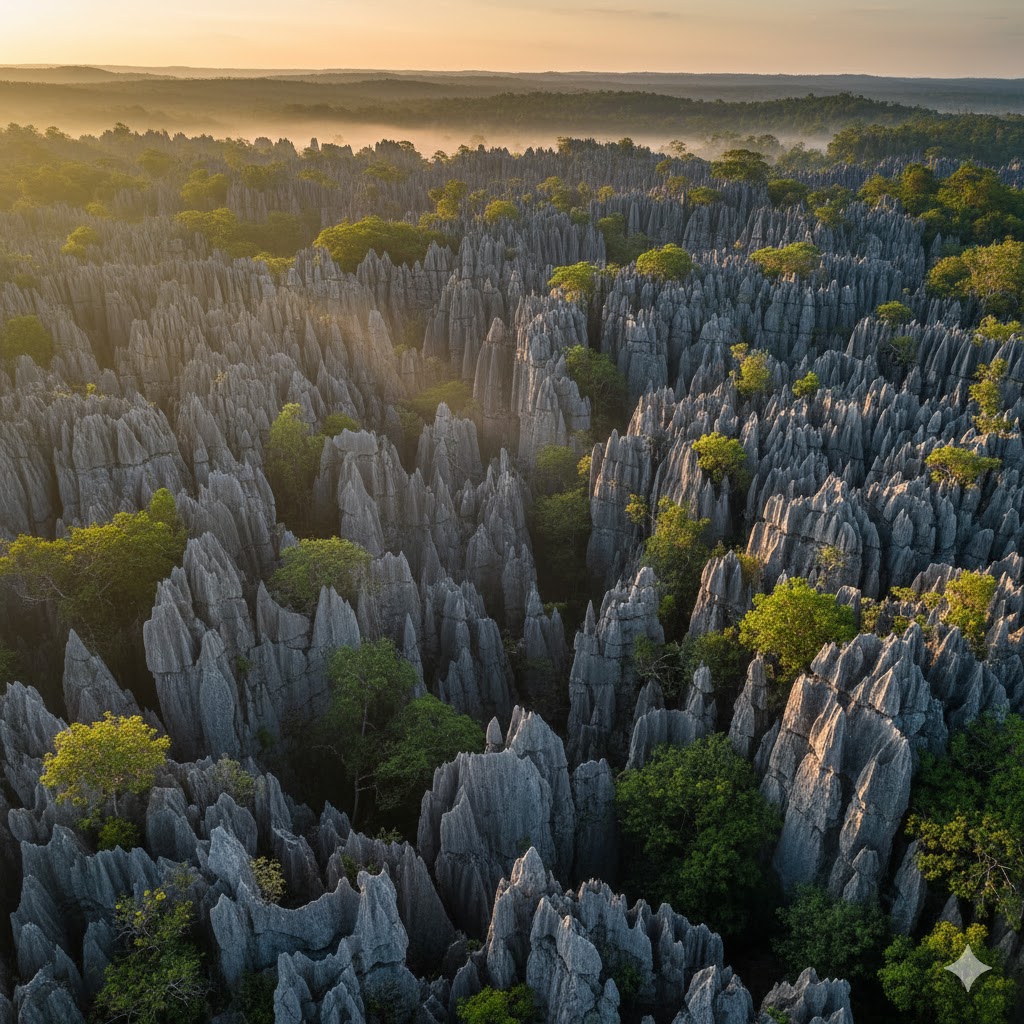
Limestone pinnacles, baobab forests, and rare wildlife make Madagascar a dream for adventurous travelers.
History/Tradition:
Local Malagasy communities maintain traditional farming, crafts, and folklore tied to the land.
How to Reach:
Fly into Antananarivo, then take 4×4 tours to remote regions.
Best Time to Visit:
April–November for dry weather and easier access.
Tickets/Price:
National park entry: ~$25–$35 per person. Guided tours extra.
Hidden Gems/Tips:
- Explore limestone pinnacles of Tsingy de Bemaraha.
- Visit remote fishing villages along the coast.
- Spot lemurs in their natural habitats.
Local Food:
- Zebu (beef) dishes
- Rice and local vegetable stews
- Fresh seafood
Traveler Guide: Why Offbeat Travel Matters
Exploring offbeat travel destinations for 2025 allows travelers to connect deeply with nature, culture, and history. These hidden gems aren’t just beautiful—they teach us to slow down, respect traditions, and immerse ourselves in authentic experiences.
Travelers are encouraged to explore responsibly, support local communities, and preserve these untouched destinations for future generations.