
Where the Earth Burns in Beauty
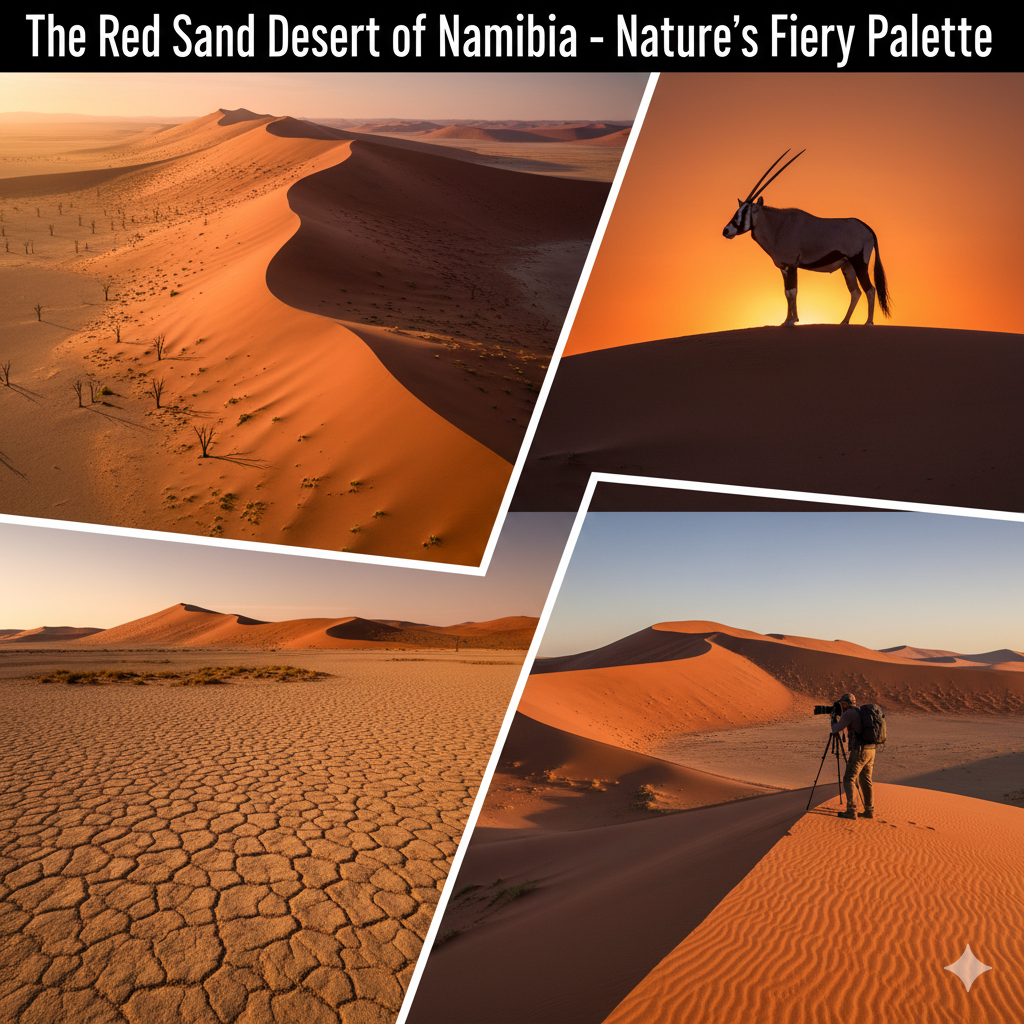
Few places on Earth capture the imagination like the Red Sand Desert of Namibia. Stretching across the western edge of southern Africa, this mesmerizing expanse — also known as the Namib Desert — paints the world in shades of crimson, amber, and gold.
When dawn breaks over the towering dunes of Sossusvlei, the sands seem to ignite in a fiery glow, creating one of the most otherworldly landscapes on the planet. This desert isn’t lifeless; it’s a living gallery sculpted by the winds of time — home to rare creatures, ancient fossils, and silent stories written in sand.
Whether you’re a photographer chasing light, a traveler seeking solitude, or an adventurer yearning to explore the world’s oldest desert, Namibia’s Red Sand Desert promises an experience that stirs both soul and lens.
What Makes the Red Sand Desert Unique
1. A Desert Older Than Time
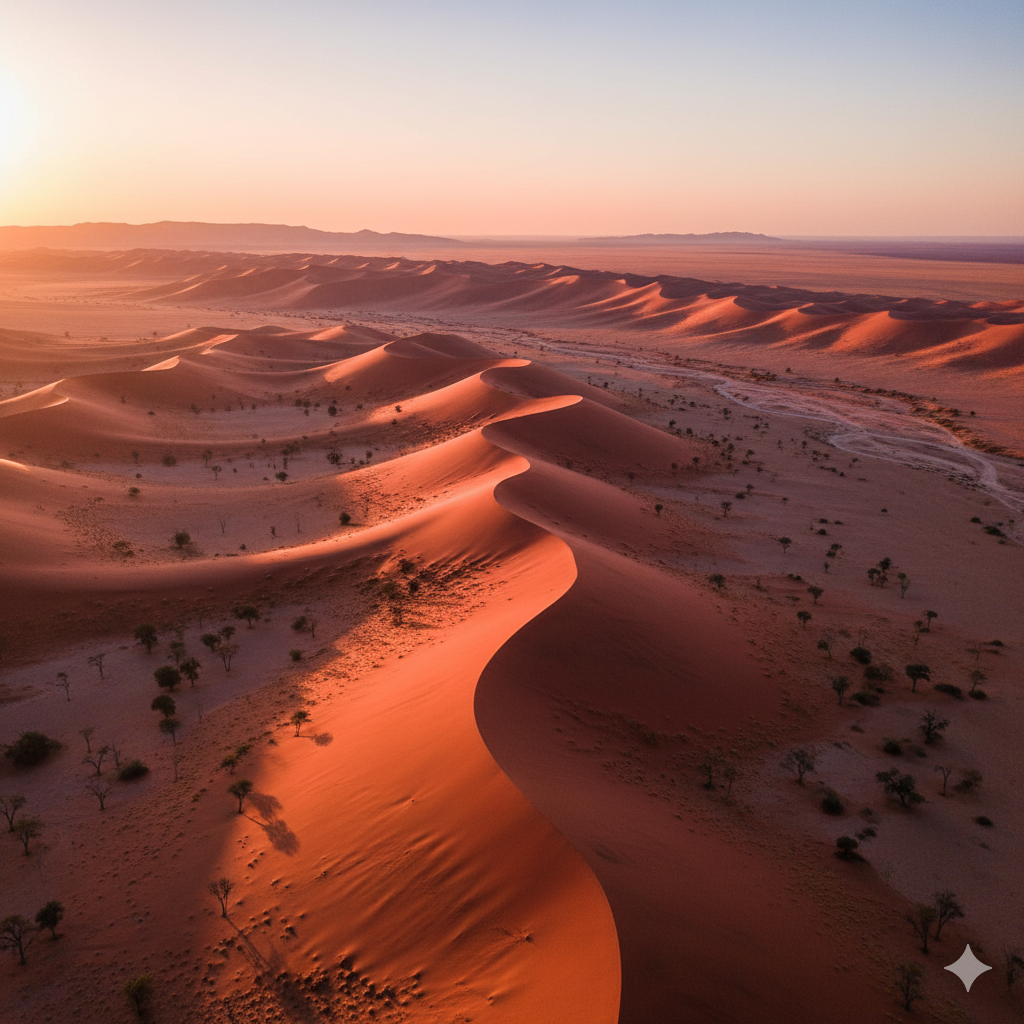
The Namib Desert is believed to be over 55 million years old, making it the oldest desert on Earth. Its dunes have been sculpted by winds from the Atlantic Ocean for millions of years — a geological masterpiece that predates human civilization.
2. The Fiery Hue of the Sands
The “red” in the Red Sand Desert comes from iron oxide coating the grains over time. When sunlight strikes, the dunes glow in fiery tones — ranging from deep maroon to golden orange — changing colors throughout the day.
3. Home to the Highest Dunes in the World
Some dunes at Sossusvlei and Deadvlei reach heights of over 325 meters (1,066 ft), making them among the tallest on Earth. The most famous, Big Daddy Dune, offers panoramic views of endless desert horizons.
4. A Paradox of Life and Survival
Despite its harsh conditions, the desert teems with life. The oryx, springbok, ostrich, and the mysterious Namib Desert beetle have all adapted ingeniously to survive with minimal water.
Where Is the Red Sand Desert Located?
The Red Sand Desert spans the coastal region of Namibia, stretching over 2,000 kilometers (1,200 miles) along the Atlantic coast. It’s part of the Namib-Naukluft National Park, one of Africa’s largest conservation areas.
Key Destinations:
- Sossusvlei: Iconic red dunes and white clay pans.
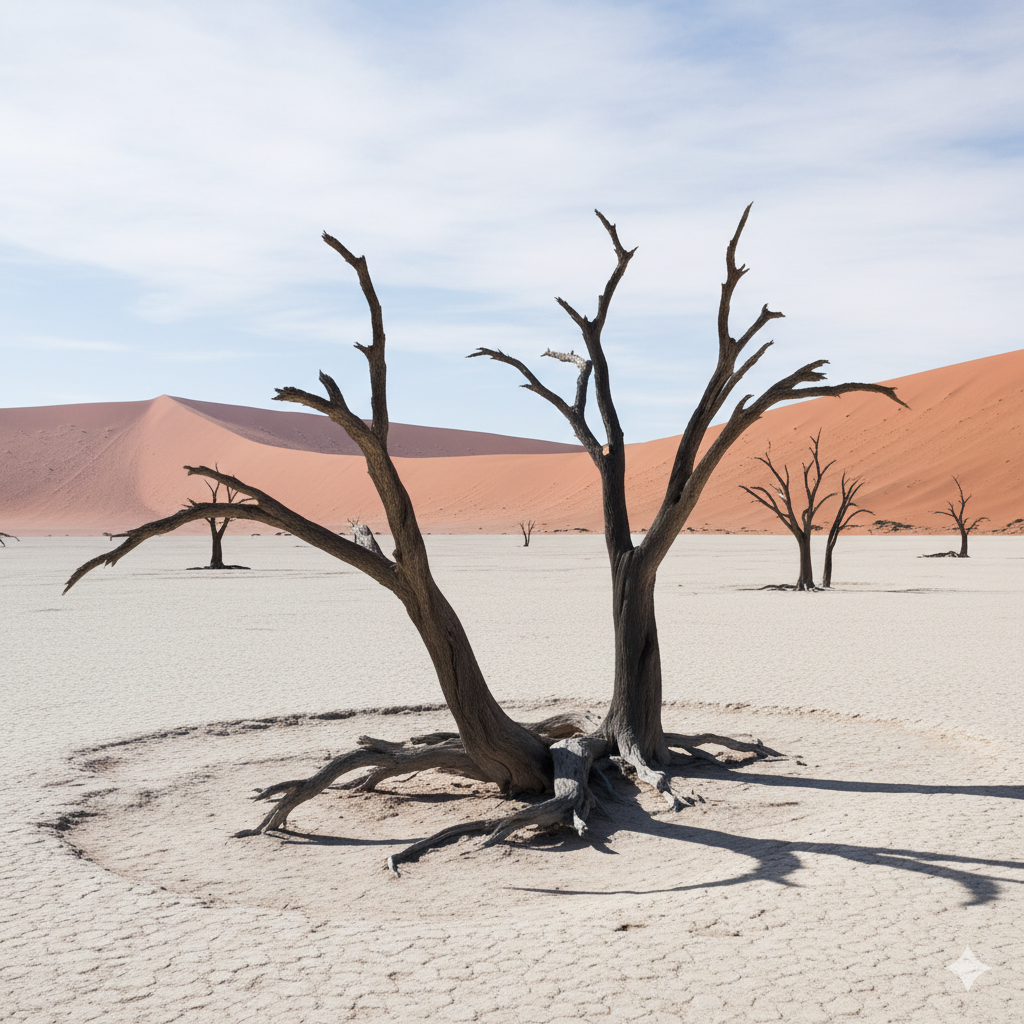
- Deadvlei: A haunting white basin dotted with 900-year-old fossilized trees.
- Sesriem Canyon: A natural gorge carved by centuries of water flow.
- Namib-Naukluft National Park: The desert’s heart, rich in scenic and ecological diversity.
The Science Behind the Fiery Palette
The desert’s color is a result of oxidized iron minerals in the sand. Over millions of years, moisture and air have caused iron to “rust,” tinting the sand red. During sunrise and sunset, these hues intensify — creating surreal gradients that photographers dream of capturing.
Best Time to Visit the Red Sand Desert
| Season | Months | Highlights |
|---|---|---|
| Cool & Dry | May – September | Best for photography, clear skies, pleasant temperatures |
| Hot & Dramatic | October – February | Fiery sunsets, strong winds, adventurous safaris |
| Mild Transition | March – April | Quieter months, ideal for solo exploration |
Pro Tip: Aim for early mornings or late afternoons for soft lighting. Dune 45 and Deadvlei are most photogenic at sunrise.
How to Reach the Desert
By Air
Fly into Hosea Kutako International Airport (WDH) in Windhoek. From there, take a small charter flight to Sossusvlei Airstrip or Sesriem.
By Road
A 5–6 hour drive from Windhoek (around 370 km) via the scenic C19 route brings travelers directly to the desert’s edge. The roads are gravel — 4×4 vehicles are recommended.
Where to Stay
- Sossusvlei Lodge – Luxury accommodation with dune views.
- Desert Quiver Camp – Affordable self-catering units.
- Little Kulala Lodge – Eco-luxury experience with private plunge pools.
Check Also: Haunted Castle of Scotland – Ghosts Among Ruins
Top Attractions & Experiences
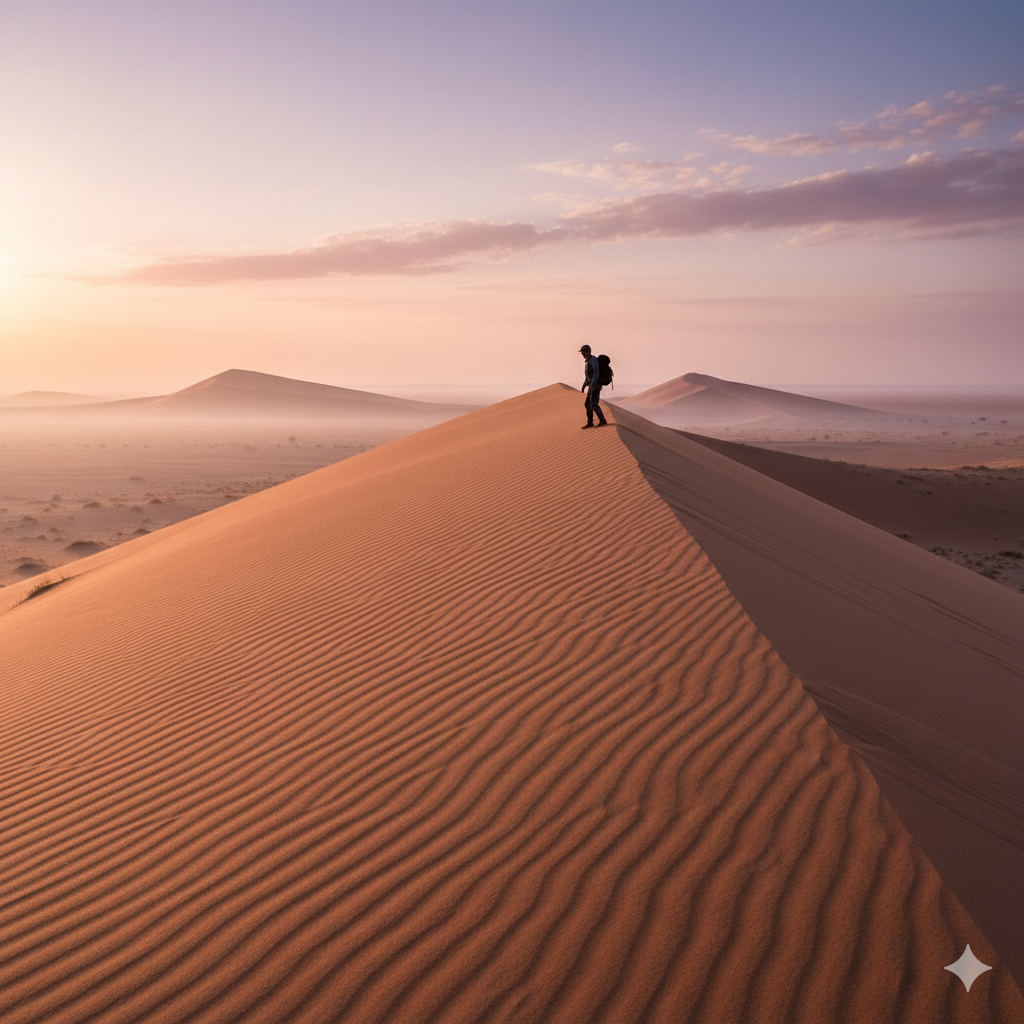
1. Climb Dune 45
One of the most photographed dunes in the world. The climb at sunrise rewards you with panoramic views of glowing red sands.
2. Explore Deadvlei
A ghostly clay pan where blackened tree skeletons contrast sharply with white earth and red dunes — a photographer’s paradise.
3. Stargazing in the Desert
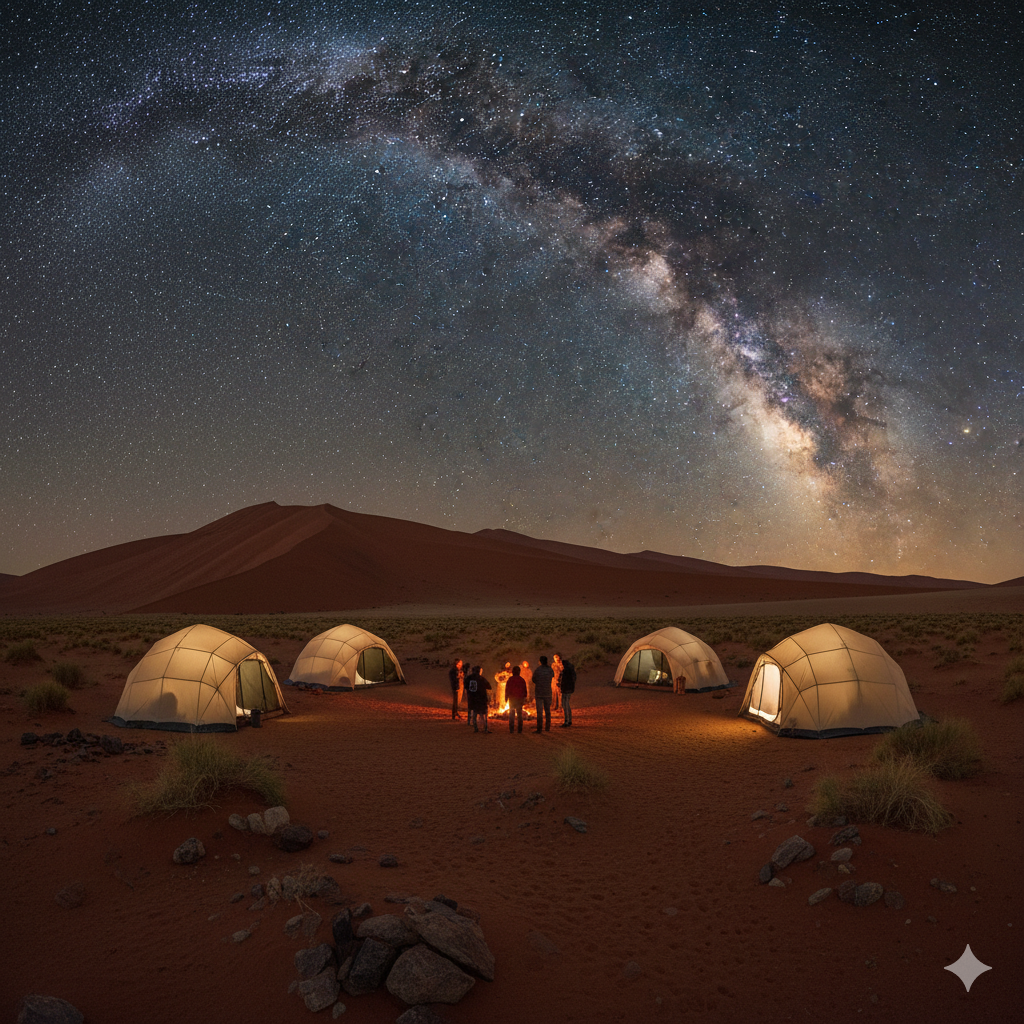
With almost zero light pollution, Namibia’s desert offers some of the clearest night skies in the world. Perfect for astrophotography and Milky Way shots.
4. Desert Safari Adventure
Join guided 4×4 safaris to see oryx, jackals, and rare desert foxes. Some tours also include hot air balloon rides at sunrise — an unforgettable way to witness the dunes’ fiery transformation.
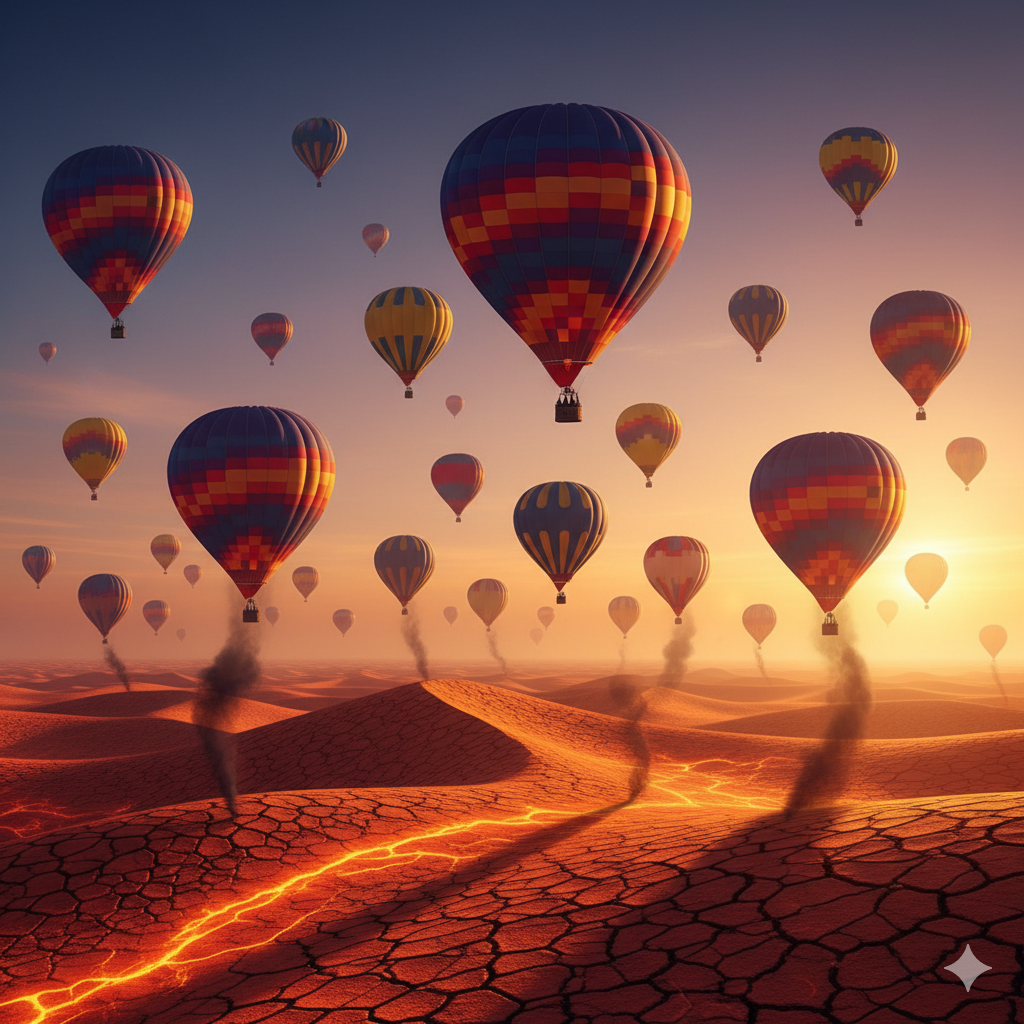
5. Sossusvlei Photography Tours
Capture the shifting sands, abstract patterns, and incredible color transitions from dawn to dusk.
Travel Tips & Costs
| Category | Average Cost (USD) |
|---|---|
| Park Entry Fee | $10 – $15 per day |
| Desert Safari Tour | $80 – $250 |
| Hot Air Balloon Ride | $400 – $600 |
| Accommodation | $100 – $700 per night |
| Photography Permit | Often included with park pass |
Travel Tip: Bring a polarizing filter for photography — it helps balance the intense sunlight and enhances dune contrast.
Source:
UNESCO World Heritage – Namib Sand Sea
Wildlife in the Red Sand Desert
Despite its dry environment, the Red Sand Desert supports fascinating species uniquely adapted to its extremes:
- Oryx (Gemsbok): Namibia’s national animal; survives on dew and plant moisture.
- Namib Desert Beetle: Collects water from fog on its back.
- Sidewinder Snake: Moves in a sideways motion across soft sand.
- Brown Hyena & Jackals: Scavengers thriving near the desert edges.
Conservation & Sustainability

The Namib-Naukluft National Park is a UNESCO World Heritage Site, protecting the fragile desert ecosystem.
Tourism contributes to conservation through park fees and eco-lodges. Travelers are encouraged to follow Leave No Trace principles and support community-run camps to ensure sustainability.