


A Stairway into the Clouds… and the Unknown
There’s a place in Hawaii where the earth kisses the heavens—where steel steps seem to climb straight into clouds, dissolving into white mist and uncharted myths. Locals call it the “Stairway to Heaven” or more ominously, the “Staircase to Nowhere.” Officially, it’s the Haʻikū Stairs on Oʻahu.
Nearly 4,000 steps crawl up the steep green ridges of the Ko‘olau mountains, tracing a now-abandoned military path surrounded by mystery, controversy, and an irresistible pull for adventurers. You’re told “Do Not Enter.” You’ll see signs warning of thousand-dollar fines. Yet, the lure remains.

This isn’t just a hike. It’s a travel legend. A cultural debate. A broken path where history, spirituality, danger, and Instagram collide.
So, what really lies beyond those clouds?
Let’s climb…
History of the Haʻikū Stairs: From War to Wonder
Before its current mystique, the Staircase to Nowhere began with something far more practical: U.S. government surveillance.
Built in 1942
During World War II, the Navy constructed a secret radio station at the summit overlooking Kāneʻohe Bay. This was an ideal point for top-secret low-frequency radio transmissions that could reach submarines across the Pacific.

To access this mountain-top station, 3,922 wooden steps were hammered into the ridge — replaced later by sturdy metal steps—the iconic Haʻikū ladder.
Cold War and Beyond
Into the 1950s, the site continued operating, but by the 1970s it was abandoned. The station shut down. The trail was left behind.
Soon, curious locals and daring tourists found it. And thus began its journey into legend.
Staircase to Nowhere or Gateway to the Sky?
The name is part reality, part myth.
- Reality: The stairs, indeed, lead to a dead-end where old satellite and radio structures rust under Hawaiian skies.
- Myth: Tales blossom that this was a spiritual path stolen by the U.S. military… that locals could once communicate with gods atop this heavenly portal… that it’s cursed if you trespass…

From ghost stories to TikTok reels, the Staircase to Nowhere sits at the intersection of abandoned infrastructure and modern folklore.
Is It Legal to Hike the Haʻikū Stairs Today?
No. The trail is officially closed to the public.
- Trespassing fines range from $500 to $1,500
- Security patrols and neighborhood watch exist
- Risk of accidents, environmental damage, erosion
A Legal Alternative Exists
If you truly want to reach the top, the legal way is:
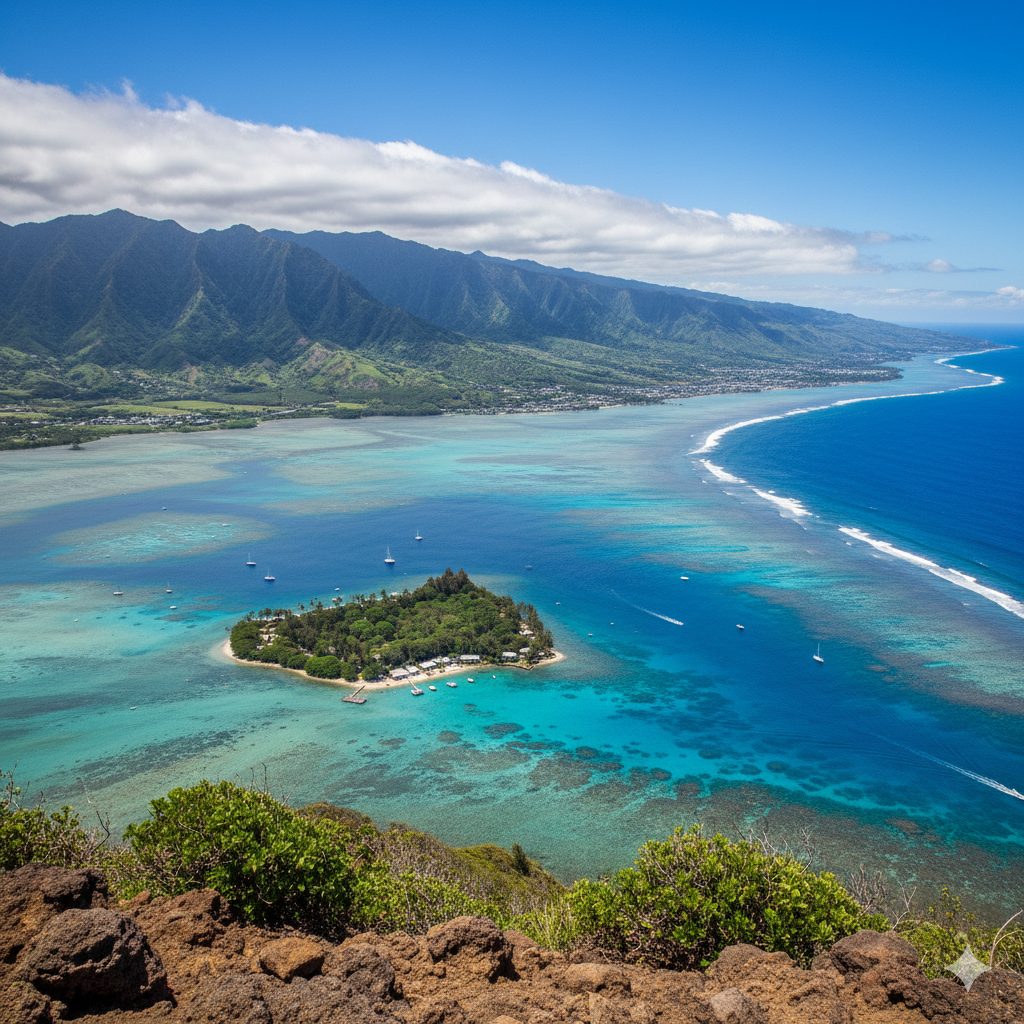
The Moanalua Valley Trail to Haʻikū Ridge
- 10+ mile round trip
- Advanced difficulty
- Steep ridges, ropes required, long duration
This route offers the same final summit access as the Haʻikū Stairs — without breaking the law.
How to Reach the Haʻikū Stairs (Legally)
Trailhead: Moanalua Valley Trail
Parking: Moanalua Valley Park (Free)
Elevation Gain: 2,500+ feet
Difficulty: Hard (not suitable for beginners)
Duration: 6–9 hours round trip
Tip: Start before sunrise; weather shifts quickly
Tickets, Fees, and Permits
There are no official tickets, because the Haʻikū Stairs themselves are closed. However:
| Item | Cost |
|---|---|
| Legal Moanalua Trail | Free |
| Parking | Free |
| Guided Adventure Tours | $100–$300+ (optional, via private tour guides) |
| Fines (if caught illegally) | $500–$1,500+ |
Note: Several local guiding services provide safe, eco-friendly treks to nearby ridge viewpoints, without trespassing.
Best Time to Visit
| Time of Year | Notes |
|---|---|
| April–June | Clear weather, fewer crowds |
| September–November | Pleasant temperatures, good views |
| December–March | Rainy season, slippery terrain |
| July–August | Hot, high UV index |
Best Time of Day: Early morning sunrise for clear summit views and safer return descent.
Check Also: Boiling Lake Dominica – World’s Hottest Volcanic Pool
Hidden Gems Near the Staircase
Ho‘omaluhia Botanical Garden
- A soothing jungle sanctuary nearby, perfect after a long trek.

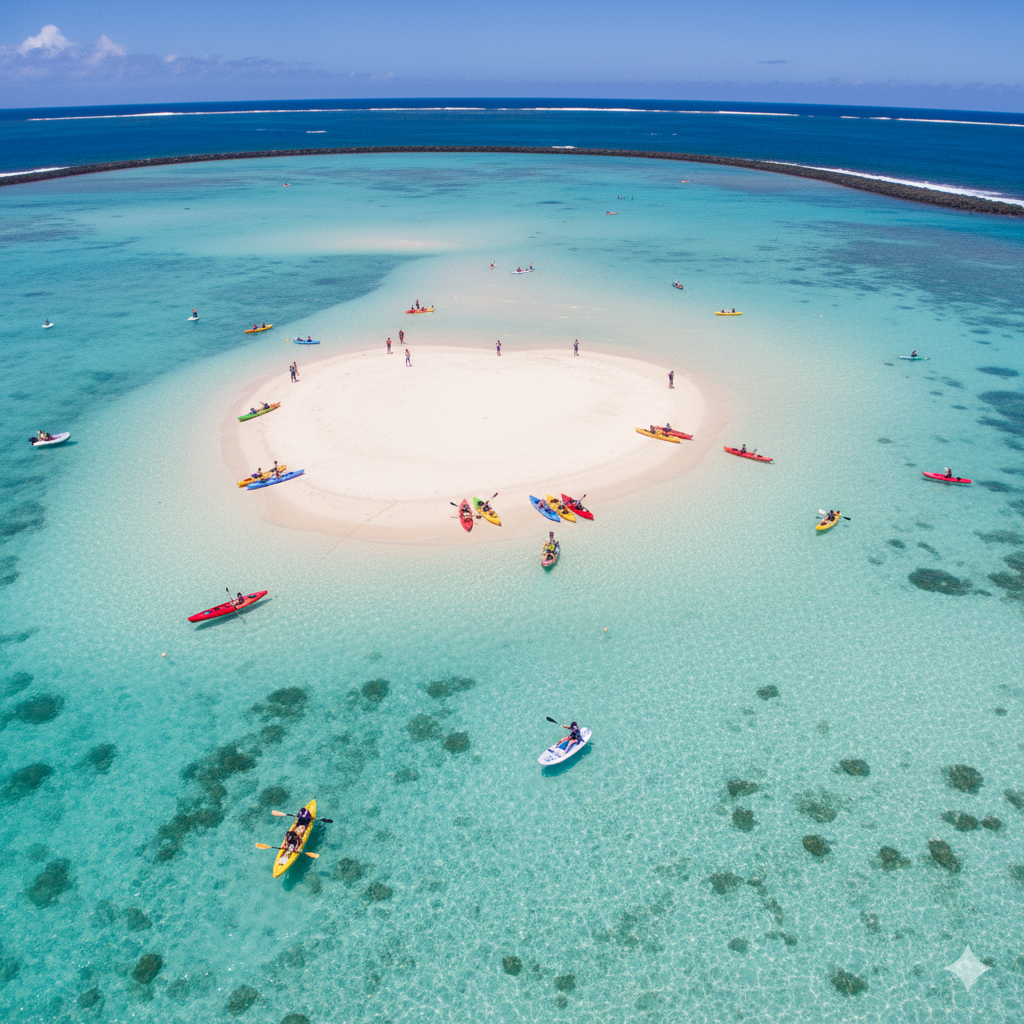
Kāneʻohe Sandbar
- Crystal-clear floating shoreline accessible via boat or kayak.
Byodo-In Temple
- Zen Buddhist temple tucked below the Ko’olau Mountains.

Local Food Experiences Around Haʻikū / Kāneʻohe

- Kaneohe Bakery: Fresh malasadas and matcha donuts
- Waiahole Poi Factory: Traditional Hawaiian plate lunch and ice cream
- Nico’s Pier 38: Seafood straight from the harbor (worth the 20-minute drive)
Pro Tip: Order the “Haupia Ice Cream” at Waiahole Poi Factory. It’s a creamy coconut delight infused with history and Hawaiian flavors.
Local Talk: What Hawaiians Say About the Haʻikū Stairs
- “Keep the land sacred.”
Many say the ridge is not meant for mass tourism — it’s too fragile and culturally meaningful. - “Repair, don’t remove.”
Others push to restore and regulate it, creating jobs and revenue while protecting the land. - “The Ala Lanikūhonua belongs to all of us.”
A beautiful phrase some locals use: “The path to where earth meets the heavens.”
Source:
FAQs About the Staircase to Nowhere
Q1. Can I legally hike the Haʻikū Stairs?
A: No. The stairs are closed, and trespassing is illegal. You can, however, legally hike to the same summit via Moanalua Trail.
Q2. Is the Staircase to Nowhere dangerous?
A: Yes. Steep elevation, slippery metal steps, fast-changing weather, and legal risk all apply.
Q3. Is the site being removed?
A: Parts have been approved for removal in 2022–2025, but the debate continues. Stay updated.
Q4. How hard is Moanalua Trail?
A: Difficult. 6–9 hours with ropes, narrow ridges, and muddy sections.
Q5. Are there guided legal tours?
A: Yes — several local operators offer ridge-view hikes and eco tours on legal land.
Traveler: A Path We Can’t Climb, But Can Still Learn From
The Staircase to Nowhere is no longer just a trail — it’s become a metaphor. A reminder of how places can transform from infrastructure to icon. And how nature, culture, history, and adventure constantly clash and dance around us.

Whether it ends up dismantled or restored, the myth of the Haʻikū Stairs will echo long into Hawaii’s future.
And perhaps, that was always the true journey.
Like any sacred place, it invites us not only to climb — but to reflect.