
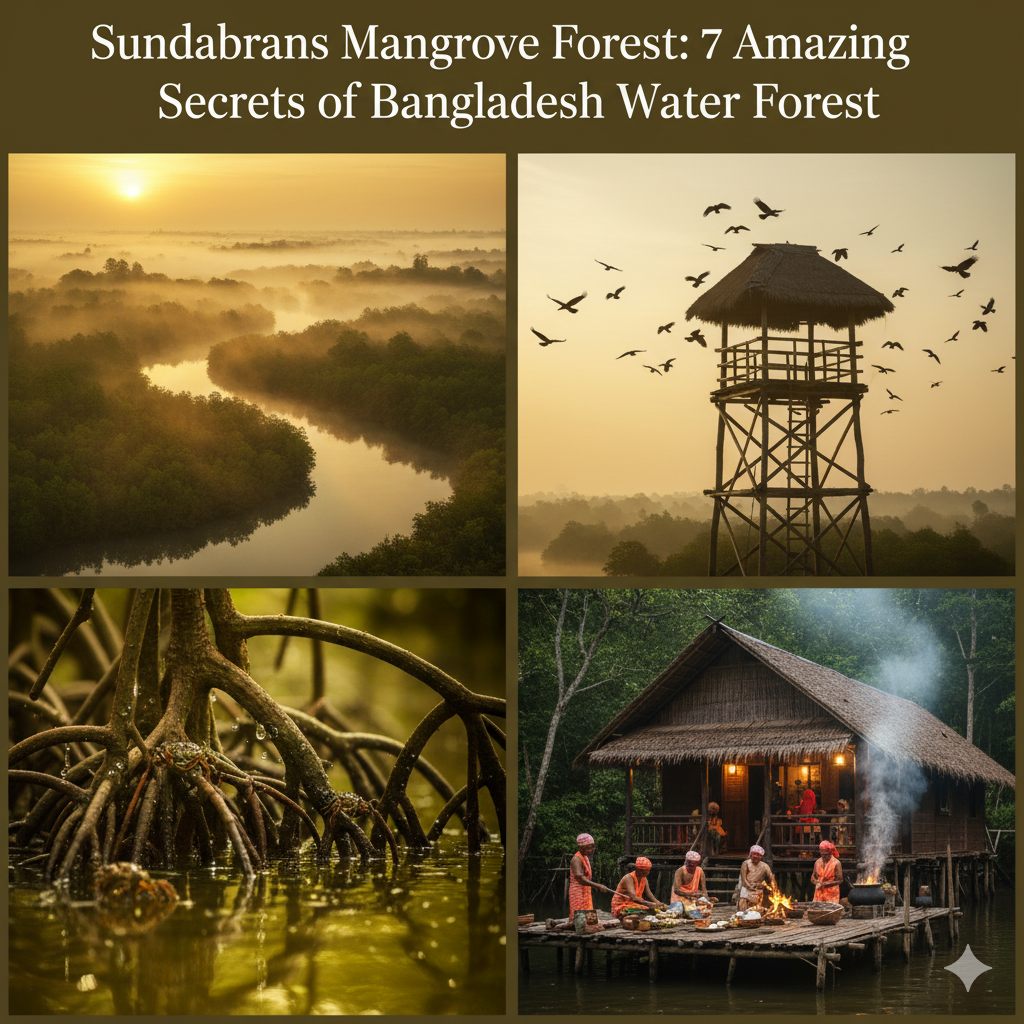

Where Land Meets Water in Bangladesh
Imagine a place where rivers and forests intertwine so closely that the trees themselves seem to float. A place where the mangroves rise from the water, tigers prowl stealthily, and fishermen navigate a labyrinth of tidal channels in tiny wooden boats. Welcome to the Sundarbans Mangrove Forest, Bangladesh’s crown jewel and the largest mangrove forest on Earth.
Stretching across the southwestern delta, the Sundarbans is more than a forest—it’s a living ecosystem, a cultural heritage site, and a hotspot for adventure and biodiversity. Known as “the forest that grows on water”, this enchanting wilderness has inspired myths, folklore, and countless travelers who crave a blend of nature, wildlife, and mystique.
From the rustle of leaves above tidal rivers to glimpses of the elusive Bengal tiger, every corner tells a story—one you can experience firsthand if you’re ready for an unforgettable journey.
History and Ecology of the Sundarbans
The Birth of a Mangrove Wonder
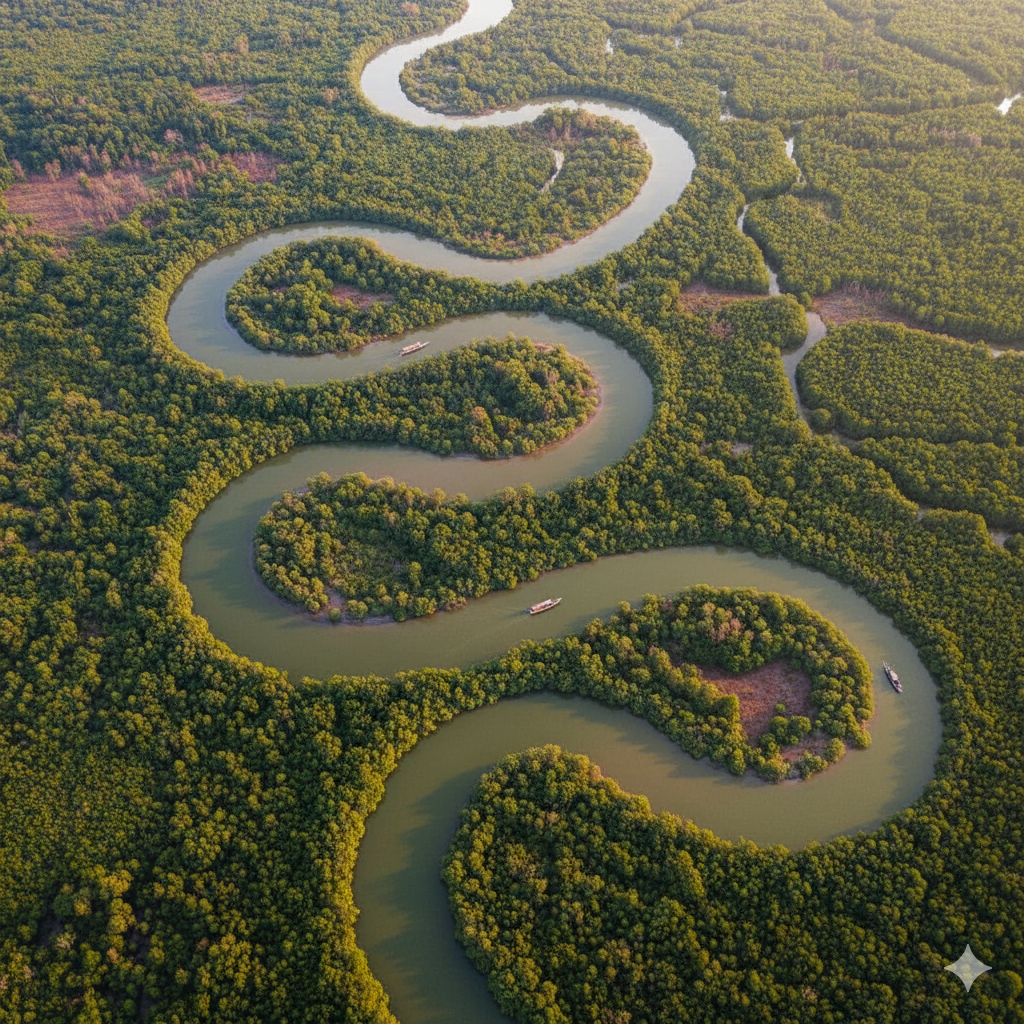
The Sundarbans formed over thousands of years from sediment deposited by the Ganges, Brahmaputra, and Meghna rivers, creating a unique deltaic ecosystem. Its name, “Sundarbans,” comes from Sundari trees (Heritiera fomes), which dominate the forest and give it its characteristic charm.
Ecological Significance
- Covers roughly 10,000 sq km, with two-thirds in Bangladesh and the rest in India.
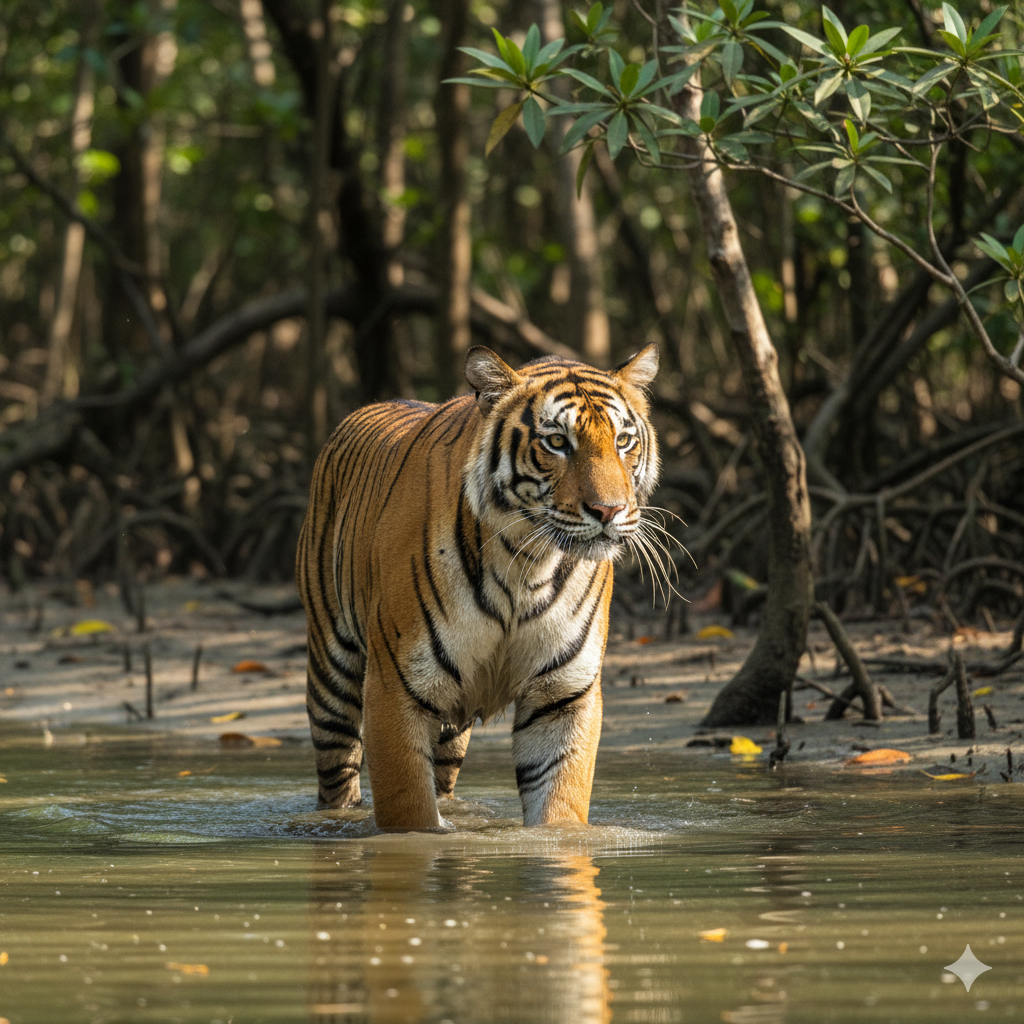
- Vital habitat for Bengal tigers, spotted deer, saltwater crocodiles, and Irrawaddy dolphins.
- Acts as a natural flood buffer, protecting coastal communities from cyclones and storm surges.
- Supports fisheries and honey collection, providing sustainable livelihoods for local communities.
World Heritage Recognition
The Sundarbans were declared a UNESCO World Heritage Site in 1997, highlighting their global ecological importance and the urgent need for conservation.
Wildlife and Biodiversity
1. Bengal Tigers – The Elusive Kings
- Estimated 100–120 tigers in Bangladesh’s Sundarbans.
- Famous for swimming between islands.
- Sightings are rare, making guided tours essential.
2. Aquatic Life
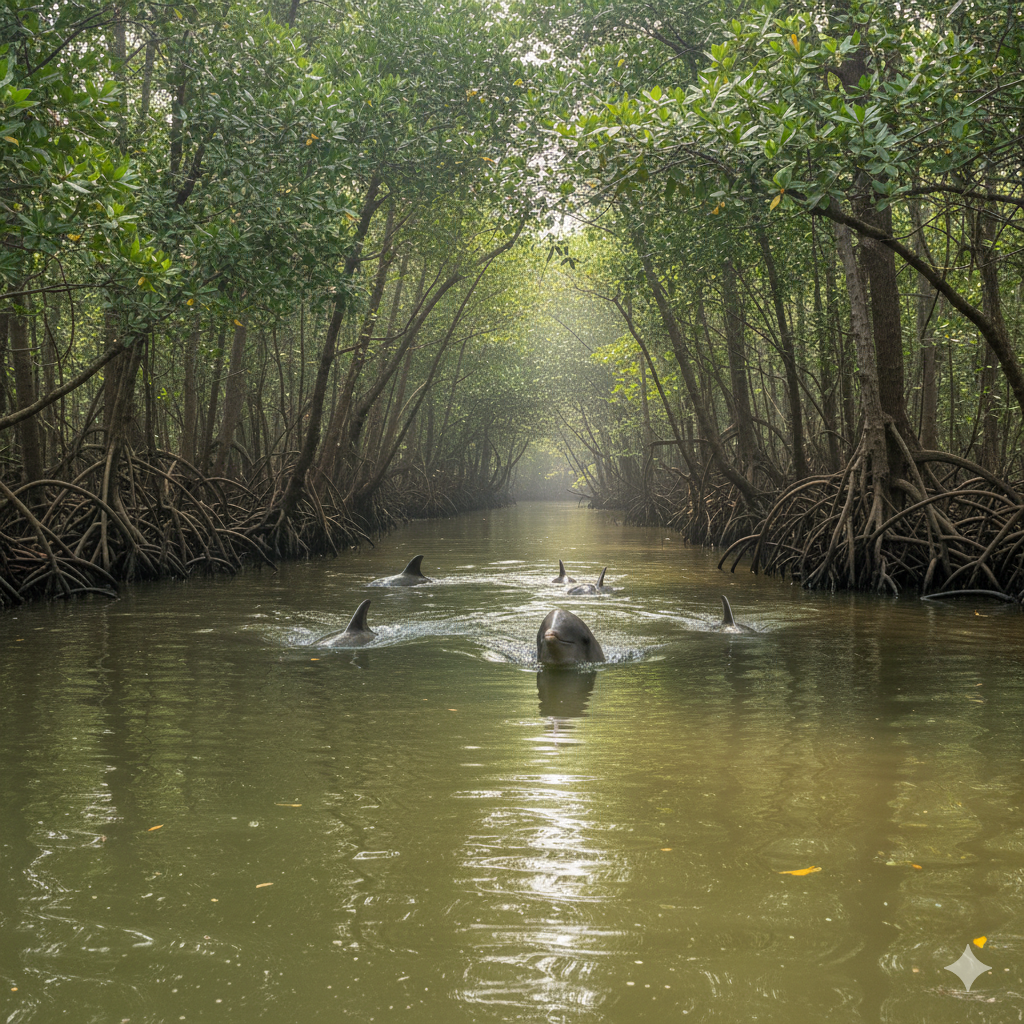
- Irrawaddy dolphins glide along creeks during high tide.
- Saltwater crocodiles patrol tidal rivers.
- Mangroves support countless fish species vital to local livelihoods.
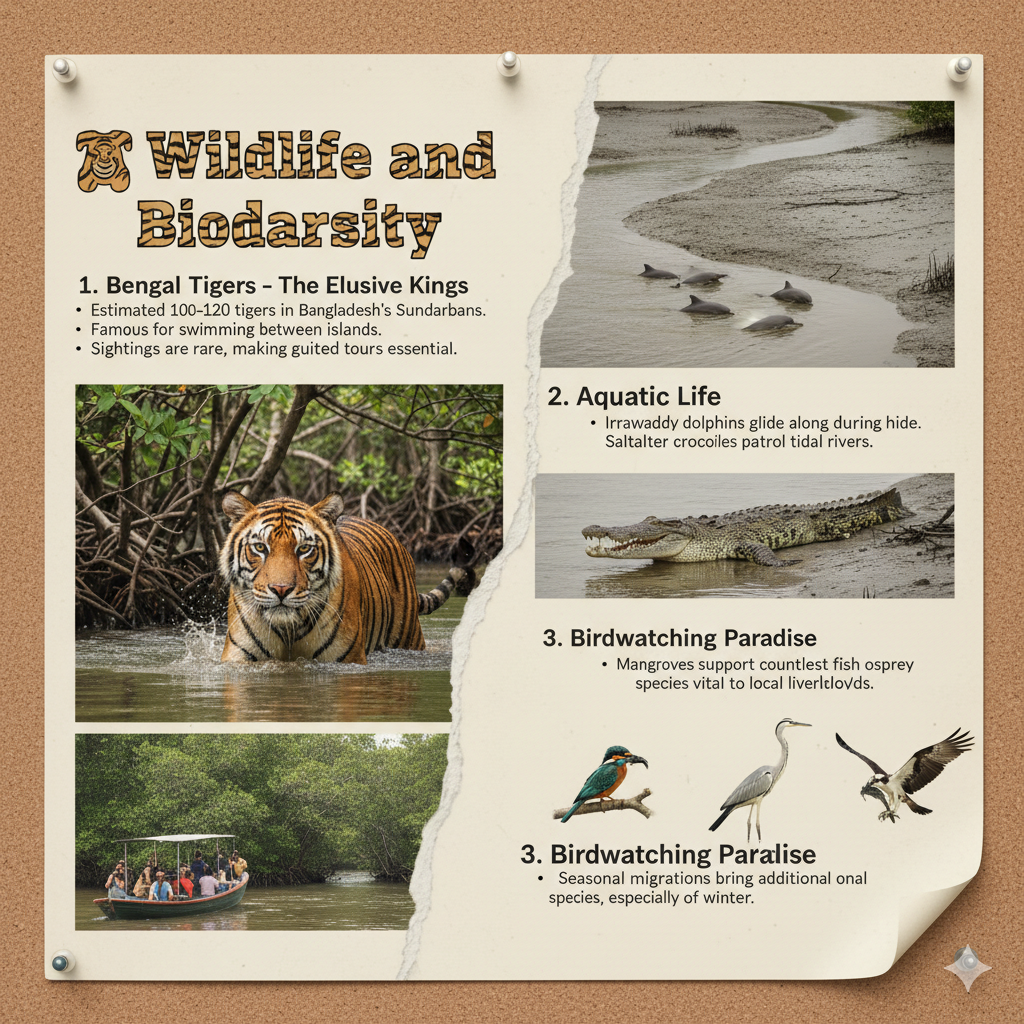
3. Birdwatching Paradise
- Spot kingfishers, herons, and osprey among the dense canopy.
- Seasonal migrations bring additional species, especially in winter.
How to Explore the Forest
By Boat – The Most Authentic Way
- Local boats, known as “dinghies”, navigate tidal channels.
- Multi-day river tours with forest guides are recommended for safety and wildlife spotting.
- Sunrise and sunset cruises provide magical lighting for photography.
Guided Safari
- Licensed guides help navigate restricted areas and protect both tourists and wildlife.
- Eco-friendly tours prioritize minimal disruption to mangroves and wildlife.
Trekking and Observation
- Designated trails for walking exist on some islands.
- Observation towers offer panoramic views for wildlife photography.
Check Also: Secrets of Neuschwanstein Castle – Germany’s Real-Life Fairytale Fortress
Tickets, Fees & Permits
| Item | Cost |
|---|---|
| Entry Permit | Approx. BDT 500–1000 per day |
| Guided Boat Tour | BDT 2000–5000 depending on duration |
| Multi-day Safari | BDT 10,000+ |
| Accommodation (Forest Lodges) | BDT 2500–7000 per night |
Tip: Always book through authorized operators to ensure safety and access to protected areas.
Best Time to Visit
| Season | Experience |
|---|---|
| October–March | Dry season; best for wildlife spotting, comfortable temperatures |
| April–June | Hot and humid; some animals retreat deeper into forest |
| July–September | Monsoon; forest becomes more mystical but navigation can be tricky |
Hidden Gems and Secret Spots
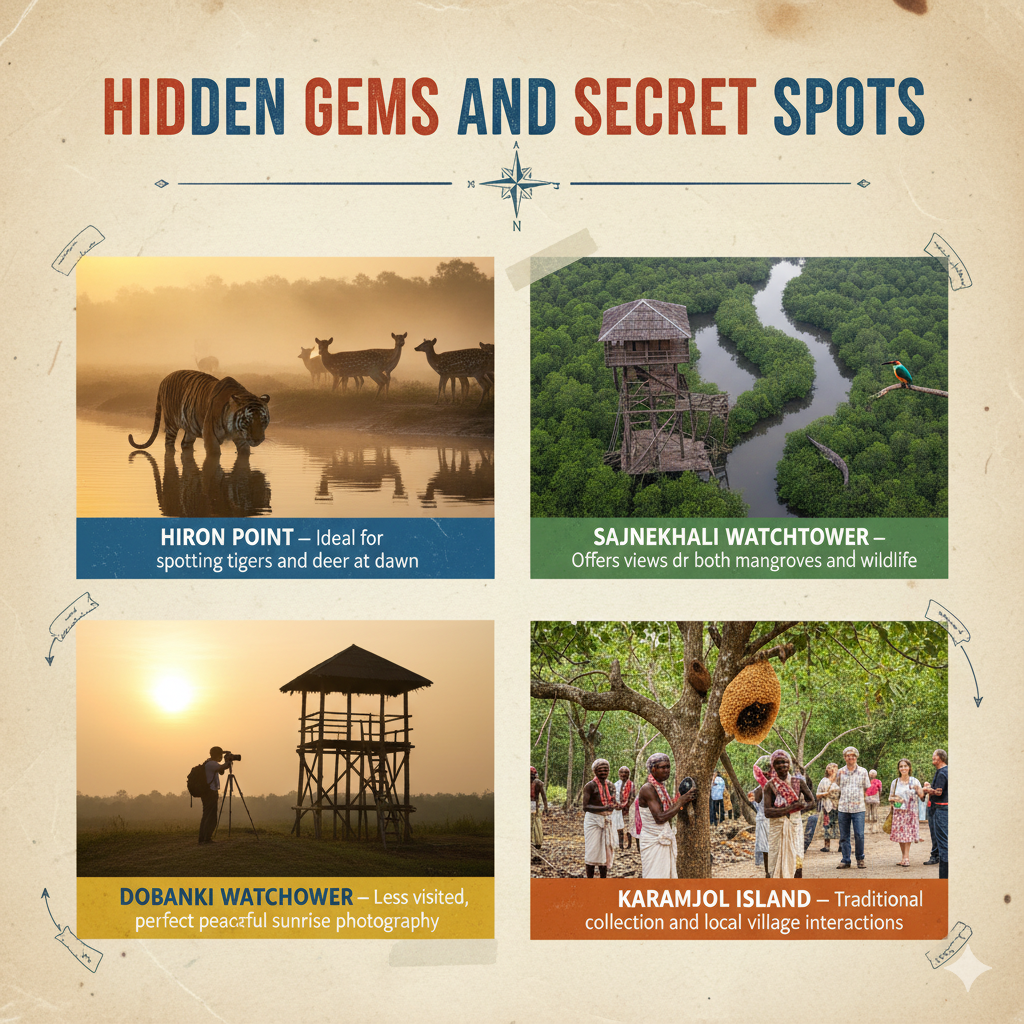
- Hiron Point – Ideal for spotting tigers and deer at dawn.
- Sajnekhali Watchtower – Offers views of both mangroves and wildlife.
- Dobanki Watchtower – Less visited, perfect for peaceful sunrise photography.
- Karamjol Island – Traditional honey collection and local village interactions.
Local Food Experiences
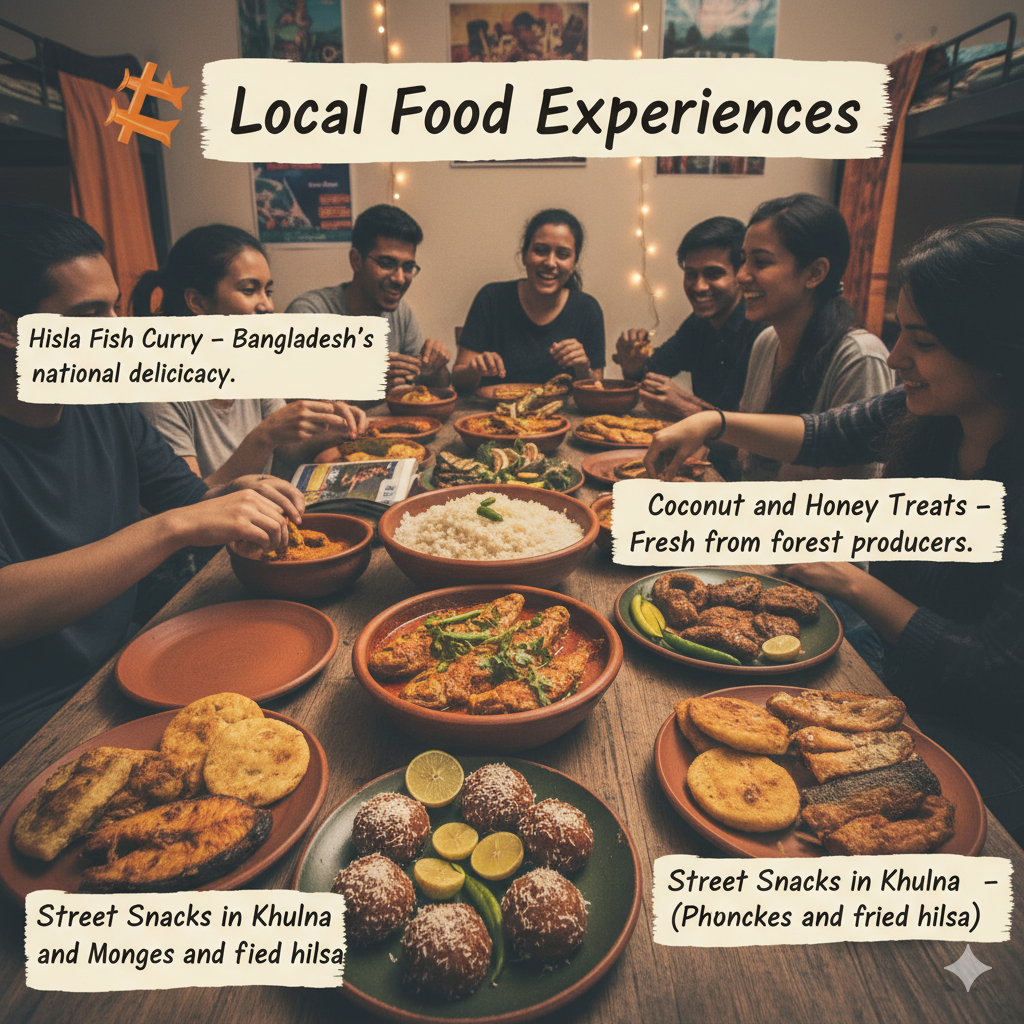
- Hilsa Fish Curry – Bangladesh’s national delicacy.
- Panta Bhat – Fermented rice enjoyed by locals.
- Coconut and Honey Treats – Fresh from forest producers.
- Street Snacks in Khulna and Mongla – Pithas (rice cakes) and fried hilsa.
Tip: Try meals in forest lodges for authentic local flavors with a view of the waterways.
Local Tips & Cultural Insights
- Dress modestly; lightweight, breathable clothing recommended.
- Carry insect repellent and waterproof gear during monsoon.
- Respect local villages; some areas are off-limits to protect wildlife.
- Listen to forest guides; tigers and crocodiles are dangerous if approached carelessly.
Source:
- Schloss Neuschwanstein – Official Castle Tickets and Visitor Info
- Bavarian Castles and Lakes – Official Tourism Portal
Conservation and Sustainability
- Sundarbans is threatened by deforestation, rising sea levels, and poaching.
- Eco-tourism is vital: guided tours ensure minimal environmental impact.
- Community initiatives support local livelihoods while protecting biodiversity.
FAQs – Sundarbans Travel Guide
Q1. Can I see tigers in Sundarbans?
A: Yes, but sightings are rare. Early morning guided boat tours increase chances.
Q2. Is it safe to travel alone?
A: No. Always go with certified guides for safety and legal access.
Q3. How do I reach Sundarbans from Dhaka?
A: Fly or take a bus/train to Khulna, then travel via Mongla port by boat.
Q4. Are forest accommodations available?
A: Yes, eco-lodges and forest camps provide comfortable stays inside or near the forest.
Q5. Is it possible to do day trips?
A: Day trips exist but are limited; multi-day tours provide full experience.
Q6. What wildlife can I expect besides tigers?
A: Spotted deer, crocodiles, Irrawaddy dolphins, kingfishers, and migratory birds.
Traveler – A Forest Like No Other
The Sundarbans is more than a mangrove forest. It’s a living mosaic of water, trees, and wildlife, a place where human imagination meets nature’s wonder.
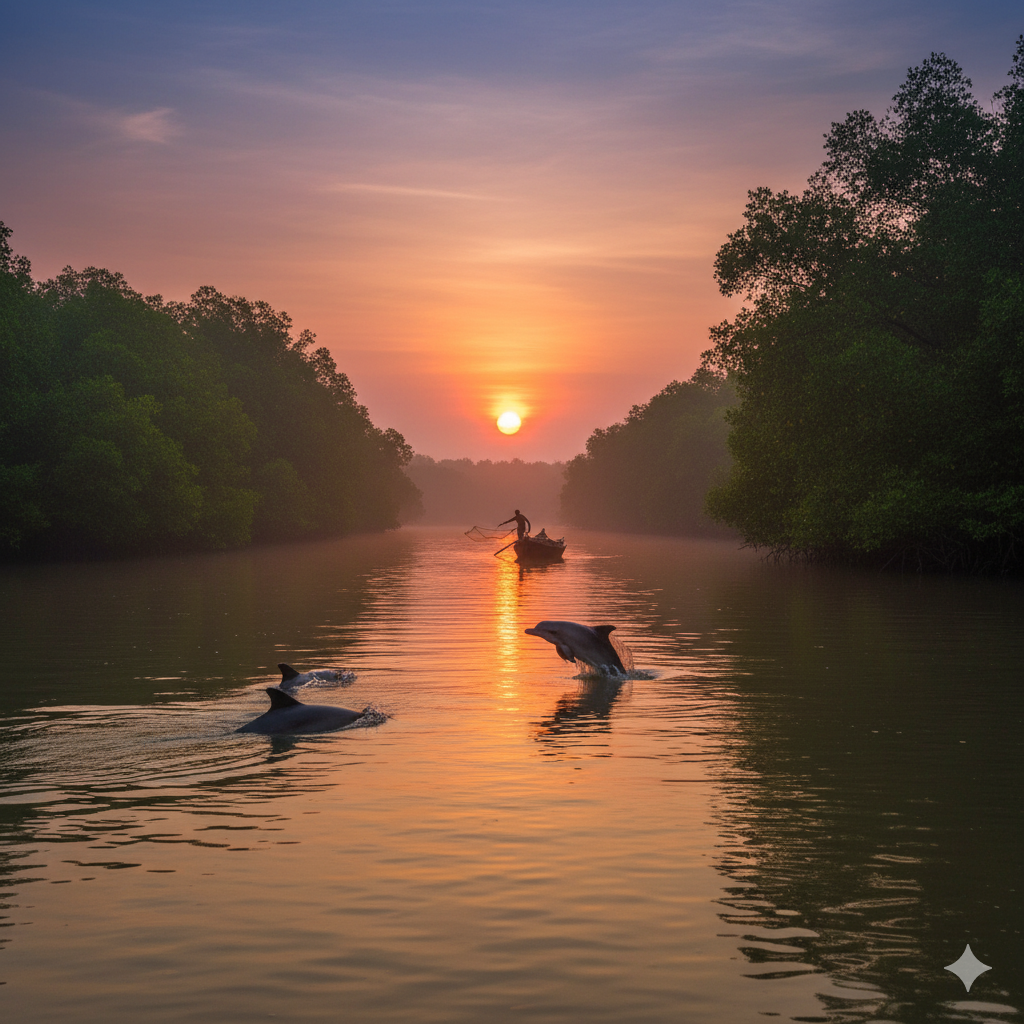
From the elusive Bengal tiger to the reflective waterways, from local traditions to untouched hidden gems, this forest that grows on water offers travelers a magical journey unlike anywhere else in the world.
Prepare to be enchanted, challenged, and inspired—because the Sundarbans doesn’t just show you nature; it immerses you in it.