
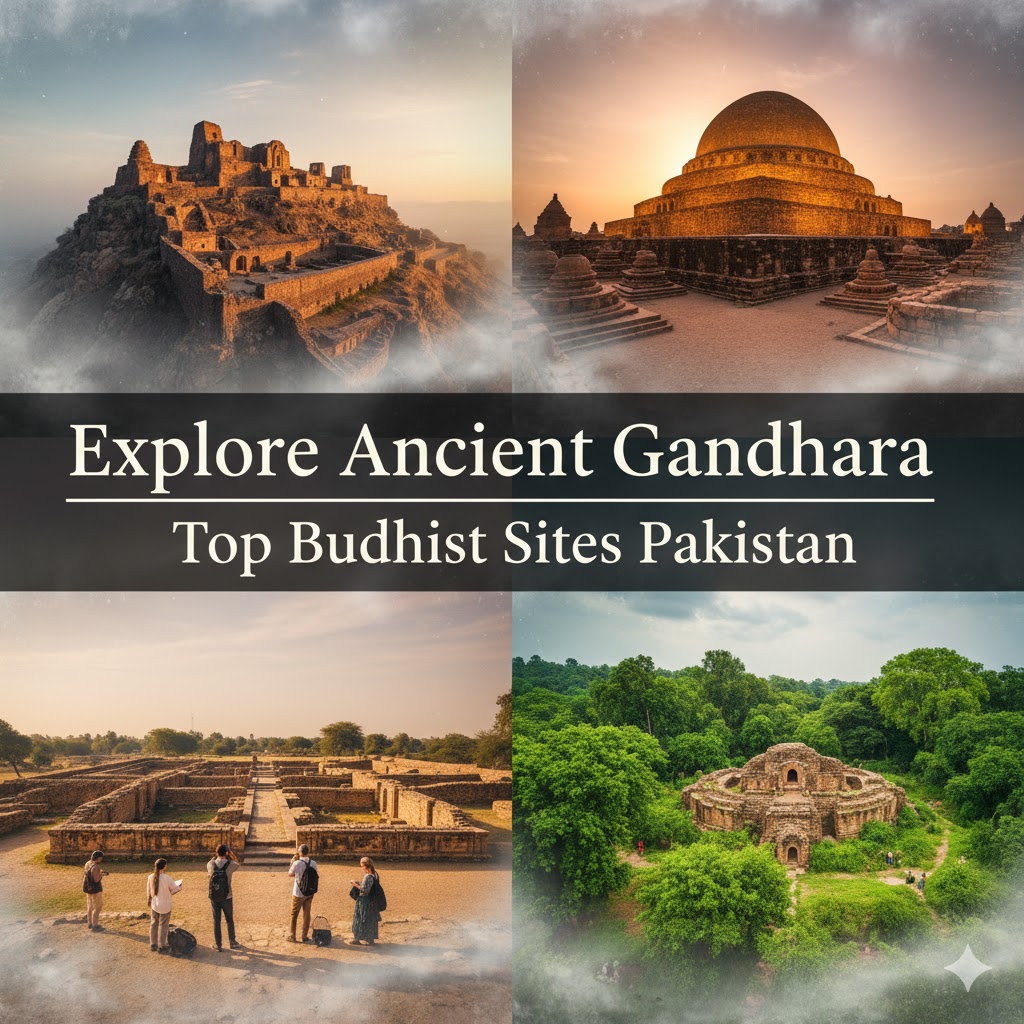

Introduction: Pakistan — The Overlooked Heart of Buddhist Civilization
Few travelers realize that modern-day Pakistan once stood at the crossroads of Buddhist learning, trade, and art. From the Gandhara civilization to the sacred monasteries of Swat, the land echoes with whispers of enlightenment that once spread across Asia.
The Top Buddhist Sites Pakistan (2026) guide takes you through serene valleys, archaeological ruins, and UNESCO World Heritage locations where Buddha’s teachings once flourished. Each site carries stories of scholars, monks, and pilgrims who shaped one of history’s most profound spiritual movements.

🏯 The Gandhara Legacy — Where East Met West
The Gandhara region, covering parts of present-day Khyber Pakhtunkhwa and Punjab, was a cradle of Buddhist civilization between the 1st and 7th centuries CE. Greek artistry merged with Buddhist symbolism here, giving birth to Gandhara Art, known for its realistic depictions of Buddha’s life.
Local Tip: Start your Buddhist trail from Islamabad or Peshawar, where guided heritage tours operate year-round (2026 schedules available via PTDC).
🧭 Top Buddhist Sites to Visit in Pakistan (2026)
🕊️ 1. Taxila — The Ancient Buddhist University (UNESCO World Heritage Site)
Location: Punjab Province, 35 km from Islamabad
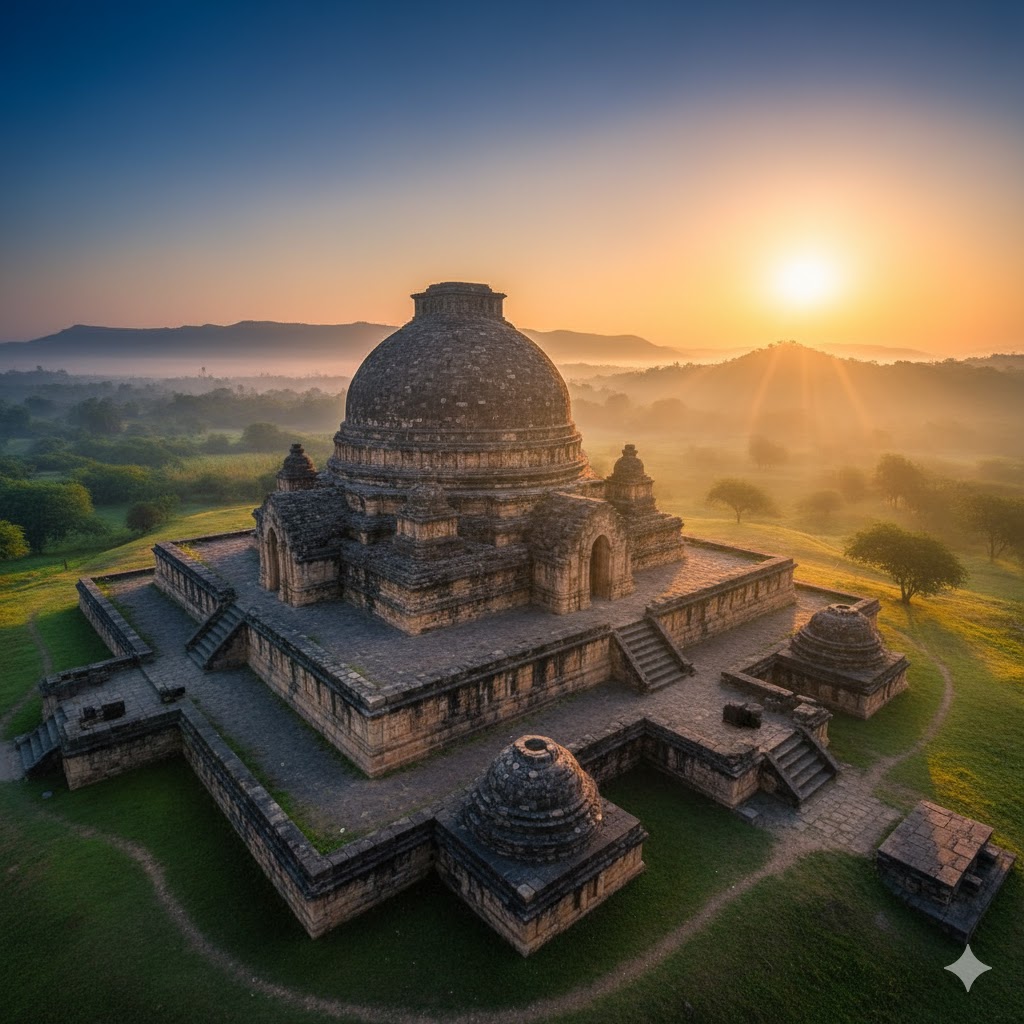
Taxila, once a thriving center of Buddhist learning, attracted monks and scholars from China, India, and Central Asia. Between the 5th century BCE and the 2nd century CE, it was home to renowned monasteries, stupas, and universities.
Highlights:
- Dharmarajika Stupa: Built by Emperor Ashoka to enshrine Buddha’s relics.
- Jaulian Monastery: Exceptional for preserved stucco figures and meditation cells.
- Sirkap Ruins: Show a blend of Greek, Persian, and Buddhist architecture.
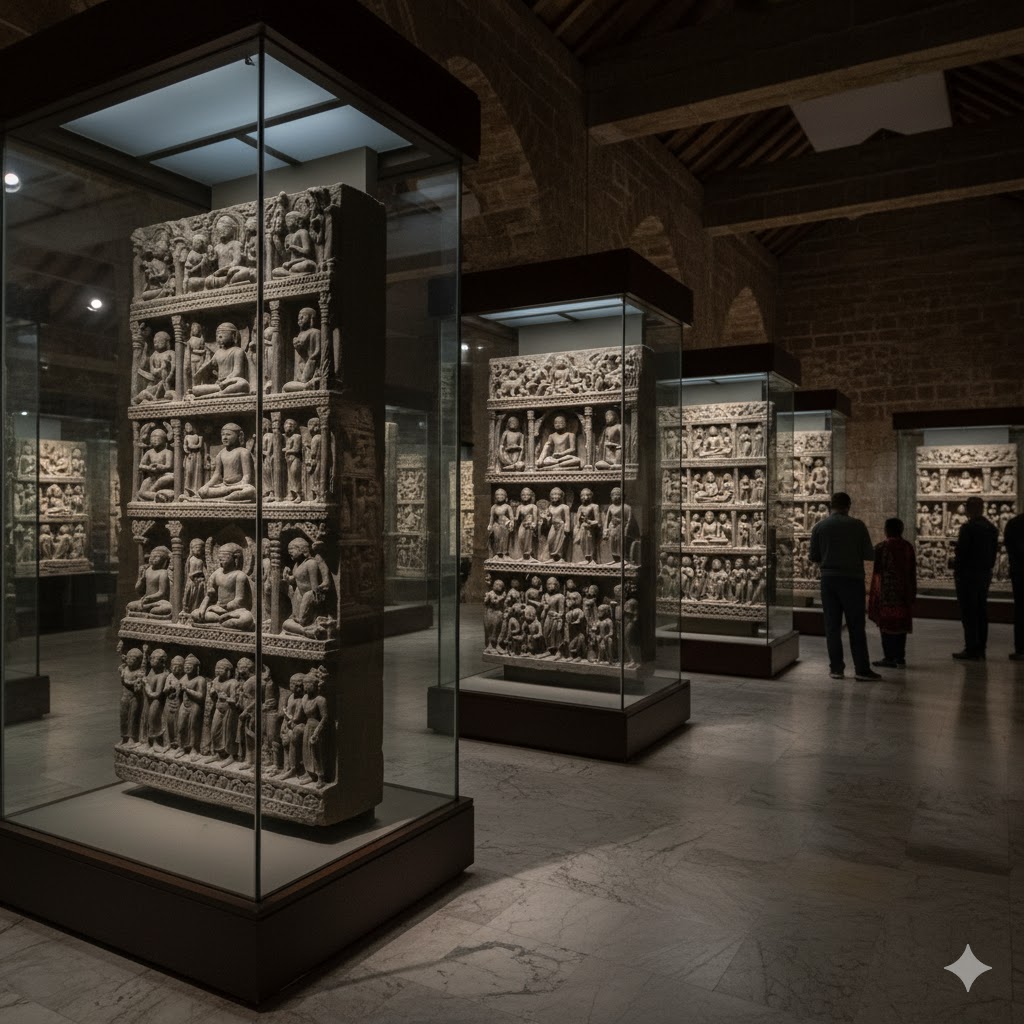
- Taxila Museum: Houses exquisite Gandhara sculptures and relics.
Entry Fee (2026): PKR 100 (locals), PKR 800 (foreign visitors)
Hidden Gem Tip: Visit early morning to see the golden sunlight on the Dharmarajika dome.
Local Insight: “Taxila isn’t just ruins—it’s a dialogue between civilizations.” — Dr. Naheed, Archaeologist, Taxila Institute
🏔️ 2. Takht-i-Bahi Monastery — The Crown of Buddhist Monastic Life (UNESCO World Heritage Site)
Location: Near Mardan, Khyber Pakhtunkhwa
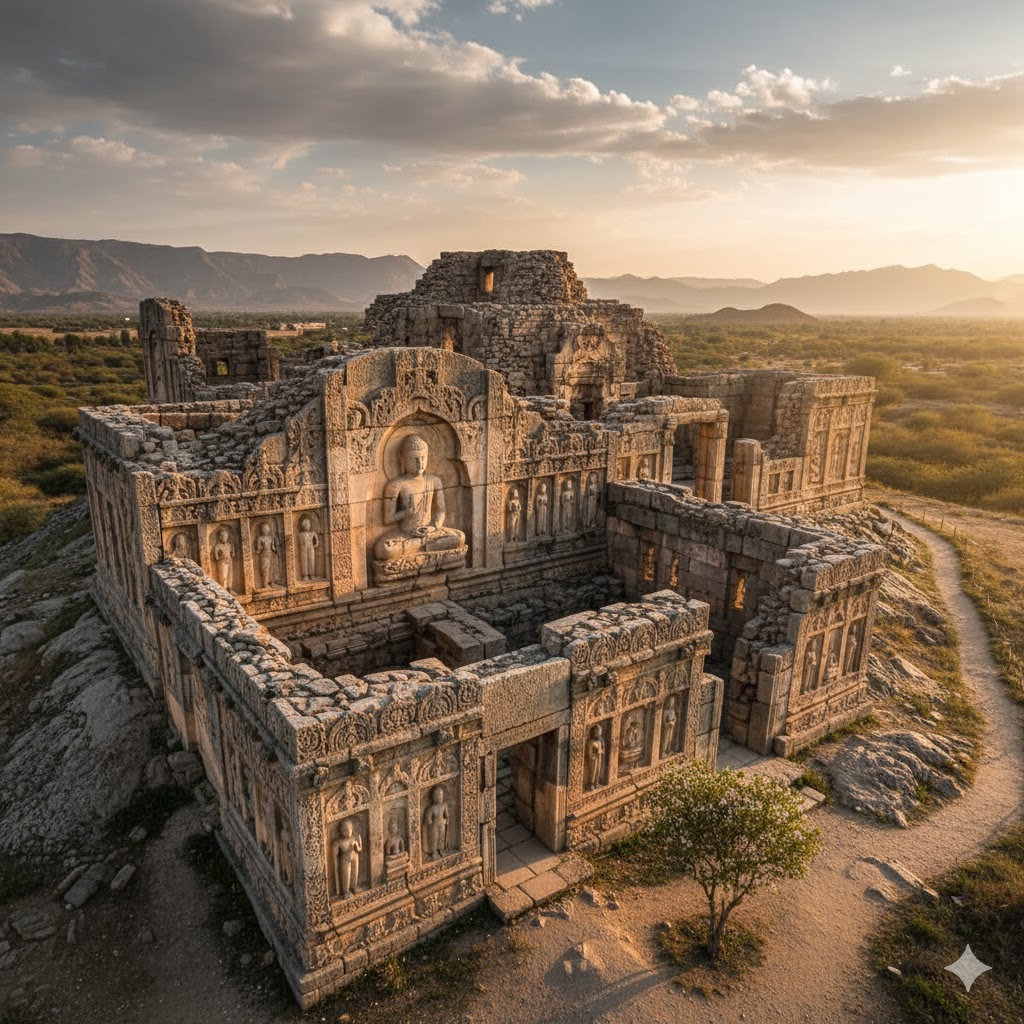
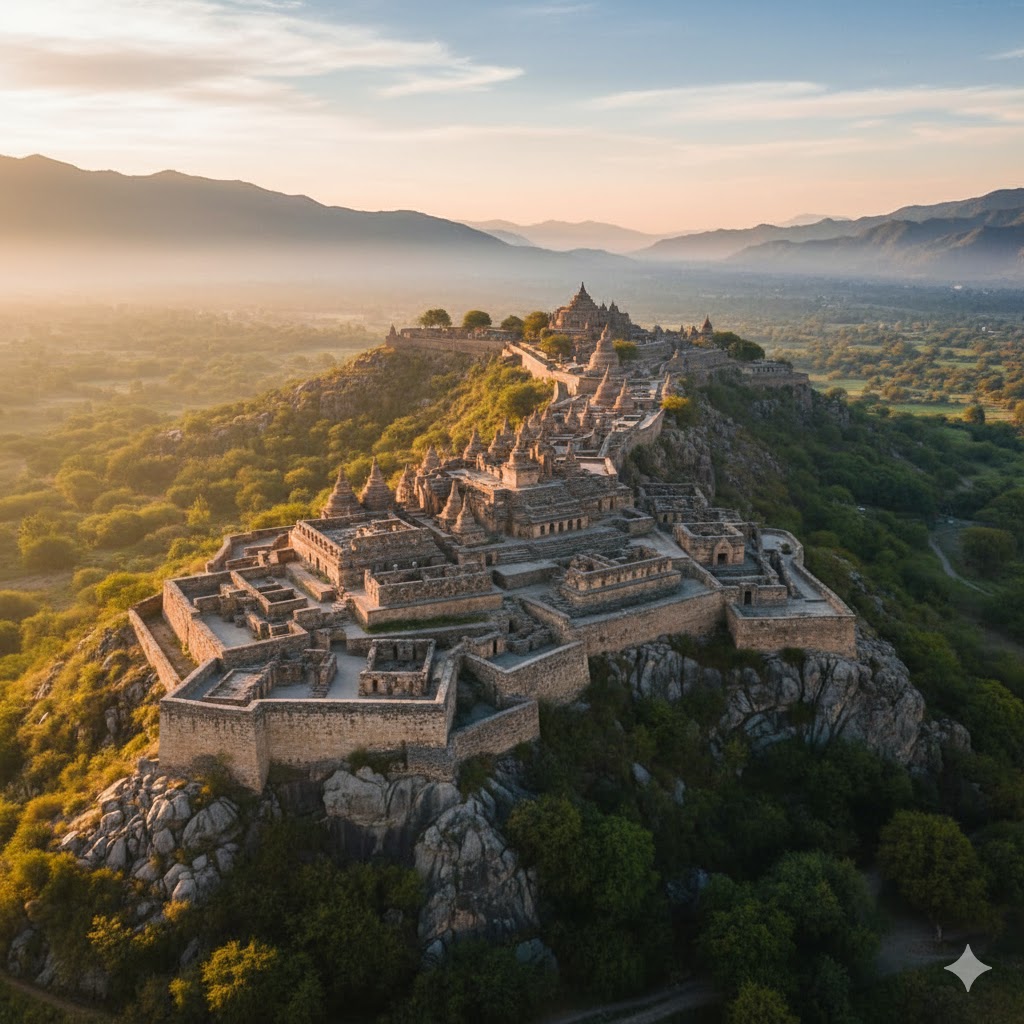
Rising majestically from a rocky hilltop, Takht-i-Bahi (meaning “Throne of the Spring”) remains one of the best-preserved Buddhist monasteries in the world. Established in the 1st century CE, it continued to flourish for over 800 years.
Highlights:
- Series of stone courtyards, meditation chambers, and stupas arranged along mountain terraces.
- Architectural excellence showing Hellenistic and Gandhara styles.
- Scenic panoramic views of the Mardan Valley.
Travel Tip: Best visited between October–March for cooler weather.
Hidden Gem: Visit the nearby Sahr-i-Bahlol ruins, another Buddhist site often overlooked by tourists.

🌄 3. Butkara Stupa — The Ancient Heart of Swat Valley
Location: Mingora, Swat District, Khyber Pakhtunkhwa
Built by Emperor Ashoka in the 3rd century BCE, Butkara Stupa stands as one of the earliest and most significant Buddhist monuments in South Asia. Excavations revealed relic chambers and hundreds of small votive stupas surrounding the main dome.
Highlights:
- Layers of history built over centuries of reconstruction.
- Nearby Swat Museum exhibits relics, inscriptions, and Gandhara sculptures.
- A peaceful spiritual aura still felt amid Swat’s green hills.
Hidden Gem Tip: Visit during spring to see wildflowers blooming around the ancient stones.
Local Insight: “Every layer of Butkara tells a story of devotion and rebirth.” — Mohammad Rahim, Swat Heritage Guide

🌿 4. Shingardar Stupa — The Majestic Sentinel of Swat
Location: Ghalegay village, Swat
Just 3 km from Barikot, the Shingardar Stupa stands gracefully against the Himalayan foothills. Legend says it was built over the ashes of a great Buddhist saint.
Highlights:
- Large dome structure visible from the road.
- Symbol of Buddhist resilience in the region.
- Peaceful setting ideal for meditation and photography.
Access: Easily reachable by car from Mingora.
Local Tip: Stop at nearby tea stalls to meet locals who preserve oral tales of the site.

🪔 5. Julian Monastery & Mohra Moradu — The Hidden Jewels of Taxila Valley
Location: Taxila Heritage Zone
These lesser-known sites lie close to the main Taxila Museum but are often missed by tourists. Julian Monastery once hosted hundreds of monks, while Mohra Moradu Stupa features beautiful stucco reliefs depicting the Buddha’s life.
Highlights:
- Ancient cells carved into rock for meditation.
- Reliefs showing Buddha’s birth and enlightenment scenes.
- Excellent site for photography and quiet reflection.

🌸 6. Mansehra Rock Edicts — Ashoka’s Message of Peace
Location: Near Mansehra city, Khyber Pakhtunkhwa
Carved on a massive rock face in 14 lines of Kharosthi script, these edicts of Emperor Ashoka (3rd century BCE) proclaim Buddhist moral teachings. It’s one of the few surviving public inscriptions in Pakistan.
Highlights:
- Historical inscriptions emphasizing compassion, truth, and tolerance.
- Accessible by road from Abbottabad.
- Surrounded by scenic mountain views.
Local Tip: Visit early morning for best lighting; bring binoculars for reading details.

🛕 7. Khyber Pass & Shahbaz Garhi Inscriptions
Location: Mardan District
The Shahbaz Garhi inscriptions, engraved in ancient rock, are among the oldest known records of Ashoka’s edicts. The site connects directly with the historic Khyber Pass, once a route of monks, traders, and pilgrims.
Highlights:
- Symbolic link between India and Central Asia’s Buddhist routes.
- Ancient rocks inscribed with edicts of morality and peace.
- Nearby small museum displaying preserved fragments.

🚙 Travel Tips for the 2026 Buddhist Heritage Circuit
- Visa & Permits: Most sites are open; foreign travelers should register with the Department of Archaeology & Museums (DoAM).
- Best Time to Visit: October–April (clear weather and mild climate).
- Guides: Certified cultural guides available in Taxila, Swat, and Mardan.
- Accommodation: Heritage lodges in Taxila; eco-hotels in Swat.
- Etiquette: Dress modestly, remove shoes when entering sacred ruins, avoid loud noise.

Must See:
Sources:
Traveler Guide: The Timeless Path of Peace
In 2026, Pakistan’s Buddhist heritage stands not just as an archaeological marvel—but as a living bridge of peace between ancient wisdom and modern spirituality. Each site, from the monasteries of Swat to the inscriptions of Mansehra, reflects a timeless call toward compassion and reflection. For travelers seeking tranquility and meaning, the Buddhist trails of Pakistan remain a sacred journey through time.

Hidden Buddhist Trails, Festivals & Heritage Revival in Pakistan (2026)
🕊️ Hidden Buddhist Trails: The Untold Paths of Enlightenment
While Taxila and Takht-i-Bahi are widely celebrated, the soul of Pakistan’s Buddhist heritage lies in remote valleys and forgotten monasteries scattered across Khyber Pakhtunkhwa, Punjab, and Gilgit-Baltistan. These hidden trails embody centuries of pilgrimage, meditation, and artistry.

🏞️ 1. Amluk-Dara Stupa (Swat Valley’s Forgotten Gem)
Tucked between green hills near Barikot, the Amluk-Dara Stupa dates back to the 2nd century CE and reflects the artistry of the Gandhara period. Though partially in ruins, it retains an air of tranquility, surrounded by terraced fields and blooming apricot trees.
Highlights:
- Unique circular dome with an ancient stairway.
- Spectacular views of the Swat River below.
- Fewer tourists — ideal for quiet photography and meditation.
Local Tip: Visit early morning; local children often act as informal guides sharing ancient legends.

🏯 2. Rani Gatt Buddhist Complex (Buner District)
This vast archaeological site comprises monasteries, stupas, and meditation caves spread across rugged hills. Excavations have revealed sculptures and relics illustrating Buddha’s journey toward enlightenment.
Highlights:
- 2500-year-old ruins with panoramic valley views.
- Ongoing excavation by Pakistani and Italian archaeologists.
- A spiritually charged silence that pervades the area.
Hidden Gem Tip: Bring water and hiking shoes; the upper terraces offer breathtaking views rarely seen by tourists.

🪔 3. Jamal Garhi Monastery (Mardan District)
Founded in the 1st century CE, Jamal Garhi remains one of the best-preserved examples of monastic life in Gandhara. Rows of meditation cells and sculptured reliefs tell stories of Buddha’s early disciples.
Highlights:
- Intact stupas, chapels, and monastic quarters.
- Intricate carvings depicting Jataka tales.
- Tranquil hillside setting ideal for contemplation.
Local Tip: Pair this visit with Takht-i-Bahi for a complete understanding of Gandhara monastic design.
🏔️ 4. Thalpan Rock Carvings (Gilgit-Baltistan)
Near the Indus River in Chilas, thousands of rock carvings and inscriptions reveal Buddhist influence that once extended deep into the Himalayas. These petroglyphs mark ancient Silk Route paths that connected South and Central Asia.
Highlights:
- Over 50,000 rock carvings, many depicting Buddhas and stupas.
- Links to trade routes of ancient pilgrims and merchants.
- Unparalleled open-air museum experience.
Hidden Gem Tip: Visit at sunrise for soft golden light; the Indus reflections create stunning visuals.

🌸 Spiritual Traditions & Buddhist Festivals (2026)
Pakistan’s Buddhist community, though small, celebrates heritage through annual cultural and religious gatherings that attract visitors, scholars, and monks from across Asia.
🕯️ Buddha Purnima (Vesak) – Celebration of Enlightenment
When: May 2026
Where: Taxila Museum and Takht-i-Bahi Monastery
The festival commemorates Buddha’s birth, enlightenment, and death. In 2026, both sites plan special guided meditation sessions and Gandhara art exhibitions, organized with the UNESCO Pakistan Heritage Council.
Highlights:
- Candle-lit prayer ceremonies at dusk.
- Chanting of Pali scriptures by visiting monks.
- Free guided tours and public heritage talks.
Hidden Gem Tip: Attend the evening candle procession at Taxila—it’s a serene and emotional experience.

🌼 Gandhara Heritage Festival (Taxila & Peshawar)
When: October 2026
A government-backed initiative reviving the ancient Gandhara identity, this festival showcases Buddhist art, cuisine, and performances inspired by Silk Route traditions.
Highlights:
- Gandhara sculpture exhibitions.
- Cultural dance performances from Sri Lanka, Nepal, and Thailand.
- Heritage walks through Taxila Valley.
Ticket Info: Free entry for locals; PKR 1000 for international visitors.
Local Tip: Visit in evening hours for illuminated fort façades and live music.

🌏 International Buddhist Tourism Revival (2026 Initiative)
Pakistan’s government, with UNESCO and the World Buddhist Federation, has launched the “Gandhara Trail 2026 Project.”
This initiative aims to restore key Buddhist sites, improve accessibility, and promote cross-border pilgrimage routes connecting Pakistan, Nepal, India, and Sri Lanka.
Key Developments in 2026:
- Restoration of stupas in Takht-i-Bahi and Butkara.
- Launch of Gandhara Heritage Digital Museum (virtual access for global visitors).
- Special tourist visas for Buddhist pilgrims from Southeast Asia.
- New eco-lodges promoting sustainable heritage travel in Swat and Taxila.

🧱 Preservation & Conservation Efforts (2026 Update)
Pakistan’s Buddhist heritage faced decades of neglect, but new conservation efforts mark a cultural renaissance:
| Project | Location | Led By | Objective |
|---|---|---|---|
| Gandhara Revival Program | Taxila & Swat | UNESCO & DoAM | Preservation and digital documentation of Buddhist sites |
| Silk Route Cultural Corridor | Gilgit-Baltistan | PTDC | Promote heritage-based eco-tourism |
| Museum Restoration Scheme | Taxila & Peshawar | Govt. of Pakistan | Modernize exhibits and improve accessibility |
| Community Awareness Workshops | Swat & Buner | Local NGOs | Educate villagers on heritage protection |
Local Insight:
“Every carved stone and ruined monastery connects us to a time when wisdom guided civilization. Preserving it isn’t just tourism—it’s honoring humanity’s memory.”
— Prof. Iftikhar Ahmed, Archaeologist, Peshawar University

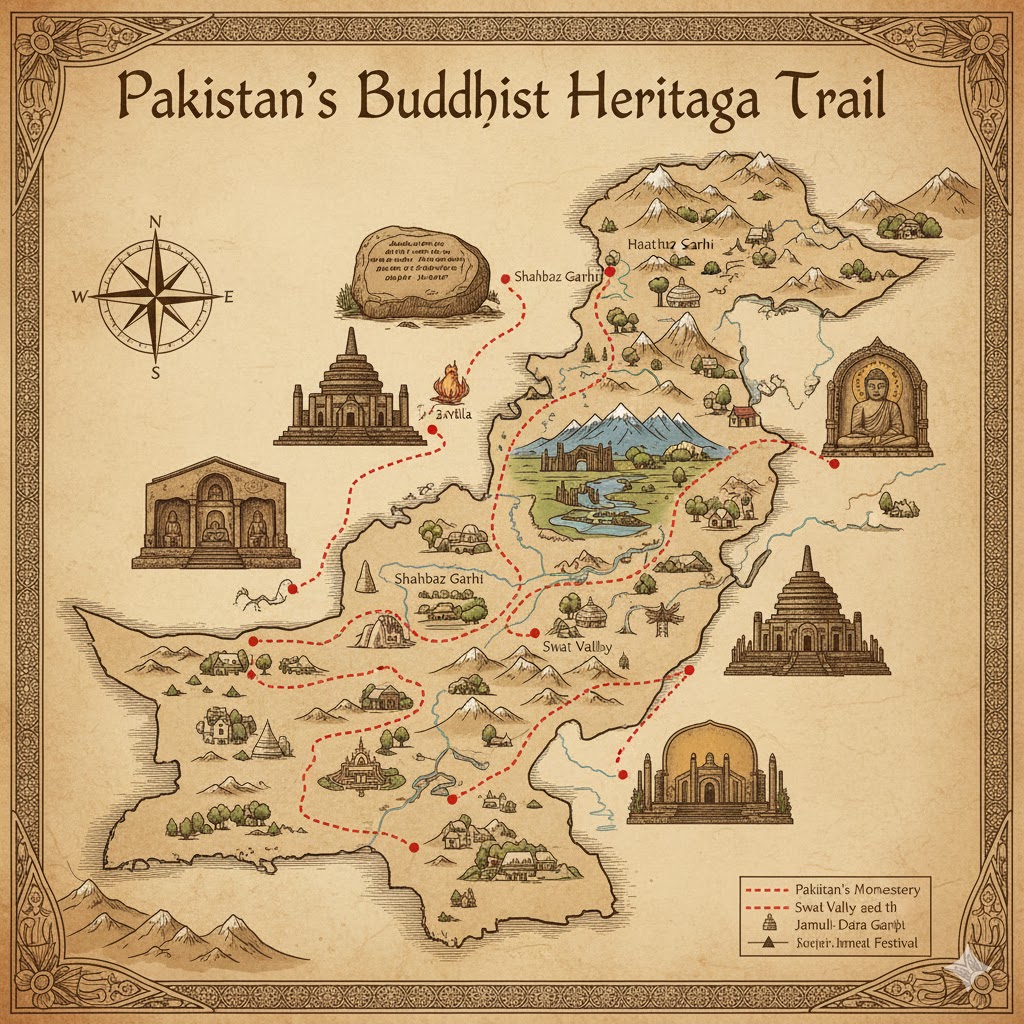
🧭 Travel Itinerary Suggestion: Buddhist Heritage Trail (10 Days 2026)
| Day | Destination | Highlights | Tips |
|---|---|---|---|
| Day 1–2 | Islamabad → Taxila | Dharmarajika, Jaulian, Sirkap ruins | Visit Taxila Museum early morning |
| Day 3 | Takht-i-Bahi | Monastery tour, heritage museum | Wear trekking shoes |
| Day 4–5 | Swat Valley | Butkara, Shingardar, Amluk-Dara | Stay in Mingora or Saidu Sharif |
| Day 6 | Buner | Rani Gatt ruins | Bring water & snacks |
| Day 7–8 | Gilgit–Chilas | Thalpan rock carvings | Early sunrise visit recommended |
| Day 9–10 | Return to Islamabad | Explore Gandhara Festival (if seasonal) | Collect heritage passes for souvenirs |
🧘♀️ Conclusion: Pakistan’s Silent Monasteries, Living Spirit
In 2026, the Buddhist heritage of Pakistan speaks not through noise but through stone, silence, and spirit.
From the solemn stupas of Swat to the echoing caves of Buner, each site is a verse in an ancient poem of enlightenment.
As Pakistan reawakens to preserve this shared history, travelers find not just ruins—but the timeless reflection of peace, mindfulness, and unity.

Buddhist Art, Museums, Local Culture & Traveler Experiences (2026)
🎨 The Art of Gandhara: Where East Met West
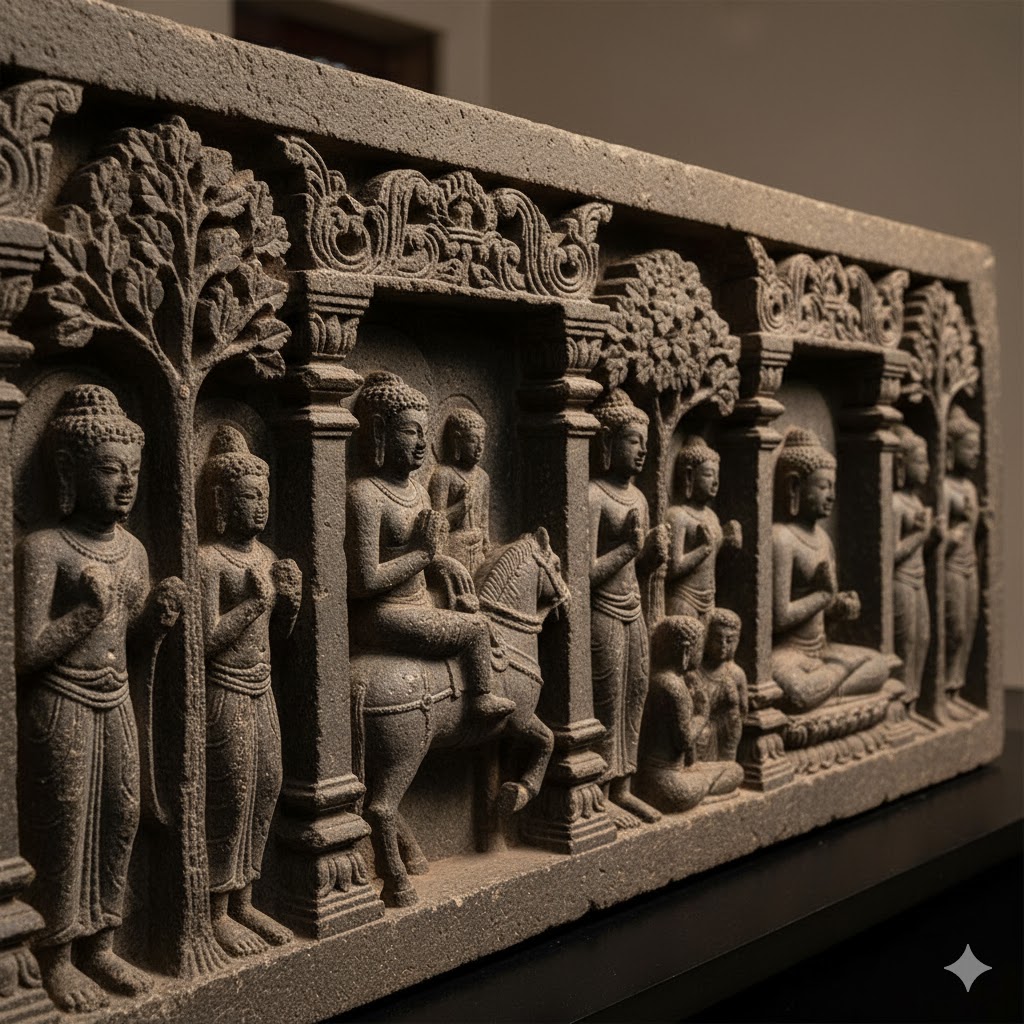
The Gandhara civilization, centered in what is now northern Pakistan, blended Greek realism and Buddhist spirituality to create one of the most distinct art styles in ancient Asia. Sculptures from this region reveal a deep aesthetic connection between Greco-Roman form and Buddhist philosophy, illustrating the fusion of cultures that once thrived here.
🪷 Evolution of Gandhara Art
From the 1st century BCE to the 5th century CE, Gandhara art evolved through phases of symbolism, realism, and devotion. Early depictions featured symbolic elements like the lotus and the Bodhi tree, later transitioning to lifelike statues with expressive facial details.
Key Traits of Gandhara Art:
- Realistic drapery inspired by Roman sculpture.
- Buddha with wavy hair and serene expression.
- Detailed scenes of Jataka tales carved on stupas.
- Use of schist stone for durability and grace.
🏛️ Museums Showcasing Pakistan’s Buddhist Legacy
Pakistan houses several world-class museums that safeguard its Buddhist artifacts, offering travelers a window into 2,000 years of spiritual and artistic history.
🏺 Taxila Museum (Punjab)
Home to one of Asia’s largest collections of Gandhara sculptures, this museum stands beside the ruins of the ancient city itself. Visitors can explore relics of monasteries, stupas, and everyday life from Buddha’s era.
Highlights:
- Over 7,000 Gandhara artifacts.
- Sculptures depicting Buddha’s life journey.
- Interactive heritage exhibits introduced in 2026.
Local Tip: Visit on a weekday morning to avoid crowds and enjoy peaceful contemplation.

🕍 Peshawar Museum (Khyber Pakhtunkhwa)
Originally built in 1907, this museum hosts an extensive collection of Gandhara art alongside Mughal and Islamic relics. Its grand red-brick structure symbolizes the blend of architectural influences in the region.
Highlights:
- Over 4,000 Buddhist relics including stupas, inscriptions, and relic caskets.
- 2026 exhibition: “Echoes of Enlightenment” featuring newly restored statues.
- Guided heritage tours in collaboration with Buddhist scholars.

🧘♀️ Swat Museum (Saidu Sharif)
After its reconstruction with Italian assistance, the Swat Museum reopened as a modern cultural center preserving Buddhist heritage from Uddiyana—the ancient name of Swat.
Highlights:
- Sculptures from Butkara and Amluk-Dara.
- Educational videos on monastic life.
- Sustainable architecture blending modern design with ancient aesthetics.

🎎 Local Culture & Spiritual Echoes
Despite centuries of transformation, echoes of Buddhist culture remain woven into local customs, crafts, and moral traditions across northern Pakistan.
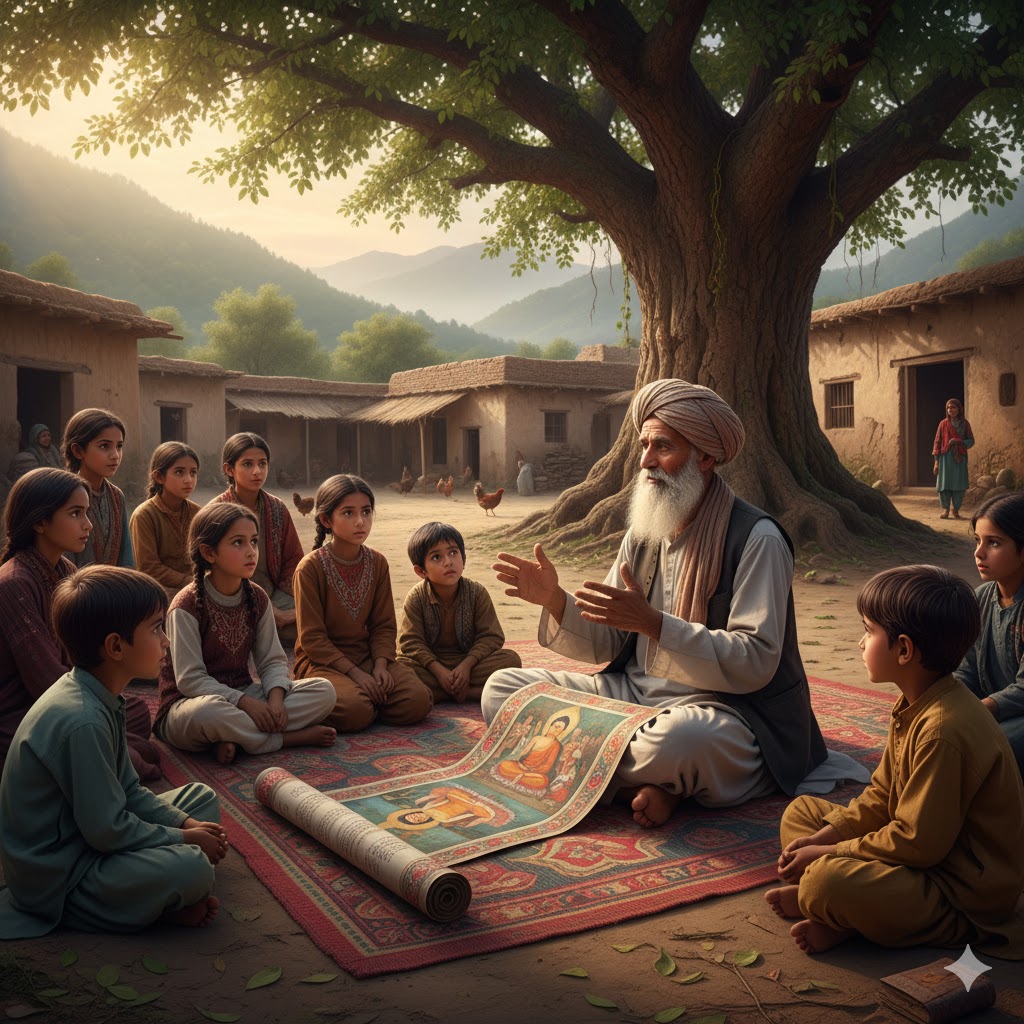
In the Swat and Taxila regions, locals often refer to ancient ruins as “the old monasteries of wisdom.” Many artisans continue using Gandhara motifs in pottery and textile design. This quiet continuity symbolizes a deep respect for the land’s sacred past.

🕊️ Living Heritage Through Language and Stories
Words like stupa, karma, and dharma still appear in regional dialects—a linguistic trace of Buddhism’s influence.
Local storytellers in Swat narrate legends of Prince Siddhartha who once journeyed through the valleys in search of enlightenment, while elders in Buner recall tales of “stone monks” who meditated for centuries.
📸 Traveler Experiences: Capturing the Spirit of Peace
Travelers visiting Buddhist heritage sites in Pakistan often describe the experience as both meditative and transformative.
Unlike crowded pilgrimage spots elsewhere, Pakistan’s monasteries offer solitude—where the hum of the wind and the call of distant prayer merge into silence.
🌅 1. Photography & Cinematic Landscapes
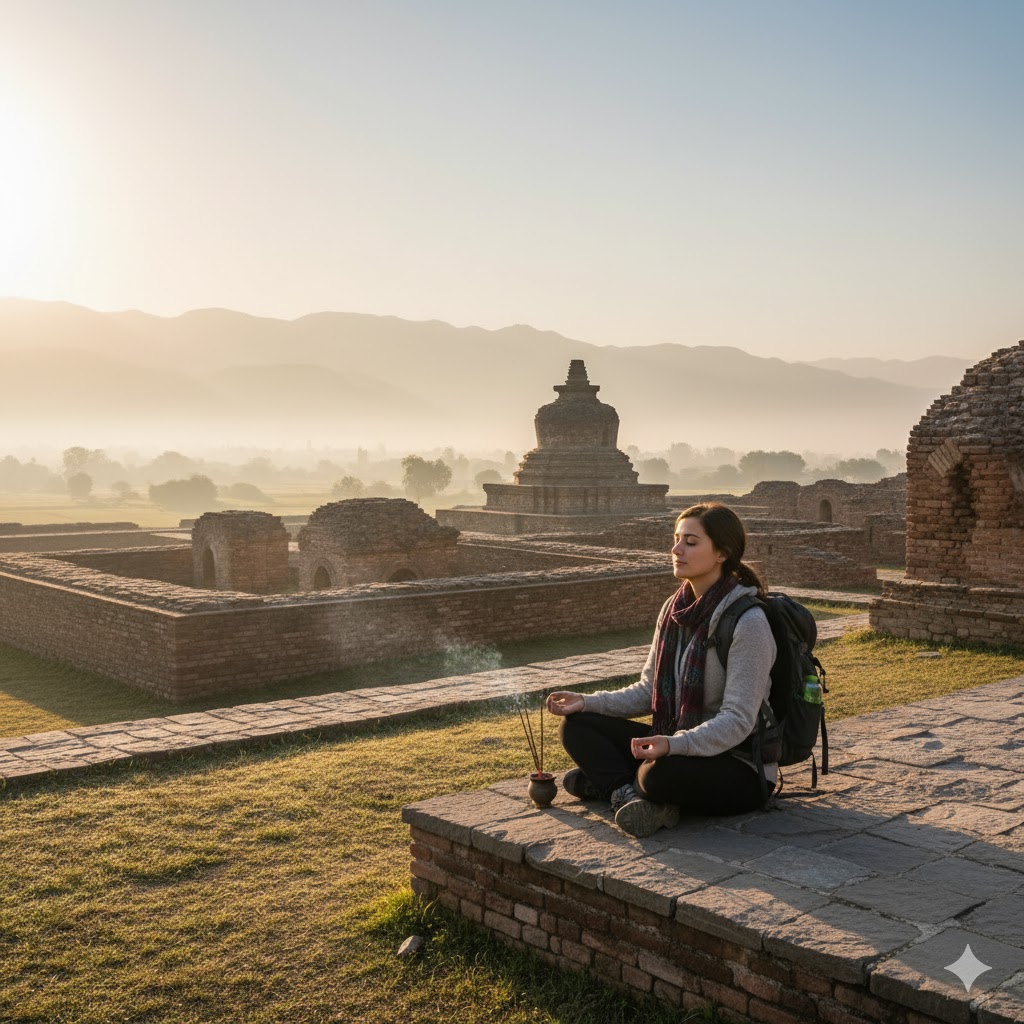
The blend of ancient architecture and natural beauty creates dreamlike frames for photographers.
From the misty stupas of Swat to the golden domes of Takht-i-Bahi, every sunrise and sunset paints a new story.
Pro Tip: Use early golden light for side-lit relief carvings; the texture highlights details lost in mid-day brightness.
🎥 2. Documentary & Research Travel
Film students and historians are increasingly visiting Pakistan for research-based travel projects.
Universities from Japan, Thailand, and Sri Lanka have launched Buddhist Heritage Exchange Programs (2026), documenting oral traditions and restoration efforts.

🛕 3. Mindful Tourism & Meditation Retreats
Several eco-lodges and cultural centers near Taxila and Swat now offer Buddhist-inspired mindfulness retreats designed for international visitors.
These retreats blend yoga, local organic food, and guided heritage walks—creating a connection between physical travel and spiritual awareness.

🧭 Local Voices: Wisdom of the Valley
“We live among these stones, but for us, they’re not ruins—they’re memories of peace.”
— Gul Rahman, Village Elder, Swat Valley
“The Gandhara monks believed enlightenment could be found in nature’s silence.
When you sit on these ancient steps, you feel that silence still speaks.”
— Dr. Yasmin Qureshi, Heritage Researcher, Islamabad

🪔 Travel Photography Tips for 2026
| Tip | Description |
|---|---|
| Best Light | Early morning or pre-sunset golden hours for warm tones |
| Equipment | Use polarizing filters for rock carvings to reduce glare |
| Ethical Photography | Avoid stepping on ruins; always ask permission in rural areas |
| Composition Advice | Frame stupas with foreground elements like trees or prayer flags |
| Storytelling Shots | Capture locals near ruins to blend human emotion with heritage |

🎟️ Traveler Facilities & Accessibility (2026 Update)
Pakistan’s Ministry of Tourism has upgraded visitor centers and signage at all major Buddhist sites.
Information boards now include QR codes for digital maps, audio tours, and 3D reconstructions of ancient monasteries.
Facilities Added in 2026:
- Electric shuttle buses between Taxila sites.
- Heritage cafes serving organic local tea.
- Accessibility ramps and guided tours for differently-abled travelers.

🧳 Packing Essentials for Buddhist Heritage Travel
| Category | Essentials |
|---|---|
| Documents | Passport, heritage site passes, travel insurance |
| Clothing | Light breathable fabrics, modest attire for religious areas |
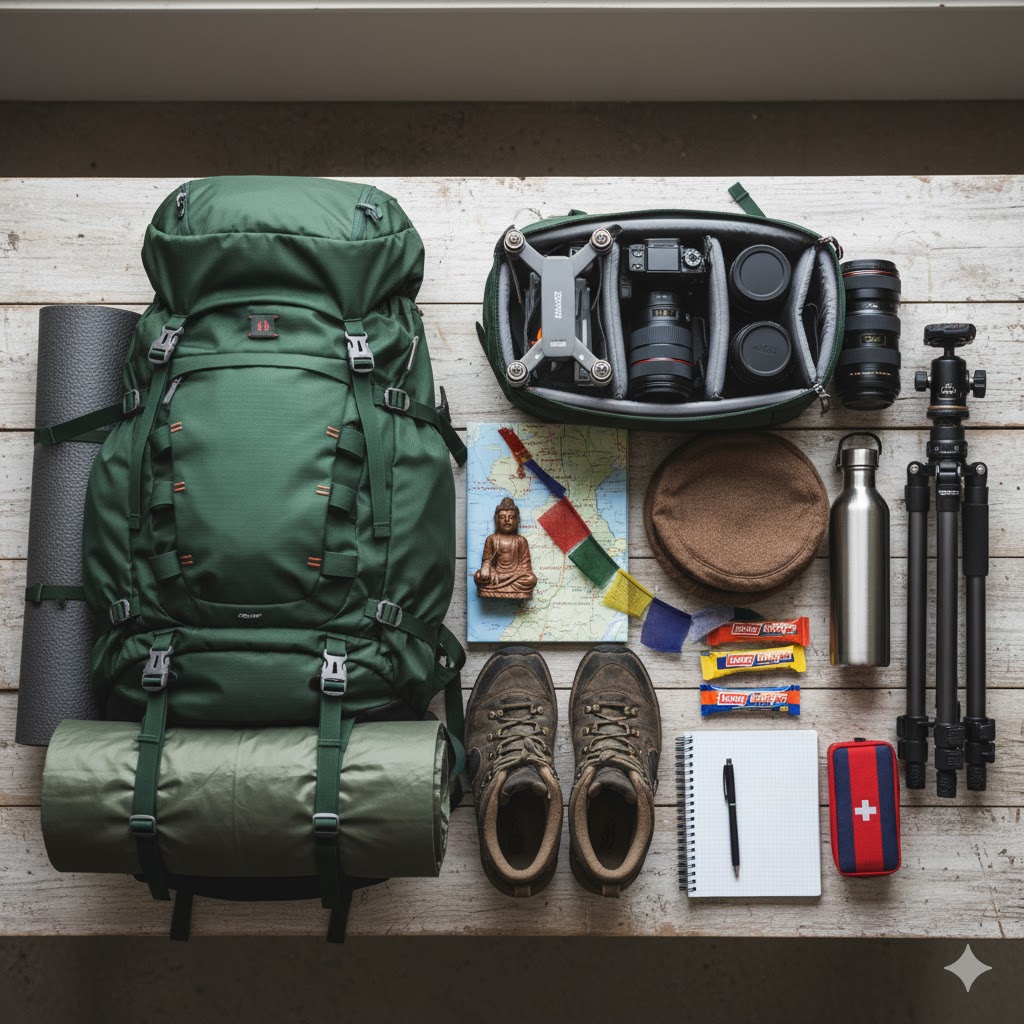
| Tech Gear | DSLR or mirrorless camera, extra batteries, tripod |
| Health & Comfort | Sunscreen, mosquito repellent, water bottle |
| Cultural Gifts | Bring small tokens like local handicrafts for villagers |
Traveler Guide: A Journey Within
By the end of this journey, travelers realize that exploring Pakistan’s Buddhist sites isn’t only about ancient ruins—
it’s about rediscovering an inner stillness that transcends time and borders.
The serenity of Gandhara lives on, not just in museums, but in the hearts of those who walk its sacred paths.
🕰️ Best Time to Visit Buddhist Sites in Pakistan
The best months to explore Pakistan’s Buddhist heritage sites are March to May and September to November (2026) — when the weather is mild, landscapes are green, and travel routes remain open.
Spring brings blooming apricot orchards across Swat and Taxila, while autumn colors the valleys in golden hues.
Regional Climate Highlights:
- Taxila & Peshawar: Moderate year-round, ideal for museum and heritage walks.
- Swat & Buner: Pleasant between April and October. Winters bring light snow at higher altitudes.
- Gilgit-Baltistan: Best from May to September due to snow-free access to rock carvings near Chilas.
Traveler Tip: Avoid the monsoon season (July–August) as heavy rains can restrict access to hilly archaeological trails.

🏨 Accommodation & Budget Tips for 2026
With the growing interest in Buddhist heritage tourism, several eco-lodges and guesthouses have upgraded in 2026 to welcome both pilgrims and adventure travelers.
| Location | Recommended Stay | Type | Average Rate (2026) |
|---|---|---|---|
| Taxila | Gandhara Heritage Lodge | Boutique heritage | PKR 10,000–12,000/night |
| Swat Valley | Uddiyana Eco Retreat | Eco-lodge | PKR 9,000–11,000/night |
| Peshawar | Heritage Inn Peshawar | Mid-range hotel | PKR 8,000–10,000/night |
| Gilgit-Chilas | Indus River Lodge | Riverside guesthouse | PKR 7,000–9,000/night |
Backpacker Tip: Budget travelers can find local homestays near Saidu Sharif and Mingora for under PKR 5,000 per night — offering home-cooked meals and cultural storytelling sessions.

💰 Estimated Travel Budget (10-Day Buddhist Heritage Tour 2026)
| Category | Approximate Cost (PKR) | Notes |
|---|---|---|
| Accommodation | 90,000 | Mid-range hotels and eco-lodges |
| Transportation | 40,000 | Intercity car rental or private guide |
| Food | 20,000 | Local organic meals and tea |
| Entry Fees & Permits | 5,000 | Museum & heritage site passes |
| Miscellaneous | 10,000 | Souvenirs, local donations, crafts |
Total Estimated Cost: PKR 165,000–180,000 (~USD 580–630) for 10 days of cultural travel.

🧭 Extended Itinerary for Buddhist Heritage Pilgrimage (2026)
| Day | Destination | Key Sites | Experience |
|---|---|---|---|
| Day 1 | Islamabad | Heritage briefing, National Museum | Intro to Gandhara civilization |
| Day 2–3 | Taxila | Dharmarajika, Sirkap, Jaulian | Guided tours & sunset meditation |
| Day 4 | Peshawar | Peshawar Museum, Gor Khatri | Ancient relics & cultural bazaar |
| Day 5–6 | Swat Valley | Butkara, Amluk-Dara, Swat Museum | Monastery hikes & photo sessions |
| Day 7 | Buner | Rani Gatt ruins | Offbeat heritage exploration |
| Day 8–9 | Gilgit–Chilas | Thalpan rock carvings | Silk Route photography |
| Day 10 | Islamabad return | Gandhara Heritage Festival (if ongoing) | Cultural performances & farewell dinner |

🧘♀️ Responsible & Mindful Tourism Tips
- Respect sacred spaces: Avoid touching relics or climbing stupas.
- Dress modestly: Shoulders and knees covered when visiting monasteries.
- Avoid littering: Keep sites pristine for future travelers.
- Support local guides: Hire trained community guides to preserve local livelihoods.
- Silence speaks: Keep noise low; these are spiritual heritage zones.

🙋♀️ Frequently Asked Questions (FAQs)
1. What are the most famous Buddhist sites in Pakistan?
Answer: The top Buddhist sites include Taxila, Takht-i-Bahi, Butkara Stupa (Swat), Rani Gatt (Buner), and Thalpan carvings (Gilgit-Baltistan) — all part of the Gandhara civilization that thrived from the 1st to 5th century CE.
2. Is it safe for international travelers to visit Buddhist heritage sites in Pakistan in 2026?
Answer: Yes. Security and infrastructure have improved significantly, especially around heritage zones. Pakistan’s Tourism Department offers guided packages under the “Gandhara Trail 2026 Initiative.”

3. Do I need special permission to visit archaeological sites?
Answer: Most Buddhist sites are open to the public. However, for photography or research inside restricted excavation zones, visitors must obtain a permit from the Department of Archaeology and Museums (DoAM).
4. What language do local guides speak?
Answer: Most guides speak Urdu and English, with some trained in Thai, Japanese, and Chinese for international Buddhist tourists.
5. Can I meditate at Buddhist monasteries?
Answer: Yes, meditation and mindfulness sessions are allowed at Taxila, Takht-i-Bahi, and Swat monasteries during visiting hours, respecting local customs.
6. Are there Buddhist festivals celebrated in Pakistan?
Answer: Yes — Buddha Purnima (May 2026) and the Gandhara Heritage Festival (October 2026) are celebrated in Taxila and Peshawar, drawing monks and visitors from around the world.
7. What should I wear when visiting these heritage sites?
Answer: Modest, light, and breathable clothing. Avoid shorts or sleeveless tops. Comfortable walking shoes are essential due to uneven terrain.
8. How can I contribute to Buddhist heritage preservation?
Answer: Visitors can support local NGOs, donate to museum conservation funds, and share awareness about heritage ethics through photography and blogs promoting cultural respect.
🌄 Final Reflection: Where Time Meets Tranquility
Standing before the ruins of Gandhara, one realizes that Pakistan’s Buddhist heritage is not just ancient history—
it’s a living dialogue between the past and the present. Each carving, each stone whispers lessons of compassion and mindfulness.
For travelers in 2026, these sacred sites offer not just a destination, but a journey inward — toward stillness and self-discovery.



Pingback: Magical Gandhara Heritage Route Pakistan 2026 Explore Top Ancient Buddhist Trails