
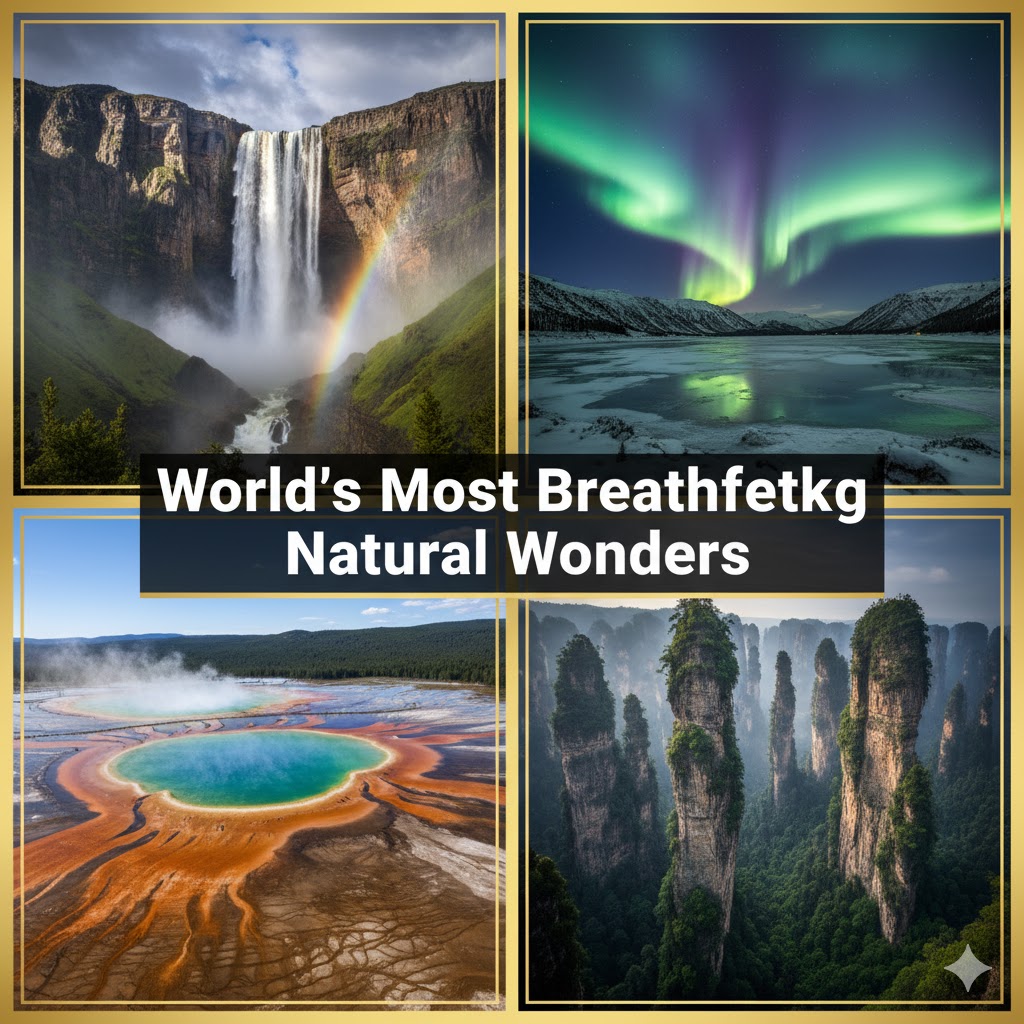

Introduction – Natural Wonders
Nature has the power to awe, inspire, and challenge us. Across the globe, there exist places where raw landscapes seem almost unreal — cascading waterfalls that plummet into jungles, volcanoes that glow at night, caves that house rivers and forests inside, and mountains rising above the clouds. These natural wonders are not just tourist attractions; they are living stories of Earth’s history, culture, and geological marvels.
In this guide, we’ll explore 50 of the most extraordinary natural landscapes, from Angel Falls in Venezuela to the Glass Skywalk at the Grand Canyon, detailing highlights, history, accessibility, hidden gems, best times to visit, tickets, and local culture. Perfect for travelers, adventurers, and photographers seeking unforgettable experiences.

1. Angel Falls, Venezuela – The World’s Highest Waterfall
Highlights:
- Height: 979 meters (3,212 ft) – the tallest uninterrupted waterfall in the world.
- Scenery: Surrounded by Canaima National Park rainforest, mist, and rivers.
- Unique Feature: Plunges directly into a gorge, creating a breathtaking visual spectacle.
History / Tradition: Named after Jimmy Angel, a US pilot who first reported it in 1933. The waterfall holds cultural significance for the indigenous Pemon people, who call it Kerepakupai Merú.
How to Reach: Accessible only via riverboat from Canaima village or small plane. Treks through rainforest add adventure to the journey.
Best Time to Visit: May to November, during the rainy season, when water flow is strongest.
Tickets / Price: Tours from Canaima start at $250–$400 per person for guided packages.
Hidden Gems / Tips:
- Sunrise visits provide the most stunning photos with mist catching morning light.
- Combine with a canoe trip along the Carrao River for a full adventure.
Local Food: Try Cachapa (sweet corn pancakes) and fresh river fish in Canaima village.

2. Crooked Forest, Poland – Nature’s Twisted Marvel
Highlights:
- Over 400 pine trees with trunks bent at 90 degrees.
- A surreal, mystical forest ideal for photographers and storytellers.
History / Tradition: Planted around the 1930s, likely for furniture-making purposes, but reasons for their curved trunks remain a mystery. Local folklore suggests fairies or magic.
How to Reach: Near Żórawki village, a short drive from Szczecin or Gryfino. Parking available at village entry.
Best Time to Visit: Spring and autumn for soft sunlight filtering through trees.
Tickets / Price: Free entry; guided tours can be booked for $15–$20.
Hidden Gems / Tips:
- Visit early morning to avoid crowds and capture the mist between twisted trunks.
- Nearby Oder River offers scenic picnic spots.
Local Food: Sample Pierogi or traditional Polish sausages in Gryfino town.

3. Narrowest Street in Prague, Czech Republic
Highlights:
- Famous Vinarna Certovka Alley, width ranges from 50–70 cm.
- Medieval charm with cobblestones, historic lanterns, and tiny cafes.
History / Tradition: Dating back to 16th century, the street was used by locals for trade and daily life. A symbol of Prague’s preserved medieval architecture.
How to Reach: Located in Old Town, Prague. Walking distance from Old Town Square; public transport via metro Staroměstská station.
Best Time to Visit: Spring or autumn, avoiding peak tourist hours.
Tickets / Price: Free entry.
Hidden Gems / Tips:
- Look for hidden tiny plaques and historic signs along the walls.
- Nearby Charles Bridge offers sunset photography.
Local Food: Taste Trdelník, a sweet pastry, sold by nearby vendors.

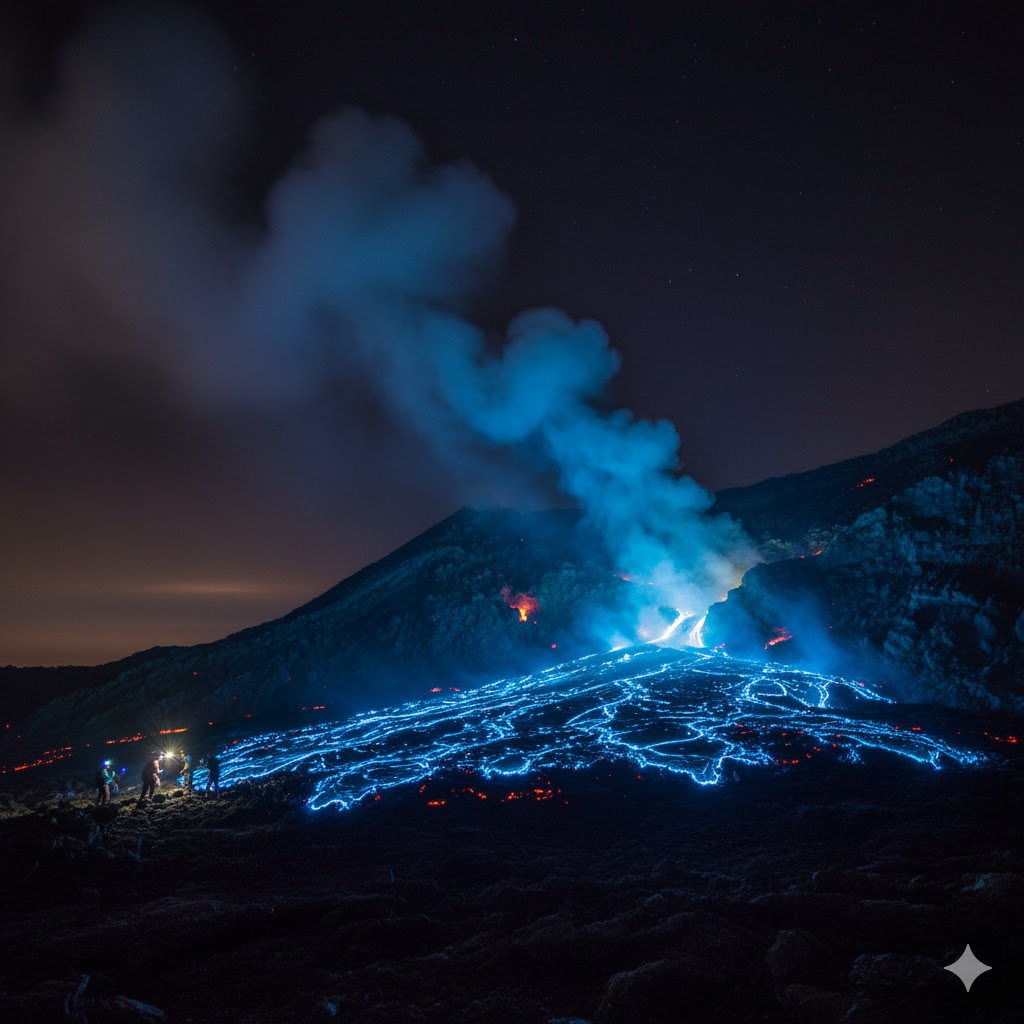
4. Blue Lava Volcano – Kawah Ijen, Indonesia
Highlights:
- Nighttime blue lava flames caused by burning sulfur gases.
- Crater lake with striking turquoise color.
History / Tradition: Active volcano mined for sulfur for decades; local miners work in extreme conditions.
How to Reach: Base city is Banyuwangi, East Java. Trek to the crater summit takes 2–3 hours.
Best Time to Visit: Dry season, April–October, for safe trekking and clear views.
Tickets / Price: Entry fee around $10; guided tours $40–$60 including transport.
Hidden Gems / Tips:
- Start hike at midnight to catch blue flames at dawn.
- Use gas masks to protect against sulfur fumes.
Local Food: Try Nasi Rawon, a spicy black beef soup in Banyuwangi town.
5. Magnetic Hill, India – Where Gravity Fails
Highlights:
- Vehicles appear to roll uphill against gravity.
- Optical illusion created by surrounding landscape.
History / Tradition: Local legend says the hill has magnetic properties; a famous roadside tourist spot.
How to Reach: Near Leh, Ladakh, accessible via road from Leh city.
Best Time to Visit: May to September, summer months when roads are open.
Tickets / Price: Free entry; minimal parking fee.
Hidden Gems / Tips:
- Visit during sunset for dramatic shadows.
- Nearby Magnetic Hill Monastery offers cultural insights.
Local Food: Try Thukpa (Himalayan noodle soup) at local cafes.

6. Pink Lake, Australia – Nature’s Cotton Candy
Highlights:
- Lake Hillier, famous for its bubblegum-pink waters caused by algae and bacteria.
- Perfect for aerial photography and surreal landscapes.
History / Tradition: Pink hue documented since 1802 by explorers. The lake is located on Middle Island, part of Recherche Archipelago.
How to Reach: Tours from Esperance by boat or seaplane; access restricted to protect ecosystem.
Best Time to Visit: All year, but summer offers calmer waters for flights and photography.
Tickets / Price: Seaplane tours approx $300–$500 per person, boat tours $150–$200.
Hidden Gems / Tips:
- Fly over for the best color perspective.
- Nearby Eyre Bird Sanctuary offers wildlife spotting.
Local Food: Fresh seafood from Esperance, including prawns and barramundi.
Learn more about Discover Pakistan Mountain Festivals (2026) Majestic Heights for detailed trekking routes and local tips.

7. Son Doong Cave, Vietnam – The World’s Largest Cave
Highlights:
- Largest cave in the world, with a river and jungle inside.
- Stalagmites up to 70 meters tall, underground clouds, and unique ecosystem.
History / Tradition: Discovered in 1991, open for limited tours to preserve ecosystem. The Phong Nha-Ke Bang National Park protects local ethnic groups’ heritage.
How to Reach: Access via Phong Nha village, 50-minute drive to cave entrance. Multi-day trekking required inside the cave.
Best Time to Visit: February–August, dry season.
Tickets / Price: Guided tours cost $3,000+ per person (limited to preserve cave).
Hidden Gems / Tips:
- Only small groups allowed; book months in advance.
- Take headlamps and waterproof gear for underground rivers.
Local Food: Try rice wine and local Mekong dishes in Phong Nha village.

8. Glass Skywalk, Grand Canyon, USA – Walk Above the Edge
Highlights:
- Horseshoe-shaped glass bridge extends 21 meters over Grand Canyon edge.
- Thrilling panoramic views of the canyon floor, 1,200 meters below.
History / Tradition: Opened in 2007; a modern engineering marvel at Grand Canyon West.
How to Reach: Drive or shuttle from Las Vegas or Grand Canyon West parking area.
Best Time to Visit: March–October, avoid winter snow.
Tickets / Price: Entry: approx $25, Skywalk access $35–$40.
Hidden Gems / Tips:
- Visit early morning to avoid crowds.
- Combine with Helicopter tours for full canyon experience.
Local Food: Enjoy Native American-inspired dishes at Skywalk café.

9. Mount Roraima, Venezuela/Brazil/Guyana – Tabletop Mountain
Highlights:
- Flat-top mountain, 2,810 meters, often shrouded in clouds.
- Unique ecosystem with endemic species and surreal rock formations.
History / Tradition: Known to the Pemon people as “Mawari”, a sacred site. Inspiration for Up movie.
How to Reach: Base at Santa Elena de Uairén, Venezuela; multi-day trek required.
Best Time to Visit: December–April, dry season for easier trekking.
Tickets / Price: Trek packages approx $400–$600, including guides and camping.
Hidden Gems / Tips:
- Hike 4–6 days for summit and full plateau exploration.
- Spot rare carnivorous plants unique to Roraima.
Local Food: Simple trekking meals; local cassava bread along villages.

10. Pamukkale, Turkey – Terraces of Natural Wonder
Highlights:
- White travertine terraces created by mineral-rich hot springs.
- Visitors can walk barefoot across terraces and bathe in thermal pools.
History / Tradition: Used as a spa since Roman times; nearby Hierapolis ruins showcase ancient thermal culture.
How to Reach: 20 km from Denizli city, accessible by bus or taxi.
Best Time to Visit: April–October; avoid peak midday for photos.
Tickets / Price: Entry $10–$15, terraces and pool access included.
Hidden Gems / Tips:
- Explore Hierapolis ancient city alongside terraces.
- Sunset gives perfect photo lighting with terraces reflecting pinkish glow.
Local Food: Try gözleme (Turkish stuffed pancakes) in nearby cafes.

11. Iguazu Falls, Argentina/Brazil – The Majestic Water Giant
Highlights:
- One of the largest waterfall systems in the world with 275 separate falls.
- Famous “Devil’s Throat” section where water plunges 82 meters into a gorge.
History / Tradition: Indigenous Guarani people named it “Iguazu,” meaning big water. Falls are central to local myths about gods and spirits.
How to Reach: Accessible via Puerto Iguazú (Argentina) or Foz do Iguaçu (Brazil) airports; shuttle buses take visitors to the falls.
Best Time to Visit: March–May (less rain, lower crowds) or September–November.
Tickets / Price: Argentina side approx $25, Brazil side approx $20.
Hidden Gems / Tips:
- Walk the Macuco Trail for secluded views.
- Take a boat ride under the falls for thrilling experience.
Local Food: Try Choripán (Argentine sausage sandwich) near park entrances.

12. Mount Everest Base Camp, Nepal – The Roof of the World
Highlights:
- Trek to 5,364 meters with views of world’s highest peak, Mount Everest.
- Spectacular Himalayan landscapes and Sherpa villages along the route.
History / Tradition: Sacred to local Sherpa and Tibetan communities; Khumbu region has centuries of mountaineering culture.
How to Reach: Fly to Lukla airport, then multi-day trek via Namche Bazaar and Tengboche Monastery.
Best Time to Visit: Pre-monsoon (March–May) and post-monsoon (September–November).
Tickets / Price: Trekking permits approx $30–$40, plus guide fees $500–$700.
Hidden Gems / Tips:
- Visit Tengboche Monastery for cultural experience.
- Acclimatize properly to avoid altitude sickness.
Local Food: Sample dal bhat (rice with lentil soup) and momo (dumplings).

13. Northern Lights, Iceland – Nature’s Spectacular Light Show
Highlights:
- Aurora Borealis painting the night sky with green, purple, and pink hues.
- Best viewed from rural areas away from city lights.
History / Tradition: Icelanders associate the auroras with folklore, including spirits and animal shapes in the sky.
How to Reach: Best viewed from Reykjavik outskirts; tours depart from city to rural locations.
Best Time to Visit: September–April, when nights are longest.
Tickets / Price: Free to view; guided aurora tours $50–$150.
Hidden Gems / Tips:
- Check aurora forecast apps for peak visibility.
- Combine with hot spring visits for unique experience.

Local Food: Warm up with skyr (Icelandic yogurt) or lamb stew.
14. Grand Prismatic Spring, USA – Rainbow Thermal Pools
Highlights:
- Largest hot spring in Yellowstone, known for vivid colors caused by thermophilic bacteria.
- Colors range from deep blue in the center to orange and red on edges.
History / Tradition: Discovered by early explorers in 1870s; geothermal activity used in Native American healing traditions.
How to Reach: Accessible via Yellowstone National Park, Wyoming; short hike from parking lot.
Best Time to Visit: May–September, summer months for clear access.
Tickets / Price: Park entry approx $35 per vehicle.
Hidden Gems / Tips:
- Walk the boardwalk trails to safely view the spring.
- Early morning for minimal crowds and misty photographs.
Local Food: Picnic with Wyoming beef jerky or snacks at park cafes.

15. Victoria Falls, Zambia/Zimbabwe – Smoke That Thunders
Highlights:
- Height: 108 meters; width: 1,708 meters, creating largest sheet of falling water in the world.
- Known locally as Mosi-oa-Tunya, meaning “The Smoke That Thunders.”
History / Tradition: Sacred to local Lozi people, visited for centuries.
How to Reach: Flights to Livingstone (Zambia) or Victoria Falls town (Zimbabwe); short drives to park entrances.
Best Time to Visit: February–May, high water season for maximum flow.
Tickets / Price: Approx $30–$35 per person.
Hidden Gems / Tips:
- Take a helicopter flight for panoramic views.
- Visit Livingstone Island for sunrise and Devil’s Pool access.
Local Food: Try nsima (corn porridge) with grilled fish at local eateries.

16. Yosemite Valley, USA – Iconic Granite Cliffs and Waterfalls
Highlights:
- Famous for El Capitan and Half Dome, towering granite cliffs.
- Home to Yosemite Falls, one of North America’s tallest waterfalls.
History / Tradition: Sacred to the Ahwahneechee people, long inhabited the valley. Preserved as Yosemite National Park since 1890.
How to Reach: Via Fresno, Merced, or San Francisco; car or shuttle to park entrance.
Best Time to Visit: April–June for waterfalls; September–October for fall foliage.
Tickets / Price: Entry $35 per vehicle for 7 days.
Hidden Gems / Tips:
- Hike Mist Trail to Vernal Fall for immersive experience.
- Sunset at Glacier Point offers panoramic photography.
Local Food: Grab local apple pie and coffee at park lodges.

17. Mount Kilimanjaro, Tanzania – Africa’s Roof
Highlights:
- Tallest peak in Africa at 5,895 meters, iconic snow-capped summit.
- Diverse ecosystems: rainforest, moorlands, alpine desert, glaciers.
History / Tradition: Sacred to the Chagga people; climbing Kilimanjaro is both adventure and cultural journey.
How to Reach: Fly to Kilimanjaro International Airport, then drive to Moshi or Marangu gate.
Best Time to Visit: January–March and June–October, dry seasons for trekking.
Tickets / Price: Park fees approx $800–$1,500 per person, includes guide, porter, and permits.
Hidden Gems / Tips:
- Use Machame route for scenic views.
- Overnight camping under stars is unforgettable.
Local Food: Taste ugali, nyama choma (grilled meat), and tropical fruits in Moshi town.

18. Blue Lagoon, Iceland – Geothermal Paradise
Highlights:
- Warm, mineral-rich turquoise waters surrounded by lava fields.
- Famous for spa and wellness experience, rich in silica and algae.
History / Tradition: Opened in 1976, developed as geothermal spa. Locals believe minerals promote healing.
How to Reach: 50-minute drive from Reykjavik airport; shuttles available.
Best Time to Visit: All year, best during winter for hot water against snow.
Tickets / Price: Entry $70–$120 depending on package.
Hidden Gems / Tips:
- Pre-book entry online to secure preferred time.
- Explore nearby Reykjanes Peninsula for rugged landscapes.
Local Food: Enjoy Icelandic lamb soup and seafood at on-site restaurant.

19. Ha Long Bay, Vietnam – Limestone Karsts and Emerald Waters
Highlights:
- Over 1,600 limestone islands rising from emerald waters, UNESCO World Heritage Site.
- Caves, grottoes, and floating fishing villages add to scenic beauty.
History / Tradition: Linked to Vietnamese legends of dragons creating the islands. Fishing and pearl farming remain local traditions.
How to Reach: 4-hour drive from Hanoi; cruise ships depart from Ha Long City.
Best Time to Visit: October–April, dry season with calm waters.
Tickets / Price: Cruises $50–$300 depending on duration and luxury.
Hidden Gems / Tips:
- Overnight cruise allows sunrise over limestone pillars.
- Explore Ti Top Island for panoramic views.
Local Food: Try fresh seafood, including crab and squid, caught daily by locals.

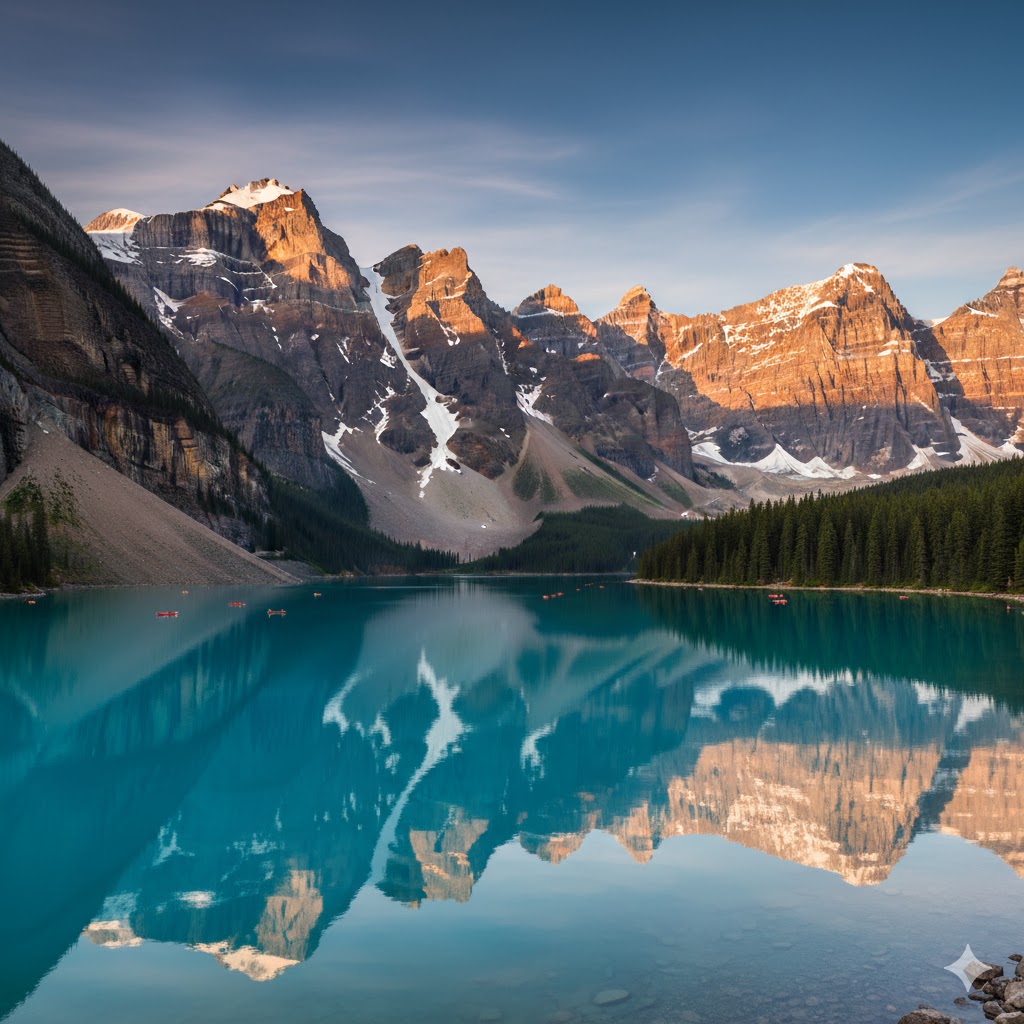
20. Banff National Park, Canada – Alpine Beauty
Highlights:
- Rocky Mountains, turquoise lakes (Lake Louise, Moraine Lake), glaciers, and wildlife.
- Ideal for hiking, canoeing, and winter sports.
History / Tradition: Protected since 1885, home to indigenous Stoney Nakoda and Ktunaxa peoples.
How to Reach: Fly to Calgary, then 1.5-hour drive to park.
Best Time to Visit: June–September for summer hiking; December–March for skiing.
Tickets / Price: Park entry approx $10/day per person.
Hidden Gems / Tips:
- Hike Plain of Six Glaciers for iconic views.
- Canoe on Emerald Lake early morning for reflection photography.
Local Food: Try poutine or Canadian maple treats in Banff town.
21. Torres del Paine National Park, Chile – Patagonian Marvel
Highlights:
- Famous for towering granite peaks, glaciers, and turquoise lakes.
- Trekking routes like W Trek and O Circuit are world-renowned.
History / Tradition: Established in 1959, protected by Chilean government. Home to native Tehuelche people historically.
How to Reach: Fly to Punta Arenas or Puerto Natales, then bus to park entrance.
Best Time to Visit: October–April, spring to fall for hiking weather.
Tickets / Price: Entry approx $35–$40, camping fees additional.
Hidden Gems / Tips:
- Sunrise at Mirador Las Torres is breathtaking.
- Spot guanacos and Andean condors on lesser-known trails.
Local Food: Enjoy Patagonian lamb and fresh trout at local lodges.

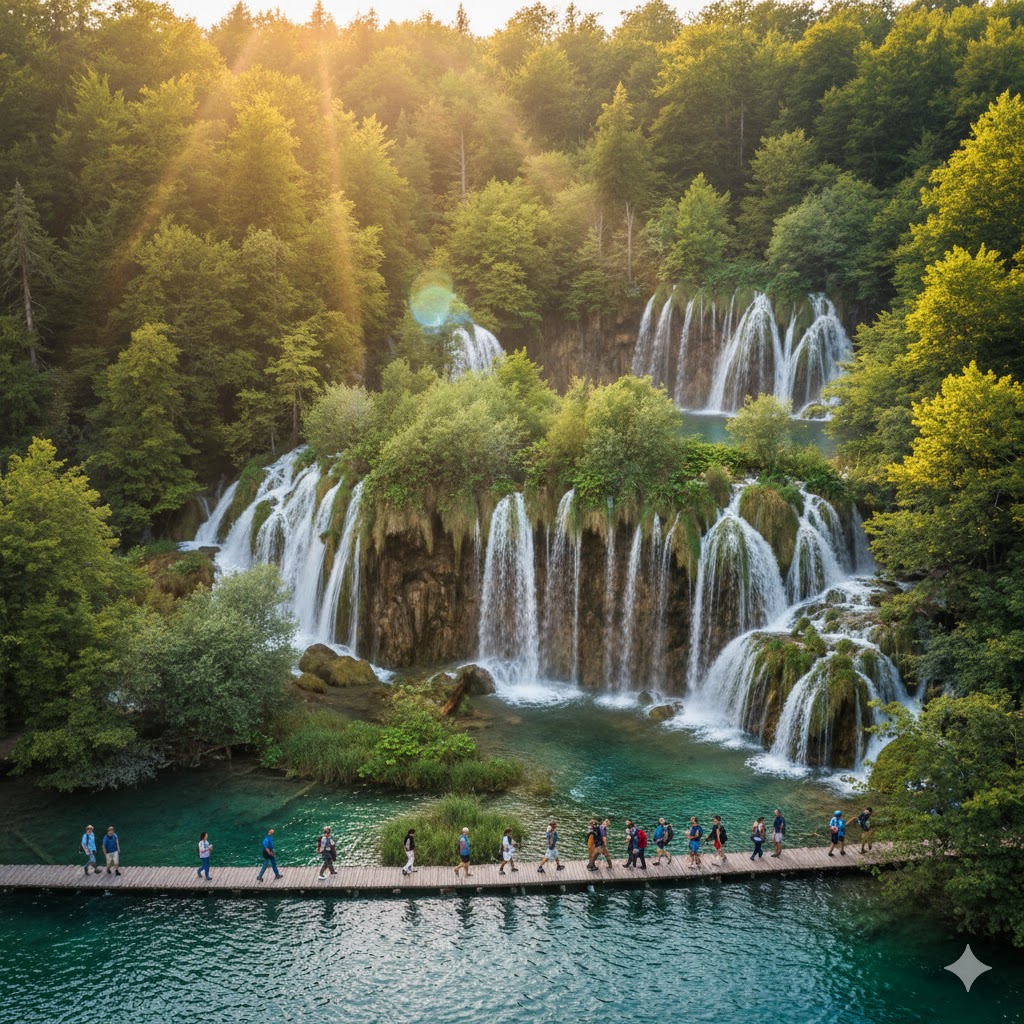
22. Plitvice Lakes National Park, Croatia – Cascading Water Paradise
Highlights:
- 16 terraced lakes connected by waterfalls, surrounded by lush forests.
- Wooden pathways allow close-up interaction with nature.
History / Tradition: UNESCO World Heritage Site since 1979; home to native wildlife like brown bears and wolves.
How to Reach: Drive from Zagreb (2–3 hours) or Zadar; shuttle buses available.
Best Time to Visit: April–June or September–October to avoid crowds.
Tickets / Price: Entry approx $25–$40 depending on season.
Hidden Gems / Tips:
- Explore Prošćansko Lake for a quiet experience away from main trails.
- Photography: early morning captures mist over waterfalls.
Local Food: Try štrukli, a local cheese pastry specialty.
23. Zhangjiajie National Forest Park, China – Avatar Mountains
Highlights:
- Quartz-sandstone pillars that inspired Avatar’s Hallelujah Mountains.
- Unique landscapes perfect for hiking, photography, and cable car rides.
History / Tradition: Inhabited by Tujia people; area holds spiritual significance.
How to Reach: Fly to Zhangjiajie Hehua Airport, then shuttle to park.
Best Time to Visit: April–October, mild weather and clear views.
Tickets / Price: Entry approx $30, cable car additional $20–$30.
Hidden Gems / Tips:
- Walk Golden Whip Stream trail for solitude and wildlife spotting.
- Visit Tianmen Mountain for glass skywalk adventure.
Local Food: Sample Tujia-style spicy noodles and local river fish.

24. The Wave, Arizona, USA – Surreal Rock Formations
Highlights:
- Famous for wave-like sandstone formations with vibrant stripes.
- Iconic spot for photographers and hikers.
History / Tradition: Formed over 190 million years, protected to prevent erosion.
How to Reach: Hike from Wire Pass trailhead in Paria Canyon; permit required.
Best Time to Visit: March–May or September–November for mild temperatures.
Tickets / Price: Daily permits $9 per person, lottery system online.
Hidden Gems / Tips:
- Permits are limited; apply months in advance.
- Sunrise provides soft light enhancing rock colors.
Local Food: Nearby Kanab town offers classic American diners and burgers.

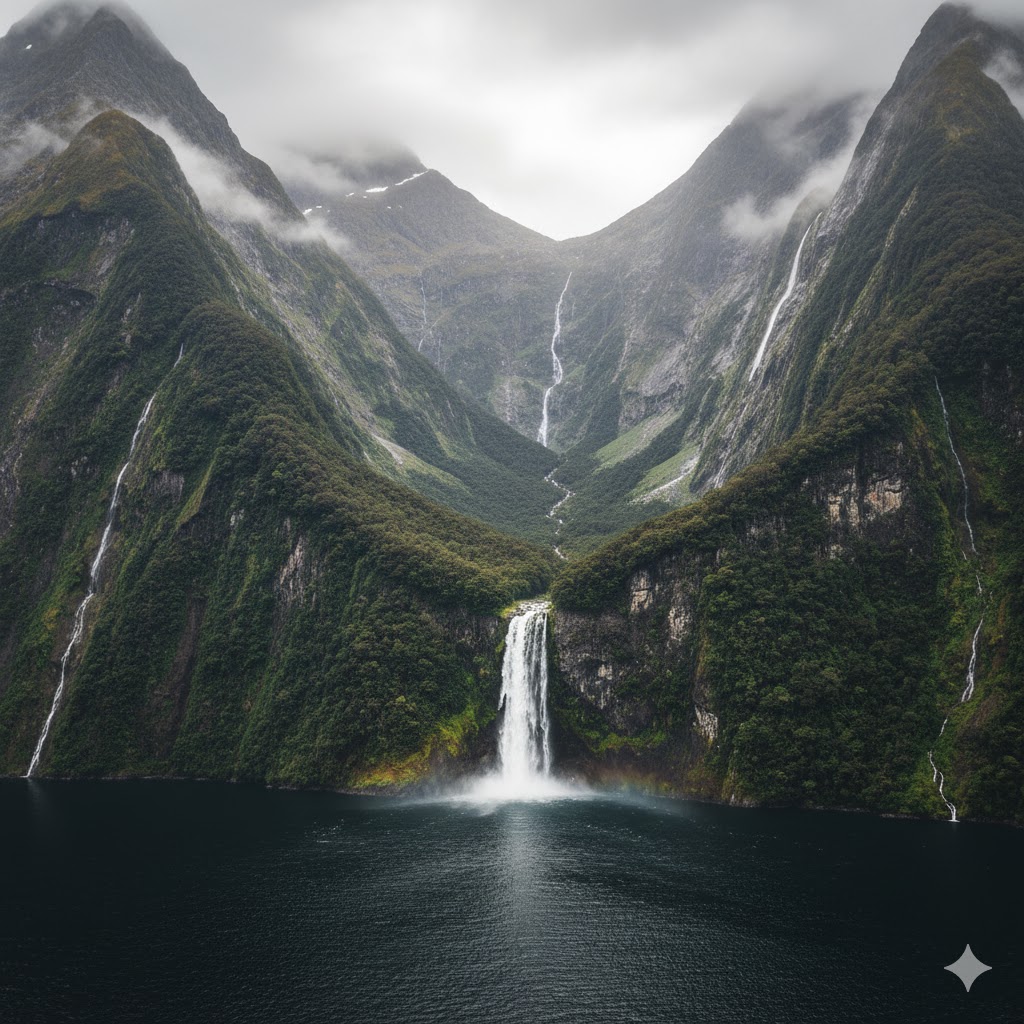
25. Fiordland National Park, New Zealand – Glacial Beauty
Highlights:
- Home to Milford Sound and Doubtful Sound, dramatic fjords, waterfalls, and rainforests.
- Ideal for kayaking, cruises, and hiking.
History / Tradition: Inhabited by Māori people, who have legends about the fjords’ creation.
How to Reach: Fly to Queenstown or Te Anau, then drive or bus to fjords.
Best Time to Visit: November–March, summer months for calm waters and good weather.
Tickets / Price: Cruises approx $70–$150 per person.
Hidden Gems / Tips:
- Hike Routeburn Track for secluded vistas.
- Visit Mitre Peak viewpoint early morning for iconic photos.
Local Food: Try green-lipped mussels and lamb dishes in Te Anau town.
26. Yellowstone National Park, USA – Geysers and Wildlife
Highlights:
- World’s first national park, famous for Old Faithful geyser, hot springs, and wildlife.
- Home to bison, elk, bears, and wolves.
History / Tradition: Established 1872, protected as a natural heritage site. Native Shoshone and Crow tribes have historic ties.
How to Reach: Fly to Bozeman, MT or Jackson, WY, then drive to park entrances.
Best Time to Visit: April–October, avoid harsh winter unless snow adventures are desired.
Tickets / Price: Entry approx $35 per vehicle for 7 days.
Hidden Gems / Tips:

- Explore Grand Prismatic Spring early morning to avoid crowds.
- Spot wildlife in Lamar Valley during dawn or dusk.
Local Food: Enjoy Wyoming bison burgers and local trout dishes.
27. Giant’s Causeway, Northern Ireland – Hexagonal Wonders
Highlights:
- 40,000 interlocking basalt columns formed by ancient volcanic eruption.
- Unique geological wonder and natural marvel.
History / Tradition: Linked to legend of Fionn mac Cumhaill (Finn McCool), giant who built the causeway.
How to Reach: 2-hour drive from Belfast; shuttle buses from town center.
Best Time to Visit: April–September, mild weather and longer daylight.
Tickets / Price: Visitor center entry approx $12 per person.
Hidden Gems / Tips:

- Walk along Coastal Trail for cliffside views.
- Visit nearby Bushmills Distillery for whiskey tasting.
Local Food: Try Ulster fry (traditional breakfast) in coastal towns.
28. Mount Fuji, Japan – Sacred Peak of Beauty
Highlights:
- Iconic 3,776 meters, snow-capped volcanic peak.
- Surrounded by lakes, forests, and shrines, making it both scenic and spiritual.
History / Tradition: Sacred to Shinto and Buddhist communities; subject of art, poetry, and pilgrimage for centuries.
How to Reach: Accessible from Tokyo via train to Kawaguchiko or Fujinomiya.
Best Time to Visit: July–September, official climbing season.
Tickets / Price: Free to hike; parking and transport fees vary $10–$20.
Hidden Gems / Tips:
- Hike early morning for sunrise at summit.
- Explore Fujisan Sengen Shrine at base for cultural experience.
Local Food: Try Hōtō noodles and regional Fuji peaches.

29. Lake Baikal, Russia – Deepest Freshwater Lake
Highlights:
- World’s deepest and oldest freshwater lake, crystal clear waters, and unique wildlife like Baikal seals.
- Frozen in winter, offering ice caves and skating opportunities.
History / Tradition: Sacred to local Buryat people; legends of spirits and guardian animals.
How to Reach: Fly to Irkutsk, then 6–8 hour drive to lake; train options available.
Best Time to Visit: June–September for boating and trekking; January–March for frozen lake adventures.
Tickets / Price: Free access to lake shores; guided tours $50–$150.
Hidden Gems / Tips:
- Explore Olkhon Island for traditional villages and pristine nature.
- Visit Shaman Rock for spiritual significance and photography.
Local Food: Sample fresh omul fish smoked or grilled.

30. Arenal Volcano, Costa Rica – Active Adventure
Highlights:
- Active volcano with frequent lava activity, surrounded by rainforests and hot springs.
- Hiking trails and canopy tours provide panoramic views.
History / Tradition: Eruption in 1968 reshaped local villages; sacred to indigenous Huetar people.
How to Reach: Fly to San José, then 3-hour drive to La Fortuna town.
Best Time to Visit: December–April, dry season for trekking.
Tickets / Price: National park entry approx $15–$20.
Hidden Gems / Tips:
- Evening hot spring visit with volcano backdrop is unforgettable.
- Explore La Fortuna Waterfall nearby for a refreshing dip.
Local Food: Enjoy gallo pinto (rice and beans) and tropical fruits like pineapple and papaya.

31. Mount Etna, Italy – Europe’s Tallest Active Volcano
Highlights:
- Active volcano at 3,329 meters, frequent eruptions and lava flows.
- Offers hiking, cable cars, and lava cave exploration.
History / Tradition: Known since Greek mythology, sacred to Hephaestus; local wine and olive cultivation on volcanic soil.
How to Reach: Fly to Catania Airport, then drive or join guided tours.
Best Time to Visit: March–October, avoid heavy winter snow.
Tickets / Price: Free access; guided tours $40–$100.
Hidden Gems / Tips:
- Sunset tours with lava glow are breathtaking.
- Try wine tasting in Etna foothill vineyards.
Local Food: Sicilian pizza, pasta with fresh ingredients, local honey.

32. Table Mountain, South Africa – Iconic Flat-Topped Peak
Highlights:
- Flat-topped mountain overlooking Cape Town, biodiversity hotspot.
- Cable car access and hiking trails for all levels.
History / Tradition: Sacred to Khoikhoi people; part of Cape Floristic Region UNESCO heritage.
How to Reach: Drive or cable car from Cape Town city center.
Best Time to Visit: October–April, clear skies for panoramic views.
Tickets / Price: Cable car approx $20–$25 round trip.
Hidden Gems / Tips:
- Sunset hikes offer golden hour photography.
- Explore Skeleton Gorge trail for rainforest-like vegetation.
Local Food: Cape Malay curry and local seafood in Cape Town.

33. Jeita Grotto, Lebanon – Underground Limestone Marvel
Highlights:
- Two connected limestone caves with stalactites, stalagmites, and underground river.
- One of the most beautiful cave systems in the world.
History / Tradition: Natural wonder discovered in 1836, sacred and popular for national pride.
How to Reach: 20 km from Beirut, easily accessible by car or taxi.
Best Time to Visit: March–November, dry season.
Tickets / Price: Entry approx $12 per person.
Hidden Gems / Tips:
- Take boat ride in lower grotto for unique perspective.
- Visit early to avoid crowds and capture photos with lighting effects.
Local Food: Lebanese mezze, fresh pita, and hummus in nearby villages.

34. Salar de Uyuni, Bolivia – The Mirror of the Sky
Highlights:
- World’s largest salt flat, creating perfect mirror reflections during rainy season.
- Ideal for surreal photography and star-gazing.
History / Tradition: Ancient lake dried 10,000 years ago; local Quechua communities harvest salt.
How to Reach: Fly to Uyuni town, 30-minute drive to salt flats; tours recommended.
Best Time to Visit: December–March for mirror effect; June–November for dry salt flats.
Tickets / Price: Guided tours $50–$150 depending on duration.
Hidden Gems / Tips:
- Visit Incahuasi Island with giant cacti for photos.
- Sunrise and sunset provide magical reflections.
Local Food: Quinoa dishes and llama meat specialties.

35. Bryce Canyon National Park, USA – Hoodoo Wonderland
Highlights:
- Known for unique rock formations called hoodoos in vibrant red and orange.
- Scenic drives and hiking trails provide endless viewpoints.
History / Tradition: Sacred to Native American Paiute tribes, legends describe hoodoos as petrified people.
How to Reach: Fly to Las Vegas or Salt Lake City, then 4–5 hour drive to park.
Best Time to Visit: May–September for warm weather; avoid winter snow.
Tickets / Price: Entry approx $35 per vehicle for 7 days.
Hidden Gems / Tips:
- Hike Navajo Loop early morning for sunrise lighting.
- Stargazing is incredible due to low light pollution.
Local Food: Local diners offer Western-style breakfasts and hearty sandwiches.

36. Glacier National Park, USA – Ice-Capped Wilderness
Highlights:
- Known for glaciers, alpine meadows, and pristine lakes.
- Scenic drives, such as Going-to-the-Sun Road, and hiking trails for all levels.
History / Tradition: Inhabited by Blackfeet Nation; park established in 1910 to protect natural heritage.
How to Reach: Fly to Kalispell or Glacier Park International Airport, then drive to park.
Best Time to Visit: June–September, summer months for open roads and accessible trails.
Tickets / Price: Entry approx $35 per vehicle for 7 days.
Hidden Gems / Tips:
- Hike Hidden Lake Overlook for spectacular scenery.
- Wildlife spotting: bighorn sheep and grizzly bears.
Local Food: Local Montana beef dishes and huckleberry desserts.

37. Mount Apo, Philippines – Highest Peak in the Archipelago
Highlights:
- Tallest mountain in the Philippines at 2,954 meters, volcanic peak.
- Diverse ecosystems from tropical rainforest to mossy summit.
History / Tradition: Sacred to Bagobo and Manobo indigenous tribes, rich in folklore and rituals.
How to Reach: Fly to Davao City, then 5–6 hour trek via trailheads.
Best Time to Visit: December–May, dry season for safer trekking.
Tickets / Price: Permits approx $30–$50; guided treks recommended.
Hidden Gems / Tips:
- Trek early morning for sunrise at summit.
- Spot endemic species like Philippine eagles along trails.
Local Food: Try durian and local banana delicacies in Davao.

38. Torres del Paine Grey Glacier, Chile – Icy Majesty
Highlights:
- Part of Grey Glacier, largest in Southern Patagonian Ice Field.
- Icebergs floating in Grey Lake, stunning turquoise contrast.
History / Tradition: Glacier formation over thousands of years; protected in Torres del Paine National Park.
How to Reach: Fly to Puerto Natales, then multi-hour boat tour or trekking.
Best Time to Visit: October–March, summer months with safer navigation.
Tickets / Price: Guided tours approx $80–$150, park entry $35–$40.
Hidden Gems / Tips:
- Multi-day trek along Grey Glacier trail for close-up views.
- Capture sunset reflections on lake surface.
Local Food: Sample Patagonian trout at local lodges.

39. Monteverde Cloud Forest, Costa Rica – Misty Rainforest
Highlights:
- Lush cloud forest, biodiversity hotspot with orchids, monkeys, and quetzals.
- Suspension bridges provide treetop views.
History / Tradition: Settled by Quakers in 1950s, preserving forest ecosystem.
How to Reach: Fly to San José, then 3–4 hour drive to Monteverde.
Best Time to Visit: December–April, dry season for easier trails.
Tickets / Price: Entry approx $25–$30, guided canopy tours extra.
Hidden Gems / Tips:
- Night tours reveal unique nocturnal species.
- Explore Butterfly Gardens and Orchid Gardens nearby.
Local Food: Enjoy casado (traditional Costa Rican meal) and fresh coffee.

40. Pamir Mountains, Tajikistan – Roof of the World
Highlights:
- High-altitude ranges with peaks above 7,000 meters, glaciers, and alpine lakes.
- Trekking and cultural immersion with remote villages.
History / Tradition: Crossroads of Silk Road, home to Pamiri people and unique traditions.
How to Reach: Fly to Dushanbe, then overland by car or local guides.
Best Time to Visit: June–September, summer months for safer travel.
Tickets / Price: Park access usually free; guided tours $200–$500 depending on itinerary.
Hidden Gems / Tips:
- Visit Karakul Lake for reflections of Muztagh peaks.
- Experience local yurt stays for authentic cultural immersion.
Local Food: Try kurut (dried yogurt balls) and local lamb dishes.

41. Mount Rainier, USA – Majestic Volcanic Peak
Highlights:
- 4,392 meters, glacier-covered volcano, iconic skyline in Washington State.
- Offers hiking, climbing, and wildflower meadows in summer.
History / Tradition: Sacred to Native American tribes; national park established 1899.
How to Reach: Drive from Seattle (approx 2–3 hours).
Best Time to Visit: July–September for trails and wildflowers.
Tickets / Price: Park entry approx $30 per vehicle for 7 days.
Hidden Gems / Tips:
- Hike Skyline Trail for panoramic views of glaciers and valleys.
- Winter snowshoeing provides a unique experience.

Local Food: Pacific Northwest seafood and locally grown berries.
42. Jeju Island Lava Tubes, South Korea – Subterranean Marvels
Highlights:
- Series of lava tubes, including Manjanggul Cave, UNESCO World Heritage Site.
- Stalactites, lava stalagmites, and volcanic formations underground.
History / Tradition: Formed over 300,000 years ago, connected to island’s volcanic heritage.
How to Reach: Fly to Jeju International Airport, then drive to caves.
Best Time to Visit: All year, caves maintain stable temperature.
Tickets / Price: Entry approx $2–$5 per cave.
Hidden Gems / Tips:
- Explore biodiversity inside the cave, including rare bats.
- Combine with Seongsan Ilchulbong sunrise trek.
Local Food: Jeju black pork barbecue and fresh seafood.

43. Mount Kinabalu, Malaysia – Borneo’s Highest Peak
Highlights:
- 4,095 meters, biodiverse mountain with unique flora and fauna.
- Popular for climbing and trekking adventures.
History / Tradition: Sacred to Kadazan-Dusun people, UNESCO-listed biodiversity hotspot.
How to Reach: Fly to Kota Kinabalu, then 2-hour drive to Kinabalu Park.
Best Time to Visit: March–September, dry season for safe trekking.
Tickets / Price: Climbing permits $35–$50, guides required.
Hidden Gems / Tips:
- Start pre-dawn for summit sunrise.
- Explore Botanical Gardens and hot springs at park base.
Local Food: Sample sago desserts and local seafood in Kota Kinabalu.

44. Wulingyuan Scenic Area, China – Pillars of Stone
Highlights:
- Over 3,000 sandstone pillars, caves, ravines, and streams.
- Inspiration for landscapes in Avatar movie.
History / Tradition: Home to Tujia and Bai ethnic groups, ancient temples and folk heritage preserved.
How to Reach: Fly to Zhangjiajie Hehua Airport, then shuttle buses to scenic area.
Best Time to Visit: April–October, mild and clear weather.
Tickets / Price: Entry approx $35, cable cars extra $20–$30.
Hidden Gems / Tips:
- Visit Huangshi Village for panoramic sunrise views.
- Less crowded Yuanjiajie Scenic Spot offers solitude and photography.
Local Food: Try stir-fried river fish and local tofu dishes.

45. Mount Elbrus, Russia – Europe’s Highest Peak
Highlights:
- 5,642 meters, dormant volcano, highest in Europe.
- Glaciers, alpine terrain, and mountaineering opportunities.
History / Tradition: Part of Caucasus folklore, visited by adventurers since 19th century.
How to Reach: Fly to Mineralnye Vody, then drive to base villages; cable car and trekking routes available.
Best Time to Visit: June–September, summer climbing season.
Tickets / Price: Entry and cable car approx $50–$100; guided climbs extra.
Hidden Gems / Tips:
- Summit climb recommended with guides due to altitude.
- Explore surrounding Caucasus villages for culture and cuisine.
Local Food: Try shashlik (grilled meat) and traditional dumplings.

46. Mount Vinson, Antarctica – The Frozen Giant
Highlights:
- Highest peak in Antarctica at 4,892 meters, remote and extreme environment.
- Spectacular icy landscapes and challenging expedition trekking.
History / Tradition: Discovered in 1958, named after Carl Vinson, US politician; extreme mountaineering site.
How to Reach: Expedition from Union Glacier Camp, requiring chartered flights and guided climbs.
Best Time to Visit: November–January, Antarctic summer with relatively milder temperatures.
Tickets / Price: Expeditions $35,000+ per person, includes logistics and guides.
Hidden Gems / Tips:
- Limited groups ensure pristine environment and safety.
- Combine with Antarctic cruises for wildlife like penguins and seals.
Local Food: Expedition-provided meals; high-calorie supplies for cold weather.

47. Mount Denali, USA – North America’s Tallest
Highlights:
- Tallest peak in North America at 6,190 meters, Alaska Range.
- Glacial valleys and alpine wilderness, challenging mountaineering.
History / Tradition: Sacred to Koyukon Athabascans, formerly Mount McKinley.
How to Reach: Fly to Anchorage, then chartered flight to base camps.
Best Time to Visit: May–July, short window for climbing and trekking.
Tickets / Price: Permits approx $150 per climber, guides extra.
Hidden Gems / Tips:
- Explore Kahiltna Glacier base for acclimatization.
- Wildlife: grizzly bears, moose, caribou in surrounding park.
Local Food: Alaska seafood, reindeer sausage, and wild berries.

48. Zhangye Danxia, China – Rainbow Mountains
Highlights:
- Multi-colored rock formations caused by mineral deposits over millions of years.
- Stunning landscapes for photography and hiking.
History / Tradition: Part of Gansu province’s geological heritage; culturally significant to local Han and Tibetan communities.
How to Reach: Fly to Zhangye city, then drive to Danxia Scenic Area.
Best Time to Visit: June–September, clear skies highlight colors.
Tickets / Price: Entry approx $15–$20.
Hidden Gems / Tips:
- Sunrise and sunset offer vibrant photo opportunities.
- Less crowded viewing platforms for quiet experience.
Local Food: Try hand-pulled noodles and lamb skewers in nearby towns.

49. Mount Roraima, Venezuela/Brazil/Guyana – Tabletop Adventure
Highlights:
- Flat-topped mountain, inspiration for “Lost World” novel.
- Surrounded by cliffs, waterfalls, and endemic species.
History / Tradition: Sacred to Pemon indigenous people, part of Gran Sabana.
How to Reach: Trekking via Santa Elena de Uairén, 2–3 day hike required.
Best Time to Visit: December–March, dry season for safer hiking.
Tickets / Price: Local guides approx $150–$300 per trek.
Hidden Gems / Tips:
- Camp overnight on summit for sunrise over other tepuis.
- Spot unique plants and amphibians endemic to plateau.
Local Food: Traditional cassava bread and river fish dishes.
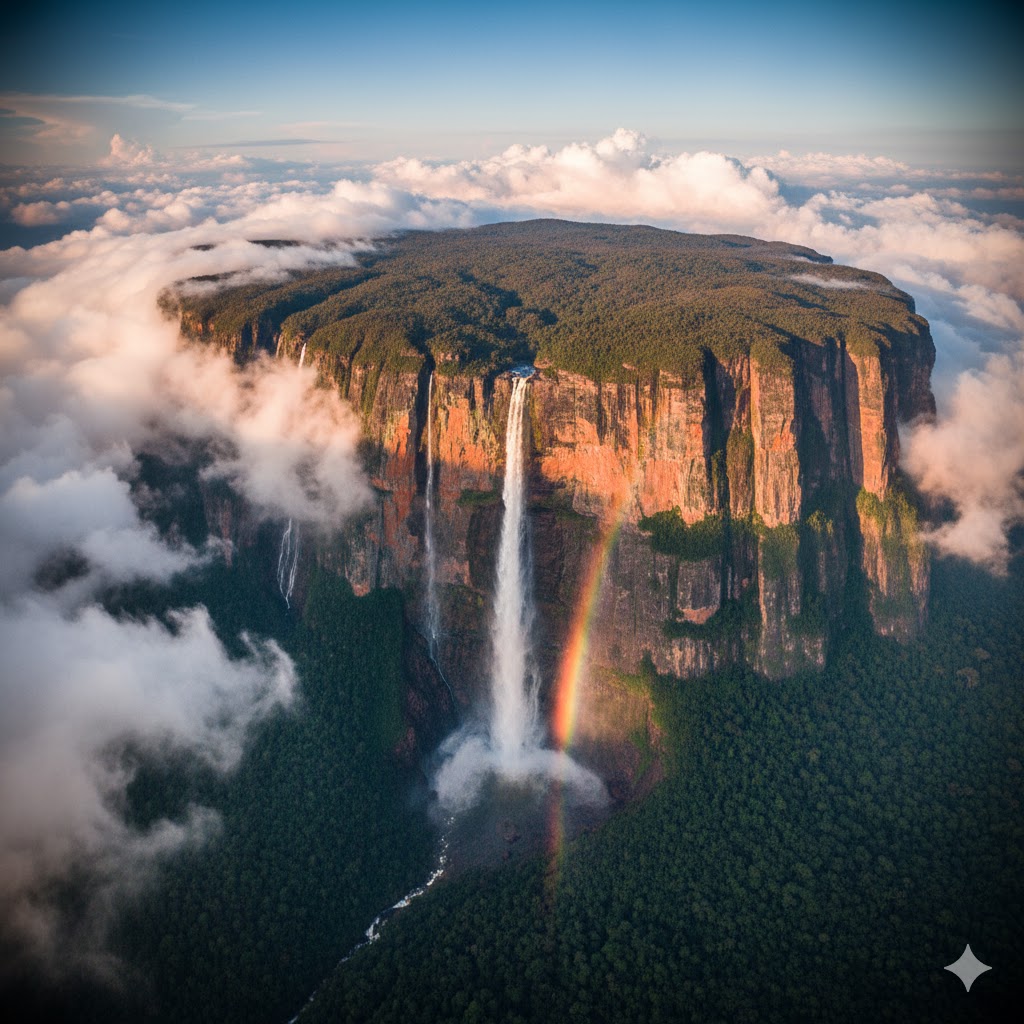
50. Mount Fitz Roy, Argentina/Chile – Patagonian Icon
Highlights:
- Jagged peak rising 3,405 meters, famous for mountaineering and photography.
- Dramatic glaciers, alpine lakes, and hiking trails.
History / Tradition: Named after Robert FitzRoy, explored by early European expeditions; sacred to local Tehuelche people.
How to Reach: Fly to El Calafate or El Chaltén, then drive to trailheads.
Best Time to Visit: October–March, summer months for hiking.
Tickets / Price: Free access; guided climbs $200+.
Hidden Gems / Tips:
- Hike Laguna de los Tres for iconic Fitz Roy reflection.
- Sunrise and sunset offer dramatic lighting for photography.
Local Food: Patagonian lamb, trout, and traditional Argentine empanadas.


FAQs: World’s Most Breathtaking Natural Wonders
1. What are the most famous natural wonders in the world?
Some of the most famous natural wonders include Angel Falls, Mount Everest, Victoria Falls, Yellowstone National Park, Grand Prismatic Spring, Salar de Uyuni, Mount Kilimanjaro, Bryce Canyon, Zhangjiajie, and Fiordland National Park. Each of these destinations offers unique landscapes, wildlife, and unforgettable experiences.
2. When is the best time to visit these natural wonders?
- Angel Falls: December–April (wet season, waterfalls at peak flow)
- Mount Kilimanjaro: January–March & June–October (dry trekking seasons)
- Yellowstone National Park: April–October (avoid harsh winter)
- Salar de Uyuni: December–March (rainy season for mirror effect)
- Fiordland National Park: November–March (summer months for calm waters)
Timing depends on the type of activity—hiking, photography, or wildlife spotting.
3. Are there entry fees to visit natural wonders?
Most national parks and protected natural wonders have entry fees:
- Yellowstone National Park: $35 per vehicle (7 days)
- Torres del Paine: $35–$40 per person
- Plitvice Lakes National Park: $25–$40
Some natural wonders, like The Wave or Zhangye Danxia, require permits or guided tours.
4. How can I reach these remote natural wonders?
- Many natural wonders are accessible via nearby airports followed by car or shuttle services.
- Some require treks or multi-day guided tours, such as Mount Roraima or Mount Vinson.
- Planning ahead for transport and local guides ensures a smooth visit.
5. What should I know about the local culture and food near these natural wonders?
- Many natural wonders are linked to indigenous communities and ancient traditions, such as Mount Kilimanjaro with the Chagga people or Torres del Paine with the Tehuelche.
- Local cuisine varies:
- Patagonia: lamb and trout
- Costa Rica: casado and coffee
- Bolivia: quinoa and llama meat
Sampling local food enhances the cultural experience of your visit.
6. Are these natural wonders safe for tourists?
Yes, most are safe with precautions:
- Follow marked trails and official guides for mountains and glaciers.
- Check weather conditions before trekking or water-based activities.
- For extreme or remote areas, always hire certified guides and inform local authorities.
Traveler Guide:
Exploring the world’s most breathtaking natural wonders offers more than just scenic views—it’s a journey into history, culture, adventure, and nature’s ultimate beauty. From the soaring cliffs of Angel Falls to the reflective magic of Salar de Uyuni, each destination holds unique experiences, hidden gems, and unforgettable memories. Whether you are a photographer, adventurer, or nature lover, planning your visit with attention to best times, entry fees, local culture, and hidden trails ensures a fully immersive experience. These natural wonders are not just landscapes—they are living stories of the planet, waiting to be explored and cherished.

Sources: Check UNESCO’s official listing at UNESCO World Heritage Sites for more details.
Visit the National Park Service – Yellowstone for official park details and safety guidelines.