
Supai – America’s Last Hidden Village
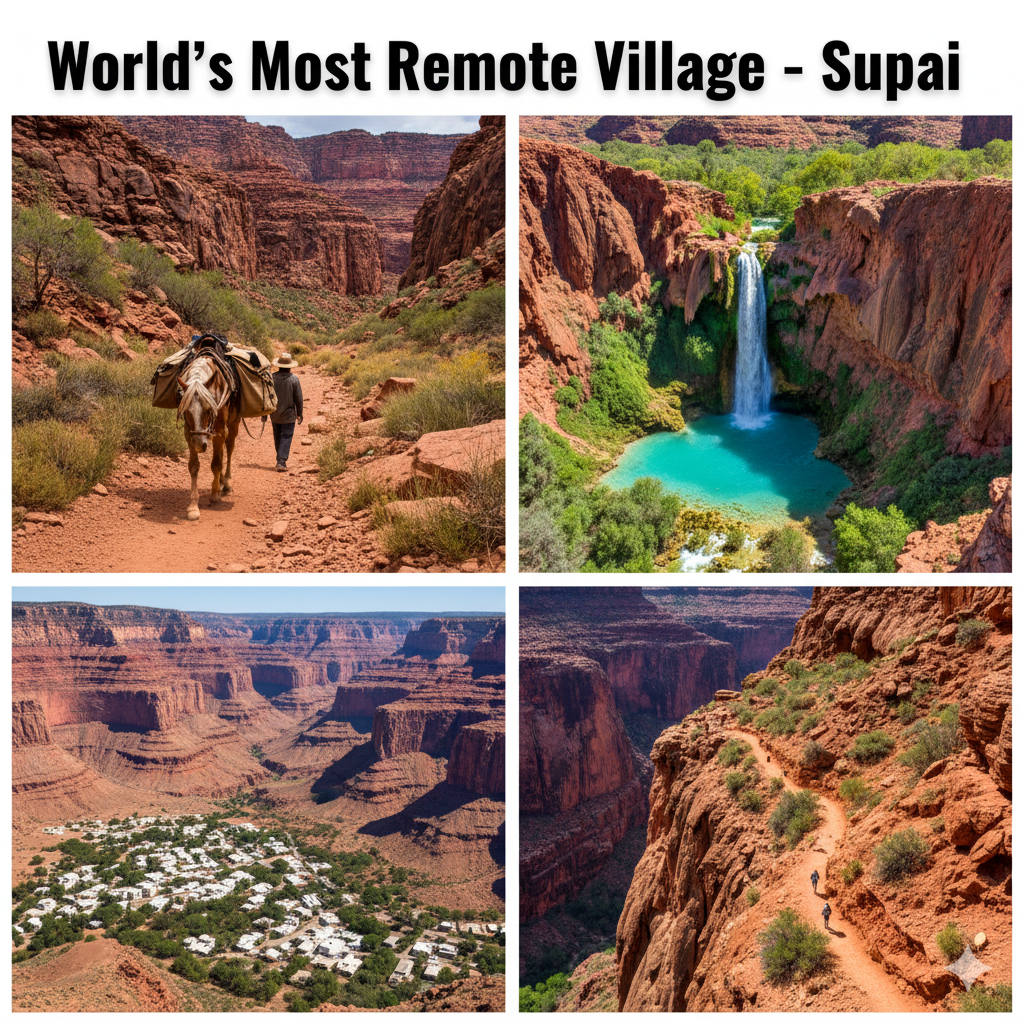
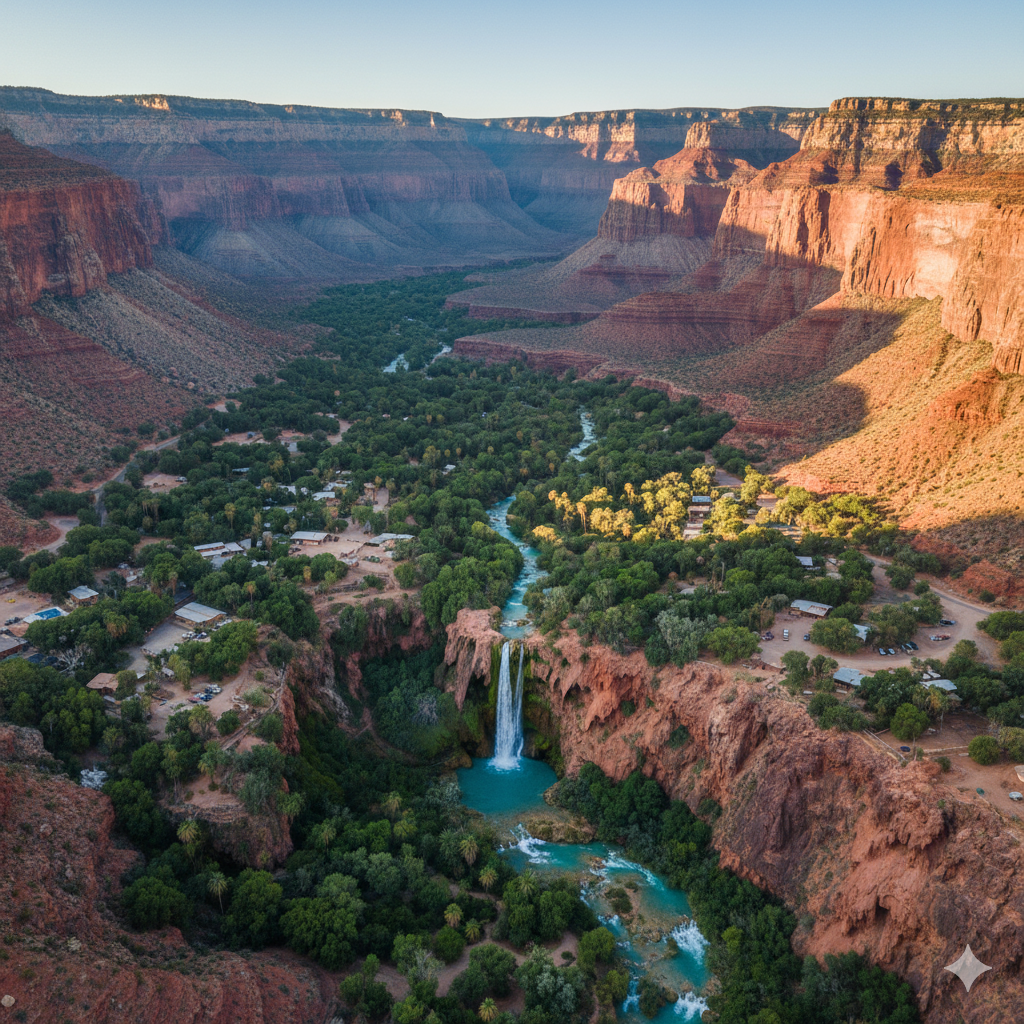
Hidden deep within the red heart of Arizona’s Grand Canyon, Supai is officially recognized as the world’s most remote village in the United States. With no paved roads, no car access, and mail delivered by mule, Supai is home to the Native Havasupai Tribe, who have lived in the canyon for over 800 years.
Supai offers a once-in-a-lifetime experience where nature roars through turquoise waterfalls and ancient canyons echo with timeless traditions. It’s not just a destination — it’s a journey into the last standing village of the American Southwest where time moves with the river, not the clock.
How Supai Became the World’s Most Remote Inhabited Place
Located 8 miles from the nearest road, Supai is only accessible by:
- An 8-mile hike,
- Helicopter drop service (weather permitting), or
- Horse/mule ride.
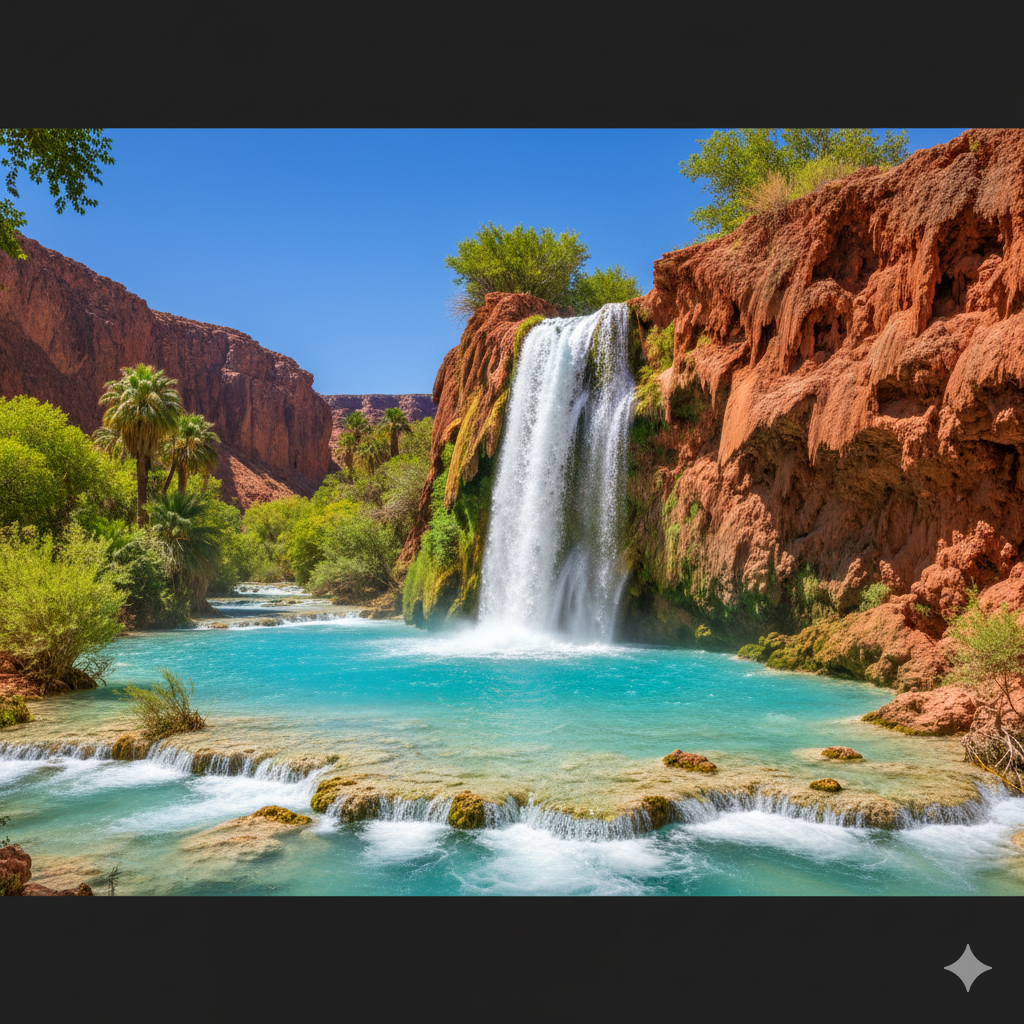
It’s nestled at the bottom of the Havasu Canyon, surrounded by towering sandstone walls and fed by Havasu Creek, whose high mineral content gives it the famous turquoise blue water.
No cars. No highways. No shortcuts. Supai is deliberately preserved, a living testament to Indigenous heritage, resilience, and connection to land.
7 Astonishing Facts About Supai, Arizona
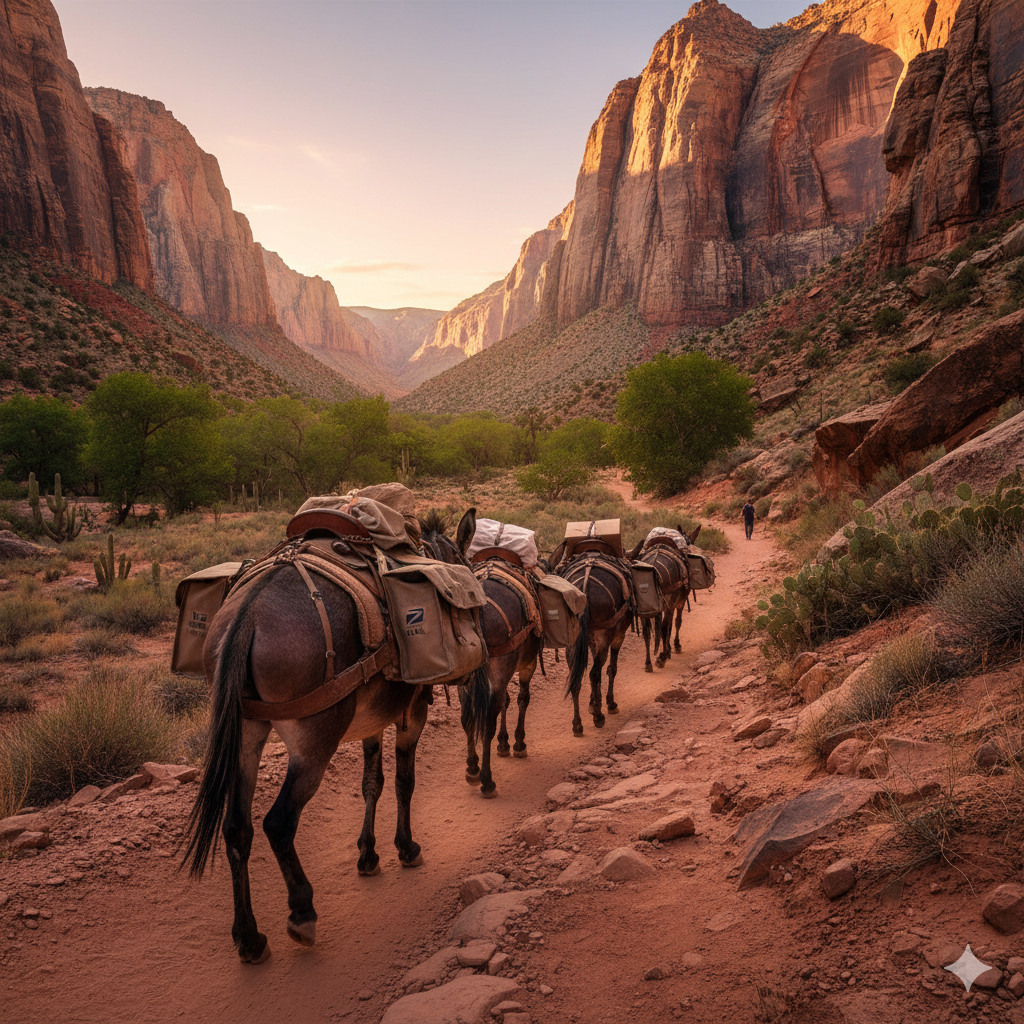
- Mail is delivered by mule – the only place in the USA that still does this.
- Only 208 people live here, mostly Havasupai Tribe members.
- Permits sell out months in advance and are required for hiking or camping.
- The village has no cell service or paved roads — pure digital detox.
- Waterfalls like Havasu Falls and Mooney Falls draw global travelers.
- Supai was evacuated in 2008 due to flash floods that reshaped the canyon.
- The name “Havasupai” means “people of the blue-green waters” referencing their sacred canyon waters.
History and Culture of the Havasupai Tribe
The Havasupai (pronounced “hah-vah-soo-pie”) have lived in the Grand Canyon for at least 800 years, practicing farming, pony herding, and spiritual conservation of the land.
They are known for:
- Blue-turquoise dances
- Basket weaving & river painting
- A traditional language distinct from most other tribes
The Havasupai consider their land — especially the waterfalls — to be spiritual guardians. Visitors must respect village boundaries and sacred ceremonies.
How to Reach Supai – No Roads Allowed
Option 1: Hike (most common)
- Distance: 8 miles one way (to the village), 10 miles more to Havasu Falls & camps
- Elevation drop: 2,500 ft
- Trailhead: Hualapai Hilltop (Northwest AZ)
Option 2: Helicopter Ride
- Operated by: Westwind Helicopters
- Cost: ~$100–$120 per person
- Schedule: Sundays, Mondays, Thursdays, Fridays (weather-dependent)
Option 3: Mule/horse hire
- Carry gear or riders to/from Hilltop
- Booked in advance through Havasupai Lodge
No day trips allowed. Permits required.
check also: The Ghost Island of Hashima: 7 Haunting Facts from Japan’s Forgotten Past
Permits, Fees & Helicopter Tips
| Type | Cost (USD) | Notes |
|---|---|---|
| Entry Permit (3 nights) | $375 per person | Includes campground access |
| Lodge Stay (optional) | $440–$460 per night | Limited rooms, must book early |
| Deposit Requirement | 100% upfront | Non-refundable unless weather cancels |
| Helicopter Ride | $100–$120 per seat | Walk-in sign-ups; priority to locals |
- Permits open in February (sell out same week)
- Book via Havasupai Reservations site
- No walk-ins accepted — everything is pre-planned
Best Time to Visit Supai
- March–May: Pleasant temps, good water flow
- September–November: Fewer crowds, still warm
- June–August: Very hot (up to 110°F), monsoon flash floods
Camping season: March to November
Water visibility: Best before heavy rains or after winter snow melts
Source:
Top Hidden Waterfalls & Hikes
1. Havasu Falls
100 ft cascade into turquoise pool
2 miles from Supai village
Best photo op: Sunset reflection
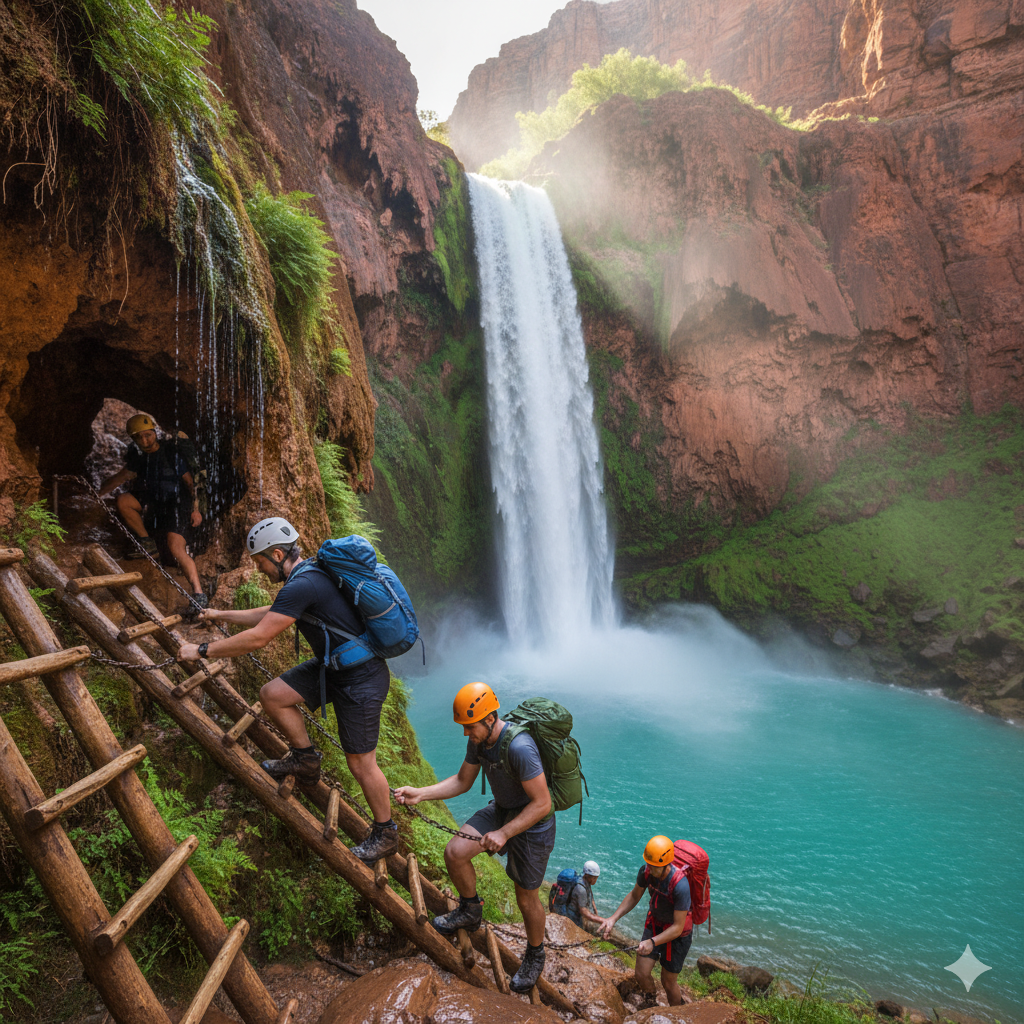
2. Mooney Falls
200 ft sheer cliff waterfall
Steep ladder descent through cave tunnels
Challenging but worth it
3. Beaver Falls
Jungle vibes, majestic multi-tier falls
5 miles from campground
Full-day trek recommended
4. Navajo Falls
Smaller, peaceful spot with fewer visitors
Near campground access
What to Eat in Supai
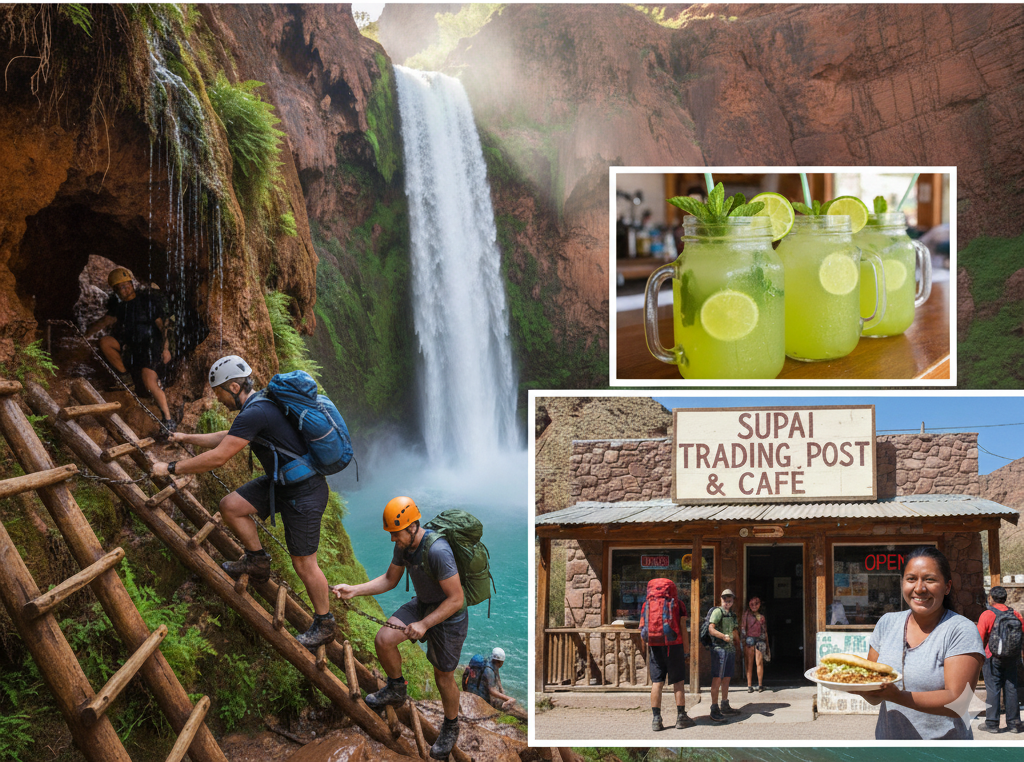
- Small local store & café at the village center
- Frybread Tacos – The must-try Havasupai dish
- Fresh Limeades – Hikers’ delight after the canyon heat
- Dried Berries & Nuts – Locally foraged and sold by villagers
Bring your own food supplies if camping — options are limited.

Travel Ethics: Being a Respectful Visitor
- Never photograph tribal members without consent
- Stay ONLY in designated areas — these are sacred lands
- Pack out ALL trash
- Use wet wipes instead of bathing in the creek
- Support locals by hiring guides or buying snacks in the village
What to Pack + Safety Guidance
Water filter, extra snacks
Proper boots, trekking poles
Swimsuit and microfiber towel
Quick-dry clothes
Portable charger and headlamp
Weatherproof bag for electronics
No drones, no alcohol, no loud music. You’re entering a living community.
Traveler:
Supai isn’t just the world’s most remote village — it’s a living example of resilience, culture, and raw natural power. In a world moving fast, this village stands as a reminder of a deeper, slower rhythm, tied to land, tradition, and memory.
A trip to Supai isn’t something you visit, it’s something you experience. From roaring waterfalls to humble Havasupai hospitality, it’s a rare chance to connect with a place forgotten by time — yet more alive than ever
FAQs
Q: How do you get to Supai?
A: Either hike 8 miles, take a helicopter, or book a mule.
Q: Can you go to Supai without a booking?
A: No. You must have a permit and overnight stay booked in advance.
Q: What is Supai famous for?
A: Its spectacular waterfalls, traditional Havasupai culture, and remote status.
Q: Is it safe?
A: Yes, but it’s physically demanding. Heat, trail conditions, and weather must be respected.