
Where Beauty Meets Danger
Imagine a road so thrilling, so terrifying, that it’s earned the nickname “The World’s Most Dangerous Route.”
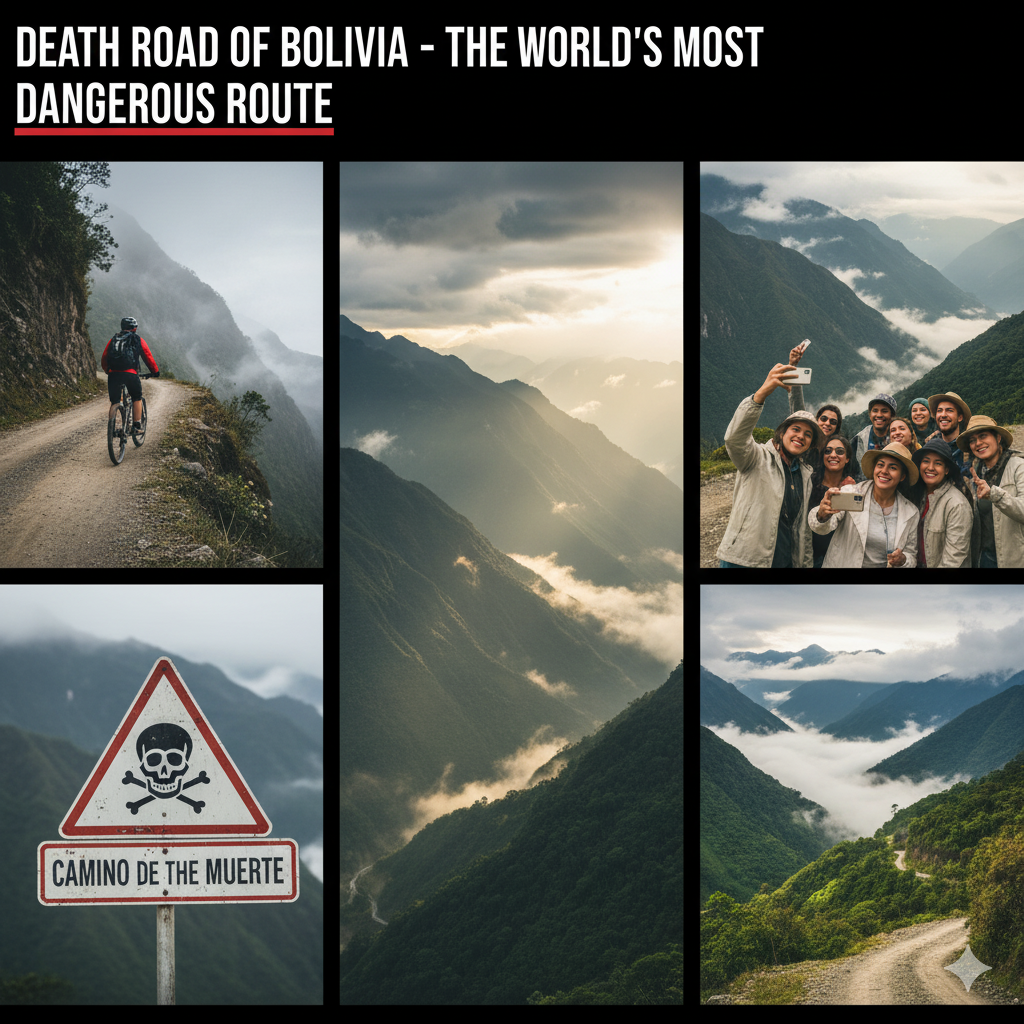
Welcome to North Yungas Road in Bolivia, famously known as Death Road — a narrow 60 km mountain path that snakes from La Paz to Coroico through the rugged Andes, dropping thousands of feet in elevation and hugging sheer cliffs with no guardrails.
This isn’t just a road — it’s a test of courage, skill, and awe. Once considered the main commercial link between Bolivia’s capital and its rainforest region, this route now attracts adrenaline-seeking travelers from around the world, eager to bike its winding path and stare danger straight in the face.
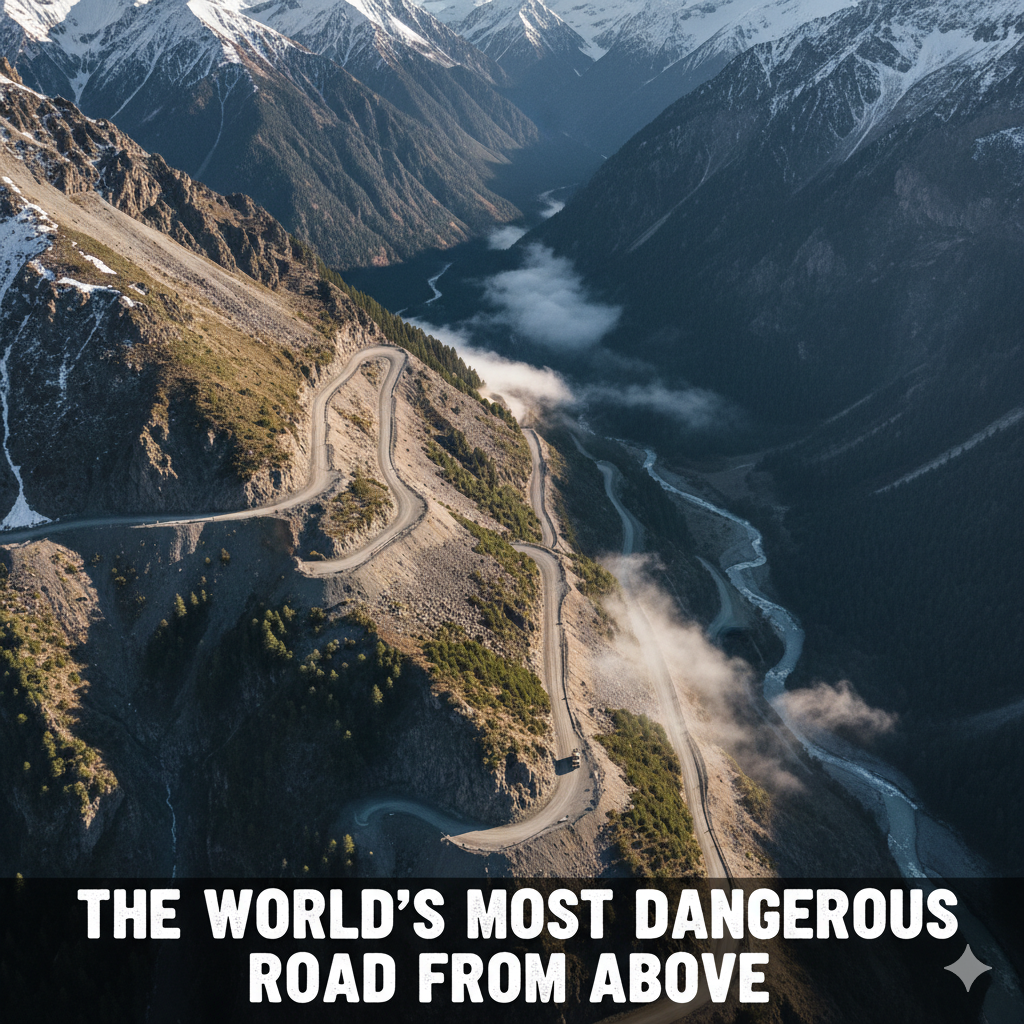
But beyond its frightening name lies something magical — lush green cliffs, mist-covered waterfalls, and the heart-pounding thrill of survival itself.
The Road of Life and Death
The Death Road (Camino de la Muerte) stretches from La Paz (3,600m above sea level) to the tropical town of Coroico (1,200m). It drops over 3,400 meters in just 60 km — making it one of the steepest and most scenic descents in the world.
Built in the 1930s by Paraguayan prisoners during the Chaco War, the road was once a lifeline between the capital and the Yungas rainforest. For decades, narrow lanes (often less than 3 meters wide) forced vehicles to edge past one another on crumbling cliffsides. One wrong move — and a 600-meter plunge awaited below.
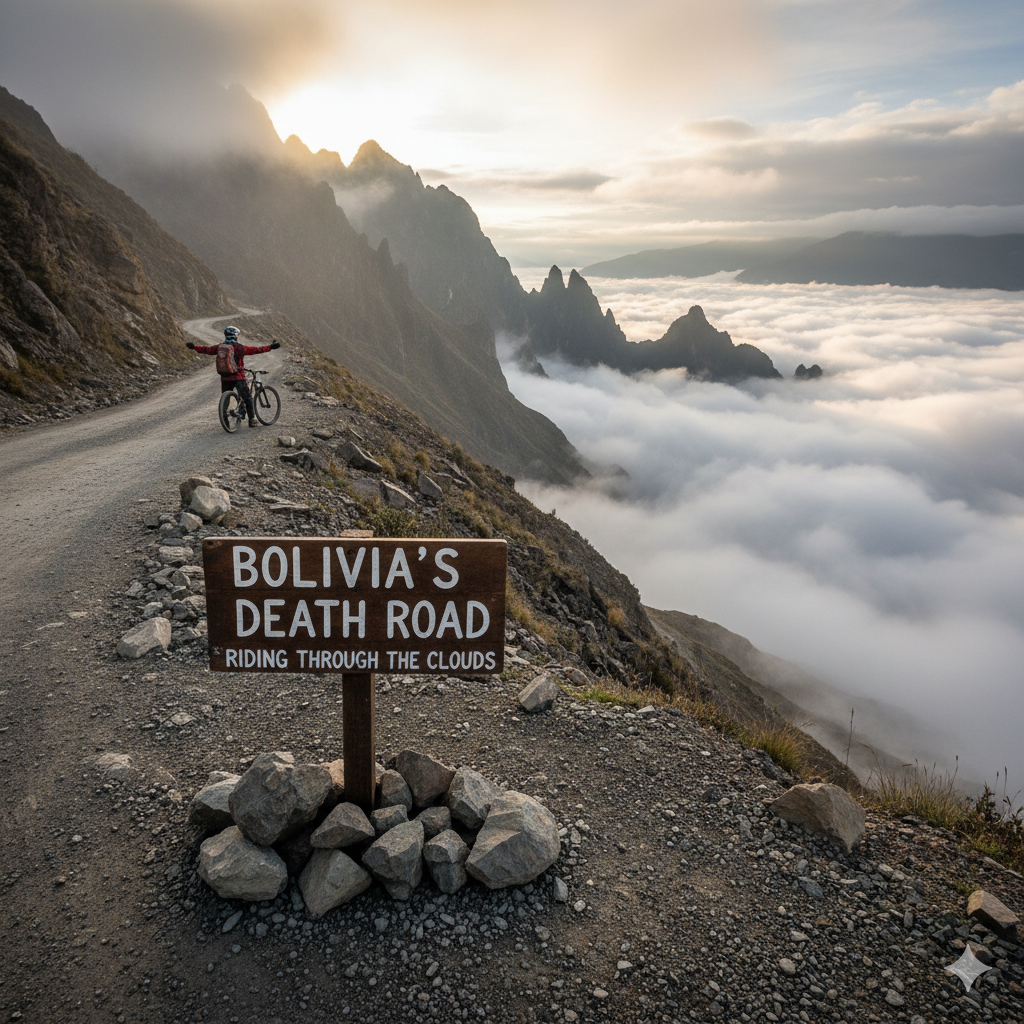
Despite the danger, Death Road is one of Bolivia’s most photographed and talked-about attractions, symbolizing both the peril and persistence of human travel through nature’s extremes.
The Breathtaking Descent
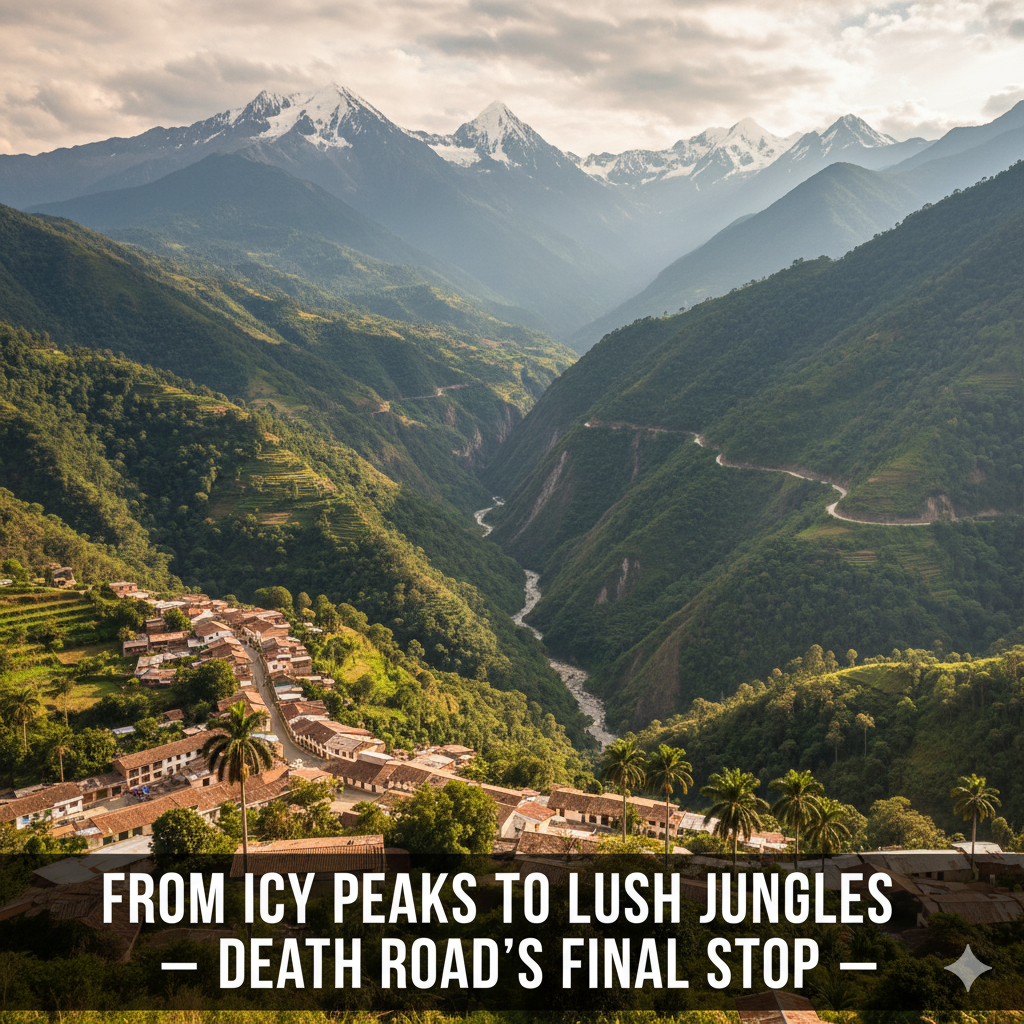
Cyclists begin at La Cumbre Pass, surrounded by snow-dusted peaks and icy air. As you descend, the temperature rises and vegetation thickens — from alpine tundra to subtropical rainforest in just a few hours.
Riders experience 20+ waterfalls, fog-covered turns, and cliffside drops, each offering a mix of terror and awe.
Nature’s Dual Personality
Despite the name, Death Road is visually stunning. Misty cliffs drip with silver waterfalls, ferns grow from rocky walls, and exotic birds dart across the valley. This contrast — the serenity of nature versus the violence of its landscape — makes the ride unforgettable.
The Cyclist’s Pilgrimage
Since the 1990s, the road has become a bucket-list adventure for cyclists. Over 25,000 thrill-seekers visit annually, guided by local tour companies that provide bikes, helmets, and safety briefings.
Today, the old road is mostly used for tourism, as a new, safer bypass opened in 2006 — but the legend of Death Road lives on.
A Legacy Paved in Blood and Bravery
The road’s origins date back to the 1930s, built by Paraguayan prisoners of war. Its purpose: to connect the Bolivian highlands with the fertile Yungas lowlands, crucial for transporting goods like coffee, fruit, and coca leaves.
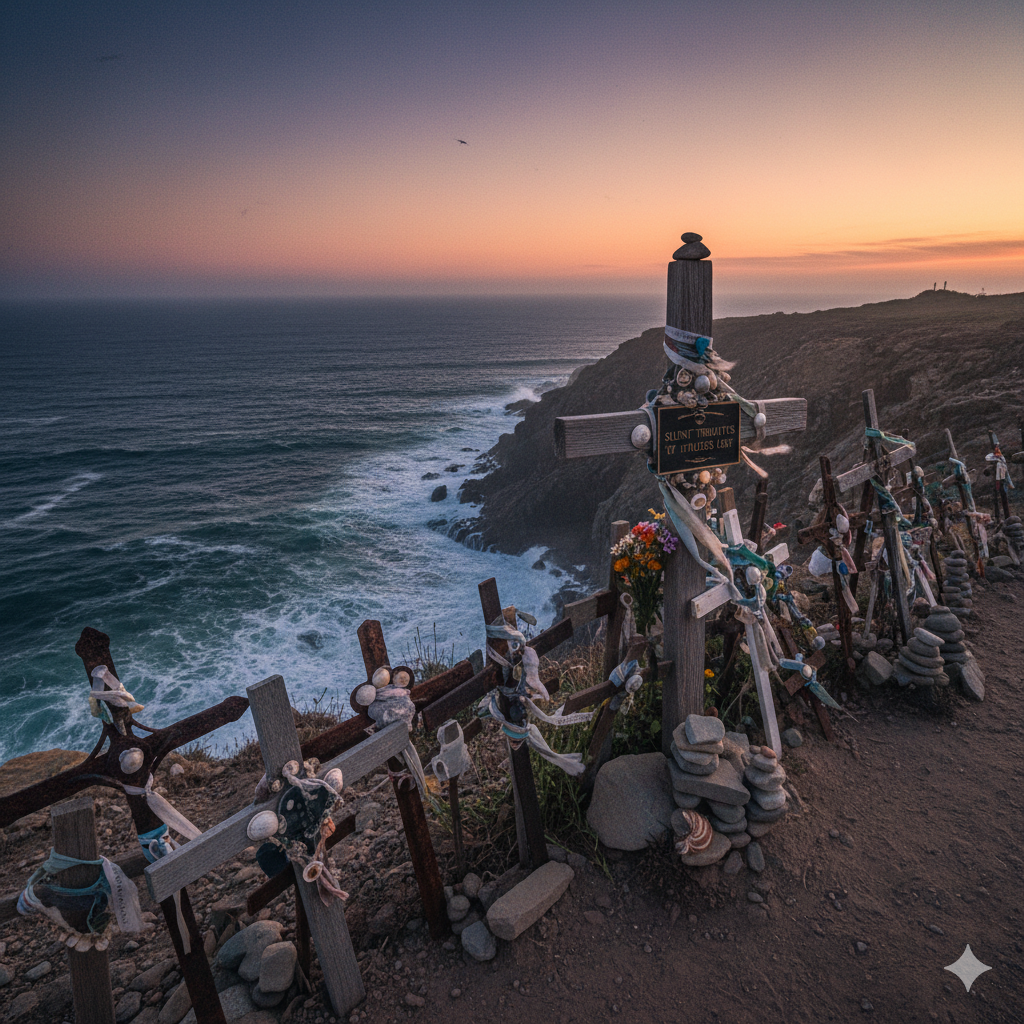
Before modern construction, this was the only access route, forcing massive trucks and buses to share the one-lane dirt path. Accidents were common — the Inter-American Development Bank once dubbed it the most dangerous road in the world, with 200–300 fatalities annually before the bypass opened.
Small crosses still dot the edges — solemn reminders of lives lost and the mountain’s unforgiving nature.
The Spirits of Death Road
Locals whisper that the spirits of those who perished still wander the cliffs. Travelers often report eerie sensations — sudden chills, whispers in the fog, or unseen hands brushing against their shoulders.
According to Andean folklore, mountain spirits called Apu protect travelers — but only if respected. Many locals still leave offerings of coca leaves or alcohol before beginning their journey, asking for safe passage through the “road of souls.”
How to Reach Death Road, Bolivia
Starting Point: La Paz, Bolivia
- By Air: Fly into El Alto International Airport (LPB) from major South American cities.
- By Road: From La Paz, it’s a 1-hour drive to La Cumbre Pass, where most biking tours begin.
- Tour Options: Many operators in La Paz (like Gravity Bolivia or Altitude Adventures) provide full-day guided tours with transport, equipment, and meals.
Tickets, Fees & Safety Gear
| Type | Price (Approx.) | Includes |
|---|---|---|
| Guided Bike Tour | $60–$120 USD | Mountain bike, helmet, gloves, lunch, return transport |
| Park Entrance Fee | $2 USD | Maintenance of Yungas area |
| GoPro Rental | $10–$15 USD | Helmet-mounted camera |
Safety Note:
Always choose certified guides, check equipment, and follow traffic rules (keep left in Bolivia’s unique driving culture on this route).
Best Time to Visit
| Season | Months | Experience |
|---|---|---|
| Dry Season | May – October | Clear skies, stable roads, best for cycling |
| Wet Season | November – April | Misty, slippery, dangerous — only for experts |
The dry season is ideal, offering panoramic visibility of the Andes and fewer landslides.
Hidden Gems Around Death Road
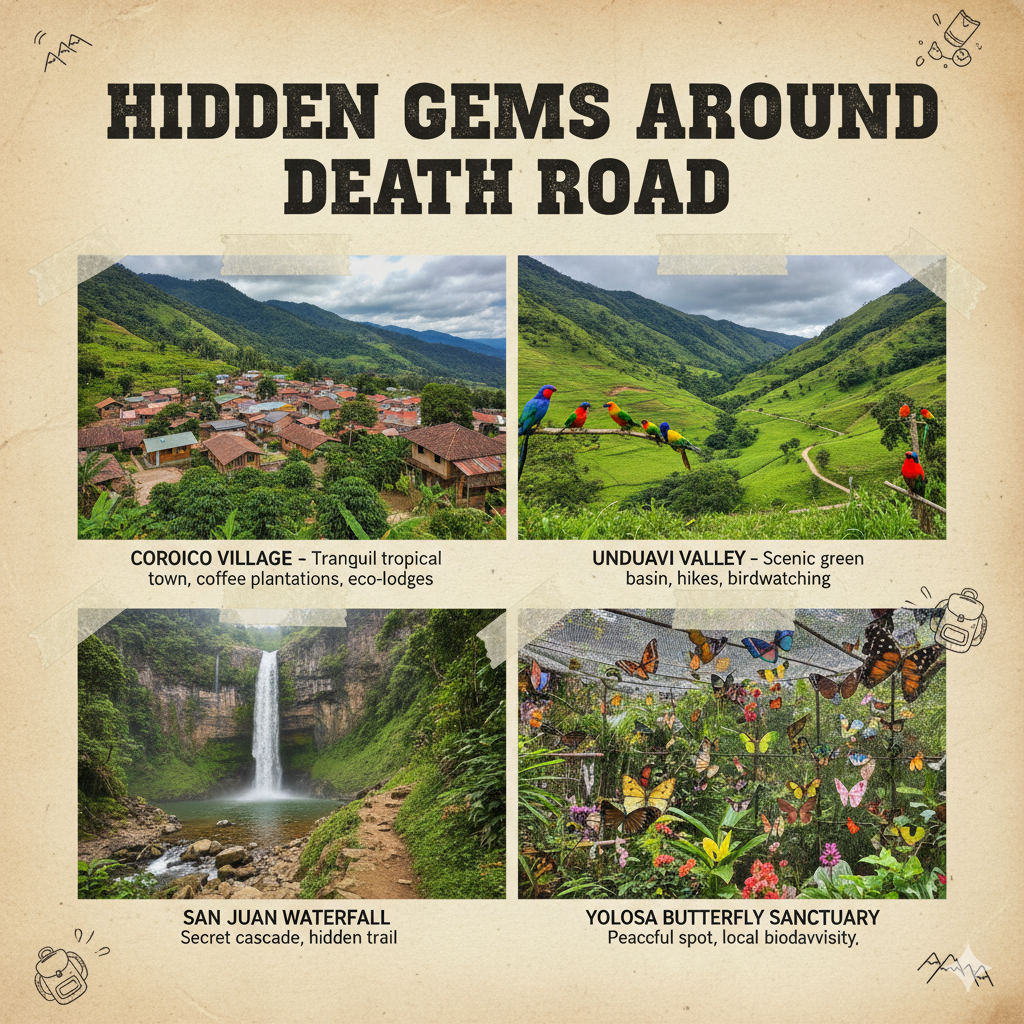
- Coroico Village – A tranquil tropical town at the end of Death Road, known for its coffee plantations and cozy eco-lodges.
- Unduavi Valley – A scenic green basin perfect for short hikes and birdwatching.
- San Juan Waterfall – A secret cascade hidden beneath the cliffs, reachable via a small trail.
- Yolosa Butterfly Sanctuary – A peaceful spot showcasing local biodiversity and rare butterfly species.
Source:
- Bolivia Tourism Official Website
- Gravity Bolivia – Official Tour Operator
Local Talk & Traveler Tips
- Drive/ride on the left. Unlike the rest of Bolivia, Death Road follows left-hand traffic for visibility and safety.
- Dress in layers: Temperatures drop at the summit but become tropical by the end.
- Stay alert: Watch for small rockslides or passing trucks (locals still use the road occasionally).
- Local respect: Ask before photographing locals or shrines.
Local Food Experiences
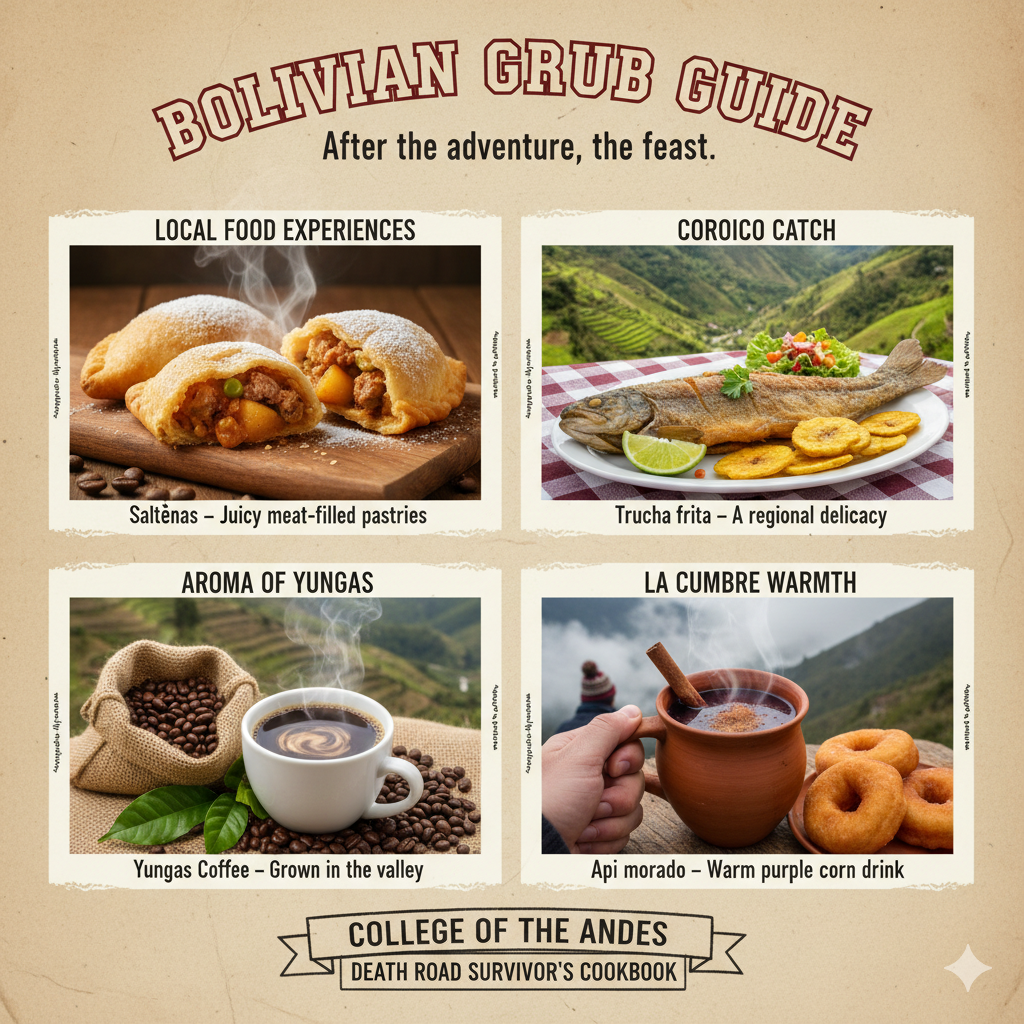
After conquering Death Road, reward yourself with Bolivian comfort food:
- Salteñas – Juicy meat-filled pastries.
- Trucha frita (fried trout) – A regional delicacy served in Coroico.
- Yungas Coffee – Rich, aromatic, and grown right in the valley below.
- Api morado – A warm purple corn drink perfect for chilly mornings at La Cumbre.
Many cycling tours end with a hearty Andean buffet lunch overlooking lush valleys — the perfect way to celebrate survival.
Checlk Also: 7 Fascinating Facts About the Living Root Bridge in India – Nature’s Living Wonder
Traveler: Between Fear and Freedom
The Death Road of Bolivia is not just an adventure — it’s a confrontation with nature’s raw edge.
It reminds us how fragile, yet powerful, human life can be when challenged by the elements.
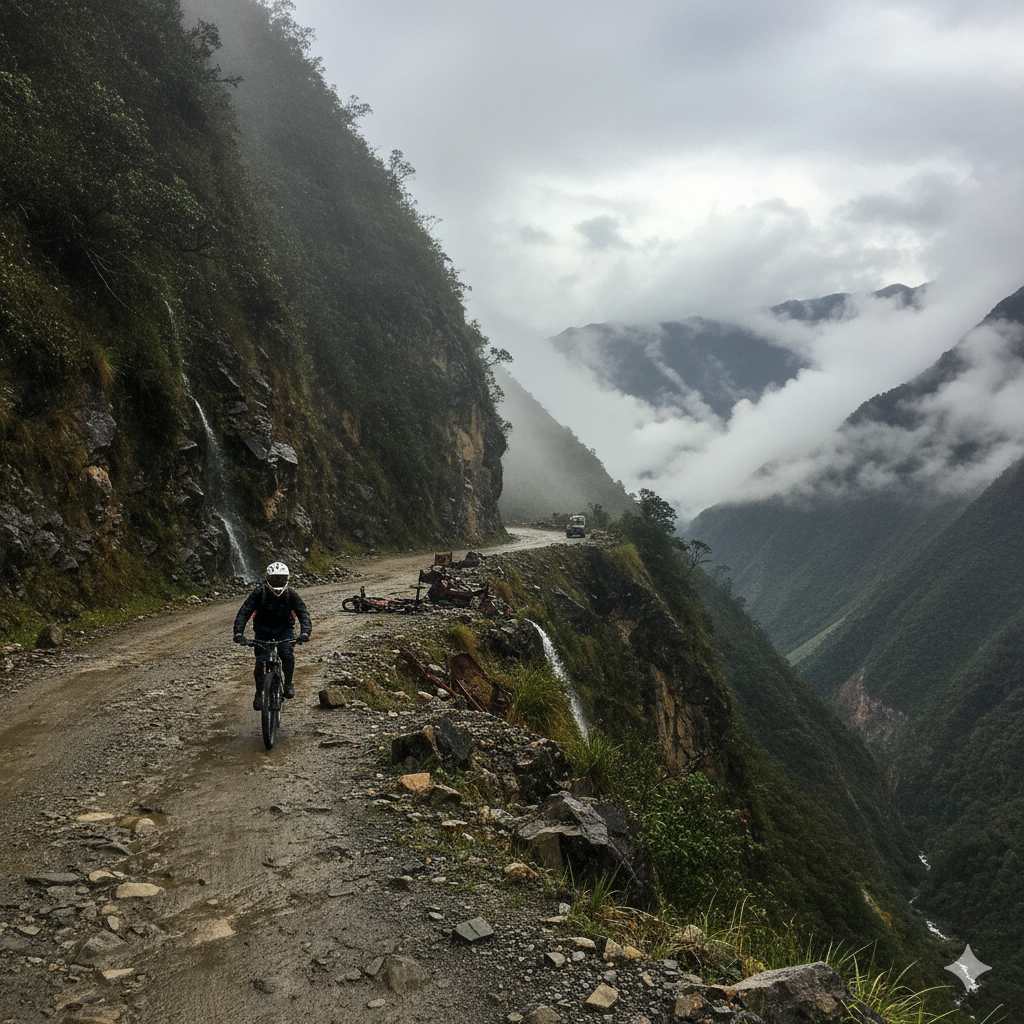
From icy peaks to warm jungles, it is both a journey through extremes and a metaphor for courage — proving that sometimes, life’s most dangerous paths lead to the most breathtaking destinations.
FAQs
Q1: Is Death Road still dangerous today?
A1: Much less so. Most vehicle traffic now uses the new highway, but cycling the route still requires caution and professional guidance.
Q2: How long does it take to bike Death Road?
A2: Around 4–5 hours depending on your pace and weather conditions.
Q3: Can beginners ride Death Road?
A3: Yes, but only with trained guides and safety equipment. The route is manageable for fit beginners with proper supervision.
Q4: What is the altitude drop on Death Road?
A4: About 3,400 meters (11,000 feet) — one of the greatest continuous descents on Earth.
Q5: Why do travelers still visit it?
A5: For the thrill, the views, and the chance to conquer one of the most iconic adventure roads on the planet.