

Entering Earth’s Hidden Giant
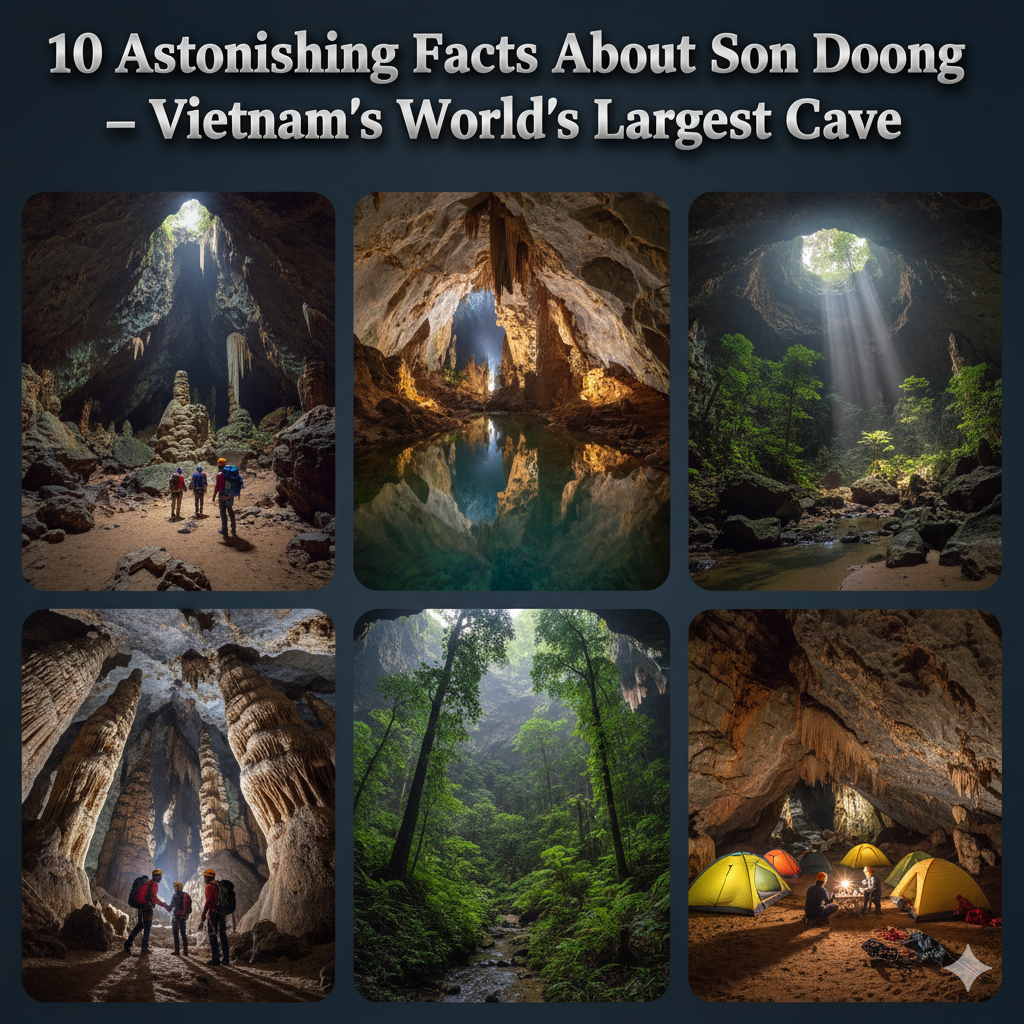
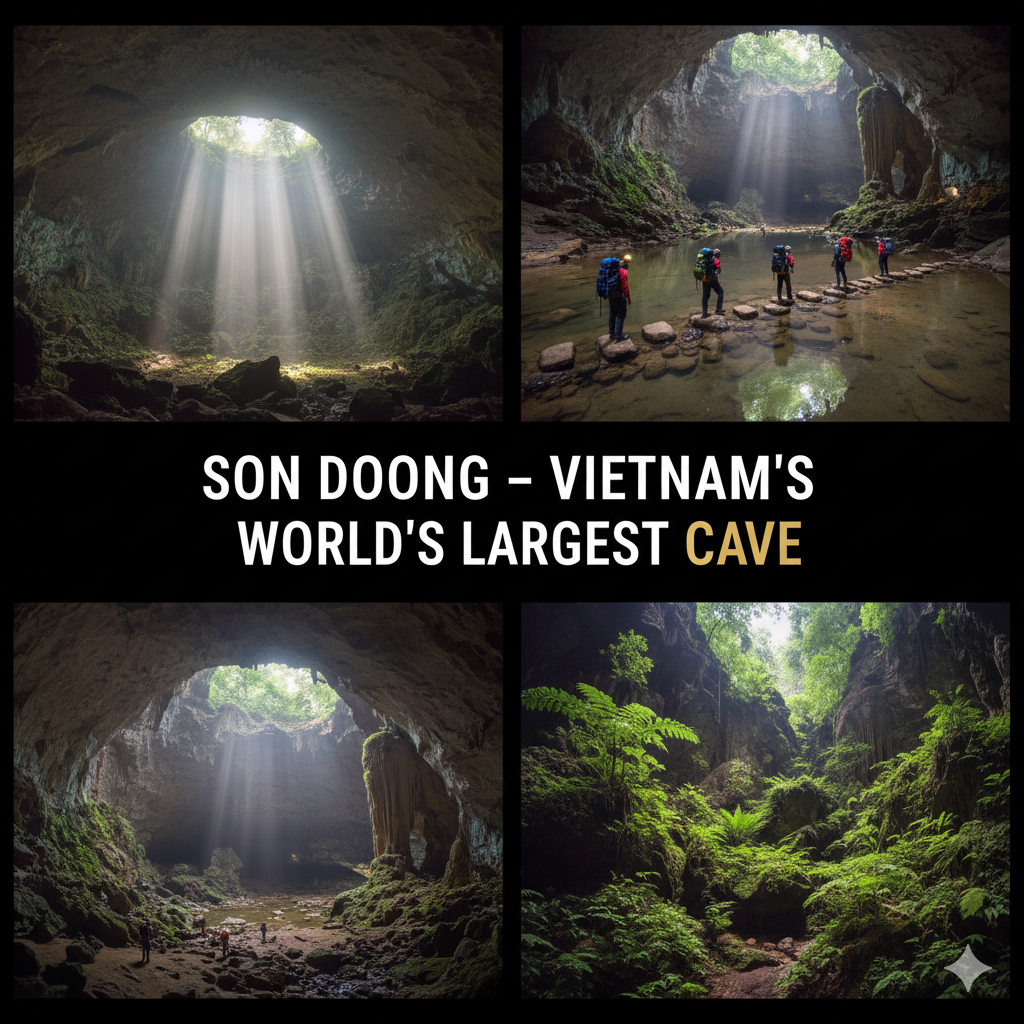
Tucked deep within Phong Nha-Kẻ Bàng National Park in central Vietnam lies a marvel that seems almost unreal — Son Doong Cave, the World’s Largest Cave. With a passage tall enough to fit a 40-story skyscraper and rivers flowing inside its chambers, it’s no wonder explorers once called it a hidden kingdom beneath the earth.
Discovered by the local villagers for centuries and finally mapped by a British expedition in 2009, Son Doong has captivated travelers and scientists alike. Walking through its colossal chambers, witnessing underground jungles, and staring at cave formations that dwarf entire buildings is nothing short of surreal.
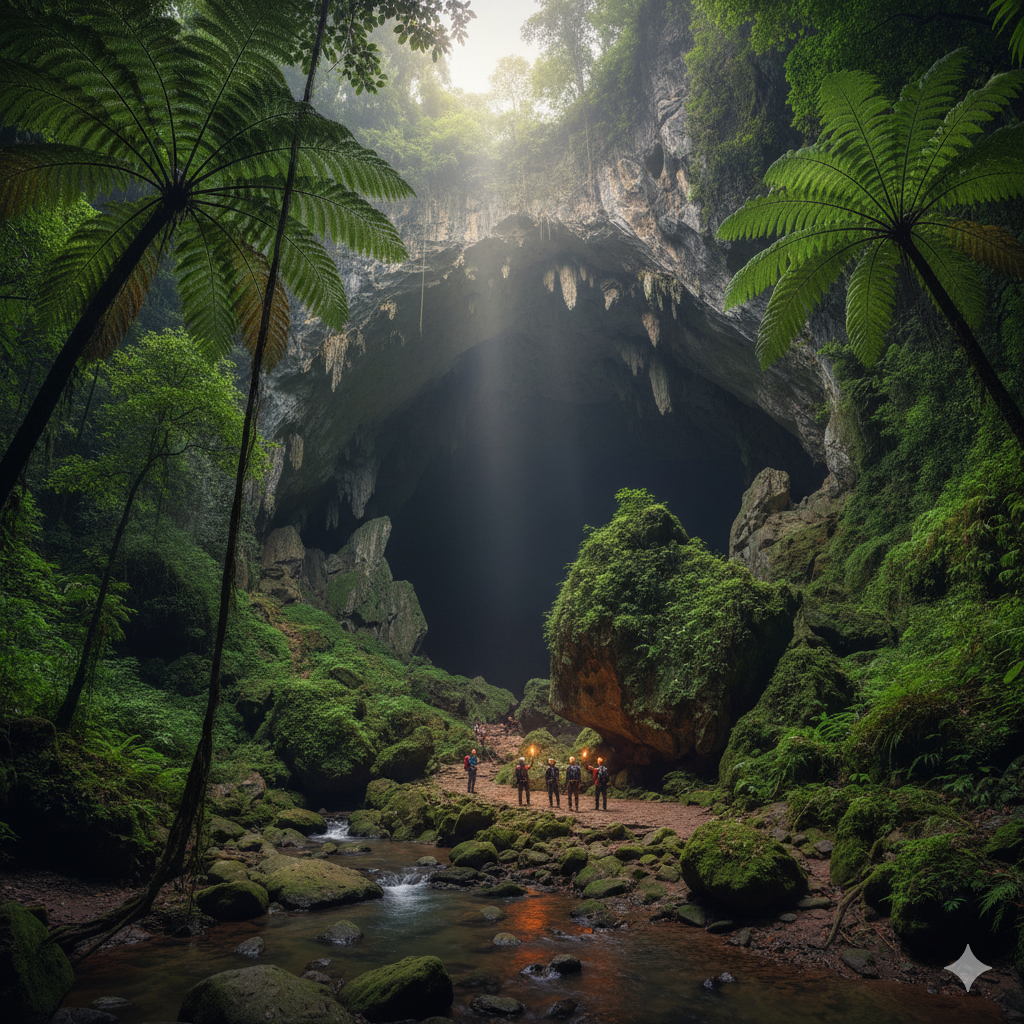
This guide dives deep into 10 astonishing facts about Son Doong Cave Vietnam, blending the thrill of adventure with cultural and scientific insight — giving you the ultimate understanding of this natural wonder.
The Cave Is Truly Colossal
Son Doong isn’t just big — it redefines scale.
- Height: Over 200 meters (enough to fit a skyscraper inside)
- Width: Around 150 meters
- Length: Estimated at 9 km, but still partly unexplored
To put it in perspective, a Boeing 747 could easily fly through certain sections. Some chambers even have their own weather systems due to their sheer size.

Fun Fact: Son Doong contains the largest known cave passage in the world.
Underground Jungle Inside the Cave
Inside Son Doong, you’ll find something extraordinary — a self-contained jungle.
Sunlight filters through collapsed ceilings, allowing plants to thrive. Ferns, palms, and even small trees grow in this subterranean paradise.
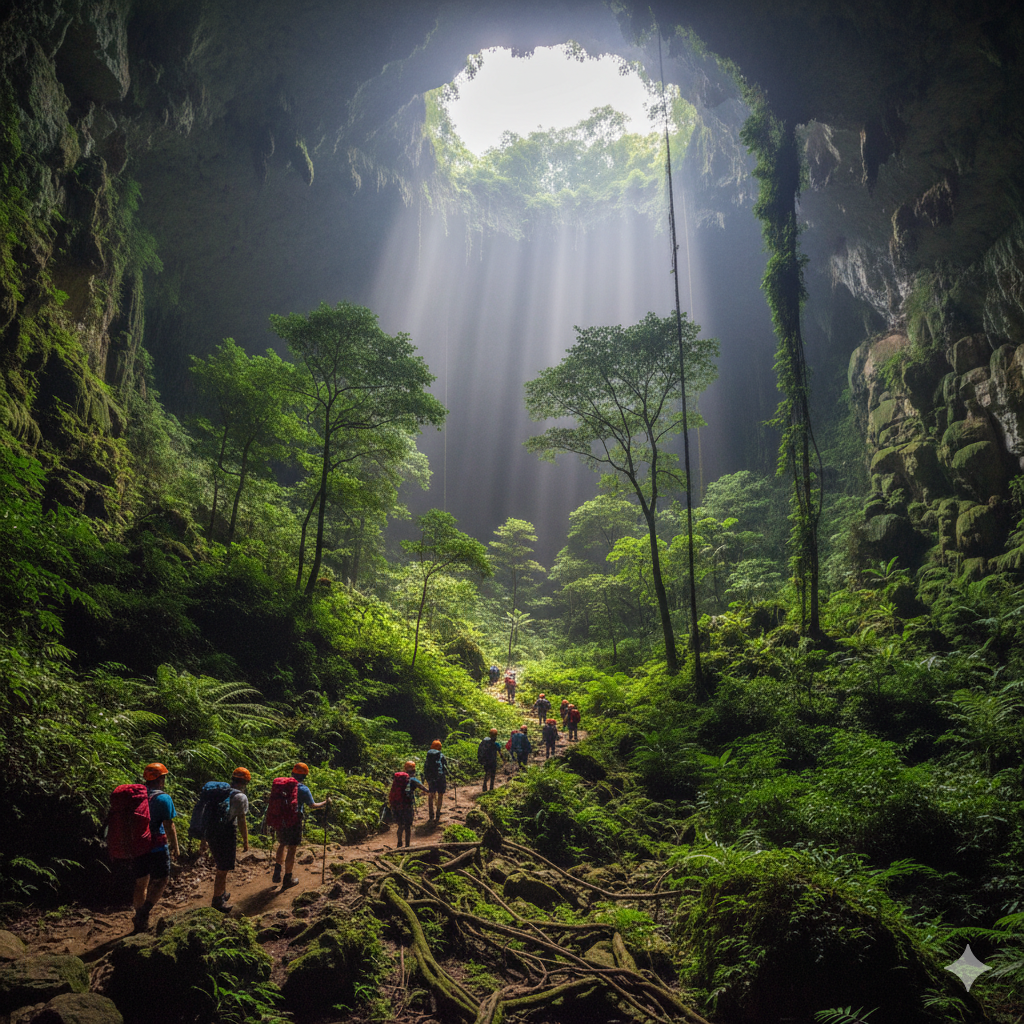
Animals like bats, swifts, and insects inhabit these ecosystems, making it a microcosm of life hidden underground.
Rivers Flow Through Its Chambers
The Son Doong River cuts through the cave, creating spectacular subterranean waterfalls and deep pools. These waters shape the cave’s stalagmites and stalactites, sculpting it over millions of years.
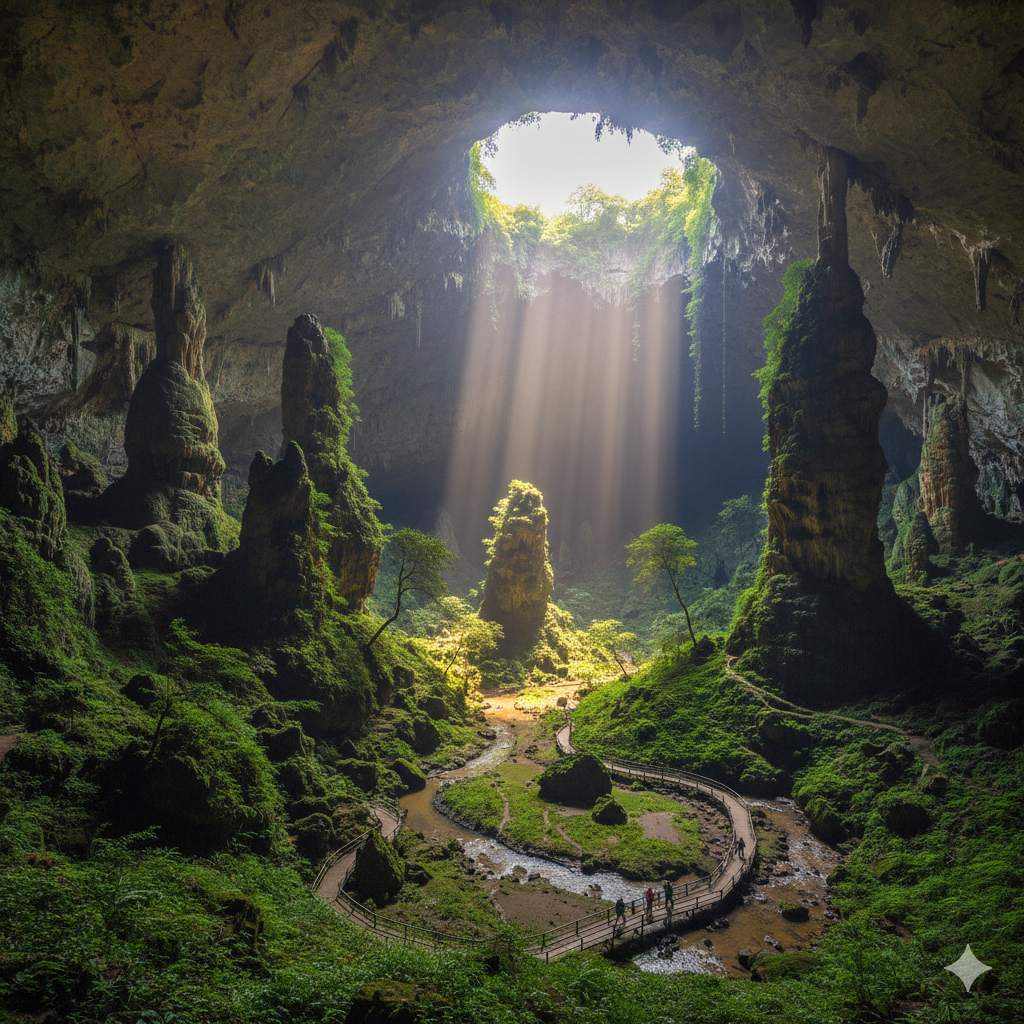
Adventurers must sometimes wade through shallow rivers during exploration. The sound of water echoing in such massive chambers adds to the cave’s awe-inspiring atmosphere.
A Recent Discovery
Though local villagers knew about its entrances for centuries, the cave was scientifically discovered in 1991 by Howard Limbert during a British-Vietnamese expedition.
It wasn’t until 2009 that Limbert’s team fully explored and documented the cave’s size, solidifying its reputation as the World’s Largest Cave.
Before this, Hang Sơn Đoòng was largely a secret guarded by local folklore.
Cave Formations That Defy Imagination
Son Doong is home to some of the largest stalagmites in the world, reaching 70 meters high. Formations like “The Great Wall” and colossal columns rival entire buildings.
The cave’s formations are still actively growing due to mineral-rich waters — making it a living geological laboratory.
Climate Inside the Cave
Despite being underground, Son Doong has its own weather system:
- Temperature: 20–25°C (mild, stable)
- Humidity: Extremely high, creating fog and mist in some chambers
- Rainfall: Happens naturally due to clouds forming in the largest chambers
This makes the cave unique in the world, where explorers can experience rain, mist, and fog underground.
Getting There: The Adventure Begins
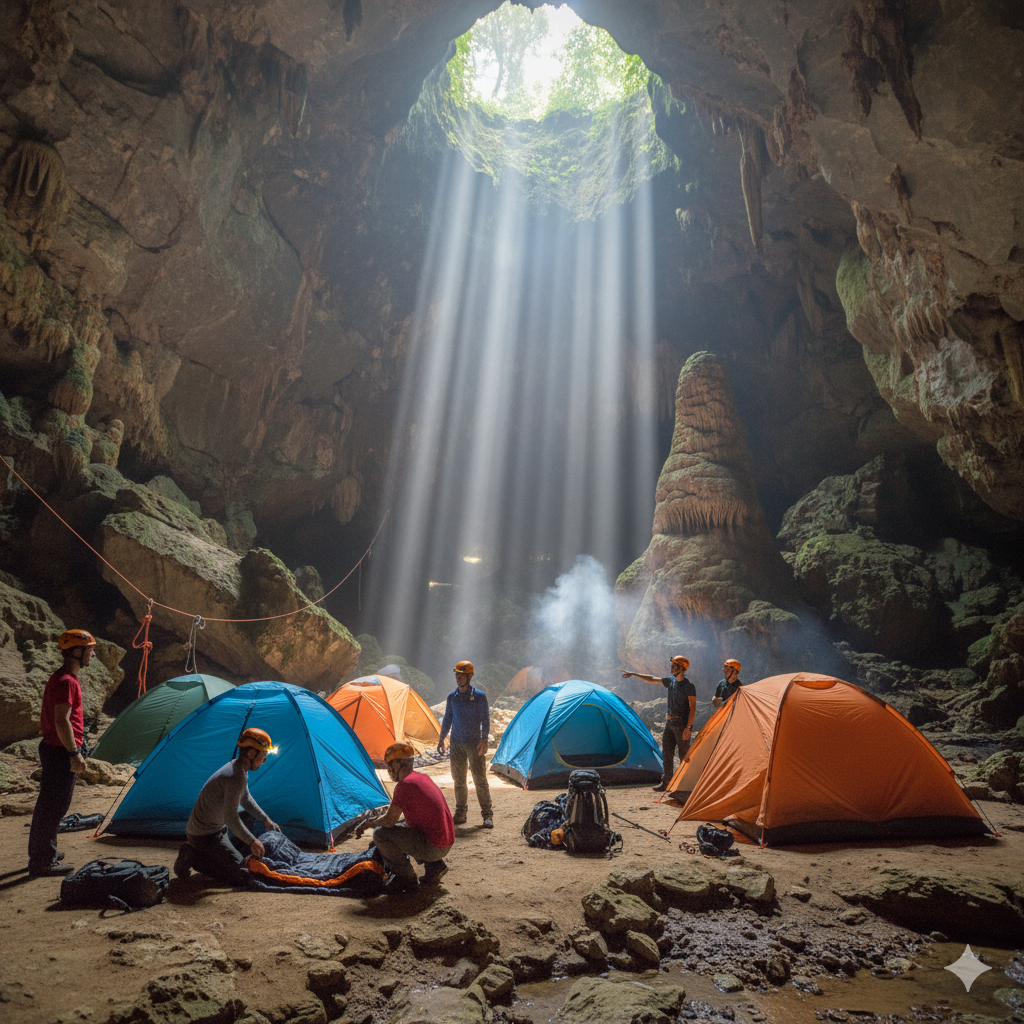
Son Doong isn’t easy to access:
- Nearest City: Dong Hoi (Quang Binh Province)
- Travel Route: 3–4 hour drive to Phong Nha, then guided trek 2–3 days into the cave system
- Tours: Limited permits by Oxalis Adventure Travel (only 800 visitors per year to preserve the ecosystem)
Tip: Book at least 6–12 months in advance, as permits are highly competitive.
Check Also: 7 Terrifying Facts About Bolivia’s Death Road – The World’s Most Dangerous Route
Tickets, Fees, and Permits
- Official Tour Cost: $3,000–$3,500 USD per person for a 5-day guided trek
- Inclusions: Equipment, guides, meals, safety gear, and camping
- Restrictions: Solo travel is not allowed; all visitors must join guided tours for safety and conservation
Remember: This is not a casual hike — it’s an expedition for serious adventurers.
Best Time to Visit
| Season | Months | Experience |
|---|---|---|
| Dry Season | Feb – Aug | Clear trails, lower rainfall, safer trekking |
| Wet Season | Sep – Jan | Trails may flood; cave rivers rise, making some passages impassable |
| Optimal | Mar – Jun | Best balance of safety, scenery, and weather stability |
Source:
Hidden Gems Nearby
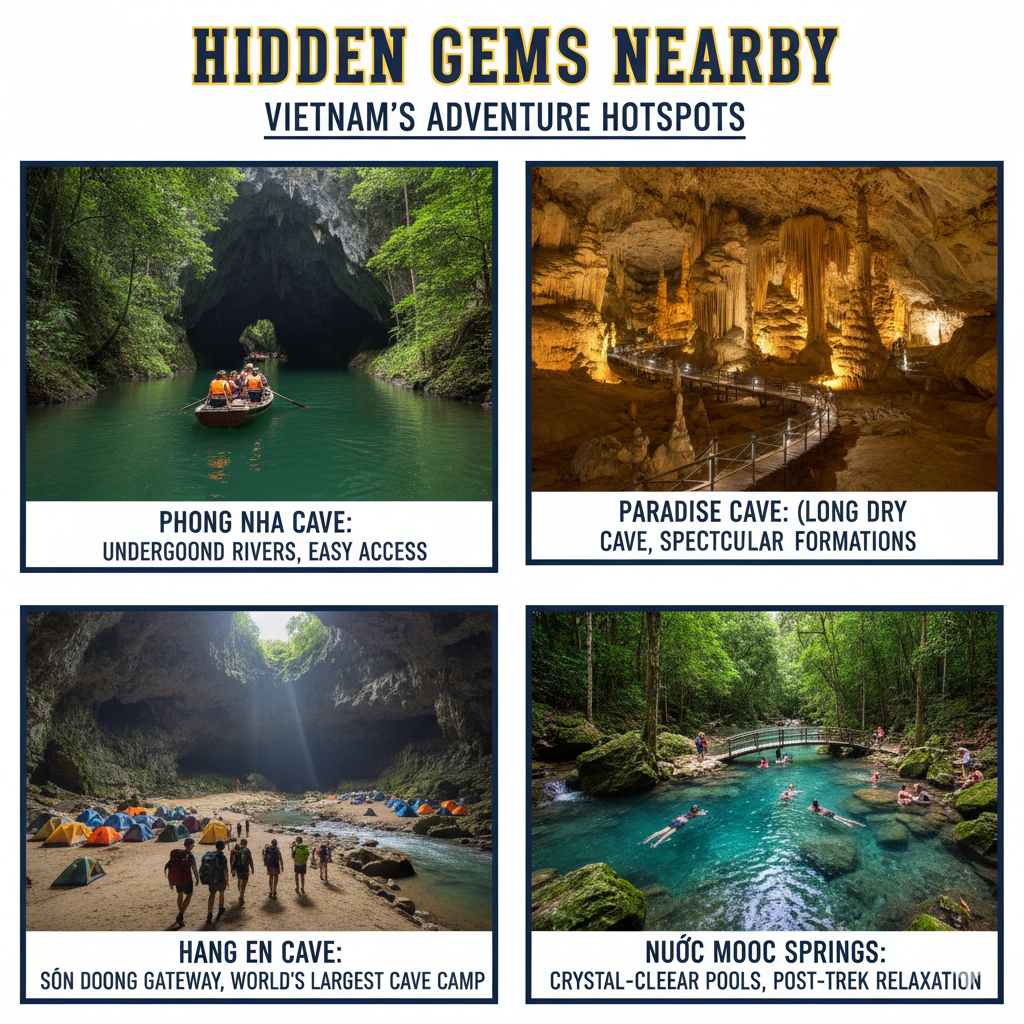
- Phong Nha Cave: Famous for its underground rivers and easy access
- Paradise Cave (Thiên Đường Cave): Long, dry cave with spectacular formations
- Hang En Cave: Trekking gateway to Son Doong; also the world’s largest cave camp
- Nuoc Mooc Springs: Crystal-clear pools for relaxation after trekking
These gems make the surrounding area one of the richest cave ecosystems on Earth.
Local Talk & Cultural Insights
- Son Doong is sacred to local Bru-Vân Kiều ethnic groups, who tell stories of spirits inhabiting the cave.
- Respect local guides and conservation rules; the cave ecosystem is fragile.
- Most tours require physical fitness, as hiking includes river crossings and jungle trekking.
- Photography tip: Wide-angle lenses and low-light cameras are essential to capture its enormity.
Local Food Experiences During Trek

- Trek meals include rice, noodles, fresh vegetables, and local meats cooked in portable field kitchens.
- Cultural snacks: Dried fish, tropical fruits, and local energy foods.
- Oxalis Adventure guides often provide Vietnamese coffee and tea to energize trekkers before long days.
Traveler: A World Beneath Our Feet
Son Doong Cave is more than a geological wonder; it’s a journey into a hidden world where nature reigns supreme. From colossal formations to underground jungles, and rivers to self-contained weather systems, it’s a place where imagination becomes reality.
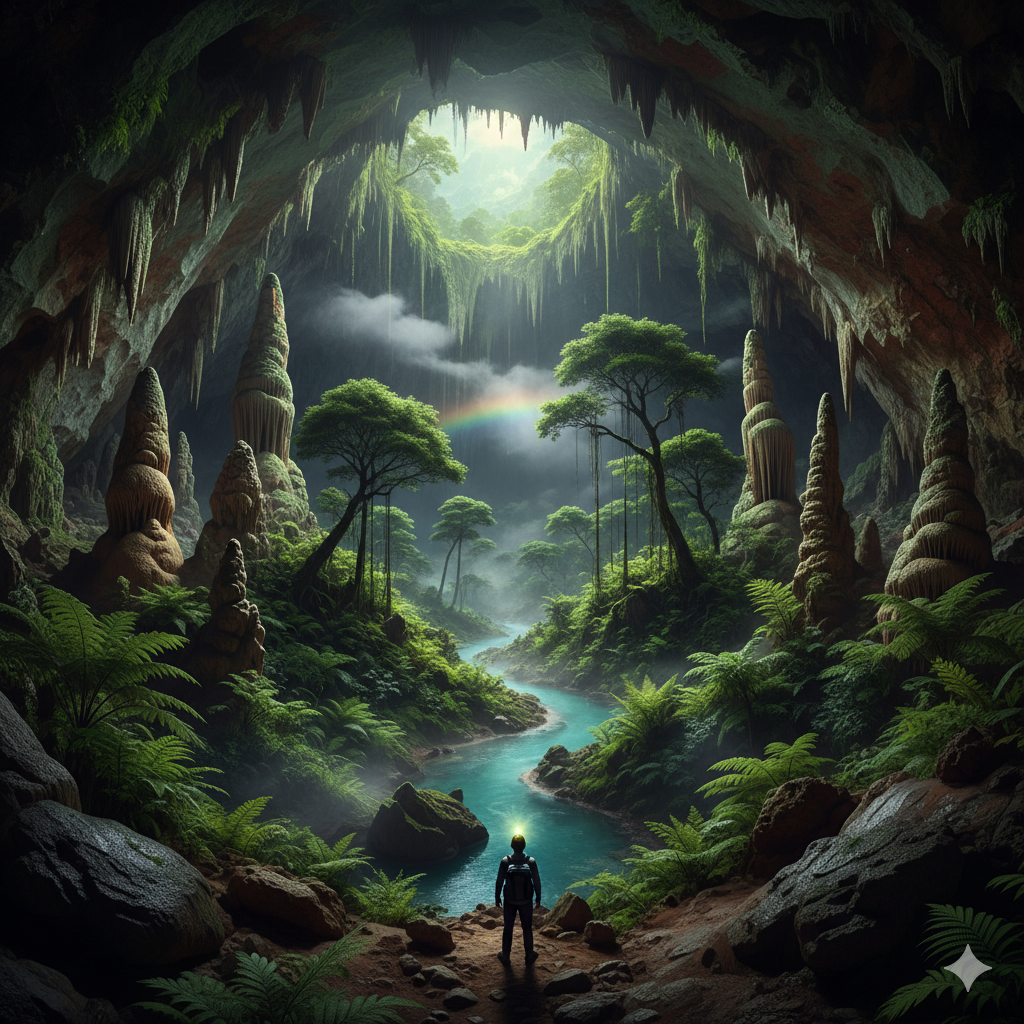
Visiting requires planning, fitness, and respect for the fragile ecosystem, but for those who go, it’s a life-changing experience — walking through the World’s Largest Cave, where every corner tells a story millions of years in the making.
FAQs
1. How many visitors can enter Son Doong Cave per year?
Approximately 800 visitors, to protect the cave ecosystem.
2. Can beginners explore Son Doong Cave?
No, it requires moderate to high physical fitness and participation in a guided expedition.
3. How long is the typical Son Doong trek?
5 days, including trekking, camping, and exploration of key chambers.
4. Are drones allowed inside the cave?
No — drones are prohibited to preserve wildlife and the cave environment.
5. What is the temperature inside Son Doong?
It ranges 20–25°C, mild but humid.