

Introduction: Traveling Through Time and Culture
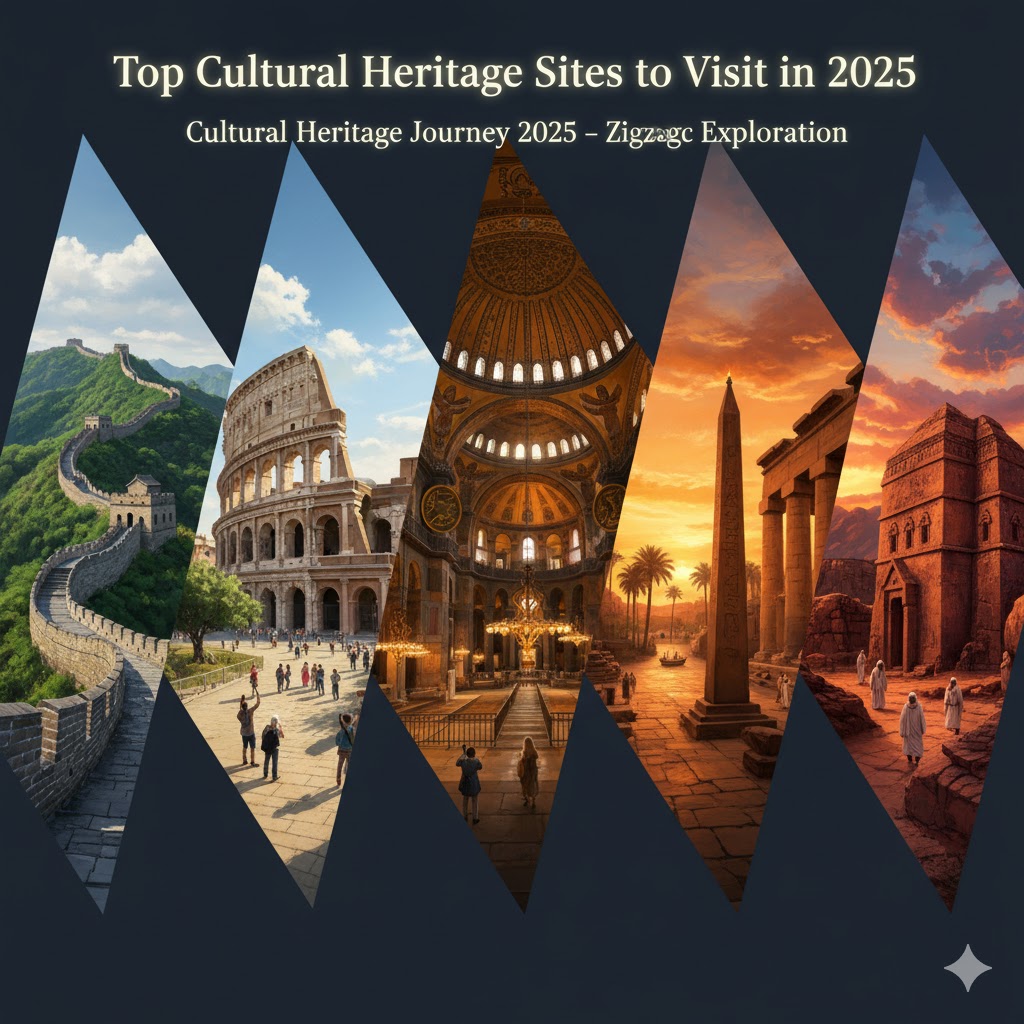
Top Cultural heritage sites to visit in 2025 represent the pinnacle of human history, architecture, and tradition. Visiting them is like stepping into a living museum, where every stone, every monument, and every alleyway tells a story that spans centuries.
In 2025, more travelers seek authentic experiences over crowded tourist spots. They want to immerse themselves in local customs, rituals, and art, capturing memories beyond selfies. Whether wandering through ancient temples, exploring medieval towns, or attending centuries-old festivals, these destinations offer deep cultural connections.
Moreover, visiting heritage sites supports local economies and preserves culture. Travelers can actively engage with craftspeople, historians, and communities, ensuring that these traditions endure.

1. Machu Picchu, Peru – The Lost Incan City
Highlights:
Machu Picchu is the ultimate symbol of Incan civilization. This mountaintop citadel features:
- Terraced agriculture carved into steep slopes
- The Temple of the Sun and the Intihuatana stone
- Sacred Plaza and Room of the Three Windows
Hiking up Huayna Picchu or the Sun Gate rewards travelers with breathtaking views over the Andes and Urubamba River valley.
History/Tradition:
Constructed in the 15th century under Emperor Pachacuti, Machu Picchu served as a royal estate and religious sanctuary. The Incas demonstrated remarkable engineering skills—terracing, water channels, and stone fitting—that have survived centuries. Archaeological studies reveal insights into Incan cosmology, astronomy, and agricultural innovation.
How to Reach:
- Fly into Cusco International Airport
- Take the scenic train to Aguas Calientes
- Shuttle buses or multi-day hikes lead to the citadel entrance
Best Time to Visit:
- Dry season: April–October for clear skies
- Early mornings recommended to avoid crowds
Tickets/Price:
- Entry fee: ~$60–$70
- Guided tours: $40–$80
- Multi-day Inca Trail permits require booking months in advance
Hidden Gems/Tips:
- Explore lesser-visited terraces on the outskirts of the citadel
- Hike Inca Trail or Salkantay Trek for immersive trekking experiences
- Capture sunrise reflections over Machu Picchu from the Sun Gate
Local Food:
- Quinoa soup, cuy (guinea pig), alpaca steak
- Fresh Andean potatoes and corn-based dishes

2. Angkor Wat, Cambodia – Temple of Temples
Highlights:
- Largest religious monument in the world
- Magnificent bas-relief carvings depicting Hindu epics
- Stunning sunrise reflections in temple moats
History/Tradition:
Built in the early 12th century by King Suryavarman II, Angkor Wat symbolizes Khmer architectural brilliance. Initially dedicated to Hinduism, it later became a Buddhist site. The temple complex illustrates cosmic symbolism, with towers representing Mount Meru and galleries depicting epics from the Ramayana and Mahabharata.
How to Reach:
- Fly to Siem Reap International Airport
- Tuk-tuks, bicycles, or private tours connect to the temples
Best Time to Visit:
- November–March (cool and dry season)
- Early mornings for sunrise photography
Tickets/Price:
- 1-day pass: ~$37
- 3-day pass: ~$62
- 7-day pass: ~$72
Hidden Gems/Tips:
- Visit Ta Prohm, where tree roots entwine ancient stones
- Explore Banteay Srei, the “Citadel of Women,” with pink sandstone carvings
- Engage a certified local guide for deep historical insights
Local Food:
- Amok fish, Cambodian curry, Khmer noodles
- Seasonal tropical fruits such as mangoes and jackfruit

3. Petra, Jordan – The Rose-Red City
Highlights:
- Treasury (Al-Khazneh) carved into sandstone cliffs
- Monastery (Ad-Deir) and Roman-style theatres
- Narrow Siq passage with towering canyon walls
History/Tradition:
Founded in the 6th century BC by the Nabateans, Petra became a vital trading hub for incense, spices, and silk. Advanced water management systems and stone-carving techniques made it a thriving city in arid desert conditions.
How to Reach:
- Fly to Amman Queen Alia International Airport
- Drive (~3 hours) or join guided tours to Petra
- Local accommodations in Wadi Musa offer convenient access
Best Time to Visit:
- Spring (March–May) and Autumn (September–November) for comfortable temperatures
Tickets/Price:
- 1-day: ~$70
- 2-day: ~$75
- 3-day: ~$80
Hidden Gems/Tips:
- Hike to High Place of Sacrifice for panoramic views
- Explore lesser-known Siq paths for quiet photography
- Experience Petra by Night, illuminated by candles
Local Food:
- Mansaf (lamb with rice and yogurt sauce)
- Falafel, hummus, pita bread, and freshly baked flatbreads

4. Kyoto, Japan – Ancient Temples and Gardens
Highlights:
- Over 1,600 Buddhist temples and Shinto shrines
- Kinkaku-ji (Golden Pavilion), Arashiyama Bamboo Grove
- Traditional gardens and tea houses
History/Tradition:
Kyoto was Japan’s imperial capital for over 1,000 years. Preserved neighborhoods, traditional crafts, and seasonal festivals maintain authentic Japanese culture, including tea ceremonies, geisha performances, and kimono traditions.
How to Reach:
- Fly to Osaka or Kansai International Airport
- Shinkansen (bullet trains) and local trains connect to Kyoto city
Best Time to Visit:
- March–April (cherry blossoms)
- October–November (autumn foliage)
Tickets/Price:
- Temples: $3–$10
- Gardens: $5–$15
- Tea ceremonies and workshops vary $20–$50
Hidden Gems/Tips:
- Attend traditional tea ceremonies in Gion
- Visit lesser-known temples like Tofuku-ji for quiet reflection
- Cycle through the city for unique perspectives of temples and markets
Local Food:
- Kaiseki (multi-course meal), yudofu (tofu hot pot), matcha desserts

5. Great Wall of China – The Iconic Ancient Rampart
Highlights:
- 21,196 kilometers of fortifications across northern China
- Towering watchtowers and strategic passes
- Majestic views of mountains and valleys
History/Tradition:
Built over centuries, from the 7th century BC to the Ming dynasty, the Great Wall served as a defensive structure against invasions and a symbol of Chinese strength and ingenuity. It represents a fusion of military, architectural, and cultural heritage, reflecting the vision of countless dynasties.
How to Reach:
- Fly into Beijing Capital International Airport
- Travel via road or train to major sections like Badaling, Mutianyu, Jinshanling
Best Time to Visit:
- Spring (April–June) for blooming landscapes
- Autumn (September–October) for crisp weather and fall foliage
Tickets/Price:
- Badaling: ~$10–$15
- Mutianyu: ~$12–$18 including cable car
Hidden Gems/Tips:
- Avoid peak hours for a quieter experience
- Explore less crowded sections like Jinshanling for trekking
- Hire a guide for historical insights and secret pathways
Local Food:
- Peking duck in Beijing
- Local snacks at wall-side eateries (steamed buns, dumplings)

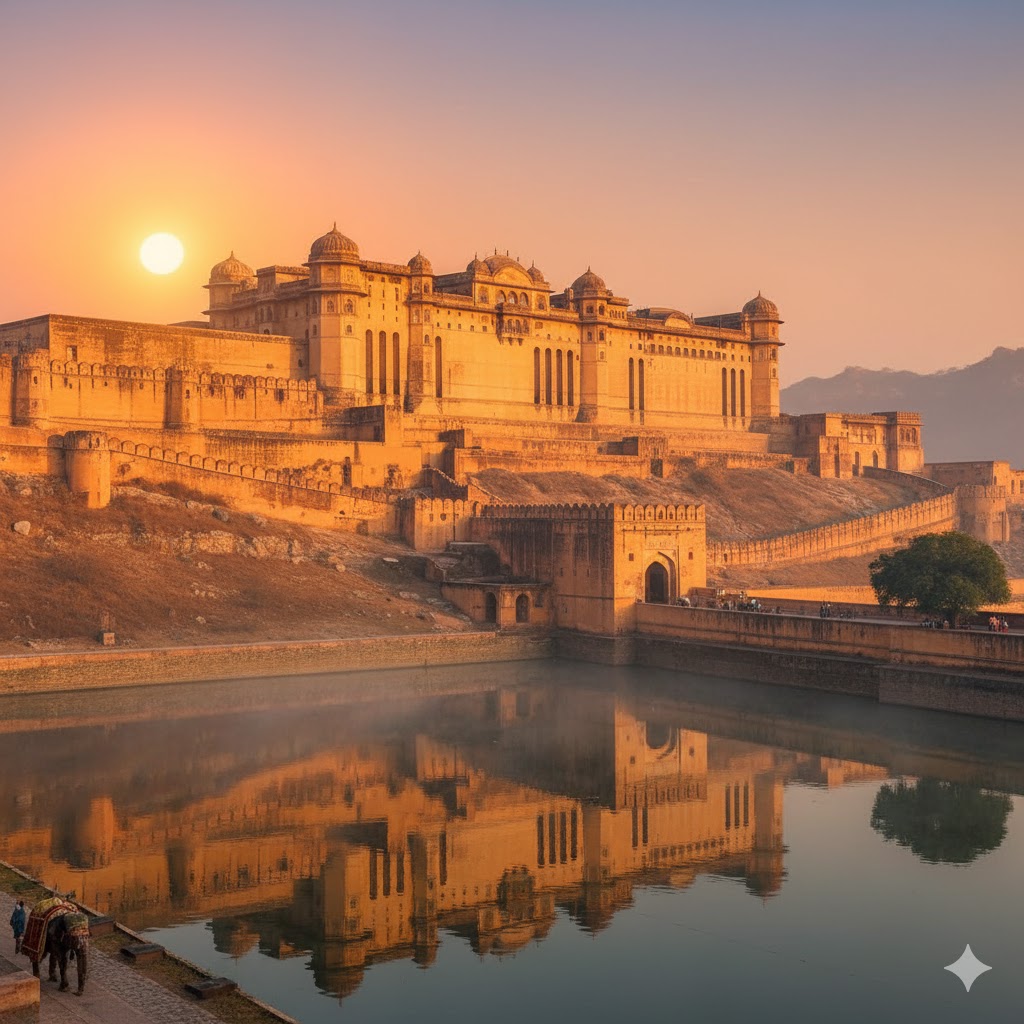
6. Jaipur, India – Amer Fort & Royal Heritage
Highlights:
- Amer Fort, City Palace, and Hawa Mahal
- Vibrant Rajput architecture with intricate carvings and courtyards
History/Tradition:
Jaipur, known as the Pink City, was founded in 1727 and served as the capital of Rajasthan. Its forts and palaces reflect Rajput valor, royal lifestyles, and artistic excellence. Jaipur’s streets and markets are famous for handicrafts, jewelry, and textiles.
How to Reach:
- Fly to Jaipur International Airport
- Road connections from Delhi and other cities
Best Time to Visit:
- October–March for pleasant climate and festivals like Jaipur Literature Festival
Tickets/Price:
- Amer Fort: ~$10–$15
- City Palace: ~$12
- Elephant rides optional at Amer Fort
Hidden Gems/Tips:
- Sunrise or sunset views from Jaigarh Fort
- Explore local markets for traditional Rajasthani crafts
- Try cooking classes to learn authentic regional cuisine
Local Food:
- Dal Baati Churma (lentils and baked wheat balls)
- Laal Maas (spicy mutton curry)
- Ghewar (sweet dessert)
7. Rome, Italy – Colosseum & Ancient City
Highlights:
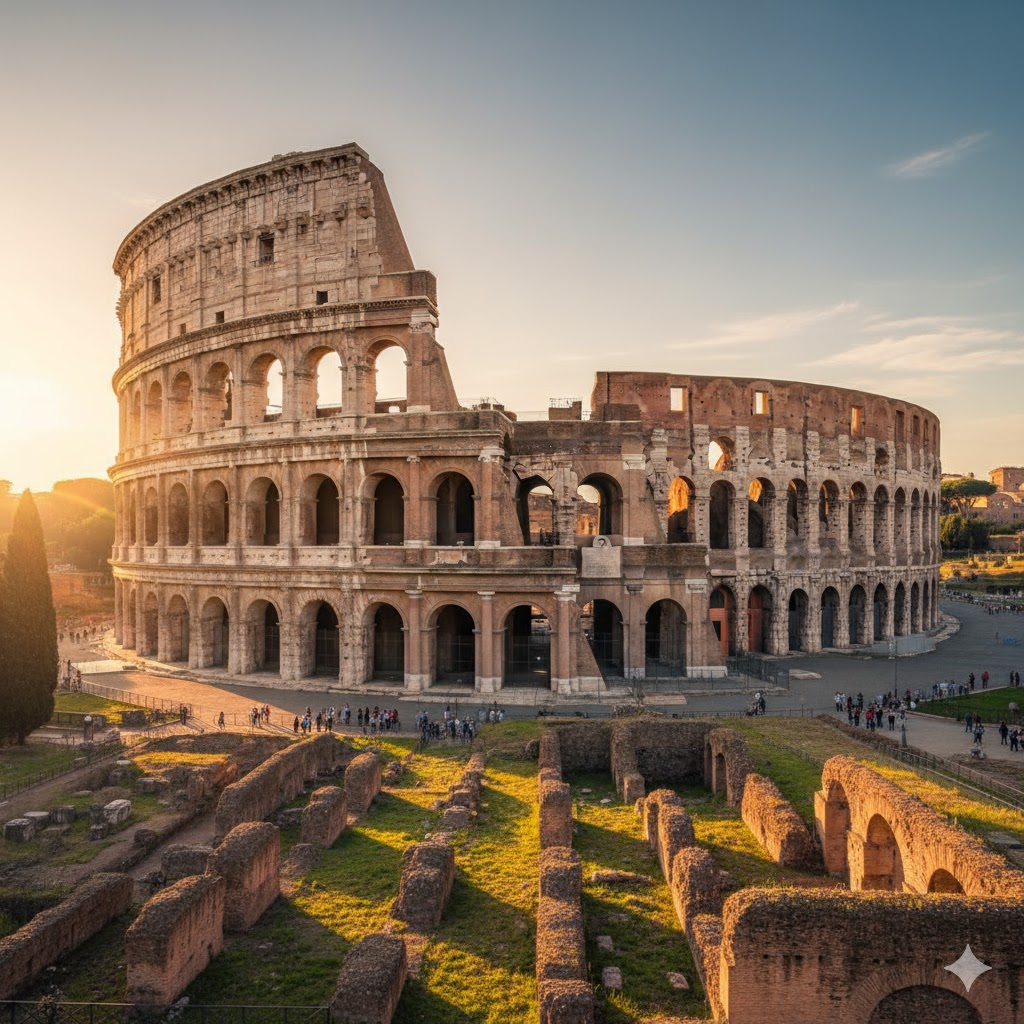
- Colosseum, Roman Forum, and Pantheon
- Ancient roads, aqueducts, and monumental arches
History/Tradition:
Rome, the “Eternal City,” was the heart of the Roman Empire, influencing law, governance, architecture, and culture worldwide. The Colosseum symbolizes entertainment, gladiatorial games, and engineering brilliance. Walking through the Forum immerses visitors in ancient Roman life.
How to Reach:
- Fly to Rome Fiumicino Airport
- Trains, buses, and walking tours throughout historic districts
Best Time to Visit:
- Spring (April–June) and autumn (September–October) for comfortable weather and fewer crowds
Tickets/Price:
- Colosseum: ~$18
- Roman Forum & Palatine Hill: ~$12
- Combined guided tours: $30–$50
Hidden Gems/Tips:
- Visit early morning or late afternoon to avoid peak crowds
- Explore Trastevere neighborhood for authentic Roman streets
- Book night tours for unique lighting and ambiance
Local Food:
- Pasta alla Carbonara, Cacio e Pepe
- Roman-style pizza and gelato
- Suppli (fried rice balls) from local street vendors
8. Hagia Sophia, Istanbul, Turkey – Byzantine & Ottoman Marvel
Highlights:
- Architectural blend of Christian basilica and Islamic mosque
- Stunning domes, mosaics, and minarets
History/Tradition:
Built in 537 AD, Hagia Sophia served as a Greek Orthodox cathedral, later converted to a mosque, and now a museum and mosque again. Its architectural genius influenced church and mosque designs globally.
How to Reach:
- Fly into Istanbul Airport or Sabiha Gökçen Airport
- Tram and local transport to Sultanahmet district
Best Time to Visit:
- Spring (April–May) and autumn (September–October) for mild weather
Tickets/Price:
- Entry: Free since reopening as mosque
- Guided tours: ~$20–$30
Hidden Gems/Tips:
- Visit early morning to avoid crowds
- Explore nearby Blue Mosque and Topkapi Palace
- Learn about mosaics and architectural history from certified guides
Local Food:
- Turkish kebabs, baklava, and simit (sesame bread rings)
- Traditional Turkish tea in nearby cafes

9. Luxor & Karnak Temples, Egypt – Ancient Egyptian Wonders
Highlights:
- Karnak Temple complex: hypostyle halls, obelisks, sacred lakes
- Luxor Temple: night illumination, avenue of sphinxes
History/Tradition:
These temples were central to ancient Egyptian religion, built over centuries from the Middle Kingdom to the Ptolemaic era. They honor gods like Amun-Ra and showcase hieroglyphics, massive statues, and monumental architecture.
How to Reach:
- Fly into Luxor International Airport
- Short taxi or bus rides to temple complexes
Best Time to Visit:
- October–April for cooler weather and desert sightseeing
Tickets/Price:
- Luxor Temple: ~$10
- Karnak Temple: ~$15–$20
- Guided tours: ~$25–$40
Hidden Gems/Tips:
- Attend evening light-and-sound shows at Luxor Temple
- Explore lesser-known chapels within Karnak
- Take a felucca ride along the Nile for panoramic temple views
Local Food:
- Koshari (rice, lentils, pasta)
- Ful medames (stewed fava beans)
- Fresh date desserts and mint tea

10. Lalibela, Ethiopia – Rock-Hewn Churches
Highlights:
- Eleven medieval monolithic churches carved into rock
- Underground tunnels and sacred courtyards
History/Tradition:
Built in the 12th–13th century under King Lalibela, these churches remain active places of worship. Lalibela is a pilgrimage site for Ethiopian Orthodox Christians, representing devotion, art, and architectural mastery.
How to Reach:
- Fly to Lalibela Airport from Addis Ababa
- Short road transfers to the church complexes
Best Time to Visit:
- October–March for dry weather
- Timkat (Epiphany) festival in January offers cultural immersion
Tickets/Price:
- Entry fee: ~$50–$60
- Guided tours recommended for historical context
Hidden Gems/Tips:
- Visit early morning for peaceful exploration
- Explore hidden passageways between churches
- Respect local customs and dress codes
Local Food:
- Injera (sourdough flatbread) with doro wat (spicy chicken stew)
- Coffee ceremonies with traditional Ethiopian coffee

11. Bagan, Myanmar – Ancient Temples and Pagodas
Highlights:
- Over 2,000 temples spread across plains
- Shwezigon Pagoda, Ananda Temple, and Thatbyinnyu Temple
History/Tradition:
Bagan was the capital of the Pagan Kingdom (9th–13th centuries). Temples showcase Buddhist architecture, murals, and relics, reflecting devotion and cultural sophistication of ancient Myanmar.
How to Reach:
- Fly into Nyaung U Airport (Bagan) from Yangon or Mandalay
- Bicycles, e-bikes, or horse carts for local exploration
Best Time to Visit:
- November–February for cooler weather and clear skies
Tickets/Price:
- Archaeological zone ticket: ~$25 for 5 days
- Hot air balloon rides extra: ~$250
Hidden Gems/Tips:
- Sunrise balloon rides offer panoramic temple views
- Cycle through less-visited pagodas for peaceful moments
- Attend local monk ceremonies for cultural immersion
Local Food:
- Mohinga (rice noodle soup)
- Tea leaf salad, samosas, and traditional Burmese desserts

Traveler Guide: Embracing Global Heritage
Exploring cultural heritage sites to visit in 2025 allows travelers to connect deeply with human history, creativity, and living traditions. Each destination offers unique lessons in architecture, spirituality, and cultural resilience.
By traveling responsibly, respecting local customs, and engaging with communities, visitors can experience authentic heritage while preserving it for future generations.